One Week in Kyoto: The Complete 7-Day Itinerary
Seven days is the ideal length to experience Kyoto without rushing. This guide breaks down each day by district, with practical logistics, timing advice, and clear assessments of what's worth your time. Whether you're planning your first visit or returning with more days to spare, this itinerary covers the full range of Kyoto's historic city.
Plan and book this trip
Tools from our partner Travelpayouts help you compare flights and hotels. If you book through them, we may earn a commission at no extra cost to you.
Flights
Hotels map
TL;DR
- Seven days lets you cover Kyoto's main districts without feeling rushed: Higashiyama, Arashiyama, Fushimi, the Philosopher's Path area, and the imperial north.
- The ¥1,100 Subway & Bus 1-Day Pass covers most central routes; for a full week, buy it on days when you're crossing multiple districts rather than every day. See ourguide to getting around Kyoto for the full transport breakdown.
- Start your mornings early, especially at Fushimi Inari, Arashiyama Bamboo Grove, and Kiyomizu-dera. These sites are manageable before 8am and overwhelming by 10am.
- April to May and October to November are the most comfortable months weather-wise. Check thebest time to visit Kyoto guide before booking flights.
- Not everything in Kyoto requires advance booking. The Kyoto Imperial Palace is free and open year-round with no prior registration required, though it closes Mondays and from December 28 to January 4.
Before You Go: Transport, Passes, and Practical Setup
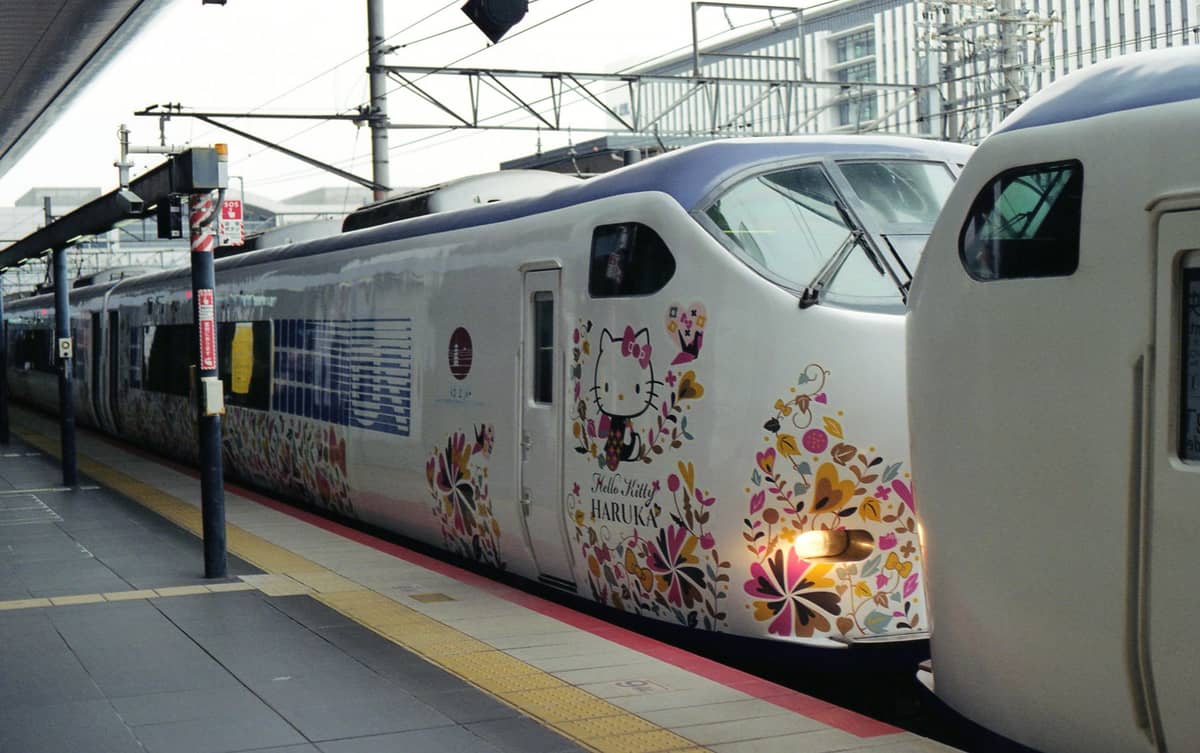
Most international visitors arrive via Kansai International Airport (KIX), roughly 75-80km from central Kyoto. The fastest option is the JR Haruka Limited Express, which runs direct to Kyoto Station in about 75–80 minutes for approximately ¥3,000 one way at the regular fare (discounted tourist tickets can reduce this). Airport limousine buses also run direct but take 90-120 minutes depending on traffic and cost a similar amount. Taxis are possible but can exceed ¥20,000 and are rarely worth it unless you're in a large group with heavy luggage.
Once in the city, Kyoto's transport network is built around two systems: the Kyoto Municipal Subway (Karasuma Line and Tozai Line) and the Kyoto City Bus. The standard city bus flat fare within the central zone is ¥230 per adult; the Sightseeing Limited Express Bus charges ¥500. The combined Subway & Bus 1-Day Pass costs ¥1,100 and covers both city bus routes and the subway. Buy it on days when you're moving between multiple districts. On days when you're staying in one neighborhood on foot, skip it. Private railways including Keihan, Hankyu, and Kintetsu cover routes the municipal system doesn't reach, so factor those in when heading to Fushimi or further afield.
💡 Local tip
IC cards (especially ICOCA, and other major IC cards) work across most Kyoto transit systems and are the most convenient way to pay. Load ¥3,000-¥5,000 at the start of your trip and top up as needed. You avoid fumbling for exact change and can ride buses, subways, and most private railways without thinking.
For accommodation, the choice of base matters more in Kyoto than in most cities. Staying near Kyoto Station gives you Shinkansen access and direct bus routes, but the area itself lacks atmosphere. The Gion and Higashiyama neighborhoods put you closest to the historic sights but book out early and cost more. Downtown Kyoto, centered on Shijo-Kawaramachi, is a reasonable compromise: good transit, dining options, and walkable to both east and west. If you're open to a ryokan experience, Arashiyama has some excellent options along the river.
Day 1-2: Higashiyama and Gion, The Historic Core
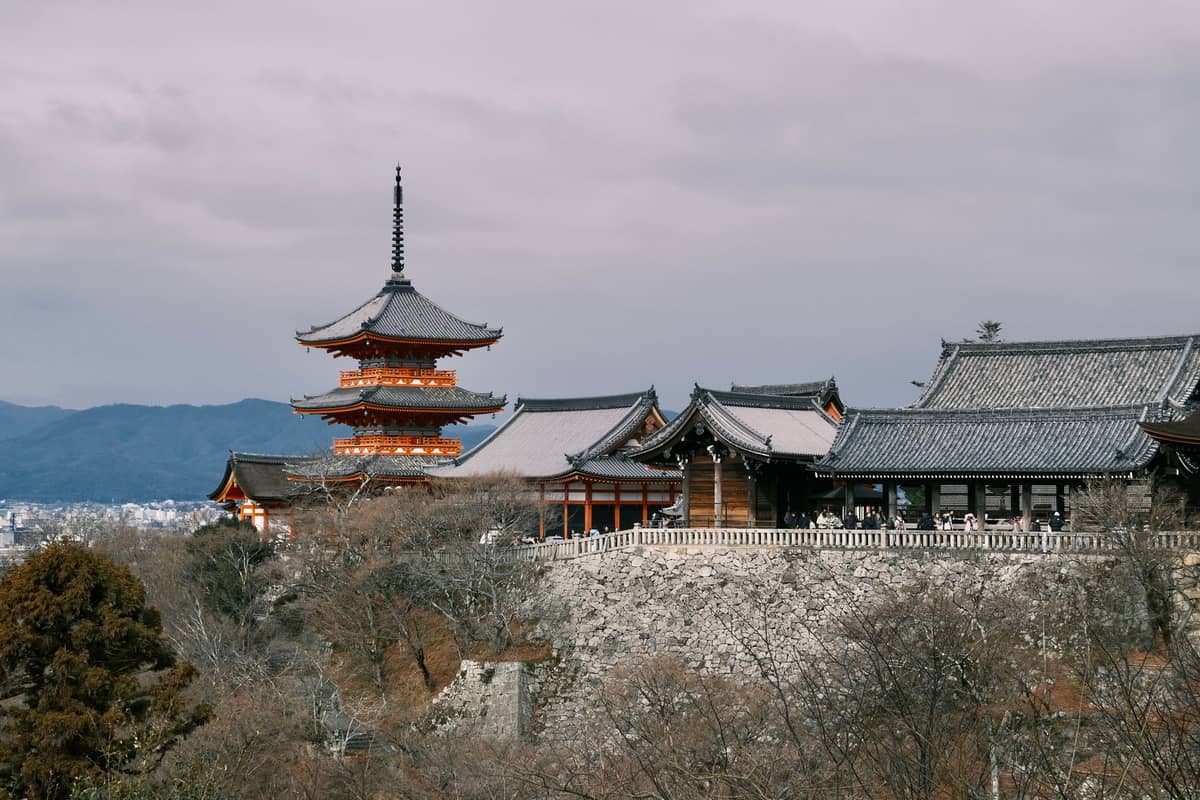
Start your Kyoto itinerary in Higashiyama, the eastern mountain district that concentrates the most iconic historic streetscapes in the city. Arrive at Kiyomizu-dera before 8am if you can. The temple sits on a hillside above the city with a wooden stage projecting out over a forested slope. By 9:30am the approach lanes throughNinenzaka and Sannenzakaare clogged with tour groups. The same streets at 7am are quiet, photogenic, and properly atmospheric.
After Kiyomizu-dera, walk north through the preserved lanes towardGion. Spend time on Hanamikoji Street and the quieter Gion Shirakawacanal area. Gion is Kyoto's historic geisha district, a place of wooden machiya townhouses and traditional teahouses. Early evening is the best time to walk here if you're hoping to spot a geiko or maiko heading to an appointment. Photography rules in Gion have been tightened in recent years, particularly in the narrower residential lanes. Respect posted signs.
Use Day 2 to continue through Higashiyama at a slower pace.Yasaka Shrine at the western end of Maruyama Park is free and worth a morning visit. Further south, Sanjusangen-dohouses 1,001 gilded Kannon statues in a single long hall. It's one of the most genuinely striking interiors in Kyoto and doesn't get the attention it deserves. Nearby, theKyoto National Museumis worth a few hours if you're interested in Japanese art history. Note that it closes Mondays, though if Monday falls on a national holiday it stays open and closes the following day instead.
Day 3: Fushimi Inari and the Southern Districts
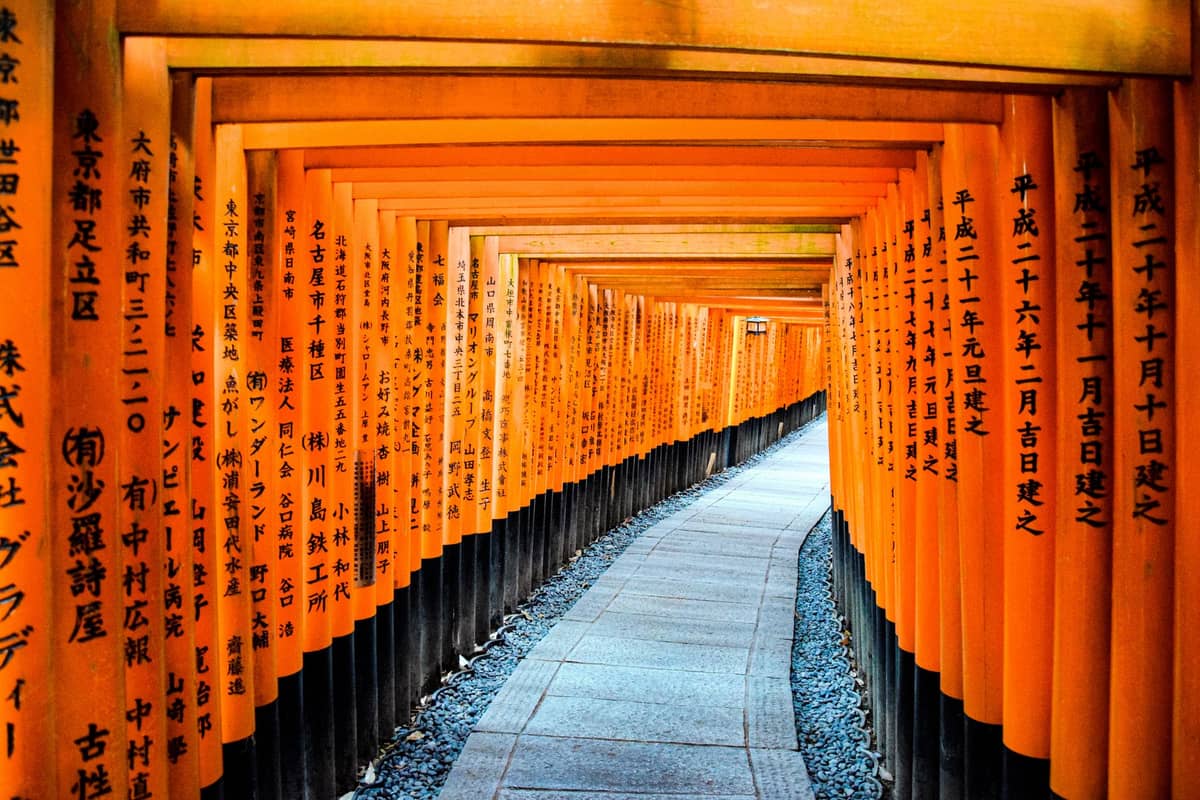
Day 3 should be reserved for Fushimi Inari Taishain the south. The shrine is famous for its thousands of vermillion torii gates that wind up Mount Inari, but most visitors only walk 20-30 minutes to the first viewing platform and turn back. That's fine if your time is limited, but the real experience is higher up: past Yotsutsuji junction, the crowds thin dramatically and the atmosphere shifts entirely. The full round trip to the summit takes around 2-3 hours at a moderate pace. Start no later than 7am to beat the rush.
After Fushimi Inari, walk or take a short bus ride to the Fushimi sake district. Fushimi is one of Japan's most historically significant sake-brewing areas, and the waterway-lined streets around Gekkeikan and other breweries offer a very different side of Kyoto from the temple circuit. Some breweries operate small museums with tastings. From Fushimi you can also make a short stop atTo-ji Templeon the way back north. Its five-story pagoda is the tallest wooden tower in Japan.
⚠️ What to skip
Fushimi Inari has no closing time. It's open 24 hours and the torii gates are free to walk through. The main shrine buildings have their own hours, but the mountain path itself is always accessible. This makes it an excellent early morning or even pre-dawn visit if you're an early riser or dealing with jet lag.
Day 4-5: Arashiyama and the Western Hills
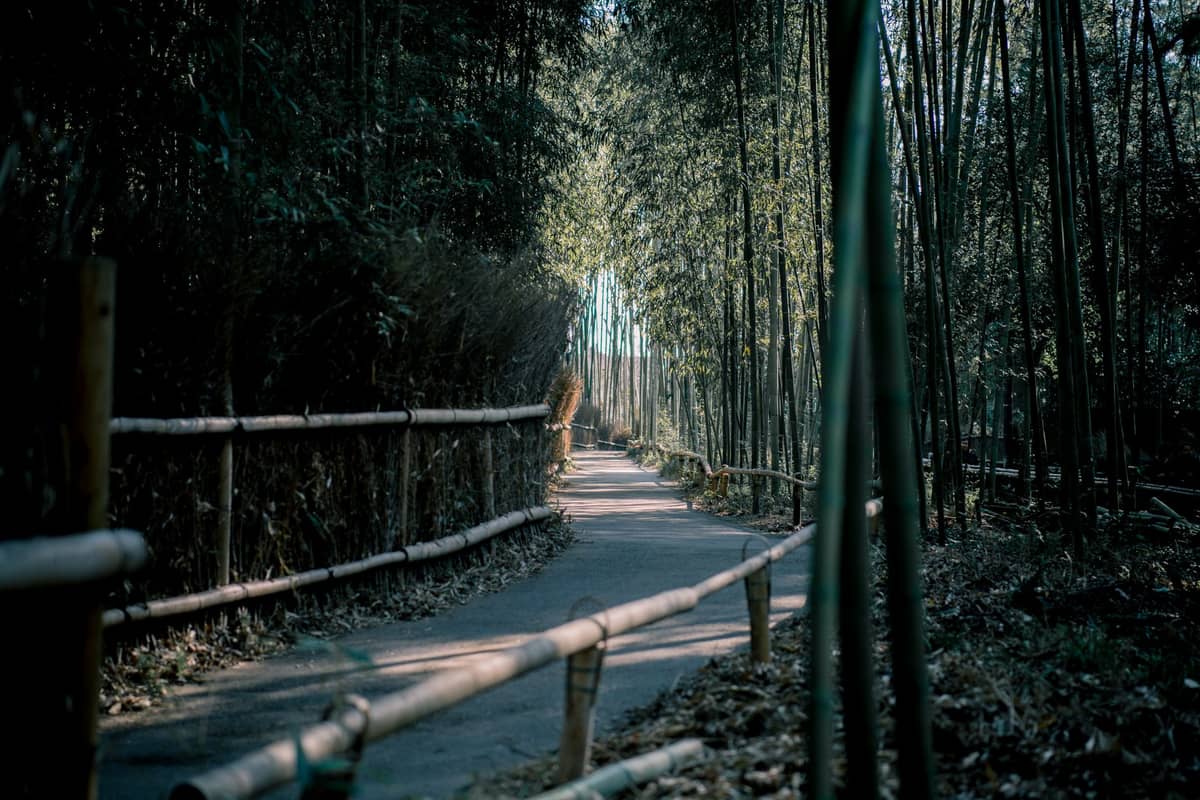
Dedicate at least one full day, ideally two, to Arashiyama in western Kyoto. The Arashiyama Bamboo Groveis the obvious starting point, but the same advice applies as everywhere else in Kyoto: arrive before 8am. The bamboo corridor is narrow and the experience of walking through it depends heavily on crowd levels. Mid-morning on a weekend it becomes a slow-moving queue for photos.
Beyond the bamboo, Arashiyama rewards slower exploration. Tenryu-jiis a World Heritage Zen temple with one of Kyoto's finest garden views, framing the Arashiyama hills behind a pond garden. The garden admission alone is cheaper than full temple entry, so decide based on your interest in the interior. TheTogetsukyo Bridgeover the Hozu River is a pleasant landmark, and the surrounding riverside area is good for a mid-morning walk. For a completely different perspective, theSagano Scenic Railwayruns through the Hozu River gorge and offers views of the gorge that are otherwise inaccessible. Book tickets in advance during peak seasons.
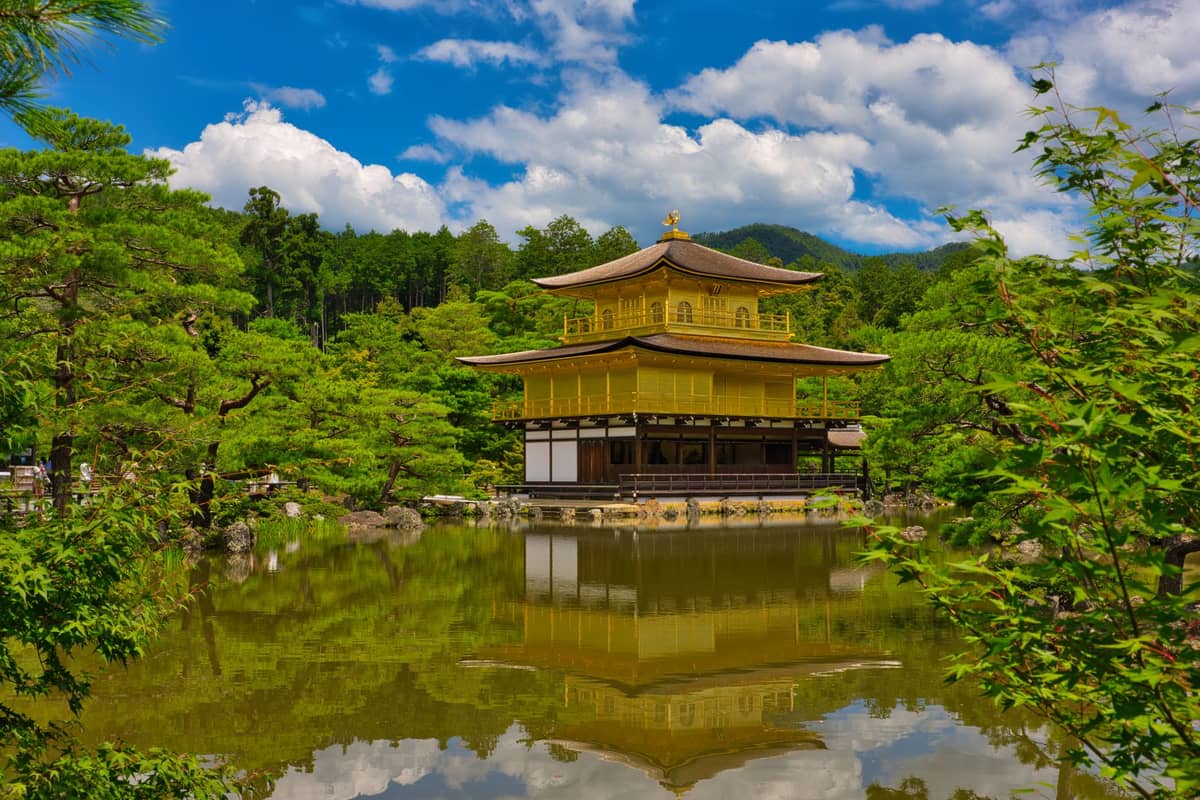
Use the second day in this area to visit Ryoan-ji and Kinkaku-jiin the northwest. Kinkaku-ji (the Golden Pavilion) is probably Kyoto's single most photographed sight. It earns the attention: the gold-leaf exterior reflected in the mirror pond is visually striking at any time of day. But it's also routinely the most crowded site in the city, and the visit is essentially a one-way loop taking 30-40 minutes. Pair it with Ryoan-ji's famous rock garden and Ninna-ji nearby to make the journey worthwhile.Kokedera (the Moss Temple)is nearby and extraordinary, but requires advance written reservation and an entry fee around ¥4,000. It's worth doing once if you plan ahead.
- Arashiyama Bamboo Grove Free to enter, best before 8am. Short walk but heavily photographed. Arrive early or accept crowds.
- Tenryu-ji Garden Garden entry around ¥500, full temple around ¥1,000. World Heritage site with excellent mountain backdrop view.
- Sagano Scenic Railway Seasonal; advance tickets recommended. The gorge views justify the cost, especially in autumn.
- Kinkaku-ji (Golden Pavilion) Admission around ¥500. Unavoidably crowded but genuinely impressive. Visit early morning.
- Ryoan-ji Admission around ¥600. The rock garden is deceptively simple. Worth a quiet 30-40 minutes.
Day 6: The Philosopher's Path, Silver Pavilion, and Nanzen-ji
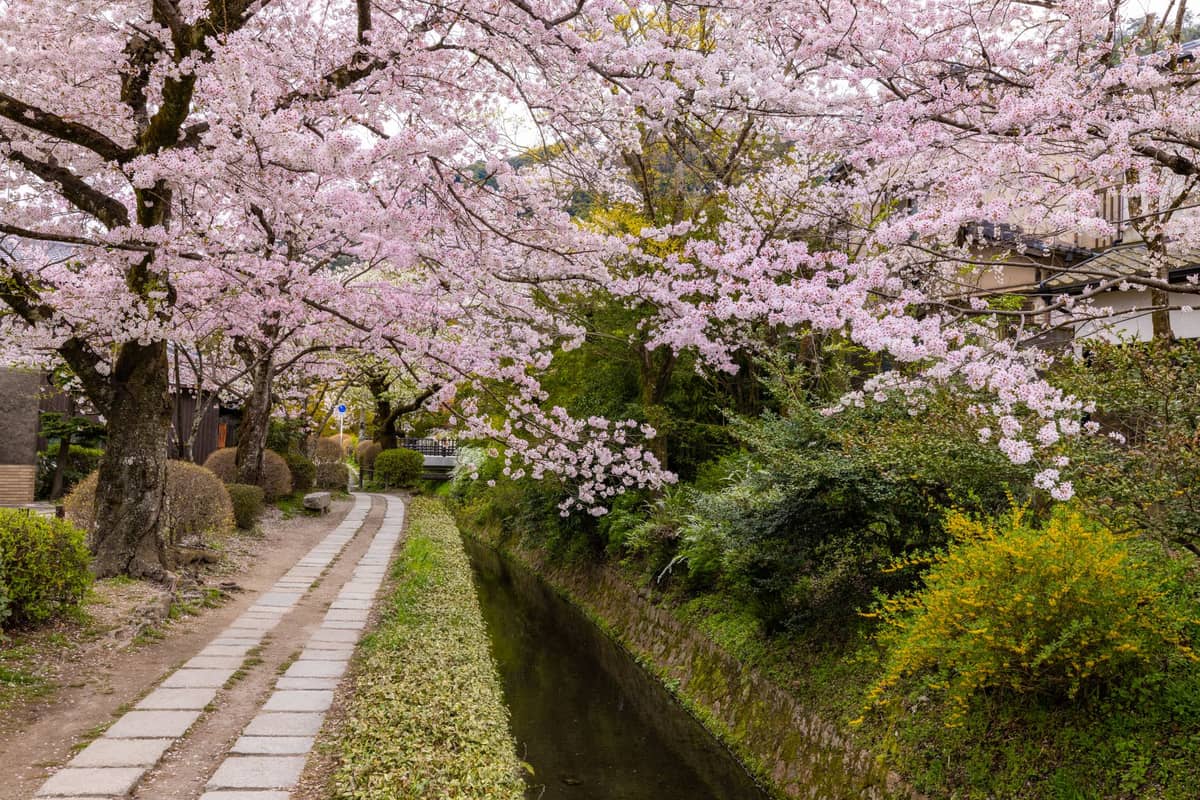
The northern reaches of Sakyō-ku deserve a full day. Start atGinkaku-ji (the Silver Pavilion) in the morning, then walk south along the Philosopher's Path, a canal-side walking route that runs roughly 2km between Ginkaku-ji and Nanzen-ji. Despite the tourist traffic, it remains one of Kyoto's more pleasant walks. In spring the cherry trees along the canal are exceptional; in autumn the maples turn.
At the southern end of the Philosopher's Path, Nanzen-jiis one of Kyoto's most important Zen temple complexes. The Sanmon gate is massive and climbable, the aqueduct running through the grounds is an unexpected 19th-century addition, and the sub-temple gardens are excellent and often uncrowded. Nearby,Eikan-dois one of the best temples for autumn foliage, typically peaking in mid-to-late November. Budget 2-3 hours for the Nanzen-ji area alone.
✨ Pro tip
Rurikoin in the northeastern corner of Sakyō-ku is one of Kyoto's most photogenic autumn spots, famous for its reflection of maple leaves on a lacquered table. It only opens for special periods in spring and autumn, admission is ¥2,000, and queues form early. Check the official Kyoto tourism seasonal opening pages before planning your visit around it.
Day 7: Imperial Kyoto, Nishiki Market, and Loose Ends
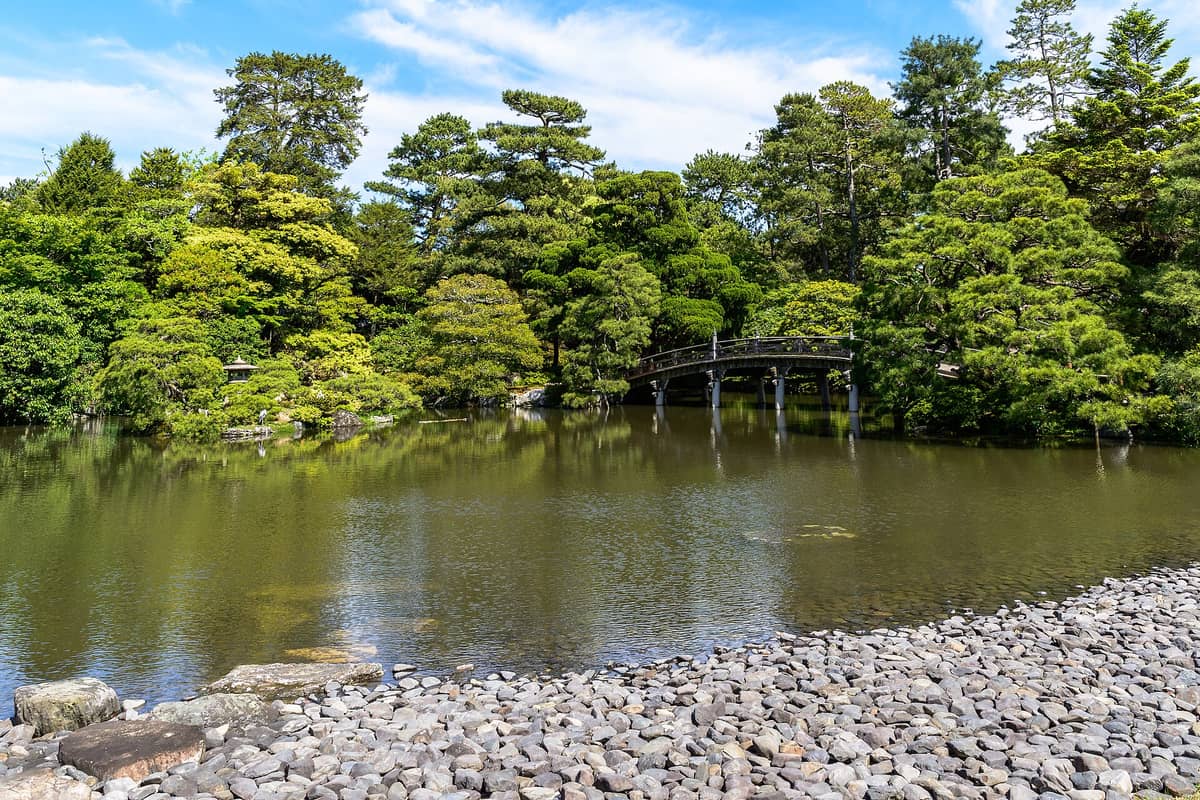
Use your final day to cover central and northern sights at a relaxed pace. TheKyoto Imperial Palacein the Kyoto Gyoen national garden is free and requires no advance booking. Opening hours vary by season: April through August, last admission is at 4:20pm; September and March last admission is at 3:50pm; October through February at 3:20pm. It closes Mondays and from December 28 to January 4. The grounds themselves are open daily and worth a leisurely morning stroll.
From the Imperial Palace, head south into downtown Kyoto for a final wander through Nishiki Market, the narrow covered shopping street running parallel to Shijo-dori. It's been called Kyoto's kitchen for good reason: the stalls sell pickled vegetables, fresh tofu, grilled skewers, and specialty sweets. It gets crowded by mid-morning, so aim to arrive before 10am if you want to browse rather than shuffle. Nearby,Pontocho Alleyrunning between the Kamo River and Nishiki is the right place for a final evening meal: a narrow lantern-lit lane of restaurants with river terrace seating available in summer.
- Book transport and any special-access sites (Katsura Imperial Villa, Kokedera) well in advance. Some require written or online applications weeks ahead.
- Carry cash. Many smaller temples, traditional restaurants, and market stalls still don't accept cards.
- Kyoto tap water is safe to drink. Refill a bottle rather than buying plastic bottles at every stop.
- Tipping is not done in Japan. Leave your change on the tray, not on the table.
- Temple etiquette matters: remove shoes where indicated, don't photograph interiors unless explicitly permitted, and follow any path or queue systems posted at shrines.
Seasonal Adjustments: How to Adapt This Itinerary
A Kyoto itinerary in spring looks very different from one in winter. Kyoto has a humid subtropical climate with hot, humid summers (regularly 31–33°C in August), a defined rainy season in June and early July, and cool winters with temperatures sometimes dropping near 0°C at night in January. The most comfortable windows are April to May and October to November, when daytime temperatures sit around 13–24°C in spring and 15–18°C in late autumn. See our fullKyoto weather guide for month-by-month detail.
Cherry blossom season, typically late March to mid-April, transforms Maruyama Park, the Philosopher's Path, and the grounds of Heian Shrine into some of the most visited scenes in Japan. Crowds are at their annual peak during this period and accommodation books out months in advance. If you're visiting then, ourKyoto cherry blossom guidecovers the best spots and crowd strategies. Autumn foliage, typically November, drives similar demand. If you're visiting in summer, reorder this itinerary to front-load your outdoor mornings and plan indoor activities (museums, tea ceremony experiences, covered markets) during the hottest afternoon hours. Winter is genuinely underrated: crowds drop significantly, prices fall at some accommodations, and sites like Kinkaku-ji dusted in snow are extraordinary.
FAQ
Is 7 days enough for Kyoto?
Yes, a full week is a comfortable amount of time to cover Kyoto's main districts without rushing. You'll be able to do Higashiyama, Gion, Fushimi, Arashiyama, the northwest temple circuit, the Philosopher's Path area, and central Kyoto with time for meals, slower exploration, and at least one day trip if you want one. Three days covers the highlights; seven days lets you go deeper into each area and explore beyond the most-visited sites.
What is the best area to stay in Kyoto for a week?
For a 7-day stay, downtown Kyoto around Shijo-Kawaramachi is the most practical base. You get good transit access in all directions, a wide range of dining options, and walkable distance to Gion and the Kamo River. Staying in Higashiyama or Gion is more atmospheric but limits your evening options and costs more. Kyoto Station area works well if you're doing day trips to Nara, Osaka, or beyond, since it's the Shinkansen hub.
How much does a week in Kyoto cost?
Budget travelers staying in hostels and eating at convenience stores and cheap teishoku restaurants can get by on around ¥8,000-12,000 per day excluding accommodation. Mid-range travelers in business hotels spending on temple admissions, good meals, and a tea ceremony experience should plan for ¥20,000-35,000 per day. Ryokan stays with kaiseki dinners easily push daily costs to ¥60,000 and beyond. Most major temples charge ¥500-600 admission, so a week of active sightseeing adds up. The Kyoto Imperial Palace and many shrine grounds are free.
Do I need to book Kyoto temples and attractions in advance?
Most temples and shrines in Kyoto do not require advance booking; you simply pay admission at the gate. The major exceptions are Katsura Imperial Villa and Shugakuin Imperial Villa, which require advance applications through the Imperial Household Agency, and Kokedera (the Moss Temple), which requires a written reservation. Some popular experiences like the Sagano Scenic Railway and certain tea ceremony venues benefit from advance booking during peak seasons. The Kyoto Imperial Palace is free and open without any booking.
Can I do day trips from Kyoto during a 7-day itinerary?
Easily. Nara is about 35–45 minutes by the Kintetsu Kyoto Line trains and makes an excellent half-day or full day out. Osaka is around 15 minutes by Shinkansen or around 30–40 minutes by Hankyu or Keihan train. Hiroshima and Miyajima are doable as a day trip but are better as an overnight. Within the broader Kyoto area, Kurama and Kibune in the northern mountains are accessible in under an hour and offer a complete change of scenery.