Kyoto Nightlife: Best Bars, Izakayas & Evening Activities
Kyoto's nightlife is quieter than Tokyo's but far richer than most visitors expect. This guide covers the best izakayas, sake bars, evening tours, and riverside dining across Pontocho, Gion, and Kiyamachi, with practical advice on costs, timing, and what to skip.
Plan and book this trip
Tools from our partner Travelpayouts help you compare flights and hotels. If you book through them, we may earn a commission at no extra cost to you.
Flights
Hotels map
TL;DR
- Kyoto nightlife centers on Pontocho, Kiyamachi, and Gion, with the densest concentration of bars and izakayas between Shijo and Sanjo streets.
- Expect to spend around ¥3,000–¥5,000 per person at a mid-range izakaya for food and drinks; chain izakayas offer all-you-can-drink plans from ¥2,000.
- Most venues open around 17:00 and close by 23:00–24:00. This is not a late-night clubbing city.
- Riverside kawadoko dining along the Kamo Riveris one of Kyoto's most atmospheric summer experiences, available roughly May through September.
- For evening context, pair this guide with the Kyoto food guide and our overview of Gion as a district.
What Kyoto Nightlife Actually Looks Like
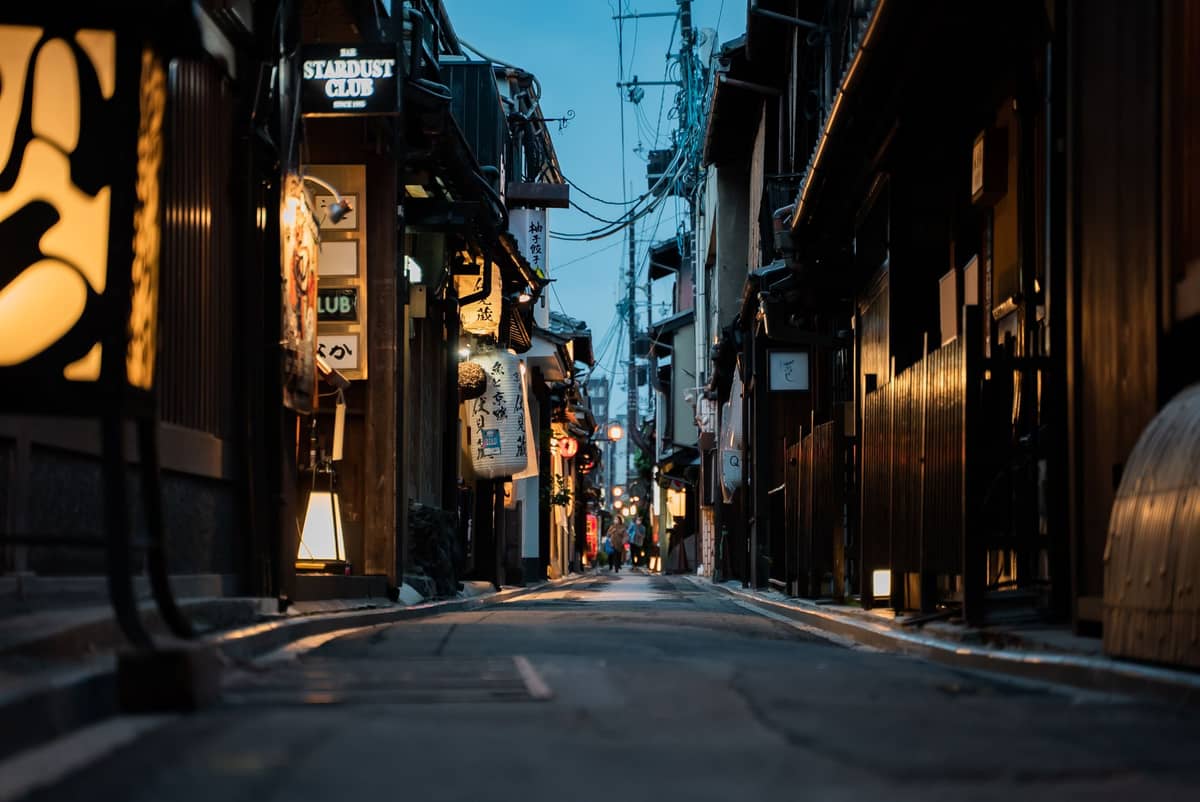
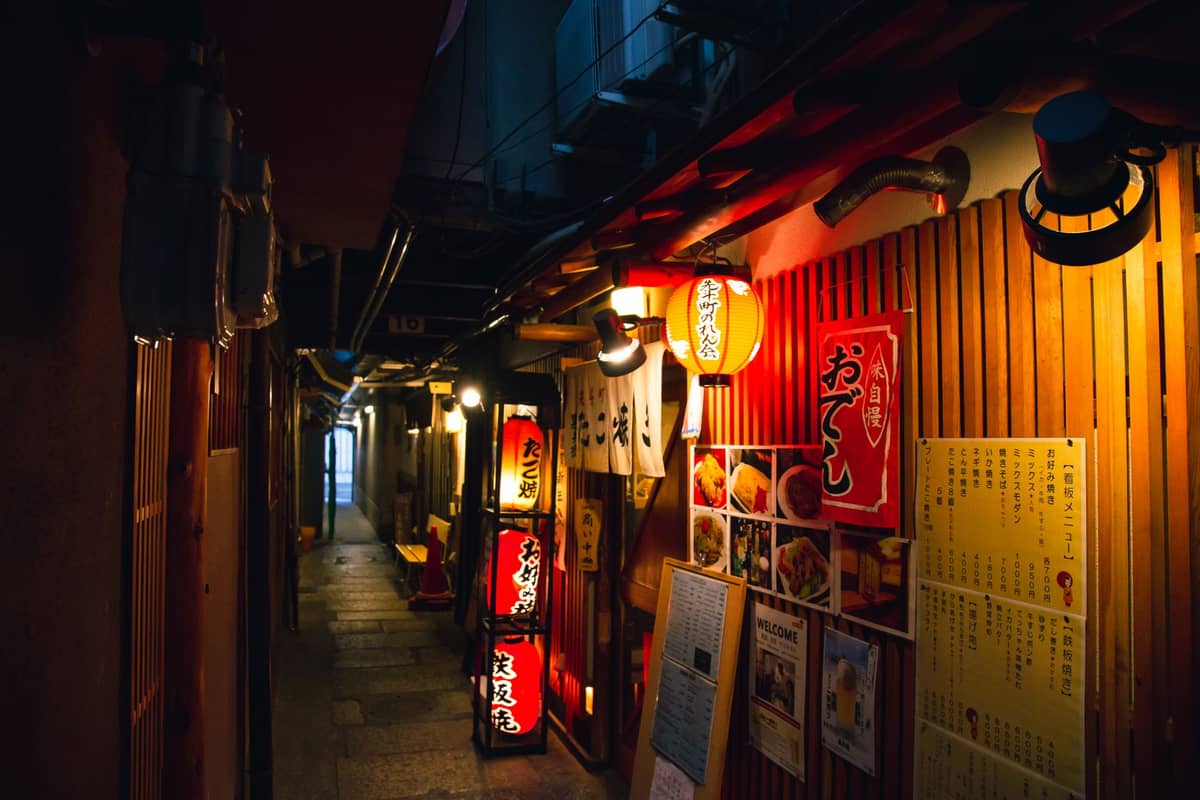
Kyoto nightlife gets undersold and misunderstood in equal measure. The city is regularly dismissed as 'quiet' compared with Tokyo or Osaka, which is only true if you're looking for mega-clubs and all-night DJ sets. What Kyoto actually offers is something more atmospheric and, for many travelers, more satisfying: dense alleys packed with izakayas, intimate sake bars inside century-old machiya townhouses, and candlelit riverside terraces humming with conversation.
The core nightlife corridor runs between Shijo-dori and Sanjo-dori, roughly following Kiyamachi-dori and the narrow lanes connecting it westward through Pontocho to the Kamo River. This area contains hundreds of independent bars and restaurant-bars within a 15-minute walk. Gion, a short walk east over the river, adds a more subdued, upscale layer: sake bars in converted ochaya teahouses, whisky lounges, and the occasional jazz bar. The vibe tips toward contemplative rather than rowdy, which suits the surroundings perfectly.
ℹ️ Good to know
Kyoto is not a clubbing city. If late-night dancing is the priority, most visitors head to Osaka (30 minutes by train) for that. Kyoto's strength is pub culture: good food, good drink, and good conversation in remarkable settings.
The Main Nightlife Districts
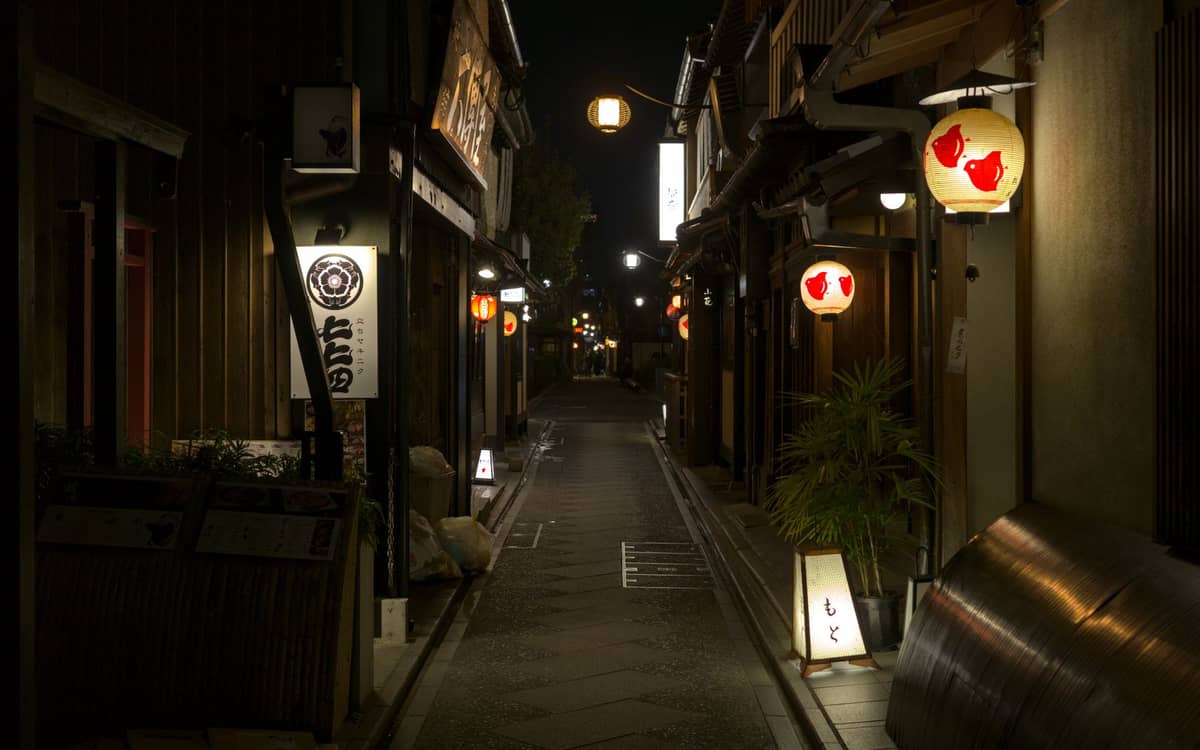
Pontocho is the single most famous nightlife street in Kyoto: a narrow, lantern-lit alley running parallel to the Kamo River between Shijo and Sanjo. At around 500 meters long and barely wide enough for two people to pass, it packs in dozens of restaurants, izakayas, and bars, many of which spill onto riverside terraces in summer. It can feel tourist-heavy at the southern end near Shijo, but walk north and the crowds thin quickly. Pontocho is also the heart of Kyoto'sgeiko and maiko culture, and on quiet evenings you may spot them moving between engagements.
Kiyamachi-dori runs parallel to Pontocho and is slightly more local in character, with a higher concentration of standing bars (tachinomi spots), craft beer places, and small clubs. It follows the Takase River canal and is a bit louder and less polished than Pontocho. The blocks between Shijo and Sanjo along Kiyamachi are where you'll find Kyoto residents actually drinking on a weeknight. Heading south towarddowntown Kyotoaround Karasuma adds izakaya chains and casual gastropubs to the mix.
Gion's nightlife is quieter but more distinctive. The streets aroundGion Shirakawa and Hanamikoji Streethave a cluster of upscale bars and discreet lounges that suit solo travelers or couples looking for something slower-paced. Prices here tend to run higher than Kiyamachi or Pontocho.
- Pontocho Best for atmosphere, riverside dining, and a mix of tourist-friendly and local spots. Peak hours: 19:00–22:30.
- Kiyamachi-dori Best for tachinomi bars, craft beer, and a more local crowd. Good for solo travelers. Peak hours: 20:00–24:00.
- Gion Best for upscale sake bars, whisky lounges, and a calmer environment. Higher prices; reserve ahead at sought-after spots.
- Downtown (Shijo-Karasuma grid) Best for izakaya chains, all-you-can-drink deals, and large group dining. More casual, less atmospheric.
Izakayas: What to Expect and What to Order
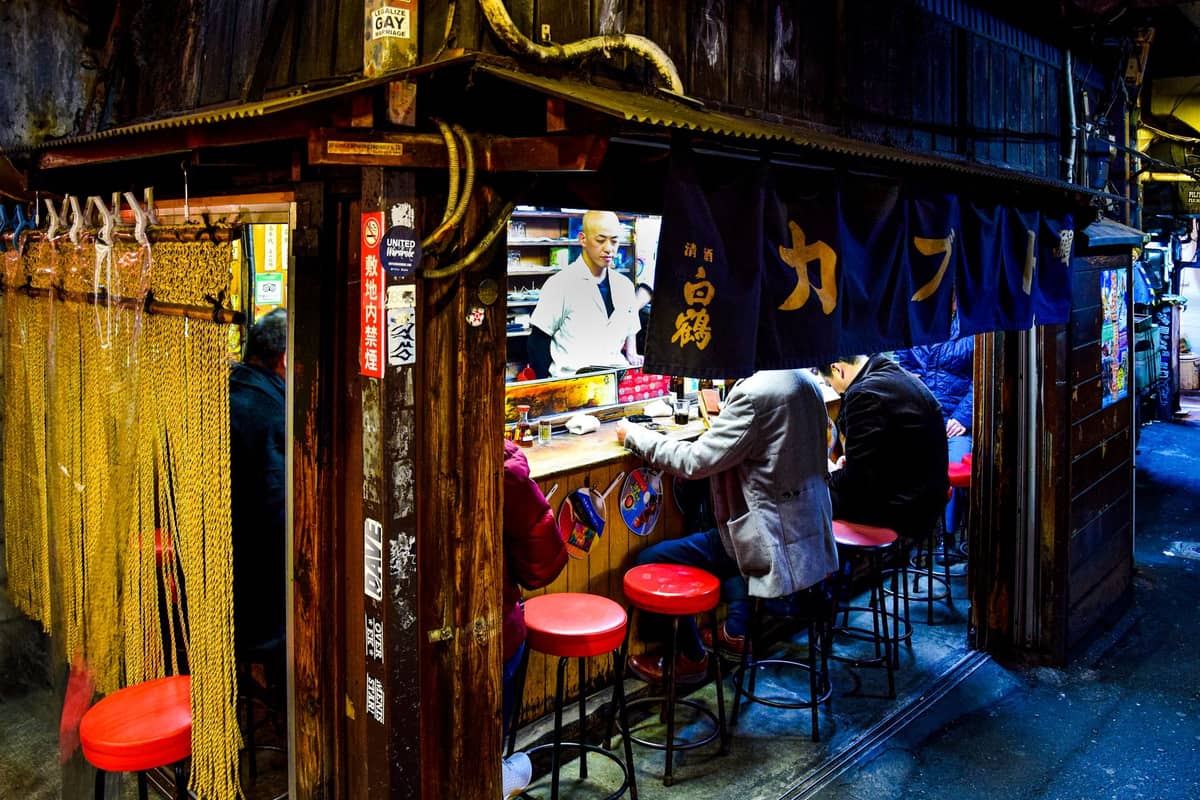
An izakaya is somewhere between a pub and a casual restaurant. You order small dishes to share alongside drinks, you stay as long as you like, and the bill adds up slowly and pleasantly. In Kyoto, the best ones operate out of old machiya townhouses with low ceilings, tatami seating areas, and menus heavy on tofu, yudofu, and locally sourced vegetables alongside the standard yakitori and karaage.
Independent machiya-style izakayas typically cost around ¥3,000–¥5,000 per person for a full evening including food and drinks. A draft beer (nama biru) starts at around ¥500–¥600, and a glass of sake runs ¥500–¥800 depending on quality. If you want to keep costs down, chain izakayas such as Torikizoku (yakitori specialist, with items starting around ¥298 each) or Watami offer nomihodai (all-you-can-drink) plans for around ¥2,000–¥2,500 for 120 minutes, usually bundled with a food set. These chains lack atmosphere but are a perfectly fine introduction to the format.
💡 Local tip
Many izakayas in Kyoto require you to order at least one food item per person, and some charge a small table cover fee (otoshi) of ¥300–¥500, which typically comes with a small appetizer. This is standard and not a scam — it's factored into the experience.
Typical opening hours are 17:00–23:00, with last food orders around 22:00 and last drinks around 22:30. The dinner rush hits between 18:00 and 19:30. If you haven't reserved by 19:00 on a Friday or Saturday, popular spots will likely be full. During cherry blossom season (late March to mid-April) and autumn foliage (mid-November), reservations at any decent izakaya in Pontocho or Gion are close to essential.
Kawadoko: Riverside Dining on Kamo River
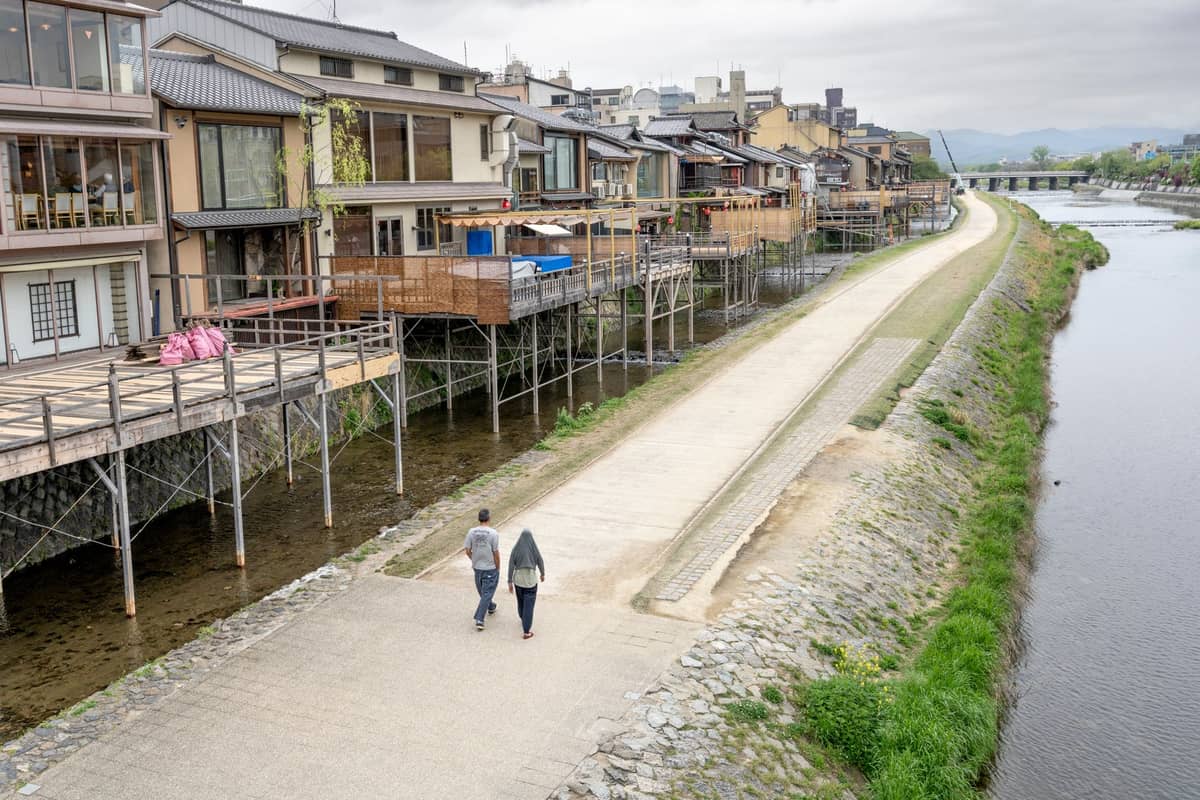
One of the most memorable ways to spend a summer evening in Kyoto is kawadoko dining, where restaurants extend wooden platforms out over or beside theKamo River. The practice has two forms: the yuka platforms attached to Pontocho and Kiyamachi restaurants above the river on the western bank, and the more rustic kawadoko decks built directly over the stream in the hills of Kibune to the north.
In the city, the Pontocho yuka terraces are open roughly from May through September, subject to weather and individual restaurant schedules. Prices on yuka platforms run higher than indoor seating at the same establishment, often adding ¥1,000–¥2,000 to the per-person bill, but the setting earns it. For the upstream version in the mountains, theKibunekawadoko experience is especially atmospheric, with tables positioned directly above cool mountain streams. Combine it with a visit to the shrine before dinner and it makes for a complete evening out of the city.
⚠️ What to skip
Kawadoko platforms are not available year-round and individual venues set their own schedules. Don't show up expecting riverside seating without checking with the specific restaurant first, particularly outside June–August.
Guided Bar-Hopping Tours and Evening Walks
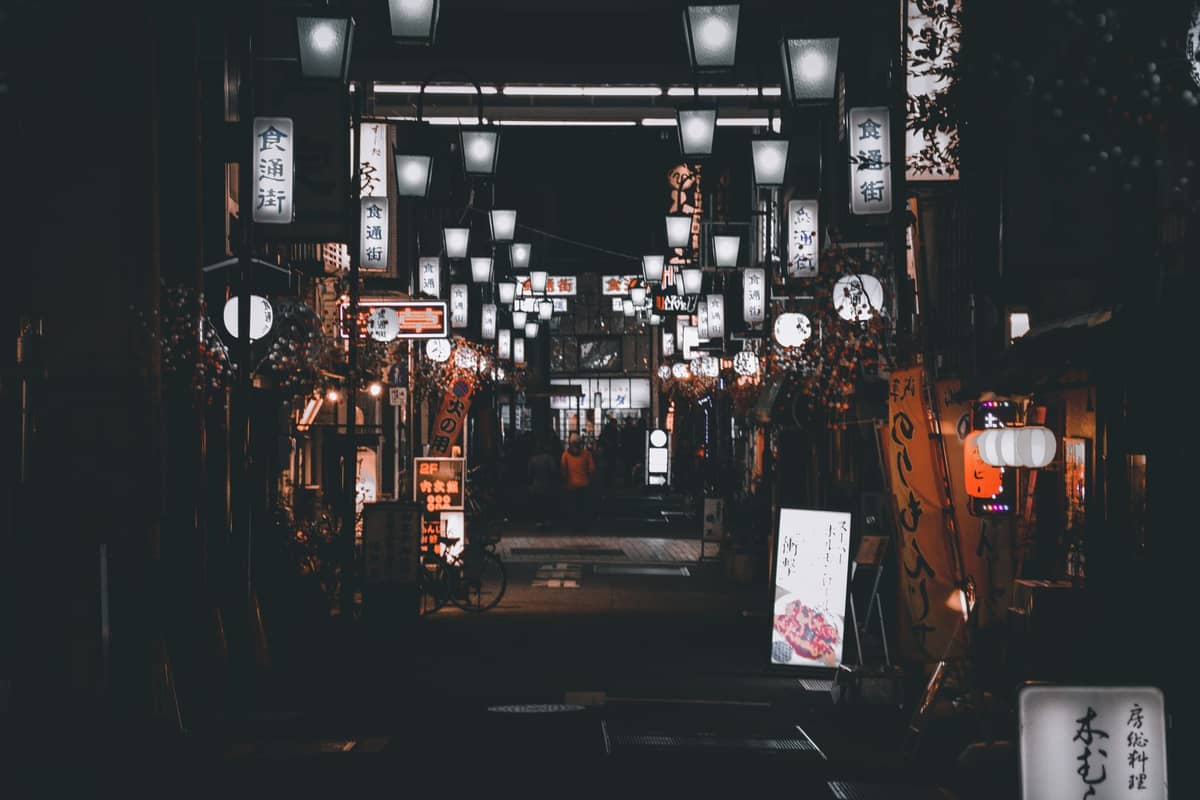
Guided nightlife tours are genuinely useful in Kyoto for one simple reason: many of the best small bars have no English signage, no online presence, and look like private residences from the outside. A good guide bypasses all of that and gets you into spots you wouldn't find independently. The most popular formats are small-group food-and-drink walks that cover two or three venues across Gion and Pontocho, typically including around 10–15 small dishes and several drinks over two to three hours.
One well-reviewed pub crawl format meets at the Izumo-no-Okuni statue outside Gion-Shijo Station (Exit 5) and moves through hidden alley bars in both Gion and Pontocho. Typical pricing for guided evening experiences ranges from around US$40 for a basic bar-hopping walk to US$150–170 for more curated food and drink pairings. Booking platforms including GetYourGuide, Viator, and operators like Magical Trip list multiple options. For a more independent approach, simply entering Pontocho from the Shijo end at around 19:30 and walking north is enough to find open doors, English menus displayed outside, and staff accustomed to walk-in foreign guests.
Evening Activities Beyond Drinking
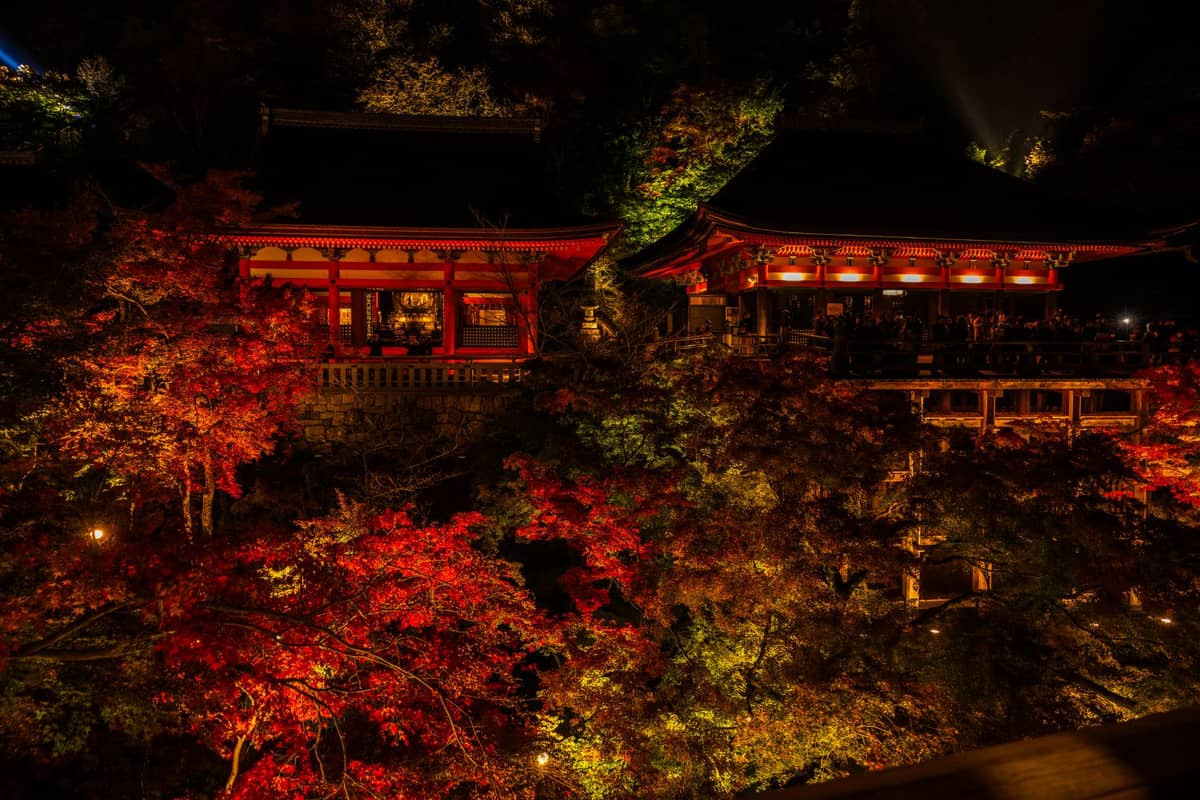
Kyoto's evenings offer more than bars. Several temples and shrines hold special light-up events during peak seasons, transforming already beautiful spaces into something genuinely extraordinary. Autumn illuminations atEikan-do Zenrin-ji and select events at Kiyomizu-deraare among the most impressive. These are ticketed, timed-entry events, so book early during the November foliage peak.
A stroll through Ninenzaka and Sannenzakaafter dark, when most day-trippers have left, is one of the better free evening experiences in the city. The stone-paved lanes lined with traditional buildings are far quieter by 20:00 than during the afternoon rush. Similarly, walking alongthe Philosopher's Pathat dusk in spring, when the cherry trees are lit by ambient streetlight, is worth planning around. For a cultural evening,Gion Corneroffers a condensed showcase of traditional performing arts including maiko dance, koto, and ikebana in a single 60-minute program, which is useful if time is limited.
- Seasonal temple light-ups (spring and autumn): ticketed, book in advance
- Gion Corner performing arts shows: nightly, reservations recommended
- Evening strolls in Ninenzaka/Sannenzaka: free, best after 20:00
- Philosopher's Path at dusk: free, especially rewarding during cherry blossom season
- Kawadoko riverside dining: May–mid-October, book the restaurant in advance
- Fushimi Inari Taisha at night: free, open 24 hours, dramatically atmospheric after dark
One genuinely underrated evening activity: Fushimi Inari Taishais open 24 hours and free to enter. The lower gates are usually crowded until around 20:00, but the upper mountain paths become very quiet after that. Bring a flashlight, go in a group if possible, and the experience of walking through thousands of vermillion torii gates at night is unlike anything else in Japan.
Practical Tips: Costs, Timing, and Getting Around at Night
The Kyoto Municipal Subway stops running around midnight on most lines. Taxis are the main option after that, and they are metered and reliable, though more expensive than in many cities. App-based dispatch services like GO (formerly JapanTaxi) work well. For visitors staying near the nightlife districts, walking is usually the most practical option. Budget travelers should note that keeping evenings affordable is very possible: theKyoto budget guide has more detail on managing costs across the trip.
Tipping is not practiced in Japan. Don't leave money on the table or hand it to staff expecting gratitude, as it can cause genuine awkwardness. Service charges are occasionally included at upscale venues but this will be listed on the bill. The small otoshi cover charge at izakayas (typically ¥300–¥500) is standard and not negotiable. Tap water in Kyoto is safe to drink, and most izakayas will bring a glass automatically.
✨ Pro tip
If you want the Pontocho atmosphere without the Pontocho prices, walk one block west to Kiyamachi-dori. The canal-side setting is less famous but equally pleasant, the bars are more local in character, and you'll typically pay 10–20% less for the same drinks.
FAQ
Does Kyoto have clubs or late-night bars?
Kyoto has a small number of clubs and bars that stay open past midnight, mostly on Kiyamachi-dori south of Shijo, but it is not a clubbing city. Most bars and izakayas close by 23:00–24:00. If late-night dancing is the priority, Osaka (30 minutes by train) has a much larger and more established club scene.
What is the best area for nightlife in Kyoto?
Pontocho and Kiyamachi-dori, running parallel between Shijo and Sanjo, form the core of Kyoto's nightlife. Pontocho is more atmospheric and slightly more tourist-oriented; Kiyamachi is more local and a little livelier late at night. Gion is better for upscale, quieter drinking.
How much does a night out in Kyoto cost?
At an independent izakaya, budget around ¥3,000–¥5,000 per person for a full evening of food and drinks. Chain izakayas with nomihodai (all-you-can-drink) plans cost around ¥2,000–¥2,500 for 120 minutes. Craft beer bars and whisky lounges in Gion can run higher. A guided bar-hopping tour typically costs US$40–170 depending on inclusions.
Is Pontocho worth visiting at night?
Yes, particularly if you haven't seen it before. The lantern-lit alley is genuinely atmospheric after dark and very different from its daytime incarnation. The southern stretch near Shijo gets crowded and touristy, but walking north quickly improves the experience. Go on a weeknight if possible to avoid weekend congestion.
What time do izakayas in Kyoto close?
Most izakayas open around 17:00 and take last food orders around 22:00, with last drink orders around 22:30 and closing around 23:00. Some stay open until midnight, particularly in the Kiyamachi area. During busy tourist seasons, popular spots fill up fast after 18:00, so an early start or reservation is advisable.