Gion Corner: Kyoto's Traditional Arts Theatre in the Heart of Gion
Gion Corner offers two nightly performances showcasing seven classical Japanese art forms, from tea ceremony to maiko dance, inside a compact theatre steps from Gion's lantern-lit streets. It is one of the few places in Kyoto where visitors can experience the breadth of traditional performing arts in a single sitting, without needing to book multiple separate events.
Quick Facts
- Location
- 570-2 Gionmachi Minamigawa, Higashiyama-ku, Kyoto 605-0074
- Getting There
- Gion bus stop (Kyoto City Bus Route 206), approx. 5-min walk
- Time Needed
- 1–1.5 hours including pre-show arrival
- Cost
- ¥5,500 general adult; ¥6,600 premium; ¥6,050 with tea and sweets; ¥3,850 ages 16–22; ¥3,300 ages 7–15; free under 6 (paid child seat required at ¥3,300 if a separate seat is needed)
- Best for
- First-time visitors to Kyoto, cultural enthusiasts, families, short-stay travellers
- Official website
- www.kyoto-gioncorner.com/global/en.html
What Is Gion Corner?
Gion Corner is a dedicated performing arts theatre located in the Yasaka Hall annex on Hanamikoji Street, in the historic Gion district of Higashiyama-ku, Kyoto. Its official name is the Kyoto Gion Kobu Kaburenjo Annex Theatre Gion Corner. The concept is straightforward: in roughly one hour, a single programme presents short demonstrations of seven traditional Japanese art forms, staged consecutively for a general audience. Think of it less as a full theatrical production and more as a curated introduction to art forms that would each otherwise require months of research and separate bookings to experience.
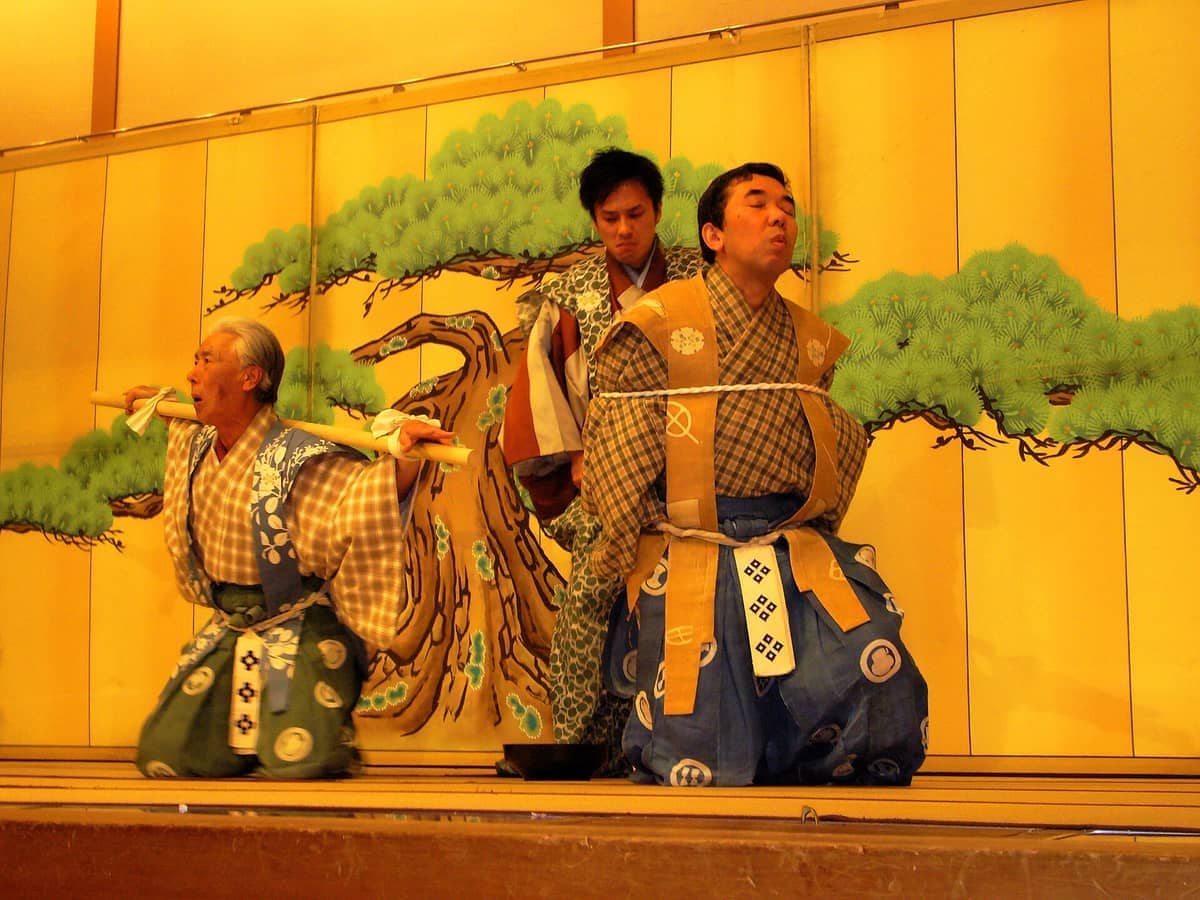
The seven arts typically covered include koto (Japanese harp) music, ikebana (flower arranging), the tea ceremony, gagaku (ancient court music and dance), kyogen (comic theatre), kyo-mai (Kyoto-style dance performed by maiko, apprentice geisha), and either bunraku (puppet theatre) or a noh performance depending on the season. The sequence moves quickly. Each segment runs for just a few minutes, which suits absolute beginners perfectly but will feel abbreviated to anyone who already knows these disciplines in depth.
💡 Local tip
Book tickets in advance, especially for the 18:00 showing on weekends and during cherry blossom or autumn foliage seasons. The theatre is small, and popular time slots sell out several days ahead.
The Experience: What to Expect Inside
The theatre itself is compact and intimate. Seating is arranged in tiered rows facing a modest stage framed by traditional wooden detailing. The space holds a limited audience, which means sightlines are generally good regardless of where you sit, though premium seats are positioned for a more direct view of the stage floor where the tea ceremony and ikebana demonstrations take place.
As the lights dim, the atmosphere shifts noticeably. The koto segment opens the programme with clean, resonant tones that settle the room. From there, the pacing alternates between stillness, as in the careful movements of the tea ceremony, and more dynamic presentations like the maiko dance, where the performer's layered kimono and white-painted face draw the audience's full attention. The puppetry of bunraku, with its three operators working a single doll in full view of the audience, tends to generate the most visible curiosity from international visitors.
Commentary is provided in multiple languages through earphone guides available at the venue, which makes a real difference. Without context, some of the shorter segments can feel opaque. The earphone narration explains what you are watching and why it matters, turning what might otherwise be a passive visual experience into something genuinely informative.
Tickets & tours
Hand-picked options from our booking partner. Prices are indicative; availability and final rates are confirmed when you complete your booking.
Wabi-Sabi Walking Tour with Kyoto Gion Tea Ceremony Experience
From 62 €Instant confirmationFree cancellationGion Walking Tour and Dinner with a Maiko in Kyoto
From 236 €Instant confirmationFree cancellation3-hour Gion guided walking tour and dinner with a geisha
From 168 €Instant confirmationFree cancellationEvening food tour in Kyoto's geisha district Gion
From 163 €Instant confirmationFree cancellation
Before the Show: Arriving in Gion at Dusk
The surrounding neighbourhood earns its visit independently of the theatre. Gion's main street ofHanamikoji Streetin the early evening hours has a particular quality: the wooden machiya townhouses take on a warmer tone as lanterns switch on, foot traffic eases compared to midday, and the air carries a faint smell of charcoal and lacquered wood from adjacent restaurant facades. Arriving 20 to 30 minutes before the show begins gives you time to walk a short stretch of this street before taking your seat.
If you are combining Gion Corner with broader evening plans, the area aroundGion Shirakawato the north is worth a short detour. The narrow canal lined with cherry trees and old tea houses is quieter after dark and quite different in character from Hanamikoji's more curated tourist corridor.
ℹ️ Good to know
The venue is at 570-2 Gionmachi Minamigawa, a few minutes' walk from Yasaka Shrine. Look for the Yasaka Hall building; Gion Corner occupies the annex section.
Showtimes, Tickets, and Seasonal Schedule
Performances run twice nightly at 18:00 and 19:00. Seat categories and current prices (verify directly with the venue before visiting, as these are subject to change): general adult admission is ¥5,500; premium seats are ¥6,600; a seat with Japanese tea and sweets costs ¥6,050; ages 16 to 22 pay ¥3,850; ages 7 to 15 pay ¥3,300; children aged 0 to 6 enter free if they do not require a dedicated seat (a paid ¥3,300 child seat is needed if they do).
Winter scheduling is more restricted. From 1 December through mid-March, performances generally run Tuesday through Friday rather than the daily schedule outside this period. If you are visiting during this period, confirm the current schedule on the official website before making plans around this show.
Booking in advance is strongly recommended rather than walking up on the night. The theatre capacity is limited, and high-season weekends see the 18:00 show fill up first. Tickets can be purchased through the official website or authorised ticketing platforms.
Getting There and Accessibility
The easiest route from central Kyoto is Kyoto City Bus Route 206, alighting at the Gion bus stop, from which the theatre is roughly a five-minute walk. TheKyoto bus networkconnects most major tourist areas, and a single-day bus pass can make sense if you are visiting multiple sites. From Kyoto Station, the journey takes approximately 20 minutes depending on traffic.
The venue has step-free entrances at ground level, and wheelchair spaces can be arranged in advance by contacting the box office directly. If mobility access is a priority, reach out when booking rather than on arrival.
Honest Assessment: Is It Worth Your Evening?
Gion Corner divides opinion among seasoned visitors to Kyoto, and that division is worth acknowledging. Travellers who arrive having already seen live noh theatre, attended a proper tea ceremony, or watched maiko perform at a traditional ochaya (tea house) may find the format thin. Each demonstration is genuinely short, and the production is designed for accessibility rather than depth.
For first-time visitors to Japan or those on a limited schedule, however, Gion Corner solves a real problem: gaining exposure to multiple classical art forms in a single, comfortable, English-friendly environment. If you are following athree-day Kyoto itinerary, slotting this into an evening after a full day of temple visits is a practical choice. It is also one of the more accessible ways to see a maiko performance outside of the exclusive teahouse system, which typically requires a Japanese-speaking introduction from an established patron.
Those interested in going deeper into traditional culture after this introduction should consider adedicated tea ceremony experienceelsewhere in the city, or look into authentic maiko performances during events tied to theGion Matsuri festival in July.
⚠️ What to skip
Photography and video during the performance are generally not permitted. Confirm the current policy at the venue on arrival. Outside the theatre, Gion's residential streets have photography restrictions in place, particularly around the Shirakawa and Hanamikoji areas.
Photography and Practical Notes
Dress code is casual; there is no formal requirement to wear traditional clothing to attend. That said, some visitors choose to rent a kimono beforehand and wear it to the show, particularly in spring and autumn. If you plan to do this, note that most kimono rental shops in Gion close by early evening, so confirm return times when booking.
Kyoto's Gion neighbourhood warrants its reputation as one of the city's most distinctive areas, but that reputation brings crowds during peak seasons. Spring cherry blossom season and November's autumn colour season see the streets around the theatre at their most congested. The evening timing of Gion Corner shows means you avoid most of the daytime tour groups, which is one practical advantage of scheduling a cultural evening here. For broader context on navigating Gion and the surrounding Higashiyama area, theGion neighbourhood guidecovers walking routes, dining, and transport in more detail.
Insider Tips
- The ¥6,050 tea and sweets seat option includes a pre-show serving of matcha and wagashi in a designated area at the venue. It adds about 20 minutes before the performance and is a calmer way to begin the evening than waiting in the lobby.
- The 19:00 show tends to be slightly less crowded than 18:00 on weekdays. If you have flexibility, the later slot often means a more relaxed entry and easier seating.
- Arrive at least 15 minutes early to collect your earphone guide. Returning it after the show can create a brief bottleneck; have your bag open and ready to drop it in the return box quickly if you have dinner reservations immediately after.
- The walk from the Gion bus stop passes the stone-paved approach to Yasaka Shrine. The shrine forecourt is free to enter and is striking after dark when the stone lanterns are lit, making it an easy around five-minute addition before or after the show.
- Premium seats are worth the extra cost primarily for the tea ceremony segment, where the flooring-level action can be obscured from rear general seats depending on the height of guests seated in front of you.
Who Is Gion Corner For?
- First-time visitors to Japan who want a structured introduction to classical arts in one evening
- Travellers on short stays who cannot book multiple separate cultural events
- Families with older children (ages 7 and up) curious about Japanese performance traditions
- Couples looking for a culturally grounded evening activity in Gion
- Visitors who want to see a maiko performance without navigating the exclusive teahouse system
Nearby Attractions
Other things to see while in Gion:
- Gion Shirakawa
Gion Shirakawa is a free, open-air canal promenade in Kyoto's historic Gion district. Stone-paved paths run alongside the narrow Shirakawa Canal, past traditional ochaya teahouses, weeping cherry trees, and willow branches that trail into the water. It is one of the most photographed streetscapes in Japan, and one of the few places in Kyoto that rewards a visit at any hour of the day.
- Hanamikoji Street
Hanamikoji Street is the main artery of Gion Kobu, Kyoto's best-preserved geisha district. A one-kilometre stretch of wooden machiya townhouses, lantern-lit ochaya teahouses, and the occasional glimpse of a geiko or maiko at dusk, it distills old Kyoto into a single walk. Entry is free and the street is open around the clock.
- Maruyama Park
Designated a National Place of Scenic Beauty, Maruyama Park is Kyoto's oldest public park and its most democratic green space: free to enter, open around the clock, and set directly beside Yasaka Shrine in the Gion district. Whether you arrive at dawn for quiet reflection or after dark during cherry blossom season, the park shows a different face each time.
- Yasaka Shrine
Yasaka Shrine stands at the eastern end of Shijō Street in Kyoto's Gion district, free to enter at any hour of the day or night. Dedicated to Susanoo-no-mikoto and dating to at least the 9th century, it anchors one of Japan's most storied neighborhoods and serves as the ceremonial heart of the Gion Matsuri festival every July.