Shopping in Kyoto: Best Markets, Crafts & Souvenirs
Kyoto is Japan's craft capital, where century-old textile workshops sit alongside covered shopping arcades and a legendary food market. This guide breaks down where to shop, what to buy, and how to avoid tourist traps — by neighborhood, price point, and category.
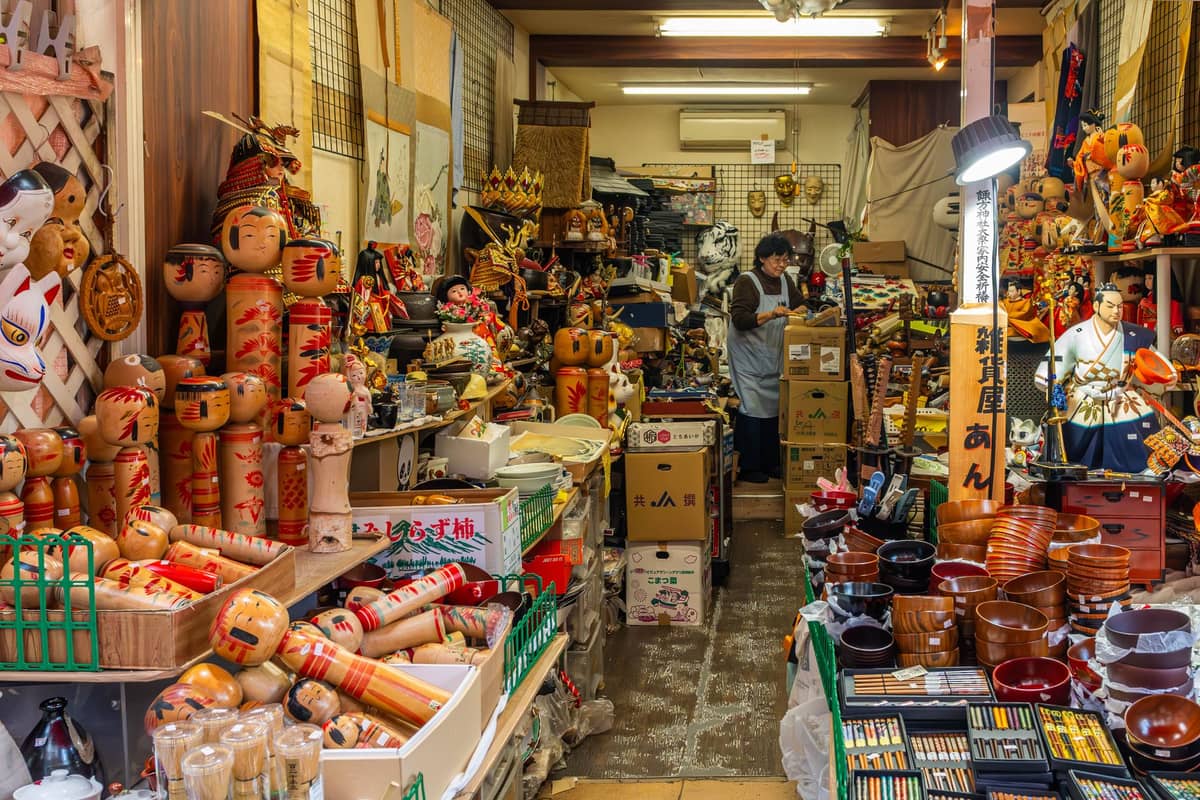
Plan and book this trip
Tools from our partner Travelpayouts help you compare flights and hotels. If you book through them, we may earn a commission at no extra cost to you.
Flights
Hotels map
TL;DR
- Nishiki Market (400 m long, 130+ shops) is Kyoto's best food and produce market — arrive before 10:30 for the calmest experience.
- The best craft souvenirs are Nishijin silk, Kiyomizu-yaki pottery, and quality matcha — avoid cheap lacquerware made outside Kyoto.
- Tax-free shopping is available at major stores for foreign visitors spending over roughly ¥5,000 in a single day at one store — passport required.
- Shopping clusters into three zones: central Kyoto (Shijo-Kawaramachi), the Higashiyama tourist corridor, and Arashiyama — each with a distinct character and price range.
- Many shops close on Wednesdays, and most markets reduce hours or close entirely around Obon (mid-August) and New Year (Jan 1–3). Always verify before visiting.
Nishiki Market: Kyoto's Kitchen and First Shopping Stop
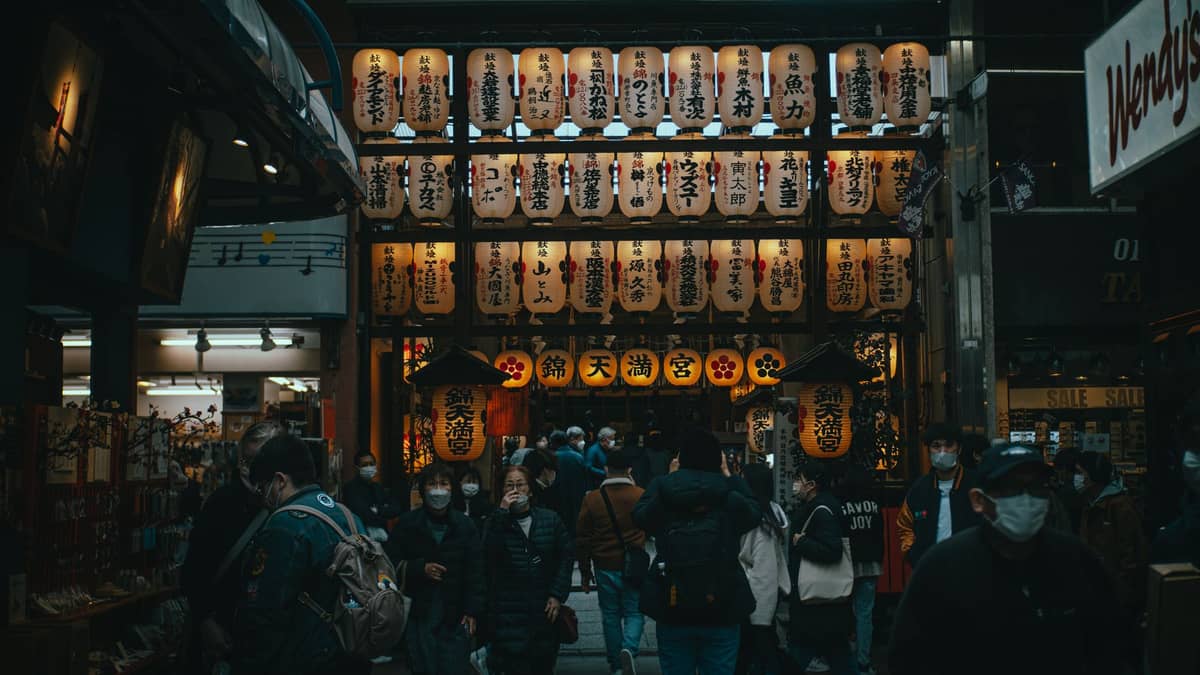
Nishiki Market, or Nishiki Ichiba, runs along Nishikikoji-dori between Teramachi and Takakura streets in Nakagyo Ward, about a 5-minute walk north ofdowntown Kyoto'sShijo shopping strip. The market is roughly 400 meters long and contains over 130 independent stalls and shops selling pickled vegetables, fresh tofu, grilled skewers, dashi stock, dried seafood, and specialty sweets. Entry to the market lane itself is free — you only pay for what you buy.
A persistent misconception is that the market has official opening hours. It does not. Each of the 130+ shops sets its own schedule. Most cluster around 9:00–18:00, but a significant number close on Wednesdays, others on Sundays, and many reduce hours or shut around New Year (January 1–3). If you're visiting on a Wednesday afternoon, expect a noticeably quieter — and in places closed-up — market.
💡 Local tip
The best window to visit Nishiki Market is 9:00–10:30. Stalls are fully stocked, crowds are thin, and shop owners are generally more willing to let you sample or ask questions. After 13:00, especially on weekends, the narrow lane becomes uncomfortably congested and some prepared food items sell out.
For souvenirs, the market's strongest offerings are its shelf-stable food products: pickled vegetables (tsukemono) in vacuum-sealed packs, yuzu-flavored condiments, individual portions of high-grade matcha, and small bags of specialty fu (wheat gluten cakes used in Kyoto cuisine). These travel well and are genuinely local. Skip the novelty chopsticks and generic packaged sweets — those are sold cheaper and more reliably at Kyoto Station's souvenir floor.
Nishiki Market connects directly to the Teramachi and Shinkyogoku covered arcadesat the eastern end of the lane, making it easy to combine both in a single outing. The arcades are busier and more mainstream, with a mix of clothing, 100-yen shops, and souvenir stalls — useful for budget shopping but not for quality crafts.
What to Buy: Kyoto's Best Souvenir Categories
Kyoto has produced specialized crafts under the umbrella term Kyo-mono for over a thousand years. The city's imperial history created sustained demand for refined textiles, lacquerware, ceramics, and paper goods. Today, quality varies wildly between authentic craft pieces and mass-produced replicas sold in the same shops. Knowing the difference saves money and disappointment.
- Nishijin-ori (Nishijin Silk Textiles) Woven in the Nishijin district north of central Kyoto, these silk fabrics are used in kimono, obi belts, and decorative items. Authentic pieces are expensive — a quality obi can run ¥50,000 and up — but smaller items like coin purses, bookmarks, and table runners start around ¥1,500–¥3,000 and make excellent gifts. The Nishijin Textile Center offers free weaving demonstrations and sells a range of pieces directly.
- Kiyomizu-yaki (Kiyomizu Pottery) Named for the Higashiyama kilns near Kiyomizu-dera, this style of ceramic covers a wide range from delicate hand-painted tea bowls (around ¥3,000–¥15,000) to everyday cups and plates. The Chawanzaka and Ninenzaka slopes near the temple are lined with pottery shops — quality varies significantly, so look for pieces with artist signatures or kiln labels.
- Matcha and Uji Tea Products Kyoto is the gateway to Uji, Japan's most celebrated tea-growing region. High-quality ceremonial-grade matcha in 20–30g tins costs around ¥1,000–¥3,000 and is far more useful as a gift than the matcha Kit-Kats and cookies sold everywhere. Specialty tea shops like Ippodo (near Kyoto Imperial Palace) and Marukyu-Koyamaen carry well-sourced options with English-language staff.
- Washi (Japanese Paper) and Stationery Hand-dyed washi paper, letter sets, fans, and notebooks make lightweight, packable gifts. The Higashiyama area and Teramachi arcade both have dedicated washi shops. Expect to pay ¥300–¥2,000 for individual sheets and ¥800–¥3,000 for finished stationery items.
- Incense (Koh) Kyoto has been central to Japanese incense production since the Heian period. Quality incense sticks from producers like Shoyeido (headquartered in Kyoto) start around ¥500 for basic sets and scale up considerably for aged woods and custom blends. Compact and fragrant, they are one of the most practical luxury souvenirs from the city.
⚠️ What to skip
Cheap lacquerware sold around major tourist sites is almost never made in Kyoto. Most is mass-produced in other prefectures or imported. If provenance matters to you, buy only from shops that explicitly label items as Kyoto-nuri (Kyoto lacquerware) and can tell you the workshop behind the piece. The price difference from generic lacquerware is significant, but so is the quality.
Shopping by District: Where to Go and What to Expect
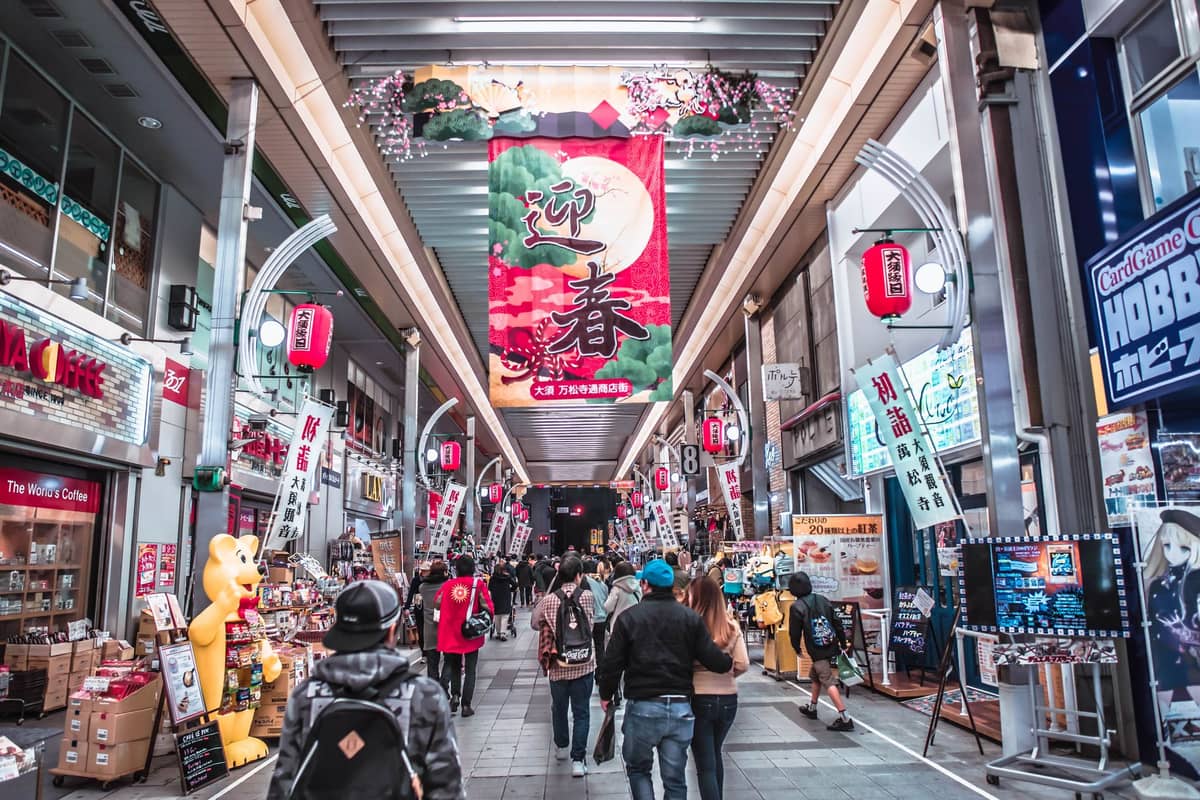
Kyoto's shopping breaks naturally into three geographic clusters. Central Kyoto around Shijo-Kawaramachi handles department stores, covered arcades, and chain retail. TheHigashiyama corridor from Kiyomizu-dera down through Ninenzaka and Sannenzaka is the most concentrated tourist shopping zone. Arashiyamain western Kyoto has a smaller but well-curated set of craft shops along the main Saga-Toriimoto street.
- Shijo-Kawaramachi (Central Kyoto) The commercial core. Isetan in Kyoto Station and Takashimaya on Shijo-dori are the main department stores, both offering tax-free counters and a wide basement food hall. Useful for rain days and one-stop shopping, but not where you'll find unique crafts.
- Higashiyama Corridor The Sannenzaka and Ninenzaka stone-paved lanes are the most visually appealing place to shop, with pottery, fans, lacquerware, textiles, and sweets shops in traditional machiya buildings. Prices here run higher than elsewhere due to location, and quality is mixed — inspect pieces carefully. Most shops are open daily 10:00–17:00 with occasional closures on Wednesdays.
- Nishijin District If you want to buy authentic silk textiles, come to the source. The Nishijin Textile Center (Nishijin-ori Kaikan) has free demonstrations and a retail floor. Smaller specialist workshops in the surrounding streets sometimes sell directly, though English communication can be limited.
- Arashiyama Shopping here centers on the main street between Togetsukyo Bridge and the bamboo grove approach. Bamboo craft items, Kyoto-style sweets, and artisanal food products are the standouts. Avoid the cluster of souvenir stalls directly at the bridge — those are priced for impulse buyers.
- Kyoto Station Area Isetan department store and the Porta underground mall handle practical one-stop souvenir shopping. The station's 10th-floor food and gift hall is one of the best places in the city to buy packaged food gifts, including regional sake, matcha products, and traditional sweets from multiple Kyoto producers side by side.
Kyoto Handicraft Center: One-Stop Traditional Crafts
The Kyoto Handicraft Center (Kyoto Kanko Bussankan) at 17 Shogoin Endomicho in Sakyo Ward is specifically designed for visitors wanting to buy authenticated traditional crafts without hunting across multiple districts. The multi-level facility stocks woodblock prints, Nishijin silk items, ceramics, lacquerware, dolls, fans, and accessories. It is not a hidden find — it is a deliberately visitor-oriented retail space — but the curation is solid and the staff speak English.
The Center sits about a 10-minute walk from Keihan Jingu-Marutamachi Station and makes natural logistical sense when combined with a visit toHeian Shrineor the Okazaki museum cluster nearby. Current listings show opening hours roughly 10:00–19:00, though some platforms list 11:00–18:00 — confirm on the official site before building your itinerary around it. The Center also operates an online store for follow-up purchases or oversized items you'd prefer shipped.
✨ Pro tip
If you're buying multiple craft items for gifts, the Kyoto Handicraft Center's tax-free counter is more straightforward to use than department store counters, and staff are accustomed to explaining product origins in English. The trade-off is that prices are retail, not artisan-direct. For the same items at lower prices, go to Nishijin workshops directly for textiles or Kiyomizuzaka shops for ceramics — but only if you have time to compare.
Tax-Free Shopping: How It Actually Works
Japan's consumption tax-free shopping for foreign visitors applies at participating stores when total purchases at that store in a single day exceed ¥5,000 before tax (the threshold has varied slightly over time, so verify the current figure before traveling). You must present your passport, and for consumable goods such as food and cosmetics, items must remain sealed and be taken out of Japan. Non-consumables like electronics and clothing can be used in Japan.
Tax-free processing is not automatic. You need to go to the designated tax-free counter in the store, present your passport and receipts, and complete a short form. Some smaller shops in Higashiyama or Nishijin participate in a system where the refund is processed via a central counter elsewhere in the building or at a mall-wide desk. Allow 10–15 minutes for this process, especially at busier department stores.
ℹ️ Good to know
Tax-free shopping is available at major department stores like Isetan (Kyoto Station), Takashimaya (Shijo), and Daimaru (Shijo), as well as at electronics chains, clothing stores, and some craft specialists. It is not universal — many small independent craft shops in Higashiyama and Arashiyama are not registered participants. Ask before you buy if tax savings are a factor in your decision.
Practical Planning: Seasonal Timing and Logistics
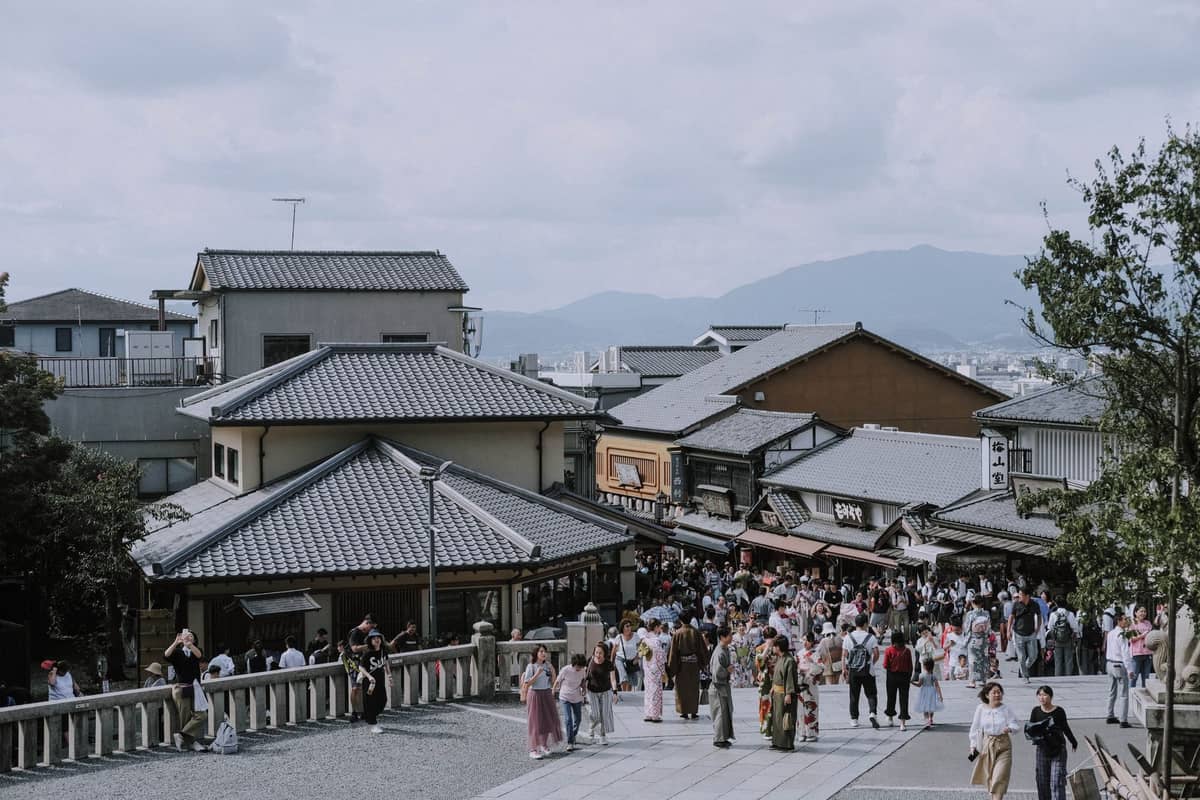
Shopping in Kyoto is easiest during the shoulder seasons — mid-April to May and October to early November — when crowds are manageable and most shops are fully operational. During cherry blossom and autumn foliage peaks, Higashiyama and Arashiyama become extremely congested, and some shops actually run short on stock in popular souvenir categories. For more context on navigating Kyoto during its most popular seasons, see theKyoto cherry blossom guide and the Kyoto in autumn guide.
Two periods require extra planning. During Obon (mid-August), some market stalls and family-run craft shops close for several days as owners return to their hometowns. Around New Year (December 29–January 3), Nishiki Market operates with many stalls closed, and independent workshops typically shut entirely. Major department stores and Kyoto Station souvenir shops stay open through most of the holiday period, but with reduced staff.
- Combine Nishiki Market with Teramachi and Shinkyogoku arcades on the same morning — all are walkable from Shijo-Kawaramachi.
- Visit the Kyoto Handicraft Center on the same trip as Heian Shrine or the Okazaki area to avoid a dedicated transit trip.
- Use Kyoto Station's basement and 10th floor for packaged food souvenirs — the widest selection of Kyoto regional producers under one roof with consistent quality control.
- Wednesday is the most common closing day for independent shops in Higashiyama and Nishijin; plan other activities for that day if shopping is a priority.
- Cash is still preferred at many smaller craft shops and market stalls. IC cards (Suica, ICOCA) work at convenience stores but not at all artisan workshops. Carry ¥5,000–¥10,000 in small notes.
For budget-conscious shoppers, most temple and shrine gift shops sell small, quality items at reasonable prices — ema votive plaques, omamori charms, and quality hand towels start around ¥500–¥1,500.Fushimi Inari Taishahas a particularly good selection of fox-themed ceramics and textiles in the approach shops. For a full breakdown of no-cost and low-cost options across the city, see the guide tofree things to do in Kyoto.
If you're factoring shopping into a multi-day itinerary, the3-day Kyoto itinerarypositions Nishiki Market and central shopping on day one alongside Gion, and keeps the Arashiyama craft shops for day two — a logical routing that avoids doubling back across the city.
FAQ
What is the best market in Kyoto for food souvenirs?
Nishiki Market on Nishikikoji-dori is the strongest option for edible souvenirs: tsukemono (pickled vegetables) in vacuum packs, yuzu condiments, and high-grade matcha travel well and are genuinely local. Arrive before 10:30 for the best selection and thinner crowds. Kyoto Station's 10th-floor gift hall is a reliable backup with wider brand selection and consistent hours.
Where can I buy authentic Kyoto crafts without getting ripped off?
Look for shops that can tell you the workshop or kiln behind a piece, or visit production areas directly: the Nishijin Textile Center for silk, Kiyomizuzaka and Chawanzaka for ceramics. The Kyoto Handicraft Center in Sakyo Ward has English-speaking staff and authenticated pieces, though at full retail prices. Avoid unmarked lacquerware and generic ceramic sets near major tourist gates — most are not made in Kyoto.
Does Kyoto have tax-free shopping for tourists?
Yes, at participating stores. The minimum purchase threshold is ¥5,000 (before tax) in a single day at one store. You must present your passport and complete a form at a tax-free counter. It applies at major department stores (Isetan, Takashimaya, Daimaru), electronics chains, and some craft specialists. Many small independent shops do not participate — ask before assuming.
What days are shops closed in Kyoto?
Wednesday is the most common weekly closing day for independent shops in Higashiyama, Nishijin, and parts of Arashiyama. Nishiki Market has no market-wide closure, but a large number of its 130+ stalls close on Wednesdays. During New Year (January 1–3) and Obon (mid-August), many family-run shops close entirely. Department stores and Kyoto Station shops maintain more consistent hours year-round.
Is Nishiki Market worth visiting?
Yes, but with realistic expectations. It is a genuine working market, not a tourist fabrication, and the food products are excellent. However, the lane gets extremely crowded after midday on weekends and during peak tourist seasons, and a portion of the stalls near both entrances now sell novelty items aimed squarely at visitors. Go early on a weekday, focus on the middle third of the market where the specialist food shops concentrate, and treat it as a shopping-with-atmosphere experience rather than a quiet cultural discovery.