Best Ramen in Kyoto: Shops, Districts, and What to Order
Kyoto's ramen scene runs deeper than most visitors expect. This guide covers the top-rated shops, the best neighborhoods to explore, what styles define Kyoto ramen, and practical advice for navigating queues, hours, and seasonal menus.
Plan and book this trip
Tools from our partner Travelpayouts help you compare flights and hotels. If you book through them, we may earn a commission at no extra cost to you.
Flights
Hotels map
TL;DR
- Kyoto ramen leans toward refined, seafood-forward broths rather than heavy tonkotsu — though you'll find plenty of variety across the city.
- The Ichijoji area in Sakyo Ward is the densest ramen district in Kyoto — worth a dedicated trip from the city center, especially if you're following a3-day Kyoto itinerary.
- Most top-rated shops price a bowl under ¥1,000 and do not accept advance reservations — arrive early or expect a queue.
- Shops near Kyoto Station are convenient but rarely the highest-rated; the best bowls require a short subway or bus ride.
- Check individual shop hours before visiting during Obon (mid-August) and New Year — closures are common. See ourKyoto food guide for broader dining context.
What Makes Kyoto Ramen Different
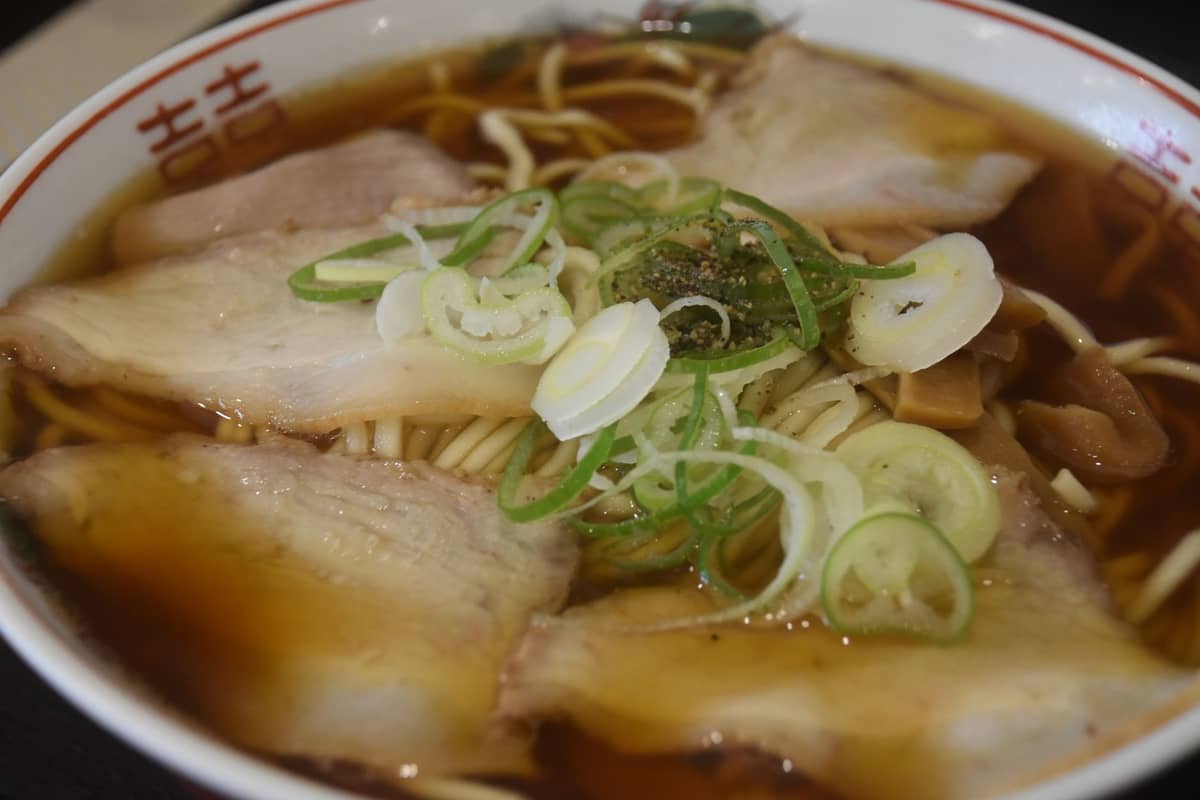
Kyoto is not the first city that comes to mind when Japanese ramen is discussed nationally. Sapporo has its miso, Fukuoka its tonkotsu, Tokyo its shoyu. But Kyoto has developed its own identity over decades, and it is far more coherent than the city's tourist reputation suggests. The dominant local style tends toward cleaner, more delicate broths built on kombu, dried seafood, and light soy sauce — a reflection of the city's long culinary tradition of kaiseki and its preference for subtle flavor layering over richness.
That said, Kyoto's ramen scene is not monolithic. You will find thick chicken and garlic-laced bowls, tonkotsu variations, spicy miso options, and tsukemen (dipping noodles) alongside the more refined seafood styles. The city's size — around 1.43 million residents, a significant student population, and enormous tourist footfall — supports a wide range of shops at every price point. What distinguishes the best in Kyoto is precision: careful sourcing of ingredients, broth made daily in small batches, and an attention to balance that aligns with the city's broader food culture.
ℹ️ Good to know
Kyoto ramen is sometimes listed under 'Kinki' or 'Kansai' ramen in national rankings. The regional designation groups it with Osaka and Kobe styles, but Kyoto's top shops have a distinct identity — lighter on animal fat, heavier on dashi and dried seafood. Don't conflate the two when choosing where to eat.
The Best Ramen Shops in Kyoto
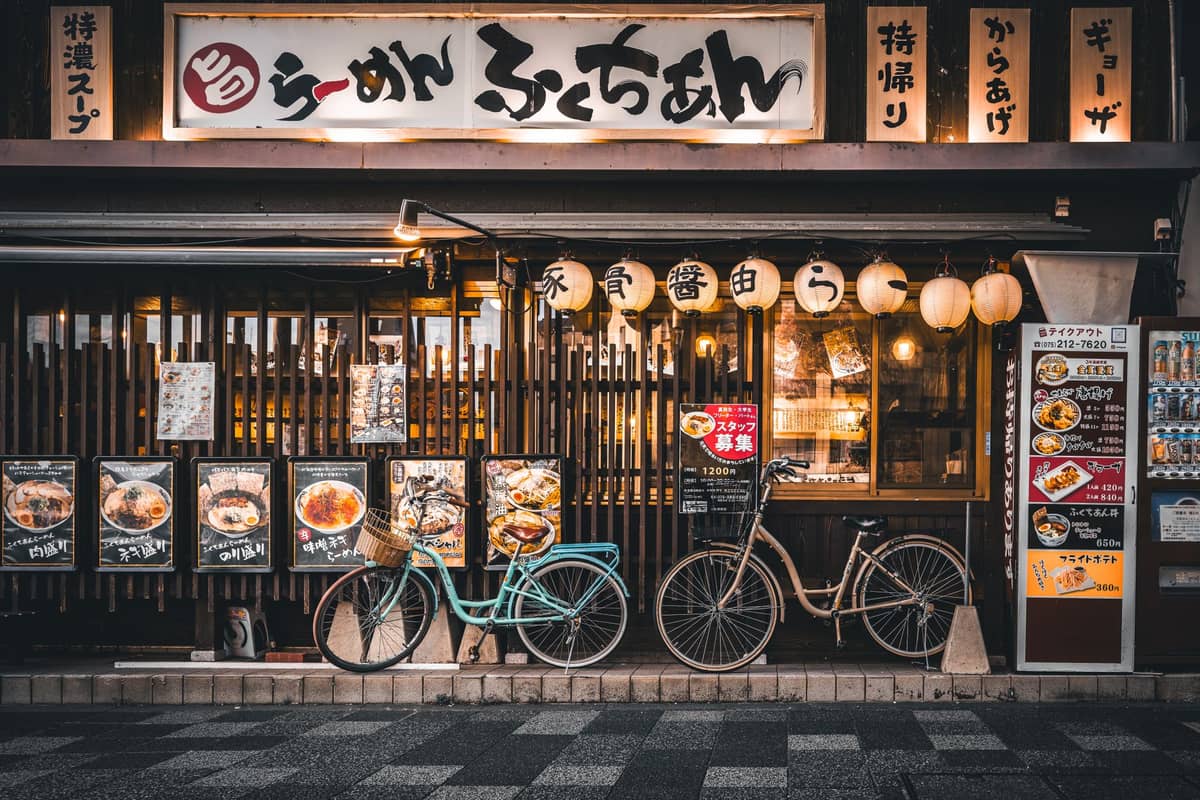
Menya Inoichi (麺屋 猪一) is one of the most consistently recommended ramen shops in Kyoto, appearing across multiple national ranking lists including the Tabelog 100 Ramen WEST. Located at 542 Ebisunocho in Shimogyo Ward, roughly a 3-minute walk from Hankyu Kyoto-Kawaramachi Station, the shop offers two signature broths: a lighter 'white' version built on Rausu kombu and dried seafood with no animal fats, and a richer 'black' soy sauce variant. Both are unusually clean on the palate for ramen. An English menu is available, which is not universal in Kyoto ramen shops. Walk-in only is the standard policy, though a priority seating option exists through an online partner platform for an additional ¥500 per person. Approximate hours are 11:00 to 14:30 and 17:30 to 21:00, but these shift seasonally so check before you go.
Yamazaki Menjiro and the associated brand Mr. Gyoza regularly appear at the top of data-driven Kyoto ramen rankings compiled from aggregated review platforms. Both fall within the affordable range typical of quality Kyoto ramen — bowls generally under ¥1,000. These are not tourist-facing operations; expect local crowds, compact interiors, and a no-frills ordering experience, often via vending machine ticket at the door.
For something closer to the traditional Kyoto dining atmosphere,Gionhas ramen options too. Mensho Ichiryu Manbai Gion runs longer hours than most — roughly 10:00 to 21:00 Sunday through Thursday, extending to 03:00 on Friday and Saturday — making it one of the few ramen shops that works for a late-night bowl after exploring the district. Hours change without much notice, so verify directly before visiting.
- Menya Inoichi Refined seafood-kombu broth, no animal fats, English menu available. 3-min walk from Kyoto-Kawaramachi Station. Walk-in only; optional priority booking for ¥500/person surcharge.
- Yamazaki Menjiro Consistently top-ranked on aggregated review data. Local crowd, compact space, affordable bowls under ¥1,000. Ticket-machine ordering.
- Mensho Ichiryu Manbai Gion Convenient for evening visits in the Gion area. Late-night hours on weekends make it a rare option after 21:00.
- Ichijoji area shops Multiple highly rated shops clustered along one street in Sakyo Ward. Best approached as a dedicated ramen crawl rather than a single-stop visit.
⚠️ What to skip
Most top ramen shops in Kyoto do not accept phone or online reservations. Walk-in queuing is the norm. During peak seasons — late March through early May and October through November — expect waits of 30 to 60 minutes at the most popular shops, particularly at lunch. Arriving at opening time is the most reliable strategy.
Where to Find Ramen by Neighborhood
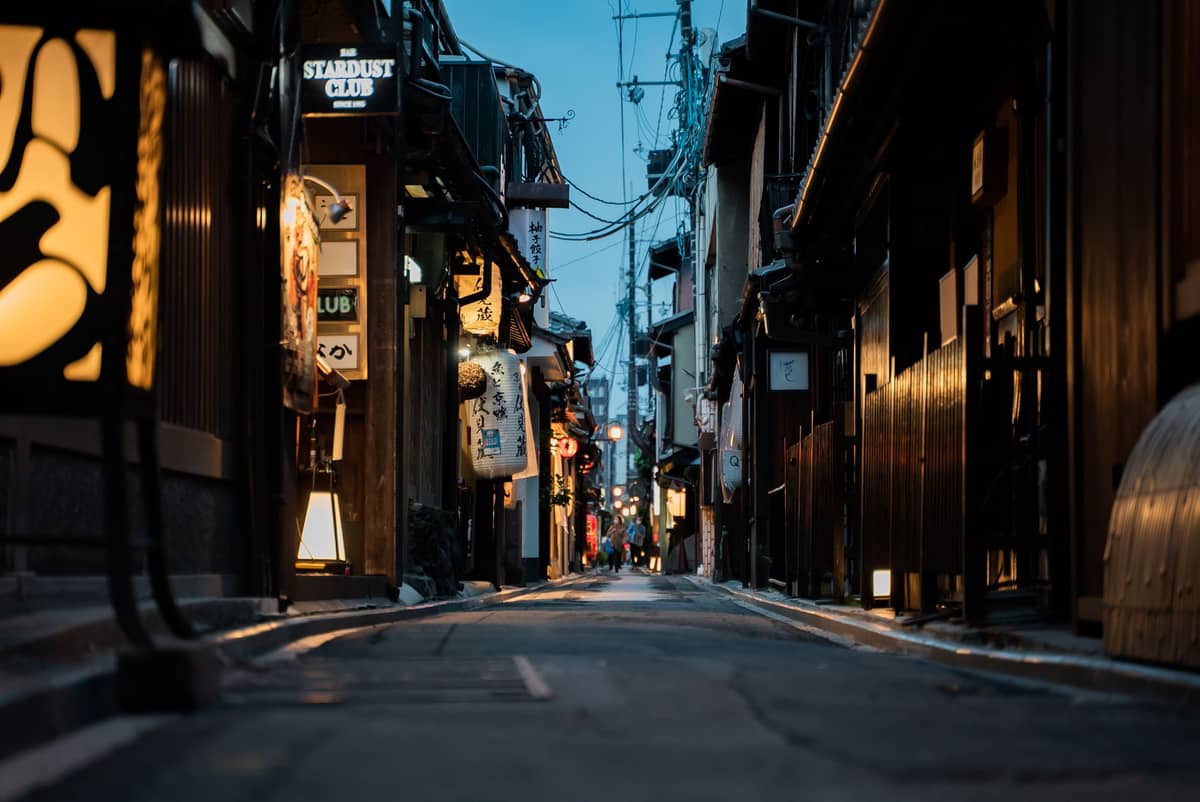
The biggest misconception about finding great ramen in Kyoto is that it concentrates around the tourist districts. In practice, several of the highest-ranked shops are in residential neighborhoods that visitors rarely reach unless they are specifically looking. Thedowntown Kyotoarea around Shijo and Kawaramachi has solid options and is convenient, but it is not where the most serious ramen culture exists.
Ichijoji, in Sakyo Ward in the northeast of the city, is Kyoto's most concentrated ramen district. Multiple shops of national-level quality sit within a few hundred meters of each other along a single street. Getting there takes roughly 5 to 6 minutes from Demachiyanagi Station on the Eizan Electric Railway, or by bus. The neighborhood itself has a student-quarter character — Kyoto University's satellite facilities are nearby — which keeps prices grounded and the atmosphere unpretentious. If you have the time for only one ramen neighborhood beyond the convenience stops, Ichijoji is the answer.
Around Kyoto Station, there are legitimate ramen shops on the east side of the terminal building that draw consistent queues. These are not tourist traps — they have genuine local followings — but their rankings tend to sit a tier below the Ichijoji cluster and the best shops in Nakagyo and Ukyo wards. For travelers with early departures or tight schedules, the station-area options are practical and worthwhile. Just don't treat them as the ceiling of what Kyoto ramen can be.
- Ichijoji (Sakyo Ward): highest density of top-ranked shops, ~20 min from central Kyoto by Eizan Railway
- Shimogyo Ward (near Kawaramachi): accessible, home to Menya Inoichi and several other strong shops
- Nakagyo and Ukyo wards: scattered high-ranked shops worth seeking out if your itinerary takes you that direction
- Gion and Higashiyama: limited but present options, useful if you're already in the area for sightseeing
- Kyoto Station area: convenient, reliable, but generally not the highest-rated tier in the city
What to Order and Seasonal Variations
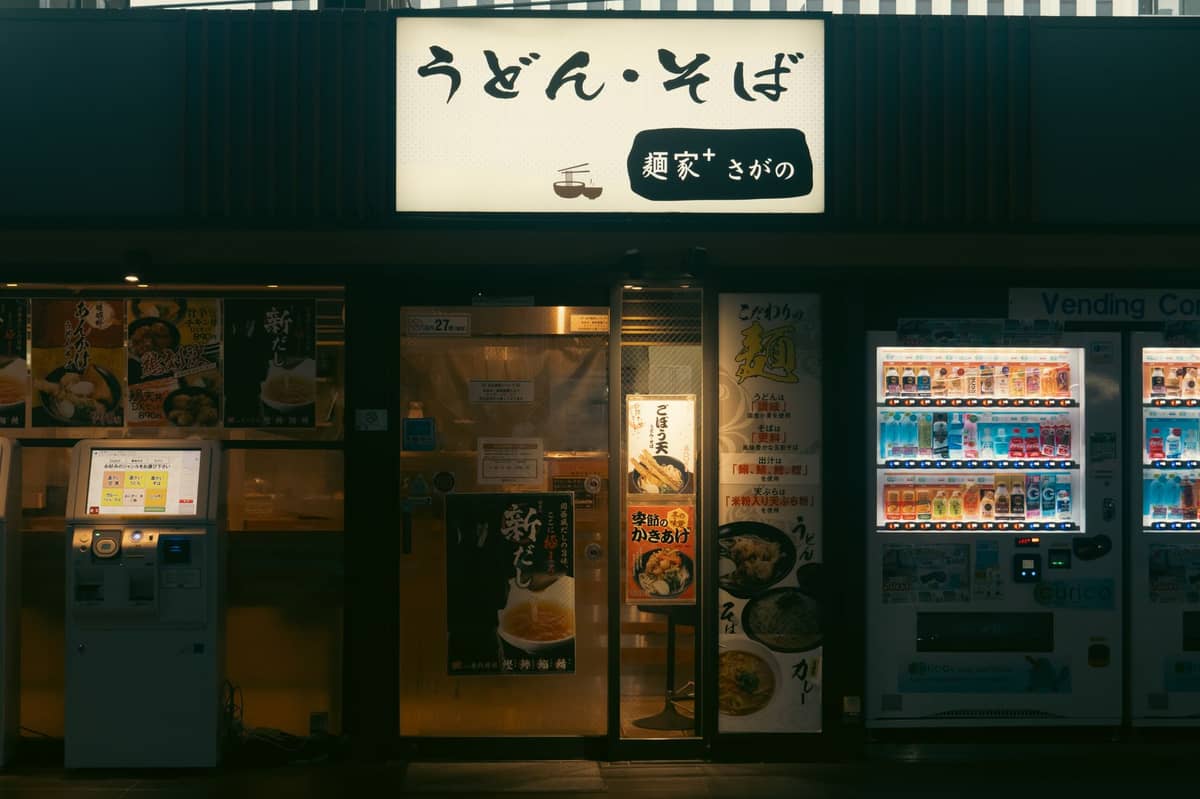
The standard ordering process at most Kyoto ramen shops involves a vending machine near the entrance: you select your bowl, pay, receive a ticket, and hand it to the staff. Customization options vary by shop but commonly include noodle firmness, broth richness level, and additional toppings like extra chashu pork, soft-boiled egg (ajitama), or menma bamboo shoots. If you are unsure, the default configuration is always safe — serious ramen shops in Japan design the standard bowl to represent their best work.
Kyoto's summers are genuinely brutal. The city sits in a basin that traps heat and humidity, with August average highs around 32 to 33°C and overnight temperatures usually around 23 to 24°C. Many shops respond by offering tsukemen — cold or room-temperature noodles served with a concentrated dipping broth on the side — which requires less active heat tolerance than a full hot bowl. Some shops also rotate in lighter seafood-dominant broths during summer months. If you're visiting July through September and heat is a concern, look for shops with tsukemen on the board before ordering.
✨ Pro tip
Many top Kyoto ramen shops sell out of broth by early afternoon and close mid-service. If a shop lists lunch hours ending at 14:30, they may close earlier if they sell out. Arriving at or within 30 minutes of opening is the safest approach at highly rated shops, particularly on weekends.
Practical Tips for Eating Ramen in Kyoto
Pricing at quality ramen shops in Kyoto is genuinely affordable. Most base bowls cost between ¥900 and ¥1,200, with toppings adding ¥100 to ¥300 each. A full meal including a drink rarely exceeds ¥1,500. This is one area of Kyoto dining where budget is not a barrier to eating well — the best shops and the cheapest shops often overlap.
English menus are not guaranteed outside of the tourist-adjacent shops. Menya Inoichi is a notable exception. For shops without English menus, a photo of the menu sent through a translation app, or pointing at what nearby customers are eating, are both reliable strategies. Ramen shops in Japan are accustomed to non-Japanese speakers; the ordering process is generally low-pressure. For a broader look at navigating Kyoto's food culture, theKyoto food guide covers everything from street food to kaiseki.
Timing matters more for ramen than for most dining in Kyoto. The critical windows to avoid are: New Year holidays (roughly December 31 through January 3), Obon week in mid-August, and Golden Week (late April through early May). Many independent shops close entirely or operate irregular hours during these periods. Even shops that stay open may have reduced broth quantities and shorter effective service windows. Always check the shop's social media account or Google listing the day before — Japanese ramen shops update closures reliably on these platforms even when their websites lag.
Getting around between ramen districts is straightforward on Kyoto's public transport network. The Kyoto Municipal Subway's Karasuma and Tozai lines cover the central city, while the Eizan Electric Railway reaches Ichijoji Station from Demachiyanagi. City buses fill the gaps. For a full breakdown of how to move around the city efficiently, theguide to getting around Kyoto is the most practical reference.
- Most shops use vending machine ordering — have ¥1,000 to ¥2,000 in cash ready, as not all machines accept cards
- Slurping noodles is normal and acceptable; it is considered a sign that you are enjoying the bowl
- Solo diners are entirely normal at ramen counters — counter seating is the standard configuration
- Do not linger after finishing; ramen shops have high turnover and other diners are typically waiting
- Tipping is not customary in Japan, including at ramen shops — leave when you're done, no additional payment needed
Ramen as Part of a Broader Kyoto Food Trip
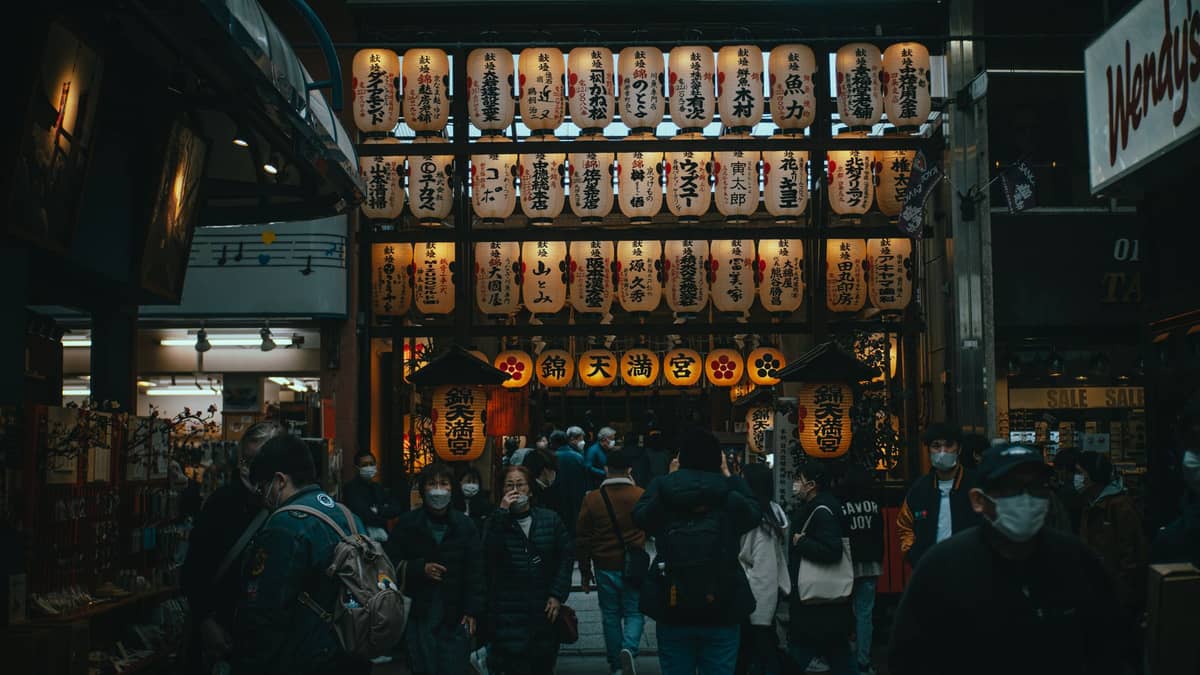
Ramen is one piece of a larger food picture in Kyoto. The city also has a strong matcha culture, a deep tradition of tofu-based cuisine (yudofu and obanzai), and some of the country's best sushi outside Tokyo. If you're planning meals around the city's food scene,Nishiki Marketin central Kyoto is worth a morning visit for snacks and street food before settling on a ramen lunch. The covered arcade runs through Nakagyo Ward and concentrates a wide range of local products in a compact space.
For travelers building a full day around the Ichijoji ramen district, the area also sits close to some of Kyoto's quieterPhilosopher's Path attractions, including Ginkaku-ji (the Silver Pavilion). Combining a morning at the temples with a ramen lunch in Ichijoji makes for a logical half-day without backtracking.
If you're approaching Kyoto's food scene on a tighter budget, ramen is already one of the most cost-effective meals in the city. For more ways to eat and experience Kyoto without overspending, theKyoto on a budget guide breaks down where the value is across categories.
FAQ
What is the best ramen in Kyoto?
Menya Inoichi in Shimogyo Ward is one of the most consistently top-ranked shops, known for its seafood-kombu broth without animal fats. The Ichijoji district in Sakyo Ward has the highest concentration of nationally ranked shops overall. 'Best' depends on style preference — for clean, delicate broths, look to Menya Inoichi; for variety and multiple options in one area, Ichijoji is the place to spend a lunch.
Is Kyoto ramen different from Tokyo or Fukuoka ramen?
Yes, meaningfully so. Kyoto's top shops trend toward lighter, seafood-forward broths influenced by the city's kaiseki and dashi traditions. You won't find the heavy pork-bone tonkotsu that defines Fukuoka ramen, nor the thick shoyu-heavy style associated with Tokyo. That said, Kyoto has a diverse scene and plenty of shops serve richer styles too — it's not strictly one thing.
Do ramen shops in Kyoto take reservations?
Most do not. Walk-in with a queue is the standard model. Menya Inoichi offers an optional priority booking through an online platform, but this costs an additional ¥500 per person and doesn't reserve a specific time — it only gives priority placement in the queue. Arriving at opening time remains the most reliable strategy at popular shops.
Where is the ramen street in Kyoto?
The Ichijoji area in Sakyo Ward is Kyoto's closest equivalent to a 'ramen street' — multiple highly rated shops are clustered along a short stretch of road. It's about 20 minutes from central Kyoto via the Eizan Electric Railway from Demachiyanagi Station. Unlike some famous ramen streets in other Japanese cities, Ichijoji is a real residential neighborhood rather than a tourist construct, which keeps quality and prices honest.
How much does ramen cost in Kyoto?
Most base bowls at quality shops cost between ¥800 and ¥1,200. Adding toppings like a soft-boiled egg or extra pork typically adds ¥100 to ¥300. A full ramen meal with a drink will rarely exceed ¥1,500. Even the highest-ranked shops in Kyoto stay within this range — it's one of the few areas of the city where quality eating is genuinely affordable.