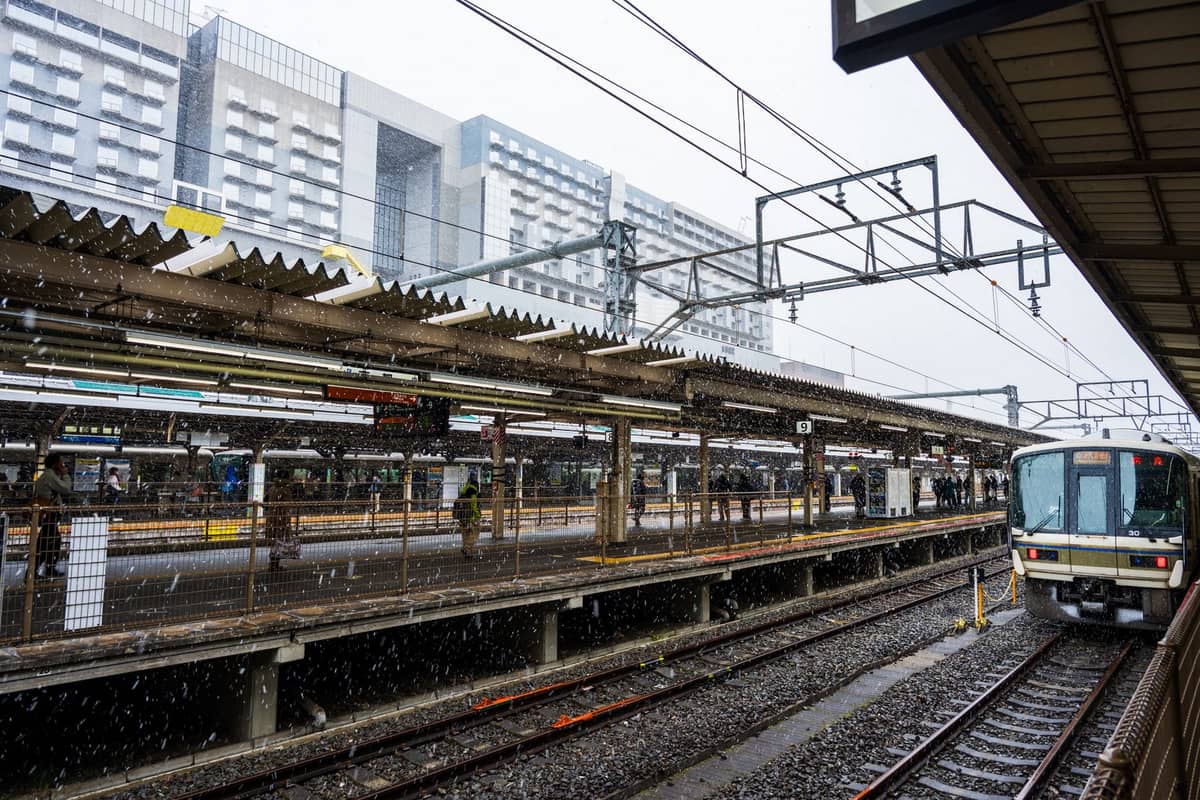
The Kyoto Station area occupies the southern edge of central Kyoto, anchored by one of Japan's most architecturally striking railway terminals. It blends modern convenience with genuine historic depth, placing visitors within walking distance of two of Japan's most important Buddhist temple complexes while keeping every corner of the city within easy reach by train or bus.
The Kyoto Station area is where ancient city meets contemporary infrastructure, a zone of wide boulevards, towering hotels, and centuries-old temples that coexist in a way that surprises first-time visitors. Most travelers pass through here; the smart ones linger long enough to realize it has a character of its own.
Orientation
Kyoto Station sits in Shimogyo-ku, the ward that forms the southern half of central Kyoto. The neighborhood radiates outward from the station building itself, bounded roughly by Shijo-dori Avenue to the north, Toji-dori to the south, and the Umekoji district to the west. Think of it as the city's southern anchor: everything above Shijo-dori tilts toward older Kyoto, while everything below the station tilts toward the quieter residential and industrial fringes of the city.
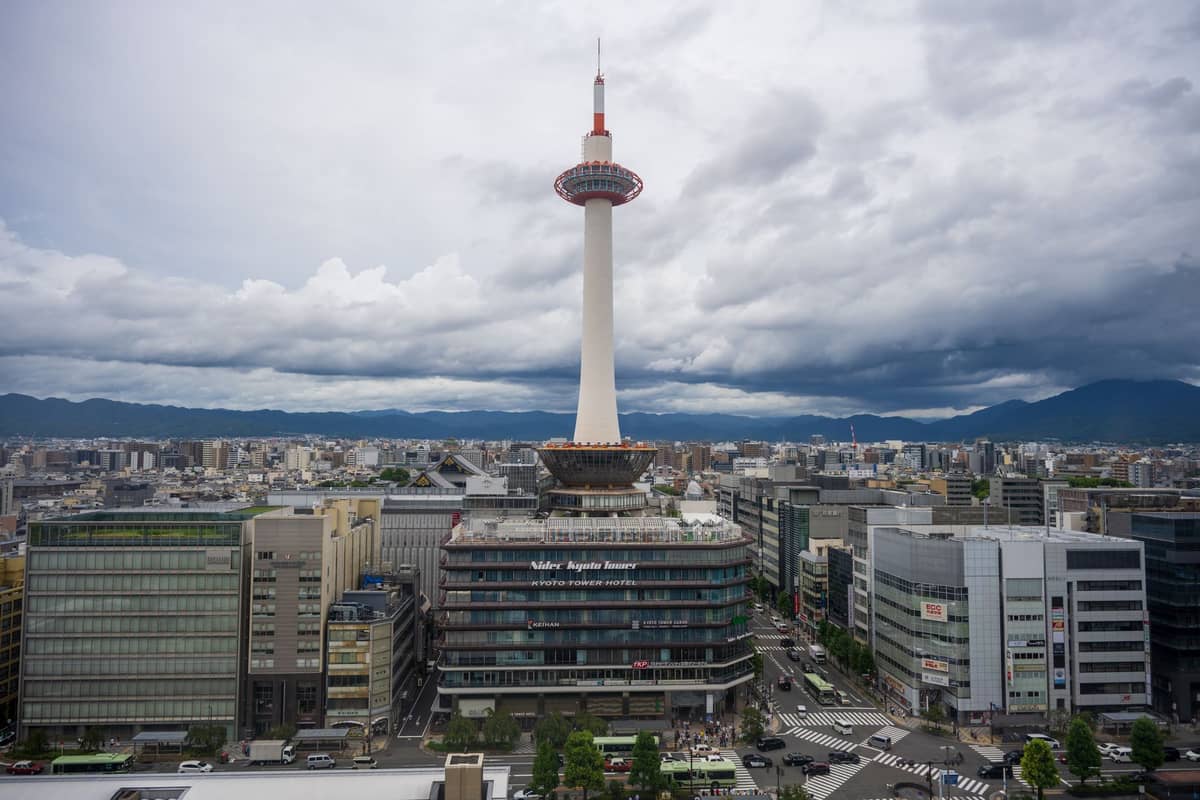
The station sits on an east-west axis, with the Karasuma subway entrance on the north side and the Shinkansen platforms on the south. Kyoto Tower rises immediately north of the main exit, giving you an instant reference point from anywhere in the area. Walking north from the central exit along Karasuma-dori, you reach Higashi Hongan-ji in under ten minutes. Another 20 minutes north puts you at Shijo-Karasuma, the heart of downtown Kyoto. The station area, in other words, is not isolated: it bleeds directly into the commercial and cultural core of the city.
To the west, a fifteen-minute walk brings you to Umekoji Park and theKyoto Railway Museum. To the southwest, a ten-minute walk reaches To-ji Temple and its famous five-story pagoda. Fushimi, Kyoto's southern sake and shrine district, is two stops south by JR Nara Line. The station area functions as a launchpad for the entire city, and understanding its layout is probably the single most useful piece of spatial knowledge you can have before arriving in Kyoto.
Character & Atmosphere
On a weekday morning, the Kyoto Station forecourt moves with the controlled urgency of any major Japanese commuter hub. Suited workers cut through the main hall without breaking stride, the smell of freshly brewed coffee drifts out from the station's ground-floor cafes, and announcements echo in both Japanese and English over the PA system. By around 9am, the tourist current begins to flow in the opposite direction: groups gathering at the bus terminal, families consulting printed maps, solo travelers consulting phone screens.
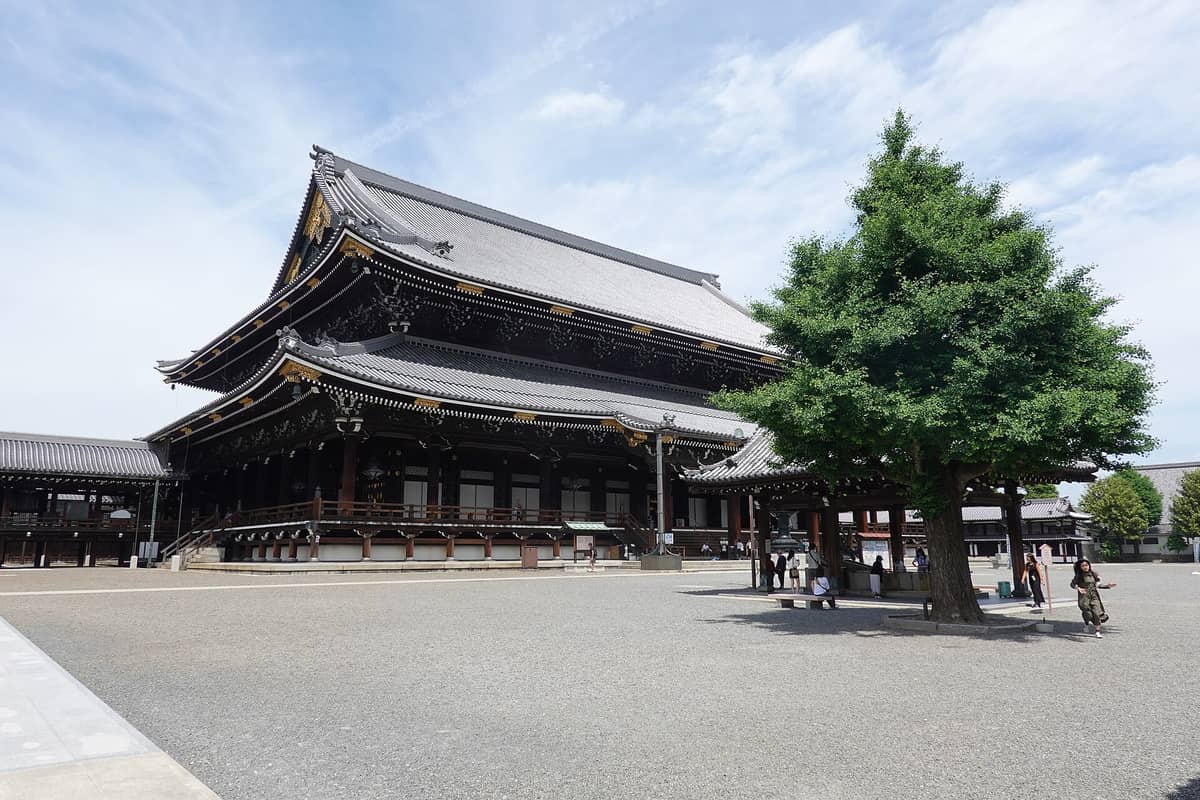
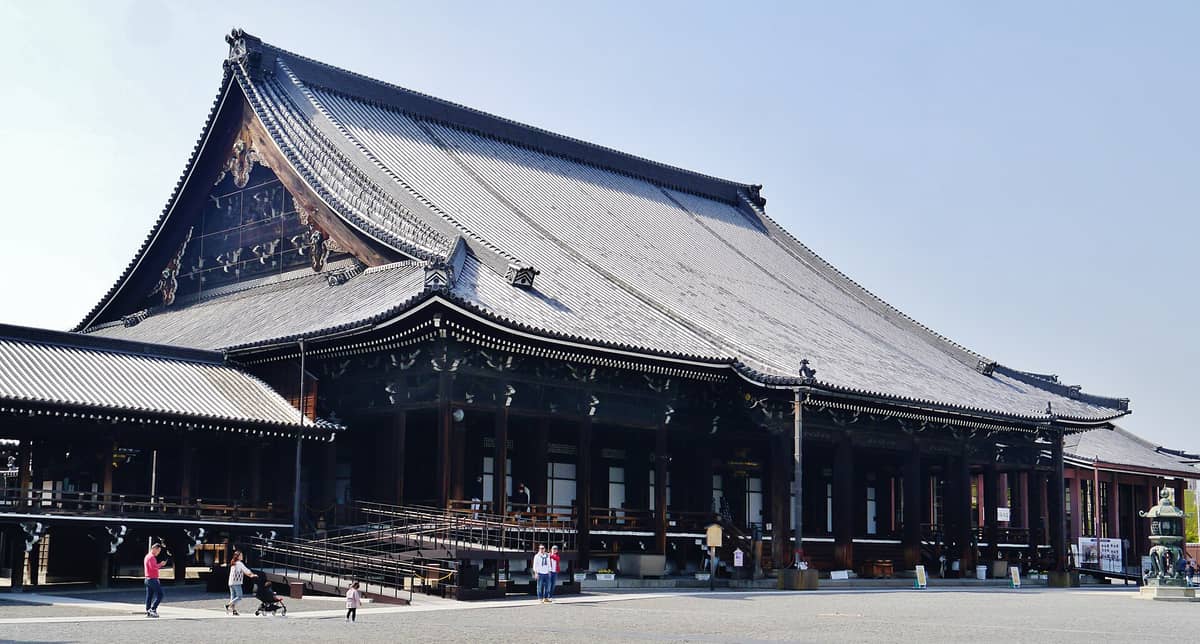
Step north on Karasuma-dori in the midmorning and the character shifts quickly. The tower-block hotels thin out, machiya townhouses begin to appear, and the enormous gate of Higashi Hongan-ji fills the end of the street with unexpected gravity. The contrast is part of what makes this area interesting rather than merely functional. You are never more than a few minutes from a temple complex whose origins date back to the early seventeenth century, even if many of the present buildings are later reconstructions.
In the afternoon, the station building itself becomes the main stage. The rooftop sky garden and the grand staircase facing Isetan department store fill with people resting, eating takeaway, or taking photographs of the city skyline. The light at this hour hits Kyoto Tower at a flat angle that makes it glow orange-white against the mountain ridges to the north. It is one of those city moments that works equally well in photographs and in real life.
After dark, the area does not go quiet the way that Gion or Higashiyama do. The station building stays lit and active until late, with restaurants on the tenth floor and above drawing dinner crowds well into the evening. The streets immediately around the station are safe and well-lit, with the usual urban mix of convenience stores, ramen counters, and hotel lobbies providing steady foot traffic. It is not a nightlife destination in any sense, but it is comfortable and rarely feels deserted.
ℹ️ Good to know
The Kyoto Station building contains over 100 restaurants across multiple floors, plus several department store food halls. If you arrive late or leave early, you will always find something open here when other neighborhoods have already closed.
What to See & Do
The two Hongan-ji temples are the most significant cultural attractions within walking distance of the station, and both have free entry to their main precincts.Higashi Hongan-jiis about a ten-minute walk north along Karasuma-dori, and its Goei-do Hall is one of the largest wooden structures in Japan. The scale of the building is genuinely startling.Nishi Hongan-ji, five minutes further northwest, is a UNESCO World Heritage Site with ornate karamon gates and expansive temple grounds. Between the two, you can spend a half-morning in serious historic architecture without spending a yen.
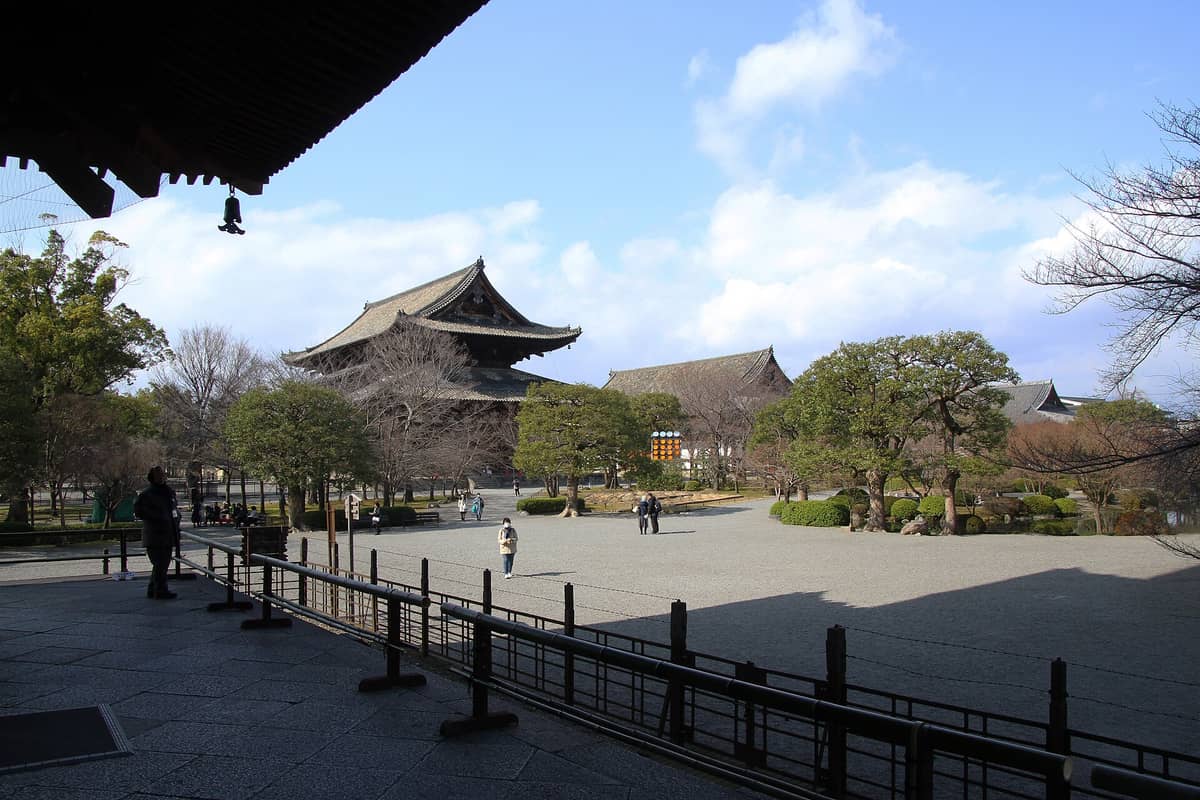
To-ji Templesits about a fifteen-minute walk southwest of the station and rewards the detour. Its five-story pagoda is the tallest wooden pagoda in Japan and is particularly photogenic in early morning light. On the 21st of each month, the temple hosts a large flea market known as Kobo-san, selling antiques, food, and clothing. If your visit coincides with it, it is worth planning your morning around.
The Kyoto Tower observation deck, directly north of the central exit, offers a useful bird's-eye orientation on your first day. The view extends across the city basin to the Higashiyama mountains in the east and the northern peaks beyond Kinkaku-ji. It is not the most dramatic viewpoint in the city, but it is exceptionally practical for getting your bearings.
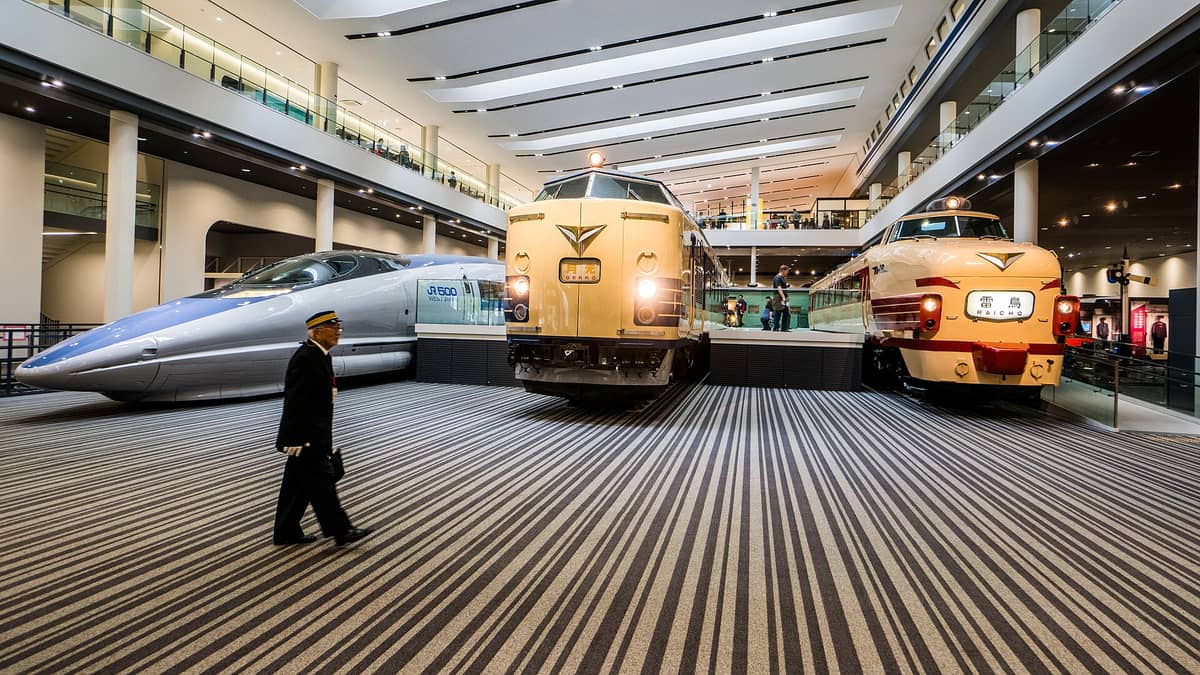
The Kyoto Railway Museum, located in Umekoji Park to the west, is aimed primarily at families and rail enthusiasts, but the steam locomotive collection and working train simulator draw a wider audience than you might expect. Umekoji Park itself is a pleasant green space with a seasonal farmer's market and, in spring, a reasonable showing of cherry blossom.
Higashi Hongan-ji: free entry, one of Japan's largest wooden buildings, 10 minutes north on foot
Nishi Hongan-ji: UNESCO World Heritage Site, free entry, ornate gates and temple grounds
To-ji Temple: tallest wooden pagoda in Japan, monthly antique market on the 21st
Kyoto Tower observation deck: useful city overview, especially for first-time visitors
Kyoto Railway Museum: steam locomotives and exhibits, good for families
Umekoji Park: seasonal events, green space, farmer's market on weekends
💡 Local tip
The monthly Kobo-san flea market at To-ji on the 21st of each month starts early and draws serious antique dealers alongside food vendors. Arrive before 9am for the best selection and before the crowds thin out the more interesting stalls.
Eating & Drinking
The food options around Kyoto Station are considerably more varied than the neighborhood's modern exterior suggests. Inside the station building, floors seven through eleven of the main tower contain a dense cluster of restaurants covering everything from Kyoto-style kaiseki to ramen, tonkatsu, soba, and international options. The tenth-floor Cube food court is particularly useful for solo diners or those with eclectic group preferences, since you can assemble a table from multiple counters.
Directly beneath the station, the Porta underground shopping mall has a food hall with bento counters, bakeries, and a branch of nearly every major Kyoto food chain. This is where commuters eat, which means prices are reasonable and turnover is fast. For a more considered meal, the streets between the station and Shijo-dori along Karasuma-dori have a number of independent restaurants including izakayas and standing ramen counters. The area also has easy access toNishiki Market, Kyoto's covered food market about twenty minutes north on foot or two subway stops, if you want to explore street food more seriously.
For coffee, several specialty cafes have opened in the streets south of Shijo-dori in recent years, reflecting the wider shift in Japanese urban cafe culture toward single-origin espresso and filter brewing. The area around Nishi Hongan-ji also has a cluster of small, independent lunch spots that cater to the local working population rather than tourists, offering set-lunch menus at prices well below what you would pay in Gion orHigashiyama.
For a deeper dive into what and where to eat across Kyoto, theKyoto food guidecovers regional specialties, market eating, and where to find reliable options across different price points.
Getting There & Around
Kyoto Station is the central transit node for the entire city and one of the most connected railway stations in Japan. The Tokaido Shinkansen stops here, making it around 15 minutes from Osaka on the fastest trains, around 2 hours 15–20 minutes from Tokyo, and around 75 minutes from Kansai International Airport via the JR Haruka limited express. If you are arriving from Tokyo or Osaka, you will step off the train directly into the neighborhood.
Within Kyoto, the Karasuma subway line runs directly under Karasuma-dori, connecting Kyoto Station northward through downtown to Kyoto Imperial Palace and beyond. The Kintetsu Kyoto Line departs from within the station building and connects south to Nara in about 45 minutes, making it a practical base for day trips. Forgetting around Kyotoby bus, nearly every major bus route to the tourist districts departs from the station's north bus terminal, including services to Arashiyama, Kinkaku-ji, Gion, and Fushimi Inari.
For arrivals from Kansai International Airport, the JR Haruka express is the most direct option, arriving at Kyoto Station in approximately 75 minutes. Airport limousine buses also operate directly to the station forecourt and take around 90 to 120 minutes depending on traffic. Fares for both options are in a similar range; verify current pricing with official JR or airport bus operators before travel, as fares are updated periodically.
Within the immediate neighborhood, walking is easy. The station building is large but well-signposted in both Japanese and English, and the main landmarks are all within a 15-minute radius on foot. Taxis queue at dedicated stands outside both the north and south exits. Bicycle rental is available in the area and is a practical option for exploring the flat streets between the station and Shijo-dori.
💡 Local tip
If you are navigating the station for the first time, the Karasuma Central Exit on the north side faces Kyoto Tower and is the most useful orientation point. Most hotels, temples, and bus stops are accessed from this exit rather than the Shinkansen south side.
Where to Stay
The Kyoto Station area has the densest concentration of hotels in the city, ranging from budget capsule hotels and business hotels to large international chain properties. This makes it the most practical choice for travelers who prioritize transit access over neighborhood character, including those doingday trips from Kyototo Nara, Osaka, or Hiroshima, since early Shinkansen departures and late arrivals are easy to manage from here.
The streets immediately north of the station along Karasuma-dori and the blocks around Nishi Hongan-ji tend to offer better value than hotels directly adjacent to the station building, where pricing reflects the convenience premium. For travelers who want a more atmospheric base, the areas aroundGionor Higashiyama offer more historic surroundings, though they sacrifice the transit convenience that makes the station area compelling.
Families and travelers on tighter schedules often do well staying here: the compact footprint, abundant convenience stores, and early-opening restaurants in and around the station make mornings efficient. Couples and those after a more immersive Kyoto experience might consider the station area as a practical compromise if they are primarily interested in using it as a base for the wider city. Thewhere to stay in Kyotoguide covers the full range of neighborhoods and accommodation types if you want to compare options side by side.
Honest Assessment: Who This Area Is For
The Kyoto Station area is not the place to come for quiet lanes, wooden townhouses, or the slow atmospheric drift that defines Kyoto at its best. It is a modern commercial district that happens to contain some genuinely significant cultural sites. The station building is an architectural achievement in its own right, the two Hongan-ji temples are world-class, and To-ji is too good to skip, but the streets immediately around the station lack the sensory richness of Higashiyama or Nishijin.
What the area does offer is efficiency. No neighborhood in Kyoto puts you closer to more of the city in less time. If your trip is short, your itinerary dense, or your group includes people with mobility considerations who benefit from flat terrain and step-free transit access, staying here makes clear practical sense. The safety record is strong day and night, the food options are genuinely wide, and you are never stranded by a missed bus or a rainy afternoon.
For first-time visitors trying to fit in as much as possible, athree-day Kyoto itinerarybuilt around a station-area base is entirely workable. You can reach Fushimi Inari in two JR Nara Line stops, Arashiyama in 25 minutes by JR San-in Line, and the temples of northern Higashiyama in 20 minutes by bus. The neighborhood is not where Kyoto's magic concentrates, but it is where the city's logistics converge.
⚠️ What to skip
The streets directly in front of the station north exit can feel overwhelming on first arrival, particularly during peak tourist seasons in April and November. The bus terminal is large and the signage, while clear, takes time to learn. Give yourself more time than you think you need on your first morning.
TL;DR
Best for: travelers prioritizing transit access, those doing day trips to Nara or Osaka, first-timers who want to keep logistics simple, families with young children or mobility needs
Key attractions: Higashi Hongan-ji and Nishi Hongan-ji temples (both free), To-ji Temple's five-story pagoda, Kyoto Railway Museum, the station building's rooftop sky garden
Food & drink: strong range from budget station food halls to mid-range sit-down restaurants; prices generally lower than Gion or Higashiyama
Transit: Shinkansen, Karasuma subway line, Kintetsu to Nara, city bus terminal, airport limousine buses all converge here
Drawback: lacks the historic streetscape and atmospheric depth of Kyoto's eastern and northern neighborhoods; better as a base than a destination in itself
Kyoto holds more extraordinary Japanese gardens per square kilometer than anywhere else on earth. This guide covers the finest examples across every style, from dry rock gardens to imperial stroll gardens, with practical advice on access, timing, and what makes each one worth the visit.
Kyoto holds more Shinto shrines than almost any city on earth, ranging from grand imperial complexes to quiet forest sanctuaries. This guide covers the best, with practical advice on when to go, what to expect, and what most visitors get wrong.
Kyoto has over 1,600 Buddhist temples and around 400 Shinto shrines, ranging from gold-leafed pavilions to remote mountain retreats. This guide cuts through the noise to highlight the temples that genuinely reward a visit, with context on what makes each one worth your time.
Kyoto rewards visitors year-round, but the experience varies dramatically by season. This guide breaks down every month by weather, crowds, costs, and what's actually worth seeing — so you can choose the right time for your trip, not just the most popular one.
Kyoto's best views range from the famous wooden stage at Kiyomizu-dera to a forested mountain summit reached by a 45-minute hike. This guide covers the city's top viewpoints across temples, hilltops, iconic streets, and observation decks, with tips on timing and what to expect.
Kyoto sits at the center of one of Japan's richest regions for day-tripping. Within an hour by train, you can reach ancient deer parks, mountain temples, sake-brewing canals, and remote moss gardens. This guide covers the best excursions organized by direction and theme.
Kyoto is one of the world's great cultural cities, and a surprising number of its best experiences are completely free. From the torii-gate tunnels of Fushimi Inari to the stone lanes of Higashiyama and the canal-side Philosopher's Path, here is a practical guide to the finest free attractions in Kyoto.
The Fushimi Inari hike is one of the most iconic walks in Japan, threading thousands of vermilion torii gates up Mt. Inari in southern Kyoto. This guide covers every trail option, the best times to go, how to get there cheaply, and the the reality about what the experience is actually like.
Kyoto's transport network is more layered than it first appears. This guide breaks down every practical option, from city buses and subway lines to IC cards, day passes, and airport transfers, so you can move around the city without wasting time or money.
Gion Matsuri fills the entire month of July with shrine rituals, towering floats, and lantern-lit street festivals. This guide breaks down exactly what happens, when, where to stand, and how to survive the July heat without missing the highlights.
Kyoto has no international airport of its own. This guide covers every practical way to reach the city from Kansai International Airport (KIX) and Osaka Itami (ITM), with current fares, journey times, and clear advice on which option suits your trip.
Kyoto's cherry blossom season is one of Japan's great spectacles, but peak bloom lasts barely a week and the crowds are intense. This guide covers exactly when to go, where to stand, what to skip, and how to make the most of sakura season in Kyoto.
Kyoto is Japan's historic capital, with over 1,600 temples, a preserved geisha district, and some of the country’s finest food. This guide covers everything a first-time visitor needs: the best time to visit, how to get from the airport, which neighborhoods to base yourself in, and how to avoid the most common mistakes.
Kyoto's food culture runs deeper than temple towns and tea ceremonies. From formal kaiseki multi-course meals to humble obanzai home cooking and steaming bowls of yudofu beside ancient temples, this guide covers what to eat, where to eat it, and exactly what to budget — season by season.
Kyoto is one of the most atmospheric cities in Asia for couples, with preserved historic streets, seasonal illuminations, ryokan stays, and cultural rituals designed for two. This guide covers the best romantic experiences, realistic pricing, and the timing details that make the difference between a good trip and a memorable one.
Kyoto is the only city in Japan where the geisha tradition survives at scale. This guide covers the five geisha districts, every major dance performance, licensed cultural experiences, and the etiquette rules that matter — so you can engage with this world respectfully and on your own terms.
Kyoto rewards those who look beyond the headline sights. This guide covers the city's most rewarding lesser-known temples, atmospheric alleyways, mountain retreats, and local institutions, from a moss-carpeted UNESCO garden requiring advance booking to a century-old public bathhouse in a residential neighborhood.
Autumn transforms Kyoto into one of the most photographed places on earth, with maples and ginkgos turning gold and crimson across temples, gardens, and hillsides. This guide covers when foliage peaks, where to go, which illumination events are worth your evening, and how to avoid the worst of the crowds.
Kyoto in winter (December to February) offers crisp, mostly dry weather, thinner crowds, and a quieter side of the city's temples and shrines. This guide covers what the season actually looks like, what to do, how to get around, and where the crowds still gather.
Three days is enough to experience the best of Kyoto without feeling rushed, but only if you plan smart. This guide breaks down exactly where to go, when to go, and how to get around, including updated transport advice that most other guides get wrong.
Renting a kimono in Kyoto is one of the most memorable ways to experience the city, but the advertised prices rarely tell the full story. This guide breaks down real costs, the best neighborhoods to explore in traditional dress, seasonal advice, and practical tips that most shops won't tell you upfront.
Kyoto is the spiritual home of Japanese matcha culture, from centuries-old tea houses in Gion to stone-mill workshops in Uji. This guide covers where to drink, eat, and learn about matcha — with real prices, practical logistics, and practical advice on what's worth your time.
Kyoto's nightlife is quieter than Tokyo's but far richer than most visitors expect. This guide covers the best izakayas, sake bars, evening tours, and riverside dining across Pontocho, Gion, and Kiyamachi, with practical advice on costs, timing, and what to skip.
Kyoto is one of Japan's most rewarding cities to visit, but costs can add up fast. This guide breaks down exactly how to stretch your yen further — covering transport passes, free attractions, affordable food, and the best times to visit when prices drop.
Seven days is the ideal length to experience Kyoto without rushing. This guide breaks down each day by district, with practical logistics, timing advice, and clear assessments of what's worth your time. Whether you're planning your first visit or returning with more days to spare, this itinerary covers the full range of Kyoto's historic city.
Kyoto offers a surprisingly diverse range of hot-spring bathing options, from rural mountain onsen to sleek hotel spas. This guide breaks down the best facilities, real pricing, seasonal timing, and the rules you need to know before you strip off your yukata.
Kyoto's ramen scene runs deeper than most visitors expect. This guide covers the top-rated shops, the best neighborhoods to explore, what styles define Kyoto ramen, and practical advice for navigating queues, hours, and seasonal menus.
A Kyoto ryokan stay is one of the most distinctive lodging experiences in Japan, but the rules, pricing structures, and expectations are unlike any Western hotel. This guide breaks down what actually happens from check-in to breakfast, what things cost across budget tiers, and which neighborhoods make the most sense depending on your itinerary.
Kyoto is Japan's craft capital, where century-old textile workshops sit alongside covered shopping arcades and a legendary food market. This guide breaks down where to shop, what to buy, and how to avoid tourist traps — by neighborhood, price point, and category.
Kyoto's sushi scene runs deeper than most visitors expect. This guide breaks down the best sushi restaurants in Kyoto by price tier, neighborhood, and style, with practical advice on reservations, seasonal fish, and common mistakes to avoid.
From quick group introductions to private lessons in historic teahouses, Kyoto offers more ways to experience chado than almost anywhere in Japan. This guide covers the best venues, realistic prices, booking advice, and the cultural context that makes each sip mean something.
Visiting Kyoto's temples and shrines without understanding the etiquette means missing half the experience. This guide covers everything from torii gate protocol and hand-purification steps to photography restrictions, admission costs, and the key differences between Shinto shrines and Buddhist temples.
Nara is one of the easiest and most rewarding day trips from Kyoto, just 40 km away with frequent train connections. This guide breaks down every transport option, cost comparisons, and how to make the most of your time there.
The Kyoto to Tokyo corridor is one of Japan's most-traveled routes. This guide covers every realistic option, from the Tokaido Shinkansen to overnight highway buses, with clear breakdowns of cost, speed, and when each option makes sense.
Kyoto rewards walkers more than almost any city in Japan. This guide breaks down the best self-guided walking routes by district, with timing, admission costs, crowd advice, and clear assessments of what's worth your time and what isn't.
Kyoto's weather swings from bitter January mornings to oppressive August humidity, with two peak tourist seasons sandwiched in between. This guide breaks down what to expect every month, what to pack, and when the crowds and weather actually align in your favor.
Kyoto is not just temples and shrines. The city has a surprisingly strong lineup of kid-friendly attractions, from the Kyoto Railway Museum and Aquarium in Umekoji Park to samurai theme parks and wide outdoor spaces. This guide covers what's genuinely worth your family's time, realistic pricing, the best seasons to visit with children, and how to structure your days without burning everyone out.
Kyoto rewards those who spend well and plan ahead. This guide covers the city's finest ryokan, reservation-only kaiseki restaurants, and culturally rich experiences, along with practical advice on booking windows, seasonal pricing, and what actually justifies the premium.
Kyoto packs more than 1,600 years of Japanese history into a single city. This guide covers the best things to do in Kyoto across every district, from iconic temples and sake breweries to traditional tea ceremonies and bamboo forest walks, with practical advice on crowds, costs, and timing.
Choosing where to stay in Kyoto shapes your entire trip. This guide covers the five best areas for visitors, price breakdowns by neighbourhood, accommodation type comparisons, and the booking timing you need to avoid paying double during peak season.