Kyoto with Kids: Best Family Activities & Planning Guide
Kyoto is not just temples and shrines. The city has a surprisingly strong lineup of kid-friendly attractions, from the Kyoto Railway Museum and Aquarium in Umekoji Park to samurai theme parks and wide outdoor spaces. This guide covers what's genuinely worth your family's time, realistic pricing, the best seasons to visit with children, and how to structure your days without burning everyone out.
Plan and book this trip
Tools from our partner Travelpayouts help you compare flights and hotels. If you book through them, we may earn a commission at no extra cost to you.
Flights
Hotels map
TL;DR
- The Kyoto Railway Museum and Kyoto Aquarium sit side by side in Umekoji Park, making them a natural full-day family combo. See ourKyoto Railway Museum guide for details.
- Admission at major kid-focused venues ranges from free (under 3) to around ¥2,800 per adult — budget ¥5,000–¥8,000 per family for a full day at one attraction cluster.
- Summer (July–August) is hot, humid, and crowded. Spring (April–May) and autumn (October–November) are far more manageable with young children.
- Kyoto's temples can work well with older children, but expecting toddlers to stay quiet through shrine after shrine is a recipe for a difficult day. Rotate indoor attractions with outdoor walks.
- Golden Week (late April to early May) and school holidays push crowds to their peak. Book tickets in advance or arrive before 10:00. Checkthe best time to visit Kyoto before locking in dates.
Is Kyoto Actually Family-Friendly?
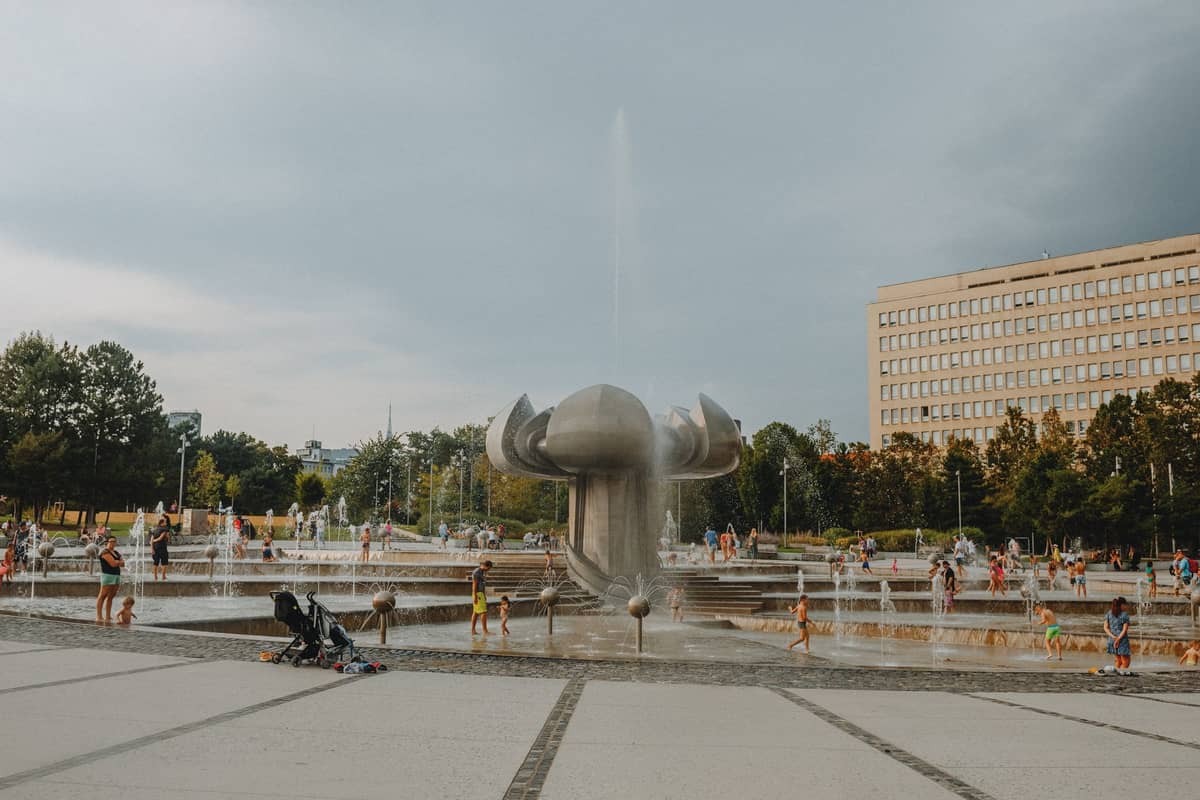
The short answer is yes, but with caveats. Kyoto's reputation as a city of ancient temples and geisha districts can make it sound like a poor fit for families with young children. That perception is outdated. The city has invested significantly in modern, child-focused attractions, and Umekoji Park alone is home to two world-class facilities built with strollers, nursing rooms, and sensory-overloaded six-year-olds firmly in mind.
That said, Kyoto is a large city covering roughly 828 km², and the geography matters for families. Many of the most photographed temple districts require significant walking on uneven stone paths. Areas likeHigashiyamainvolve steep stone steps, cobbled lanes, and crowds that can make pushing a stroller frustrating. Plan for this honestly rather than discovering it mid-trip.
💡 Local tip
Most major family attractions in Kyoto have elevators, baby-changing facilities, and nursing rooms. Confirm specific accessibility features on each venue's official website before visiting, as layouts and services vary.
The Umekoji Park Cluster: Two Attractions, One Day

If you have one full day to dedicate to purely kid-friendly activities, Umekoji Park is the right answer. The Kyoto Railway Museum and Kyoto Aquarium are a short walk from each other on the park grounds, both are stroller-accessible, and both have on-site cafes and rest areas. The park itself has open lawns where children can run freely, which makes a useful decompression zone between venues.
- Kyoto Railway Museum Open 10:00–17:00 (last entry 16:30), closed Wednesdays outside school holidays and around Dec 30–Jan 1. Adults ¥1,500, elementary/junior high ¥500, children 3+ ¥200. The SL steam locomotive ride costs an additional ¥300 for adults, ¥100 for children 3+. Older ticket prices of ¥1,200 cited on many travel blogs are no longer accurate — the current adult rate is ¥1,500.
- Kyoto Aquarium Open 365 days a year. April–October: 09:00–18:00 (last entry 17:00). November–March: 09:00–17:00 (last entry 16:00). Adults ¥2,600, high school ¥2,000, elementary/junior high ¥1,400, children 3+ ¥900. The shorter winter hours catch many visitors off guard — if you're arriving in the afternoon between November and March, plan to be inside by 15:30 at the latest.
The Railway Museum is particularly strong for children aged 4 to 12. The exhibit hall houses over 50 full-size locomotives and rolling stock, including shinkansen cars kids can climb into. The driving simulator is popular and gets busy by midday. Arriving at opening time on a weekday gives you the best experience. The museum is entirely indoors, which makes it a genuinely good choice during the June rainy season or August heat.
The Aquarium is smaller than flagship aquariums in Tokyo or Osaka, but it is well-designed for young children. Touch pools, a large jellyfish section, and a dolphin show (check the schedule on arrival) are the standout elements. Teenagers may find it underwhelming after an hour, but children under 10 tend to be thoroughly engaged.
⚠️ What to skip
Umekoji Park is extremely crowded during Golden Week (late April to early May), Obon (mid-August), and school holiday periods. Pre-purchasing tickets online where available and arriving close to opening time are the most effective ways to avoid peak-hour queues.
Toei Kyoto Studio Park: Samurai, Ninja, and Film Sets
Located in the Uzumasa area of western Kyoto, Toei Kyoto Studio Parkis a functioning film studio with a theme park attached. Outdoor sets recreate Edo-period streets, and live shows feature samurai sword fights, ninja demonstrations, and costumed characters. Children who have any interest in Japanese history or action entertainment find this genuinely exciting.
Admission is Adults ¥2,800, junior high and high school students ¥1,800, children aged 3–12 ¥1,600, and under 3 free. Some older sources quote adult prices as low as ¥2,400 — these are no longer current. Typical hours are around 10:00–17:00 with last entry 60 minutes before closing, but hours vary by season, so check the official calendar before visiting. The outdoor nature of most attractions means summer can be punishingly hot and rainy days reduce the experience significantly. Autumn is the sweet spot for this venue.
✨ Pro tip
Cosplay costume rental is available at Toei Studio Park, letting children (and adults) dress as samurai or ninja before exploring the sets. It costs extra but dramatically improves the experience for kids aged 5 and up. Book or ask about availability on arrival.
Temples and Shrines That Actually Work with Kids
Not every historic site in Kyoto is a misery for children. The key is choosing the right ones and managing expectations about how long to stay. A common mistake is treating temple visits as the main event rather than a backdrop to a walk, a snack, or a specific visual payoff.
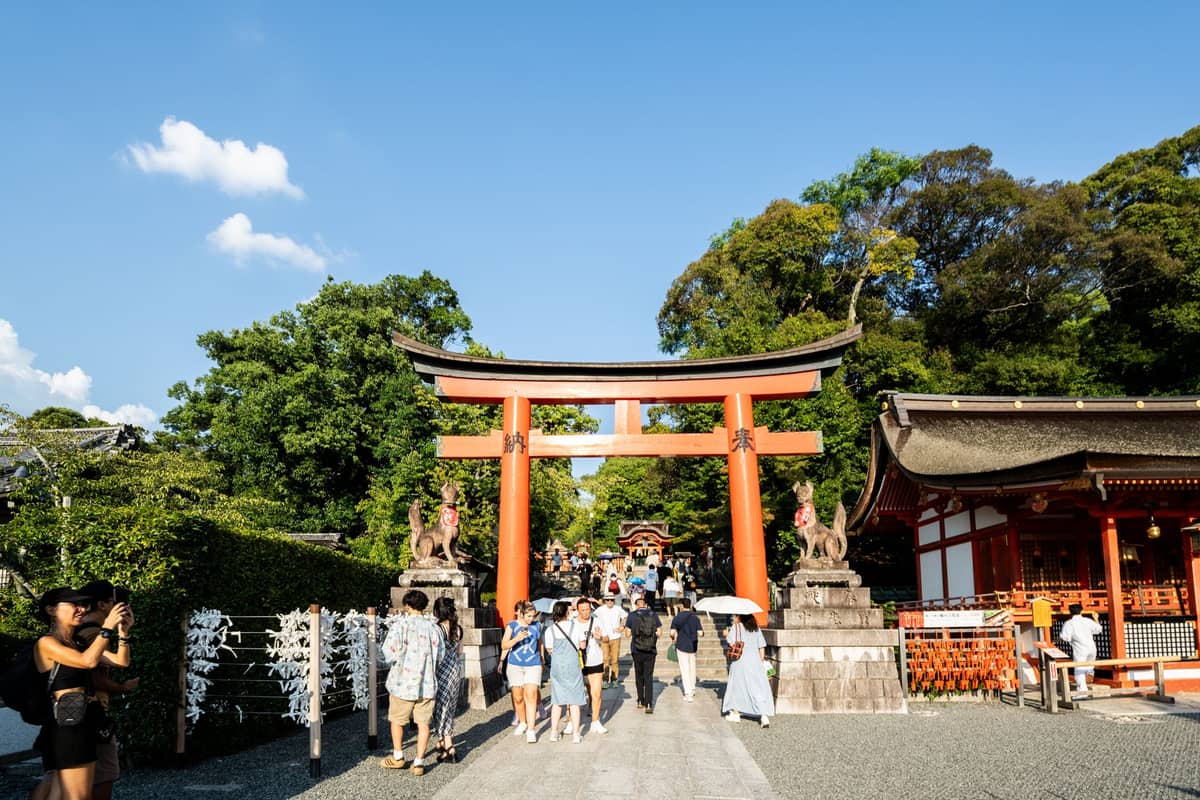
- Fushimi Inari Taisha Free to enter, open 24 hours. The thousands of vermillion torii gates are visually dramatic and genuinely awe-inspiring for children. The lower section near the main shrine is easy walking. The full mountain hike takes 2–3 hours and is challenging for young children. Going early morning avoids the worst crowds and heat.
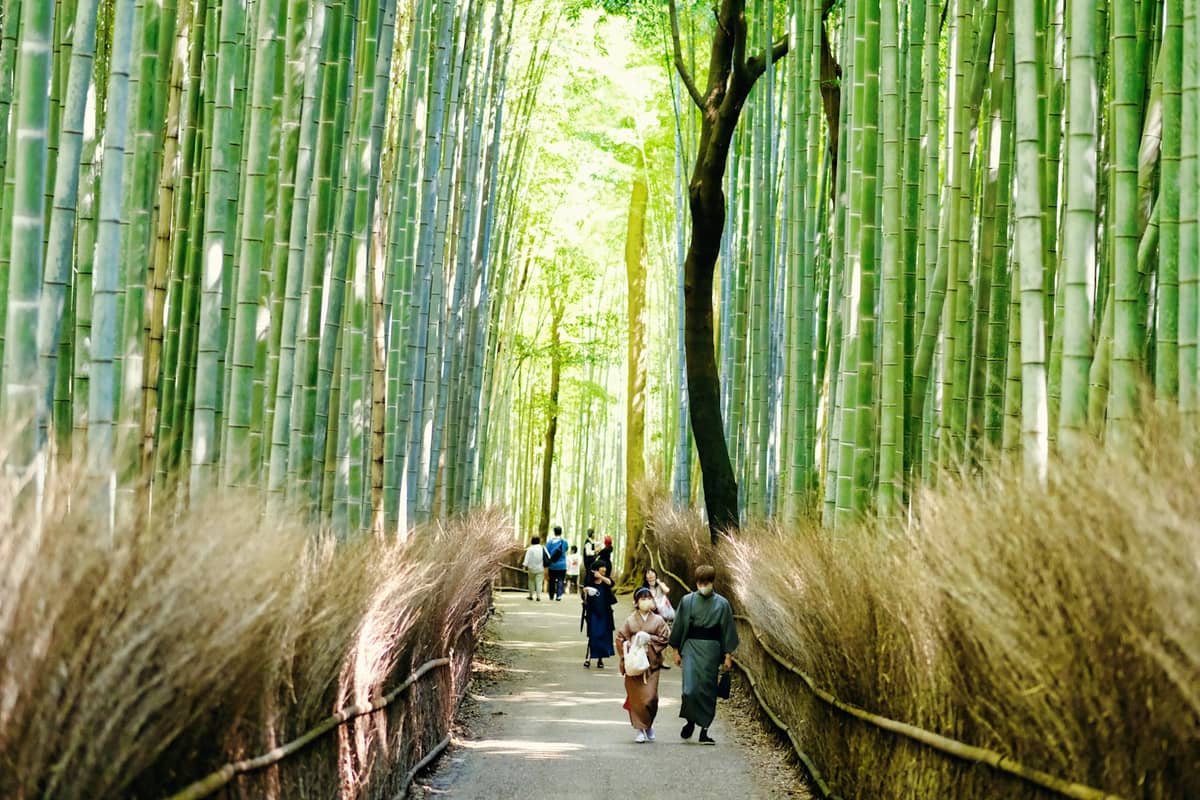
- Arashiyama Bamboo Grove Free to walk through, located in western Kyoto. The bamboo tunnel is short (under 500 metres) and makes an excellent quick stop. Combine it with a visit to Togetsukyo Bridge and the riverside, where children can watch boats on the Oi River. Avoid midday on weekends.
- Nijo Castle Adults around ¥1,300 (verify current price before visiting), the castle's 'nightingale floors' that squeak as you walk are reliably fascinating for children. The gardens are spacious enough to let energy out after the indoor tour.
- Kyoto Botanical Gardens One of Japan's oldest public botanical gardens, with large open grounds, a greenhouse, and enough space for children to move freely. Entry fees are modest (verify current prices). A good option for families who need a low-stimulation half-day.
For families with teenagers who have a genuine interest in history, theGolden Pavilion (Kinkaku-ji) and Kiyomizu-deraare worth the entry fees. The views from Kiyomizu-dera's wooden stage over Kyoto are striking and provide a strong geographical sense of the city. For younger children, limit yourself to one major temple per day and treat it as a walk with a destination rather than an educational exercise.
Seasonal Considerations for Visiting Kyoto with Children
Season choice matters more when traveling with children than it does for adults. Kyoto sits in a basin surrounded by mountains, which intensifies summer heat and humidity. August highs average around 33–34°C with high humidity, and children overheat and become exhausted faster than adults. If you're visiting in summer, plan for early mornings, a long indoor midday break, and late afternoon activity. The Kyoto Railway Museum and Aquarium are ideal for the 11:00–15:00 heat window.
Spring (April–May) and autumn (October–November) offer the most comfortable conditions for families. Temperatures range from 13–24°C in spring and 15–24°C in early autumn, making outdoor walking genuinely pleasant. Cherry blossom season (typically late March to mid-April) is spectacular but also the most crowded time of year — if you want blossom without extreme crowds, target the week after peak bloom. See theKyoto cherry blossom guide for timing specifics.
Winter (December–February) is underrated for families. Crowds thin significantly, and a light snowfall on temple rooftops creates magical conditions. Temperatures drop to around 1–9°C, so pack accordingly. Indoor attractions like the Railway Museum, Aquarium, and theKyoto International Manga Museumtake on more appeal when you need to escape the cold. The Manga Museum in particular is a hit with older children and teenagers — it holds around 300,000 items and visitors are free to read on-site.
Practical Logistics for Families
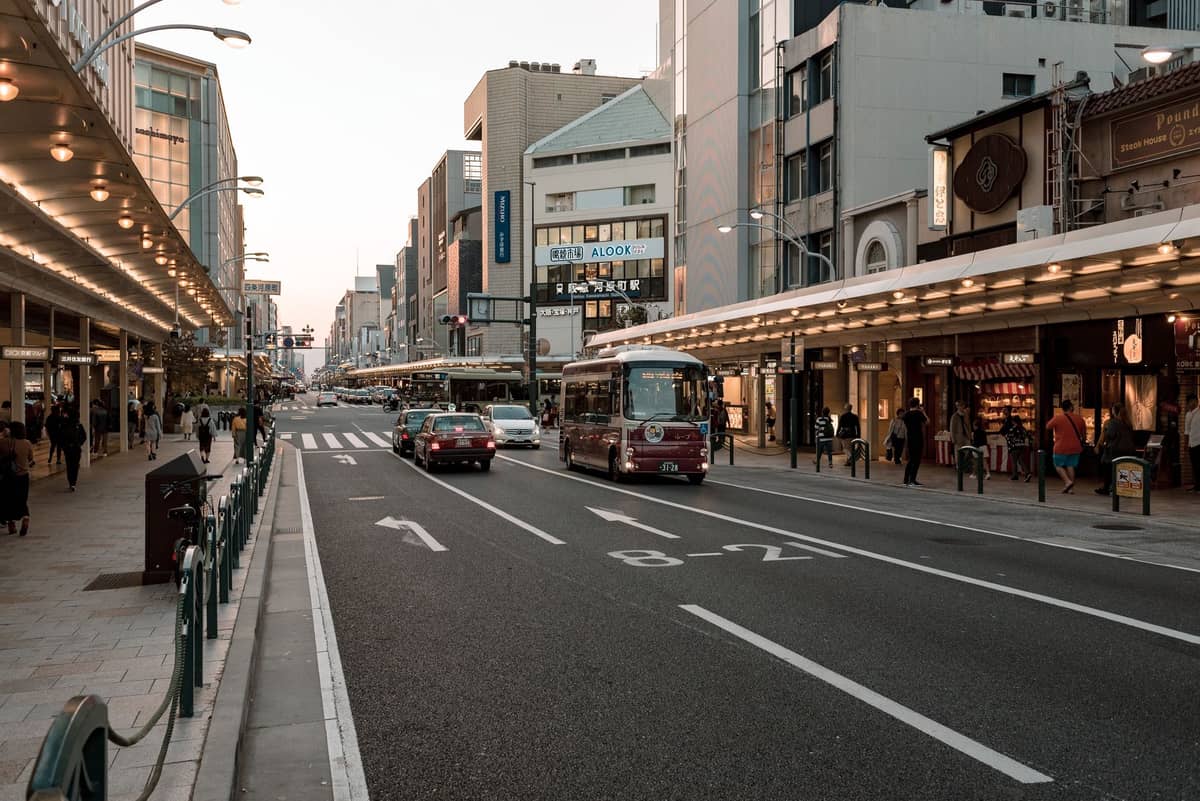
Getting around Kyoto with children is manageable but requires planning. The Kyoto City Bus network covers most tourist areas, and the Kyoto Municipal Subway (Karasuma and Tozai lines) connects key areas quickly. For a family spending multiple days, a day pass for buses and subway can represent good value — verify current prices before purchasing as fares are updated periodically. A detailed breakdown is available in theguide to getting around Kyoto.
Tipping is not practiced in Japan. Service is generally excellent without it, and leaving a tip can cause confusion. Tap water is safe to drink throughout Kyoto, which is useful when children get through enormous quantities of water during summer. Convenience stores (7-Eleven, FamilyMart, Lawson) are everywhere and stock affordable, child-friendly food including onigiri, sandwiches, yogurt, and hot dishes. Japan's convenience store food is genuinely good and using it for lunches is not a compromise — it's a practical local strategy.
For food beyond convenience stores, Nishiki Marketin downtown Kyoto is a covered arcade of food stalls where children can try tamagoyaki (rolled omelette), grilled skewers, and fresh tofu in small quantities without committing to a full restaurant meal. It works well as a late-morning food stop before the main daily activity. Keep in mind it gets extremely crowded on weekends.
- IC cards (Icoca or Suica) work on all public transport and at many convenience stores — get one for each family member, including children, to eliminate fumbling with cash at ticket machines.
- Most major tourist attractions have coin-operated luggage lockers nearby. Storing heavy bags while sightseeing with children makes a significant difference to everyone's stamina.
- Japanese pharmacies (drug stores like Matsumoto Kiyoshi) carry children's medications, sunscreen, and diapers. Brand names will differ but products are reliable.
- Emergency numbers: 110 for police, 119 for fire and ambulance. Japan's country code is +81.
- Electricity in Kyoto: 100V at 60Hz, Type A plugs (two flat parallel pins). US devices often work without an adapter; European and Australian devices typically need one.
FAQ
What is the best age for children to visit Kyoto?
Children aged 5 and up tend to get the most out of Kyoto. The Railway Museum, Aquarium, and Toei Studio Park all have strong appeal from age 4–5 onward. Toddlers can certainly come, and facilities are generally stroller-friendly, but very young children will not engage with temples or shrines. Teenagers with an interest in history or Japanese culture often find Kyoto more interesting than younger children do.
Are Kyoto's temples and shrines worth visiting with children?
Some are. Fushimi Inari Taisha (free, with its iconic torii gates), the Arashiyama bamboo grove (free), and Nijo Castle (paid) tend to generate genuine reactions from children. Limiting temple visits to one or two per day and combining them with outdoor walks or food stops makes them much more enjoyable. Avoid scheduling back-to-back temple visits expecting children to remain engaged — they won't.
How many days do you need in Kyoto with kids?
A minimum of three days allows you to cover the Umekoji Park cluster (Railway Museum and Aquarium), one or two of the more visually dramatic historical sites, and the Toei Studio Park. Four to five days gives enough breathing room to adjust pace based on how the children are coping with heat, walking, or jet lag. A three-day itinerary focused on families is a useful starting point for planning.
Is Kyoto safe for families traveling with children?
Kyoto is extremely safe by any international standard. Violent crime is rare. Traffic is the main practical concern — Japanese roads have narrow pavements in historic districts, and cyclists use pavements frequently. Children need to be kept close in crowded areas like Nishiki Market and Fushimi Inari on weekends. Food allergies are the other consideration: communicate allergies clearly in Japanese if possible, as many dishes contain hidden sesame, soy, or seafood.
What is the best season to visit Kyoto with kids?
Autumn (October to November) is widely considered the most comfortable combination of weather and manageable crowds for families. Spring (April to May) is beautiful but very busy. Avoid July and August with young children if you can — the heat and humidity are genuinely draining, and many outdoor attractions become difficult to enjoy. Winter is underrated if your children handle cold well, with thinner crowds and lower accommodation prices.