Kyoto International Manga Museum: What to Expect, How to Visit
Housed in a beautifully repurposed elementary school in central Kyoto, the Kyoto International Manga Museum holds roughly 300,000 manga-related items spanning over a century of the medium. It is part library, part archive, part cultural institution, and one of the few places in Japan where you can pull a vintage manga off a wall-to-ceiling shelf and read it on the grass.
Quick Facts
- Location
- Karasuma-Oike, Nakagyo-ku, Kyoto City
- Getting There
- Karasumaoike Station (Subway Karasuma & Tozai Lines), Exit 2, ~2 min walk
- Time Needed
- 1.5 to 3 hours, longer for dedicated readers
- Cost
- Adults ¥1,200 / Ages 13–18 ¥400 / Ages 6–12 ¥200 (as of July 2024; verify before visit)
- Best for
- Manga fans, culture-curious travelers, families with older kids, rainy-day visits
- Official website
- kyotomm.jp/en
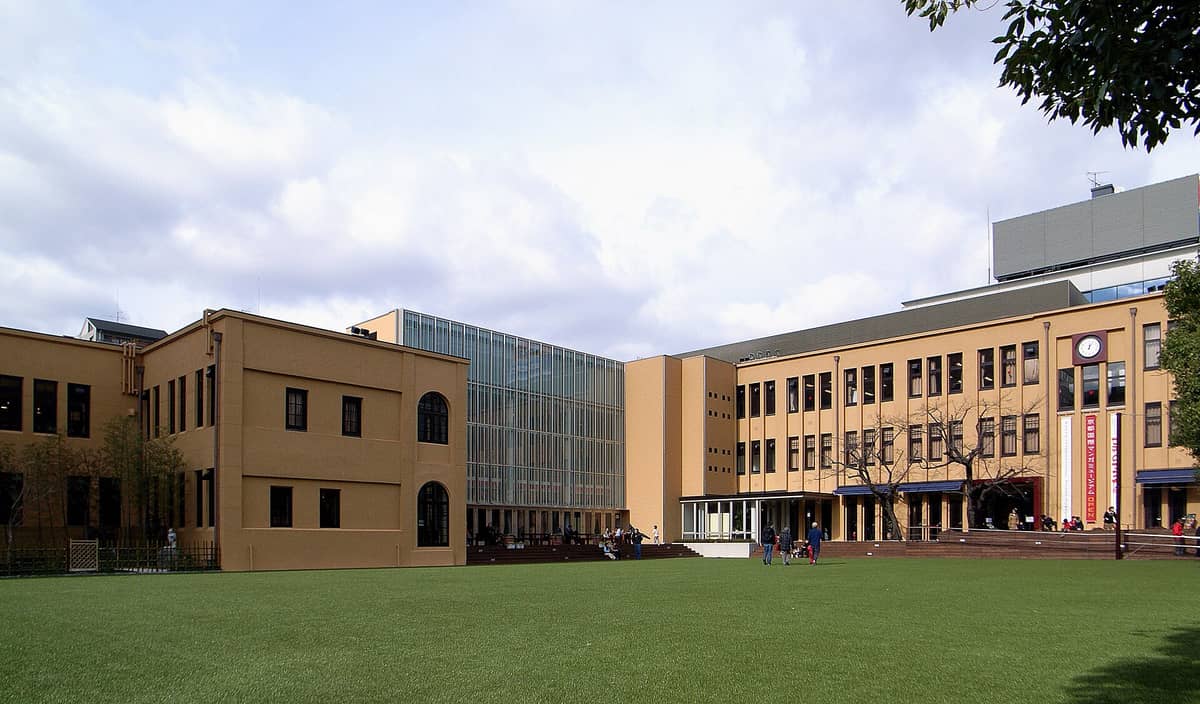
What the Kyoto International Manga Museum Actually Is
The Kyoto International Manga Museum is not a theme park, not a gift shop dressed up as a museum, and not primarily aimed at casual tourists. It is a serious research and preservation institution founded as a joint project between Kyoto City and Kyoto Seika University, opened in November 2006 inside the thoughtfully renovated former Tatsuike Elementary School. The institutional DNA shows: the collection runs to approximately 300,000 manga-related items, including volumes, magazines, historical materials, and manuscripts spanning from the late 19th century to contemporary releases.
The conversion of the school building is worth noting on its own terms. Kyoto Seika University preserved the original structure, its wooden corridors, high-ceilinged classrooms, and tiled courtyard, rather than gutting it for a generic gallery space. You arrive expecting a museum and find something that feels like a well-organized library that happens to contain significant cultural artifacts. The effect is disarming and, for many visitors, surprisingly engaging even before they have opened a single volume.
ℹ️ Good to know
The museum is closed every Wednesday. If Wednesday falls on a national holiday, closure shifts to Thursday. It also closes during year-end and New Year holidays and occasional maintenance periods. Check the official calendar at kyotomm.jp/en/opentime-cost/ before visiting.
Navigating the Collection: Walls of Manga and What You Can Do With Them
The defining visual of the Kyoto International Manga Museum is the Wall of Manga: floor-to-ceiling shelving units lining the corridors of the former school, packed with tens of thousands of manga volumes organized by series and genre. These are not decorative props. Visitors are actively encouraged to pull volumes off the shelves, carry them to the reading areas inside or outside, and spend as long as they want reading. The access policy is closer to a public library than a conventional museum, which is partly why some visitors end up spending three or four hours when they planned for one.
Inside, permanent and rotating exhibitions explore the history and craft of manga, including original artwork, printing processes, editorial materials, and thematic retrospectives on genres or specific artists. The research library holds the deeper archival materials, some of which are available to scholars and registered users. For general visitors, the accessible collection is substantial enough that it can feel overwhelming without a plan.
A manga drawing workshop is regularly available for visitors who want to try the craft under guidance from working artists. These sessions fill up quickly on weekends and during school holidays, so arriving early or checking the schedule in advance matters. Language is not always a barrier for the drawing workshops, since the instruction is often demonstrative, but for exhibition text, English interpretation varies by section.
Tickets & tours
Hand-picked options from our booking partner. Prices are indicative; availability and final rates are confirmed when you complete your booking.
Kyoto Coast, Amanohashidate and Ine Bay 1-Day Trip from Osaka or Kyoto
From 46 €Instant confirmationFree cancellationKyoto Sanzen-in, Arashiyama and Bamboo Grove Full Day Tour
From 47 €Instant confirmationFree cancellationKyoto Arashiyama insider walking tour
From 66 €Instant confirmationFree cancellationMatcha green tea tour in Kyoto's Uji Market
From 130 €Instant confirmationFree cancellation
The Courtyard: The Most Underrated Part of the Visit
On dry days, the former school's courtyard lawn becomes the museum's most lived-in space. Visitors spread out on the grass with armfuls of manga pulled from the wall shelves, reading in the open air while children play nearby. It is one of the few places in central Kyoto where the pace genuinely slows down, and where locals and tourists end up occupying the same space in the same way. On a mild afternoon in spring or autumn, the courtyard can feel like the best reading garden in the city.
The grass area has limited shade, so on hot summer days, it becomes less comfortable after mid-morning. The ideal window for outdoor reading is roughly 10:00 to 12:00 from June through August, before the combination of heat and direct sun makes sitting outside unpleasant. In winter, the courtyard empties quickly, and most visitors move the experience indoors. The building is heated, so cold-weather visits are comfortable once inside.
Time of Day and Crowd Patterns
The museum opens at 10:00, and the first hour tends to be the quietest. Weekday mornings attract a mix of researchers, retired manga enthusiasts, and travelers who have read enough about the place to arrive deliberately rather than by accident. The corridors feel calm, the reading areas are uncrowded, and you can browse the wall shelves without navigating around tour groups.
By midday on weekends, particularly during school holidays and cherry blossom or autumn foliage seasons, the main corridor and popular reading rooms become noticeably busier. Families with children arrive after lunch, and the atmosphere shifts from contemplative to genuinely lively. Neither is wrong, but they are different experiences. If you want focused exploration of the collection or exhibitions, a weekday before noon is the practical choice. As of the July 2024 revision, last admission is at 16:30, and the museum closes at 17:00.
💡 Local tip
If you plan to spend time in the outdoor courtyard, weekday mornings in April, May, October, or November offer the best combination of mild weather and relaxed crowds. Avoid visiting during Golden Week (late April to early May) without expecting high foot traffic.
Getting There and Getting Around the Neighborhood
The museum sits just north of the Karasuma-Oike intersection, one of the most accessible points in central Kyoto. Karasumaoike Station on the Kyoto Municipal Subway sits directly beneath the intersection, served by both the Karasuma Line and the Tozai Line. Exit 2 deposits you about two minutes' walk from the museum entrance on Karasuma-dori. If you are coming fromNijo Castle, it is a manageable 15-minute walk east, or one stop on the Tozai Line. The area is part ofdowntown Kyoto, which means most major hotels within the central grid are within a short taxi or bus ride.
There is no dedicated parking for private vehicles at the museum, and the central Karasuma-Oike area has limited and expensive parking options. Public transit or cycling are the practical choices. The neighborhood is flat and well-signed, and bicycle parking is available near the museum entrance.
Accessibility, Practicalities, and Who Might Not Enjoy This
The former school building has been fitted with an elevator connecting the floors, and barrier-free routes cover the main exhibition areas and accessible restrooms. Staff are available to assist, and the museum's official site lists accessibility details. The building's historical character means some areas retain original doorways and thresholds, so checking on-site signage for specific route guidance is worth doing on arrival.
For visitors with no prior interest in manga, this museum carries an honest risk of limited engagement. The exhibitions are well-conceived, but much of the appeal depends on the ability to read Japanese or an existing connection to the medium. A meaningful portion of the collection has no English translation, and the exhibitions, while occasionally providing English summaries, are primarily in Japanese. This is not a failing of the institution; it reflects its core mission as an archive and research center rather than a tourist attraction. If you are visiting Kyoto primarily for temples and traditional culture and have no particular interest in manga, the time might be better spent elsewhere.
That said, for anyone curious about Japanese popular culture, visual storytelling, or publishing history, the Kyoto International Manga Museum offers something no other institution in the city does. Pair it with a visit toNishiki Market a short walk south, or use the afternoon to explore the Teramachi and Shinkyogoku arcadesnearby, where manga and anime merchandise shops fill several blocks.
Photography and Practical Considerations
Photography is generally permitted in the common areas and courtyard, but restrictions apply in certain exhibition rooms and around original artwork. Signage marks restricted zones clearly. The wooden corridors and wall-to-ceiling shelving photograph well in natural light, particularly in the morning when light enters from the courtyard-facing windows. Flash photography is not appropriate and likely not permitted near archival materials.
The museum has a café and a shop. The shop stocks a curated range of manga-related publications, art books, and goods, and is worth browsing even if you spend limited time in the main collection. Bags are typically required to be checked or stored in lockers during exhibition access to protect the archival materials.
⚠️ What to skip
Admission fees and hours were partially revised from July 1, 2024. Always check the official site at kyotomm.jp/en/opentime-cost/ before your visit, as special exhibitions may carry an additional charge.
Insider Tips
- The Wall of Manga shelving extends across multiple floors and corridors. Most visitors gravitate to the ground floor. The upper floors are quieter and hold different sections of the collection, including older and more specialist materials.
- If you cannot read Japanese, look for the multilingual manga section near the entrance area, which holds translated volumes in English, French, Chinese, Korean, and other languages. It is smaller than the main collection but genuinely browsable.
- The manga drawing workshops with resident artists are a popular draw on weekends. Arrive at opening time to secure a slot or check the schedule on the official site in advance.
- The former school building's architecture rewards a slow walk through the corridors even before you pull a single volume off the shelf. Look at the original tiled details, the preserved classroom doors, and the courtyard view from the upper corridor windows.
- Special exhibitions rotate throughout the year and sometimes feature original manuscript pages and publication materials that are not part of the standard collection access. These are the closest thing the museum has to a traditional gallery experience and are worth checking dates for.
Who Is Kyoto International Manga Museum For?
- Manga and anime enthusiasts wanting serious access to a comprehensive archive
- Travelers curious about Japanese popular culture and publishing history
- Families with older children or teenagers who read manga
- Visitors looking for a half-day indoor option on rainy days in central Kyoto
- Architecture and heritage-building enthusiasts drawn to adaptive reuse of historic structures
Nearby Attractions
Other things to see while in Downtown Kyoto (Kawaramachi & Shijo):
- Kamo River (Kamogawa)
The Kamo River runs north to south through central Kyoto, serving as the city's most democratic public space. Free to access at any hour, the riverbanks draw joggers at dawn, couples at dusk, and everyone in between. This is not a ticketed sight — it is the living backdrop of Kyoto daily life.
- Kyoto Gyoen National Garden
Kyoto Gyoen National Garden is a 65-hectare public park wrapped around the Kyoto Imperial Palace, free to enter year-round. Once the residential precinct of Heian-era court nobles, it is now one of the few places in central Kyoto where you can walk for an hour without being asked to buy a ticket.
- Kyoto Imperial Palace
Kyoto Imperial Palace, known in Japanese as 京都御所 (Kyōto Gosho), served as the seat of Japan's imperial family until the capital transferred to Tokyo in the late 19th century. Set within the broad, park-like grounds of Kyoto Gyoen National Garden, the palace complex is free to enter and open to the public year-round, making it one of downtown Kyoto's most accessible historic sites. That said, 'accessible' doesn't mean 'spectacular' in the conventional sense — this is a place of restraint, not grandeur, and knowing what to expect shapes the experience entirely.
- Nijō Castle
Nijō Castle is one of Kyoto's most revealing historic sites, where the architecture itself was built to expose intruders through deliberately squeaking floorboards. A UNESCO World Heritage Site since 1994, it offers a rare look inside the physical world of Edo-period power.