Best Temples in Kyoto: A Complete Guide to the City's Sacred Sites
Kyoto has over 1,600 Buddhist temples and around 400 Shinto shrines, ranging from gold-leafed pavilions to remote mountain retreats. This guide cuts through the noise to highlight the temples that genuinely reward a visit, with context on what makes each one worth your time.
Plan and book this trip
Tools from our partner Travelpayouts help you compare flights and hotels. If you book through them, we may earn a commission at no extra cost to you.
Flights
Hotels map
No city on earth concentrates this much sacred architecture into one place. Kyoto's temples span fourteen centuries of Buddhist and Shinto tradition, from grand UNESCO World Heritage complexes to intimate moss gardens requiring advance reservation. Whether you have a single afternoon or a full week, the challenge isn't finding a temple worth visiting — it's knowing which ones to prioritize. For a broader overview of how to structure your time, theKyoto first-timer guideis a useful starting point. This guide focuses specifically on temples and shrines, organized by the kind of experience each one offers. Before you go, it's worth reading up ontemple etiquette in Kyoto— small things like removing shoes, staying quiet in inner sanctuaries, and not photographing certain areas make a real difference to your experience and to the communities that maintain these places.
💡 Local tip
Admission fees and opening hours change seasonally. Always check the official site of each temple before visiting — especially for night illumination events at Kiyomizu-dera (spring and autumn) and special seasonal openings at smaller sub-temples.
Iconic Temples Every Visitor Should See
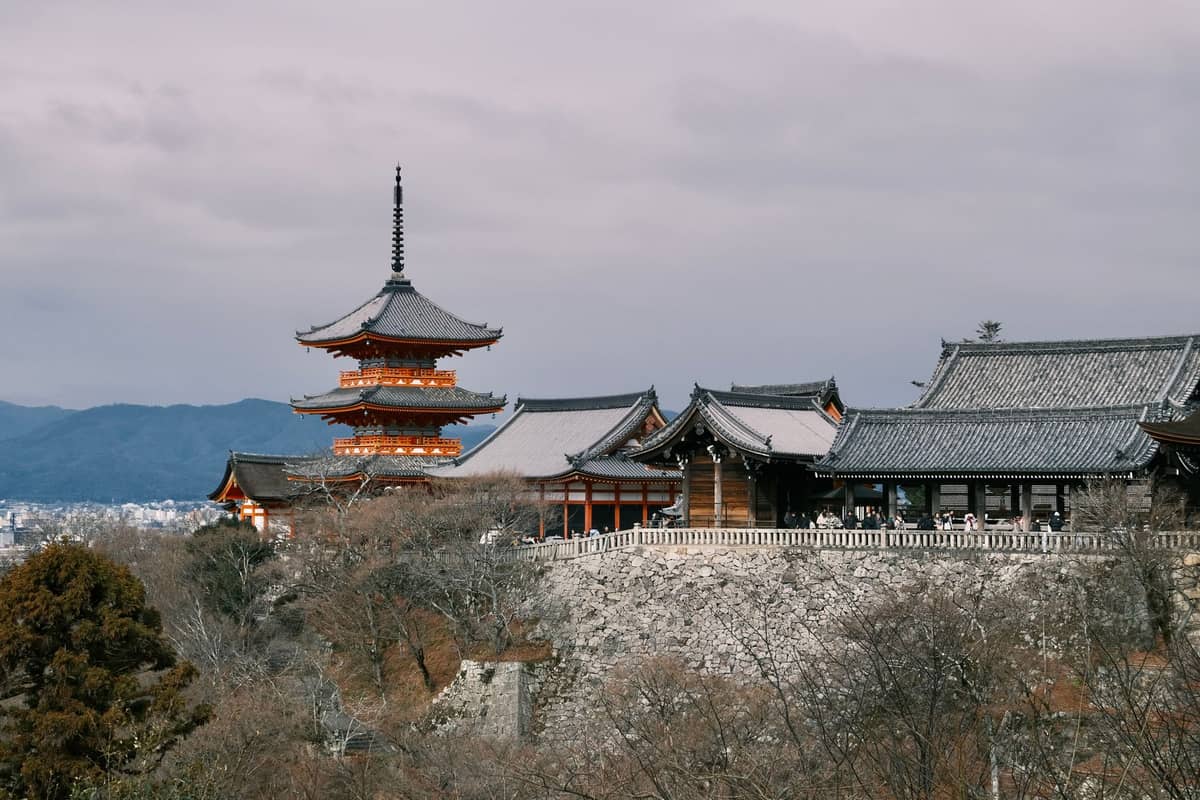
These are the temples that appear on every list for good reason. Each one is genuinely extraordinary, and the crowds they draw are a reflection of that. Visit early — before 8am at Kiyomizu-dera or Fushimi Inari — and you'll experience something closer to what these places actually feel like. The3-day Kyoto itinerary covers how to sequence these efficiently.
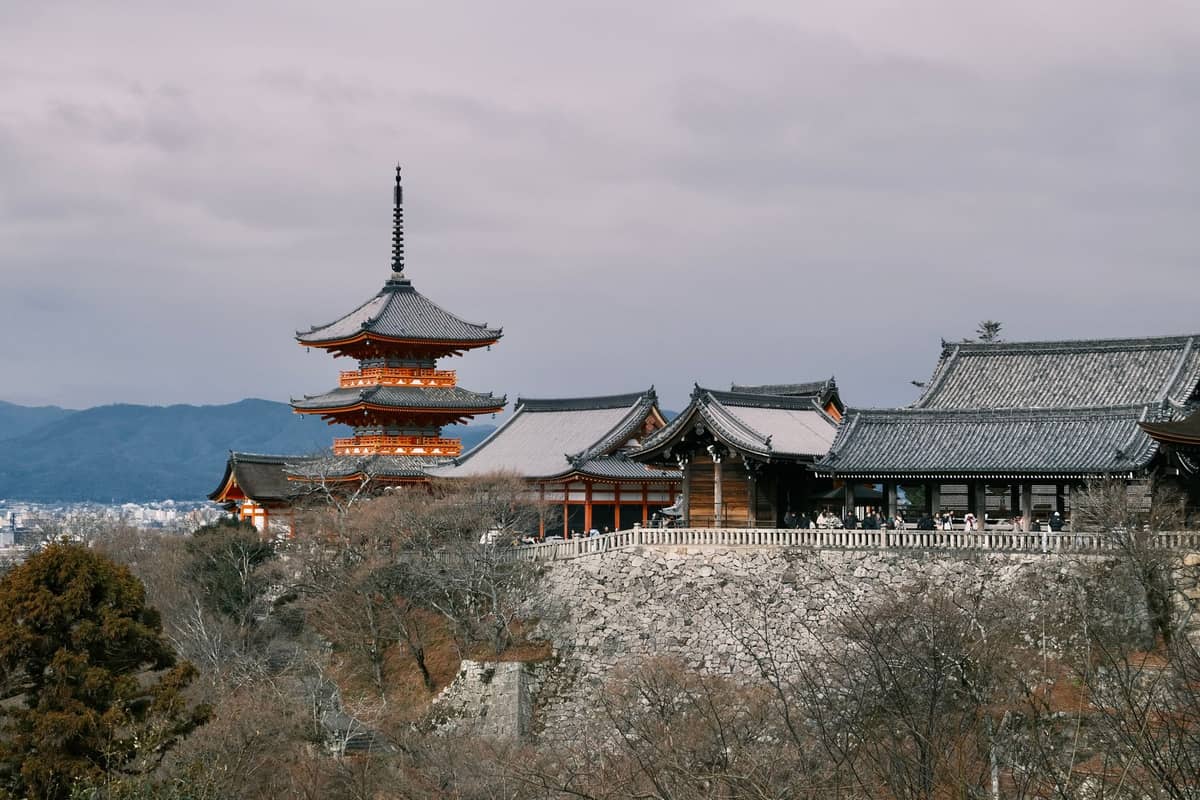
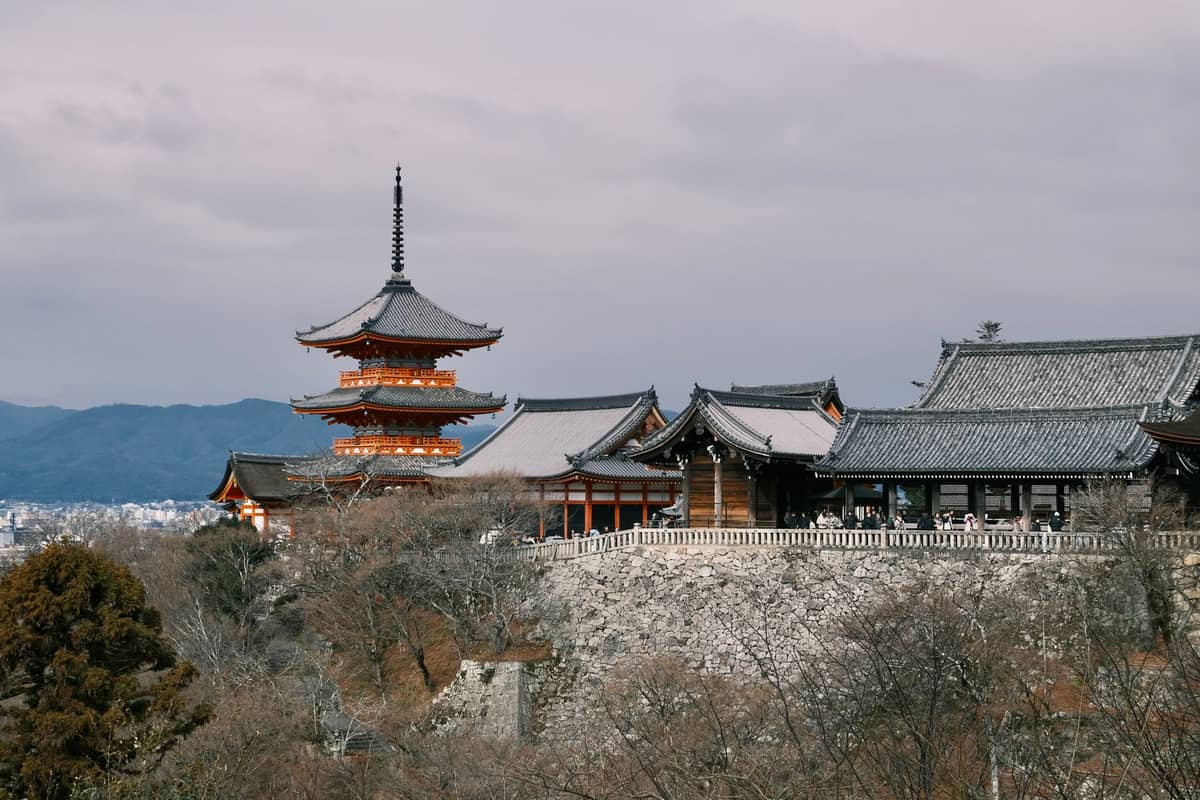
1. Stand on Kiyomizu-dera's Famous Wooden Stage
Built without a single nail, this hillside temple complex dates to 778 AD. The main hall's grand wooden stage juts over the hillside for sweeping city views. Opens at 06:00 daily; admission is typically ¥500. Night illuminations run in spring and autumn.
Explore1. Stand on Kiyomizu-dera's Famous Wooden Stage
Built without a single nail, this hillside temple complex dates to 778 AD. The main hall's grand wooden stage juts over the hillside for sweeping city views. Opens at 06:00 daily; admission is typically ¥500. Night illuminations run in spring and autumn.
Explore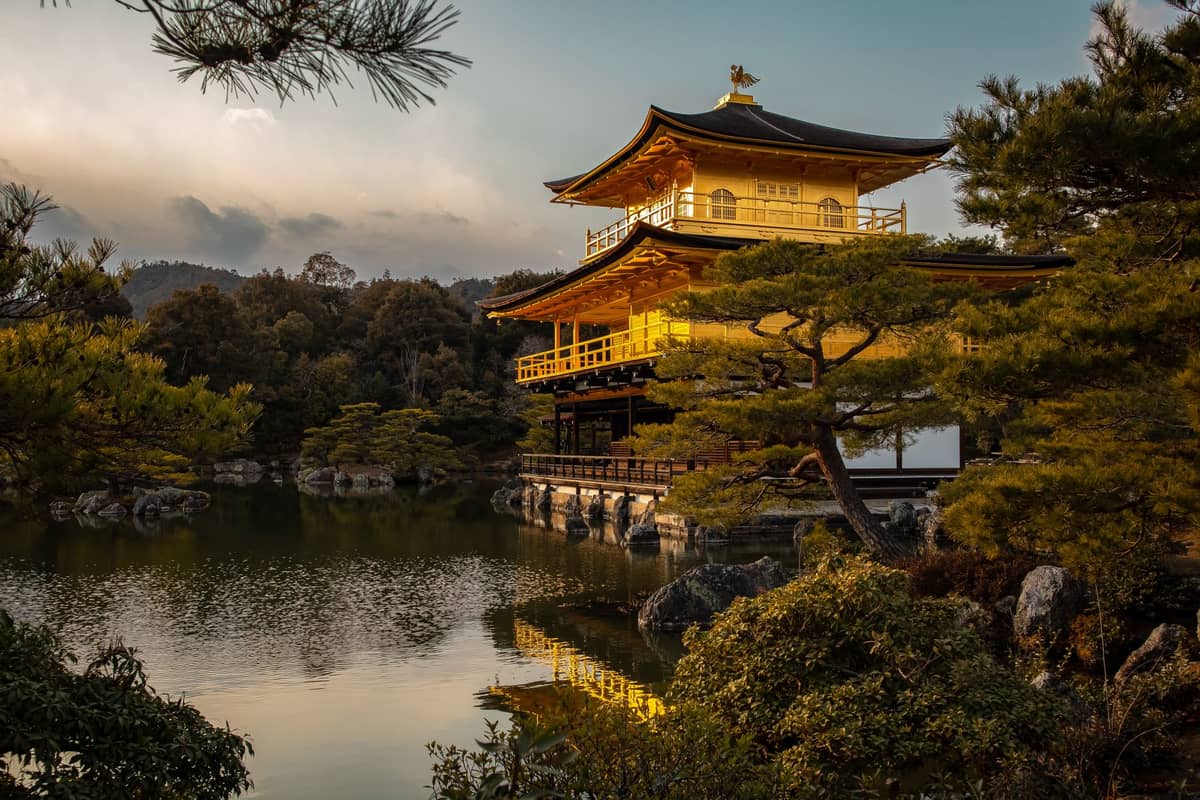
2. See Kyoto's Gold-Leafed Pavilion at Kinkaku-ji
The top two floors of this 14th-century Zen temple are entirely covered in gold leaf, reflected in a mirror pond. Open 09:00–17:00 year-round; admission ¥500 adults, ¥300 children. Arrive right at opening to beat the crowds.
Explore2. See Kyoto's Gold-Leafed Pavilion at Kinkaku-ji
The top two floors of this 14th-century Zen temple are entirely covered in gold leaf, reflected in a mirror pond. Open 09:00–17:00 year-round; admission ¥500 adults, ¥300 children. Arrive right at opening to beat the crowds.
Explore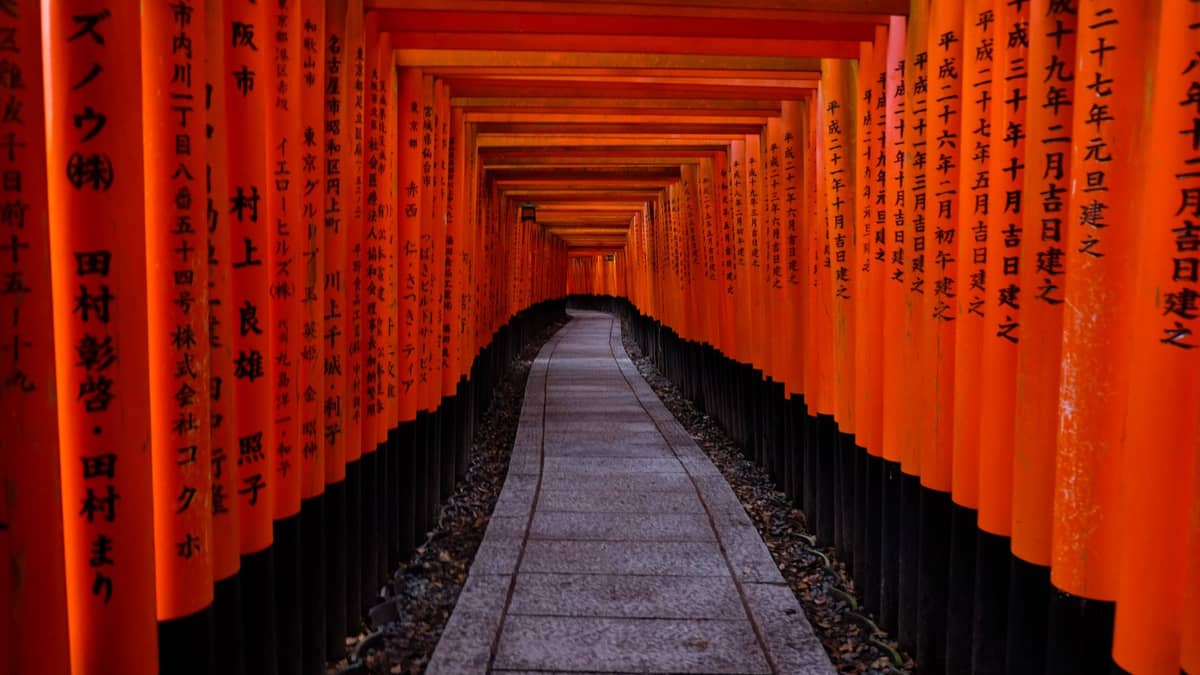
3. Walk the Torii Tunnels at Fushimi Inari Taisha
Thousands of vermilion torii gates spiral up Mount Inari in this iconic 24-hour, free-entry shrine. The lower gates are always crowded; hike 45 minutes past the crowds and the mountain transforms into something far more contemplative and atmospheric.
Explore3. Walk the Torii Tunnels at Fushimi Inari Taisha
Thousands of vermilion torii gates spiral up Mount Inari in this iconic 24-hour, free-entry shrine. The lower gates are always crowded; hike 45 minutes past the crowds and the mountain transforms into something far more contemplative and atmospheric.
Explore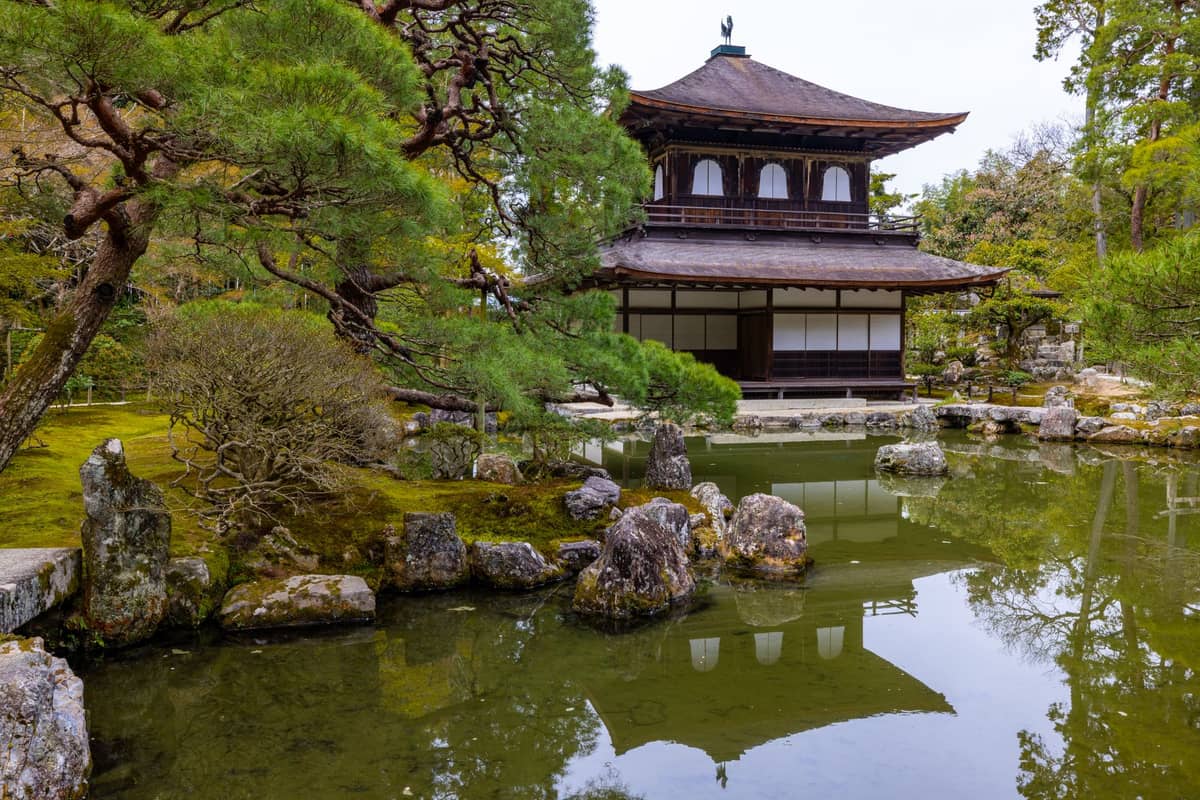
4. Appreciate Japanese Restraint at Ginkaku-ji (Silver Pavilion)
Never actually covered in silver, this UNESCO Zen temple is famous for its raked 'Sea of Silver Sand' and moss garden. Open 08:30–17:00 (09:00–16:30 in winter); admission ¥500. The philosophical calm here rewards slow visitors more than quick ones.
Explore4. Appreciate Japanese Restraint at Ginkaku-ji (Silver Pavilion)
Never actually covered in silver, this UNESCO Zen temple is famous for its raked 'Sea of Silver Sand' and moss garden. Open 08:30–17:00 (09:00–16:30 in winter); admission ¥500. The philosophical calm here rewards slow visitors more than quick ones.
Explore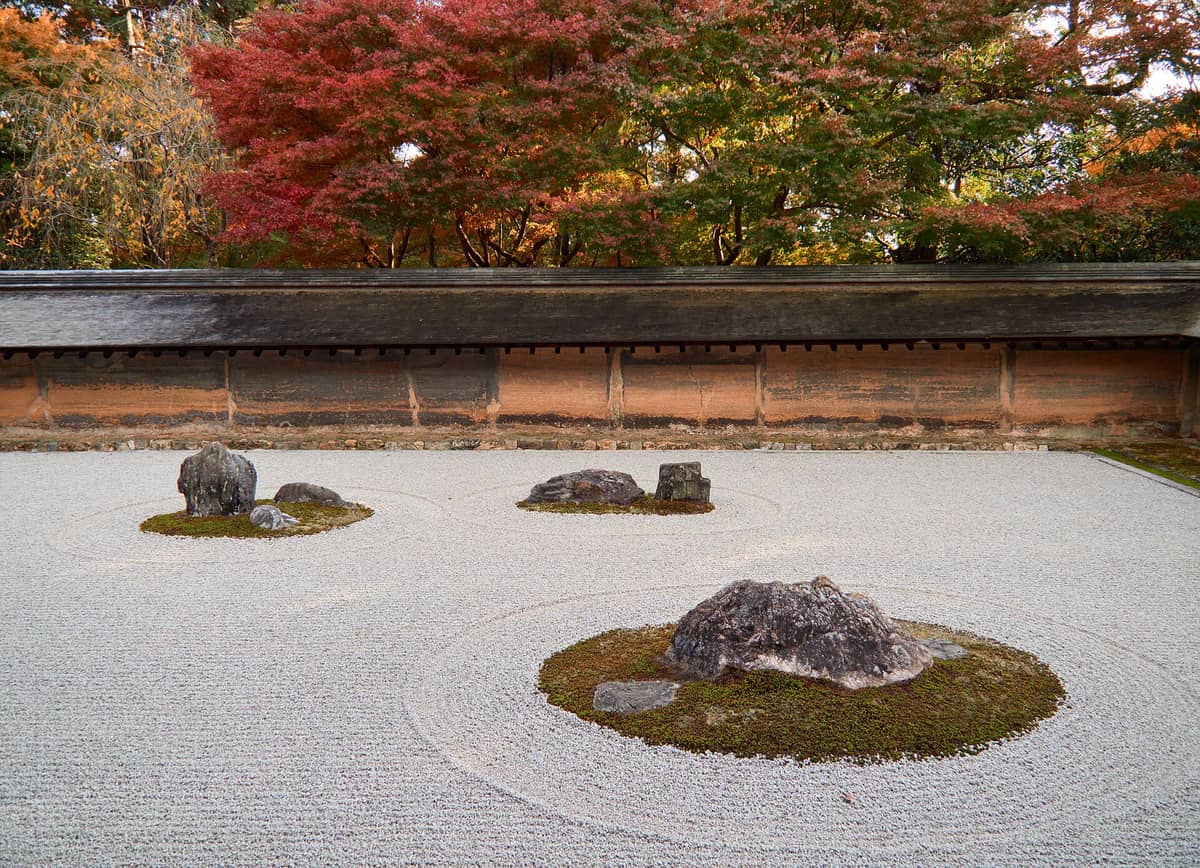
5. Contemplate Japan's Most Famous Rock Garden at Ryoan-ji
Fifteen stones in raked gravel — a composition whose meaning has been debated for centuries. A UNESCO World Heritage Site and a pilgrimage for anyone curious about Zen philosophy. Go early on a weekday; the garden loses something when surrounded by tour groups.
Explore5. Contemplate Japan's Most Famous Rock Garden at Ryoan-ji
Fifteen stones in raked gravel — a composition whose meaning has been debated for centuries. A UNESCO World Heritage Site and a pilgrimage for anyone curious about Zen philosophy. Go early on a weekday; the garden loses something when surrounded by tour groups.
ExploreGrand Zen Complexes Worth Exploring Slowly
Several of Kyoto's most rewarding temple experiences aren't single buildings but entire walled complexes containing sub-temples, gardens, and meditation halls. These reward visitors who slow down and explore rather than tick off a landmark. ThePhilosopher's Path area and the Nishijin districtboth cluster several of these major complexes within walkable distance.
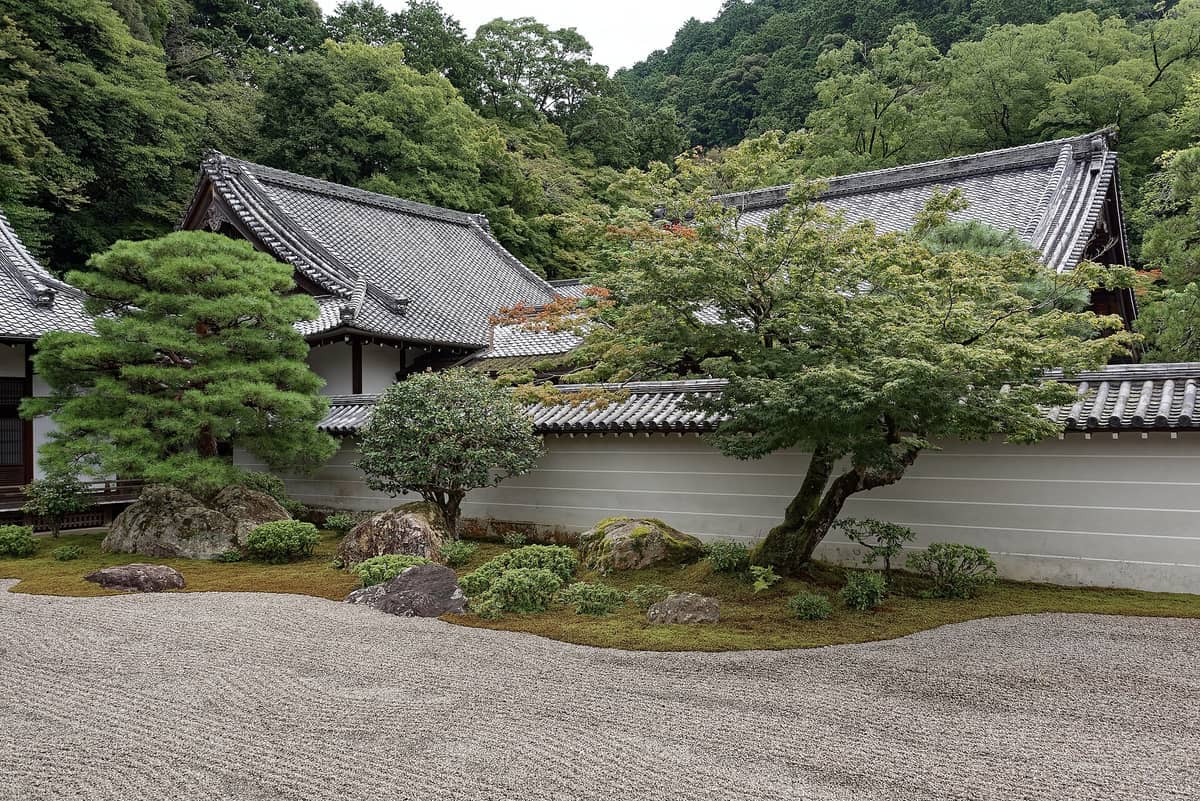
6. Explore Sub-Temples and a Brick Aqueduct at Nanzen-ji
One of Kyoto's most important Zen complexes, featuring a massive sanmon gate, a 19th-century brick aqueduct running through the grounds, and exquisite sub-temple gardens. Grounds entry is free; main hall and gate have small fees. Allow two hours minimum.
Explore6. Explore Sub-Temples and a Brick Aqueduct at Nanzen-ji
One of Kyoto's most important Zen complexes, featuring a massive sanmon gate, a 19th-century brick aqueduct running through the grounds, and exquisite sub-temple gardens. Grounds entry is free; main hall and gate have small fees. Allow two hours minimum.
Explore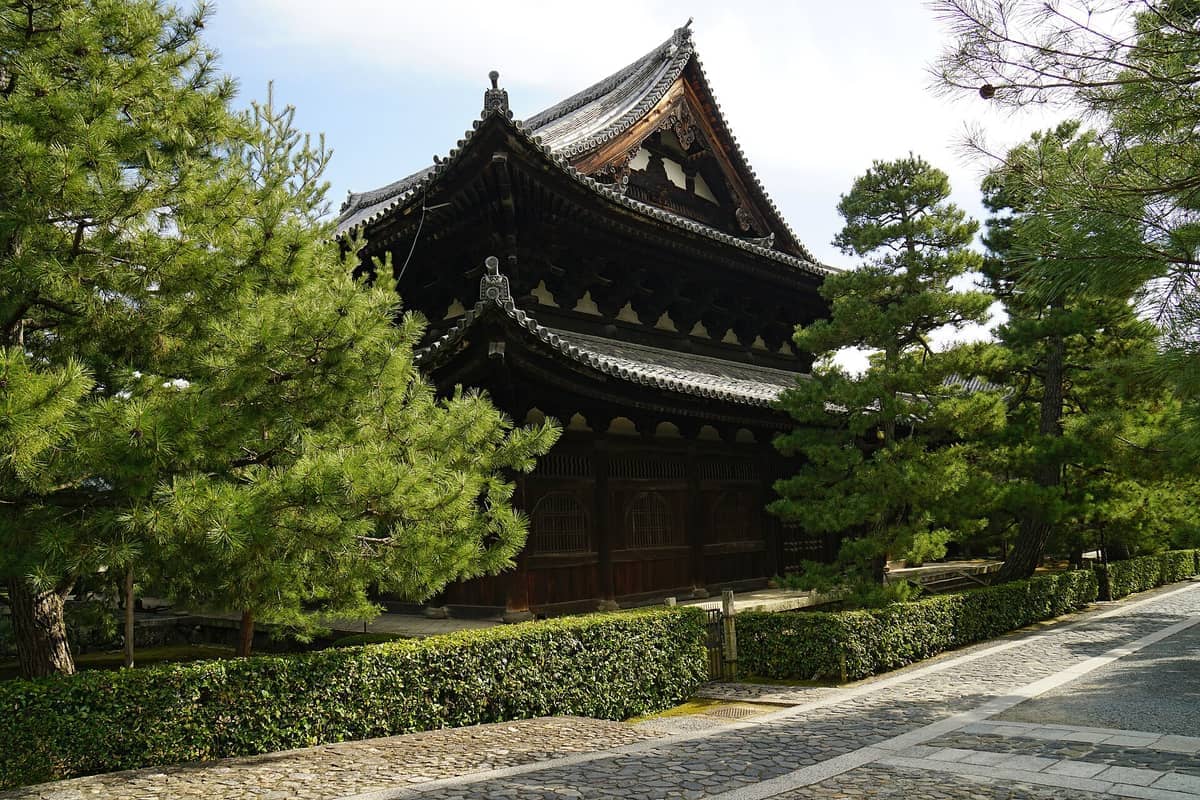
7. Discover Kyoto's Finest Dry Landscape Gardens at Daitoku-ji
A vast Rinzai Zen complex with 22 sub-temples and some of Kyoto's best, least-crowded gardens. Several sub-temples open seasonally only, making every visit different. Located in Nishijin, it's genuinely one of Kyoto's most underrated deep-dive destinations.
Explore7. Discover Kyoto's Finest Dry Landscape Gardens at Daitoku-ji
A vast Rinzai Zen complex with 22 sub-temples and some of Kyoto's best, least-crowded gardens. Several sub-temples open seasonally only, making every visit different. Located in Nishijin, it's genuinely one of Kyoto's most underrated deep-dive destinations.
Explore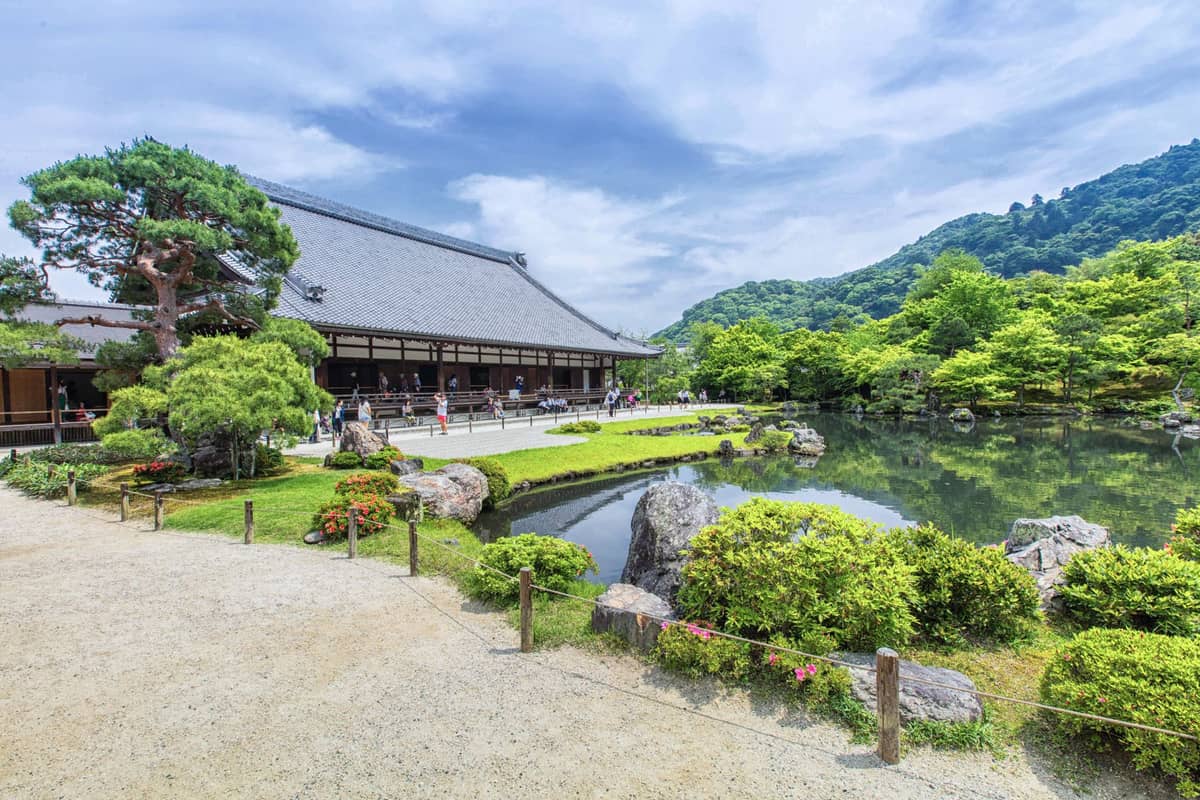
8. See Masterful Borrowed Scenery at Tenryu-ji in Arashiyama
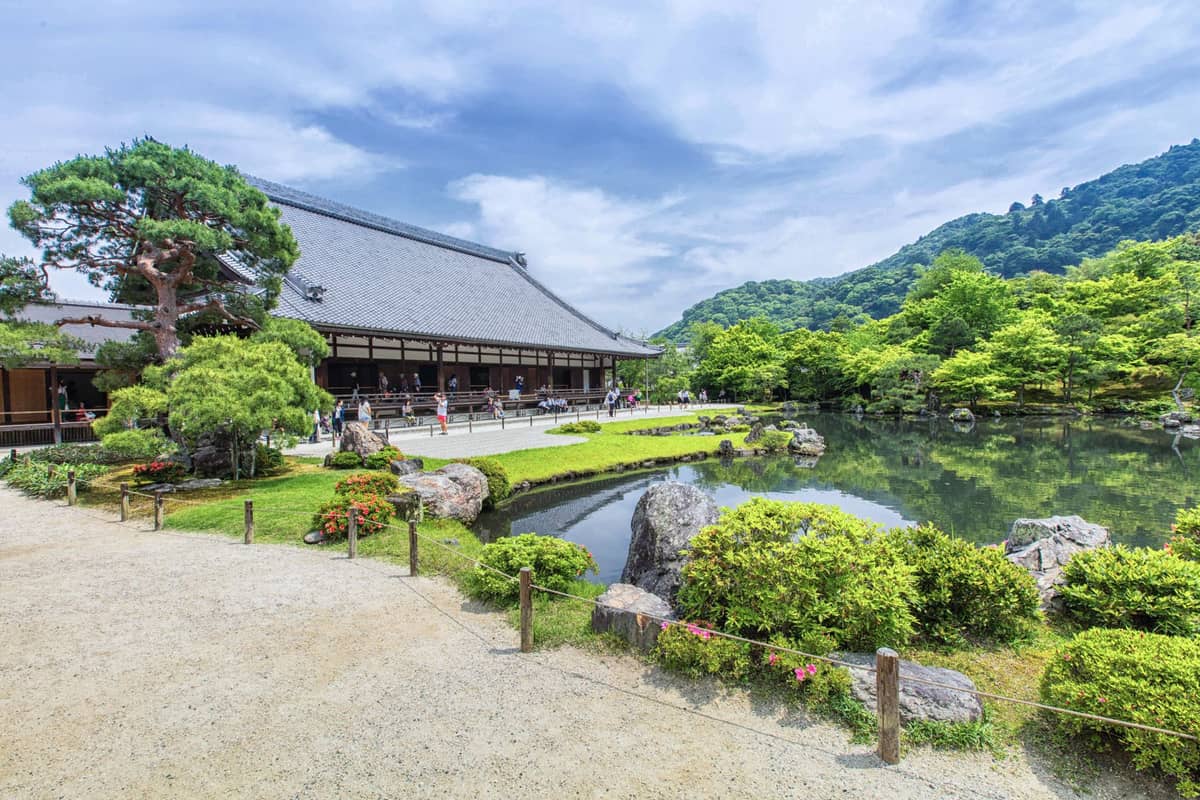
Arashiyama's premier Zen temple and a UNESCO World Heritage Site, with a 14th-century garden by master architect Musō Soseki that frames the surrounding mountains as a natural backdrop. The garden is one of Japan's finest examples of shakkei (borrowed scenery) technique.
Explore8. See Masterful Borrowed Scenery at Tenryu-ji in Arashiyama
Arashiyama's premier Zen temple and a UNESCO World Heritage Site, with a 14th-century garden by master architect Musō Soseki that frames the surrounding mountains as a natural backdrop. The garden is one of Japan's finest examples of shakkei (borrowed scenery) technique.
ExploreRemarkable Temples Off the Main Circuit
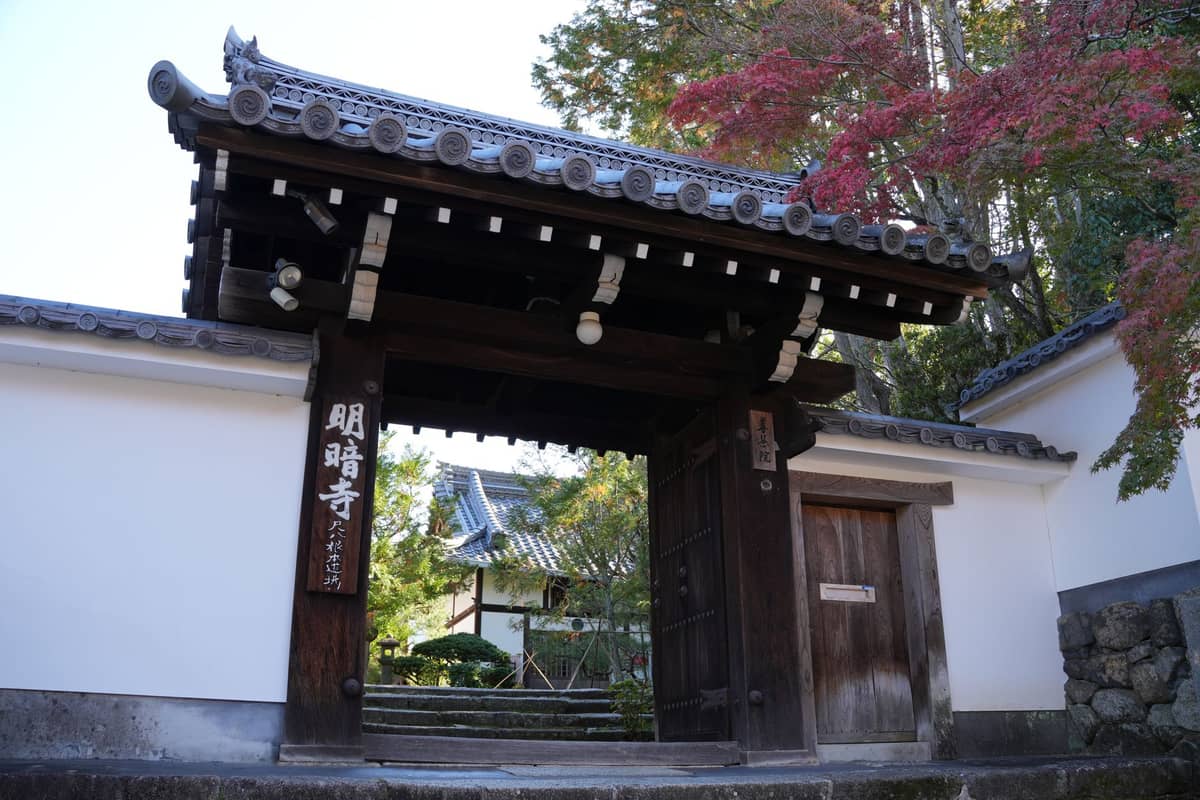
Some of Kyoto's most memorable temple experiences require a little more effort — a longer bus ride, an advance reservation, or a steep hike. These are the places that reward planning. For more ideas on reaching Kyoto's less-visited sites, theKyoto hidden gems guide covers several of these areas in depth.
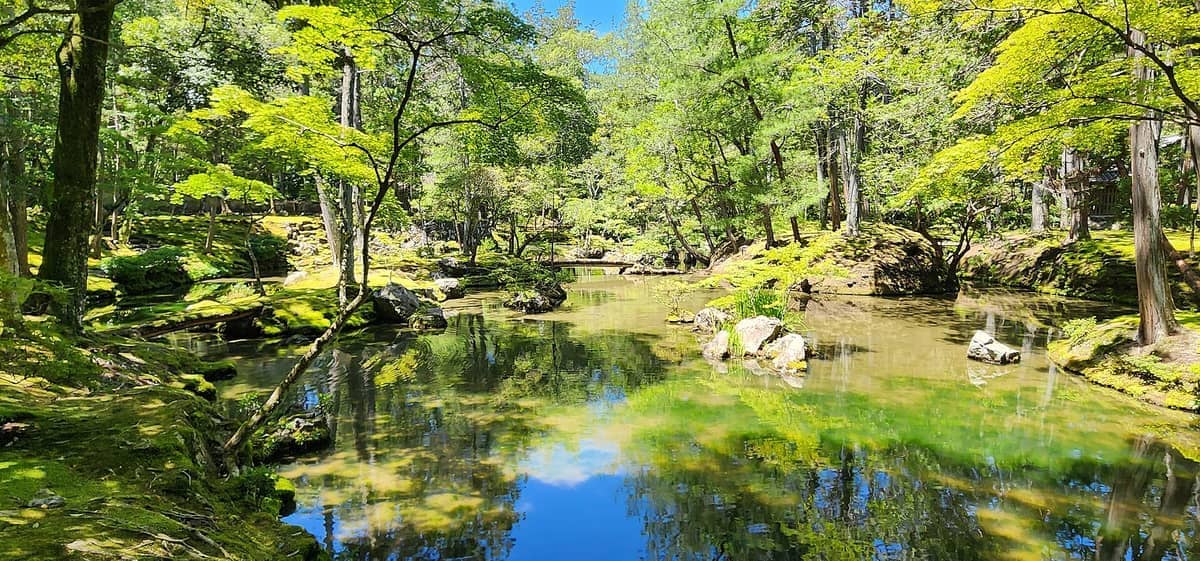
9. Walk Through 120 Varieties of Moss at Kokedera (Saihoji)
A UNESCO World Heritage temple whose entire garden is carpeted in moss of extraordinary variety and color. Access requires advance reservation and a small ritual participation — which is precisely what keeps it peaceful. One of Kyoto's most ethereal experiences.
Explore9. Walk Through 120 Varieties of Moss at Kokedera (Saihoji)
A UNESCO World Heritage temple whose entire garden is carpeted in moss of extraordinary variety and color. Access requires advance reservation and a small ritual participation — which is precisely what keeps it peaceful. One of Kyoto's most ethereal experiences.
Explore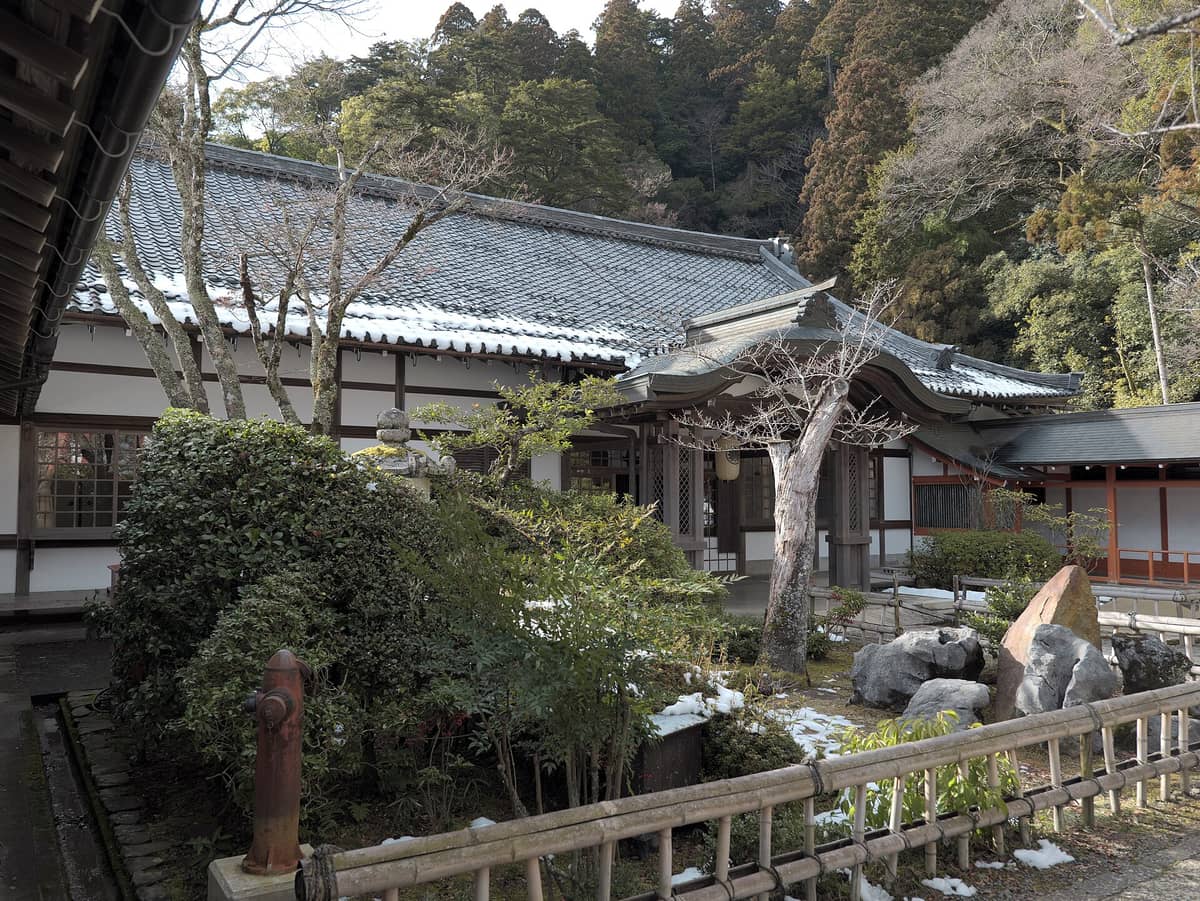
10. Hike to the Mystical Mountain Temple of Kurama-dera
A cedar-forested mountain temple above Kurama village, believed to radiate powerful cosmic energy and considered the birthplace of Reiki healing. Reached by cable car or a forested trail. The atmosphere — incense, ancient cedars, mountain silence — is unlike anywhere else in Kyoto.
Explore10. Hike to the Mystical Mountain Temple of Kurama-dera
A cedar-forested mountain temple above Kurama village, believed to radiate powerful cosmic energy and considered the birthplace of Reiki healing. Reached by cable car or a forested trail. The atmosphere — incense, ancient cedars, mountain silence — is unlike anywhere else in Kyoto.
Explore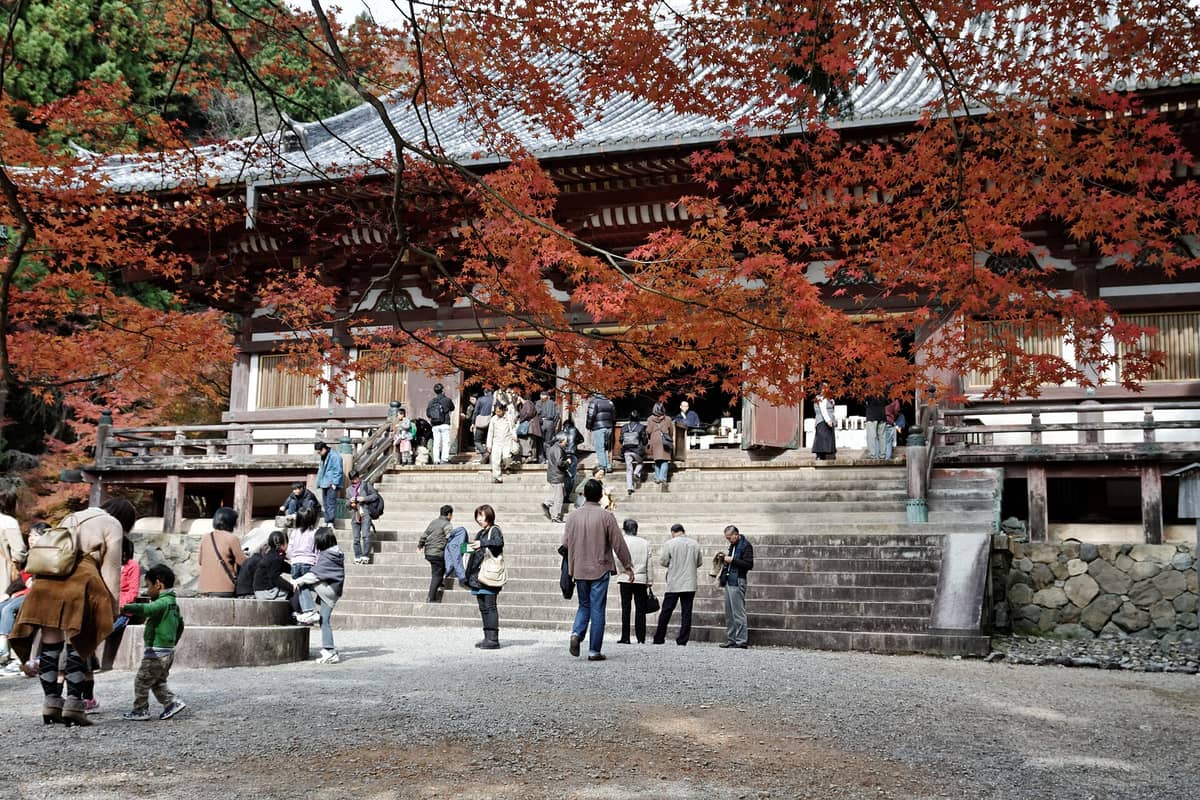
11. Throw Clay Discs from a Cliff at Remote Jingo-ji Temple
Deep in the Takao mountains, this atmospheric temple is famous for the kawarake-nage tradition: throwing small clay discs from a cliff to release bad luck. Reached by a steep riverside path. One of Kyoto's most dramatic settings, spectacular in autumn foliage season.
Explore11. Throw Clay Discs from a Cliff at Remote Jingo-ji Temple
Deep in the Takao mountains, this atmospheric temple is famous for the kawarake-nage tradition: throwing small clay discs from a cliff to release bad luck. Reached by a steep riverside path. One of Kyoto's most dramatic settings, spectacular in autumn foliage season.
Explore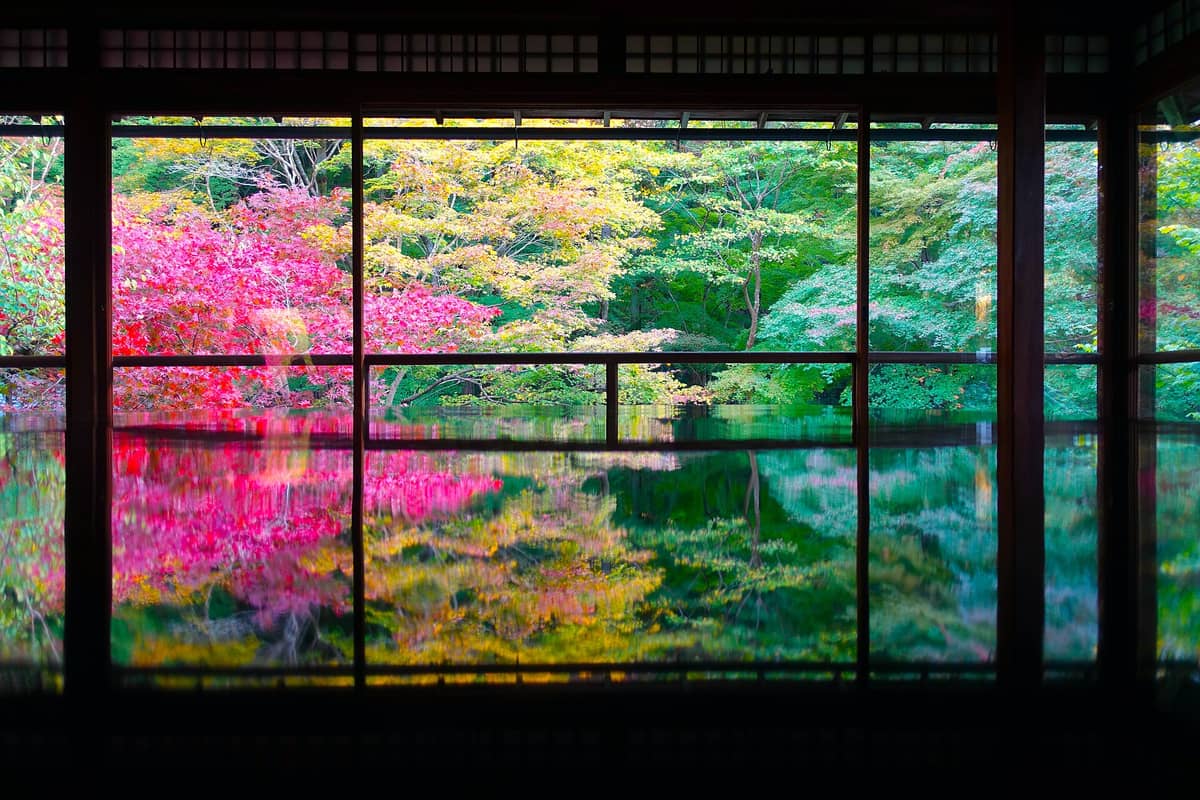
12. Photograph the Iconic Desk Reflection at Rurikō-in
This private temple opens only during cherry blossom and autumn seasons, famous for a single image: maple leaves reflected in a polished writing desk surface. One of Kyoto's most sought-after seasonal photography experiences. Expect queues; the view is genuinely worth it.
Explore12. Photograph the Iconic Desk Reflection at Rurikō-in
This private temple opens only during cherry blossom and autumn seasons, famous for a single image: maple leaves reflected in a polished writing desk surface. One of Kyoto's most sought-after seasonal photography experiences. Expect queues; the view is genuinely worth it.
Explore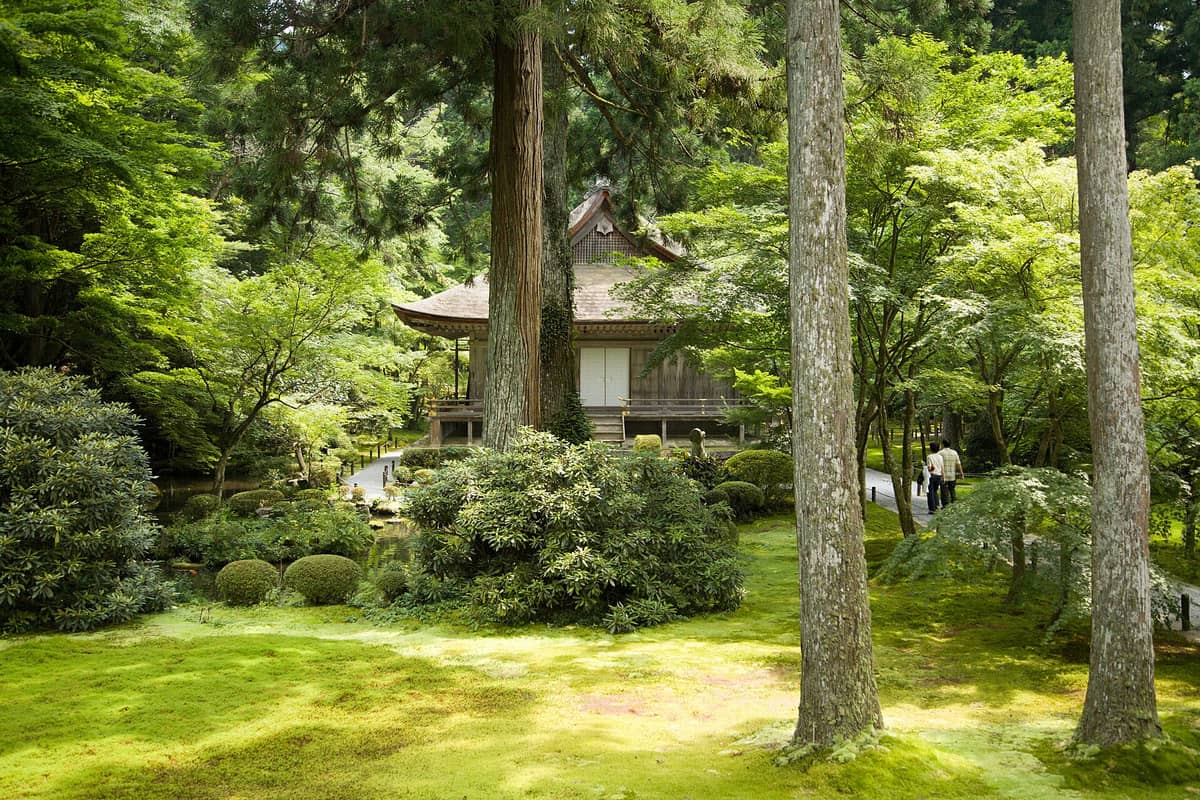
13. Find Peace in Ohara's Moss Garden at Sanzen-in
Ohara's most celebrated temple features a moss garden dotted with stone jizo statues and a main hall housing a magnificent 9th-century Amida Buddha. Set in the rural Ohara valley north of the city, it's one of Kyoto's most genuinely peaceful and photogenic temple experiences.
Explore13. Find Peace in Ohara's Moss Garden at Sanzen-in
Ohara's most celebrated temple features a moss garden dotted with stone jizo statues and a main hall housing a magnificent 9th-century Amida Buddha. Set in the rural Ohara valley north of the city, it's one of Kyoto's most genuinely peaceful and photogenic temple experiences.
ExploreTemples with Extraordinary Architecture
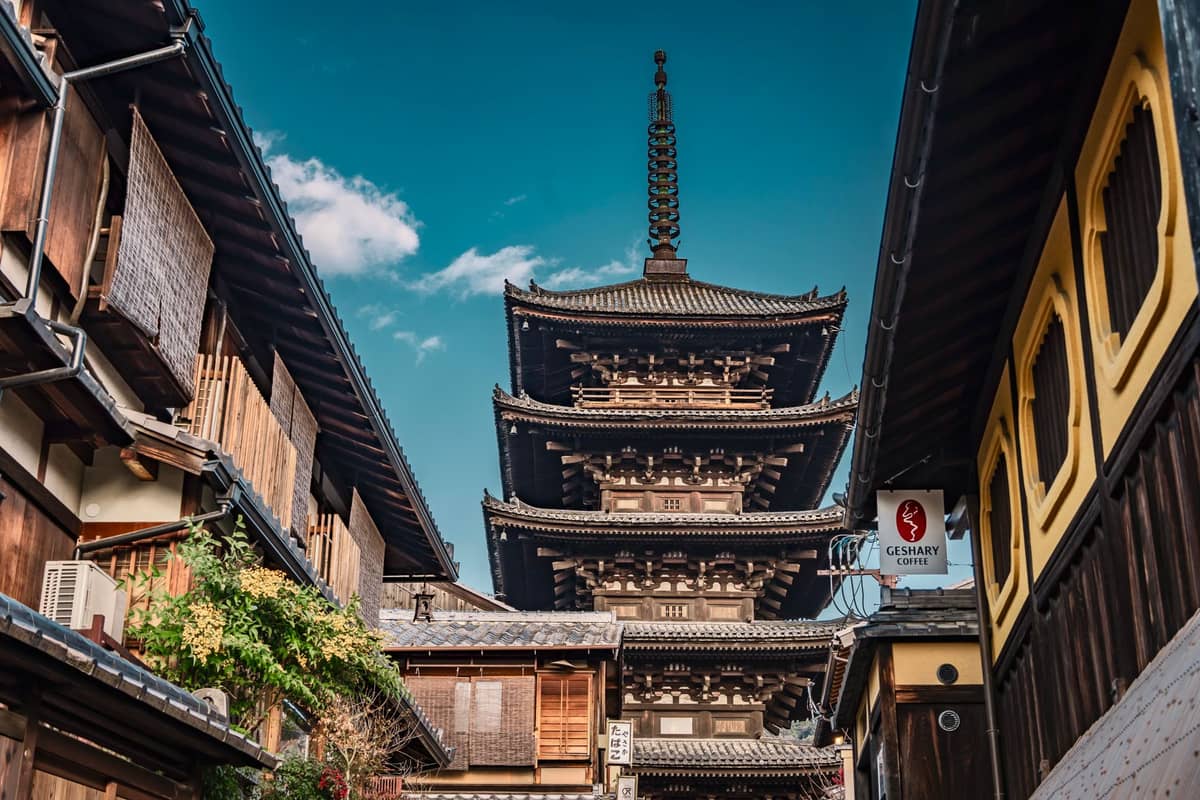
Some temples reward visitors primarily through the scale and craftsmanship of their buildings. These are the places where the architecture itself — a pagoda, a vast wooden hall, or an ornate gate — is the experience. For context on Kyoto's architectural heritage, thebest views in Kyoto guide pairs well with these sites.
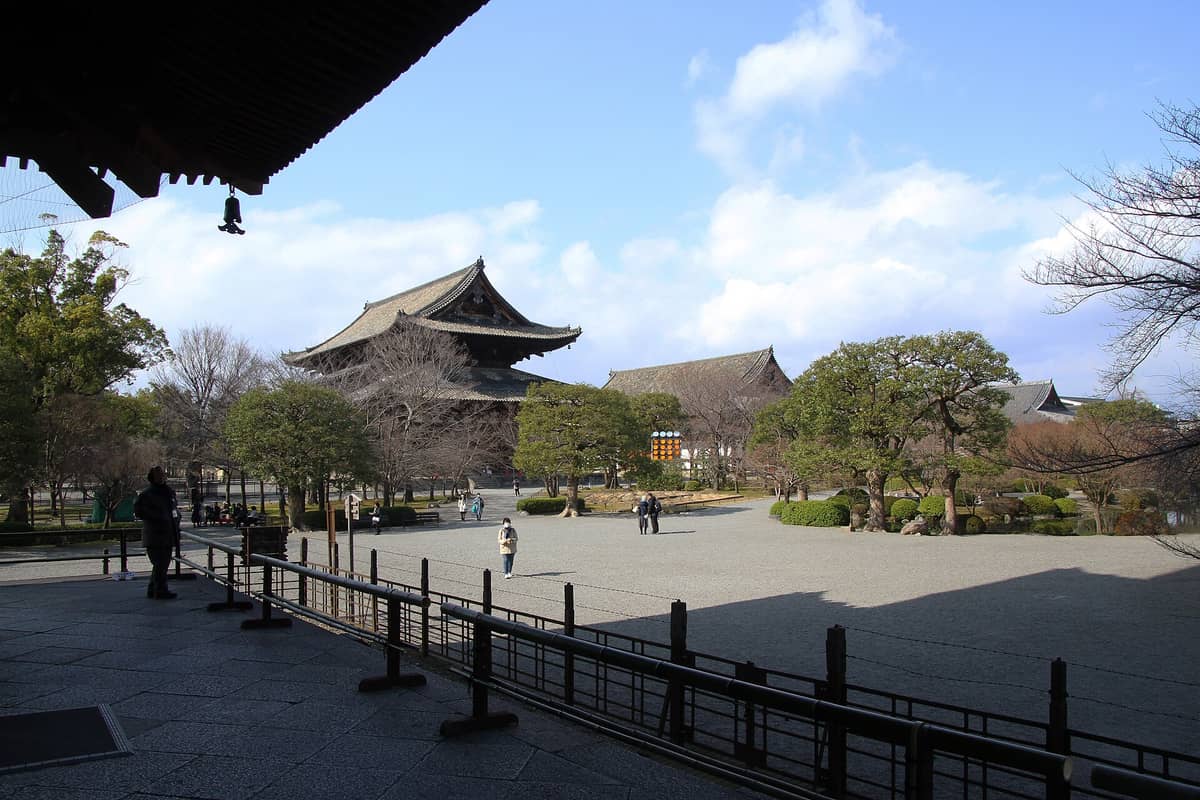
14. Look Up at Japan's Tallest Wooden Pagoda at Tō-ji
A 55-meter, five-story pagoda (current tower rebuilt in 1644) that has defined Kyoto's skyline for centuries, plus a UNESCO-listed collection of Buddhist sculpture. A popular flea market fills the grounds on the 21st of each month. Particularly atmospheric during evening illumination events.
Explore14. Look Up at Japan's Tallest Wooden Pagoda at Tō-ji
A 55-meter, five-story pagoda (current tower rebuilt in 1644) that has defined Kyoto's skyline for centuries, plus a UNESCO-listed collection of Buddhist sculpture. A popular flea market fills the grounds on the 21st of each month. Particularly atmospheric during evening illumination events.
Explore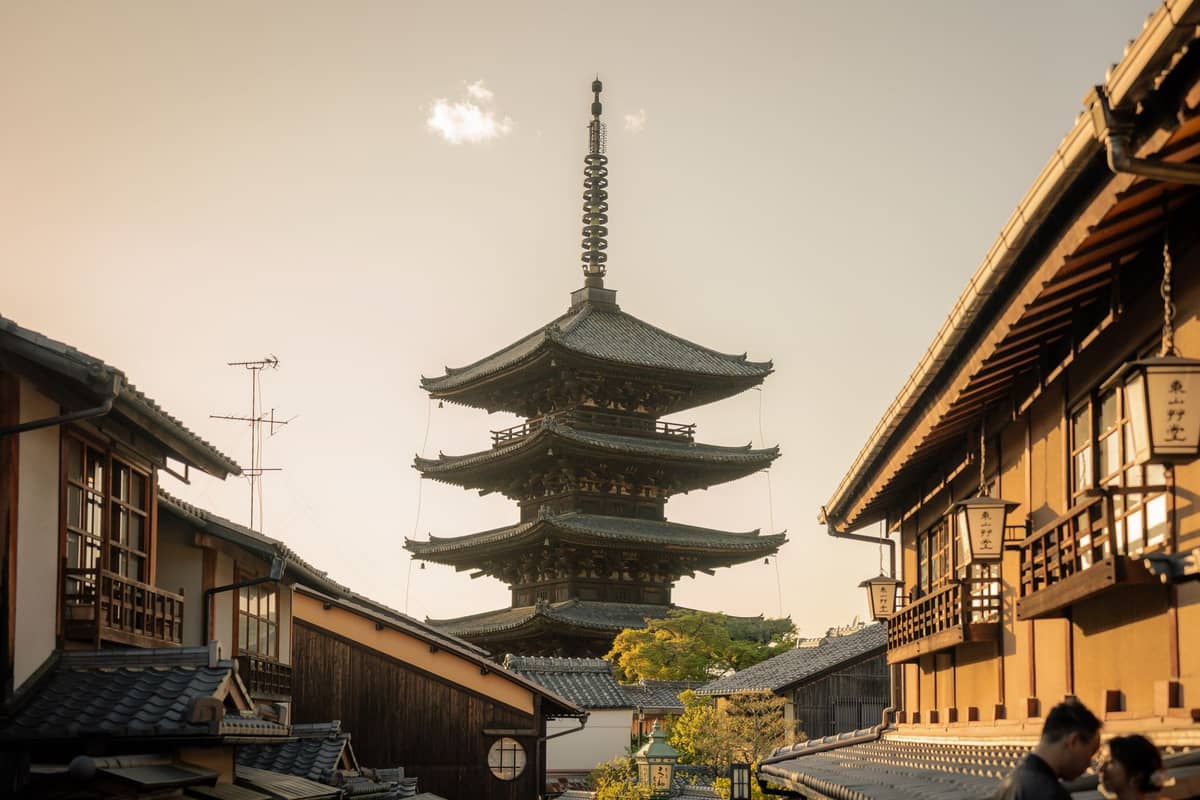
15. Frame Kyoto's Most Iconic Pagoda on Yasaka's Stone Lane
This five-story, 46-meter pagoda has anchored the Higashiyama skyline since the 6th century and appears in countless images framed by the cobblestone lanes below. The pagoda itself has limited interior access, but the surrounding area rewards extended exploration on foot.
Explore15. Frame Kyoto's Most Iconic Pagoda on Yasaka's Stone Lane
This five-story, 46-meter pagoda has anchored the Higashiyama skyline since the 6th century and appears in countless images framed by the cobblestone lanes below. The pagoda itself has limited interior access, but the surrounding area rewards extended exploration on foot.
Explore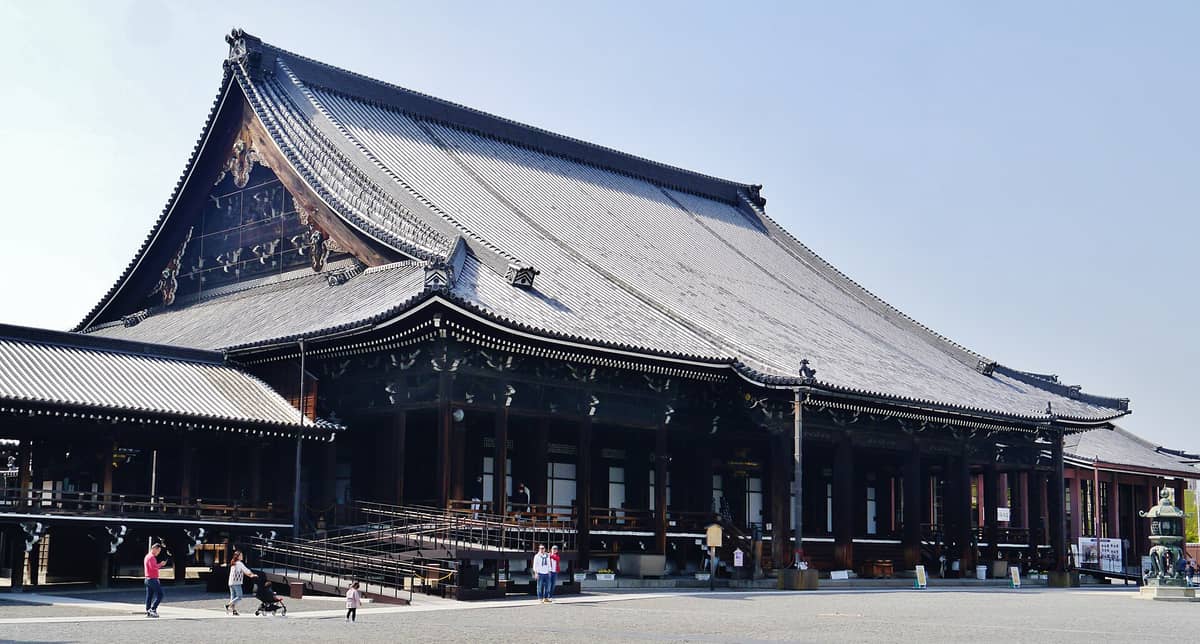
16. See Momoyama Architecture at Its Finest at Nishi Hongan-ji
The Jodo Shinshu Buddhist headquarters is a UNESCO World Heritage Site with some of Japan's finest Momoyama-period architecture, including gilded halls and a remarkable noh theater stage. Far less visited than Kyoto's famous landmarks, and all the better for it.
Explore16. See Momoyama Architecture at Its Finest at Nishi Hongan-ji
The Jodo Shinshu Buddhist headquarters is a UNESCO World Heritage Site with some of Japan's finest Momoyama-period architecture, including gilded halls and a remarkable noh theater stage. Far less visited than Kyoto's famous landmarks, and all the better for it.
Explore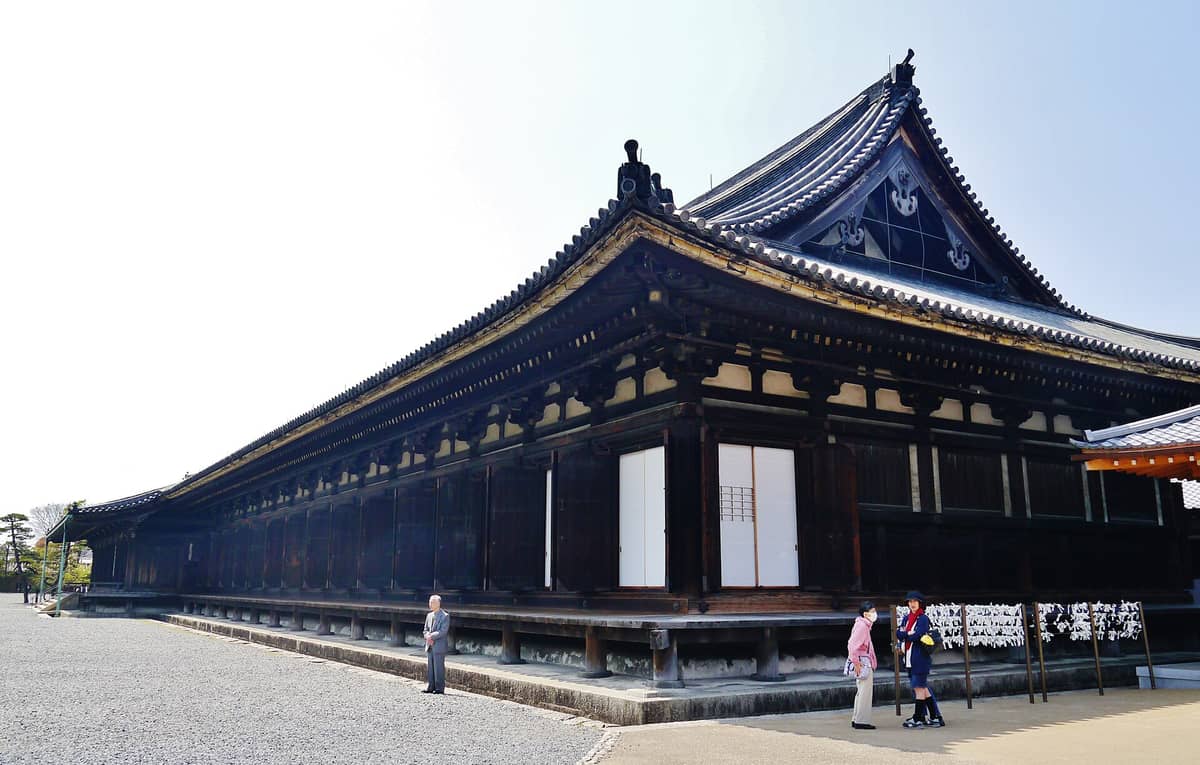
17. Be Overwhelmed by 1,001 Golden Kannon Statues at Sanjusangen-do
A 120-meter-long hall containing 1,001 life-size golden statues of Kannon arranged in rows — one of the most visually overwhelming experiences in Japan. Dating to 1164 AD, this is one of Kyoto's most underrated temples. Allow 30–45 minutes and go with unhurried eyes.
Explore17. Be Overwhelmed by 1,001 Golden Kannon Statues at Sanjusangen-do
A 120-meter-long hall containing 1,001 life-size golden statues of Kannon arranged in rows — one of the most visually overwhelming experiences in Japan. Dating to 1164 AD, this is one of Kyoto's most underrated temples. Allow 30–45 minutes and go with unhurried eyes.
Explore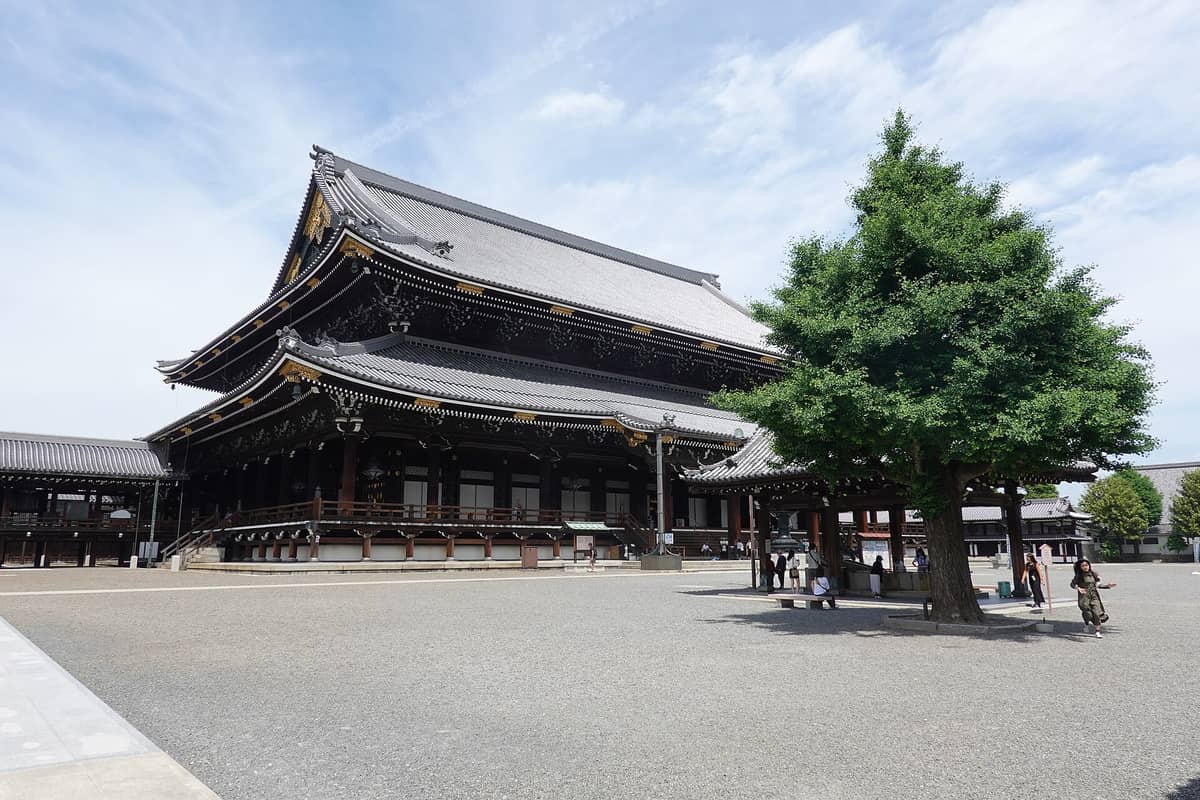
18. Stand Inside One of Japan's Largest Wooden Structures at Higashi Hongan-ji
A massive Buddhist temple just steps from Kyoto Station, featuring a main hall of extraordinary scale and a beautiful attached garden. Free to enter and consistently overlooked by visitors rushing to more famous sites. An ideal first or last stop when arriving or departing by train.
Explore18. Stand Inside One of Japan's Largest Wooden Structures at Higashi Hongan-ji
A massive Buddhist temple just steps from Kyoto Station, featuring a main hall of extraordinary scale and a beautiful attached garden. Free to enter and consistently overlooked by visitors rushing to more famous sites. An ideal first or last stop when arriving or departing by train.
ExploreShrines and Temples with Unique Seasonal Appeal
Several of Kyoto's sacred sites are defined by a single season or a specific natural phenomenon. Visiting at the right moment transforms a good experience into an unforgettable one. For timing advice, theKyoto in autumn guideis essential reading for anyone planning an October or November visit.
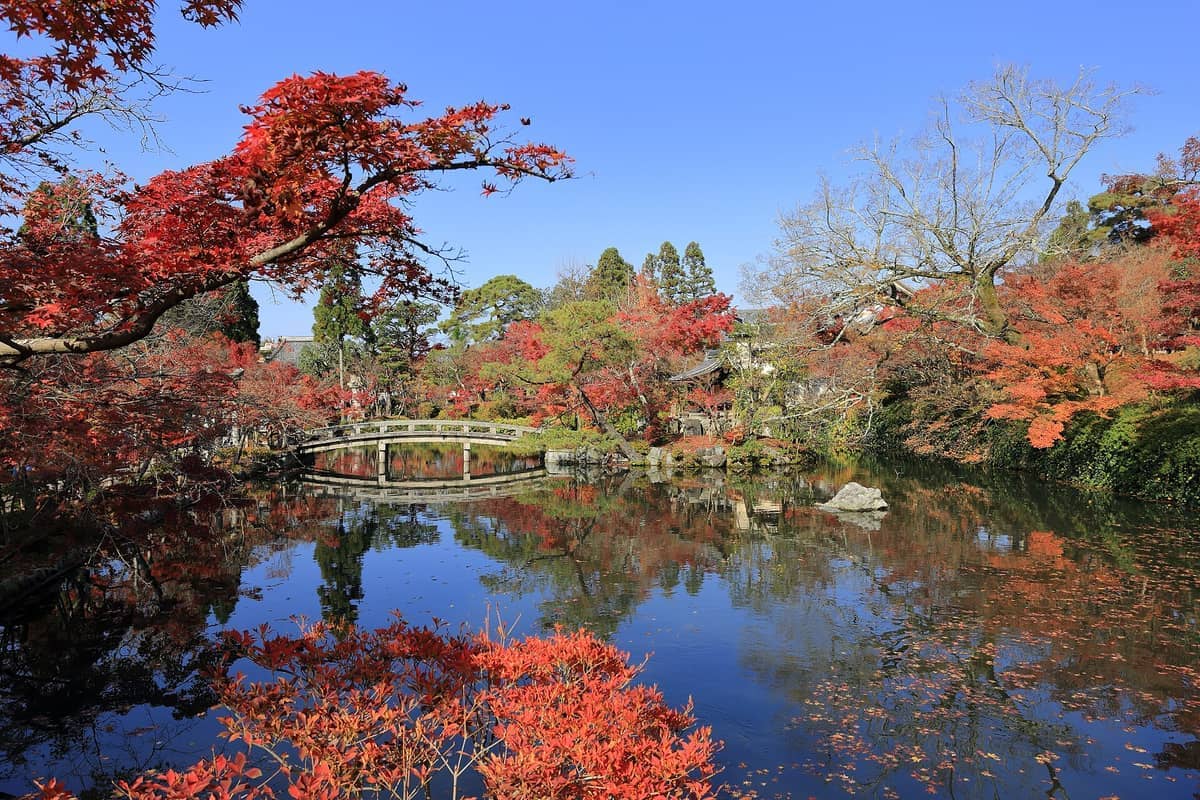
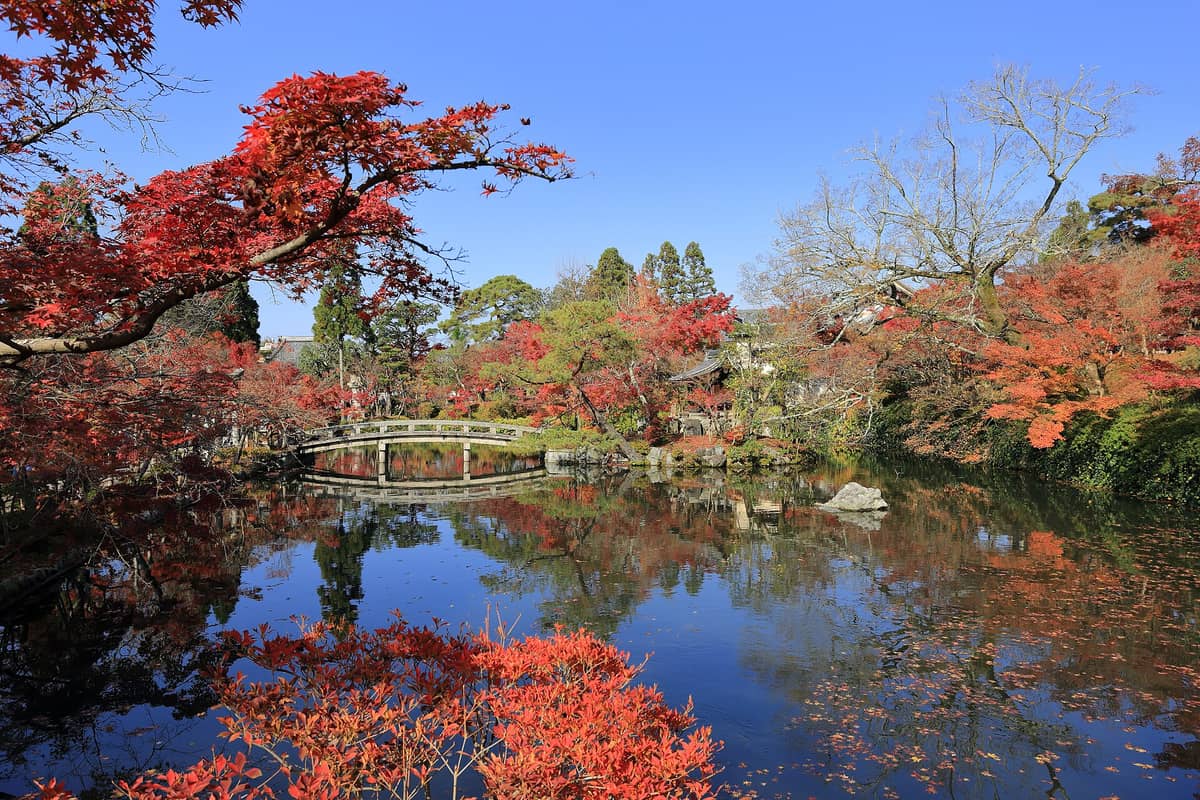
19. See Autumn Foliage at Its Finest at Eikan-do
One of Kyoto's most celebrated temples for autumn color, with maple trees blazing red and orange around a central pond and multi-level corridors framing the hillside. Also home to the poignant Mikaeri Amida statue: the Buddha looking back over his shoulder with compassion.
Explore19. See Autumn Foliage at Its Finest at Eikan-do
One of Kyoto's most celebrated temples for autumn color, with maple trees blazing red and orange around a central pond and multi-level corridors framing the hillside. Also home to the poignant Mikaeri Amida statue: the Buddha looking back over his shoulder with compassion.
Explore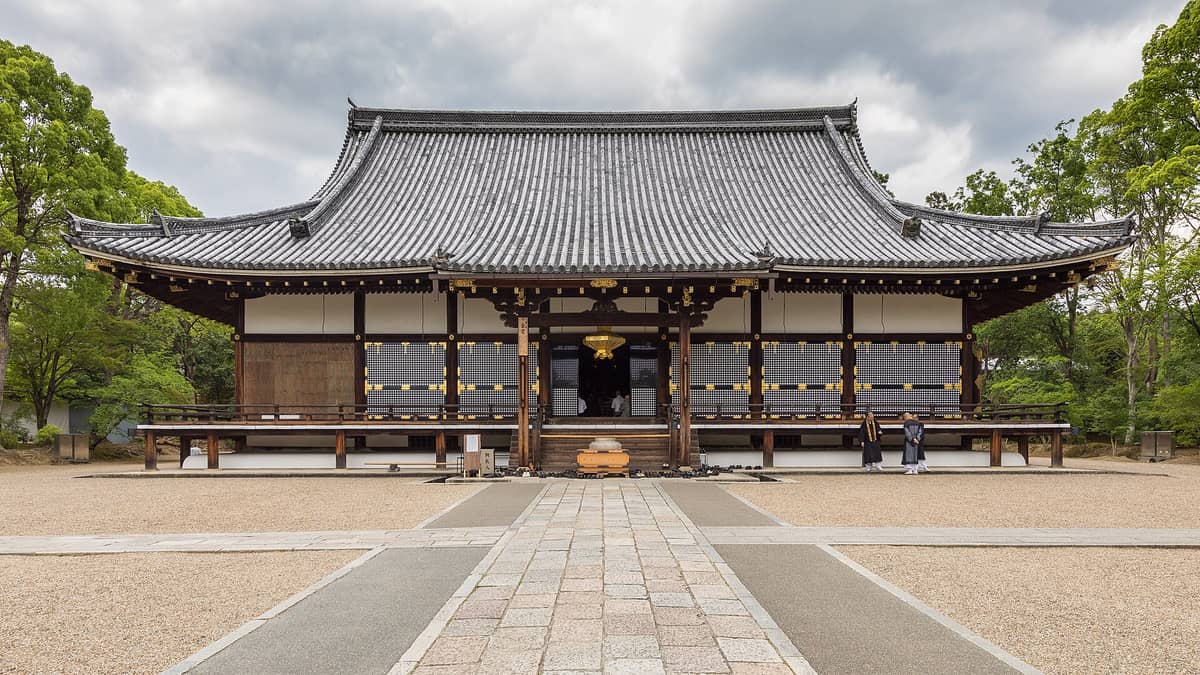
20. Visit Ninna-ji for the Famous Late-Blooming Omuro Cherry Trees
Founded in 888 AD, this UNESCO imperial temple is famous for its grove of short Omuro cherry trees that bloom a week or two after Kyoto's main sakura season ends. A five-story pagoda and ornate gates complete a complex that's significantly less crowded than comparable sites.
Explore20. Visit Ninna-ji for the Famous Late-Blooming Omuro Cherry Trees
Founded in 888 AD, this UNESCO imperial temple is famous for its grove of short Omuro cherry trees that bloom a week or two after Kyoto's main sakura season ends. A five-story pagoda and ornate gates complete a complex that's significantly less crowded than comparable sites.
Explore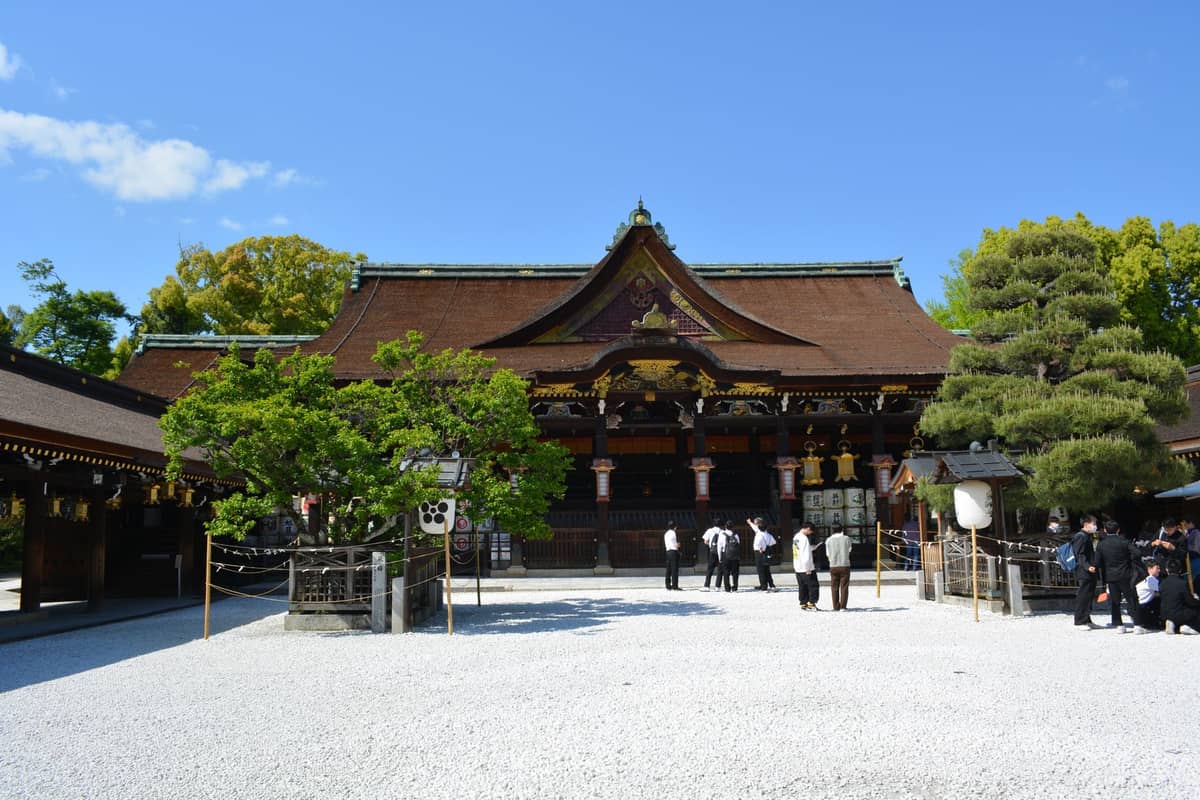
21. Visit Kitano Tenmangu for Plum Blossoms and Monthly Markets
Dedicated to the deity of learning, this beloved shrine is famous for its spectacular plum garden in February — Kyoto's first major bloom of the year. The 25th of each month also brings one of Kyoto's best antique markets to the temple grounds. A genuine local favorite.
Explore21. Visit Kitano Tenmangu for Plum Blossoms and Monthly Markets
Dedicated to the deity of learning, this beloved shrine is famous for its spectacular plum garden in February — Kyoto's first major bloom of the year. The 25th of each month also brings one of Kyoto's best antique markets to the temple grounds. A genuine local favorite.
Explore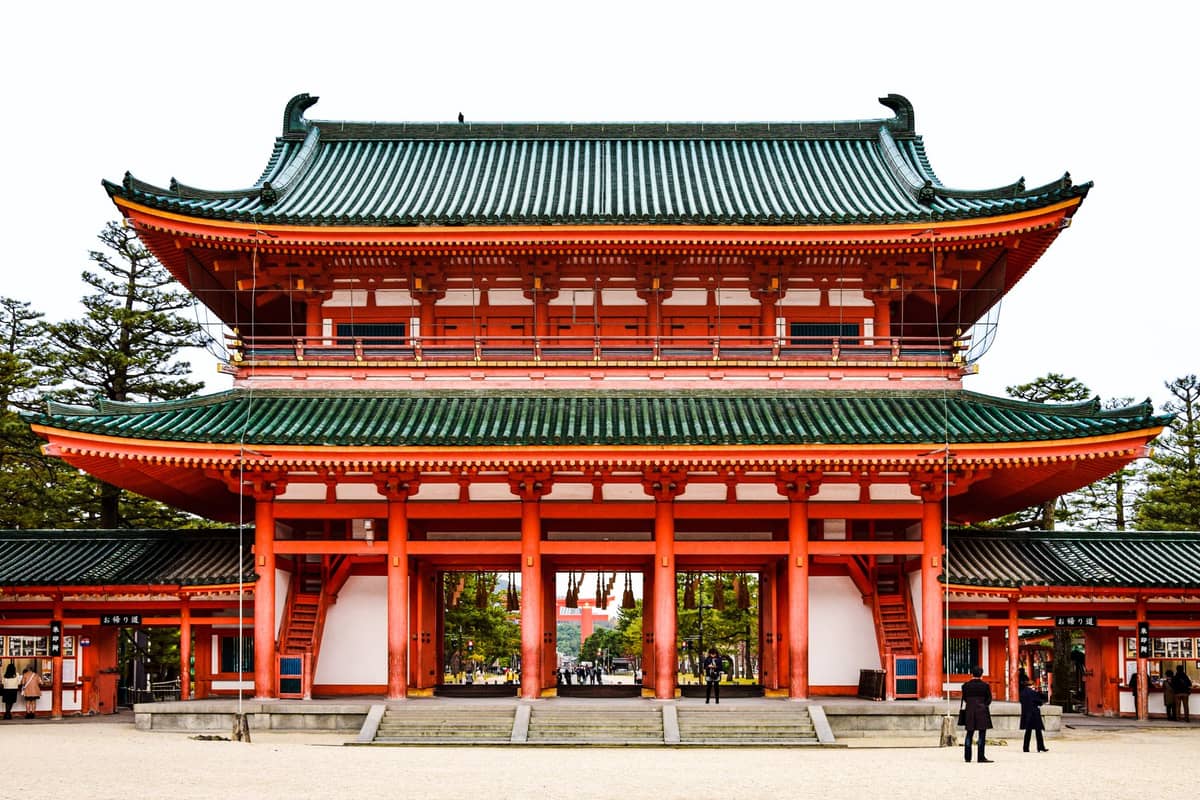
22. Explore the Grand Garden and Festival Grounds of Heian Shrine
Built in 1895 to mark Kyoto's 1,100th anniversary, this vermilion-and-white shrine features one of Japan's largest torii gates and a spectacular stroll garden with seasonal blooms. The famous Jidai Matsuri (Festival of the Ages) parade ends here each October, after starting at the Kyoto Imperial Palace.
Explore22. Explore the Grand Garden and Festival Grounds of Heian Shrine
Built in 1895 to mark Kyoto's 1,100th anniversary, this vermilion-and-white shrine features one of Japan's largest torii gates and a spectacular stroll garden with seasonal blooms. The famous Jidai Matsuri (Festival of the Ages) parade ends here each October, after starting at the Kyoto Imperial Palace.
Explore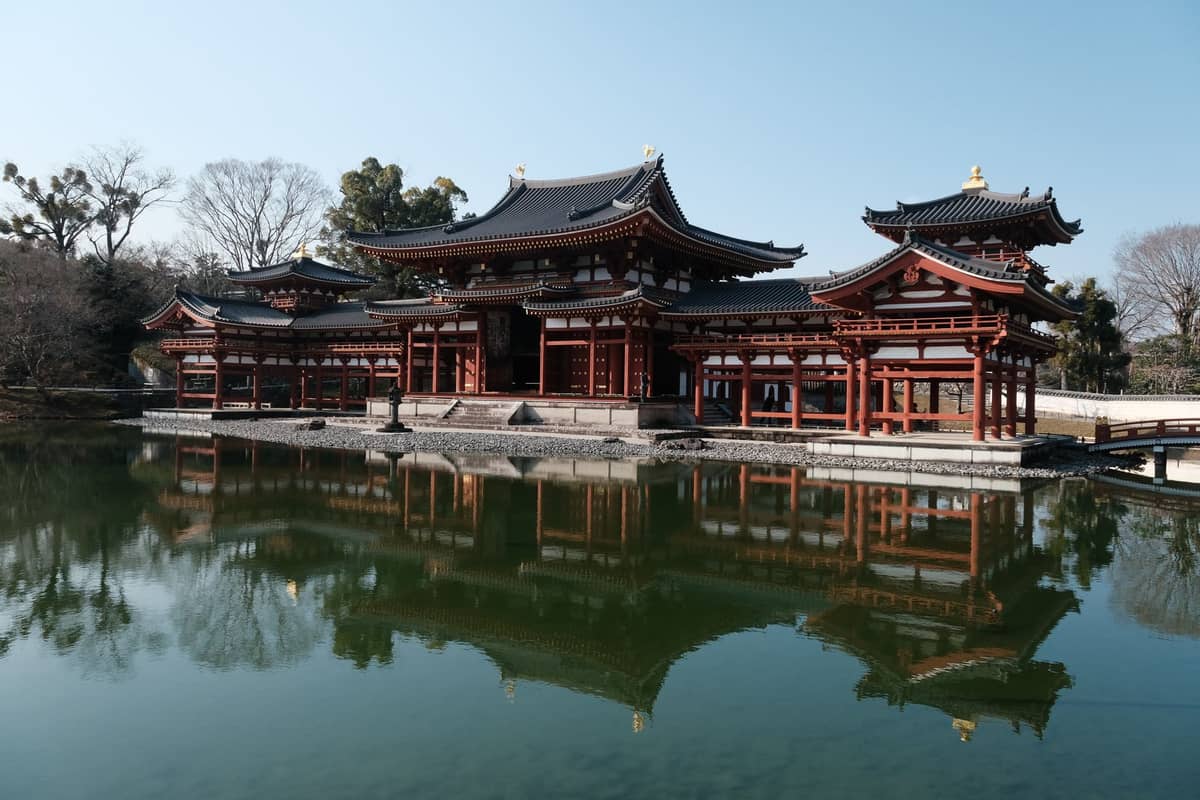
23. See the Temple on the 10-Yen Coin at Byodo-in in Uji
Just 20 minutes from Kyoto by train, this UNESCO World Heritage temple in Uji features the Phoenix Hall — one of Japan's finest surviving Heian-period buildings — reflected in a tranquil pond. The surrounding Uji area is also the home of Japan's finest matcha tea production.
Explore23. See the Temple on the 10-Yen Coin at Byodo-in in Uji
Just 20 minutes from Kyoto by train, this UNESCO World Heritage temple in Uji features the Phoenix Hall — one of Japan's finest surviving Heian-period buildings — reflected in a tranquil pond. The surrounding Uji area is also the home of Japan's finest matcha tea production.
Explore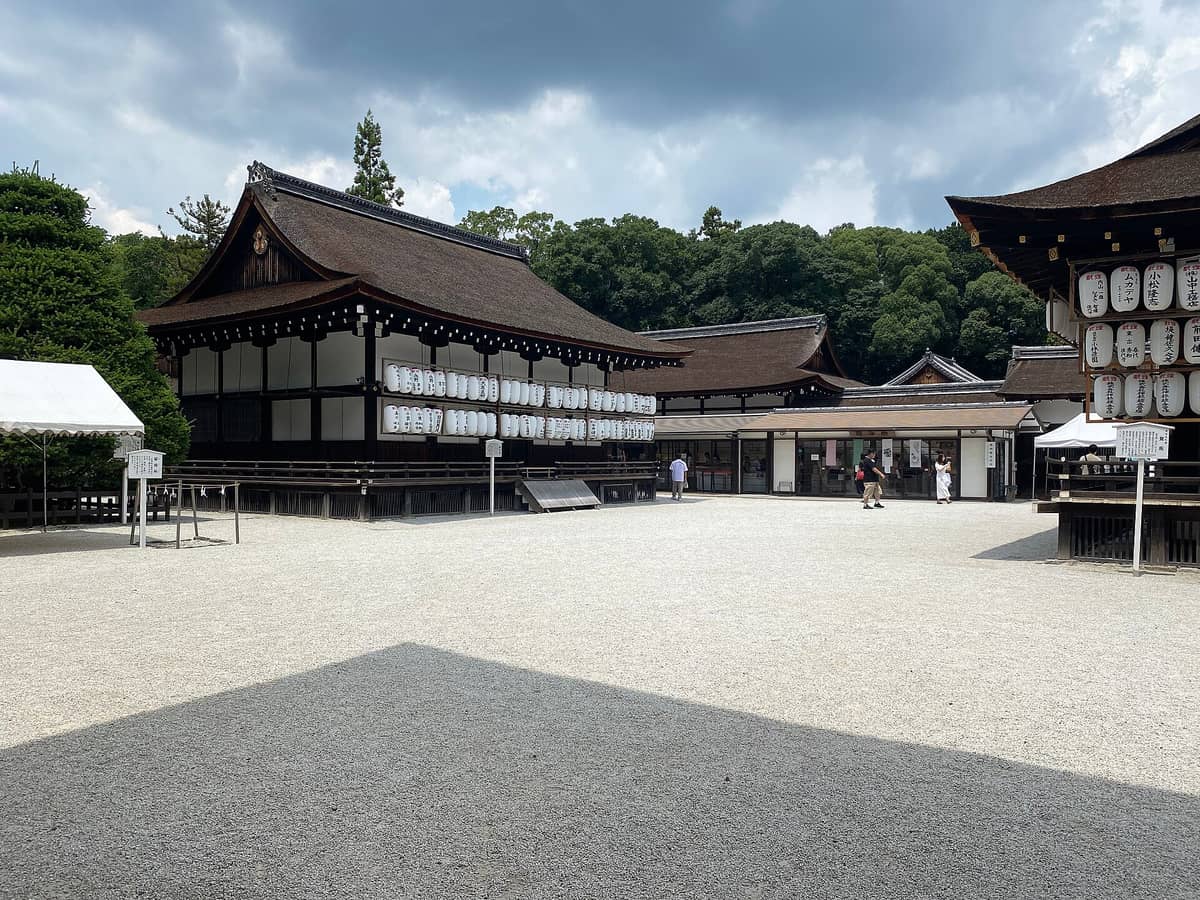
24. Walk Through Ancient Forest to Shimogamo Shrine
One of Japan's oldest Shinto sites, set within the primeval Tadasu no Mori forest at the confluence of two rivers. The forest approach alone — ancient trees, dappled light, no shops — is unlike anything in central Kyoto. A UNESCO World Heritage Site that rewards unhurried visitors.
Explore24. Walk Through Ancient Forest to Shimogamo Shrine
One of Japan's oldest Shinto sites, set within the primeval Tadasu no Mori forest at the confluence of two rivers. The forest approach alone — ancient trees, dappled light, no shops — is unlike anything in central Kyoto. A UNESCO World Heritage Site that rewards unhurried visitors.
Explore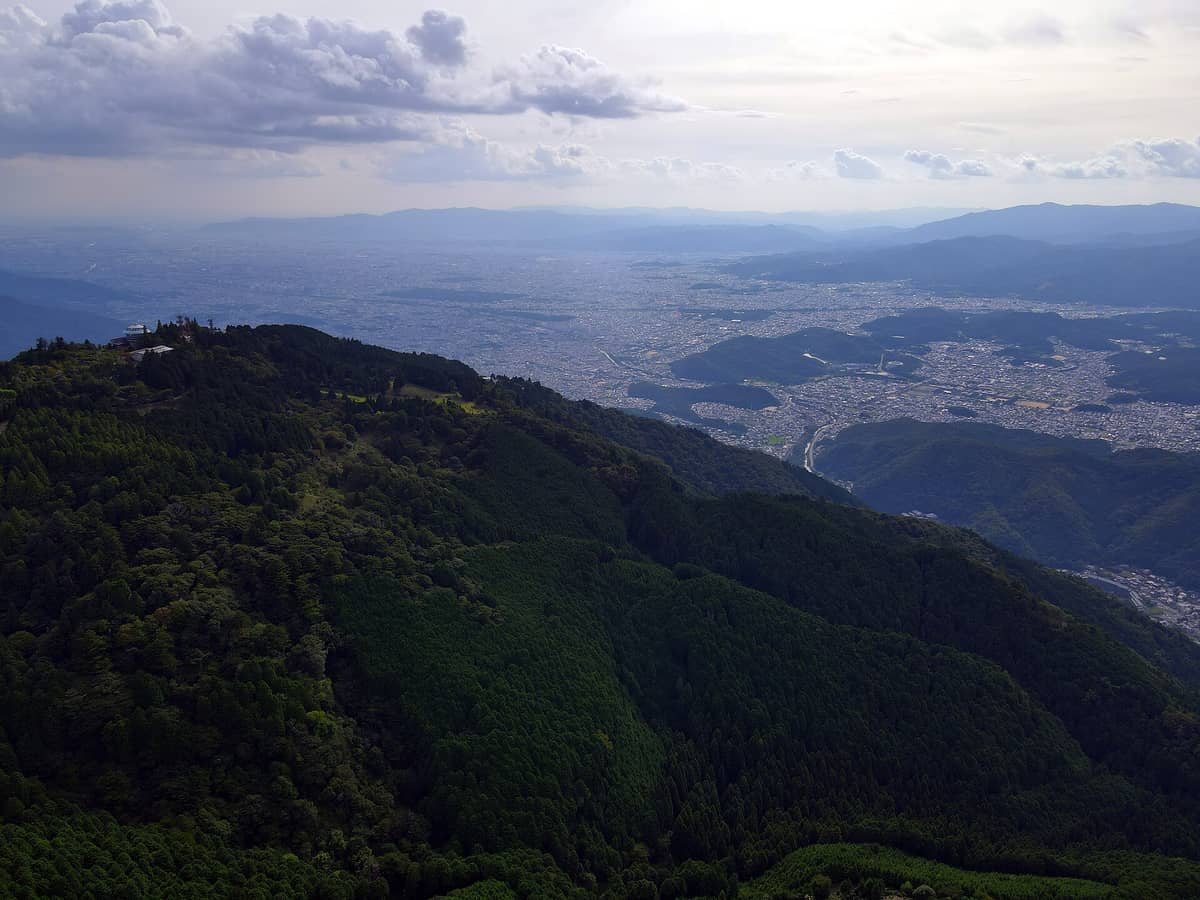
25. Ascend to the Sacred Enryaku-ji Complex on Mount Hiei
A UNESCO World Heritage complex on a mountain straddling Kyoto and Shiga prefectures, founded in 788 AD and one of Japanese Buddhism's most historically important centers. Reached by cable car or ropeway, with panoramic views over Kyoto and Lake Biwa on clear days.
Explore25. Ascend to the Sacred Enryaku-ji Complex on Mount Hiei
A UNESCO World Heritage complex on a mountain straddling Kyoto and Shiga prefectures, founded in 788 AD and one of Japanese Buddhism's most historically important centers. Reached by cable car or ropeway, with panoramic views over Kyoto and Lake Biwa on clear days.
Explore✨ Pro tip
Kyoto's temples are busiest during cherry blossom season (late March to mid-April) and autumn foliage (mid-November to early December). If you visit at these times, arrive at opening time or on weekday mornings. For a crowd-free temple experience year-round, Daitoku-ji and Nishi Hongan-ji are consistently quieter than the major UNESCO landmarks.
FAQ
How much does it cost to visit Kyoto's temples?
Most major temples charge between ¥400 and ¥500 for adult admission. Fushimi Inari Taisha and Shimogamo Shrine are free to enter. Some complexes like Nanzen-ji have free grounds but charge for inner halls. Budget around ¥2,000–¥3,000 per day if visiting multiple paid sites.
What is the best time of day to visit Kyoto's most popular temples?
Arrive at opening time — or before — for temples like Kiyomizu-dera, Kinkaku-ji, and Fushimi Inari. Kiyomizu-dera opens at 06:00, giving you a genuine window before tour groups arrive. Fushimi Inari is open 24 hours; the mountain trail above the main gate is significantly quieter before 8am and after 7pm.
Which Kyoto temples require advance reservations?
Kokedera (Saihoji Moss Temple) requires advance reservation, as does access to the imperial villas (Katsura and Shugakuin) through the Imperial Household Agency. Rurikō-in is only accessible during limited spring and autumn opening periods and can get very busy. All other temples on this list are open to walk-in visitors.
Can you visit Kyoto's temples for free?
Yes — several major sites are free, including Fushimi Inari Taisha (grounds open 24 hours), Higashi Hongan-ji, Shimogamo Shrine, and Kamigamo Shrine. The outer grounds of Nanzen-ji and Heian Shrine are also free; you pay only to enter specific inner gardens or halls. For a full list of free options, see our free things to do in Kyoto guide.
What should I wear when visiting temples in Kyoto?
There is no strict dress code at most Kyoto temples, but modest, comfortable clothing is appropriate — particularly covered shoulders and knees in sacred inner areas. Remove shoes when entering any building where this is indicated (slippers are usually provided). Avoid very casual or beach-style clothing at major religious sites.