Mount Hiei (Hieizan): Kyoto's Sacred Mountain and the Cradle of Japanese Buddhism
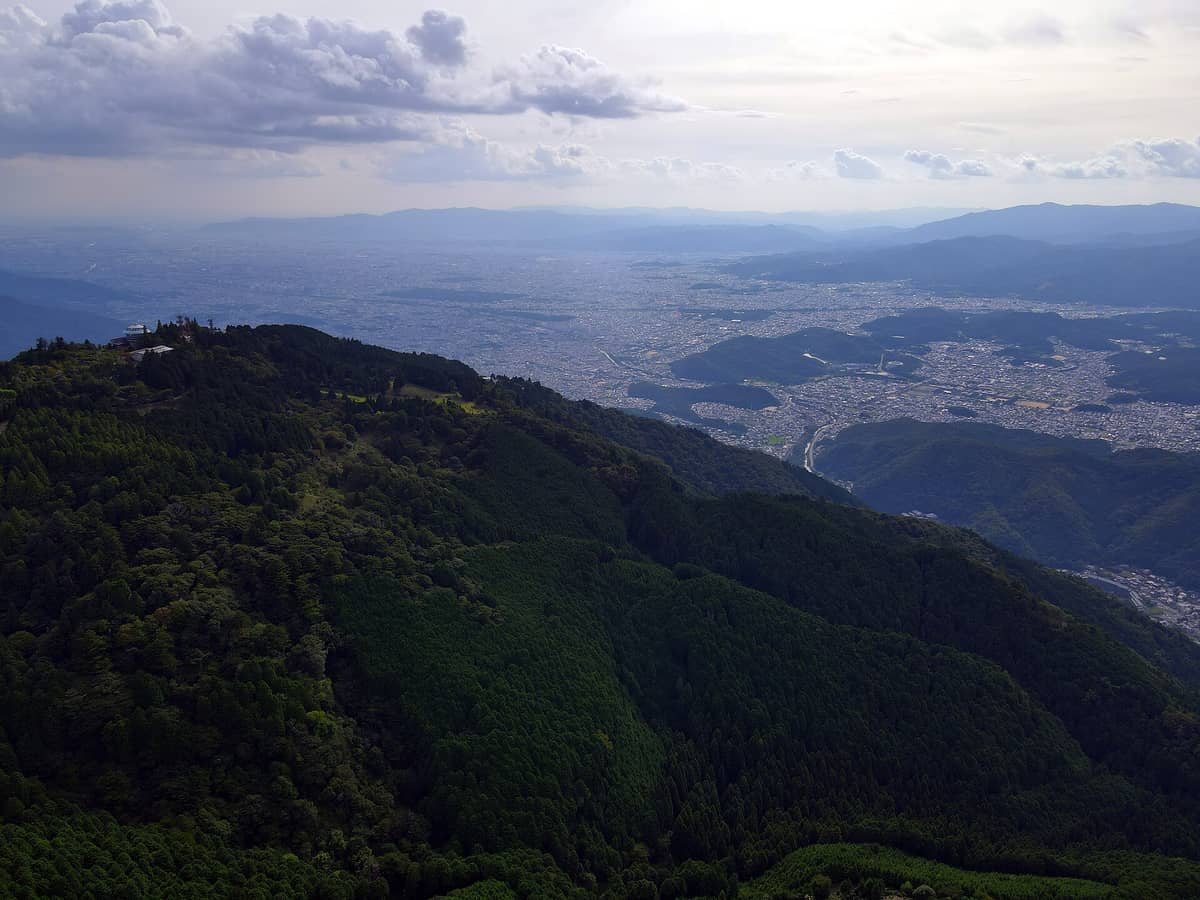
Rising to roughly 848 meters on the border of Kyoto and Shiga Prefectures, Mount Hiei (比叡山) is home to Enryaku-ji, the UNESCO-listed Tendai Buddhist complex founded by the monk Saichō in 788. It is one of the most historically consequential sites in Japan, and one of the few places around Kyoto where the city's ancient religious weight can be felt in the air, the silence, and the cedar-thick forest.
Quick Facts
- Location
- Kyoto–Shiga Prefecture border; main address 4220 Sakamotohonmachi, Otsu City, Shiga Prefecture
- Getting There
- Eizan Electric Railway to Yase-Hieizan-guchi, then Eizan Cable Car + Eizan Ropeway; or Sakamoto Cable Car from JR Kosei Line Hieizan-Sakamoto Station (or Keihan Sakamoto-Hieizan-guchi Station).
- Time Needed
- 3–5 hours for a focused visit to Tōdō; full day for all three precincts
- Cost
- Pilgrimage ticket (all 3 areas): ¥1,000 adults / ¥600 students / ¥300 children. Cable car and ropeway extra (approx. ¥550 + ¥350 one-way). Verify current fares before visiting.
- Best for
- History seekers, temple pilgrims, autumn foliage, mountain walkers, travelers who want to escape Kyoto's crowds
- Official website
- www.hieizan.or.jp
What Is Mount Hiei, and Why Does It Matter?
Mount Hiei, known in Japanese as Hieizan (比叡山), is not merely a mountain with a temple on top. It is the site where Japanese Buddhism was effectively reformulated. In 788, the monk Saichō climbed this peak northeast of what would become Kyoto and established a small retreat that would grow into Enryaku-ji, the sprawling headquarters of the Tendai school. From this mountain came the founders of almost every major Buddhist movement in Japan: Hōnen, Shinran, Dōgen, and Nichiren all trained here before going on to establish their own traditions. The mountain is, in a very real sense, the root system of Japanese Buddhism.
Today Enryaku-ji is a UNESCO World Heritage Site, listed as part of the Historic Monuments of Ancient Kyoto. The complex spreads across three distinct precincts: Tōdō (East Pagoda), Saitō (West Pagoda), and Yokawa, each separated by forest paths and connected by a shuttle bus. The main hall in the Tōdō precinct, the Konpon Chūdō, has kept the Dharma Flame burning continuously since Saichō first lit it in the 8th century.
ℹ️ Good to know
Enryaku-ji is technically administered from Otsu City in Shiga Prefecture, though it sits on the Kyoto–Shiga boundary and is universally accessed as a Kyoto day trip. The mountain itself straddles both prefectures.
Getting Up the Mountain: Two Routes, Different Moods
There are two main cable car access points, and choosing between them shapes the entire experience. The Kyoto-side approach starts from Yase-Hieizan-guchi Station, reached by the Eizan Electric Railway from Demachiyanagi Station in northern Kyoto. From Yase, you ride the Eizan Cable Car to Hiei summit, then connect via the short Eizan Ropeway to reach the temple plateau near Tōdō. Fares are approximately ¥550 one-way for the cable car and ¥350 one-way for the ropeway; verify current pricing at the stations or official site, as schedules and fares adjust seasonally.
The Shiga-side approach begins at Hieizan-Sakamoto Station on the JR Kosei Line or at Sakamoto-Hieizan-guchi Station on the Keihan Ishiyama-Sakamoto Line. From there, you walk or take a short bus ride to the base of the Sakamoto Cable Car, one of the longest and oldest cable railways in Japan, which deposits you closer to the Tōdō area. Many visitors who come from Kyoto descend on the Shiga side for variety, arriving at Sakamoto, a historic town of mossy stone walls and old priest residences that deserves at least 30 minutes of wandering before catching the train back. This loop adds texture to the day without significant extra cost.
💡 Local tip
Check cable car operating schedules before you go. Services can be suspended for maintenance or in severe weather. The Enryaku-ji website and regional transit sites publish updates. In winter, icy conditions can also affect path access between precincts.
If you would rather hike up than ride, established trails from the Kyoto side connect to the mountain through forested terrain. The hike takes roughly 1.5 to 2 hours from the trailhead area near Yase. It is a real forest hike on uneven paths, not a tourist stroll. Bring trekking shoes, water, and check trail conditions in advance. For context on planning a hiking-centered trip, theFushimi Inari hiking guideoffers useful baseline expectations for Kyoto-area mountain hikes.
Tickets & tours
Hand-picked options from our booking partner. Prices are indicative; availability and final rates are confirmed when you complete your booking.
Kyoto Coast, Amanohashidate and Ine Bay 1-Day Trip from Osaka or Kyoto
From 46 €Instant confirmationFree cancellationKyoto Sanzen-in, Arashiyama and Bamboo Grove Full Day Tour
From 47 €Instant confirmationFree cancellationKyoto Arashiyama insider walking tour
From 66 €Instant confirmationFree cancellationMatcha green tea tour in Kyoto's Uji Market
From 130 €Instant confirmationFree cancellation
What You Will Actually See: The Three Precincts
Tōdō (East Pagoda): The Heart of Enryaku-ji
Most visitors spend the bulk of their time in the Tōdō precinct, which contains the Konpon Chūdō, the central hall and the spiritual core of the entire complex. Inside, the space is dim and dense with incense smoke that has accumulated across centuries. Three large lanterns hang in the interior, their chains blackened with age. The Dharma Flame burns below the main altar. Approaching the altar, visitors bow and add incense to iron urns already heavy with ash. There is very little in Kyoto that compares to this atmosphere, not even the grandest Zen gardens.
The National Treasure Hall (Kokuhō-den) is also in the Tōdō area and holds a significant collection of Buddhist art, including statues, scrolls, and ritual objects. Admission is ¥500 for adults, separate from the pilgrimage ticket. If you have a serious interest in Buddhist iconography, the museum is well worth the extra 40 minutes. If you are primarily here for atmosphere and architecture, you can skip it without regret.
Saitō (West Pagoda): Quieter, More Atmospheric
A 20-minute walk or short bus ride from Tōdō, the Saitō precinct is where the crowds thin dramatically. The main structure here is the Shaka-dō, which houses the oldest building on the mountain. The path between Tōdō and Saitō cuts through cedars tall enough to block most of the sky; in fog, and Mount Hiei sees fog regularly, this corridor turns otherworldly. The stone lanterns lining the path are covered in green moss so thick they look geological. This is the part of Hieizan that most visitors photograph and remember most vividly.
Yokawa: The Far Precinct, Worth It for Serious Visitors
Yokawa sits a further 4 kilometers north of Saitō and requires either a bus or a long walk through forest. It receives a fraction of Tōdō's visitors and has a genuinely remote quality that the closer precincts, despite their beauty, cannot match. The Yokawa Chūdō and surrounding halls feel used rather than curated, which is rare for a World Heritage site. Unless time is very short, the round-trip by bus from Saitō to Yokawa adds only about 45 minutes to the visit and changes the entire character of the day.
How the Mountain Changes by Time of Day and Season
Morning, specifically arriving when Tōdō opens around 8:30, means you reach the main hall before tour groups fill it. The incense smoke hangs lower in cooler air, the light through the hall's wooden lattice is softer, and the monks conducting morning rituals move through spaces that feel genuinely undisturbed. By late morning, organized groups from Kyoto are arriving and the experience shifts from meditative to observational.
Autumn is the single best season. From mid-November into early December, the maples on the lower slopes of the mountain turn in layers of red and amber, and the Saitō path becomes particularly striking. Temperatures at the summit run roughly 5°C cooler than central Kyoto, so while the city is still mild, the mountain already feels like winter. Bring an extra layer even in October.
Spring brings its own appeal. The forest trails remain quiet, and the contrast between new green growth and the dark timber architecture is sharp and clean. Summer is the season to approach cautiously. Kyoto's heat, already amplified by the city's basin geography, makes the hike up from Yase a sweaty proposition. The summit offers genuine relief, often 6–8°C cooler than central Kyoto on hot days, but getting there in summer heat requires planning. Carry at least one liter of water per person. For broader seasonal strategy, the guide on thebest time to visit Kyoto gives useful month-by-month context.
⚠️ What to skip
Winter visits (December through February) are possible but require care. Snow accumulates on the mountain when none falls in the city. The paths between precincts can be icy, and opening hours may be shortened due to weather. Dress for temperatures at or below freezing.
Practical Walkthrough: Planning a Realistic Visit
A focused visit covering Tōdō and Saitō takes three to four hours on the mountain itself. Add travel time: from central Kyoto by train and cable car, the journey to the summit takes roughly 45–60 minutes depending on connections. A full day covering all three precincts including Yokawa, walking between them, and spending time in Sakamoto on the descent is entirely reasonable and makes the journey feel worth the effort.
The combined pilgrimage ticket at ¥1,000 for adults covers entry to all three precincts and is the correct ticket to purchase. Do not buy single-precinct tickets if you plan to visit more than one area. The National Treasure Hall requires a separate admission of ¥500 for adults. Tickets are available at the cable car stations and at precinct entrances.
A shuttle bus operates between the three precincts and is included in the broader area transport arrangements; check the Enryaku-ji official site for the current bus schedule, as it changes seasonally and services can be reduced outside peak months. Between Tōdō and Saitō, many visitors choose to walk the atmospheric forest path rather than wait for the bus, which takes about 20 minutes and is the better choice in good weather.
There are basic food stalls and a small restaurant near the Tōdō area. The options are limited and not particularly memorable. A better approach is to eat a proper lunch in Kyoto before ascending, or to descend to Sakamoto and eat there. If your trip includes time around Ohara or Kurama, both of which sit in the northern Kyoto highlands with a similar mountain temple mood, combining them with Mount Hiei can make for a coherent multi-day arc. See the guide onday trips from Kyoto for ideas on building these routes.
Accessibility, Photography, and Etiquette
Mount Hiei is not a step-free destination. The cable car and ropeway provide access to the summit plateau, but moving between halls within each precinct involves stone steps, sloped paths, and gravel surfaces. The Tōdō precinct is the most level of the three, but even here some stairs are unavoidable. Visitors with significant mobility limitations should contact the temple information office at +81-77-578-0001 to discuss what is currently accessible.
Photography of the exterior architecture and forest paths is generally permitted and rewarded. Inside the Konpon Chūdō and other main halls, photography is typically restricted. Follow posted signs carefully, and err on the side of discretion when monks or active ritual is present. The same basic etiquette that applies across Kyoto's religious sites applies here; theKyoto temple etiquette guide covers what you need to know before visiting.
For photography, the best light on the Saitō path falls in the late morning when sun angles are low enough to filter through the cedar canopy. In autumn, this same path in afternoon light catches the maple color most richly. The Konpon Chūdō interior, with its hanging lanterns and incense smoke, is very dim; a wide aperture and patience are required to capture it without flash, which is rarely allowed inside.
Who Should Skip This, and Who Will Love It
If your Kyoto visit is two days and you have not yet seen Fushimi Inari, Kinkaku-ji, or Kiyomizu-dera, Mount Hiei is not the place to start. It rewards travelers who already have some baseline familiarity with Japan's Buddhist traditions and want to go deeper, or who are deliberately choosing substance over spectacle. It also rewards walkers, nature lovers, and anyone who finds the more accessible temples of central Kyoto too polished and tourist-managed.
Travelers primarily focused on Kyoto's gardens, geisha districts, or street food will find the mountain less relevant to their interests. Families with young children should weigh the logistics of the cable car, the walking distances between precincts, and the fact that there is limited child-specific programming or play space. For families, something like theKyoto with kids guide might surface more practical alternatives.
For those drawn to the intersection of religion, history, and landscape, Mount Hiei is among the most powerful experiences greater Kyoto offers. Few places in the region carry this weight of time so lightly.
Insider Tips
- Descend via the Sakamoto Cable Car rather than returning the way you came. The hilltop town of Sakamoto at the base of the Shiga-side cable car has a grid of ancient stone-walled lanes and was historically home to the temple's lay community. It is rarely visited by tourists and takes about 20 minutes to wander before catching the JR train back toward Kyoto.
- The pilgrimage ticket desk at the Tōdō entrance issues a paper slip that functions as a receipt across all three precincts. Keep it in your pocket throughout the day; staff at Saitō and Yokawa will check it. Losing it means paying again.
- The shuttle bus between precincts runs on a set schedule that has gaps. Check the timetable at the Tōdō entrance when you arrive and plan your precinct order accordingly, especially if visiting Yokawa, where missing the last bus back means a long forest walk.
- Mount Hiei sits above the cloud layer on overcast mornings. If Kyoto looks grey and low-ceiling, the summit may be fogged in entirely. This is atmospheric in the Saitō cedar corridor but makes views toward Lake Biwa (visible on clear days from the summit area) impossible. Check weather forecasts for elevation, not just for the city.
- The Eizan Electric Railway from Demachiyanagi is itself a pleasant journey through northern Kyoto's residential outskirts. Sit on the right side heading toward Yase in autumn for hillside foliage views.
Who Is Mount Hiei (Hieizan) For?
- Travelers with a serious interest in Japanese Buddhism who want to understand where it was shaped
- Autumn foliage seekers looking for an alternative to Kyoto's crowded temple gardens
- Walkers and light hikers comfortable with 2–4 hours on uneven mountain terrain
- Visitors on a second or third Kyoto trip who have already covered the central circuit
- Anyone who wants a full day out of Kyoto that combines mountain scenery, UNESCO heritage, and a quiet historic town (Sakamoto)
Nearby Attractions
Combine your visit with:
- Byodo-in Temple
Byodo-in Temple in Uji City is one of Japan's most photographed and historically significant Buddhist sites. Built in 1053, its Phoenix Hall appears on the 10-yen coin and draws visitors for its garden, gilded interior, and hilltop museum. A day trip from Kyoto that genuinely rewards the effort.
- Jingo-ji Temple (Takao)
Jingo-ji Temple rises from the forested slopes of Mount Takao in Kyoto's northwest corner, a 20-minute uphill walk from the nearest bus stop and a world away from the city's busiest temple districts. The site rewards the effort with ancient Buddhist halls, one of the finest autumn foliage settings in the Kansai region, and the curious ritual of hurling clay discs off a cliff into the Kiyotaki River gorge below.
- Kamigamo Shrine
Kamigamo Shrine, formally known as Kamo Wakeikazuchi Jinja, is one of Kyoto's oldest Shinto shrines and part of the UNESCO World Heritage Site 'Historic Monuments of Ancient Kyoto.' Set in the quiet northern reaches of the city, its wide gravel forecourt, twin sand cones, and cedar-forested riverbank create an atmosphere that feels genuinely removed from the tourist circuit.
- Katsura Imperial Villa
Katsura Imperial Villa is a 17th-century detached imperial palace in western Kyoto, considered the pinnacle of Japanese garden design and shoin-style architecture. Access is by guided tour only, with strict booking requirements — but for those who plan ahead, it is one of the most quietly extraordinary places in Japan.