Osaka to Nara: The Complete Day Trip Guide with Transport, Tips, and What to Expect
Nara is one of the most rewarding day trips from Osaka, with ancient temples, free-roaming deer, and journey times under an hour. This guide breaks down every transport option, compares costs, and gives you the practical detail to make the day run smoothly.
Plan and book this trip
Tools from our partner Travelpayouts help you compare flights and hotels. If you book through them, we may earn a commission at no extra cost to you.
Flights
Hotels map
TL;DR
- The Osaka to Nara journey takes between 35 and 50 minutes depending on the route and train type.
- Kintetsu Rapid Express from Osaka-Namba is the fastest and most convenient option for Nara Park, taking around 36-40 minutes for roughly ¥560-680. See our getting around Osaka guide for IC card and transport pass advice.
- JR Yamatoji Rapid is covered by the JR Pass and runs from Osaka Station or JR Namba, but JR Nara Station is a 20-25 minute walk from Nara Park.
- Nara's deer are wild animals and can charge during mating season (September-November) and fawn season (May-August). Feed only official shika senbei crackers.
- Trying to visit both central Nara and Horyu-ji in one day is doable but tight. If sights like Horyu-ji are a priority, start before 9:00.
Why Nara Works as a Day Trip from Osaka
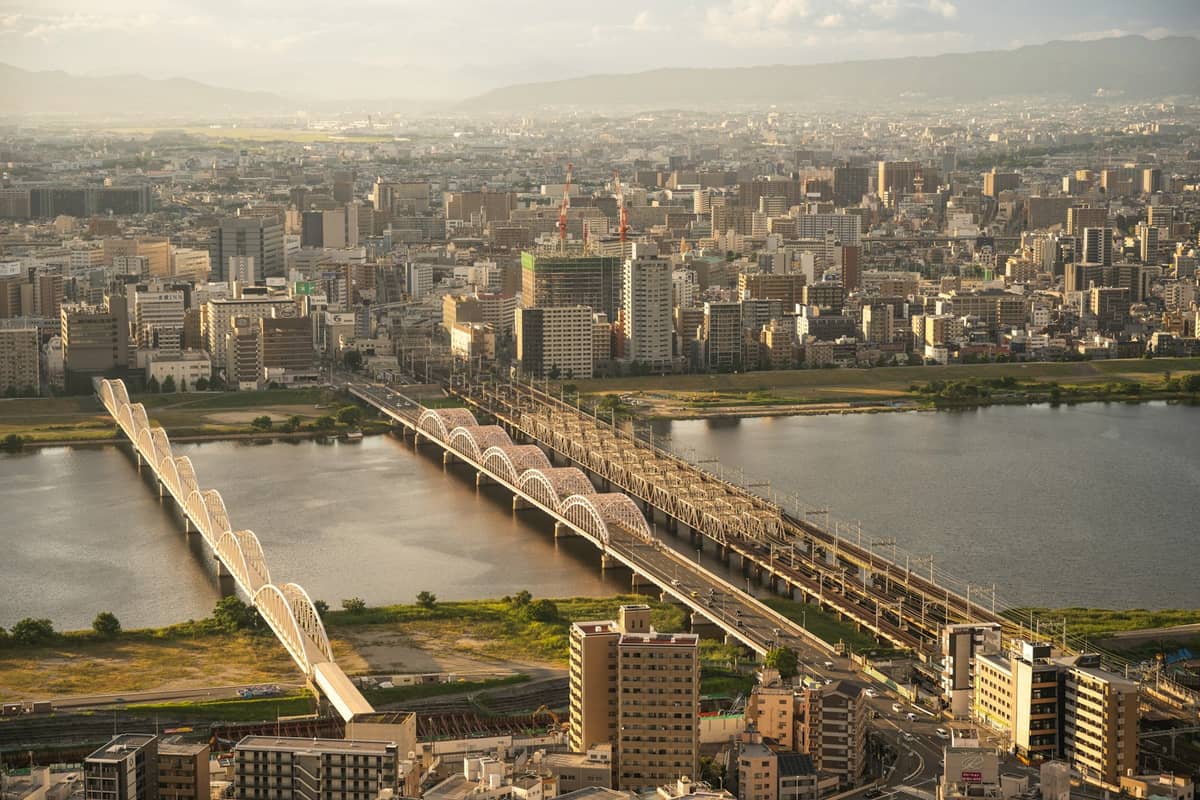
Nara sits about 40 km east of Osaka, and rail connections between the two cities are frequent enough that you can leave after breakfast and be back in time for dinner at Dotonbori. That convenience is the main reason it consistently ranks among the most popular day trips from the city, alongside Kyoto. Unlike Kyoto, however, Nara's main attractions are concentrated in a compact area around Nara Park, which makes the logistics considerably simpler.
The city was Japan's first permanent capital, established in 710 AD, and it holds eight UNESCO World Heritage Sites across its temples, shrines, and surrounding forests. For most visitors, the priority list includes Todai-ji temple (home to Japan's largest bronze Buddha), Kasuga Taisha shrine, Kofuku-ji, and, of course, spending time around the 1,200 free-roaming sika deer that have the run of Nara Park. For those interested in exploring Osaka's own historical and cultural depth first, the best temples and shrines in Osaka guide covers what the city itself offers before you consider a day trip.
JR vs Kintetsu: Choosing the Right Train
This is the first decision most people get wrong, usually because they assume Kintetsu must be pricier or harder to use. In reality, on the Osaka-Namba to Nara route, Kintetsu Rapid Express is both cheaper than many people expect and significantly better positioned relative to Nara's main sights. Here is an honest breakdown of both options.
- Kintetsu Rapid Express (Osaka-Namba to Kintetsu Nara) Around 36-40 minutes, fares typically ¥560-680 one way. No reserved seat surcharge required. Kintetsu Nara Station is about 5-10 minutes on foot from Nara Park and Kofuku-ji. Trains run roughly every 5-20 minutes during daytime hours. This is the best option for most visitors unless you hold a JR Pass.
- Kintetsu Limited Express (Osaka-Namba to Kintetsu Nara) Around 34 minutes with reserved seating. Total cost roughly ¥1,070-1,200 one way including the limited express surcharge on top of the base fare. Only saves a few minutes versus Rapid Express, so the extra cost is rarely justified for this short a route.
- JR Yamatoji Rapid (Osaka Station to JR Nara Station) Around 45-50 minutes. Fares approximately ¥800-840 one way. Covered by the JR Pass. Important caveat: JR Nara Station is about 20-25 minutes on foot from Nara Park, or requires a short bus ride. Factor this in when comparing journey times.
- JR Yamatoji Rapid (JR Osaka-Namba to JR Nara Station) Around 51 minutes via local train to Kyuhoji then Yamatoji Rapid. Fares around ¥560-580 one way. Also JR Pass eligible. Same station-to-park distance issue applies.
⚠️ What to skip
The JR Pass does NOT cover Kintetsu trains. If you are relying on a JR Pass for this trip, you must use the JR Yamatoji Line. If you do not hold a JR Pass, Kintetsu Rapid Express is the more practical choice from Namba in almost every case: it is faster to the main sights and costs a similar amount or less.
One practical note on station names: Osaka-Namba (Kintetsu) and JR Osaka-Namba are adjacent but separate stations in the Namba area. If you are coming from Umeda or Osaka Station and want to take Kintetsu, you will need to travel to Namba first via Osaka Metro, which adds around 10-15 minutes. From Umeda, taking JR direct from Osaka Station is more straightforward. From Namba, Kintetsu wins on every measure unless the JR Pass is in your wallet.
💡 Local tip
Trains on both the JR Yamatoji Line and Kintetsu Nara Line run early and late. First departures are typically around 05:30–06:00 and last trains back from Nara run close to midnight, giving you plenty of flexibility. No advance booking is needed for Kintetsu Rapid Express or JR Yamatoji Rapid — just tap your IC card or buy a ticket at the station.
What to See in Nara: A Realistic Day Itinerary
A well-paced day in central Nara easily covers the main park area without feeling rushed. The challenge comes when people try to add Horyu-ji, which sits around 10 km southwest of central Nara and requires a separate local train or bus journey of about 20–25 minutes. Horyu-ji houses the world's oldest surviving wooden structures and is genuinely impressive, but pairing it with a full Nara Park visit in one day means you will spend a lot of time in transit and may shortchange both.
The smarter approach for most day-trippers is to focus on the Nara Park circuit: arrive at Kintetsu Nara Station, walk through the deer congregation around Kofuku-ji, continue to Todai-ji (Japan's most famous wooden structure, housing the 15-meter bronze Daibutsu), and then loop through Kasuga Taisha shrine at the forest edge. This route takes 4-6 hours at a comfortable pace and leaves time for lunch in the covered shopping street near the station. For context on how Nara fits within a broader Kansai itinerary, the 3 days in Osaka guide shows how to structure time across the region.
- 09:00 - Arrive at Kintetsu Nara Station (depart Osaka-Namba around 08:20)
- 09:10 - Walk through Kofuku-ji grounds and Five-Story Pagoda (free exterior)
- 09:45 - Enter Nara Park for deer interaction; buy shika senbei from vendors (around ¥200 per pack)
- 10:30 - Todai-ji Hall of the Great Buddha (admission around ¥800; verify before visiting)
- 12:00 - Lunch near Higashimuki shopping arcade
- 13:30 - Walk to Kasuga Taisha Grand Shrine (free grounds; inner precincts have admission fee)
- 15:00 - Optional: Isuien Garden or Nara National Museum
- 16:30 - Head back to Kintetsu Nara Station for return to Osaka
The Deer: What No One Tells You Before You Go
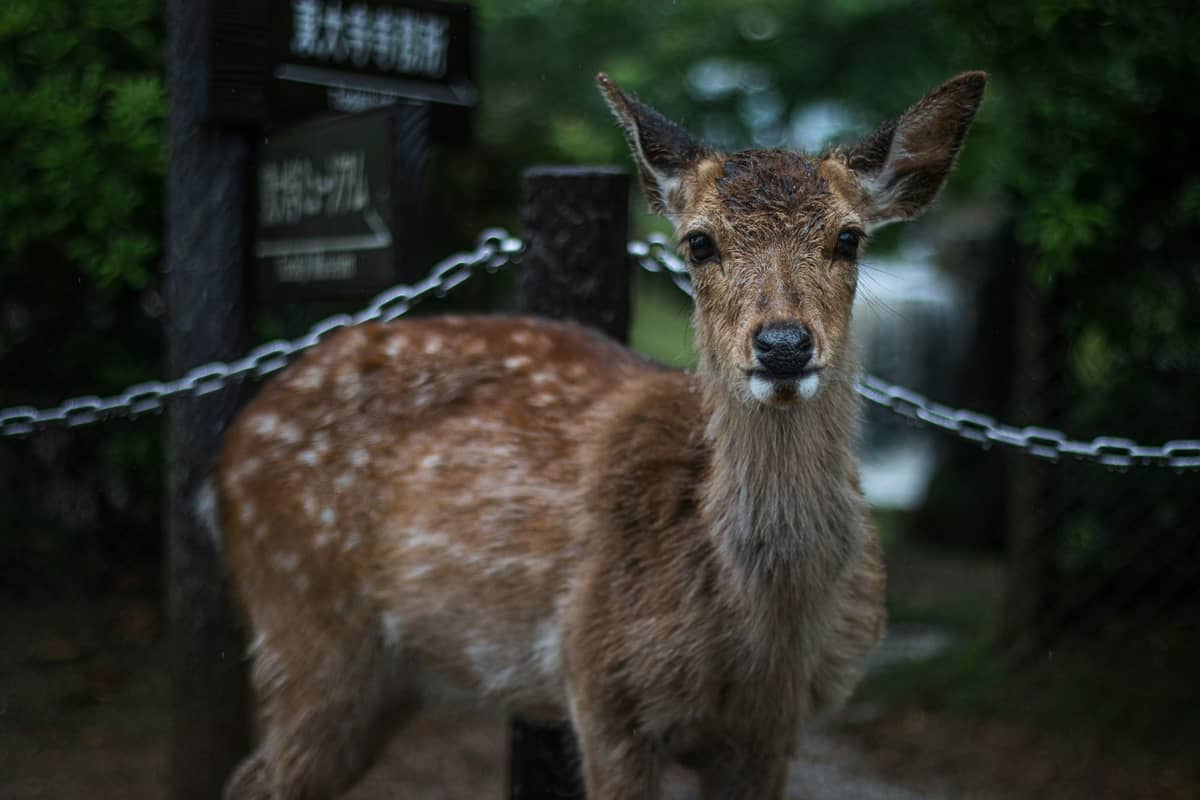
Nara's deer are the feature most visitors come for, and also the thing most people are underprepared for. These are wild sika deer, not domesticated animals, and they have learned over centuries that humans carry food. They bow for crackers (this is a conditioned behavior, not a sign of respect), but they will also headbutt, bite clothing, chase children, and occasionally charge if they think you are withholding food or if they feel threatened.
The risk is meaningfully higher during two periods. From September through November, males are in mating season and become noticeably more aggressive. From May through August, females with fawns are protective and may charge if approached too closely. Japan's Consumer Affairs Agency has issued formal warnings about deer-related injuries in Nara Park during these periods. If you are visiting with children or are uncertain, stay aware of deer body language: ears back, head lowered, and rapid approach are signs to step aside.
⚠️ What to skip
Feed deer only official shika senbei (deer crackers), sold by vendors throughout Nara Park for around ¥200 per pack. Feeding deer other food, including snacks from your bag, is harmful to their health and is actively discouraged by park authorities. Once you have crackers in hand, deer will crowd you quickly, so keep bags zipped and be ready to hold your ground or walk steadily.
Seasonal Considerations: Best and Worst Times to Visit
Nara rewards visits in spring and autumn more than any other season. Spring (late March to early April) brings cherry blossoms to Nara Park, particularly along the paths near Kofuku-ji and Yoshiki-en garden, but crowds peak sharply during sakura season. For broader context on timing, the best time to visit Osaka guide covers the Kansai region's seasonal rhythms in detail, which apply equally well to Nara planning.
Autumn (October to November) is arguably the strongest season for Nara: foliage turns around the forested slopes near Kasuga Taisha, temperatures are comfortable (typically around the mid-teens to around 20°C), and the park has a quieter quality than spring. The trade-off is the deer aggression issue noted above during September-November mating season. Winter is the least crowded period, and while Nara Park can be grey and cold (lows around 2-5°C), a light snowfall on Todai-ji's roof is genuinely striking. Summer is the most difficult: temperatures can exceed 35°C with high humidity, the midday deer are lethargic and less active, and queues for Todai-ji can be long. If you visit in summer, aim to arrive early (before 09:00) and retreat by early afternoon. For those visiting Osaka in autumn, the Osaka in autumn guide offers a useful seasonal overview.
Practical Details: Tickets, Passes, and Common Mistakes
Both JR and Kintetsu accept IC cards (Suica, ICOCA, PiTaPa) at the fare gates, which is the most convenient way to pay. Simply tap in and tap out; the correct fare is deducted automatically. If you prefer paper tickets, they are available from machines at both stations with English language menus. Note that the ¥500 IC card deposit is refundable when you return the card before leaving Japan, although most operators deduct a ¥220 handling fee from any remaining stored balance.
There is no dedicated Nara day pass for visitors coming from Osaka that offers the same value as, say, the Osaka Amazing Pass does within Osaka. Within Nara itself, the main sights are walkable from Kintetsu Nara Station, so additional transport costs inside Nara are minimal unless you are heading to Horyu-ji or more distant sites. Nara's Sightseeing Loop Bus covers the main park area and is useful if you want to avoid the 20-minute walk from JR Nara Station to the park.
- IC cards (Suica, ICOCA) work seamlessly on both JR and Kintetsu in this corridor. No need to buy separate tickets.
- JR Pass holders: use JR Yamatoji Rapid from Osaka Station or JR Osaka-Namba. Budget extra time to walk or bus from JR Nara Station to the park.
- No JR Pass: Kintetsu Rapid Express from Osaka-Namba is the default best choice for speed and convenience.
- Timetables and live schedules can be checked on Navitime or Hyperdia before departure.
- Most Nara Park attractions require separate admission. Todai-ji is around ¥800 for adults (verify current rates). The park grounds themselves are free.
- Do not book a round trip in advance — there is no benefit, and trains are frequent enough that you can return whenever suits you.
✨ Pro tip
If you are combining Nara with a day in Kyoto on the same trip, note that Nara is also accessible directly from Kyoto in about 45–60 minutes (JR Nara Line or Kintetsu). Some visitors do Osaka-Nara-Kyoto or Kyoto-Nara-Osaka as a single looping day rather than returning to base, which works well logistically and covers significant ground. Check the relevant transport connections carefully if you plan to do this.
Combining Nara with Osaka's Broader Itinerary
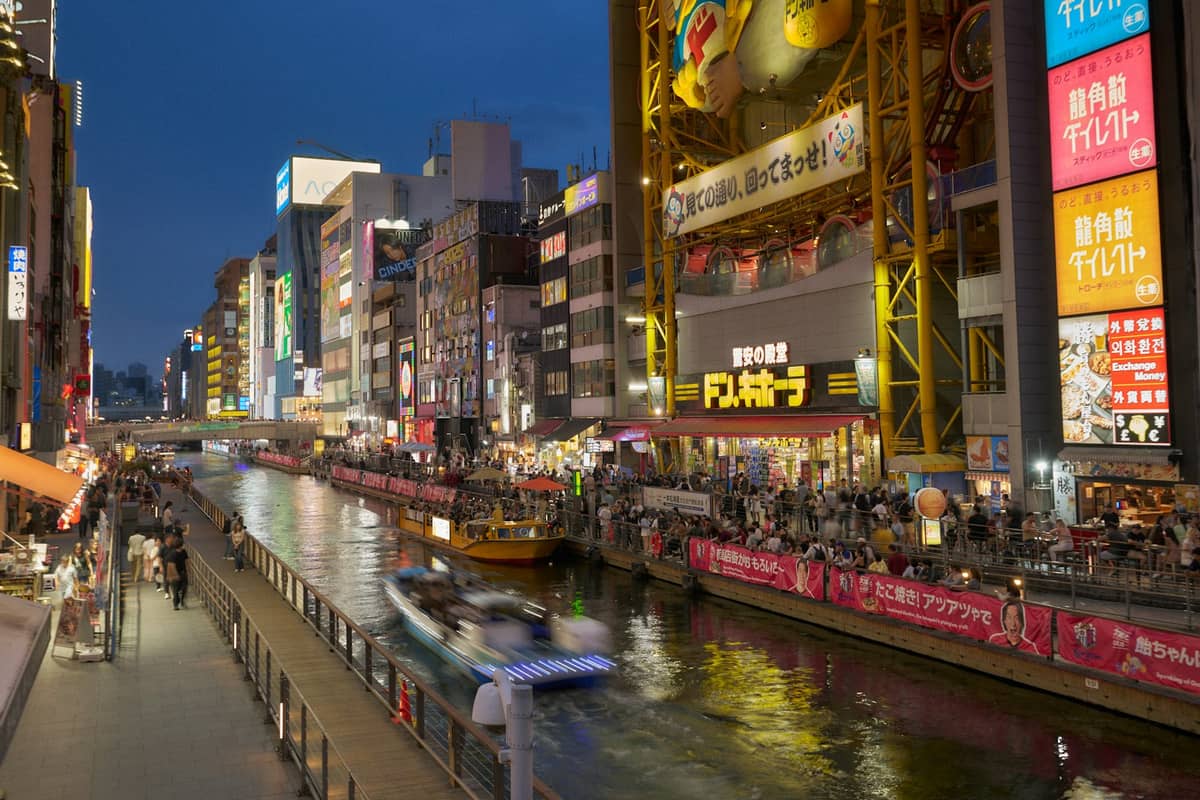
Nara fits naturally into a multi-day Osaka base. Most visitors allocate one full day and find it sufficient for the Nara Park circuit. If you are spending three or more days in Osaka and have flexibility, consider pairing Nara with a half-day back in Osaka focused on a district you have not yet explored, such as Shinsekai or the Kuromon Ichiba Market for an afternoon food run after returning from Nara.
For those deciding between Nara and Kyoto as a day trip option, both are genuinely worth a day each. Kyoto is larger and requires more selective planning to avoid feeling overwhelmed. Nara is more self-contained, with its main draw concentrated in a walkable park area. For a head-to-head comparison of Kansai priorities, the day trips from Osaka guide covers the full range of options with honest assessments of each.
FAQ
How long does the train from Osaka to Nara take?
It depends on the route. Kintetsu Rapid Express from Osaka-Namba to Kintetsu Nara takes about 36-40 minutes and is the fastest option for reaching Nara Park. JR Yamatoji Rapid from Osaka Station to JR Nara Station takes around 45-50 minutes, but JR Nara Station is a further 20-25 minute walk from the main sights.
Is the JR Pass valid for the Osaka to Nara trip?
The JR Pass covers the JR Yamatoji Rapid on the Osaka-Nara route, departing from JR Osaka Station or JR Osaka-Namba. It does not cover Kintetsu trains. If you have a JR Pass, use JR. If you do not, Kintetsu Rapid Express from Osaka-Namba is generally the better option for most visitors due to proximity to Nara Park.
Is Nara worth visiting as a day trip from Osaka, or should I stay overnight?
A day trip is more than enough for the vast majority of visitors. Nara Park, Todai-ji, Kasuga Taisha, and Kofuku-ji can all be covered comfortably in 6-8 hours. Staying overnight is an option if you want to see Nara at dawn before day-trippers arrive, or if you plan to explore more distant sites like Yoshino or Horyu-ji on a separate day, but it is far from necessary.
Are Nara's deer dangerous?
They can be. The deer are wild sika deer and can be aggressive, particularly during mating season (September-November) when males are active, and during fawn season (May-August) when females are protective. They can charge, headbutt, and bite clothing. Feed them only official shika senbei crackers sold in the park (around ¥200 per pack), keep bags zipped, and be alert around children.
What is the cheapest way to get from Osaka to Nara?
The JR Yamatoji Rapid from JR Osaka-Namba to JR Nara Station costs around ¥560 one way and is among the lowest-priced options. Kintetsu Rapid Express from Osaka-Namba to Kintetsu Nara is similarly priced at around ¥560-680 and puts you closer to the main sights. Both are good value. Prices are subject to change, so check current fares on Navitime or the relevant operator's website before traveling.