Best Time to Visit Osaka: A Season-by-Season Guide
Osaka rewards visitors year-round, but the experience changes dramatically depending on when you go. This guide breaks down each season's weather, crowd levels, price patterns, and standout events so you can choose the timing that suits your priorities.
Plan and book this trip
Tools from our partner Travelpayouts help you compare flights and hotels. If you book through them, we may earn a commission at no extra cost to you.
Flights
Hotels map
TL;DR
- Spring (March to May) and autumn (October to November) offer the most comfortable weather and the city's best seasonal scenery, but also the highest hotel prices and largest crowds, especially around cherry blossom season and Golden Week.
- Winter (January to February) is the best time to visit Osaka on a budget: fewer tourists, lower rates, and the city still has plenty going on.
- Summer is hot and humid with highs around 34°C, but July and August bring major festivals like Tenjin Matsuri and hotel prices often drop below spring levels.
- The rainy season (tsuyu) runs from early June to mid-July, with June averaging around 185mm of rain. Plan outdoor sightseeing accordingly.
- There is no single best month. April suits blossom-seekers, November suits foliage fans, and January suits budget travelers. Match your timing to your priorities.
Osaka's Climate at a Glance
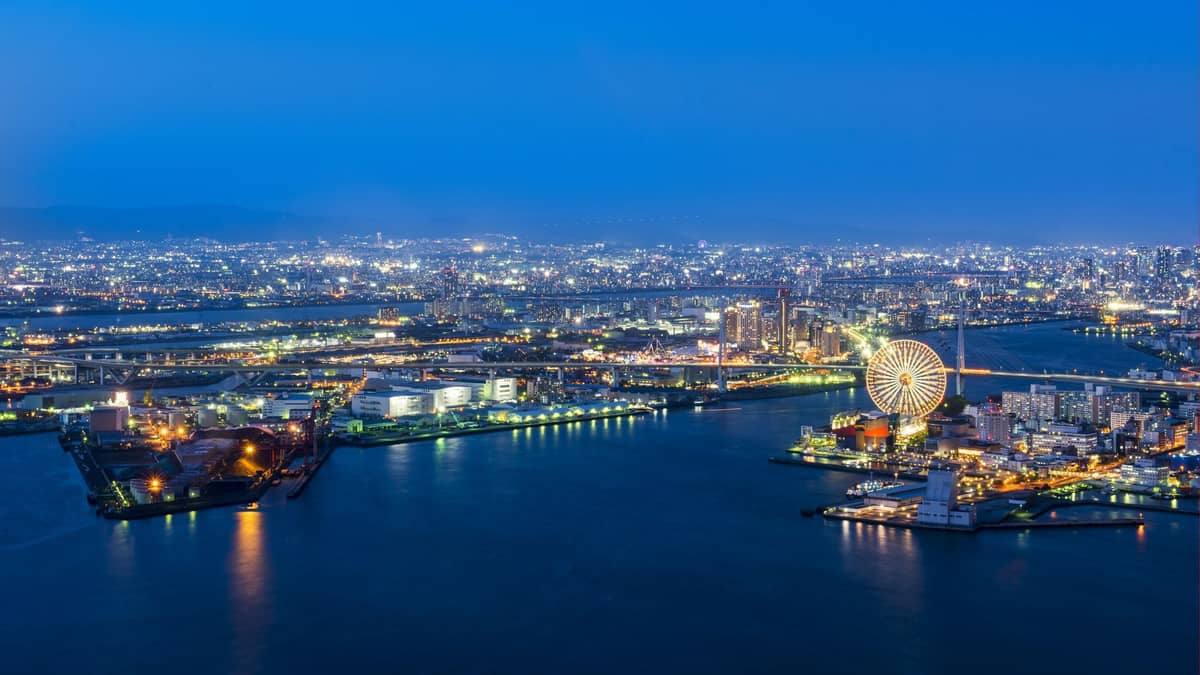
Osaka sits on the eastern shore of Osaka Bay in western Japan's Kansai region, and its climate is classified as humid subtropical (Köppen Cfa). That means four clearly defined seasons: cold, dry winters; warm, wet springs; intensely hot and humid summers; and mild, stable autumns. The city sits at near sea level, so there is nothing to buffer temperature extremes. Summer heat is real and worth taking seriously.
Rainfall is concentrated in two windows. Japan's rainy season (tsuyu) typically arrives in early June and lingers until around mid-July, with June recording the single highest monthly rainfall, around 185mm spread over roughly a dozen wet days. A second spike arrives in late summer as Pacific typhoons track toward the Japanese coast, making August and September the other months to watch for disruptions. Winter precipitation, by contrast, is low, and snow in central Osaka is rare and light.
ℹ️ Good to know
Osaka uses Japan Standard Time (JST), UTC+9, year-round. Japan does not observe daylight saving time, so there is no clock change to account for when planning itineraries.
Spring (March to May): Cherry Blossoms and Golden Week Crowds
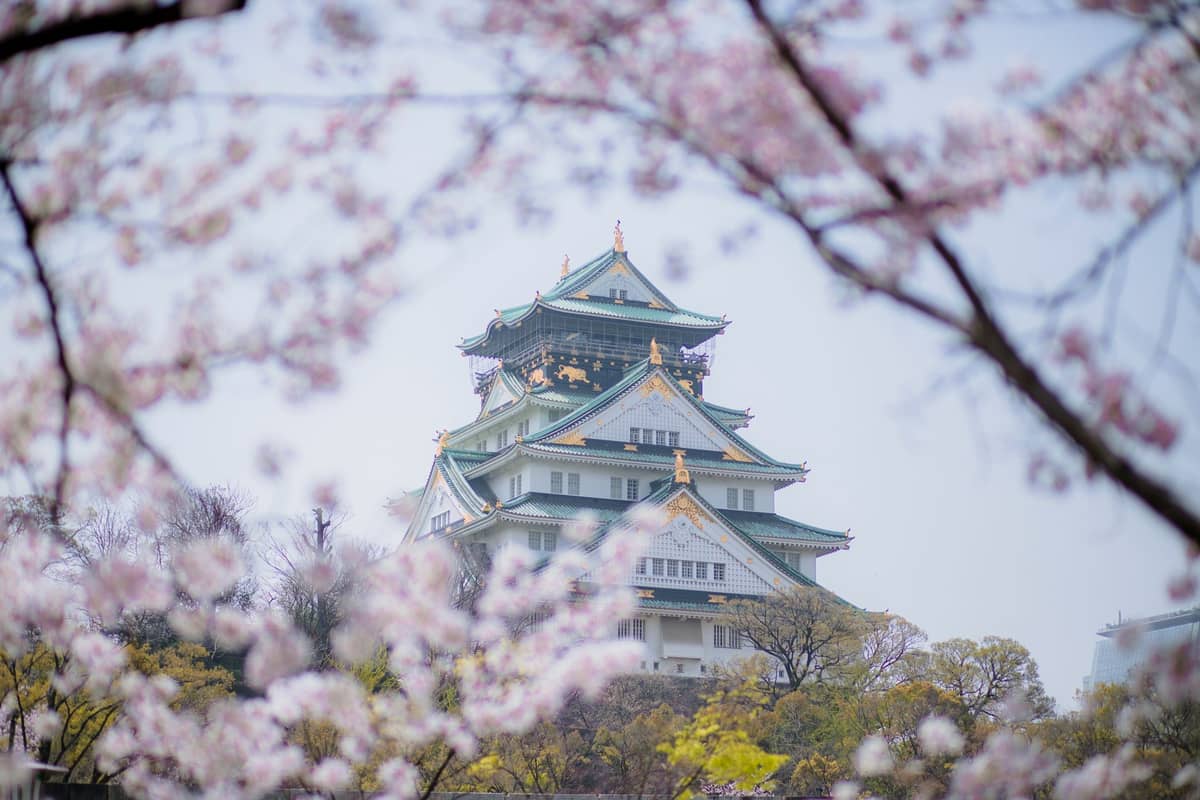
Spring is the most popular time to visit Osaka, and the reasons are easy to understand. Daytime temperatures climb steadily from around 13°C in March to a comfortable 23°C by May. Rain is moderate and generally manageable. The city's parks fill with cherry trees, and the hanami (blossom-viewing) season typically peaks in late March to early April, depending on the year's temperatures.
The best spots for cherry blossoms include Osaka Castle Park and Kema Sakuranomiya Park along the Okawa River, where roughly 4,700 trees line both banks. The cherry blossom season in Osaka is genuinely spectacular, but it is short, typically lasting 10 to 14 days at peak bloom.
The trade-off is crowds and cost. Late March through early April is one of the two busiest periods of the year. Hotels in central Osaka can sell out weeks in advance and prices reflect the demand. The second crunch comes during Golden Week, Japan's cluster of national holidays from late April to early May, when domestic travelers flood the city. If you visit during Golden Week without advance bookings, expect full trains, queued attractions, and inflated accommodation rates.
⚠️ What to skip
Golden Week runs approximately April 29 to May 6. This is the busiest domestic travel period in Japan. Book accommodation at least two to three months ahead if your dates overlap with this window, particularly in popular areas like Namba and Shinsaibashi.
May is often the sweet spot of spring. Blossoms are gone, Golden Week crowds have dispersed, temperatures are pleasant, and the city returns to something like a normal pace. Humidity begins creeping up by late May, but nothing like the full force of summer. For travelers who want good weather without the peak rush, early to mid-May deserves serious consideration.
Summer (June to August): Festivals, Heat, and Lower Prices
Summer in Osaka is not for everyone. Average highs in July and August regularly reach 32 to 33°C, and the humidity makes that heat feel heavier than the numbers suggest. The tsuyu rainy season dominates June, with frequent showers and grey skies. This combination keeps many international tourists away, which is exactly why summer can work well for a specific type of traveler.
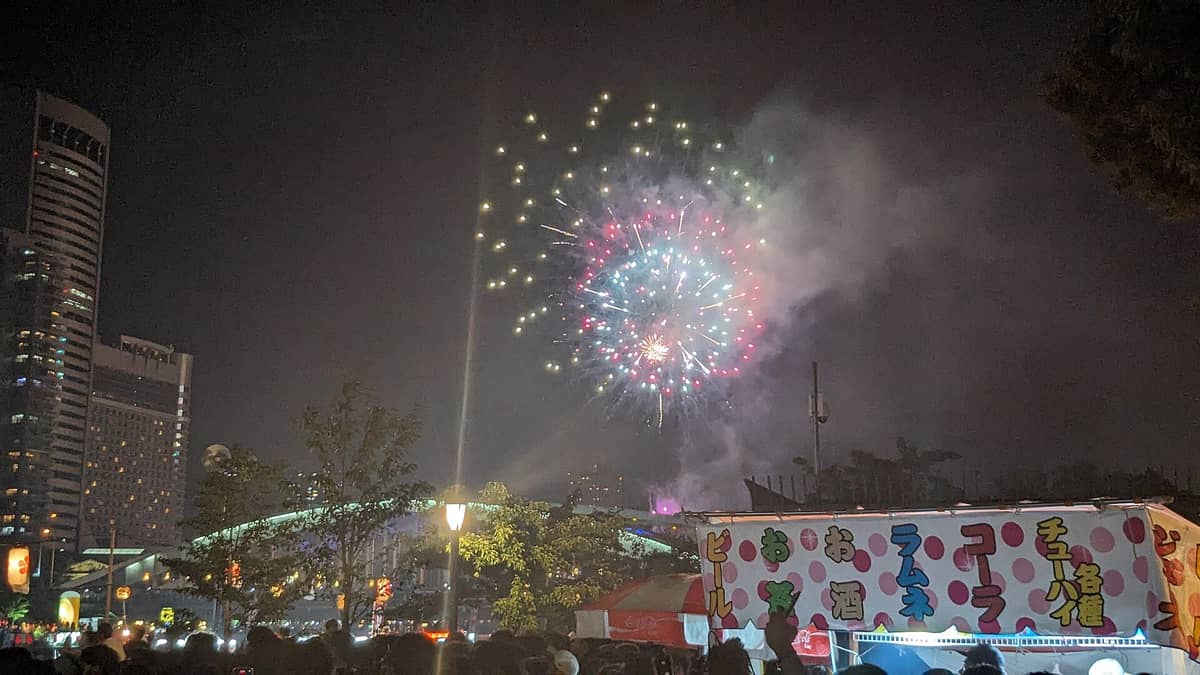
Accommodation prices drop noticeably compared to spring and autumn peaks. The major attractions are accessible without the queues that define cherry blossom season. And summer offers some of Osaka's most distinctive cultural events. Tenjin Matsuri, held on July 24 and 25, is one of Japan's three great festivals, centered on Osaka Tenmangu Shrine with a river procession of illuminated boats that draws enormous local crowds. Separate fireworks festivals run across July and August, and the Obon holiday period in mid-August brings a different kind of festive atmosphere to neighborhoods across the city.
💡 Local tip
If you visit in summer, schedule outdoor sightseeing in the early morning (before 9am) or after 5pm when the heat is more manageable. Osaka's covered shopping arcades like Shinsaibashi-suji and Tenjinbashisuji are ideal midday refuges that also happen to be worth exploring for their own merits.
Summer is also when Universal Studios Japan runs its summer event programming. Lines are long but the park's air-conditioned indoor attractions offer some relief. If USJ is on your itinerary, booking tickets well ahead applies in all seasons but is especially critical in July and August.
Autumn (October to November): The Strongest All-Round Case
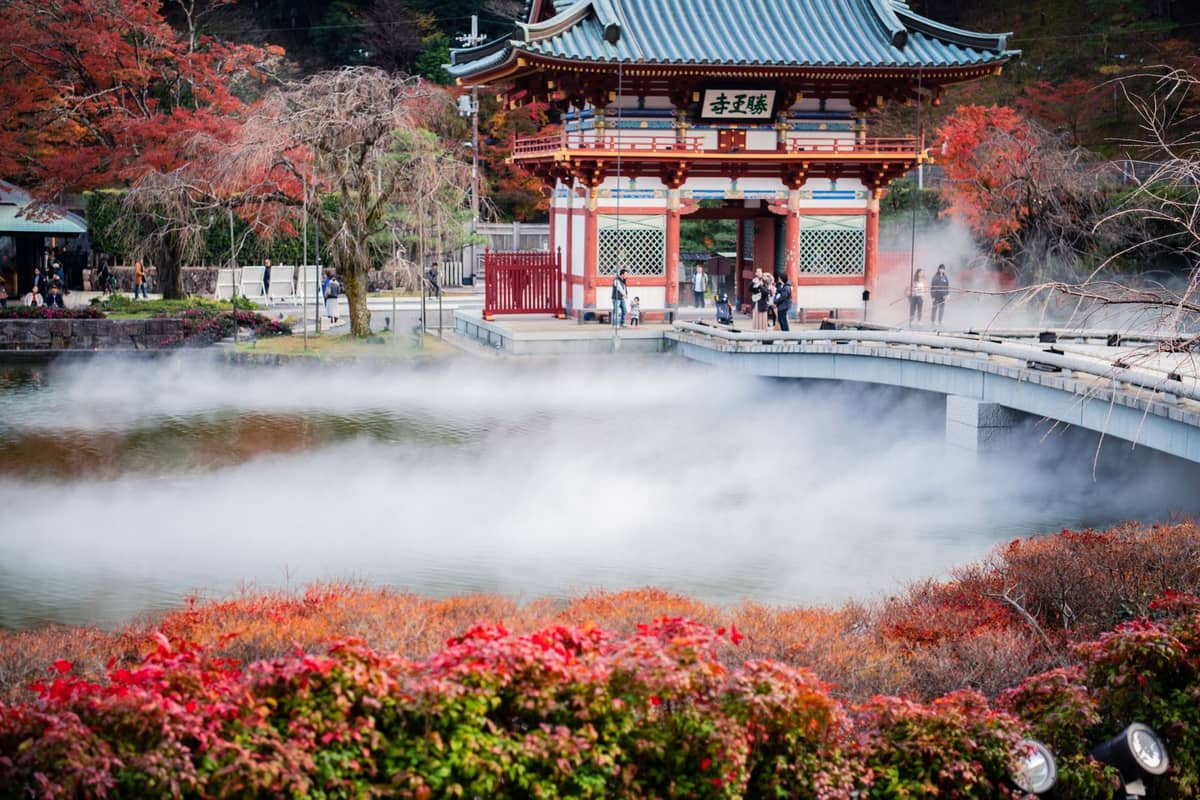
Autumn consistently earns the strongest overall recommendation from most Japan travel sources, and Osaka is no exception. Temperatures in October and November range from roughly 15 to 27°C at the start of the season, cooling to 10 to 18°C by late November. Humidity drops significantly after September. Rain is relatively infrequent. The skies tend toward clear and blue, which makes outdoor sightseeing genuinely enjoyable rather than something to endure between weather events.
Autumn foliage (koyo) typically peaks in mid to late November, sometimes extending into early December. Osaka is not as famous for koyo as Kyoto, but several parks and temple grounds put on a credible display. Osaka Castle Park and Nishinomaru Garden within the castle complex are reliable spots, and Minoh, north of the city, is a dedicated autumn foliage destination that draws day-trippers throughout November.
The main drawback of autumn is that it shares the same high-demand pattern as spring. October through mid-November sees strong visitor numbers, and hotel rates reflect that. Booking three to four weeks ahead is the minimum for autumn; for the foliage peak in mid-November, more lead time is safer. That said, autumn crowds in Osaka generally feel more manageable than spring, partly because domestic tourists concentrate more heavily on Kyoto for the koyo season.
- October Warm days, cooling evenings, no rainy season. Ideal balance of weather and moderate crowds before the foliage peak. Good hotel availability at the start of the month.
- November Peak foliage season. Crisp, clear days with temperatures around 12 to 20°C. High demand and prices, particularly mid-month. Book early.
- Early December Foliage lingers in some spots. Winter illuminations begin. Tourist numbers drop sharply after mid-month, offering better value before the New Year holiday.
Winter (December to February): The Budget Traveler's Season
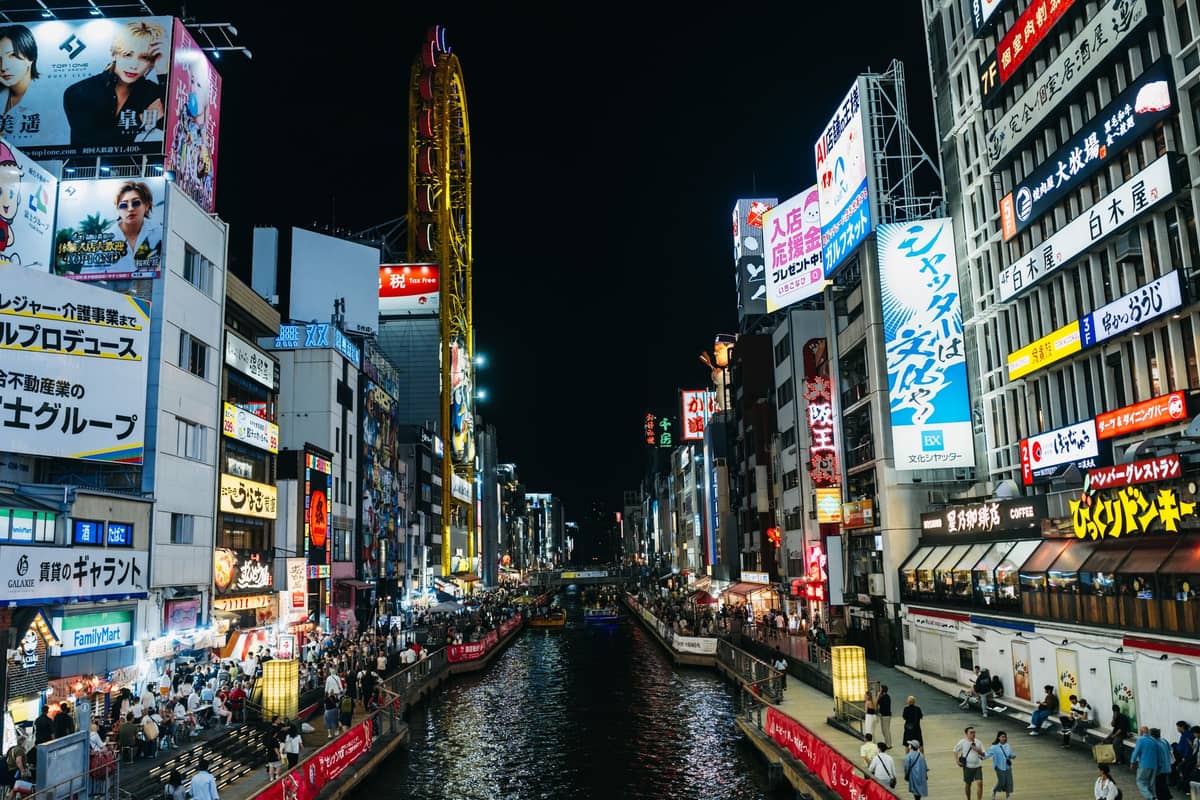
Winter in Osaka is cold but not severe. Average daytime temperatures range from around 8 to 12°C in December and January, with overnight lows dipping to 2 to 5°C. Snow does occasionally fall in the city, but it rarely accumulates and does not typically disrupt transport or sightseeing. The skies are often clear and dry, which actually makes winter one of the better seasons for photography, with good visibility and low haze.
January and February are when Osaka is least crowded with international visitors, and hotel prices reflect that reality. For travelers who are comfortable with a coat and layers, winter offers good value access to all the city's major attractions without queues. Osaka Castle is significantly less crowded in winter, and the budget-conscious traveler will find accommodation deals that simply do not exist in April or November.
Two exceptions to winter's quiet rhythm are worth noting. The New Year period (late December through the first week of January) is a major domestic holiday in Japan. Shrines and temples see large local crowds for hatsumode, the first shrine visit of the year. Accommodation books up and prices spike around New Year's Eve and the first few days of January. February brings the opposite: it is arguably the quietest, cheapest month of the year in Osaka with no major holiday pressure.
Winter is also when Osaka's illumination events run, with light installations across commercial districts and parks. The winter in Osaka guide covers the seasonal highlights in detail, including the Hikari Renaissance light festival at Nakanoshima and the various Christmas market-style events that appear in Umeda and Namba.
Choosing Your Timing: A Practical Framework
The right time to visit Osaka depends on what you are optimizing for. There is no single answer, which is why most 'best time' guides end up being frustratingly vague. The breakdown below is more direct.
- For cherry blossoms Late March to early April. Accept higher prices and crowds as the cost of entry. Book accommodation at least six to eight weeks in advance.
- For autumn foliage Mid to late November. Slightly less crowded than spring in Osaka specifically, but still book early. Consider combining with a Kyoto day trip for the full koyo experience.
- For festivals and nightlife Late July for Tenjin Matsuri, or August for fireworks events. Accept the heat and humidity as the trade-off for Osaka at its most festive and most local-feeling.
- For budget travel January or February. Lowest prices of the year, thin crowds, and the city's food and cultural scene operates fully regardless of season.
- For first-time visitors wanting good weather without peak pricing Early May or October. These shoulder periods sit just outside the main price spikes but still deliver comfortable temperatures and good outdoor conditions.
Whichever season you choose, having a clear plan for how to get around the city makes a significant difference. The guide to getting around Osaka covers the metro, rail passes, and day-trip logistics. If you are combining Osaka with Kyoto or Nara, the Osaka to Kyoto transport options and Osaka to Nara day trip guide are worth reading before you arrive.
✨ Pro tip
If your dates fall during the cherry blossom season or Golden Week, look at accommodation in Umeda (Kita district) rather than Namba or Dotonbori. Umeda typically has more hotel inventory, slightly better availability, and direct access to JR and Hankyu lines. You can reach Namba in about 8 minutes by metro.
FAQ
What is the best time to visit Osaka for cherry blossoms?
Cherry blossoms in Osaka typically peak in late March to early April, though the exact timing shifts by a week or so depending on winter temperatures. Osaka Castle Park and Kema Sakuranomiya Park along the Okawa River are the most reliable viewing spots. The bloom period lasts roughly 10 to 14 days at peak, so if blossoms are your primary reason for visiting, keep an eye on the Japan Meteorological Corporation's annual bloom forecasts and book accommodation as early as possible.
Is summer a bad time to visit Osaka?
Not necessarily. July and August are hot and humid, with daytime highs regularly reaching 33 to 34°C, and June brings the rainy season (tsuyu). But summer also offers lower hotel prices than spring or autumn, fewer international tourists, and major festivals including Tenjin Matsuri on July 24 and 25. If you plan indoor activities for midday and take heat precautions, summer can be a perfectly viable time to visit, especially for budget-conscious travelers.
When is Osaka cheapest to visit?
January and February are the cheapest months. International tourist numbers are at their lowest, there are no major holidays driving up domestic demand (except right around New Year, which ends in the first week of January), and hotels offer their best rates. Mid-June is also relatively affordable, though the rainy season makes outdoor sightseeing less comfortable.
How does the rainy season affect travel in Osaka?
Japan's rainy season (tsuyu) typically covers Osaka from early June to around mid-July. June is the wettest month, averaging around 185mm of rainfall over roughly 12 rainy days. This does not mean it rains all day every day, but overcast skies and afternoon showers are common. Indoor attractions like the Osaka Aquarium Kaiyukan, museums in Nakanoshima, and covered shopping arcades remain fully enjoyable. A compact umbrella is essential packing for June and early July.
Is autumn or spring better for a first visit to Osaka?
Both seasons are excellent, and the right answer depends on your priorities. Spring offers cherry blossoms and higher energy in the city, but it is the more crowded and expensive of the two. Autumn delivers arguably more stable weather, beautiful foliage in late November, and slightly less extreme tourist pressure in Osaka specifically (Kyoto draws the biggest autumn crowds in the Kansai region). For a first visit where you want to balance good weather, pleasant walking conditions, and reasonable hotel availability, early October is a strong choice.