Getting Around Osaka: The Complete Transport Guide
Osaka has one of the most efficient urban transport networks in Japan, with nine color-coded metro lines, overlapping JR and private railways, and a tap-and-go IC card system that connects virtually every corner of the city. This guide covers everything from airport transfers to day passes, so you spend less time figuring out tickets and more time exploring.
Plan and book this trip
Tools from our partner Travelpayouts help you compare flights and hotels. If you book through them, we may earn a commission at no extra cost to you.
Flights
Hotels map
TL;DR
- Osaka Metro runs 9 lines across the city; base fares start around ¥190 and the system is fully IC card compatible.
- Get an ICOCA card on arrival — it works on Osaka Metro, JR lines, private railways, and most buses across the Kansai region. See our Osaka Amazing Pass guide if you plan to visit multiple attractions in one or two days.
- From Kansai International Airport (KIX), the Nankai Rapi:t express reaches Namba in about 35-40 minutes for around ¥1,130-¥1,520. The regular Airport Express is slower (44-50 min) but costs roughly ¥930-¥980.
- The Osaka Metro 1-Day Pass costs ¥820 on weekdays but drops to ¥620 on weekends and public holidays — buy it on the right day and it pays for itself quickly.
- Taxis exist but are expensive for longer journeys; the ¥15,000-¥24,000 fare from KIX to central Osaka makes them a last resort, not a default.
The Osaka Metro: Your Default Way Around the City
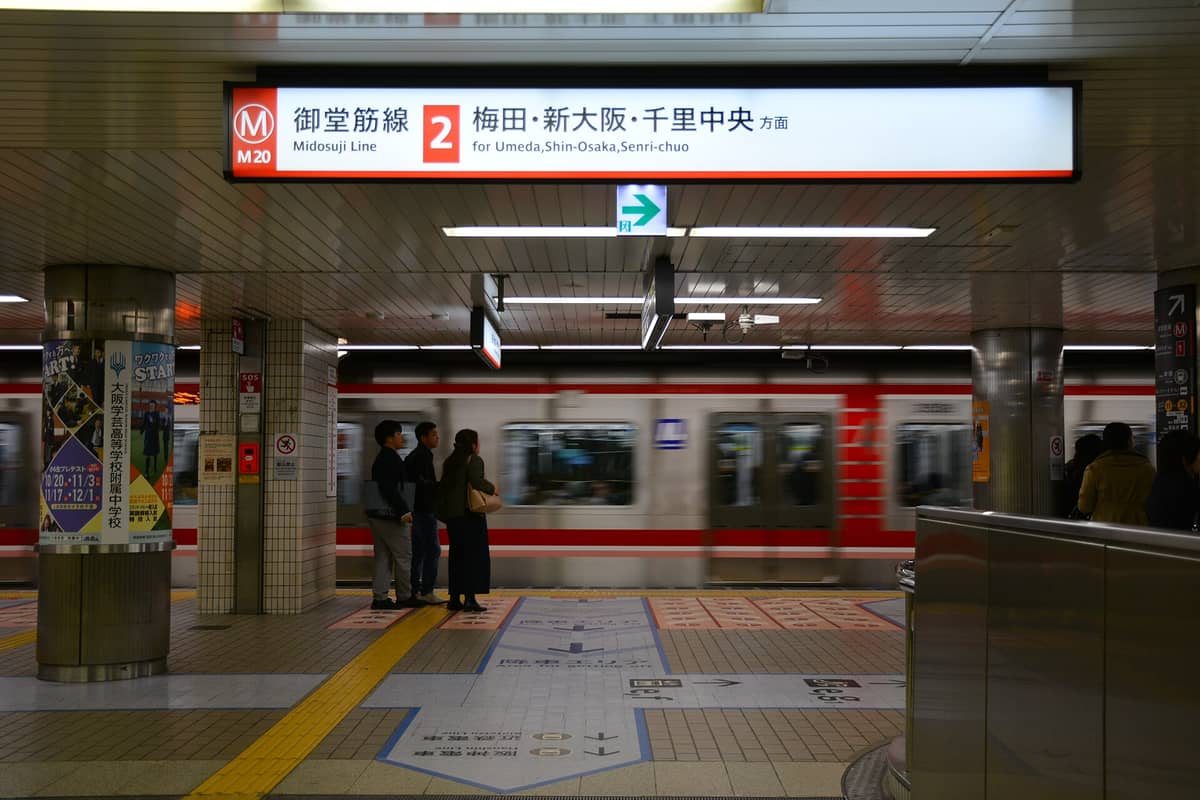
Osaka Metro operates nine color-coded lines that cover central Osaka thoroughly. The Midosuji Line (red) is the spine of the system, running north-south through Shin-Osaka, Umeda, Shinsaibashi, Namba, and Tennoji — basically the entire tourist corridor in a single straight line. The Tanimachi Line and Chuo Line add east-west coverage, and between them you can reach almost any major neighborhood with at most one transfer.
Fares are distance-based, starting at around ¥190 for short hops and rising from there. For most journeys within central Osaka, you'll pay ¥190-¥280. Transfers between Osaka Metro and Osaka Bay Area bus services qualify for a ¥100 discount on the combined fare, which adds up if you're doing a full day of sightseeing across different neighborhoods.
💡 Local tip
The Osaka Metro 1-Day Pass costs ¥820 on weekdays and just ¥620 on Saturdays, Sundays, and public holidays. If you're doing four or more metro trips in a day — easy to do when sightseeing — the pass pays for itself. Buy it at any metro station ticket machine before your first journey.
Stations are well-signposted in English and the route map available on the official Osaka Metro site is clickable, showing exits and nearby facilities for each station. Navigation is straightforward even for first-time visitors. Station numbers (e.g., M16 for Namba on the Midosuji Line) make it easy to confirm you're heading the right way without reading Japanese.
IC Cards: Get an ICOCA Before You Do Anything Else
ICOCA is the Kansai region's rechargeable IC card, and it is the single most practical piece of travel infrastructure you can acquire in Osaka. Tap in, tap out — no queuing for individual tickets, no calculating fares, no fumbling with coins. It works across Osaka Metro, JR West local and regional lines, Nankai Railway, Keihan, Hankyu, Hanshin, and most city bus routes. One card covers the entire trip from KIX to your hotel and every journey in between.
You can buy ICOCA at the pink ticket machines and commuter pass counters at any Osaka Metro station, as well as at JR West stations including Osaka and Shin-Osaka. The card requires a ¥500 deposit (refunded when you return it) and you load credit in ¥1,000 increments. Top it up at any ticket machine when the balance runs low. ICOCA is also accepted at many convenience stores, vending machines, and some restaurants, so leftover balance rarely goes to waste.
ℹ️ Good to know
ICOCA and Suica (Tokyo's IC card) are mutually compatible. If you're coming from Tokyo or continuing there, you can use the same card across both cities without switching.
JR West, Private Railways, and Getting Between Districts
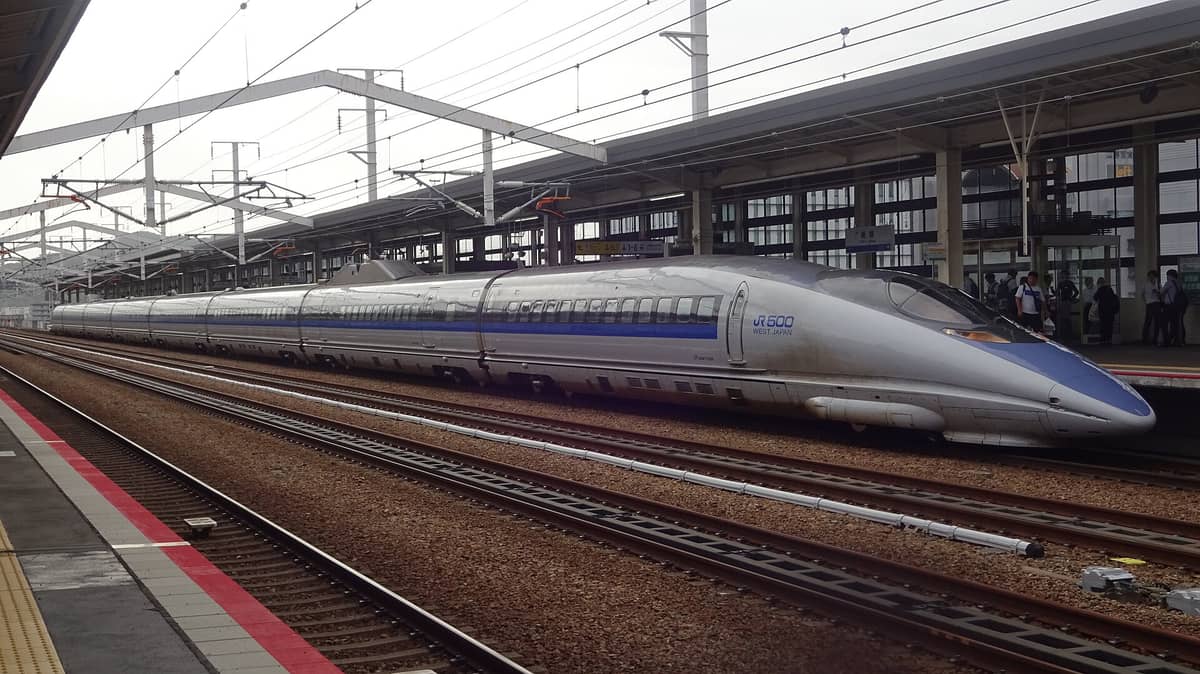
The Osaka Metro covers the city, but JR West and several private railways are faster or more direct for certain routes. JR's Osaka Loop Line connects Osaka Station (Umeda), Tennoji, and the Bay Area in a circular route and is included in the Japan Rail Pass if you have one. Shin-Osaka Station is Osaka's shinkansen hub, connecting to Tokyo (about 2.5 hours on the Nozomi), Kyoto, and Hiroshima.
- Nankai Railway Best for KIX airport transfers to Namba. Also useful for day trips to Wakayama and Koyasan.
- Keihan Railway Connects Osaka (from Yodoyabashi and Kyobashi) to Kyoto — a solid alternative to the Shinkansen for budget-conscious travelers.
- Hankyu Railway Links Umeda to Kyoto (Kawaramachi), Kobe (Sannomiya), and Takarazuka. Comfortable and frequent.
- Hanshin Railway Another Umeda-to-Kobe option, and useful for Koshien Stadium (baseball fans take note).
- Kintetsu Railway Departs from Osaka-Namba Station toward Nara, Ise-Shima, and Nagoya. The fastest rail link to Nara for day trips.
For day trips, each of these railways integrates cleanly with ICOCA, so you rarely need a separate ticket. If you're planning multiple day trips from Osaka, load a generous balance on your IC card and let the gates handle the rest.
Getting from Kansai Airport (KIX) to Central Osaka
Kansai International Airport sits on an artificial island in Osaka Bay, roughly 38-50 km from central Osaka depending on your destination. There are four realistic options: the Nankai Railway, JR Haruka Express, limousine bus, and taxi. The first two are the most popular for good reason.
- Nankai Rapi:t (fastest to Namba) Takes about 35-40 minutes to Namba. Fares range from around ¥1,130-¥1,520 depending on seat type. The distinctive iron mask-shaped trains run frequently and have designated luggage space — ideal if you're staying in Namba or Shinsaibashi.
- Nankai Airport Express (budget option) Same route, 44-50 minutes, around ¥930-¥980. No reserved seats, slightly slower, but perfectly comfortable and often less crowded.
- JR Haruka Express (best for Umeda or Shin-Osaka) Connects KIX to Tennoji and Shin-Osaka. Fares run approximately ¥1,740-¥2,280 for reserved seats. Japan Rail Pass holders can use this train, though pass eligibility should be checked before travel.
- Airport Limousine Bus Drops you directly at major hotels and transport hubs including Osaka Station/Umeda and Namba. Takes 50-70 minutes and costs roughly ¥1,550-¥1,800. Good if you have heavy luggage and a hotel near a bus stop.
- Taxi Expensive and slow. Expect ¥15,000-¥24,000 to central Osaka depending on traffic, destination, and tolls. Only makes sense if you're splitting with a group or travelling very late at night.
⚠️ What to skip
All transport fares and timetables are subject to change. The figures above reflect documented ranges as of the time of writing — always confirm current prices on the Nankai Railway, JR West, and airport bus operator websites before you travel.
Itami Airport (ITM), which handles most domestic flights, is much closer to the city at around 15-18 km from central Osaka. Limousine buses connect Itami to Osaka Station, Namba, and other hubs in roughly 25-40 minutes, making it a convenient alternative for domestic arrivals.
Tourist Passes: When They're Worth It and When They're Not
Two passes dominate the conversation for tourists: the Osaka Metro 1-Day Pass (transport only) and the Osaka Amazing Pass (transport plus attraction admissions). They serve different types of days.
The Osaka Metro 1-Day Pass is purely a transport product. At ¥820 on weekdays and ¥620 on weekends and public holidays, it covers unlimited rides on all nine metro lines for a full calendar day. It makes clear financial sense if you're doing four or more metro trips. On a walking-heavy day with only two or three metro journeys, pay per trip with ICOCA instead.
The Osaka Amazing Pass is a different animal. At ¥3,500 for one day or ¥5,000 for two days (or ¥3,800 / ¥5,400 for the Itami Airport version), it bundles unlimited rides on Osaka Metro, Osaka City Bus (most routes), New Tram, and major private railways within Osaka City, plus free admission to a long list of attractions. If you're planning to visit paid attractions like Osaka Castle, Umeda Sky Building, or the Osaka Museum of History in addition to regular transit, the combined value can easily exceed the pass price. If you're spending the day at Universal Studios Japan or one specific attraction, it's not the right tool.
✨ Pro tip
The Osaka Amazing Pass information desk operates Monday to Friday, 9:00-17:00, and is closed weekends, public holidays, and year-end/new-year periods. Buy your pass online or at a participating sales point before you need it, so you're not scrambling on the day.
Buses, Taxis, and Getting Around by Other Means
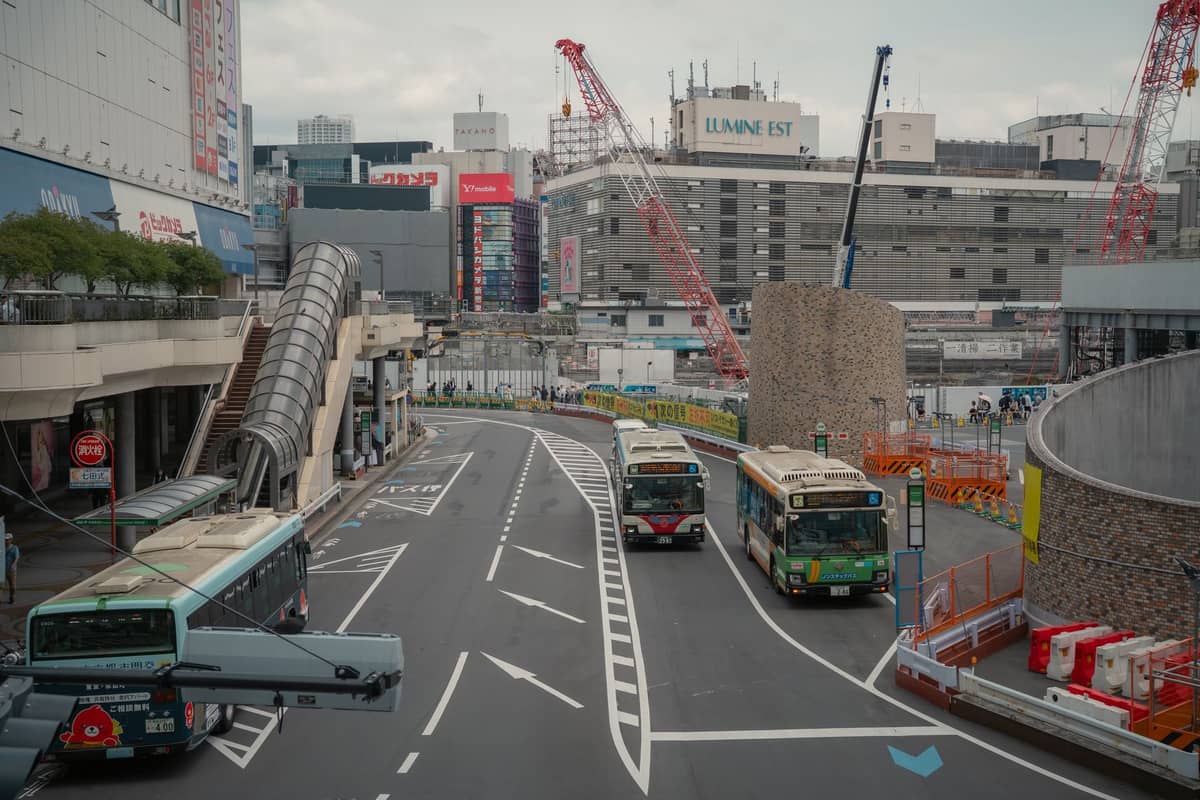
City buses fill gaps the metro doesn't cover, particularly in residential areas and along routes that don't have direct rail access. ICOCA works on all city bus routes, and if you're transferring between Osaka Metro and city buses within a set window, you receive a ¥100 discount automatically. Bus stops have English signage in central areas, though navigation is more complex than the metro. For most tourists, buses are a secondary option rather than a primary one.
Taxis in Osaka are metered and reliable, but they're priced accordingly. For short hops in central Osaka when you're carrying luggage or it's late at night, they're practical. For longer journeys, the metro is almost always faster and dramatically cheaper. App-based services including Uber operate in Osaka, though their coverage and regulation in Japan differs from Western markets — check current availability before relying on them. If you're visiting Universal Studios Japan or the Osaka Bay Area, the JR Osaka Loop Line and direct bus services are more reliable than hailing a taxi.
Cycling is possible in Osaka and rental shops exist, but the city is large, traffic can be dense, and many of the main tourist routes are better served by metro. It's worth considering for specific low-traffic areas like Nakanoshima or the castle park grounds, but not as a primary way to navigate the city.
Navigating Osaka's Key Districts by Transport
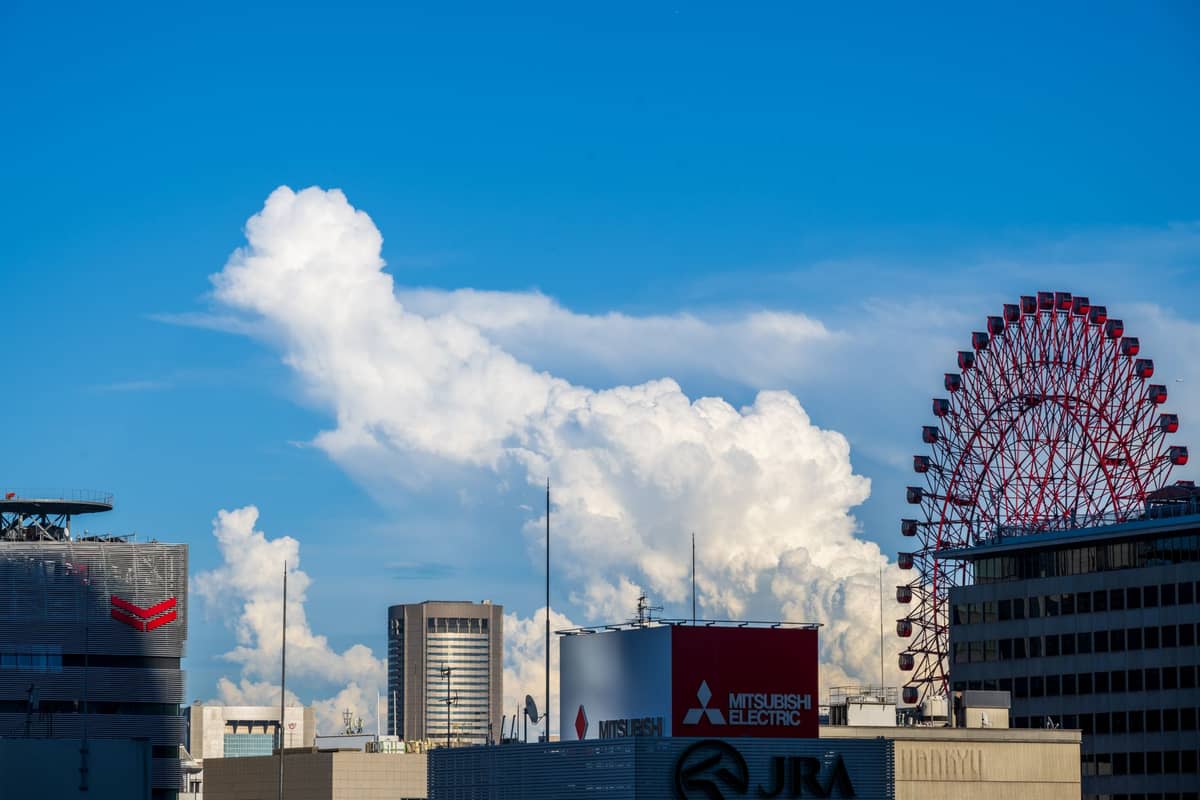
Understanding which station serves which district saves significant time. Umeda (Osaka Station on JR, Umeda Station on Midosuji Line) is the northern commercial hub and the main shinkansen connector via nearby Shin-Osaka. Namba is the southern entertainment core, served by the Midosuji, Yotsubashi, and Sennichimae metro lines, as well as Nankai Railway for airport access.
- Umeda / Osaka Station (Kita) JR Osaka Station + Hankyu/Hanshin Umeda + Midosuji Line. The city's main rail interchange and shopping district.
- Shin-Osaka Shinkansen hub on JR and Midosuji Line. Your starting point for bullet train trips to Kyoto, Hiroshima, or Tokyo.
- Namba / Dotonbori (Minami) Nankai Namba + multiple metro lines. The Nankai Rapi:t from KIX drops you here directly.
- Tennoji JR + Midosuji/Tanimachi metro lines. Gateway to Shinsekai, Shitennoji, and Abeno Harukas.
- Osaka Bay Area / Universal City JR Osaka Loop Line to Sakurajima/Universal City. Also served by some limousine bus routes from KIX.
If you're doing a broader Kansai itinerary, Osaka works excellently as a base. The Osaka to Kyoto route takes as little as 15 minutes by shinkansen from Shin-Osaka or about 30-40 minutes by Keihan or Hankyu from Umeda. For Nara day trips, Kintetsu from Osaka-Namba is the simplest option.
FAQ
Do I need a separate card for each train company in Osaka?
No. A single ICOCA card works across Osaka Metro, JR West, Nankai, Keihan, Hankyu, Hanshin, Kintetsu, and most city buses. Load credit and tap in and out regardless of operator. You only need a separate ticket if you're taking a reserved-seat express like the Haruka or Rapi:t — but even then, ICOCA can pay the base fare, and you add a supplement for the reserved seat.
Is the Osaka Amazing Pass worth it?
It depends on your itinerary. At ¥3,500 for a 1-day pass, you need to use the transit and visit enough included attractions to exceed that value. If you're planning to visit Osaka Castle, Umeda Sky Building, and the Osaka Museum of History in a single day while using the metro throughout, the pass saves money. If you're spending most of the day at one major paid attraction or walking, skip it and use ICOCA with a simple metro day pass.
What is the cheapest way to get from Kansai Airport to Osaka?
The Nankai Airport Express is the most budget-friendly direct rail option at around ¥930-¥980 to Namba, taking 44-50 minutes. If you're heading to Umeda, the Airport Express followed by a metro connection is still cheaper than most alternatives. Limousine buses cost more (around ¥1,550-¥1,800) but can be more convenient if your hotel is near a bus drop-off point.
Can I use a Japan Rail Pass to get around Osaka?
Partially. The JR Pass covers JR West lines including the Osaka Loop Line, the Haruka Express from KIX, and shinkansen services from Shin-Osaka. It does not cover Osaka Metro or private railways like Nankai, Keihan, or Hankyu. For getting around the city center, you'll still want an ICOCA card for metro journeys. The JR Pass is most valuable if you're also doing multiple long-distance trips.
How crowded is Osaka Metro during rush hour?
Osaka Metro's rush hours run roughly 7:30-9:00am and 5:30-7:30pm on weekdays. The Midosuji Line in particular gets very crowded between Umeda and Namba during these windows. If your schedule is flexible, shift sightseeing travel to mid-morning or early afternoon. On weekends, the tourist corridor (Umeda to Namba) can also get busy around midday, though not to the same degree as weekday rush hour.