Osaka to Kyoto: How to Get There & What to Do
Kyoto is just 24 minutes from central Osaka by train, but choosing the wrong route can cost you time and money. This guide covers every transport option, from the cheapest private railways to the shinkansen, plus practical advice on where to go in Kyoto once you arrive.
Plan and book this trip
Tools from our partner Travelpayouts help you compare flights and hotels. If you book through them, we may earn a commission at no extra cost to you.
Flights
Hotels map
TL;DR
- The fastest practical option from Osaka to Kyoto is the JR Kyoto Line Special Rapid: about 24-30 minutes, ¥580 one way, no reservation needed.
- The shinkansen from Shin-Osaka takes only 13 minutes but costs roughly ¥1,450+ for an unreserved seat — rarely worth it for such a short distance.
- Hankyu Railway (¥410) and Keihan Railway (¥490) are cheaper than JR and drop you closer to Gion, Kawaramachi, and eastern Kyoto.
- During cherry blossom season (late March to early April) and autumn foliage (November), trains fill fast — plan departures before 9am or after 7pm.
- Check our full Osaka travel guide if you're still planning your base city before deciding on day trips.
Why the Osaka-Kyoto Route Confuses So Many Travelers
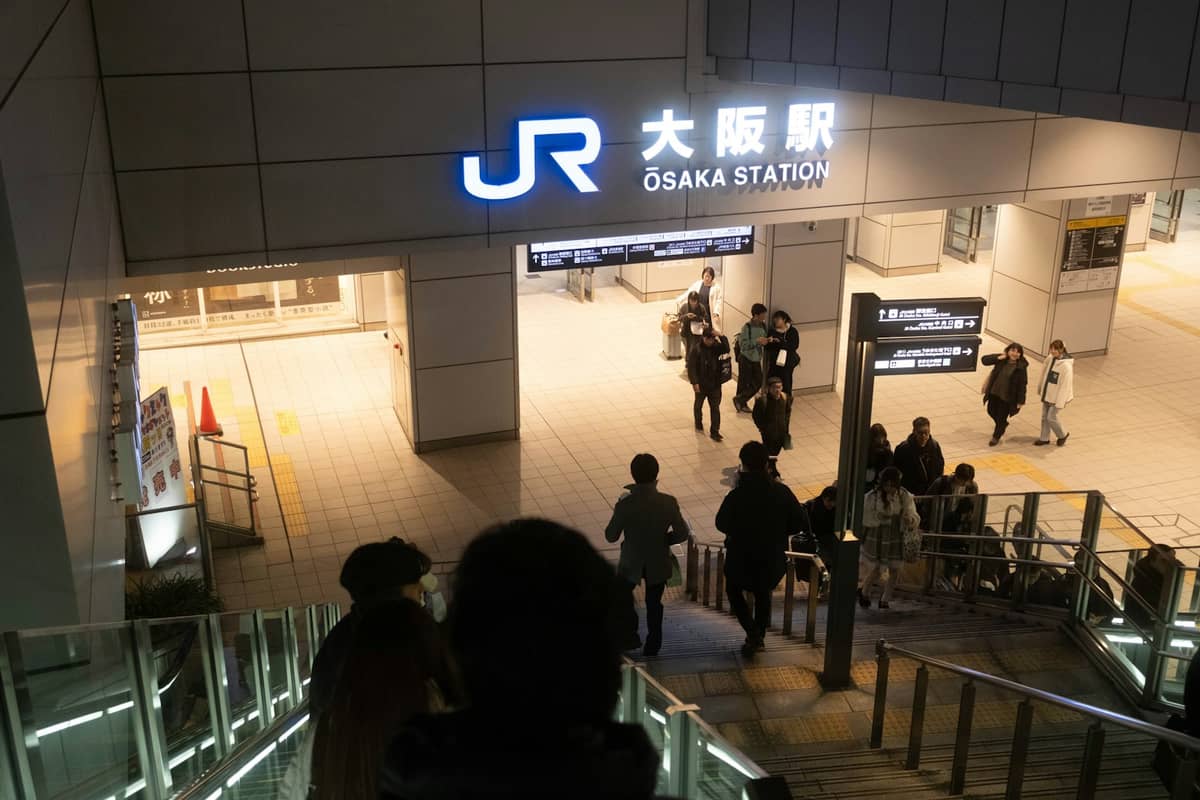
The route between Osaka and Kyoto is one of the most traveled corridors in Japan, but it trips up first-time visitors precisely because there are too many good options. You have the JR Kyoto Line, the shinkansen, Hankyu, and Keihan — all running on different tracks, serving different parts of the city, at different prices. Making the wrong call doesn't ruin your trip, but it can mean an unnecessary surcharge or an extra 20-minute walk to the temple you came to see.
Most confusion stems from two assumptions: that the shinkansen is always the smartest choice, and that Kyoto Station puts you near everything. Neither is true. Understanding which line goes where is more valuable than chasing the fastest journey time. If you're still weighing whether to base yourself in Osaka or Kyoto at all, our comparison of Osaka vs Kyoto is worth reading first.
Your Main Options: Trains from Osaka to Kyoto
There are three practical rail options for the Osaka-Kyoto journey, each suited to different starting points and destinations within Kyoto. Here's a clear breakdown of each.
- JR Kyoto Line Special Rapid (Best All-Rounder) Departs from Osaka Station (also stops at Shin-Osaka). Journey time: 24-30 minutes to Kyoto Station. Fare: ¥580 one way. Covered by the Japan Rail Pass. Trains run several times per hour throughout the day, with no reservation required. This is the default choice for most travelers heading to Kyoto Station and central sights.
- Shinkansen via Shin-Osaka (Fastest, But Rarely Worth It) Departs from Shin-Osaka Station (requires a separate metro or JR trip from central Osaka). Journey time: 13 minutes to Kyoto. Unreserved fare: around ¥1,450; reserved seats around ¥3,080. Nozomi, Hikari, and Kodama all stop at Kyoto. The Japan Rail Pass covers Hikari and Kodama but not Nozomi. The door-to-door time advantage over the JR Special Rapid is minimal once you factor in the journey to Shin-Osaka.
- Hankyu Railway (Cheapest, Best for Central Kyoto) Departs from Osaka-Umeda Station (Hankyu). Journey time: 40-45 minutes to Kawaramachi Station in central Kyoto. Fare: around ¥410 one way. NOT covered by the Japan Rail Pass. Kawaramachi Station drops you directly in Gion and the Higashiyama district — far more convenient than JR Kyoto Station for most sightseeing.
- Keihan Railway (Best for Gion and Fushimi Inari) Departs from Yodoyabashi or Kyobashi stations in Osaka. Journey time: around 40-50 minutes to Gion-Shijo or Sanjo stations in Kyoto. Fare: around ¥490 one way. NOT covered by the Japan Rail Pass. Particularly useful for the Fushimi Inari area (via Fushimi Inari Station on the Keihan line) and the Kawaramachi/Gion corridor.
⚠️ What to skip
Nozomi does stop at Kyoto, but it is not covered by the Japan Rail Pass. Hikari and Kodama also stop at Kyoto and are covered by the pass. Confirm current fares and timetables on the JR West official website before you travel, as prices are subject to change.
Which Train Should You Take? An Honest Recommendation
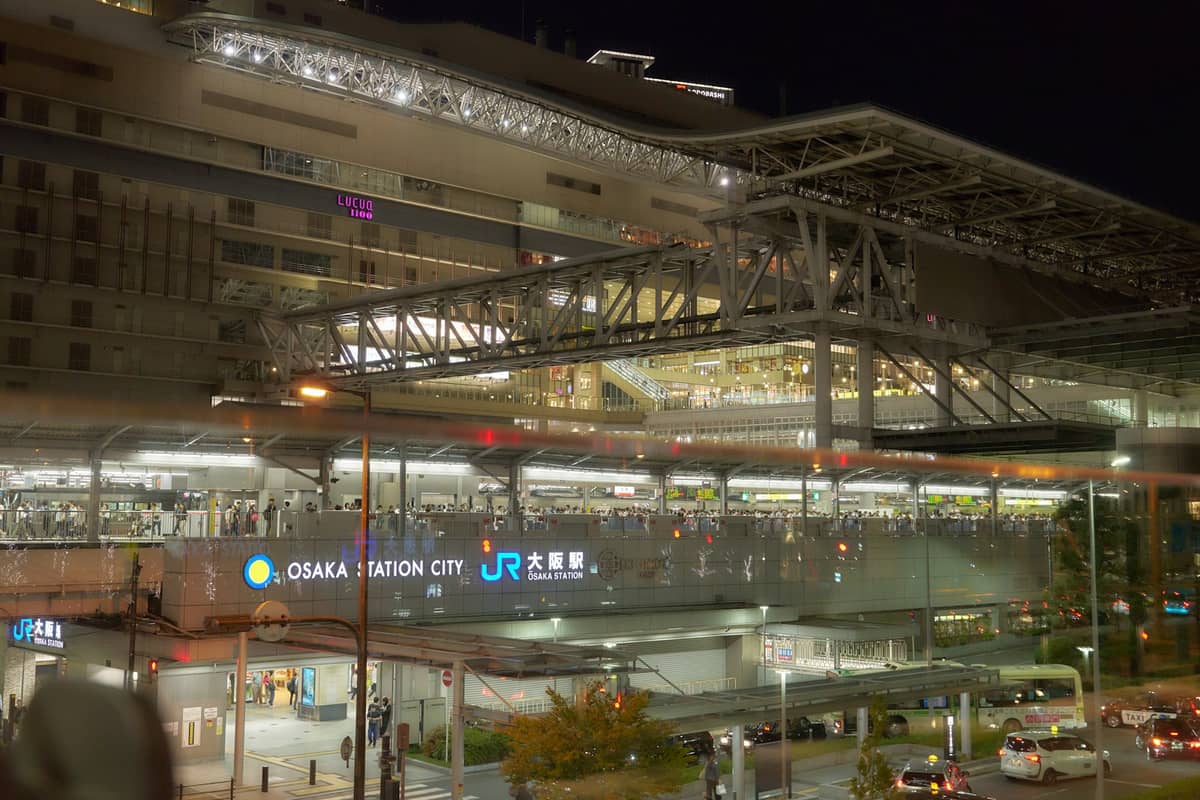
For most travelers starting from the Umeda or Namba area of Osaka, the JR Kyoto Line Special Rapid from Osaka Station is the best default. It's fast enough, cheap at ¥580, and runs constantly throughout the day. If you have a Japan Rail Pass, it's covered — making it essentially free as part of your pass usage.
The shinkansen from Shin-Osaka is worth considering only in specific situations: you're already at Shin-Osaka Station with a JR Pass, or you're continuing to Tokyo the same day and want to test it. For a standalone Osaka-to-Kyoto trip, paying ¥1,450 or more to save 15 minutes is a poor trade. Factor in the extra time to reach Shin-Osaka from central Osaka and the advantage largely disappears.
If your Kyoto itinerary focuses on Gion, the Higashiyama walking trail, Nishiki Market, or the Kamo River area, Hankyu to Kawaramachi beats the JR option for convenience and price. You'll arrive at ¥410 in the heart of where you want to be, rather than walking or taking a bus from Kyoto Station. Similarly, Keihan is the logical choice if Fushimi Inari is your first stop.
✨ Pro tip
JR Pass holders: the pass covers the JR Kyoto Line Special Rapid fully. You do not need to use the shinkansen just because you have a pass. Run the numbers — if the JR Kyoto Line serves your itinerary, save your shinkansen uses for longer legs of your Japan trip.
Seasonal Crowds and When to Travel
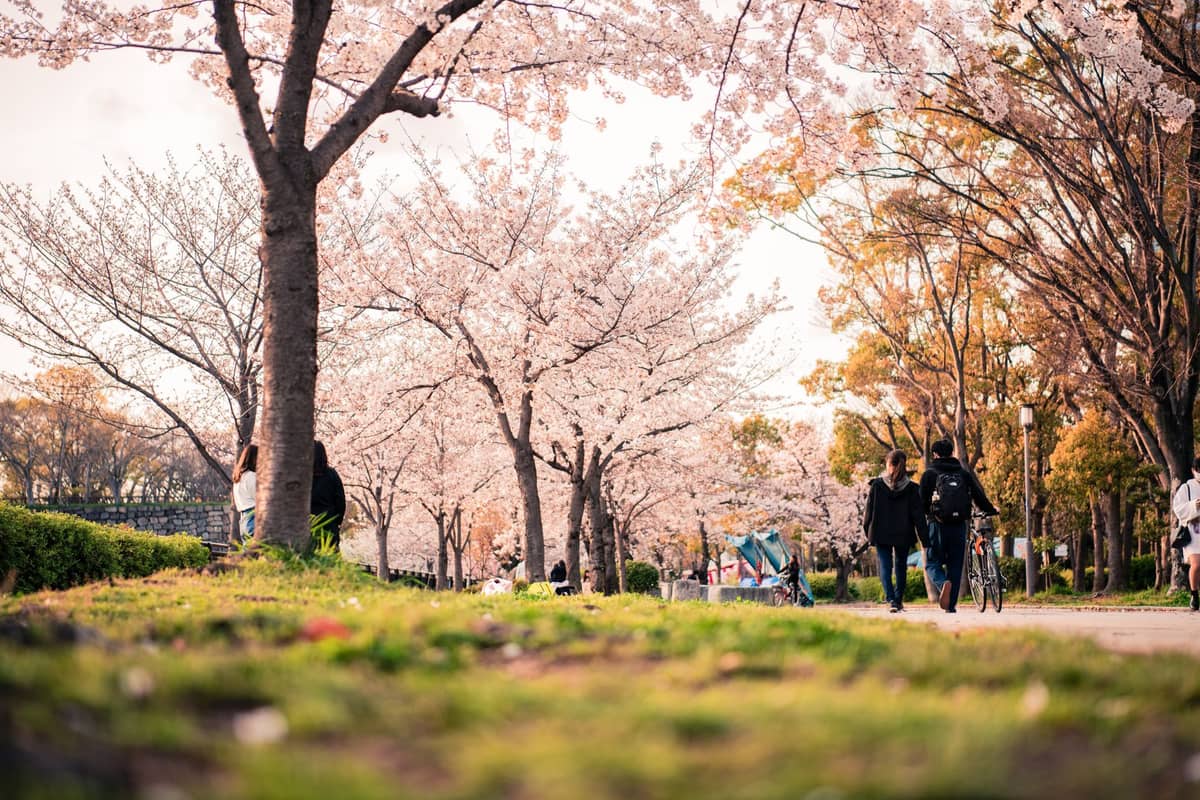
Kyoto is one of Japan's most visited cities, and the Osaka-Kyoto train corridor absorbs the overflow during peak periods. Cherry blossom season (typically late March to early April) and autumn foliage (November) push crowd levels on JR and private lines to their highest points. If you're planning a spring visit, our Osaka cherry blossom guide covers timing across the Kansai region, including what to expect at Kyoto's parks.
Golden Week (late April to early May) and the New Year holiday period (roughly December 28 to January 4) also see dramatically higher train usage. On these dates, unreserved shinkansen carriages can fill completely. If you're set on the shinkansen during peak periods, book a reserved seat at least several days in advance. For the JR Kyoto Line Special Rapid, there are no reservations — it's first come, first served, so arrive on the platform a few minutes early.
The quietest windows for this route are typically mid-January to mid-February and mid-June to mid-July (outside the rainy season peak). If your schedule is flexible, autumn weekdays in October are arguably the most comfortable time to do Kyoto as a day trip from Osaka. For a broader look at seasonal timing, see our guide on the best time to visit Osaka.
💡 Local tip
Travel before 9am or after 7pm to avoid peak crowds on the Osaka-Kyoto route, especially during sakura and koyo seasons. Midday trains on weekdays are significantly less packed than morning and early afternoon services during busy periods.
What to Do in Kyoto: Practical Starting Points
Kyoto has hundreds of temples, shrines, gardens, and neighborhoods worth exploring, but a day trip from Osaka benefits from a focused itinerary. Trying to cover the entire city in one visit is one of the most common mistakes travelers make. Choose one or two areas and go deep rather than rushing across the city.
- Arrive at Kawaramachi (Hankyu) for Gion and Higashiyama The Higashiyama walking route from Kiyomizudera down through Ninenzaka, Sannenzaka, and into Gion is Kyoto's most rewarding half-day walk. Starting from Kawaramachi puts you 15-20 minutes on foot from Kiyomizudera and directly in the Gion district. Best explored before 9am to avoid tour groups.
- Arrive at Kyoto Station (JR) for Fushimi and Nishiki JR Kyoto Station is a hub for onward buses to Arashiyama, the Nishiki Market area (short taxi or walk), and Tofukuji. It's also the most logical base if you're connecting to Nara later the same day by JR Nara Line.
- Arrive at Fushimi Inari (Keihan) for the gates Fushimi Inari Taisha and its famous torii gate trails are a 2-3 hour commitment minimum. Using the Keihan line to Fushimi Inari Station puts you right at the shrine entrance. Go as early as possible — by 9am in peak season, the lower gates are already crowded. The upper trails thin out considerably.
- Arashiyama Bamboo Grove (bus or JR San-in Line from Kyoto Station) The bamboo grove is best visited before 8am. After that, the narrow paths fill with tour groups. From Kyoto Station, take the JR San-in Line (Sagano Line) to Saga-Arashiyama Station — around 15 minutes. Combine with Tenryu-ji garden and Togetsukyo Bridge for a full half-day.
If you're planning a more comprehensive trip from Osaka beyond just Kyoto, the day trips from Osaka guide covers Nara, Hiroshima, Himeji, and other Kansai options worth adding to your itinerary.
Practical Logistics: Tickets, IC Cards, and Passes
For the JR Kyoto Line and shinkansen, you can purchase tickets at automated machines at any JR station — most have an English interface. IC cards (Suica or ICOCA) work on JR Kyoto Line trains and deduct the ¥580 fare automatically, which is faster than buying a paper ticket. IC cards do not cover shinkansen services.
Hankyu and Keihan lines have their own ticketing systems, separate from JR. Buy tickets at the machines inside each respective station. IC cards (Suica, ICOCA, PiTaPa) also work on both Hankyu and Keihan, making them the most convenient option if you're hopping between lines. Hankyu and Keihan are not covered by the Japan Rail Pass under any circumstances.
If you're doing multiple day trips from Osaka and visiting several Kansai cities, the Osaka Amazing Pass or a Kansai Area Pass may reduce your overall transport costs. The Osaka Amazing Pass guide explains exactly what's covered and whether the math works for your trip. For getting around within Osaka itself, see our guide to getting around Osaka.
If Nara is also on your list, the JR Nara Line runs directly from Kyoto Station and takes around 45-75 minutes depending on the service. Combining Kyoto and Nara in one day from Osaka is doable but tiring. Our Osaka to Nara guide has full logistics for that route separately.
FAQ
How long does the train from Osaka to Kyoto take?
The JR Kyoto Line Special Rapid takes about 24-30 minutes from Osaka Station to Kyoto Station. The shinkansen from Shin-Osaka takes 13 minutes, but you need to factor in travel time to Shin-Osaka from central Osaka. Hankyu and Keihan trains take around 40-50 minutes but drop you closer to many of Kyoto's main sightseeing areas.
What is the cheapest way to get from Osaka to Kyoto?
Hankyu Railway from Osaka-Umeda to Kawaramachi is the cheapest option at around ¥410 one way. Keihan Railway costs around ¥490. The JR Kyoto Line costs ¥580. The shinkansen is the most expensive at ¥1,450 or more for an unreserved seat.
Is the Japan Rail Pass worth using for Osaka to Kyoto?
If you already have a JR Pass, the JR Kyoto Line Special Rapid is fully covered — use it. However, buying a JR Pass specifically for this route doesn't make financial sense. The Hankyu or Keihan options are cheaper on their own, and the JR Kyoto Line ticket is only ¥580. A JR Pass pays off over longer multi-city routes within Japan.
Should I take the shinkansen from Osaka to Kyoto?
In most cases, no. The shinkansen from Shin-Osaka to Kyoto takes 13 minutes, but the fare is ¥1,450+ for an unreserved seat — more than double the JR Kyoto Line cost. By the time you travel from central Osaka to Shin-Osaka Station, the total door-to-door time difference is minimal. The shinkansen makes sense if you have a JR Pass and are already at Shin-Osaka, or if you're chaining it with a longer leg of your Japan trip.
Which train is better for visiting Gion and the Higashiyama area in Kyoto?
Hankyu Railway to Kawaramachi Station is the better choice for Gion and Higashiyama. It drops you directly in the Kawaramachi-Gion district, putting you within walking distance of the Higashiyama slope trail, Ninenzaka, and Sannenzaka. JR Kyoto Station is further from these areas and would require a bus or taxi to get there.