Cherry Blossom Season in Osaka: Best Spots, Timing, and What to Expect
Osaka's cherry blossom season typically peaks in early April, but the full picture is more nuanced than most guides admit. From riverside parks with 5,000 trees to a rare late-blooming tunnel at the Mint Bureau, this guide covers exactly when to go, where to stand, and how to avoid the most crowded mistakes.
Plan and book this trip
Tools from our partner Travelpayouts help you compare flights and hotels. If you book through them, we may earn a commission at no extra cost to you.
Flights
Hotels map
TL;DR
- Peak cherry blossom season in Osaka runs from late March to early April, with the best viewing window typically around April 1–7 in most years.
- In 2026, first bloom is forecast to appear around March 24–26; full bloom is forecast around March 31–April 3. Peak typically lasts 7–10 days.
- Top spots: Kema Sakuranomiya Park (5,000+ trees along the river), Osaka Castle Park, and the Japan Mint Bureau's famous late-blooming tunnel.
- The Mint Bureau opens its blossom corridor for just one week in mid-April, featuring rare double-flowered yaezakura that most visitors miss entirely.
- Dates shift by 3–7 days each year based on winter temperatures. Check the Japan Meteorological Corporation forecast before booking travel.
When Cherry Blossoms Bloom in Osaka: Timing Explained
Cherry blossom season in Osaka follows a consistent but never perfectly predictable pattern. The dominant variety, Somei-yoshino, typically reaches first bloom in the final week of March, with full bloom arriving a few days later. In 2026, forecasters have placed first bloom around March 24–26 and full bloom around March 31–April 3, with the ideal viewing window running April 1–7. That said, these are forecasts, not guarantees. A warm February can push bloom earlier by nearly a week; a cold snap in March can delay it.
Peak bloom from full blossom to petal fall lasts roughly 7–10 days under normal conditions. Rain and wind can shorten this significantly. If you're planning a trip specifically around sakura, build in a buffer of at least 2–3 days on either side of the forecast peak. Visiting on a single fixed date is a gamble, especially if you're traveling from overseas.
⚠️ What to skip
Bloom dates shift by several days year to year. Always check the Japan Meteorological Corporation's official sakura forecast (n-kishou.com) in the weeks before your trip. Do not rely on last year's dates or fixed calendar assumptions.
One common misconception is that late March visitors will miss everything. In reality, partial bloom from around March 27 onward offers some of the best photography opportunities, with flowers against bare branches rather than fully leafed-out trees. Conversely, late April is not a total loss either, once you know about the yaezakura varieties discussed below.
The Best Cherry Blossom Spots in Osaka
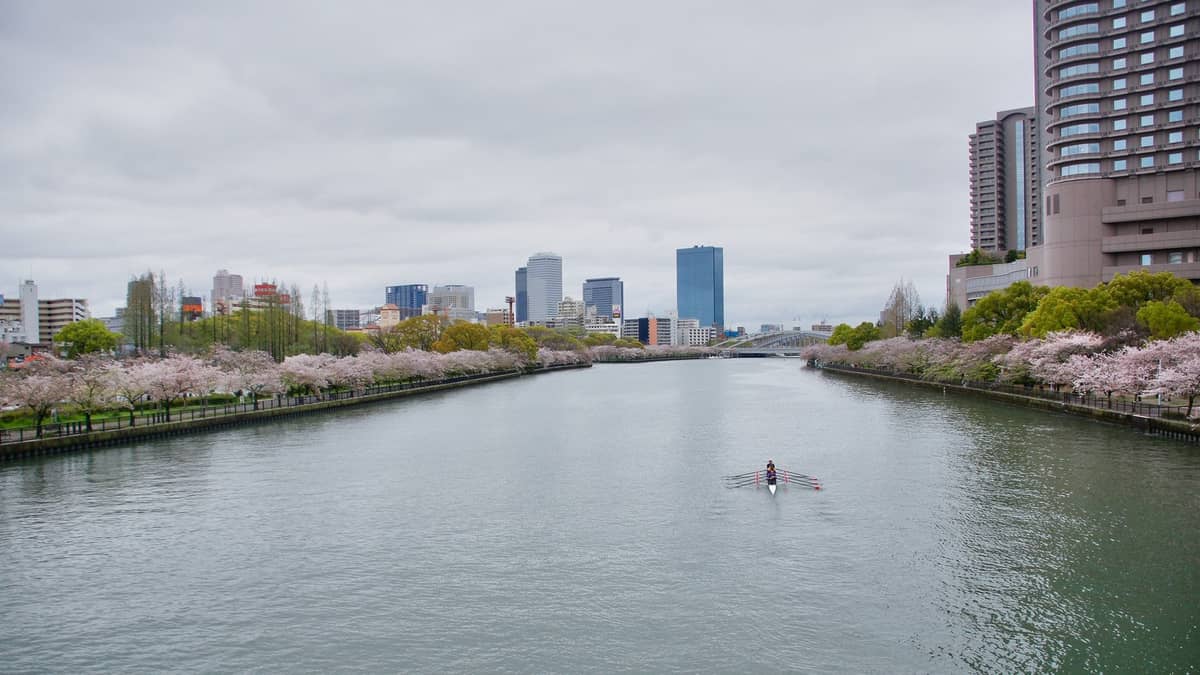
Osaka has several serious blossom destinations worth planning around. The most popular is Kema Sakuranomiya Park, a riverside strip along the Okawa River in the northeast of the city. The park stretches roughly 4 kilometers and contains over 5,000 cherry trees, almost all Somei-yoshino. At full bloom, the canopy over the riverbank path is genuinely spectacular, and the reflection on the water adds another dimension that open-ground parks simply cannot offer.
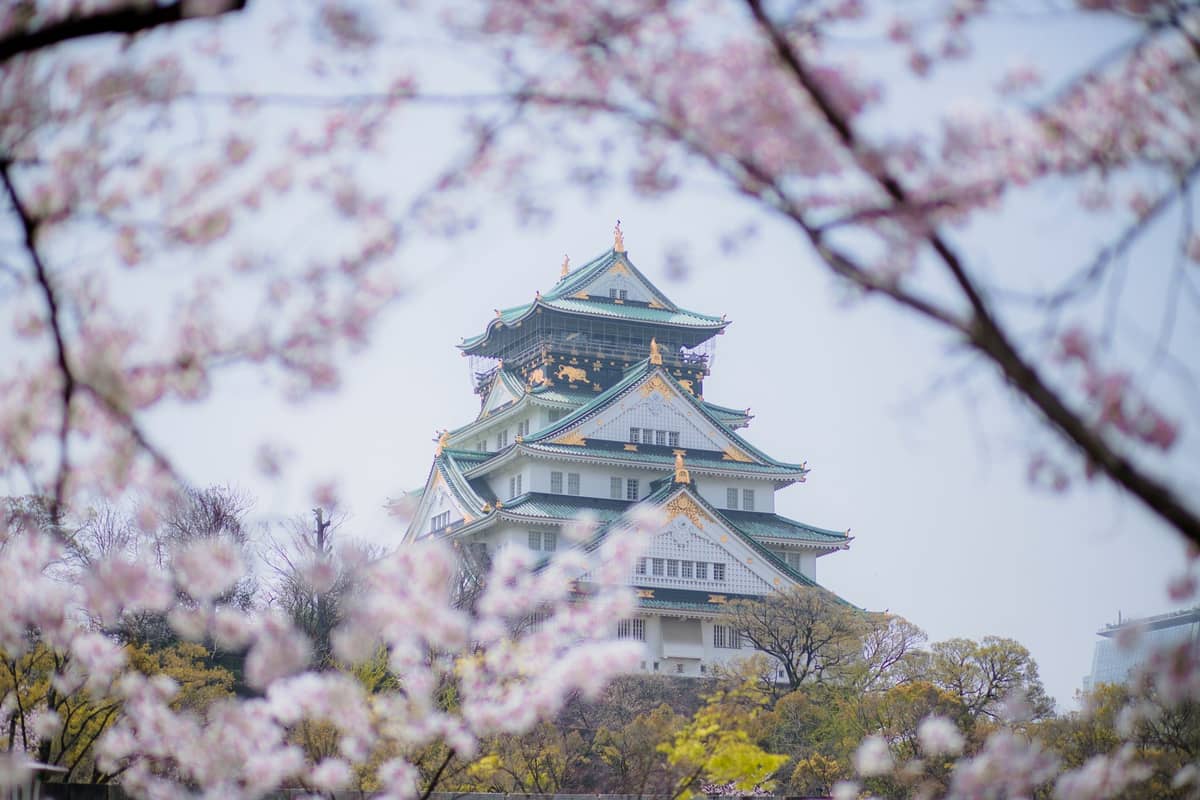
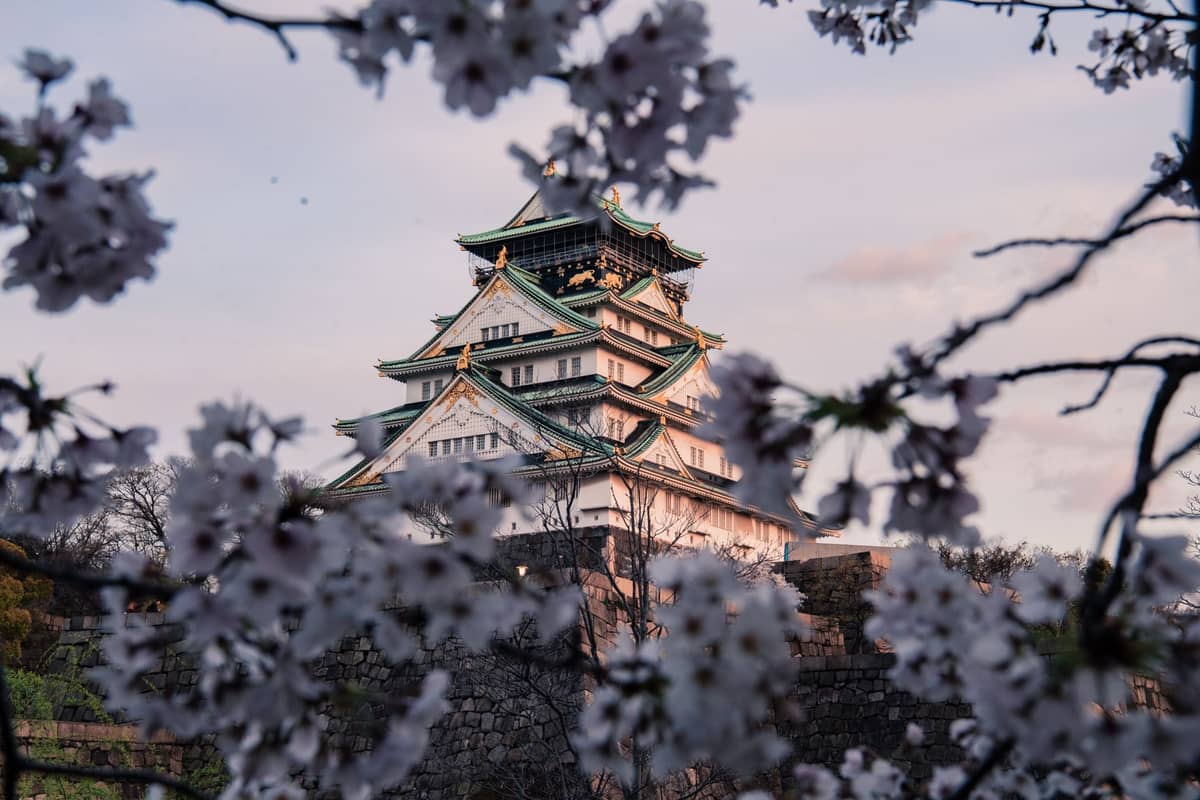
Osaka Castle ParkOsaka Castle Park is the second most-visited spot and the one that appears in most photos. The castle tower provides a dramatic backdrop, and the Nishinomaru Garden within the park offers a paid enclosure with particularly dense plantings. If the castle is already on your itinerary, the blossom viewing integrates naturally. The main drawback is sheer crowd volume on weekends during peak bloom, which can make the paths around the main grounds feel more like a festival queue than a peaceful stroll.
- Kema Sakuranomiya Park 4km riverside strip with 5,000+ Somei-yoshino trees along the Okawa River. Best for evening walks and reflections on the water. Free entry. Peaks late March to early April.
- Osaka Castle Park Central location with castle backdrop. Nishinomaru Garden inside the park has dense sakura and charges a small admission fee. Extremely busy on weekends at peak.
- Japan Mint Bureau (造幣局) The blossom corridor opens for one week only, typically mid-April (2026: April 9–15). Features over 100 varieties of rare double-flowered yaezakura. Entry is free but ticketed or timed entry procedures may apply — check the official Mint website before visiting.
- Expo '70 Commemorative Park Large park in Suita with thousands of sakura trees and Taro Okamoto's Tower of the Sun as a backdrop. Less crowded than central Osaka spots. Paid park entry.
- Osaka Castle Nishinomaru Garden Enclosed garden within Osaka Castle Park with paid admission. Fewer crowds than the outer park, excellent for close-up views under the canopy.
✨ Pro tip
The Japan Mint Bureau is the most underrated blossom spot in Osaka. It opens for just 7 days per year and features double-flowered cherry varieties that look entirely different from the standard Somei-yoshino. Plan around the official opening dates (typically mid-April) and check the Mint's website for any entry procedures, as these can change annually.
Early, Peak, and Late Bloom: How to Match Your Visit to the Season
Most guides treat cherry blossom season as a single moment to hit or miss. In practice, there are three distinct phases worth understanding, each with different appeal and different crowds.
Early bloom, from the first flowers through roughly 50 percent coverage, usually spans March 24 to March 31 in a typical year. This phase is genuinely pleasant for people who want to see sakura without the peak-weekend crush. The trees are not yet full, but the flowers are fresh and the parks are quieter. Photographers often prefer this window precisely because the blossoms stand out against bare branches.
Full bloom arrives when roughly 70–80 percent of flowers are open, and it marks the most photographed window. This is when hanami picnics happen in earnest across every major park. Expect Osaka Castle Park and Kema Sakuranomiya to be packed on weekends, with vendors, food stalls, and organized picnic groups filling every available patch of ground. Weekday mornings between 7–9am offer a noticeably quieter experience.
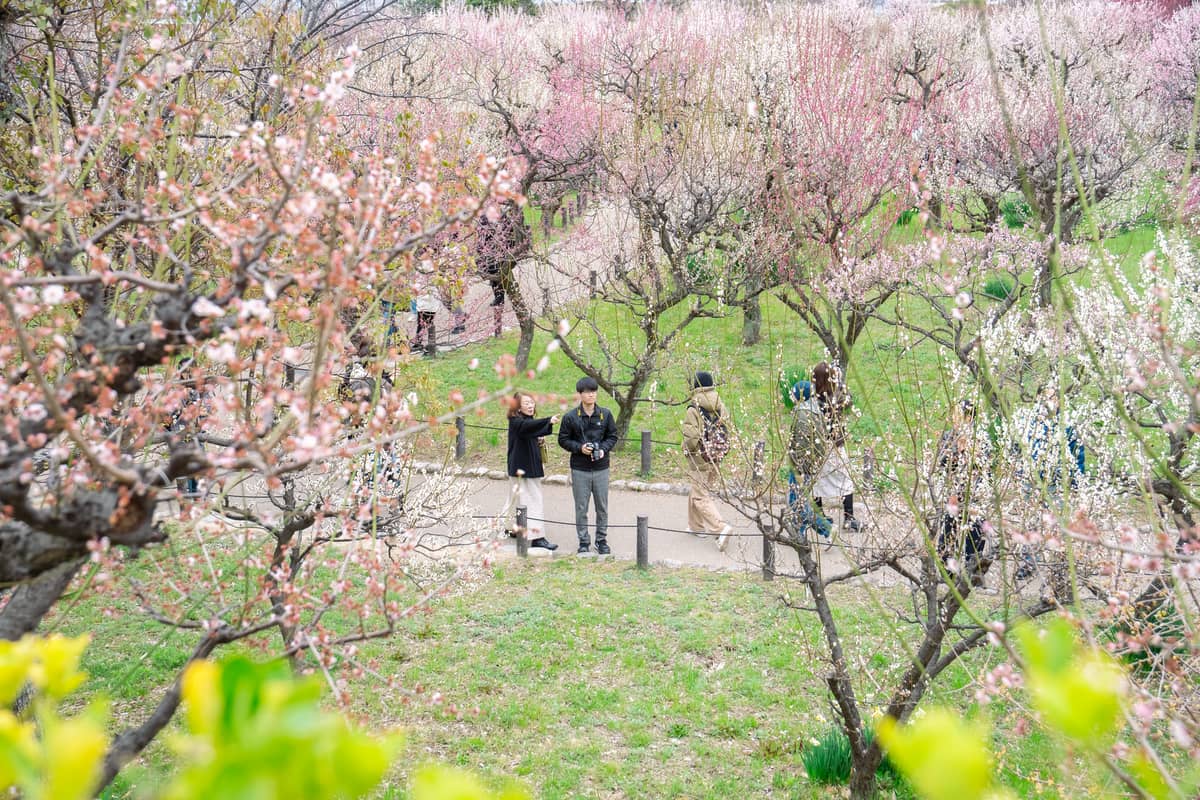
Late-season bloom extends the window for those who plan ahead. The double-flowered yaezakura at the Japan Mint Bureau and other parks typically peak 2–3 weeks after Somei-yoshino, pushing the blossom season into mid-to-late April. These varieties are denser, more layered, and often more intensely pink than standard cherry blossoms. They are legitimately worth a separate visit if you are in Osaka in mid-April.
💡 Local tip
For a quieter blossom experience, visit Kema Sakuranomiya Park on a weekday morning before 9am. The riverside path is far more peaceful, and the early light on the water and blooms is excellent for photos.
Hanami Culture: What Actually Happens During Blossom Season
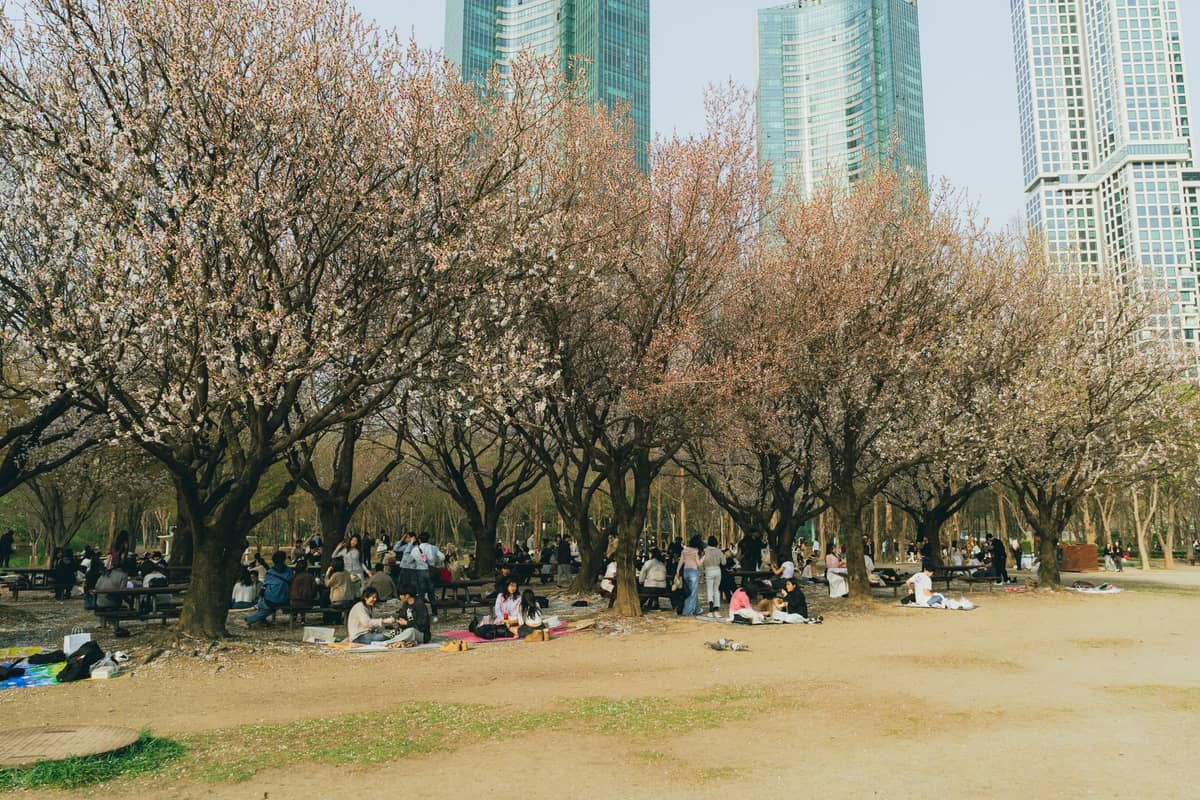
Hanami, the tradition of flower-viewing picnics under cherry trees, is central to how Osaka residents actually use these parks during bloom. This is not a quiet, contemplative activity. Major parks like Osaka Castle area become outdoor parties, with groups reserving spots from early morning, setting up blue tarps and portable tables, and spending entire afternoons eating and drinking under the canopy. If that atmosphere appeals to you, peak weekend days are genuinely festive. If you came for quiet reflection, weekday mornings are your only realistic option.
Food stalls appear at major blossom spots during the season, selling sakura-themed items alongside standard festival foods. Sakura mochi (sweet rice cake with red bean paste, wrapped in a pickled cherry leaf) appears in every convenience store and traditional confectionery shop. Kombini chains like 7-Eleven and Lawson roll out limited-edition sakura products from late February onward. These seasonal items disappear quickly once peak bloom ends.
- Book accommodations at least 6–8 weeks in advance if traveling during peak bloom (late March to early April). Hotels near Namba and Umeda fill fast.
- Avoid Osaka Castle Park on Saturday and Sunday afternoons at peak bloom unless you enjoy festival-level crowds.
- Kema Sakuranomiya Park is easier to navigate: the long linear path means crowds thin out naturally away from main access points.
- Night illuminations (yozakura) occur at some spots, including along the Okawa River. Check local event listings for 2026 dates and hours.
- Blue tarps for hanami picnics are sold everywhere during the season. Bring a picnic mat, food from a nearby convenience store, and plan for a long afternoon.
Getting to Osaka's Blossom Spots: Practical Transport
Osaka's metro system makes all major blossom spots accessible without a car. For Kema Sakuranomiya Park, take the JR Osaka Loop Line to Sakuranomiya Station, which drops you directly at the riverside park entrance. For Osaka Castle Park, the nearest metro stations are Tanimachi 4-chome (Chuo Line and Tanimachi Line) and Morinomiya (Chuo Line and Nagahori Tsurumi-ryokuchi Line). The park is also walkable from Osaka-jo Koen Station on the JR Osaka Loop Line. For a full overview of how to navigate the city, see the guide to getting around Osaka.
The Japan Mint Bureau is located in Kita-ku, a short walk from Tenmabashi Station (Keihan Main Line and Osaka Metro Tanimachi Line). The Expo '70 Commemorative Park requires the Osaka Monorail to Bampaku-Kinen-Koen Station, about 30 minutes from Umeda. It is worth the trip for those who want blossom viewing with significantly thinner crowds than central Osaka.
If you are combining blossom viewing with other sightseeing, the Osaka Amazing Pass covers unlimited metro travel and can reduce transport costs over a multi-day visit. During peak sakura season, day-trip options to Kyoto or Nara are also popular, as both cities have major cherry blossom sites within easy reach.
Honest Assessment: What Is and Is Not Worth the Hype
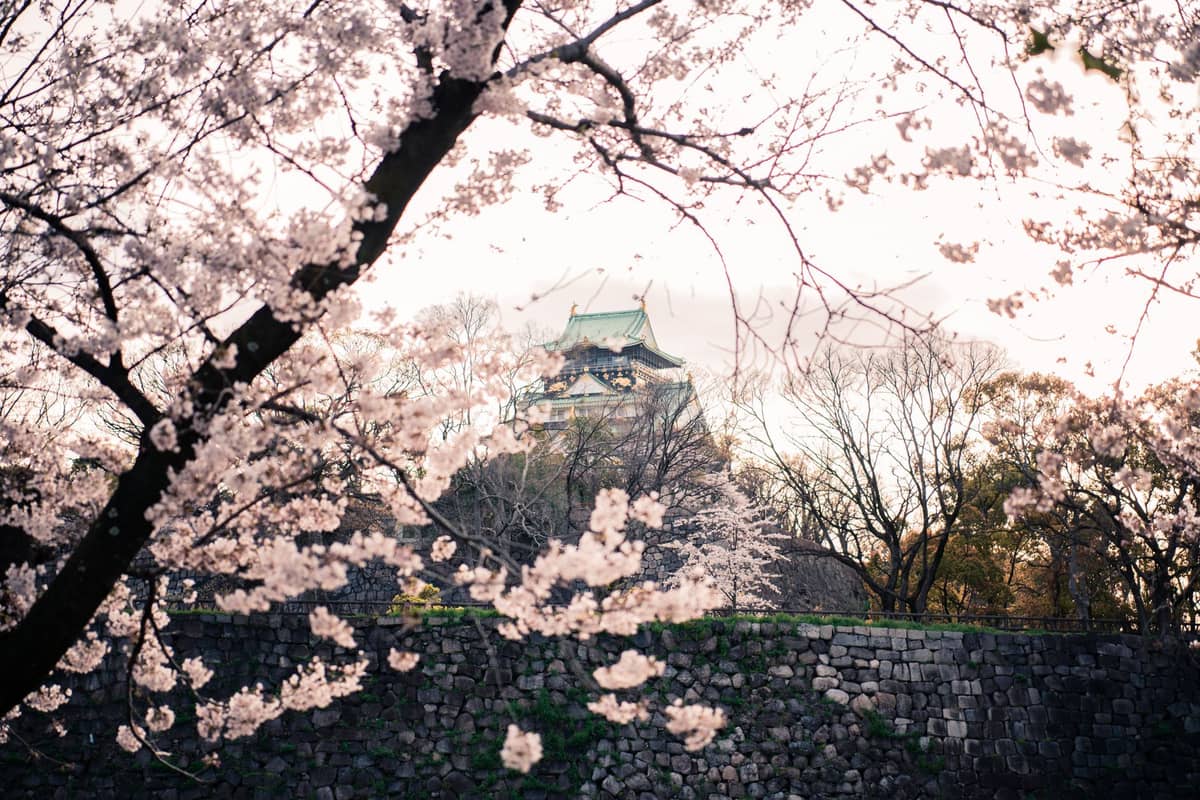
Osaka Castle Park is worth visiting during blossom season, but it is not as photogenic as photos suggest unless you time it well. The castle itself is a 1931 concrete reconstruction, and the surrounding grounds are very flat, which means the blossom views are pleasant rather than dramatic. The Nishinomaru Garden within the park improves things significantly and is worth the modest admission fee during peak bloom.
Kema Sakuranomiya Park is the better choice for pure blossom impact, particularly if you walk the full riverside path rather than clustering near the main entrances. The combination of the river, the bridge reflections, and the tree canopy overhead creates a more immersive experience than any open-field park. It also connects naturally to the surrounding Nakanoshima area, where the Nakanoshima Park has additional seasonal plantings worth checking.
The Japan Mint Bureau is genuinely special and consistently undervisited by international tourists who do not realize the window exists. The one-week access period is strictly enforced. The corridor of double-flowered cherries, with over 100 named varieties, is unlike anything you will see at a standard park. If you are in Osaka in mid-April, this should be a priority rather than an afterthought.
FAQ
When is the best time to see cherry blossoms in Osaka?
The peak window is typically April 1–7, though this shifts by up to a week depending on the year's winter temperatures and the official forecast. Full bloom for the dominant Somei-yoshino variety in 2026 is forecast to arrive March 31–April 3. For late-blooming double-flowered yaezakura, mid-April (around April 9–15) is the better target, particularly for the Japan Mint Bureau. Always check the Japan Meteorological Corporation forecast before booking.
How long does cherry blossom season last in Osaka?
The Somei-yoshino peak lasts approximately 7–10 days from full bloom. Including early bloom and late-blooming varieties, the overall blossom season in Osaka runs from roughly March 24 through late April, giving visitors a broader window than most realize.
Is Osaka Castle the best place to see cherry blossoms?
It is one of the most famous spots, but not necessarily the best. Kema Sakuranomiya Park offers a more scenic riverside experience with over 5,000 trees along the Okawa River and is generally considered more impressive for pure blossom impact. The Japan Mint Bureau is the most unique option, though it opens for just one week per year.
Do I need to pay to see cherry blossoms in Osaka?
Most viewing spots, including Kema Sakuranomiya Park and the outer grounds of Osaka Castle Park, are free. The Nishinomaru Garden within Osaka Castle Park charges a small admission fee. The Japan Mint Bureau blossom corridor is free to enter but may require advance registration or timed entry, check the official Mint website before visiting.
Can I see cherry blossoms in Osaka in late April?
Yes, if you know where to look. The Somei-yoshino will have finished, but double-flowered yaezakura varieties bloom 2–3 weeks later. The Japan Mint Bureau's blossom corridor, typically open for one week in mid-April, is the top destination for late-season viewing. Some parks also have weeping cherry varieties that extend the season slightly.