Nakanoshima Park: Osaka's River Island Retreat
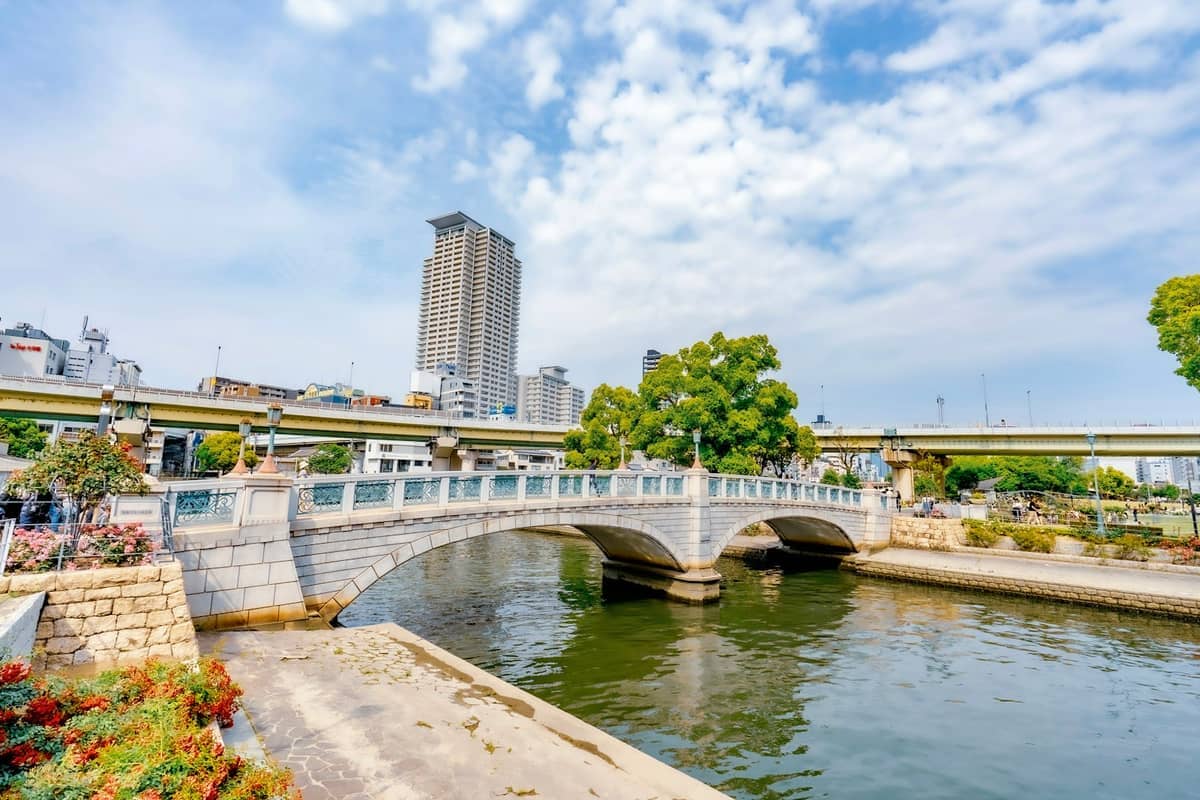
Nakanoshima Park occupies a narrow sandbank between the Dojima and Tosabori rivers in central Osaka, offering a free, unhurried escape from the city's commercial energy. The park is anchored by a rose garden and framed by some of Osaka's most significant Meiji and Taisho-era civic buildings, making it as much an architectural walk as a garden visit.
Quick Facts
- Location
- 1 Nakanoshima, Kita-ku, Osaka 530-0005
- Getting There
- Osaka Metro / Keihan Kitahama Station (approx. 10-min walk)
- Time Needed
- 45 minutes to 1.5 hours
- Cost
- Free (park open 24 hours, year-round; some lawn areas may be seasonally closed for maintenance)
- Best for
- Riverside walks, rose garden photography, architecture enthusiasts, quiet mornings
- Official website
- http://www.osakapark.osgf.or.jp/nakanoshima
What Nakanoshima Park Actually Is
Nakanoshima Park (中之島公園) sits on a long, narrow island formed by the confluence of the Dojima River to the north and the Tosabori River to the south. The word 'nakanoshima' means roughly 'middle island,' and that geographic isolation is the park's defining quality: you step off a bridge, and the ambient noise of Osaka's Kita district drops noticeably. The water on both sides, the tree canopy overhead, and the absence of through traffic give the place a calm that most central-city parks in Japan struggle to achieve.
The park's most photographed feature is its rose garden, which blooms in two main seasons: spring (typically mid-April to mid-May) and autumn (mid-October to late November). Outside those windows, the garden is still pleasant but less dramatic. The central lawn may be temporarily closed at times for grass restoration, so if you visit in winter or early spring you might find the paths accessible but some open turf areas roped off.
ℹ️ Good to know
The park is free and open 24 hours every day of the year. No tickets, no gates, no booking required. Lawn areas may occasionally close for grass restoration, but the paths, rose garden area, and riverside walkways remain accessible throughout.
The Architectural Context You Should Not Ignore
Nakanoshima as a district became Osaka's civic and financial spine during the Meiji and Taisho periods, and several landmark buildings from that era still stand immediately adjacent to the park. The Bank of Japan Osaka Branch, with its domed neoclassical facade, sits just to the west. The Osaka City Central Public Hall, completed in 1918 in a Renaissance Revival style with a distinctive copper-green dome, anchors the western tip of the island.
These buildings are not incidental to a park visit: they form a visual backdrop that gives Nakanoshima Park a character quite different from Osaka's other green spaces. Walking from the Kitahama end westward through the park, the Osaka City Central Public Hall reveals itself gradually through the trees, which makes for one of the more quietly satisfying urban compositions in the city. This pairing of early 20th-century civic architecture with river-edged greenery is the strongest argument for visiting Nakanoshima Park over a more conventional city garden.
If you want to explore the full architectural landscape of this district, the Kitahama Retro District is a short walk east along the riverbank and contains several preserved early 20th-century merchant and banking buildings worth examining at close range.
Tickets & tours
Hand-picked options from our booking partner. Prices are indicative; availability and final rates are confirmed when you complete your booking.
Kobe: Mt. Rokko Night View, Kitano Ijinkan, Arima Onsen Full Day Tour
From 47 €Instant confirmationFree cancellationOsaka local food tour in Dotonbori and Shinsekai
From 51 €Instant confirmationFree cancellationGuided day tour from Osaka to Nara Park, Arashiyama and Fushimi Inari
From 59 €Instant confirmationFree cancellationShiga Day Trip with Miho Museum, Lake Biwa and Waterbird Shrine
From 70 €Instant confirmationFree cancellation
How the Park Changes Throughout the Day
Early mornings, from roughly 6:30 to 8:30, attract a specific crowd: office workers cutting through to Nakanoshima's business district, older residents doing slow laps of the paths, and occasional joggers running the riverside route. The light at this hour, especially in spring and autumn, comes low across the water and catches the stone bridge railings and tree canopy in a way that is genuinely worth seeing if you are already up.
Midday on weekdays the park fills with office lunches, particularly along the benches facing the Tosabori River. People eat quietly, pigeons congregate near the rose garden fencing, and the whole island takes on a somewhat drowsy weekday rhythm. On weekends, families and couples dominate, and the rose garden area becomes noticeably more crowded during peak bloom season.
Evenings are when the park earns its most underrated hours. The riverbank walkways are lit softly, the surrounding civic and commercial buildings reflect in the water, and foot traffic thins considerably after 7 PM. In summer this is also one of the cooler spots in central Osaka, given the river breeze on both sides of the island. In winter the park is cold but not unpleasant if you dress appropriately, and the low tourist numbers mean you often have whole stretches of the riverfront to yourself.
The Rose Garden: What to Expect
The rose garden is the park's signature draw and it delivers during peak bloom, with hundreds of varieties arranged in formal beds. The spring bloom (roughly mid-April to mid-May) tends to be more densely photographed and draws larger crowds. The autumn bloom (mid-October to late November) is often considered more relaxed in terms of visitor numbers and can produce equally rich colors in cooler light.
Outside bloom season, the garden is maintained but visually quiet. If roses are your primary reason for visiting, timing matters significantly. Check local bloom reports in the week before you plan to visit, as exact peak dates shift with annual weather patterns.
💡 Local tip
For rose garden photography, arrive before 9 AM during peak bloom season. By mid-morning on weekends, the garden paths are crowded enough to make clean compositions difficult. The light is also more favorable in the early hours.
Getting There and Moving Around
The most practical approach is Osaka Metro Kitahama Station (Sakaisuji Line) or Keihan Kitahama Station, both of which are roughly a 10-minute walk from the park's eastern entrance. From Osaka Station or Umeda, the walk takes around 20 to 25 minutes and covers some of Nakanoshima's more interesting street-level architecture along the way, which is worth considering if the weather is good.
The park itself is almost entirely flat, with paved and compacted-gravel paths that are suitable for wheelchairs and mobility aids. Ramps replace stairs at the main bridge crossings. If you are combining this visit with the broader Nakanoshima area, the National Museum of Art Osaka and the Nakanoshima Museum of Art Osaka are both within walking distance on the western side of the island, making a combined half-day itinerary straightforward.
Seasonal Considerations and Weather
Spring and autumn are the clearest cases for visiting. Temperatures in spring (March to May) range from mild to warm, cherry blossoms appear on the riverbanks in late March and early April, and the rose garden begins its first flush. Autumn (October to November) brings comfortable temperatures and lower humidity compared with summer, with the rose garden again in bloom and the surrounding trees turning.
Summer visits are perfectly possible but Osaka's July and August heat, frequently above 32°C with high humidity, makes any sustained outdoor walk uncomfortable between roughly 10 AM and 4 PM. The river breeze helps somewhat, but bring water and plan for early morning or evening. For a broader look at how season affects Osaka attractions, the best time to visit Osaka guide covers seasonal trade-offs across the city in detail.
Rainy season (tsuyu) runs roughly early June to mid-July, with June averaging around 185 mm of rain. The park remains accessible, and the rose garden in early June can look striking after rain, but umbrella-carrying is effectively mandatory and the central lawn area can become soft underfoot.
Is It Worth Your Time? An Honest Assessment
Nakanoshima Park is not a destination that justifies a long dedicated journey from, say, Namba or Tennoji if greenery is your only motivation. Osaka has larger parks with more varied landscapes. What Nakanoshima Park does particularly well is the combination of riverside access, civic architecture, and central location: it slots naturally into a morning or afternoon walk through the Nakanoshima district and adds genuine texture to what is otherwise a business and museum quarter.
Travelers who arrive expecting a major botanical garden or an expansive park experience may find it underwhelming. The island is narrow, and the park occupies only the eastern portion of Nakanoshima. The experience is closer to a refined urban promenade than a full park day. That distinction matters for managing expectations honestly.
For travelers interested in exploring Osaka's less-visited corners, pairing this with the Nakazakicho cafe district to the north makes for a well-balanced half-day away from the main tourist circuits. And if you are building a broader free-activities day, the free things to do in Osaka guide lists several options in the same general area.
Insider Tips
- The best unobstructed view of the Osaka City Central Public Hall reflecting in the Tosabori River is from the small footbridge on the park's southern edge, not from within the park grounds. Cross to the south riverbank and look back northwest.
- The park's benches along the Dojima River (north side) face away from the main path traffic, making them significantly quieter than the busier Tosabori-facing side. If you want to sit and read or eat without interruption, those benches are the ones to find.
- During the spring rose bloom, the area around the rose garden is noticeably less crowded on weekday mornings than on weekends. If you have flexibility, a Tuesday or Wednesday visit in late April will feel like a different park compared to a Saturday.
- The Osaka Science Museum is immediately accessible from the western end of Nakanoshima island, so you can walk from the park directly into a low-cost museum visit without backtracking through the city center.
- Lighting for photography of the Central Public Hall facade is best in late afternoon on clear days, when the warm light catches the dome from the south. Morning light can work for the rose garden but tends to leave the building facade in partial shade.
Who Is Nakanoshima Park For?
- Travelers who want a free, unhurried break from Osaka's commercial districts
- Architecture and history enthusiasts exploring the Meiji and Taisho legacy of Nakanoshima
- Photographers targeting the rose garden during peak spring or autumn bloom
- Families with young children who need outdoor space that is flat, safe, and easy to navigate
- Anyone building a half-day walk through the Nakanoshima museum and civic building cluster
Nearby Attractions
Other things to see while in Nakanoshima:
- Kitahama Retro District
The Kitahama Retro Building is a beautifully preserved early 20th-century Western-style structure on the banks of the Dojima River, housing a British tearoom and cake shop. It stands as one of Osaka's most photogenic historical buildings, offering afternoon tea in a setting that feels entirely removed from the modern city just outside.
- Nakanoshima Museum of Art Osaka
The Nakanoshima Museum of Art Osaka (NAKKA) opened in February 2022 as the city's most significant new cultural institution in decades. Housed in a bold matte-black cube on Nakanoshima island, it focuses on modern and contemporary art and sits a short walk from some of Osaka's most elegant civic architecture. Here is everything you need to plan a visit.
- National Museum of Art, Osaka
Built entirely below ground on Nakanoshima island, the National Museum of Art, Osaka is one of Japan's leading contemporary art institutions. Its sculptural steel entrance rises from the riverbank like a modern landmark, while the real experience unfolds in the quiet, gallery-lit floors beneath.
- Osaka City Central Public Hall
Standing on the slender island of Nakanoshima between two rivers, Osaka City Central Public Hall is one of the finest Neo-Renaissance buildings in Japan. Entry to the ground floor is free, and the building rewards a slower look than most visitors give it.