Nakanoshima Museum of Art Osaka: A Complete Visitor's Guide
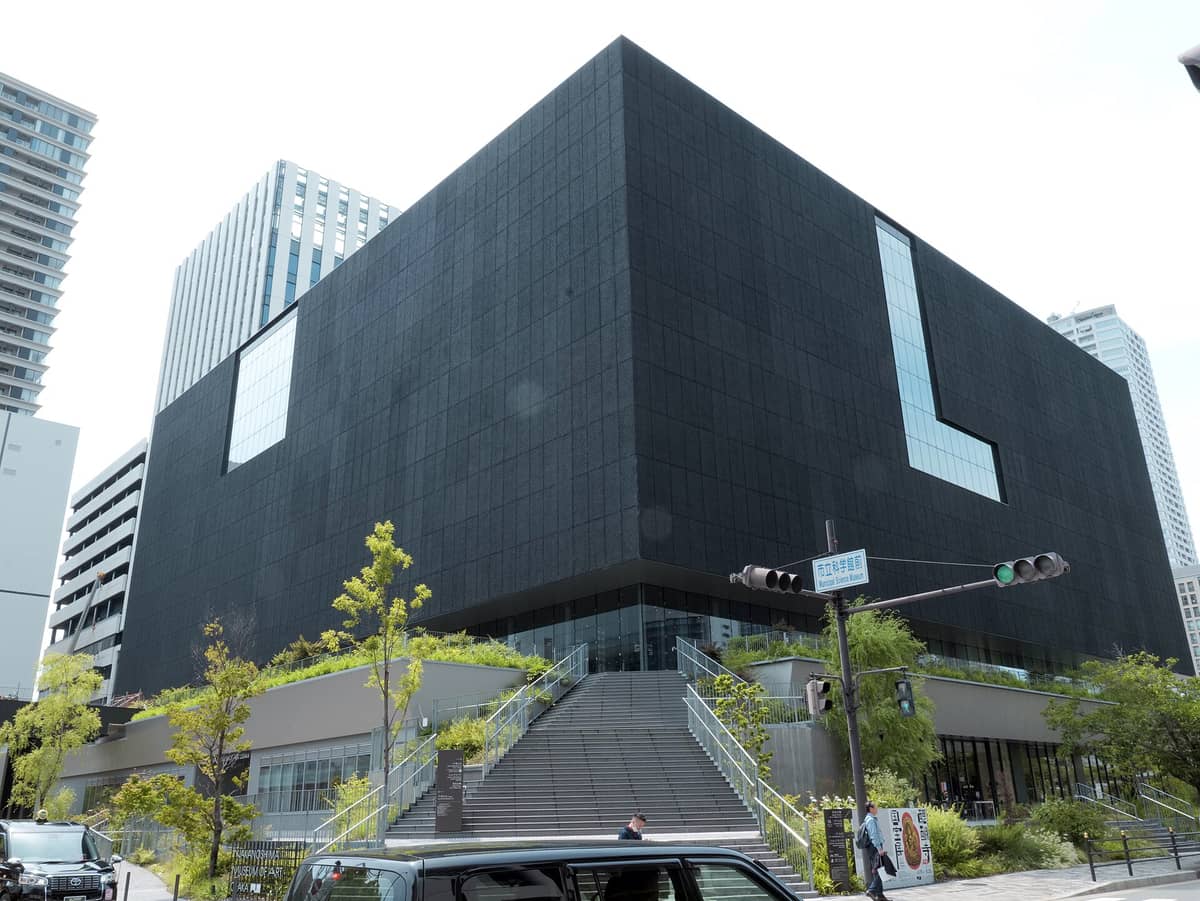
The Nakanoshima Museum of Art Osaka (NAKKA) opened in February 2022 as the city's most significant new cultural institution in decades. Housed in a bold matte-black cube on Nakanoshima island, it focuses on modern and contemporary art and sits a short walk from some of Osaka's most elegant civic architecture. Here is everything you need to plan a visit.
Quick Facts
- Location
- 4-3-1 Nakanoshima, Kita-ku, Osaka 530-0005 — on Nakanoshima island between the Dojima and Tosabori rivers
- Getting There
- Osaka Metro Yotsubashi Line Higobashi Station and Keihan Nakanoshima Line Watanabebashi Station are nearby; check the official access page for the most current exit guidance.
- Time Needed
- 1.5 to 3 hours depending on current exhibitions
- Cost
- Lobby, shop and café free to enter; exhibition tickets priced per show (verify current fees at nakka-art.jp)
- Best for
- Contemporary art enthusiasts, architecture lovers, rainy-day culture seekers, couples
- Official website
- nakka-art.jp/en
What Is the Nakanoshima Museum of Art Osaka?
The Nakanoshima Museum of Art Osaka, known by its shorthand NAKKA, is Osaka's premier dedicated venue for modern and contemporary art. It opened in 2022 after decades of planning, making it one of the most anticipated cultural openings in the city's recent history. The building stands on Nakanoshima, the long, narrow island at the heart of central Osaka formed by the Dojima River to the north and the Tosabori River to the south.
The museum's collection and programming focus on art from the 20th century onwards, with an emphasis on works connected to Osaka and the broader Kansai region, alongside international contemporary exhibitions. Unlike many Japanese civic museums that lean toward traditional or historical artifacts, NAKKA positions itself squarely in the world of modern and contemporary visual art, which makes it a genuinely distinct stop on any serious Osaka itinerary.
Nakanoshima itself is worth understanding before you arrive. The island has been the civic core of Osaka for well over a century, home to the Osaka City Central Public Hall and other landmark buildings. Adding a major art museum to this island reinforces its role as the city's cultural spine. When you arrive at NAKKA, you are stepping into a neighborhood with real institutional weight, not an isolated attraction.
The Architecture: A Black Cube Among Pale Stone Neighbours
The exterior is the first thing that surprises visitors, and it is genuinely striking. The building presents as a near-monolithic matte-black cube, a dramatic contrast to the pale stone neoclassical facades of the Central Public Hall and the Bank of Japan Osaka Branch nearby. The geometry is deliberate and self-assured, signaling that this is not a building trying to defer to its surroundings but rather a new landmark asserting itself.
Look at the ground level and you will notice the building appears to float slightly, with an open passageway running beneath it. This passage connects the north and south embankments and is freely accessible at all hours. Even when the museum is closed, the architectural gesture rewards a detour. At dusk, when the building's dark surface absorbs the last light and the surrounding trees along the Nakanoshima riverbanks begin to lose their detail, the silhouette reads almost like a sculptural object in its own right.
💡 Local tip
The ground-floor passageway through the building is open to the public regardless of exhibition hours. If you are just passing through Nakanoshima, it is worth walking through simply to experience the architectural transition from riverbank to courtyard.
Tickets & tours
Hand-picked options from our booking partner. Prices are indicative; availability and final rates are confirmed when you complete your booking.
Night at Dining Darts Bar Bee Bee Namba in Osaka
From 8 €Instant confirmationFree cancellationBeeRUSH Minami Branch Multiple Darts Throwing Plans in Osaka
From 8 €Instant confirmationFree cancellationOsaka local food tour in Dotonbori and Shinsekai
From 51 €Instant confirmationFree cancellationGuided day tour from Osaka to Nara Park, Arashiyama and Fushimi Inari
From 59 €Instant confirmationFree cancellation
Inside the Museum: What to Expect
The lobby, museum shop, and café are free to enter, which is a meaningful distinction. You do not need a ticket just to browse the bookshop, pick up a catalog, or sit with a coffee. This open ground floor makes the museum feel accessible in a way that some Japanese institutions do not, and it tends to draw a relaxed mix of people: students with sketchbooks, couples resting between walks, and art browsers who have not yet committed to the full exhibition.
The ticket counter is located on the second floor. From there, the exhibition floors occupy the upper levels of the building, with gallery spaces designed for flexible configuration. The layout can accommodate large-scale installations as well as more intimate work. Natural light is largely controlled in the main galleries, so the experience is consistent regardless of the time of day you visit, though morning slots tend to have fewer visitors.
Because NAKKA does not charge a fixed general admission, ticket prices change with each exhibition. This means the cost of a visit varies considerably depending on what is showing. Major international retrospectives can command higher prices, while smaller collection-based shows may be more modest. Always check the current exhibition page on the official website before planning around your budget.
⚠️ What to skip
The museum is closed on Mondays (or the following weekday if Monday falls on a public holiday) and may close during exhibition changes. Confirm the current schedule at nakka-art.jp before visiting, especially if you are travelling specifically for the museum.
Visiting Hours and the Best Time to Go
Standard opening hours are 10:00 to 17:00, with last admission at 16:30. Hours can vary depending on the exhibition, so treat these as a baseline rather than a guarantee. The museum shop and café broadly follow these hours.
Mornings on weekdays are the quietest. If you arrive at opening, you will often have gallery spaces almost to yourself during the first hour. Weekend afternoons, particularly on Saturdays when families and young couples tend to explore Nakanoshima, can see the most footfall. Major blockbuster exhibitions from international artists sometimes generate queues; if that is the case for your visit, booking tickets online in advance through the official site is advisable.
Weather matters more for the journey to NAKKA than for the visit itself, since the galleries are fully interior. On rainy days the museum becomes an especially sensible choice, and it is worth knowing that Osaka's rainy season runs roughly from early June to mid-July, when the city sees its highest monthly rainfall. A wet Tuesday morning in June can actually be one of the most pleasant times to be inside NAKKA, with thin crowds and no pressure to rush.
Getting There: Transit and Walkability
Nakanoshima is well connected by both Osaka Metro and the Keihan Nakanoshima Line, which runs beneath the island. The official museum access page provides current exit-by-exit directions, which is the most reliable source given that station exit numbering and recommended routes can shift. The museum is also walkable from the Umeda and Kitahama areas in roughly 15–20 minutes along pleasant riverside paths.
If you are combining the museum with a broader exploration of the island, it pairs well with a walk through Nakanoshima Park, the rose garden, and the civic buildings clustered at the island's eastern tip. The National Museum of Art Osaka is also located on Nakanoshima and is within easy walking distance, making a combined museum day entirely feasible if you start early.
ℹ️ Good to know
The riverside paths along the Tosabori and Dojima embankments are shaded and pleasant in spring and autumn. Cherry trees along the Okawa river to the north are spectacular in late March and early April, so a museum visit at that time of year can anchor a larger Nakanoshima walk.
Photography, Accessibility and Practical Details
Photography policies inside gallery spaces depend on the specific exhibition and individual artworks; some shows permit photography without flash, while others restrict it entirely. Check signage at the entrance of each gallery room rather than assuming a blanket policy. The building exterior and the ground-floor passageway are open for photography without restriction.
NAKKA is listed as a Universal Tourism facility by the Osaka Convention and Tourism Bureau, indicating barrier-free provisions for visitors with mobility needs. Elevators connect all floors, and accessibility arrangements for ticketing are outlined on the museum's official visiting information page. If you have specific requirements, reviewing the requirements page at nakka-art.jp before your visit will give you the clearest current picture.
For visitors on a tighter budget, it is worth noting that the lobby, shop, and café cost nothing to enter. Paired with the free public spaces of Nakanoshima Park nearby, you can spend a rewarding few hours on the island without purchasing an exhibition ticket. For a fuller picture of cost-free options across the city, the free things to do in Osaka guide covers further ideas.
Who Should Consider Skipping
If your primary interest is traditional Japanese culture, historic temples, or Edo-period aesthetics, NAKKA will not be the right fit. The collection and programming are firmly in modern and contemporary territory. Visitors who find contemporary art exhibitions generally unrewarding, or who are working through a packed itinerary with limited time, may find that the variable-admission model combined with the need to research the current show adds friction.
Similarly, if you are primarily visiting Osaka for its food culture and street-level energy, the Nakanoshima neighbourhood has a quieter, more institutional character than the areas around Namba or Dotonbori. That is not a flaw, but it is worth knowing what you are walking into.
Insider Tips
- Check the current exhibition before booking anything else. NAKKA's experience varies dramatically based on what is showing. A major international retrospective can be one of the most compelling museum visits in western Japan; a transitional period between exhibitions can mean limited floor space is open.
- The ground-floor passageway is a useful orientation point. Enter from the Tosabori embankment side for the best approach, with the building rising above you before you pass through to the central plaza.
- The museum shop stocks art books and design objects that are often specific to the current exhibition, including catalogs that do not appear in general bookshops. If you are an art book collector, budget time here.
- Combine with the National Museum of Art Osaka on the same day. Both are on Nakanoshima, both focus on modern and contemporary work, and the walking distance between them is minimal. Two museums in one day is very achievable if you start at 10:00.
- For the best exterior photograph of the building, walk to the opposite bank of the Tosabori River in the early evening. The matte-black facade reads cleanly against the pale sky at that hour without the harsh overhead light of midday.
Who Is Nakanoshima Museum of Art Osaka For?
- Contemporary and modern art enthusiasts wanting a dedicated Osaka museum experience
- Architecture and design-minded travellers drawn to bold civic buildings
- Couples looking for a refined cultural afternoon in a quieter part of central Osaka
- Rainy-day visits when outdoor options are limited
- Visitors already exploring Nakanoshima's civic landmarks who want to extend their time on the island
Nearby Attractions
Other things to see while in Nakanoshima:
- Kitahama Retro District
The Kitahama Retro Building is a beautifully preserved early 20th-century Western-style structure on the banks of the Dojima River, housing a British tearoom and cake shop. It stands as one of Osaka's most photogenic historical buildings, offering afternoon tea in a setting that feels entirely removed from the modern city just outside.
- Nakanoshima Park
Nakanoshima Park occupies a narrow sandbank between the Dojima and Tosabori rivers in central Osaka, offering a free, unhurried escape from the city's commercial energy. The park is anchored by a rose garden and framed by some of Osaka's most significant Meiji and Taisho-era civic buildings, making it as much an architectural walk as a garden visit.
- National Museum of Art, Osaka
Built entirely below ground on Nakanoshima island, the National Museum of Art, Osaka is one of Japan's leading contemporary art institutions. Its sculptural steel entrance rises from the riverbank like a modern landmark, while the real experience unfolds in the quiet, gallery-lit floors beneath.
- Osaka City Central Public Hall
Standing on the slender island of Nakanoshima between two rivers, Osaka City Central Public Hall is one of the finest Neo-Renaissance buildings in Japan. Entry to the ground floor is free, and the building rewards a slower look than most visitors give it.