The Osaka Castle Area in Chuo Ward is built around one of Japan's most recognizable fortresses and the sprawling 106-hectare park that surrounds it. With seasonal gardens, moat-side paths, and direct rail connections from multiple lines, it offers a rare pocket of greenery and history in the heart of a densely urban city. This is not a residential neighborhood in the usual sense, but a civic and cultural district worth understanding on its own terms.
The Osaka Castle Area is where the city's feudal ambitions are written in stone and water. A reconstructed but deeply atmospheric castle keep rises above double moats and ancient stone walls, surrounded by a park that shifts character with the seasons: plum blossoms in February, cherry trees in April, families with picnic sheets in summer, and fiery maples in November.
Orientation
The Osaka Castle Area occupies a broad elevated plateau in Chuo Ward, centrally positioned within the city. Its official address is 1-1 Osakajo, Chuo-ku, and the park itself covers roughly 105.6 hectares, making it one of the largest green spaces in central Osaka. To the north, the Okawa River (also called the Kyu-Yodo) forms a natural boundary separating the castle grounds from Tenmabashi and the Nakanoshima island district. To the west and south, the park transitions into the commercial streets of Tanimachi and the business district of Osaka Business Park, where glass towers create a striking visual contrast with the white castle keep.
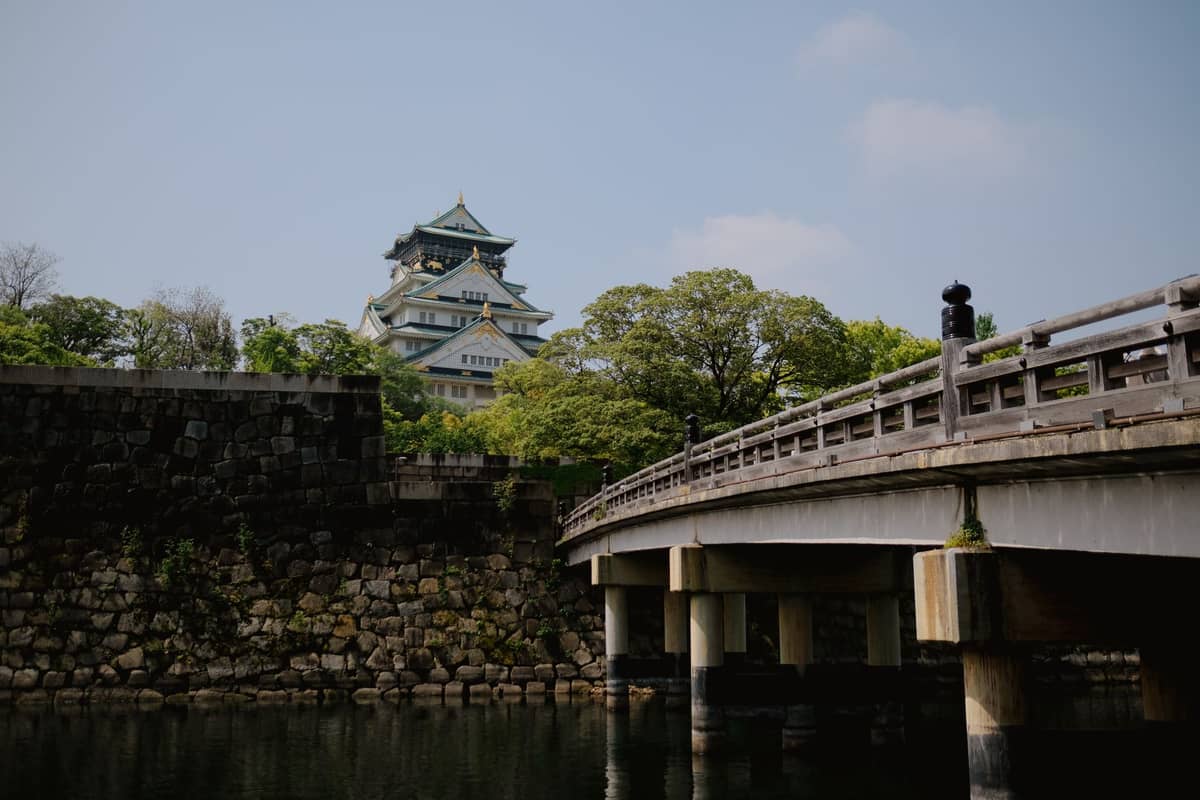
The castle sits in the central part of Osaka, which is both practically useful and historically significant. Toyotomi Hideyoshi chose this site in 1583 precisely because it commanded the surrounding lowland plain. Today that elevated position means the area is relatively self-contained: you enter through formal gates, cross stone bridges over the inner and outer moats, and move upward through layers of fortification. The park's nearest rival in scale is Osaka Castle Park, which is the name for the entire green envelope around the keep, not just the immediate fortress precinct.
Understanding the boundaries matters for navigation. Otemon Gate at the southwest corner is the main ceremonial entrance, closest to Tanimachi 4-chome Station. The eastern side of the park faces Tamatsukuri-suji Avenue and is accessible from Morinomiya Station. The northern perimeter along the Okawa is quieter and less used by tourists, offering moat-side walks with few crowds. Keep in mind that crossing from one side of the park to the other on foot can take 20 to 30 minutes; the grounds are genuinely large.
Character and Atmosphere
Early mornings here belong to joggers and dog walkers, who trace the wide gravel paths around the outer moat before the tour groups arrive. The light in the first hour after sunrise hits the stone walls at a low angle, and the water in the moat picks up the reflection of the castle keep with unusual clarity. There is almost no commercial noise at this hour: no vendors, no loudspeakers, just the sound of gravel underfoot and the occasional heron standing motionless at the moat's edge.
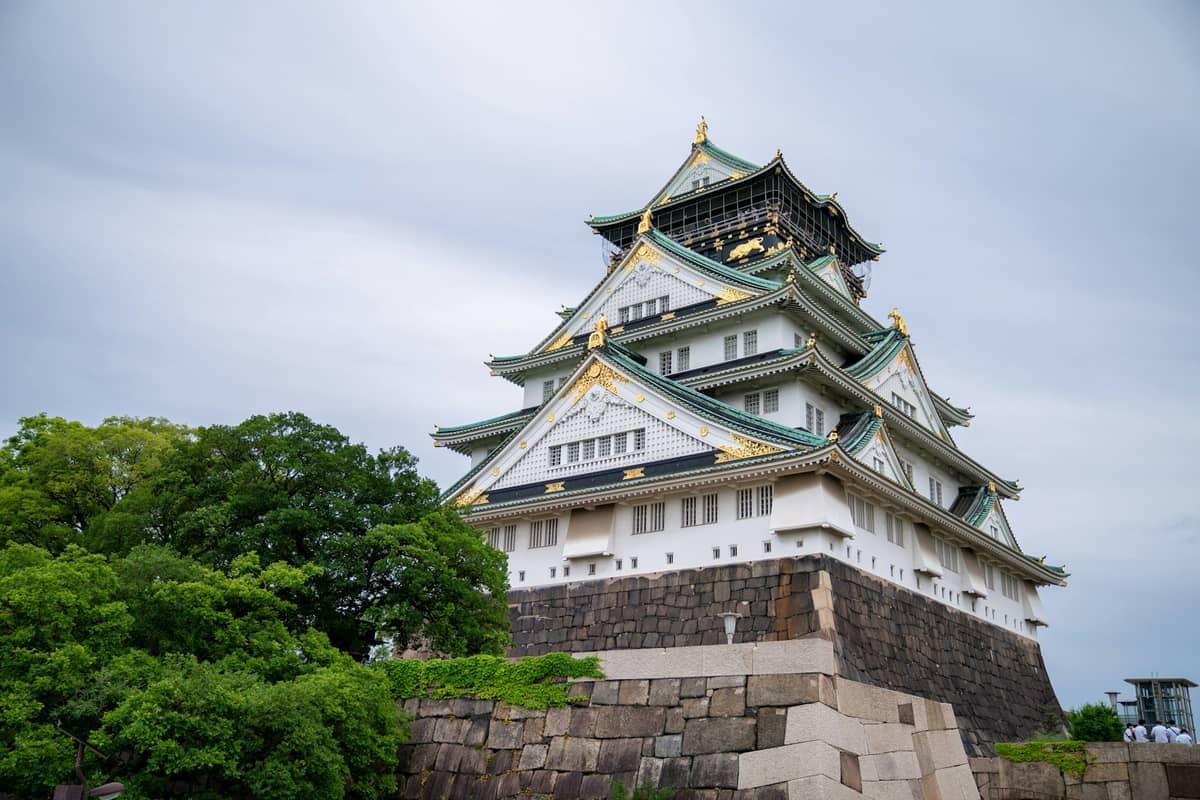
By mid-morning, the atmosphere shifts. School groups arrive from across the Kansai region, and the main path from Otemon Gate to the castle keep becomes a slow procession of visitors with audio guides and rental bicycles. The castle forecourt fills with people pointing cameras upward at the five-tiered white facade with its green-tiled roof and gold leaf ornaments. It reads as a postcard image from every angle, which is both its appeal and its limitation as a photographic subject.
Afternoons in summer can be genuinely uncomfortable. The park is open and exposed, with limited shade on the main approach routes, and temperatures regularly exceed 33°C from July through August. The stone castle walls radiate heat. Visitors who arrive between noon and 3pm in midsummer should carry water and plan their route to include the tree-lined northern paths near the inner moat, which offer more shade than the central plaza. Autumn afternoons, by contrast, are among the most pleasant experiences Osaka offers: cool air, low golden light, and the maples in the park's northern section turning deep red and orange.
After dark, the castle area changes character completely. The keep is illuminated on certain evenings, and the stone walls glow white against the dark sky in a way that daylight never quite achieves. However, the park's sheer size means that paths away from the lit central area become genuinely dark and isolated. This is not a neighborhood with restaurants and bars to draw evening crowds; most visitors leave by dusk, and the surrounding streets are quiet by 9pm.
💡 Local tip
Visit on a weekday morning to see the castle at its quietest. By 9am the light is good for photographs, the paths are clear, and the queue for the castle tower interior rarely exceeds 15 minutes.
What to See and Do
The castle keep itself is the obvious starting point. The current structure is a 1931 ferro-concrete reconstruction that replaced earlier versions destroyed in battle and fire; a further renovation was completed in 1997. The interior operates as the Osaka Castle museum, with eight floors covering the castle's history, the Toyotomi clan's rise and fall, and the broader arc of Japan's unification period. The panoramic view from the eighth floor is worth the admission fee on its own: on clear days you can see Abeno Harukas to the southwest, and the full extent of the Osaka plain stretches in every direction.
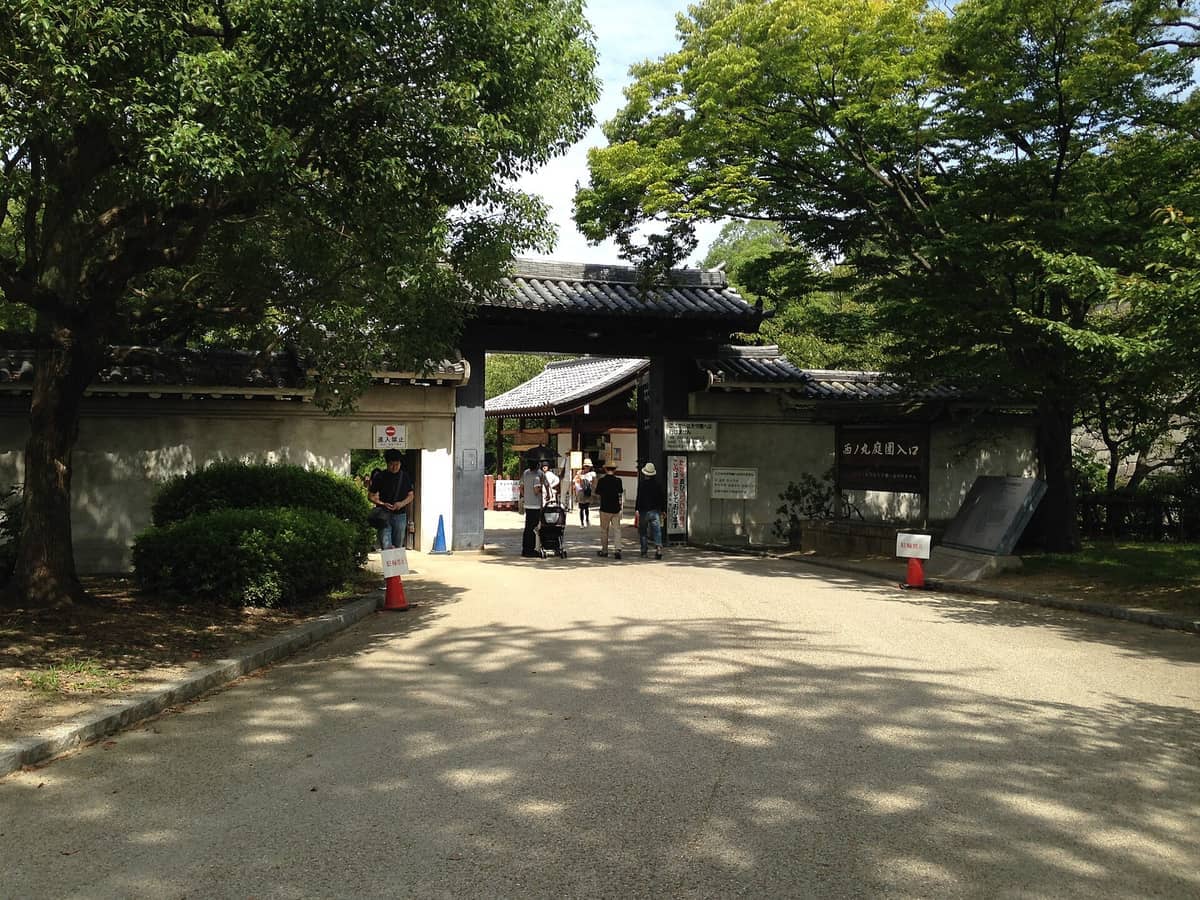
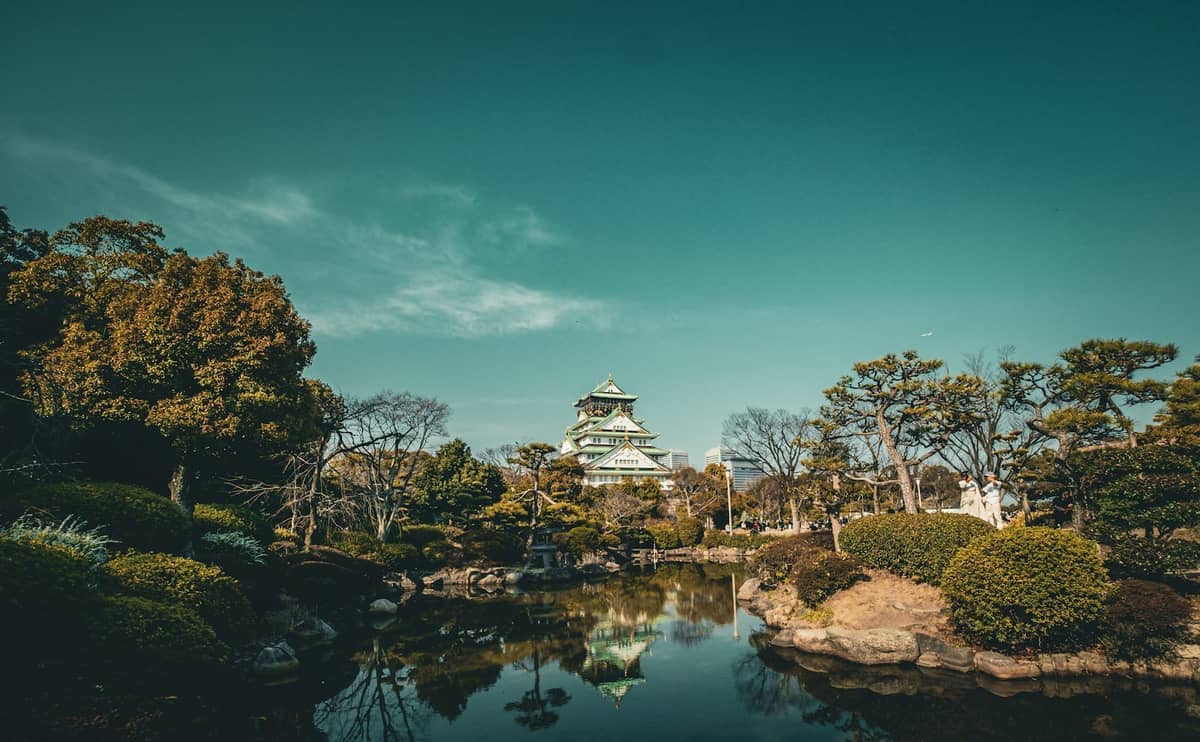
Inside the park's western enclosure, the Osaka Castle Nishinomaru Garden is a more serene alternative to the crowded main approach. This formal garden contains roughly 300 cherry trees, making it one of the most concentrated sakura spots in the city during late March and early April. Unlike the rest of the park, Nishinomaru charges a small entry fee and limits visitor numbers, which keeps it noticeably less hectic during peak blossom season. Outside cherry season, the garden is a good place to sit on a bench and look back at the castle keep from an angle most photographs miss.
The park also contains a plum grove in its northeastern section, which flowers earlier than the cherry trees, typically in February. This is the quietest season to visit: tourist numbers are low, the air is cold and clear, and the pink and white plum blossoms against the stone walls have a specific quality that the more photographed cherry blossoms rarely match.
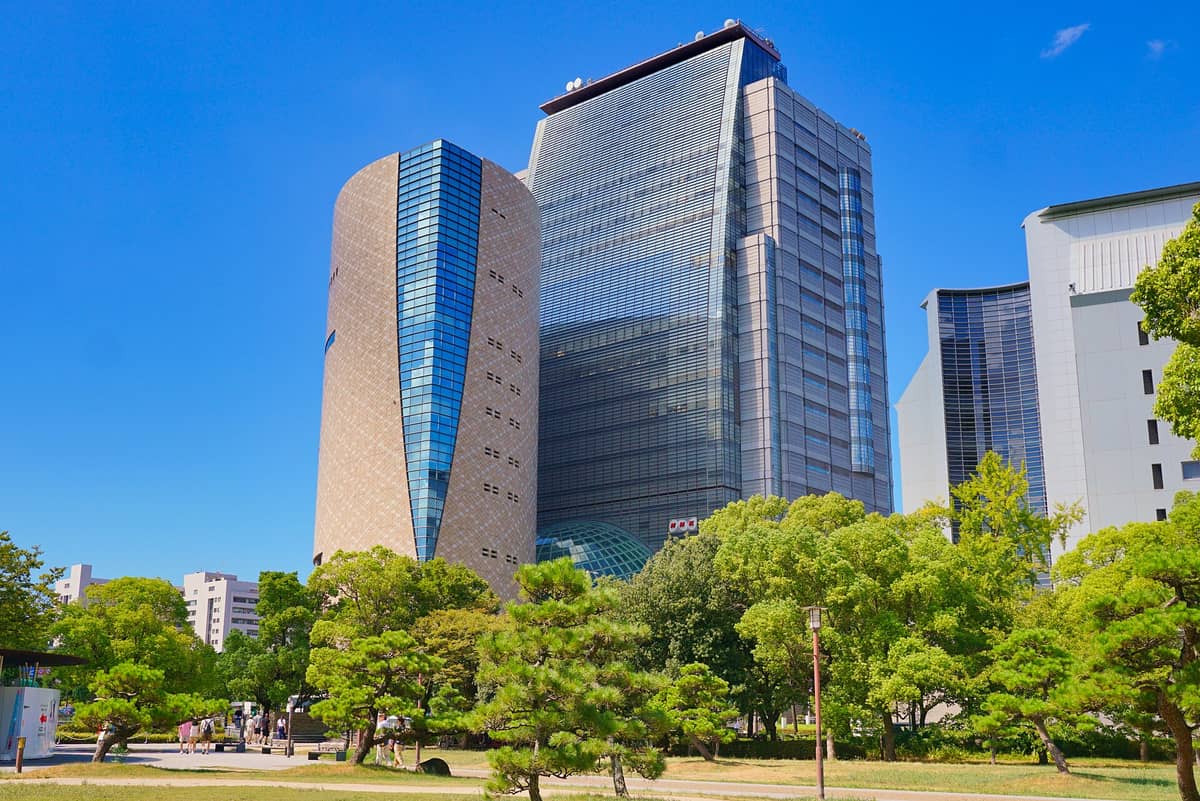
On the park's eastern edge, the Osaka Museum of History stands in a tower adjacent to the NHK Osaka Broadcasting Center. Its upper floors contain reconstructed scenes of Osaka's Naniwa-period past, including life-size reproductions of Naniwa Palace architecture. The museum is frequently overlooked by visitors focused on the castle, but it provides valuable historical context and the view from the upper observation floor looks directly across to the castle keep.
Osaka Castle main keep and museum (eight floors, panoramic views from the top)
Plum grove in the park's northeastern section (February flowering)
Osaka Museum of History (adjacent to the park's eastern edge)
Moat-side walking paths on the northern perimeter (quieter, shaded)
Otemon Gate and Gokurakubashi Bridge (historic stone structures worth examining closely)
Rokuban Yagura turret (visible from Tanimachi 4-chome Station direction across the moat)
ℹ️ Good to know
The Osaka Amazing Pass has previously included free entry to the castle tower interior at times, but this is not always the case. If you are planning multiple attractions in a single day, the pass can represent significant savings, but check current pass inclusions carefully before purchasing, as the lineup changes periodically.
Eating and Drinking
The castle park itself has limited food options beyond park-side kiosks and vending machines selling water, canned coffee, and light snacks. The kiosks near Otemon Gate and in the main plaza area sell basics like takoyaki and soft-serve ice cream at typical tourist-area prices. These are adequate for a snack between sights but are not destinations in themselves.
For a proper meal, the most convenient options are either in Osaka Business Park to the east, which has ground-floor restaurant chains in its office tower complexes, or along Tanimachi-suji and the streets around Tanimachi 4-chome Station to the southwest. This stretch has small ramen shops, lunch-set restaurants (teishoku), and convenience stores. Prices are generally reasonable since this area serves local office workers rather than primarily tourists.
For a full food experience, the castle area is best treated as a morning or afternoon excursion, with meals taken before or after in a neighboring district. Namba and Shinsaibashi are both accessible within 15 to 20 minutes by metro and offer a far broader range of dining. If you want to stay closer, the Kyobashi district just north of the park across the Okawa has a cluster of izakayas and yakitori counters that are popular with local workers in the evening.
⚠️ What to skip
Food prices in the park's immediate vicinity are noticeably higher than comparable items in the surrounding streets. Bring your own water and snacks if you plan to spend several hours exploring the grounds, especially in summer when hydration is a practical concern.
Getting There and Around
The Osaka Castle Area is served by more transit lines than almost any other park in the city, which makes arrival straightforward from nearly every direction. The trade-off is that no single station deposits you directly at the castle keep; all approaches involve at least a 10 to 20 minute walk through the park.
The most commonly used access point is Tanimachi 4-chome Station, served by both the Osaka Metro Tanimachi Line and the Chuo Line. Exit 1-B leads to Otemon Gate, the main formal entrance to the park on the southwest side. From Otemon Gate, the path to the castle keep is clear and well-signposted, taking approximately 15 minutes on foot through the outer and inner moat areas. This is the most architecturally impressive approach: you cross Gokurakubashi Bridge over the outer moat, pass through stone gate structures, and ascend gradually toward the keep.
JR Osakajokoen Station on the Osaka Loop Line sits on the park's northern edge and is a convenient option if you are arriving from Osaka Station (Umeda) or Kyobashi. From the station, a 10-minute walk south through the park's back entrance brings you into the castle precinct from the north. Morinomiya Station, on both the Osaka Metro Chuo Line and the Nagahori Tsurumi-ryokuchi Line, provides access from the east side of the park, closest to the Osaka Museum of History. Osaka Business Park Station on the Nagahori Tsurumi-ryokuchi Line is also useful for the park's eastern entrance.
Keihan Railway passengers can use Temmabashi Station (a short walk north across the Okawa) or Kyobashi Station for the park's northern approaches. Within the park, rental bicycles are available and make traversing the 106 hectares considerably easier, particularly if you want to combine the castle with the plum grove, Nishinomaru Garden, and the northern moat path in a single visit. For broader context on navigating the city's transit network, see the guide to getting around Osaka.
Where to Stay
There are hotels in the immediate castle area, primarily in the Osaka Business Park precinct to the east and along the Tanimachi corridor to the south. These tend to be business hotels and mid-range chain properties serving weekday corporate travelers; on weekends they often drop their rates and become reasonable options for tourists who prioritize access to the castle and prefer a quieter setting than Namba or Shinsaibashi.
Staying here makes strong sense if the castle is a morning priority and you want to arrive before the crowds, or if you are visiting specifically for cherry blossom season in Nishinomaru Garden. For travelers who want to combine the castle with the city's wider dining and nightlife scene, the lack of restaurants and bars within easy walking distance in the evening is a genuine limitation. Most visitors who prioritize evening activity are better served by staying in Namba or near Shinsaibashi and commuting to the castle by metro, a journey of around 15 to 20 minutes. For a full overview of accommodation choices across the city, the where to stay in Osaka guide covers all major neighborhoods with honest assessments of each.
The Tanimachi 4-chome end of the area, just southwest of Otemon Gate, is the most practical hotel location within this district. You are within a five-minute walk of the park entrance, on a metro line with direct connections south toward Namba and north toward Tenmabashi. The streets here are quiet without being isolated, and there are convenience stores and small restaurants within a short walk.
Practical Tips and Seasonal Notes
The best times to visit the Osaka Castle Area align closely with Osaka's two most temperate seasons. Spring, particularly late March through mid-April, brings the city's celebrated cherry blossoms to both the park's open grounds and Nishinomaru Garden. The Osaka cherry blossom guide covers timing and the best spots in detail. Autumn, from late October through mid-November, brings softer light, cooler temperatures, and the maples in the park's northern section. Both seasons see significantly higher visitor numbers, so weekday visits are worth planning specifically.
For visitors on a tighter schedule, the castle area pairs naturally with a half-day in Nakanoshima, the cultural island district just across the Okawa to the northwest. The two areas are close enough to combine in a single day without rushing. Similarly, Tennoji to the south is accessible by metro and makes a logical afternoon continuation, particularly if you want to visit Shitennoji Temple or the Tennoji district's own park and zoo.
Admission to the castle grounds (the outer park) is free at all times. The castle tower interior and Nishinomaru Garden each charge a separate admission fee; verify current prices directly with the castle before your visit, as fees are subject to change. The castle tower is closed for maintenance on certain dates each year, typically in late December and early January.
TL;DR
The Osaka Castle Area is centered on a 106-hectare park in Chuo Ward, with Osaka Castle as its anchor: historic, visually dramatic, and accessible from six different rail and metro stations.
Best visited in the morning before tour groups arrive, or during the cherry blossom and autumn foliage seasons when the park's gardens are at their most photogenic.
Food and nightlife options within the immediate area are limited; treat this as a daytime destination and plan meals in Namba, Shinsaibashi, or along the Tanimachi corridor.
Staying here suits travelers who prioritize the castle as a morning priority or who want a quieter base than Namba; business hotels in the Osaka Business Park and Tanimachi 4-chome areas offer the most convenient access.
The park's scale means navigating it takes real time: factor in 20 to 30 minutes of walking between its far corners, and use rental bicycles if you plan to cover multiple sections in one visit.
Three days is enough time to cover Osaka's essential neighbourhoods, eat your way through its famous food scene, and still avoid the rookie mistakes that waste half a day. This itinerary is built around the city's subway network, logical geographic clusters, and the real trade-offs between tourist staples and worthwhile alternatives.
Osaka is a dense urban city, but it hides some genuinely excellent green spaces. From the riverside sakura corridors of Kema Sakuranomiya to the sweeping grounds of Expo '70 Commemorative Park, here are the best gardens and parks the city has to offer, organized by type and neighborhood.
Osaka holds its own against much larger museum cities as a museum city. Whether you're drawn to ancient Japanese history, world-class contemporary art, or interactive science, these are the museums worth building your itinerary around.
Osaka is better known for neon signs and street food than spiritual sites, but its temples and shrines are among the most rewarding in western Japan. This guide covers the best sacred places to visit, from ancient foundations to architecturally daring modern complexes, with practical tips on when to go and what to expect.
Osaka rewards visitors year-round, but the experience changes dramatically depending on when you go. This guide breaks down each season's weather, crowd levels, price patterns, and standout events so you can choose the timing that suits your priorities.
Osaka rewards those who look up, look out, and look down from its rooftops, towers, and waterways. This guide covers the best viewpoints in Osaka, from 300-meter observatories to lantern-lit alleys that frame the city in a completely different way.
Osaka sits at the heart of the Kansai rail network, putting some of Japan's greatest destinations within an hour's reach. This guide covers the best day trips from Osaka with precise travel times, fare comparisons, rail pass breakdowns, and a clear take on what each destination is actually worth.
Osaka rewards travelers who explore on foot. From the neon-lit canal at Dotonbori to ancient shrines, riverside parks, and covered shopping streets that double as social spaces, the city is packed with free experiences. This guide covers the best of them, organized by type.
Osaka has one of the most efficient urban transport networks in Japan, with nine color-coded metro lines, overlapping JR and private railways, and a tap-and-go IC card system that connects virtually every corner of the city. This guide covers everything from airport transfers to day passes, so you spend less time figuring out tickets and more time exploring.
Osaka is Japan's third-largest city and one of Asia's most compelling urban destinations. But is it worth your limited travel time? This guide cuts through the noise with a clear look at what Osaka delivers — and where it falls short.
Osaka is served by two airports with very different purposes. Kansai International (KIX) handles almost all international flights, while Itami (ITM) is a domestic-only hub. This guide breaks down every transport option, current fare ranges, journey times, and which airport actually makes sense for your trip.
The Osaka Amazing Pass bundles unlimited transit with free attraction entry across the city. This guide breaks down current prices, what the pass actually covers, how to buy the new e-ticket version, and whether the math works out for your itinerary.
Osaka's anime scene is anchored by Den Den Town in Nipponbashi, a compact district packed with over 150 specialist shops covering manga, figures, retro games, doujinshi, and cosplay. This guide covers every key spot, the best stores, practical logistics, and where to find anime culture outside the main district.
Osaka's cherry blossom season typically peaks in early April, but the full picture is more nuanced than most guides admit. From riverside parks with 5,000 trees to a rare late-blooming tunnel at the Mint Bureau, this guide covers exactly when to go, where to stand, and how to avoid the most crowded mistakes.
Osaka rewards couples who look beyond the neon and crowds. This guide covers the most romantic experiences in the city, from panoramic observatory dates and evening bay cruises to quiet temple lanes and seasonal illumination events, with a clear take on what's worth it and what to skip.
Osaka rewards those who look beyond Dotonbori and Osaka Castle. This guide uncovers the city's overlooked shrines, nostalgic neighborhoods, market streets, and natural escapes that locals actually love.
Autumn is one of Osaka's strongest seasons, with koyo (fall foliage) peaking from mid-November into early December across parks, castle grounds, and riverside paths. This guide covers the best viewing spots, seasonal weather, crowd patterns, and practical logistics so you can plan with confidence.
Thinking about visiting Osaka between December and February? This guide covers the real winter weather, what's open, the best seasonal events, crowd patterns, and a clear take on whether a winter trip makes sense for you.
Osaka after dark is a different city entirely. From the neon-lit canal banks of Dotonbori to the whisky bars of Kitashinchi and the club floors of Shinsaibashi, this guide covers every tier of Osaka nightlife with practical logistics, practical recommendations, and the local knowledge to do it right.
Osaka rewards budget travelers more than almost any other major Japanese city. Between free parks, cheap street food, and the right transit pass, you can cover the highlights without spending a fortune. This guide breaks down exactly where to spend, where to save, and what the tourist traps actually cost.
Osaka has a surprisingly strong onsen scene for a major urban center, ranging from the enormous themed Spa World to sleek modern complexes and neighborhood sento. This guide covers the top facilities, realistic pricing, tattoo policies, seasonal timing, and everything else you need before you strip down and soak.
Osaka and Kyoto sit just 30 minutes apart by train, but they offer very different experiences as a home base. This guide breaks down transport links, accommodation costs, crowd dynamics, and the kind of traveler each city suits best, so you can make the right call before you book.
Osaka is one of Japan's great shopping cities, with distinct districts for every budget and interest. This guide breaks down the best areas, what to buy in each, how tax-free shopping works, and the traps to avoid — so you spend time buying, not wandering.
Osaka has one of the most serious street food cultures in Japan, built around the local philosophy of kuidaore: eat until you drop. This guide covers the essential dishes, the best areas to find them, practical logistics, and a clear take on what lives up to the hype.
The Sanyo Shinkansen makes Osaka to Hiroshima one of Japan's most rewarding day trips, covering roughly 342 km in around 80 minutes. This guide breaks down every transport option, real fare ranges, booking strategy, and what to prioritize once you arrive in Hiroshima.
Kyoto is just 24 minutes from central Osaka by train, but choosing the wrong route can cost you time and money. This guide covers every transport option, from the cheapest private railways to the shinkansen, plus practical advice on where to go in Kyoto once you arrive.
Nara is one of the most rewarding day trips from Osaka, with ancient temples, free-roaming deer, and journey times under an hour. This guide breaks down every transport option, compares costs, and gives you the practical detail to make the day run smoothly.
Osaka rewards walkers more than almost any city in Japan. This guide breaks down the best self-guided walking routes by neighborhood, covers the transit passes that make hopping between areas affordable, and gives you the practical detail you need to plan a full day on foot without second-guessing yourself.
From the whale sharks of Kaiyukan to the Mushroom Kingdom at Universal Studios Japan, Osaka delivers serious family fun across every age group. This guide covers the best kid-friendly attractions, current admission prices, crowd patterns, and practical logistics to make your family trip run smoothly.
Tenjin Matsuri is one of Japan's three great festivals, held every July at Osaka Tenmangu Shrine. This guide covers the 2026 dates, the land and boat processions, fireworks timings, viewing options, and everything you need to plan your visit without the usual tourist pitfalls.
Osaka rewards visitors with a rare combination of serious history, world-class food, and nightlife that runs until dawn. This guide covers the top things to do in Osaka Japan, from feudal castles and temple districts to canal-side street food and sweeping city views, with up-to-date prices, the best times to visit each attraction, and a clear take on what is worth your time.
Universal Studios Japan is one of the most-visited theme parks in Asia, and also one of the most misunderstood. This guide covers everything first-timers get wrong: dynamic ticket pricing, Super Nintendo World timed entry, Express Pass strategy, and the fastest routes from central Osaka.
Osaka has earned its reputation as Japan's kitchen over centuries, and the city's food culture runs far deeper than the few dishes that dominate travel blogs. This guide covers the essential Osaka foods every visitor should try, with real prices, the best areas to eat them, and practical advice on what to skip.
Choosing where to stay in Osaka shapes your entire trip. This guide breaks down every major neighborhood by vibe, price, and practicality — so you can book the right area, not just the cheapest room.