Osaka to Hiroshima: How to Get There, What It Costs, and What to Do
The Sanyo Shinkansen makes Osaka to Hiroshima one of Japan's most rewarding day trips, covering roughly 342 km in around 80 minutes. This guide breaks down every transport option, real fare ranges, booking strategy, and what to prioritize once you arrive in Hiroshima.
Plan and book this trip
Tools from our partner Travelpayouts help you compare flights and hotels. If you book through them, we may earn a commission at no extra cost to you.
Flights
Hotels map
TL;DR
- The fastest option is the Nozomi Shinkansen from Shin-Osaka to Hiroshima: around 80 minutes, with reserved seats typically costing ¥11,150 for adults.
- The JR Pass covers the Hikari and Kodama Shinkansen on this route but not the Nozomi — important if you're planning to use a pass. See our guide to getting around Osaka for broader transit context.
- Trains run from roughly 06:00 to 22:30, with near-hourly frequency — you don't need to plan obsessively around timetables.
- Hiroshima's Peace Memorial Park and Miyajima Island each deserve at least two to three hours; combining both in a single day is tight but doable.
- All fares listed here should be verified against current JR West pricing before you book, as they are subject to change.
Getting from Osaka to Hiroshima: Your Transport Options
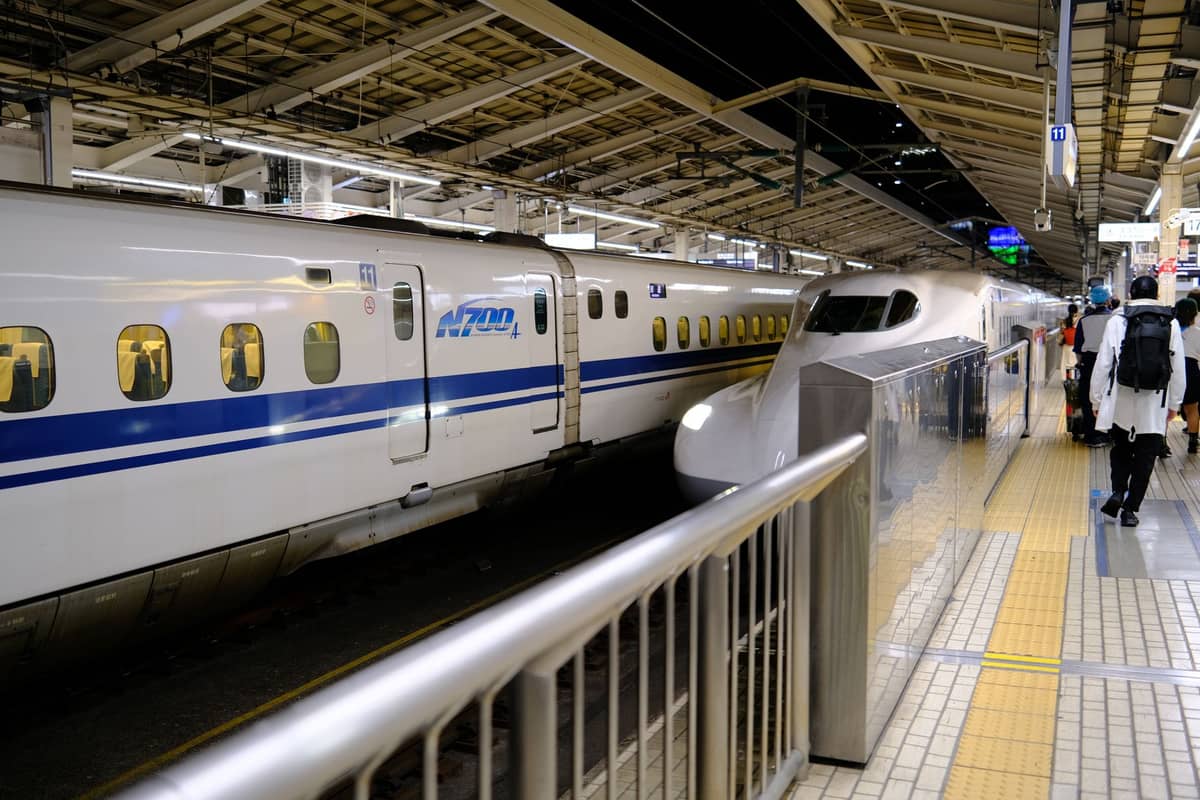
The backbone of this route is the Sanyo Shinkansen, the high-speed line connecting Shin-Osaka with Hiroshima in approximately 1 hour 20 to 30 minutes depending on the train type. It is fast, frequent, and genuinely comfortable. There are slower alternatives — highway buses and local trains exist — but for most travelers the Shinkansen is the only realistic choice unless budget is the overriding concern.
Three Shinkansen services operate on this corridor. The Nozomi is the fastest, stopping only at major stations; reserved seats from Shin-Osaka to Hiroshima are typically around ¥11,150 for adults, with Green Car seats around ¥14,810. The Hikari takes slightly longer due to additional stops but costs broadly similar amounts. The Kodama stops at every station and takes significantly longer — generally over two hours — making it a poor choice for this route unless you're specifically exploring intermediate towns. JR West's official fare for the one-way adult ticket on the Sanyo Shinkansen is published at 7,900 yen as a base, though prices vary by train type, seat class, and whether you book a reserved or non-reserved seat.
⚠️ What to skip
The JR Pass does NOT cover Nozomi or Mizuho Shinkansen services. If you hold a JR Pass and want to use it on this route, you must take the Hikari or Kodama. The Hikari adds roughly 15-25 minutes to the journey but is covered in full by the pass, making it excellent value.
Third-party booking platforms including Trip.com, 12Go, and RailMonsters list standard Shinkansen tickets in the approximate range of US$46 to US$86 depending on seat class and booking timing. For convenience, many travelers book directly through JR West's official site or purchase tickets at the Shinkansen ticket windows at Shin-Osaka Station. If you're planning multiple trips around western Japan, the Osaka Amazing Pass won't help here, but the Sanyo-Sanin Area Pass or Kansai-Hiroshima Area Pass may be worth evaluating for extended itineraries.
- Nozomi Shinkansen Fastest option: approx. 80 minutes. Reserved seat around ¥11,150. NOT covered by JR Pass. Departs from Shin-Osaka Station multiple times per hour.
- Hikari Shinkansen Around 90-105 minutes. Similar base fare to Nozomi. Fully covered by standard JR Pass. Fewer trains per hour but still very frequent.
- Kodama Shinkansen Stops at every station; journey time over 2 hours. Covered by JR Pass. Only worth considering if you plan to stop at intermediate stations like Himeji or Okayama.
- Highway Bus Budget option costing roughly ¥3,000-¥4,500 one way. Journey time is around 4-5 hours. Overnight buses allow you to save on accommodation, but the time cost is significant.
💡 Local tip
Shin-Osaka Station is the correct departure point for the Shinkansen, not Osaka Station (also called Umeda). The two are about 3 km apart and connected by a 5-minute ride on the JR Kyoto Line or Osaka Metro Midosuji Line. Build this transfer into your timing.
Booking Your Shinkansen Ticket: What Actually Works
You have three realistic approaches to ticketing. The first is buying at the station on the day. Shin-Osaka has staffed JR ticket windows (Midori no Madoguchi) and automated machines with English interfaces. Non-reserved seats on most services are available without pre-booking, meaning you can show up and board the next departing train. The risk is that non-reserved cars can fill up during peak periods, particularly on Friday evenings and national holiday windows.
The second approach is booking reserved seats in advance, either through JR West's English-language site, the Eki-net platform, or reputable third-party sites like 12Go or Trip.com. Reserved seat pricing is fixed regardless of how early you book — unlike airline tickets, Shinkansen fares don't typically reward early purchase with cheaper base fares, though some discount tickets and early-bird passes exist for domestic travelers. The third approach, relevant for JR Pass holders, is to reserve seats for free at any JR ticket window before boarding — strongly recommended on the Hikari during busy periods.
✨ Pro tip
Trains depart from Shin-Osaka roughly every 10-15 minutes during daytime hours. If you miss your intended service, the next one won't be long. First departures are around 06:00; last trains toward Hiroshima run around 22:29-22:42 depending on the service. You have genuine flexibility throughout the day.
What to Do in Hiroshima: Priorities and Practicalities
Hiroshima rewards visitors who slow down. The city is not a single attraction with a gift shop attached — it is a modern, functioning Japanese city with genuine depth, and the Peace Memorial Park and Atomic Bomb Dome are only one part of that story. That said, for most visitors making the trip from Osaka, the Peace Memorial complex is the primary reason to come, and it deserves serious time.
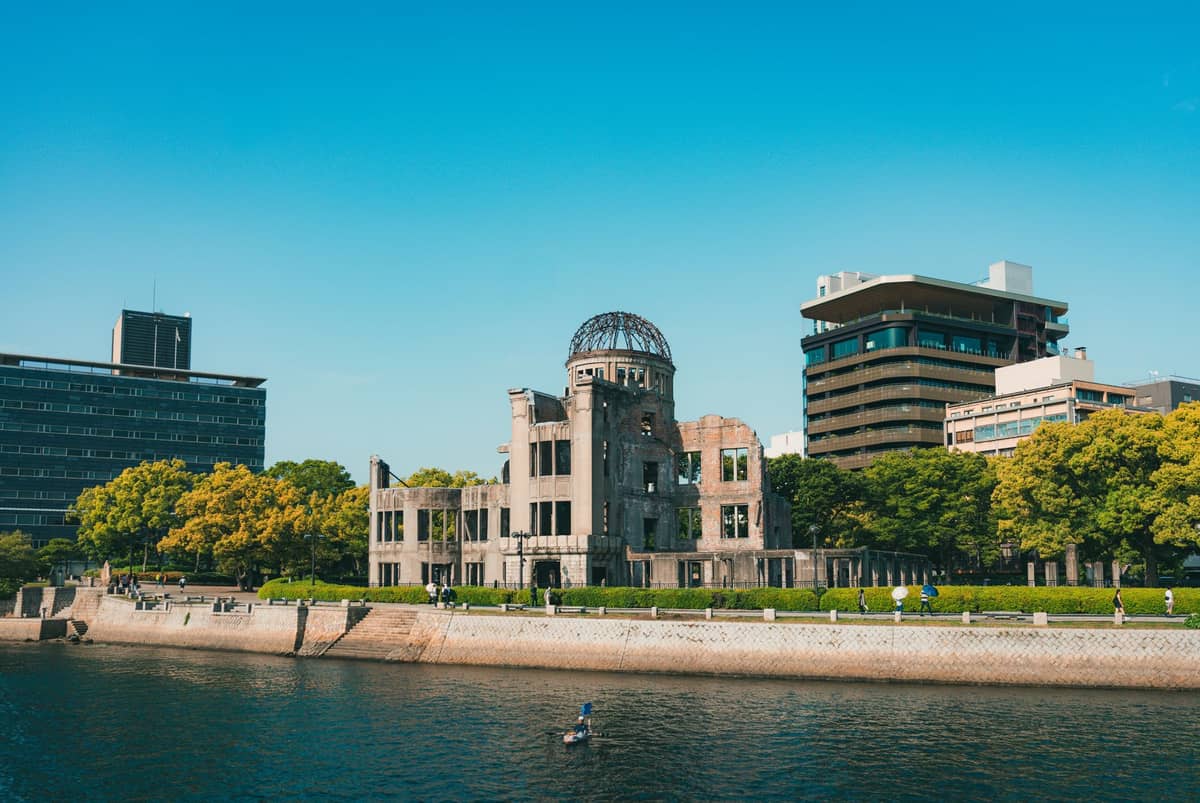
The Peace Memorial Museum sits at the southern end of the park and provides essential historical context for everything else you'll see. Allow at least 90 minutes inside — rushing through it diminishes the experience significantly. The Atomic Bomb Dome (Genbaku Dome), preserved in its damaged state near the hypocenter, sits at the park's northern edge and is a short walk from the museum. The park itself is free to enter and well signposted in multiple languages. Hiroshima City operates tourist information centers at Hiroshima Station, with the main JR Hiroshima Tourist Information Center open 06:00 to 24:00 year-round, where you can collect maps and get transport advice for Miyajima. This pairs well with a broader day trip itinerary from Osaka if you're planning multiple excursions.
Miyajima Island (officially Itsukushima) is around 30 minutes from Hiroshima by tram and ferry, and the floating torii gate of Itsukushima Shrine is one of Japan's most photographed images. The torii's position changes visually depending on the tide — at high tide it appears to float on the water; at low tide you can walk out to it. Check tide times before you go. The island has deer, hiking trails to Mount Misen, and a surprisingly good food scene centered on oysters and momiji manju (maple leaf-shaped cakes). The JR Ferry to Miyajima is covered by the JR Pass, which is a useful bonus for pass holders.
- Peace Memorial Park and Museum: Allow 2-3 hours minimum. Museum entry is ¥200 for adults (verify current pricing).
- Atomic Bomb Dome: Free to view from outside. The surrounding park area is contemplative — worth more than a photo stop.
- Miyajima Island and Itsukushima Shrine: Half-day minimum. Check tide tables to plan your visit around the floating torii effect.
- Mount Misen: A ropeway and hiking trails reach the summit with panoramic views over the Seto Inland Sea. Not feasible if combining with Peace Memorial in one day.
- Hiroshima's Okonomimura: Multi-floor building in central Hiroshima dedicated to Hiroshima-style okonomiyaki (savory pancake with noodles). Essential if you want to eat well and cheap.
Day Trip vs. Overnight Stay: How to Decide
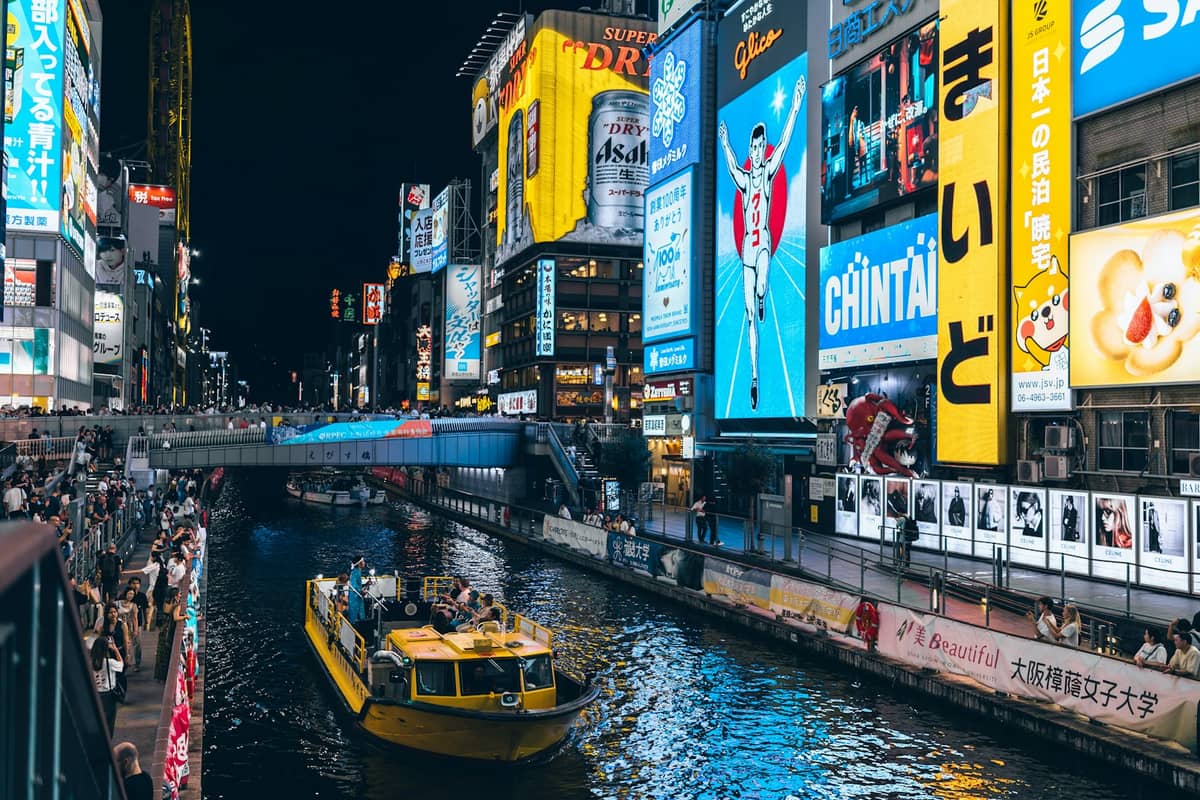
The honest answer is that Hiroshima and Miyajima together justify at least one night. Doing both in a single day from Osaka means leaving early (first Shinkansen around 06:00) and returning late — you'll see the main sights but will feel compressed. If you can spend a night, the Peace Memorial Park at dawn before the crowds arrive is a different experience entirely, and Miyajima in the evening light after day-trippers have left has a calm that daytime visits don't offer. For couples planning a romantic itinerary, the overnight option is far preferable — the Osaka for couples guide covers how to structure multi-destination trips through the Kansai and Chugoku regions.
If a day trip is all your schedule allows, here's a workable sequence: depart Shin-Osaka on the 07:00-07:30 Nozomi, arrive Hiroshima by 08:30, spend the morning at the Peace Memorial complex, take the tram and ferry to Miyajima after lunch, return to Hiroshima by late afternoon, eat okonomiyaki for dinner, and catch a return Shinkansen by 20:00-21:00. It's full but not brutal. The return journey to Osaka is around 80–90 minutes, and trains run until around 22:30.
Seasonal Considerations for This Route
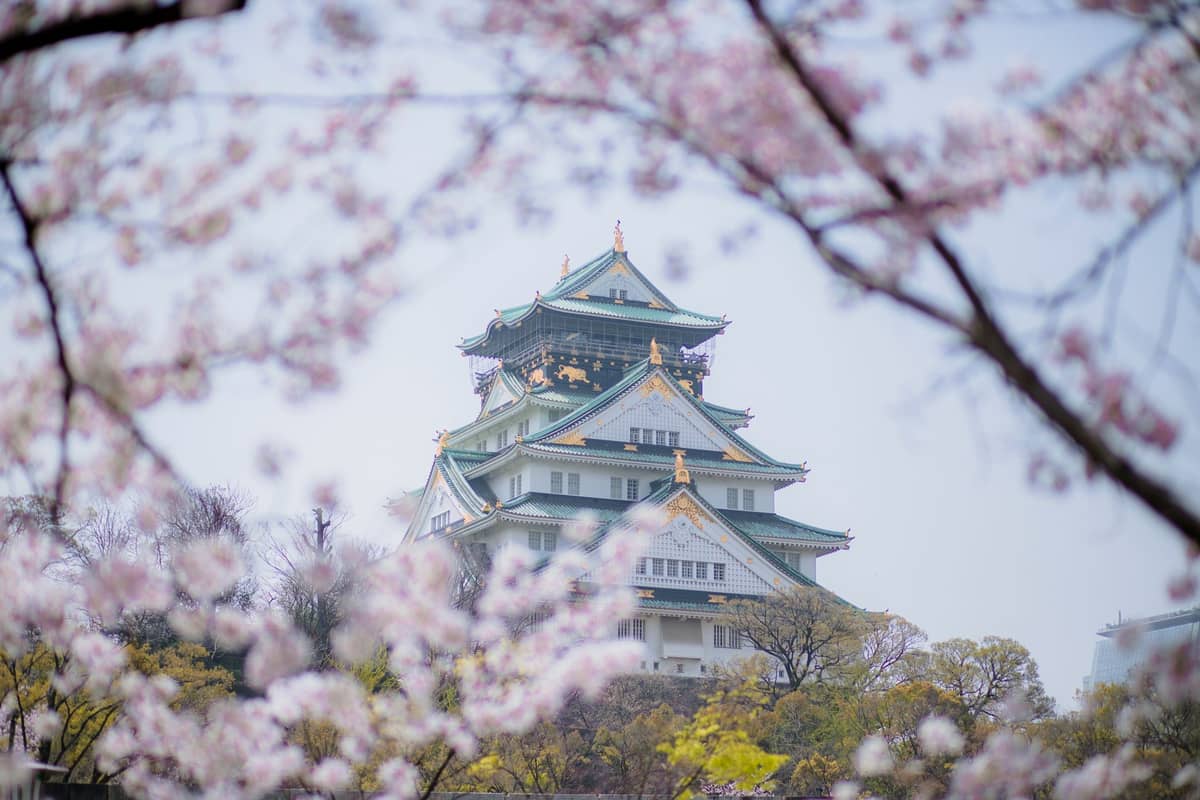
Spring and autumn are the most comfortable times to make this trip. Hiroshima has its own cherry blossom season in late March to early April, and the Peace Memorial Park's trees are well-regarded. Osaka's cherry blossom timing is similar, so combining both cities in a spring itinerary works well — see the Osaka cherry blossom guide for specific timing and locations.
Summer (July to August) is hot in both cities, with Osaka's humidity particularly intense. Hiroshima's August 6th Peace Memorial Ceremony is held annually and draws significant crowds — the mood is solemn and the experience is meaningful, but accommodation books out months in advance. Autumn (October to November) offers cooler temperatures and autumn foliage, particularly on Miyajima and around the Hiroshima region. Winter visits are quieter and cheaper for accommodation, though Miyajima's deer and torii remain photogenic. For broader seasonal planning, the best time to visit Osaka guide applies equally well to this wider region.
ℹ️ Good to know
Hiroshima's August 6th Peace Memorial Ceremony draws tens of thousands of attendees. If you plan to visit around this date, book trains and accommodation well in advance — ideally two to three months ahead. The Shinkansen does not typically sell out entirely, but affordable hotels fill up fast.
Practical Logistics Before You Go
Hiroshima city center is compact and navigable by tram. The street tram network (Hiroden) connects Hiroshima Station with the Peace Memorial Park and the Miyajima ferry terminal at Hiroshima Port. A one-day tram pass is available and costs around ¥700-¥900 (verify current pricing); it covers unlimited tram rides within the city and is worthwhile if you're combining the Peace Memorial area with Miyajima in a single day. Taxis are available but unnecessary for the main sightseeing loop.
Tipping is not customary in Japan — in restaurants, museums, or transport — and attempting to tip can cause awkwardness. Japan's tap water meets national drinking water standards, so you don't need to buy bottled water at every stop. Electrical outlets are Type A (two flat parallel pins) at 100V/60Hz in the Kansai region, which matches most North American plugs directly but may require an adapter for European devices. For a broader overview of how Osaka fits into western Japan travel planning, the Osaka vs Kyoto comparison guide and the Osaka to Kyoto guide are useful companion reads — many travelers combine Osaka, Kyoto, and Hiroshima in a single Kansai itinerary.
If this is part of a longer Osaka stay and you're still building your itinerary around the city itself, the 3-day Osaka itinerary is a practical starting point. Hiroshima works best as a day trip on day two or three of that structure, leaving your first day to orient yourself in Osaka.
FAQ
How long does the Shinkansen from Osaka to Hiroshima take?
The Nozomi Shinkansen takes approximately 80 minutes from Shin-Osaka to Hiroshima. The Hikari takes around 90 to 105 minutes with additional stops. The Kodama, which stops at every station, takes over two hours and is generally not recommended for this journey unless you plan to stop at intermediate cities.
Does the JR Pass cover the Osaka to Hiroshima Shinkansen?
The standard JR Pass covers the Hikari and Kodama Shinkansen services on this route, but it does NOT cover the Nozomi or Mizuho. If you hold a JR Pass, take the Hikari — it's covered in full and adds only around 15 to 25 minutes to the journey compared to the Nozomi.
Can you do Hiroshima as a day trip from Osaka?
Yes, it's doable. Leave on an early Shinkansen around 07:00-07:30, arrive by 08:30, and you have around 10 hours before needing to return. You can see the Peace Memorial Park and squeeze in Miyajima, but it's tight. An overnight stay gives you significantly more flexibility and a more relaxed experience.
What is the cheapest way to get from Osaka to Hiroshima?
Highway buses are the cheapest option at roughly ¥3,000 to ¥4,500 one way, but the journey takes around four to six hours. For most travelers, the time cost makes this impractical for a day trip. If you hold a JR Pass, taking the Hikari Shinkansen is effectively free, making it by far the best value option for pass holders.
Which station in Osaka do you take the Shinkansen from?
You depart from Shin-Osaka Station, not Osaka Station. The two are located about 3 km apart. Shin-Osaka is served by the JR Kyoto Line and the Osaka Metro Midosuji Line (Red Line), making it straightforward to reach from most central Osaka neighborhoods in around 5 to 15 minutes by rail.