Best Day Trips from Osaka: Kyoto, Nara, Kobe, Himeji and Beyond
Osaka sits at the heart of the Kansai rail network, putting some of Japan's greatest destinations within an hour's reach. This guide covers the best day trips from Osaka with precise travel times, fare comparisons, rail pass breakdowns, and a clear take on what each destination is actually worth.
Plan and book this trip
Tools from our partner Travelpayouts help you compare flights and hotels. If you book through them, we may earn a commission at no extra cost to you.
Flights
Hotels map
TL;DR
- Kyoto is 24-28 minutes by JR Special Rapid (around ¥580) — you do not need the Shinkansen for this route.
- Nara takes 35-55 minutes from Osaka via JR or Kintetsu, making it one of the easiest half-day options in Kansai.
- The JR Kansai Area Pass (¥2,800/day) pays for itself quickly if you combine Kyoto and Nara in one trip — see our guide to getting around Osaka for IC card vs. pass advice.
- Spring cherry blossom season and autumn foliage are the most crowded periods — book limited express seats in advance if travelling in late March, April, or November.
- Kintetsu trains to Nara are not covered by JR passes; always check which operator runs your chosen service before buying a pass.
Why Osaka Is the Best Base for Kansai Day Trips
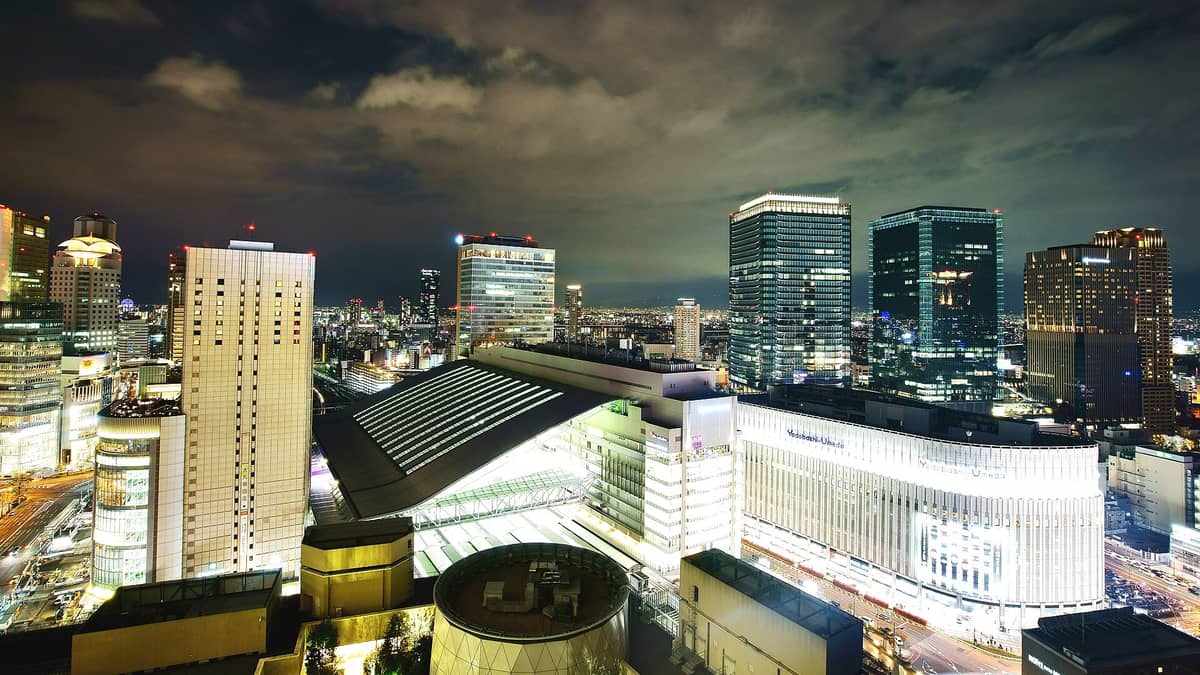
Osaka sits at the centre of the Kansai rail network, with JR West, Kintetsu, Nankai, Hankyu, and Keihan lines radiating outward to cover virtually every major attraction in western Japan. Osaka's transport infrastructure means you can board a train in Namba or Osaka Station and reach Kyoto, Nara, Kobe, or Himeji without a car, without a transfer in Tokyo, and usually without a reserved seat. Few cities in Japan offer this kind of reach.
The geography helps too. Osaka, Kyoto, and Kobe are all within a roughly 60-kilometre corridor. Nara sits just 40 kilometres to the east. Himeji is about 90 kilometres west along the Sanyo Shinkansen route. Even Hiroshima, at around 280 kilometres, is feasible as a long day trip on the Shinkansen. No other city in Kansai offers quite the same combination of frequency, price, and coverage.
ℹ️ Good to know
Osaka day trips work best if you leave early. Aim to depart by 8:00-9:00 AM to avoid overlapping with mid-morning tour groups at popular sites in Kyoto and Nara. Returning by 18:00-19:00 keeps you in the comfortable window before peak dinner-hour crowds on inbound trains.
Kyoto: The Classic Day Trip
Kyoto is the default day trip from Osaka for good reason: it is close, incredibly dense with temples, gardens, and traditional neighbourhoods, and easy to navigate on foot and by bus. The travel time is short enough that you can spend a full day exploring and still be back in Osaka for dinner.
The JR Special Rapid from Osaka Station to Kyoto Station takes 24-28 minutes and costs around ¥580 one way. This is the practical choice for most travellers. The Shinkansen between Shin-Osaka and Kyoto shaves off about 10 minutes but costs significantly more — it is rarely worth the premium for a short day trip. Budget-conscious travellers can use the Hankyu Limited Express from Umeda (Osaka) to Kawaramachi (central Kyoto) for around ¥410, though the journey takes about 44 minutes and drops you a bit further from major sights like Kinkaku-ji or Fushimi Inari. See our complete Osaka to Kyoto guide for a full route and timing comparison.
The honest caveat on Kyoto: a single day is tight if you want to cover multiple districts. Prioritise one area rather than trying to sprint between Arashiyama, Higashiyama, and Fushimi in six hours. Higashiyama in the morning, when the lanes around Ninnen-zaka and Sannei-zaka are quieter, is often the most rewarding choice. Fushimi Inari is best visited before 8:00 AM or after 16:00 to avoid the worst of the crowds.
⚠️ What to skip
Kyoto in late March, April, and November runs at near-maximum capacity. Trains from Osaka Station fill up quickly and platforms at Kyoto Station can become genuinely chaotic by mid-morning. On peak cherry blossom weekends, consider departing by 7:30 AM to secure a comfortable seat.
Nara: Deer Parks, Giant Buddhas, and Easy Half-Days
Nara is arguably the easiest day trip from Osaka. The journey takes 35-55 minutes depending on which route and train type you choose, and the main sights — Todai-ji temple with its 15-metre bronze Buddha, Kasuga Taisha shrine, and Nara Park with its famously bold deer — are all within comfortable walking distance of both Kintetsu Nara Station and JR Nara Station. Check our dedicated Osaka to Nara guide for detailed directions and what to do once you arrive.
- JR Yamatoji Rapid (Osaka/Tennoji to JR Nara Station) Around 35-55 minutes depending on departure point. Fare approximately ¥800-¥820. Covered by JR passes including the JR Kansai Area Pass.
- Kintetsu Limited Express (Osaka-Namba to Kintetsu Nara Station) Around 35-36 minutes. Express fare approximately ¥560-¥680; limited express with reserved seat around ¥1,300-¥1,410. NOT covered by JR passes.
- Kintetsu Express (no surcharge) Around 45-50 minutes with a typical fare around ¥580. Cheapest option on the Kintetsu network and comfortable for most travellers.
A common misconception is that Nara requires a full day. If you focus on Nara Park, Todai-ji, and one or two shrine paths, a half-day from 9:00 AM to 14:00 is perfectly reasonable. This makes Nara an excellent morning destination that you can combine with an afternoon in Kyoto or back in Osaka itself.
✨ Pro tip
The deer at Nara Park are wild and will aggressively pursue anyone who appears to be carrying shika senbei (deer crackers). Buy the crackers only when you are ready to distribute them, and keep bags closed tight. Deer-related torn clothes and minor injuries are a consistent issue for unprepared visitors.
Kobe and Himeji: Two Directions, Two Very Different Days
Kobe sits just 25-35 minutes west of Osaka on JR or Hankyu lines, making it almost too close to justify a full-day trip on its own. The city is best combined with a morning in Osaka's Umeda district or saved for an afternoon extension. The Kitano-cho foreign settlement area, the Kobe Chinatown (Nankinmachi), and the Rokko Island waterfront each have distinct characters. For travellers spending multiple days in Osaka, Kobe works particularly well on a relaxed afternoon when you want a change of pace rather than another temple circuit.
Himeji is a more deliberate day trip. The city sits around 90 kilometres west of Osaka, and the journey by JR Special Rapid takes roughly 60-70 minutes from Osaka Station. The draw is Himeji Castle, the finest surviving example of Japanese feudal castle architecture and a UNESCO World Heritage Site. The castle and its surrounding gardens can absorb three to four hours comfortably, and the Koko-en garden adjacent to the castle walls is worth the separate admission. Unlike Kyoto, Himeji's main attraction is concentrated in one walkable precinct, which makes planning simple.
Travellers heading further west, toward Hiroshima or Miyajima, should read the Osaka to Hiroshima guide for Shinkansen options and pass recommendations. The JR Kansai-Hiroshima Area Pass covers this route and can make a Hiroshima day trip financially viable, though the total travel time of roughly 90 minutes each way means an early start is essential.
Rail Passes: Which One Actually Makes Sense
Rail passes for Osaka day trips need careful evaluation. The maths only works in your favour if you are making multiple journeys on JR-operated lines in a single day. Here is a breakdown of the main options and when each one is worth buying.
- JR Kansai Area Pass (1 day: ¥2,800 adult) Covers JR lines between Osaka, Kyoto, Nara, Kobe, and Himeji. A single Osaka-Kyoto-Osaka round trip (around ¥1,160) does not justify the pass alone. Add Nara or Himeji and it becomes worthwhile. Child fare is half price.
- JR Kansai Wide Area Pass (5 days: ¥12,000 adult) Expands coverage to Okayama, Wakayama, and parts of the San-in coast. Useful for multi-day regional itineraries, not a single day trip.
- JR Kansai-Hiroshima Area Pass Covers Shinkansen and JR lines between Kansai and Hiroshima. Check JR West's official site for current pricing, as it changes periodically. Best for travellers doing a Hiroshima or Miyajima day trip.
- IC Card (Suica or ICOCA) For single-destination day trips to Nara or Kyoto by JR, simply tapping in with an IC card is often cheaper and faster than queuing for a pass. Use passes when combining three or more JR destinations in one day.
One critical detail: Kintetsu trains to Nara are not covered by any JR pass. If you plan to use the Kintetsu route (which drops you closer to the park and main sights than JR Nara Station), budget separately or look at the Osaka Amazing Pass, which covers some Osaka Metro and private rail services but not Kintetsu intercity routes.
Seasonal Timing and What It Means for Each Destination
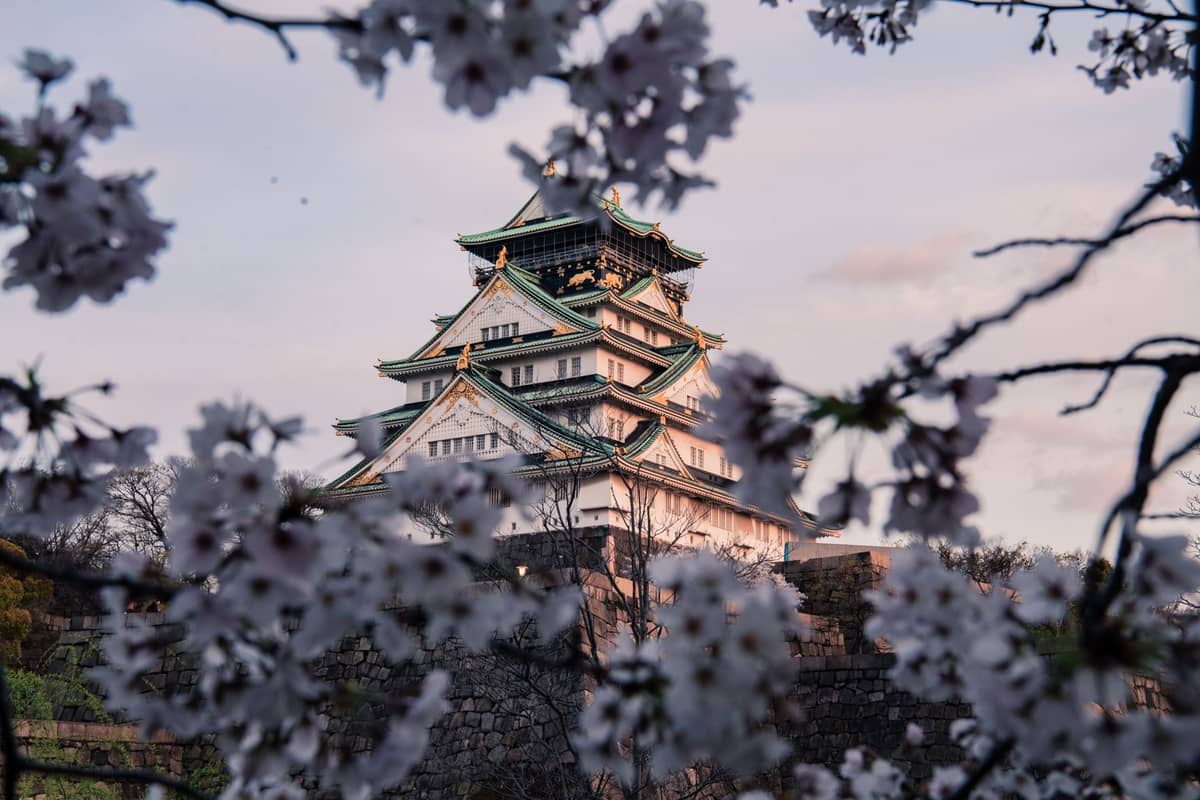
The best time to visit Osaka directly affects how comfortable each day trip will be. Spring (late March to early May) and autumn (October to November) are the peak seasons for both crowds and beauty across Kansai. Cherry blossom in late March and early April draws enormous numbers to Kyoto's Maruyama Park and Nara's Yoshino area. Autumn foliage in November brings a similar surge. See our best time to visit Osaka guide for a month-by-month breakdown.
Summer (June to August) is the most challenging period for day trips. Osaka's humid subtropical climate means temperatures frequently exceed 33-35°C in July and August, and Nara's deer park and Kyoto's hillside temple paths become genuinely uncomfortable between 10:00 and 16:00. June also brings the rainy season (tsuyu), with around 185mm of rain concentrated in the first half of the month. If you are visiting in summer, prioritise early-morning departures and use the midday hours for indoor attractions — Kyoto's museum options in Osaka itself are a viable alternative to sweating through an open-air temple circuit in August.
Winter (December to February) is underrated for day trips. Crowds are noticeably lower at Nara and Himeji, temple gardens in Kyoto take on a spare, contemplative quality, and JR trains run normally without the summer heat or autumn leaf-peeper surges. Temperatures in Osaka average around 6-9°C in winter, which is cold but manageable with layering. Snow occasionally falls in Kyoto and the Yoshino mountains, but it rarely disrupts rail schedules significantly.
FAQ
What is the easiest day trip from Osaka?
Nara is the easiest, both logistically and in terms of planning. The journey takes 35-55 minutes by JR or Kintetsu, the main sights are concentrated in one walkable area around Nara Park, and the deer make it immediately engaging even for travellers who are not particularly interested in temples. Kyoto is the most popular, but requires more planning to make the most of a single day.
Do I need a rail pass for day trips from Osaka?
Not necessarily. For a single Osaka-Kyoto return trip, paying the ¥580 fare each way is cheaper than buying a JR Kansai Area Pass (¥2,800). The pass makes sense if you are combining two or more JR destinations in one day — for example, Kyoto in the morning and Nara via Kyoto in the afternoon. If using Kintetsu trains to Nara, note that JR passes do not cover them.
How long does it take to get from Osaka to Kyoto?
The JR Special Rapid from Osaka Station to Kyoto Station takes 24-28 minutes and costs around ¥580 one way. The Shinkansen from Shin-Osaka takes about 15 minutes but costs significantly more. The Hankyu Limited Express from Umeda takes around 44 minutes for about ¥410 and is the budget option.
Is Hiroshima doable as a day trip from Osaka?
Yes, but it requires an early start. The Shinkansen from Shin-Osaka to Hiroshima takes around 85-95 minutes. To get a full four to five hours in Hiroshima before the return journey, you need to depart by 8:00-8:30 AM at the latest. The JR Kansai-Hiroshima Area Pass covers this route and is worth calculating against the individual fare.
What day trip from Osaka is best for families with children?
Nara wins for families with younger children — the deer interaction is immediately exciting and requires minimal walking to reach from the station. For older children, Himeji Castle is genuinely impressive and historically engaging. Kyoto can be overwhelming for young kids given the walking distances between sights, though Arashiyama's bamboo grove tends to go over well with most ages.