Osaka in Autumn: Fall Foliage, Weather & What to Expect
Autumn is one of Osaka's strongest seasons, with koyo (fall foliage) peaking from mid-November into early December across parks, castle grounds, and riverside paths. This guide covers the best viewing spots, seasonal weather, crowd patterns, and practical logistics so you can plan with confidence.
Plan and book this trip
Tools from our partner Travelpayouts help you compare flights and hotels. If you book through them, we may earn a commission at no extra cost to you.
Flights
Hotels map
TL;DR
- Osaka's autumn foliage (koyo) typically peaks mid-November to early December — earlier spots can turn before October ends, as many visitors assume.
- Top spots include Minoh Park, Osaka Castle Park, and Expo '70 Commemorative Park — all easily reached by public transit.
- Minoh Park and other mountain-fringe spots color first; central city parks hold color into early December.
- Both Minoh Park and Osaka Castle Park grounds are free to enter — budget mostly goes toward transport and food.
- Check the best time to visit Osaka for a full seasonal breakdown beyond just autumn.
Autumn Weather in Osaka: What to Actually Expect
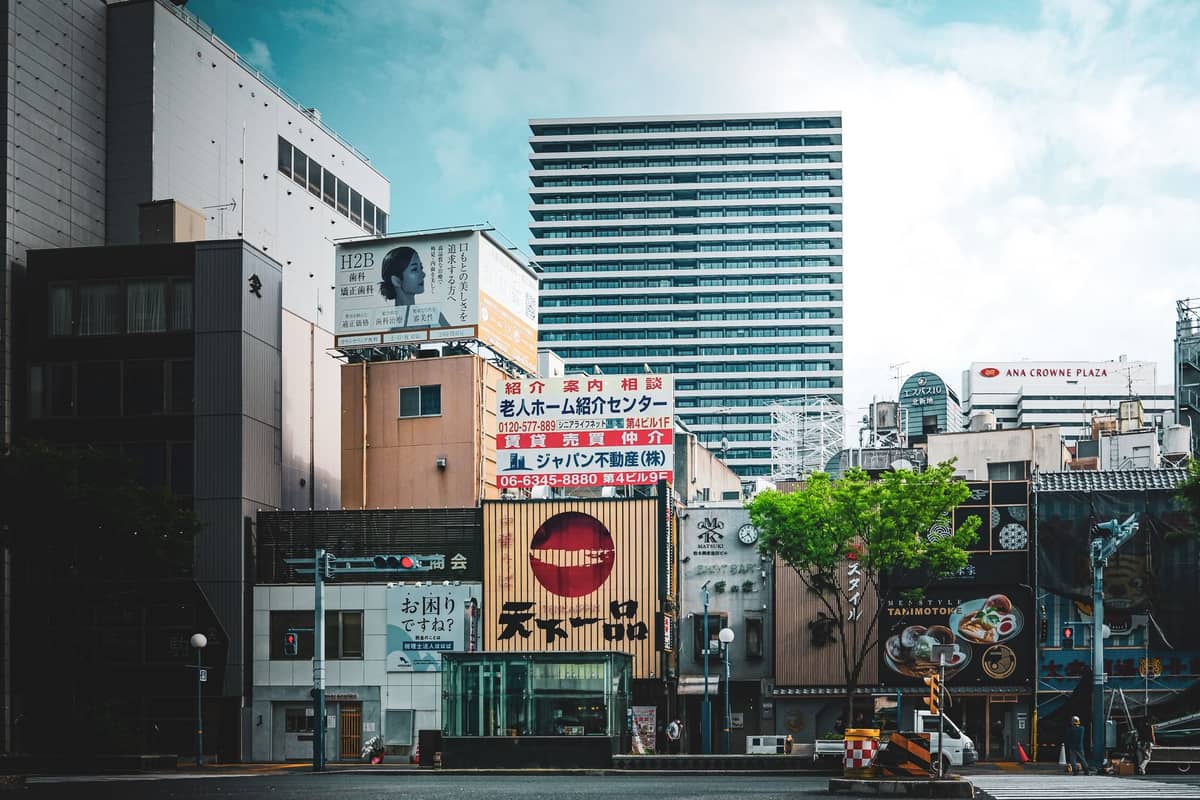
September in Osaka is still summer by any practical measure. Temperatures hover around 27-29°C, humidity remains high, and late-summer typhoons can sweep through with little warning. September in Osaka is still summer by any practical measure. Temperatures hover around 27-29°C, humidity remains high, and late-summer typhoons can sweep through with little warning. This makes September a challenging month to travel, particularly if you're hoping for pleasant outdoor conditions. Plan for heat and occasional disruption rather than crisp autumn air. particularly if you're hoping for pleasant outdoor conditions. Plan for heat and occasional disruption rather than crisp autumn air.
October is the transition month. October is the transition month. Temperatures fall from the mid-20s toward the high teens by month's end, humidity drops noticeably, and the city becomes significantly more comfortable for walking. Rain is possible but not excessive. This is when Osaka starts to feel like autumn, even if the leaves haven't caught up yet. humidity drops noticeably, and the city becomes significantly more comfortable for walking. Rain is possible but not excessive. This is when Osaka starts to feel like autumn, even if the leaves haven't caught up yet.
November and early December are the sweet spot. Daytime highs typically run 15-20°C in early November, cooling toward 10-14°C by late November. Nights can drop to 5-8°C, so a mid-layer and a proper jacket are necessary by the time peak foliage arrives. Rainfall is relatively low compared to summer, November and early December are the sweet spot. Daytime highs typically run 15-20°C in early November, cooling toward 10-14°C by late November. Nights can drop to 5-8°C, so a mid-layer and a proper jacket are necessary by the time peak foliage arrives. Rainfall is relatively low compared to summer, making for good conditions for outdoor photography and park walks. — ideal conditions for outdoor photography and park walks.
💡 Local tip
Pack layers for late November. Mornings at Minoh Park can be genuinely cold (close to 5°C), while afternoons in Namba or Dotonbori stay mild enough for just a light jacket. Conditions shift fast between elevation and city center.
When Does Osaka's Foliage Actually Peak?
The most common mistake travelers make is expecting October foliage in Osaka. In reality, central Osaka rarely shows meaningful color until mid-November, The most common mistake travelers make is expecting October foliage in Osaka. In reality, central Osaka rarely shows meaningful color until mid-November, with the true peak running from roughly mid- to late November depending on the year and location. Spots at higher elevations — particularly Minoh Park in the hills north of the city — tend to color earliest, sometimes reaching peak by early-to-mid November. City-center parks like Osaka Castle Park lag behind, often peaking in late November and holding decent color into early December. Spots at higher elevations — particularly Minoh Park in the hills north of the city — tend to color earliest, sometimes reaching peak by early-to-mid November. City-center parks like Osaka Castle Park lag behind, often peaking in late November and holding decent color into early December.
JR West publishes a near-real-time koyo bulletin each autumn, tracking color progression at major spots across Osaka Prefecture JR West publishes a near-real-time koyo bulletin each autumn, tracking color progression at major spots across Osaka Prefecture including Minoh, Osaka Castle Park, and Expo '70 Commemorative Park. It uses a simple status system — green, beginning to change, full color, falling — and is updated regularly throughout the season. Bookmark it before your trip if you want to time your visit precisely. It uses a simple status system — green, beginning to change, full color, falling — and is updated regularly throughout the season. Bookmark it before your trip if you want to time your visit precisely.
⚠️ What to skip
Year-to-year variation is real. A warmer-than-average autumn can push peak foliage a week or more later than usual. Don't lock in non-refundable accommodation assuming peak will hit on a fixed date — build in a few days of flexibility around mid-to-late November.
Best Spots for Autumn Foliage in Osaka
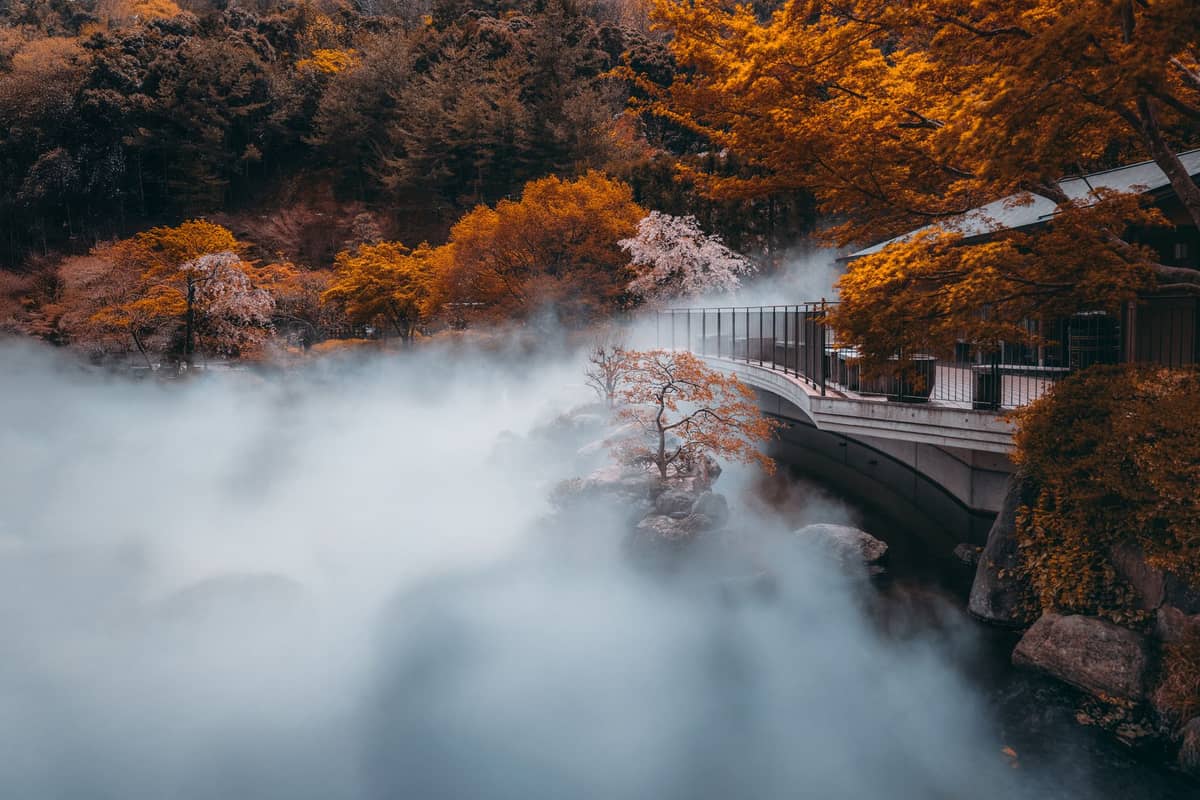
Minoh Park is the single strongest foliage destination within Osaka Prefecture. Located about 30 minutes north of central Osaka by Hankyu train from Umeda to Minoh Station, it sits within the Meiji no Mori Minoh Quasi-National Park at a noticeably higher elevation than the city. The main trail runs roughly 2.7 km from the station through maple-lined paths to Minoh Falls, making for an easy half-day hike with continuous canopy color at peak. Entry to the park is free, though food stalls and small temple admission fees add up along the trail.
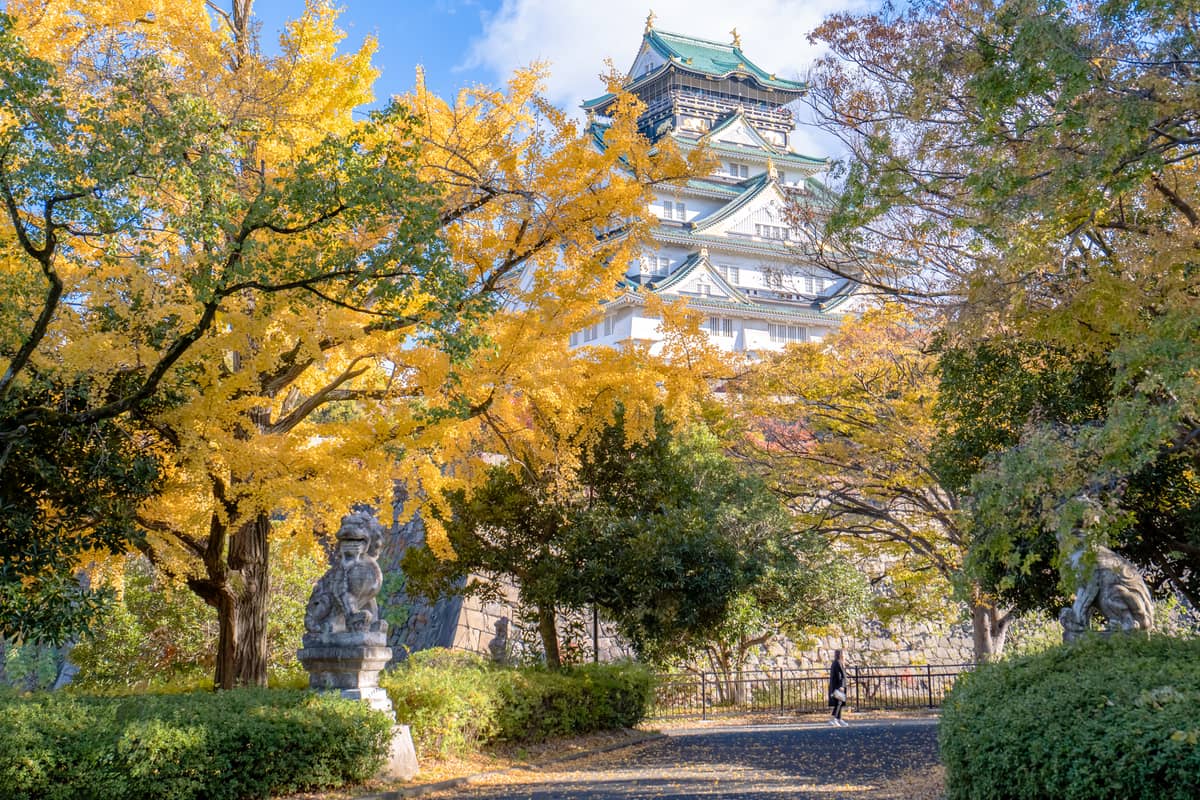
Osaka Castle Park offers a different kind of experience: foliage set against the backdrop of a landmark 16th-century castle. The park's official autumn map highlights Momiji-dani (Maple Valley) and a cluster of early-turning maples near the castle's west side. Osaka CastleOsaka Castle Park grounds are free to enter, with separate paid admission for the castle tower museum. The combination of architecture, open lawns, and maple groves makes this the most photographed autumn scene in the city proper.
Expo '70 Commemorative Park (Banpaku Kinen Koen) sits about 30 minutes from central Osaka and covers a vast area of gardens originally developed for the 1970 World Exposition. The scale works in its favor during foliage season — there's enough space that crowds feel manageable even on weekends. The park hosts illumination events in the evenings during November, which extend its appeal into after-dark hours. The Tower of the Sun, Taro Okamoto's iconic sculpture at the center of the park, provides an unusual focal point for autumn photography.
- Minoh Park Best for: serious foliage hiking in a natural setting. Peak: early-to-mid November. Access: Hankyu line to Minoh Station (~30 min from Umeda). Admission: free.
- Osaka Castle Park Best for: foliage combined with a major city landmark. Peak: mid-to-late November. Access: walk from Osaka Castle Park Station (JR Loop Line) or Tanimachi 4-chome (Osaka Metro). Admission: free (castle tower extra).
- Expo '70 Commemorative Park Best for: wide open space, evening illuminations, Tower of the Sun. Peak: early November to early December. Access: Osaka Monorail to Banpaku-Kinen-Koen Station (~30 min from Umeda). Admission: small entry fee.
- Kema Sakuranomiya Park Best for: riverside color without crowds. Peak: late November to early December. Access: Sakuranomiya Station (JR Osaka Loop Line). Admission: free.
- Katsuo-ji Temple Best for: atmospheric temple foliage, fewer tourists than Kyoto equivalents. Peak: mid-November. Access: bus from Minoh or Hattori Tondabayashi area. Admission: small fee.
✨ Pro tip
Midosuji, Osaka's main boulevard running through the city center, Midosuji, Osaka's main boulevard running through the city center, lines its central stretch with ginkgo trees that turn brilliant yellow in November. It's not a park visit — it's a free, walkable urban foliage experience that most guides overlook. The trees typically peak a few days before or after the castle parks, making it easy to combine on the same day. that turn brilliant yellow in November. It's not a park visit — it's a free, walkable urban foliage experience that most guides overlook. The trees typically peak a few days before or after the castle parks, making it easy to combine on the same day.
Autumn Crowds and Tourist Pressure
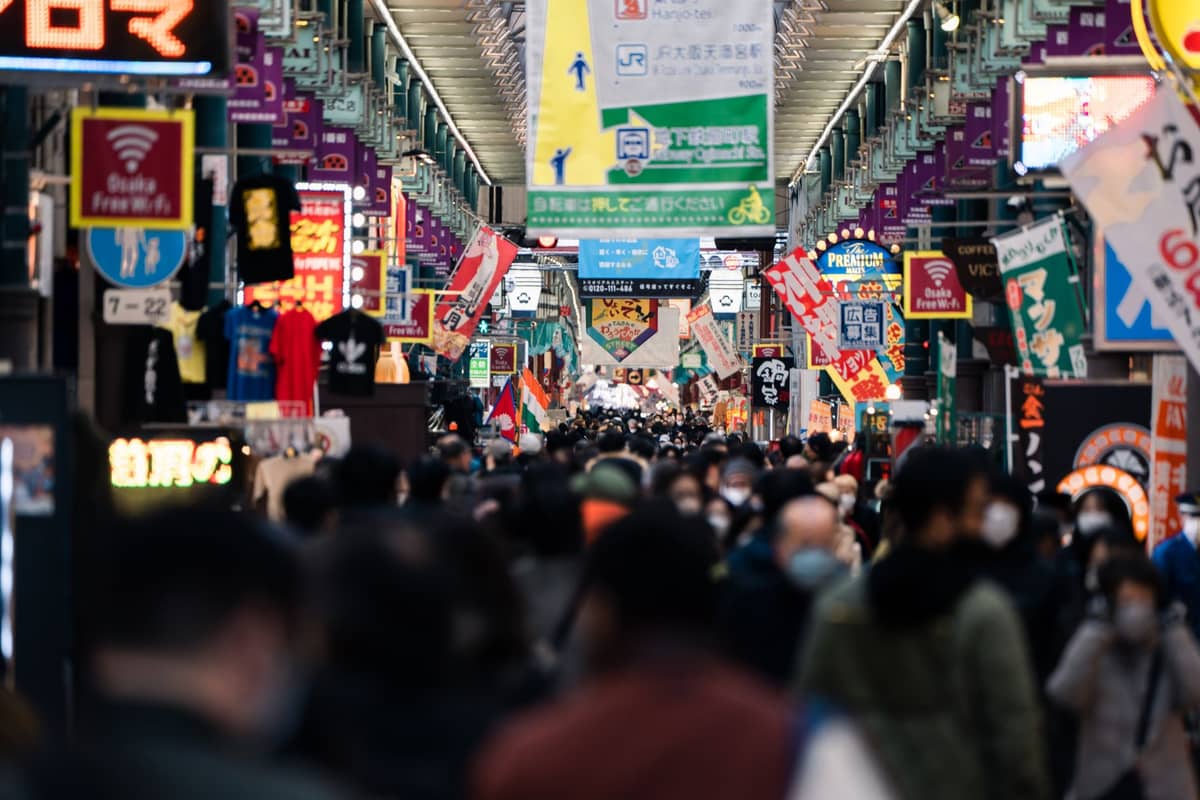
Autumn is one of Japan's two peak domestic tourism seasons — the other being spring cherry blossom season. This matters for Osaka in practical terms: accommodation prices rise noticeably in November, particularly on weekends. Popular spots like Minoh Park see heavy foot traffic on Saturday and Sunday mornings during peak foliage weeks. If you can visit on a weekday, conditions are substantially quieter.
One underappreciated aspect of autumn in Osaka versus Kyoto: the crowds are significantly lighter. Kyoto's temples absorb enormous volumes of domestic and international visitors during koyo season, and popular spots like Tofuku-ji and Eikan-do can feel genuinely unpleasant on peak weekends. Osaka's foliage scene is more dispersed across parks and riversides, and the city draws fewer dedicated leaf-viewing tourists. That doesn't mean it's empty — Minoh Park in particular gets busy — but the atmosphere is far less pressured.
If you're planning to combine both cities, the Osaka or Kyoto guide breaks down the practical differences in more detail. For day trips during the autumn season, day trips from Osaka covers options including Nara and Hiroshima, both of which have their own foliage highlights.
What Else to Do in Osaka During Autumn
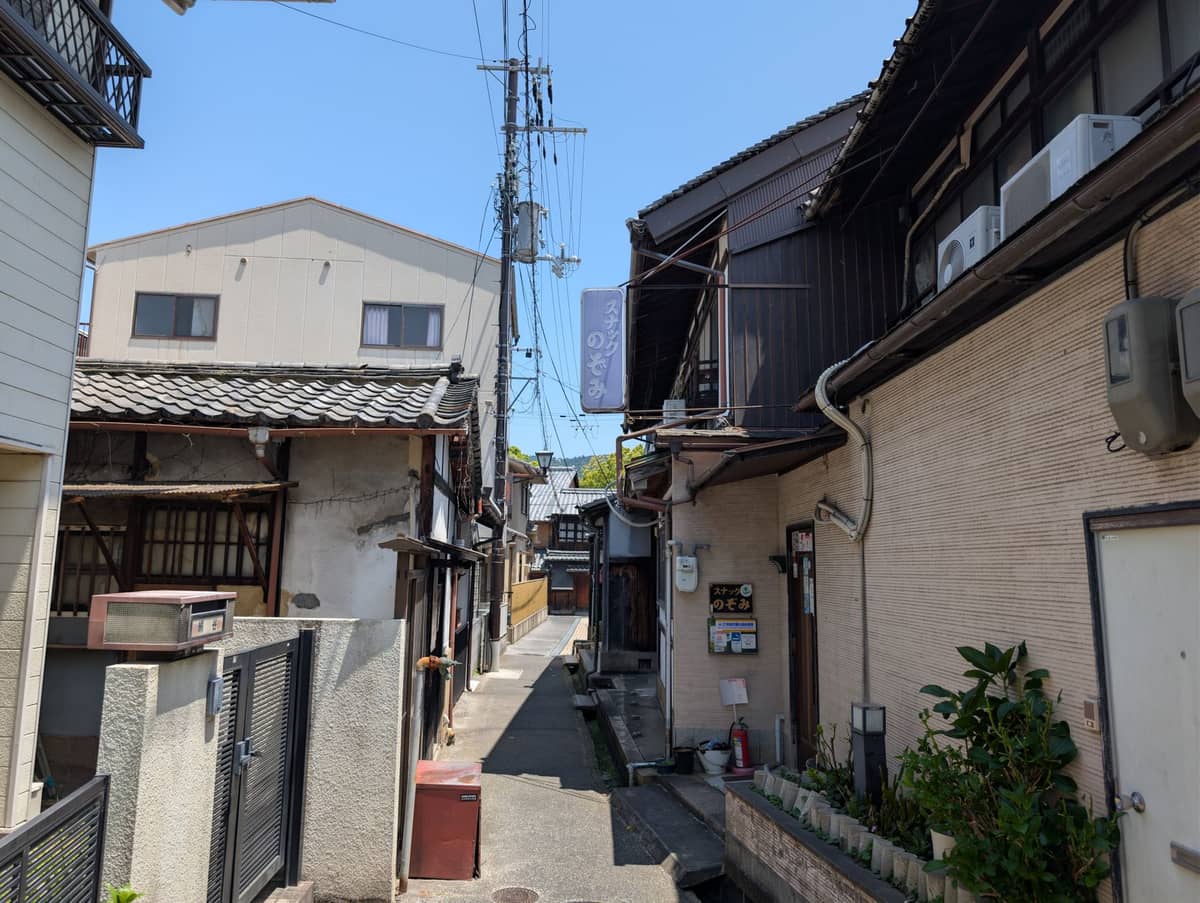
Autumn weather makes Osaka's outdoor attractions significantly more rewarding than in summer. Temple and shrine visits are comfortable at any point during the day rather than limited to early mornings. Walking tours through neighborhoods like Nakazakicho or along the Nakanoshima waterfront are genuinely pleasant rather than grueling. Food culture, always central to Osaka's appeal, shifts seasonally toward matsutake mushrooms, sanma (Pacific saury), persimmon, and warming dishes like oden and kasu jiru.
The cooler temperatures also make cultural attractions more appealing. The Osaka Museum of History and the National Museum of Art Osaka are logical additions to an autumn itinerary on days when rain appears, or as bookends to outdoor foliage mornings. For a full picture of what's worth seeing, the things to do in Osaka guide covers the city's main attractions across all categories.
Autumn is also a reasonable time to visit Shitennoji Temple, one of Japan's oldest Buddhist temples, which holds flea markets on the 21st and 22nd of each month. These coincide well with a November visit and give insight into a local tradition well outside the usual tourist circuit. For broader temple and shrine coverage, the best temples and shrines in Osaka guide is worth consulting before your trip.
Practical Logistics for an Autumn Visit
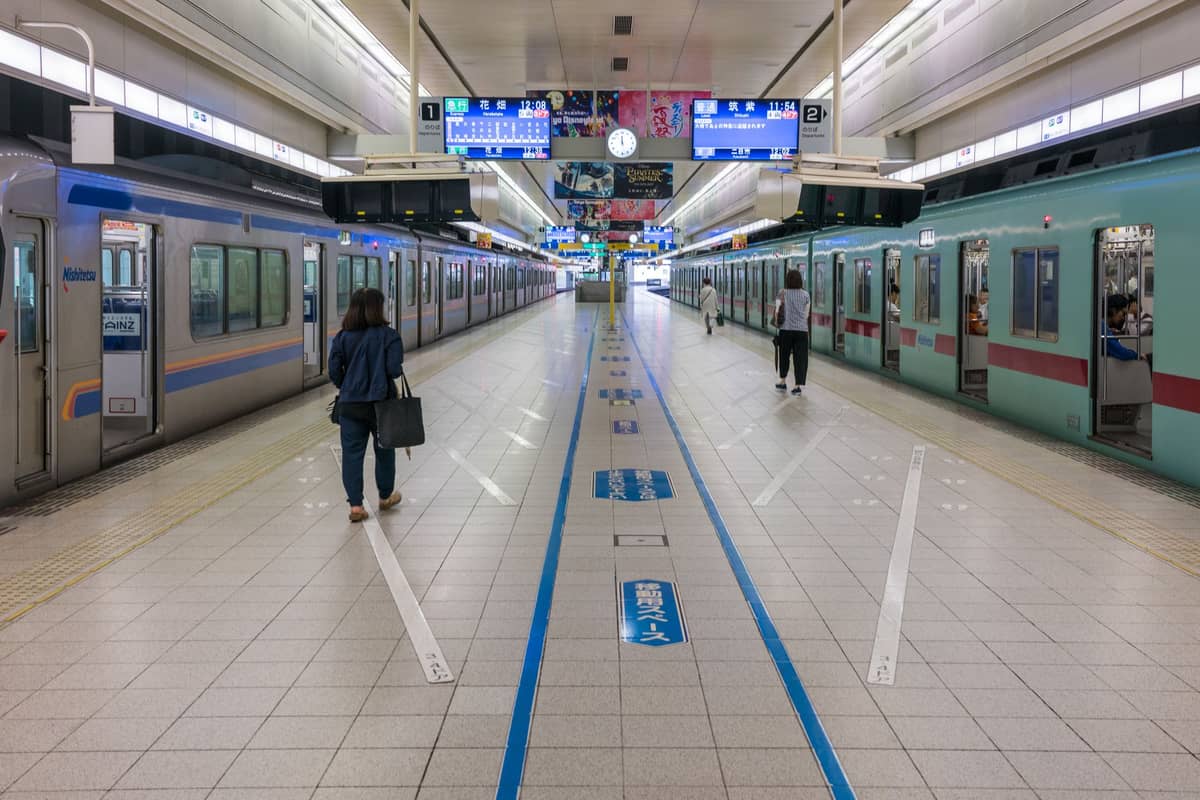
Getting around Osaka's foliage spots is straightforward using public transit. Osaka Metro covers the central city comprehensively, while the JR Osaka Loop Line connects key parks including Osaka Castle Park and Kema Sakuranomiya. Minoh Park requires a short Hankyu train ride from Umeda. Expo '70 Commemorative Park is served by the Osaka Monorail. None of these trips take more than 40 minutes from central Osaka, and combining two or three spots in a single day is realistic.
For visitors planning multiple transit trips across the autumn season, the Osaka Amazing Pass may offer value depending on your itinerary — For visitors planning multiple transit trips across the autumn season, the Osaka Metro pass may offer value depending on your itinerary — it covers unlimited Osaka Metro rides. The transit guide covers all transit options in detail, including IC cards and day passes. The getting around Osaka guide covers all transit options in detail, including IC cards and day passes.
- Book accommodation in mid-to-late November well in advance — this is peak domestic travel season and hotels fill quickly, especially on weekends.
- Visit Minoh Park early on weekends (before 10:00) to beat the main crowd wave. Weekday mornings are quieter throughout.
- Tipping is not customary in Japan. Service is included in restaurant bills and at ryokan.
- Japan's electricity standard is 100V/60Hz in Osaka (Kansai region) with Type A plugs. Most modern electronics handle the voltage, but check your devices.
- Tap water in Osaka is safe to drink. Convenience store hot drinks (canned or from machines) are widely available and useful in colder November weather.
- Check JR West's autumn foliage bulletin in the week before your visit to confirm which spots are at full color versus fading.
If autumn foliage is your primary reason for visiting, build your trip around the third week of November as a central target, with flexibility to shift a few days earlier or later based on the JR bulletin. Pairing Osaka with a day trip to Nara for deer park foliage or a Kyoto day trip extends your koyo options significantly without requiring a separate base.
FAQ
When is the best time to see autumn leaves in Osaka?
The peak window for koyo (autumn foliage) in Osaka is typically mid-November to early December. Higher-elevation spots like Minoh Park tend to peak first (around early-to-mid November), while central parks like Osaka Castle Park often hold full color through late November and into early December. Year-to-year variation of a week or more is common depending on temperatures.
Is Osaka good for autumn foliage, or should I just go to Kyoto?
Osaka has several strong foliage spots — Minoh Park, Osaka Castle Park, and Expo '70 Commemorative Park among them — and the crowds are noticeably lighter than Kyoto's most famous temples during peak season. That said, Kyoto's density of historical temple gardens with manicured maple landscapes is hard to match. The practical answer for most visitors is to base yourself in Osaka and make a day trip to Kyoto, rather than treating it as an either-or decision.
Do I need to pay to enter the foliage spots in Osaka?
The two main spots — Minoh Park and Osaka Castle Park grounds — are free to enter. The two main spots — Minoh Park and Osaka Castle Park grounds — are free to enter. Expo '70 Commemorative Park charges an admission fee of 260 yen for adults and 80 yen for elementary and junior high school students. Osaka Castle's main tower museum has a separate ticket. Transport costs to reach these spots are the primary expense, which can be managed with an IC card or a day pass on Osaka Metro and JR. Osaka Castle's main tower museum has a separate ticket. Transport costs to reach these spots are the primary expense, which can be managed with an IC card or a day pass on Osaka Metro and JR.
What is the weather like in Osaka in November?
November is generally one of Osaka's most pleasant months. Early November sees daytime highs around 18-20°C with comfortable walking conditions. By late November, highs drop to roughly 12-15°C and nights can fall near 5-8°C. November is generally one of Osaka's most pleasant months. Early November sees daytime highs around 18-20°C with comfortable walking conditions. By late November, highs drop to roughly 12-15°C and nights can fall near 5-8°C. Rain is usually less frequent than in summer. Layering is the right approach — a t-shirt, mid-layer, and a proper jacket will cover most conditions across the month. Layering is the right approach — a t-shirt, mid-layer, and a proper jacket will cover most conditions across the month.
How crowded does Osaka get during autumn foliage season?
Autumn is one of Japan's two peak domestic tourism seasons, so expect higher hotel prices and busier weekends throughout November. Key foliage spots like Minoh Park see significant foot traffic on weekend mornings at peak color. That said, Osaka's crowds during koyo are lighter than Kyoto's equivalent season. Visiting on weekdays and arriving early (before 10:00) at popular parks makes a material difference to the experience.