Best Temples & Shrines in Osaka: A Guide to the City's Sacred Sites
Osaka is better known for neon signs and street food than spiritual sites, but its temples and shrines are among the most rewarding in western Japan. This guide covers the best sacred places to visit, from ancient foundations to architecturally daring modern complexes, with practical tips on when to go and what to expect.
Plan and book this trip
Tools from our partner Travelpayouts help you compare flights and hotels. If you book through them, we may earn a commission at no extra cost to you.
Flights
Hotels map
Osaka's sacred sites span 1,400 years of history and range from Japan's first state-sponsored Buddhist temple to a Shinto shrine so old its architectural style predates Chinese influence on Japanese design. Unlike Kyoto, where temples can feel like museum pieces, Osaka's are living places of worship embedded in residential neighborhoods and entertainment districts. You'll find them tucked behind Dotonbori, anchoring the southern reaches of Tennoji, and deep in the southern suburbs, each with its own character and history. Outer precincts at most sites are free and often accessible around the clock, while inner halls and gardens typically charge around ¥300 and close by around 16:00. Spring and autumn are the most atmospheric seasons to visit, but these places reward any time of year.
💡 Local tip
Dress modestly when entering inner halls. Removing shoes is required at some worship areas. Outer grounds at major sites like Shitennoji are generally free to enter during opening hours for outdoor worship, even when buildings are closed.
Ancient Foundations: Osaka's Oldest Sacred Sites
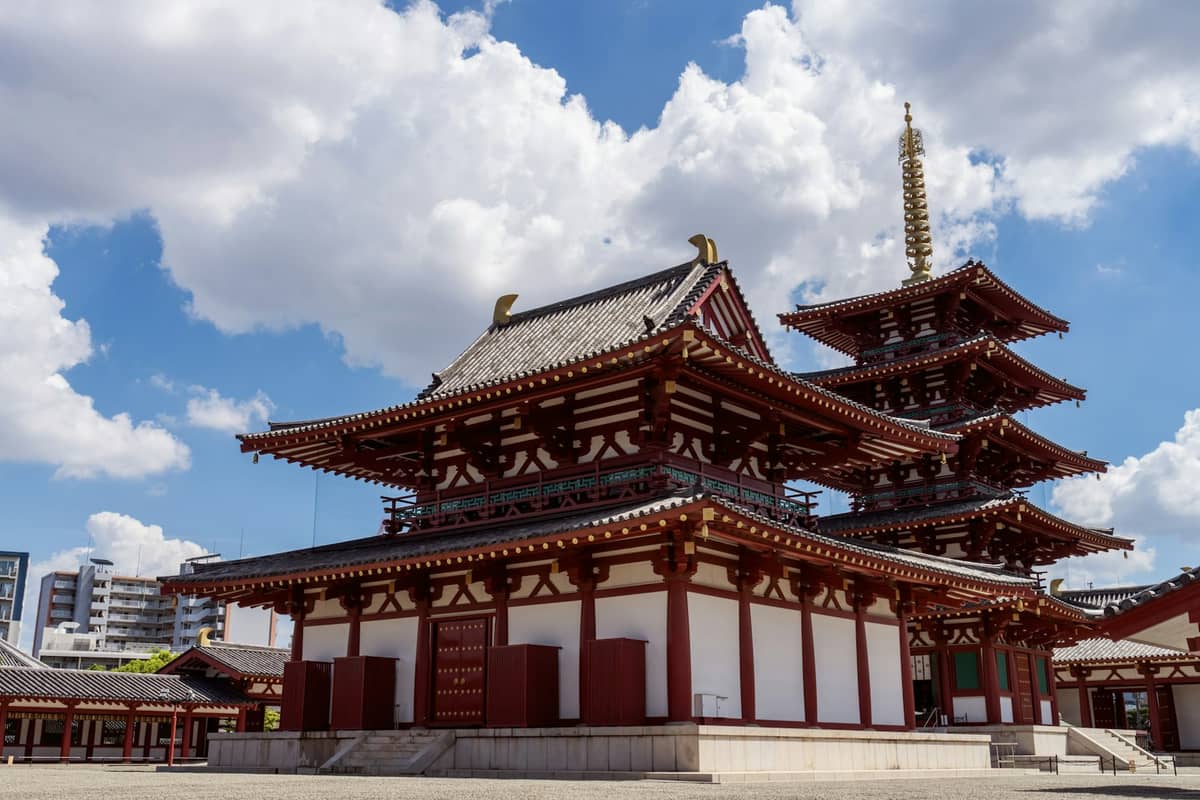
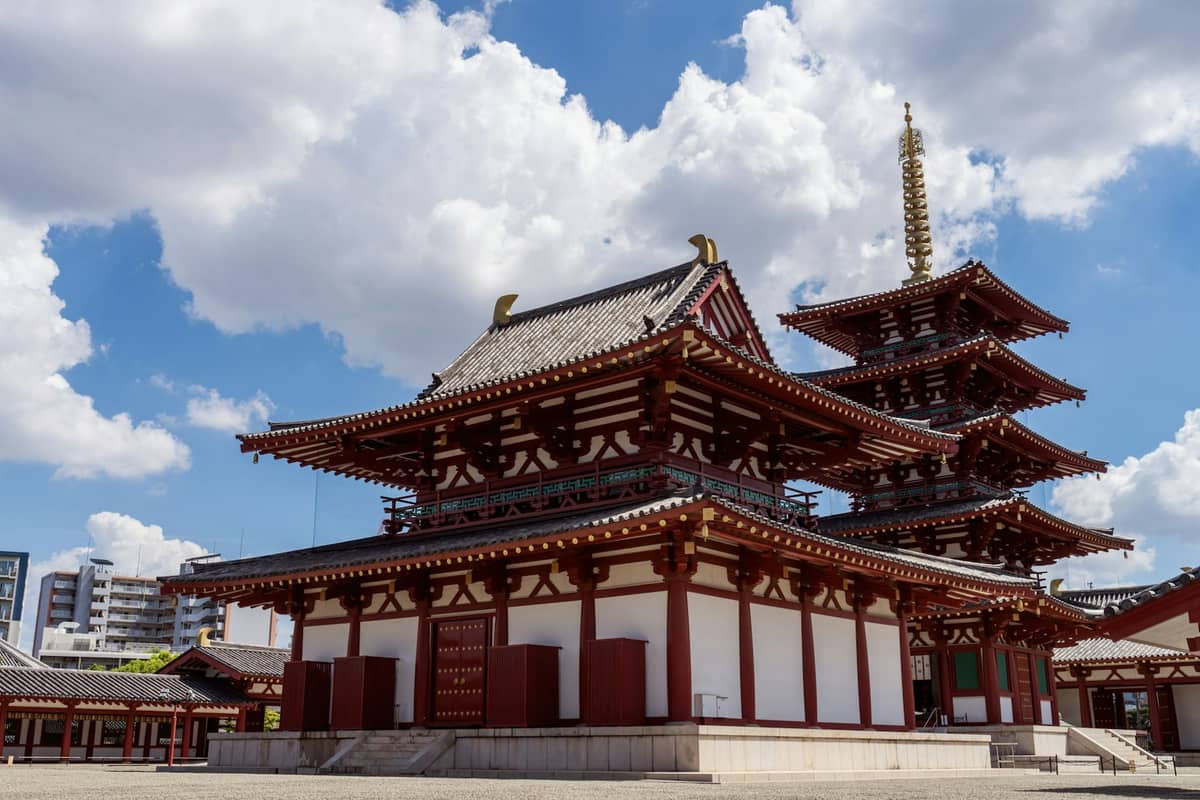
These are the sites that define Osaka's religious heritage. Shitennoji and Sumiyoshi Taisha both predate the written record of much of Japanese history and reward visitors with genuine architectural gravitas. If you're combining a temple circuit with sightseeing around the Tennoji district, you can cover Shitennoji and Isshin-ji in the same half-day.
1. Walk Japan's Oldest Buddhist Temple at Shitennoji
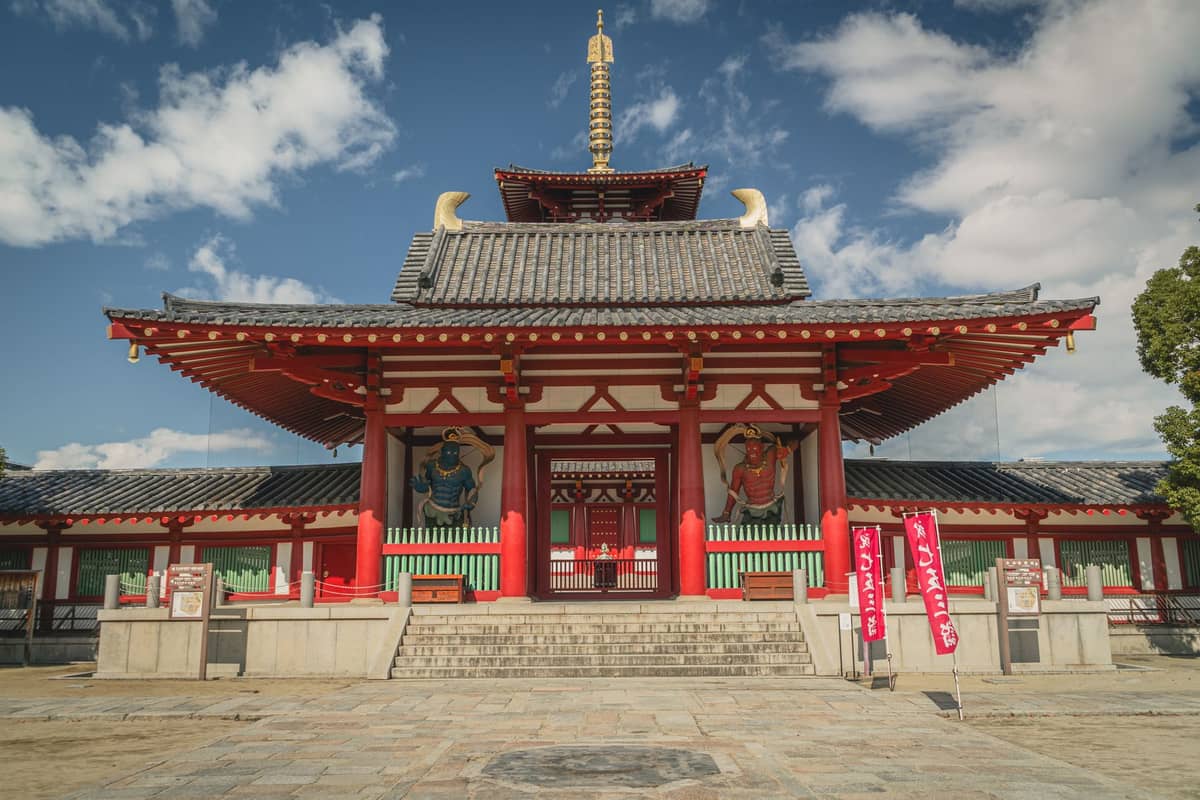
Founded in 593 AD, this is Japan's first state-sponsored Buddhist temple. The five-story pagoda and inner precinct are faithful reconstructions of the original layout. Outer grounds are free and open 24 hours; inner precinct admission is around ¥500.
Explore1. Walk Japan's Oldest Buddhist Temple at Shitennoji
Founded in 593 AD, this is Japan's first state-sponsored Buddhist temple. The five-story pagoda and inner precinct are faithful reconstructions of the original layout. Outer grounds are free and open 24 hours; inner precinct admission is around ¥500.
Explore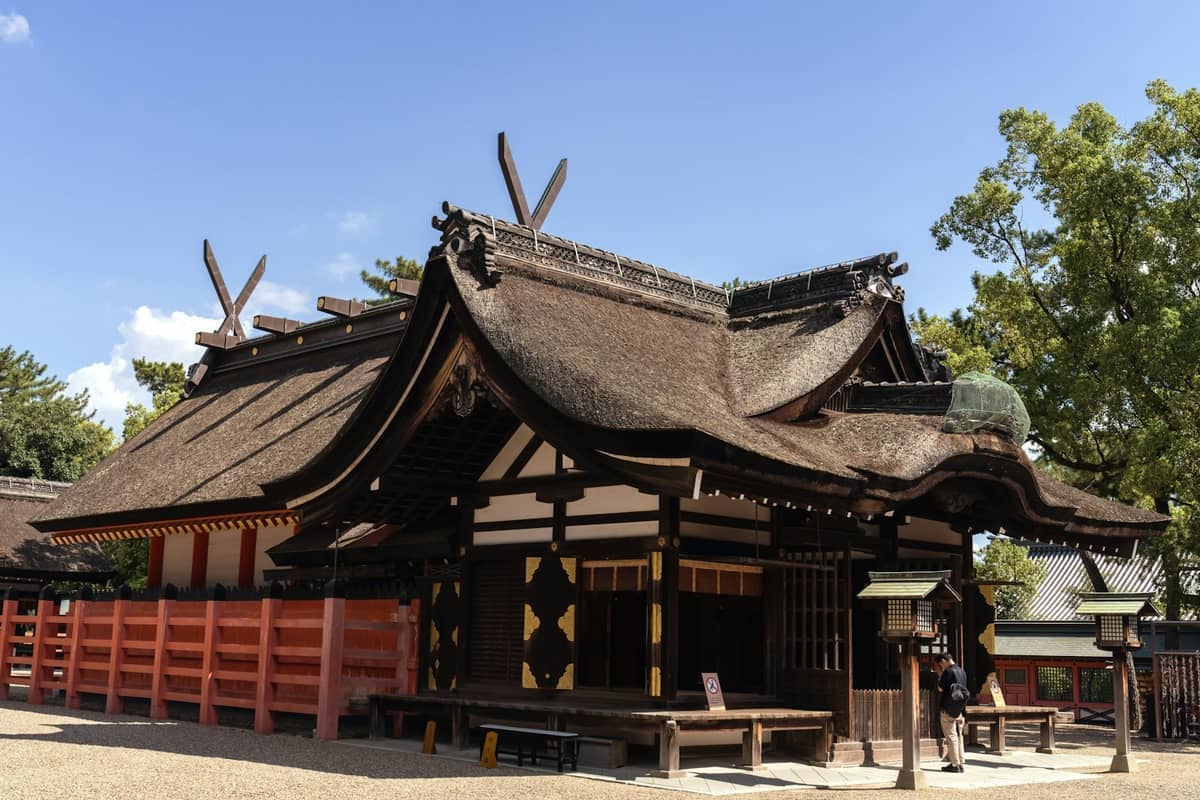
2. See Japan's Most Architecturally Distinct Shrine at Sumiyoshi Taisha
The head of all 2,300 Sumiyoshi shrines in Japan, this site uses the Sumiyoshi-zukuri style that predates Chinese architectural influence. The arched Sorihashi bridge and vermilion halls are among the most photographed shrine elements in western Japan.
Explore2. See Japan's Most Architecturally Distinct Shrine at Sumiyoshi Taisha
The head of all 2,300 Sumiyoshi shrines in Japan, this site uses the Sumiyoshi-zukuri style that predates Chinese architectural influence. The arched Sorihashi bridge and vermilion halls are among the most photographed shrine elements in western Japan.
Explore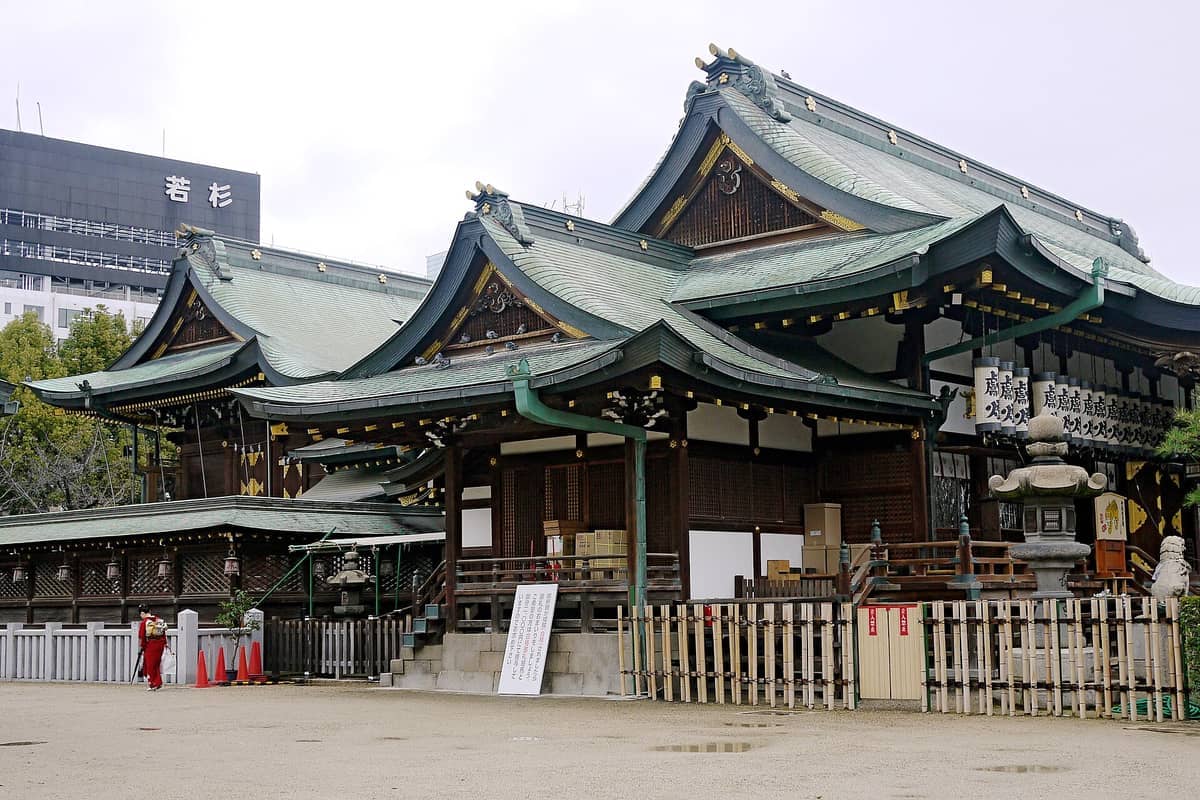
3. Visit the Shrine Behind Japan's Greatest Summer Festival
Dedicated to the scholar deity Tenjin, this shrine hosts the Tenjin Matsuri every July, one of Japan's three largest festivals. Outside festival season, the grounds are peaceful and free to enter, with beautiful plum and wisteria blooms in season.
Explore3. Visit the Shrine Behind Japan's Greatest Summer Festival
Dedicated to the scholar deity Tenjin, this shrine hosts the Tenjin Matsuri every July, one of Japan's three largest festivals. Outside festival season, the grounds are peaceful and free to enter, with beautiful plum and wisteria blooms in season.
ExploreUnconventional & Architecturally Bold Temples
Osaka has a tradition of doing things its own way, and that extends to its temples. Isshin-ji and Namba Yasaka Shrine break every expectation of what a Japanese sacred site should look like, and are all the more memorable for it. Both work well as standalone visits or combined with nearby attractions in Namba and Tennoji.
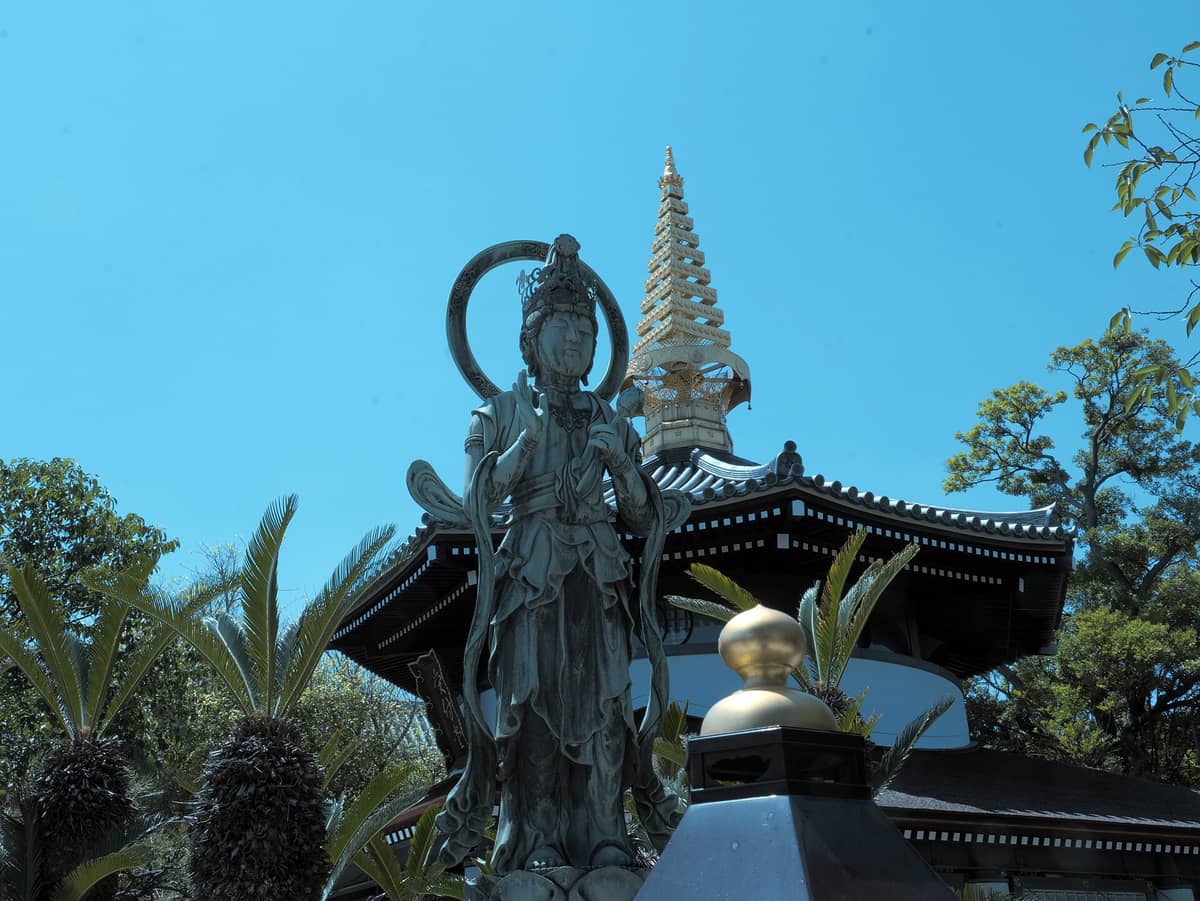
4. Experience the Bone Buddha at Isshin-ji Temple
This Buddhist temple incorporates the bones of over 200,000 cremated worshippers into its Okotsu Butsu statues, a practice carried out every 10 years since 1887. The bold modern gate architecture and unusual philosophy make it one of Osaka's most thought-provoking religious sites.
Explore4. Experience the Bone Buddha at Isshin-ji Temple
This Buddhist temple incorporates the bones of over 200,000 cremated worshippers into its Okotsu Butsu statues, a practice carried out every 10 years since 1887. The bold modern gate architecture and unusual philosophy make it one of Osaka's most thought-provoking religious sites.
Explore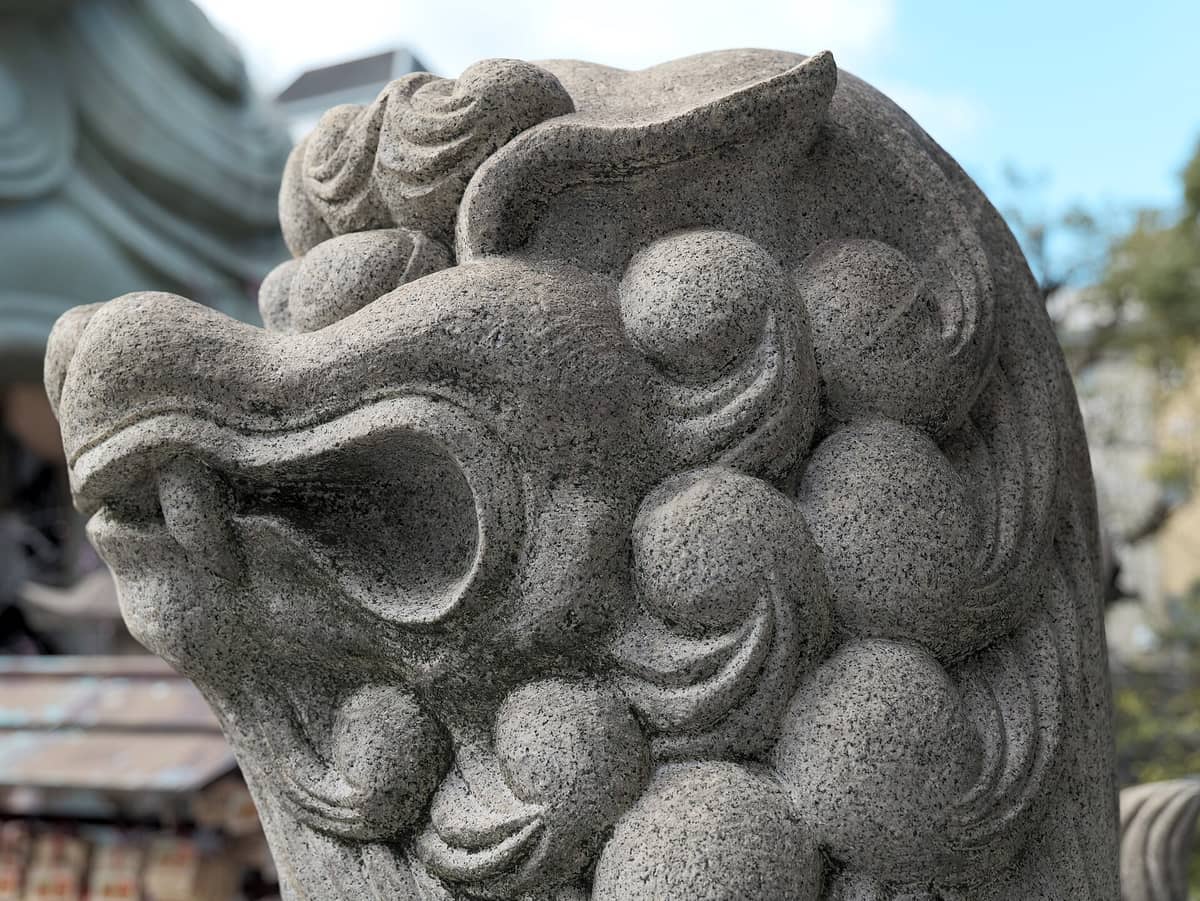
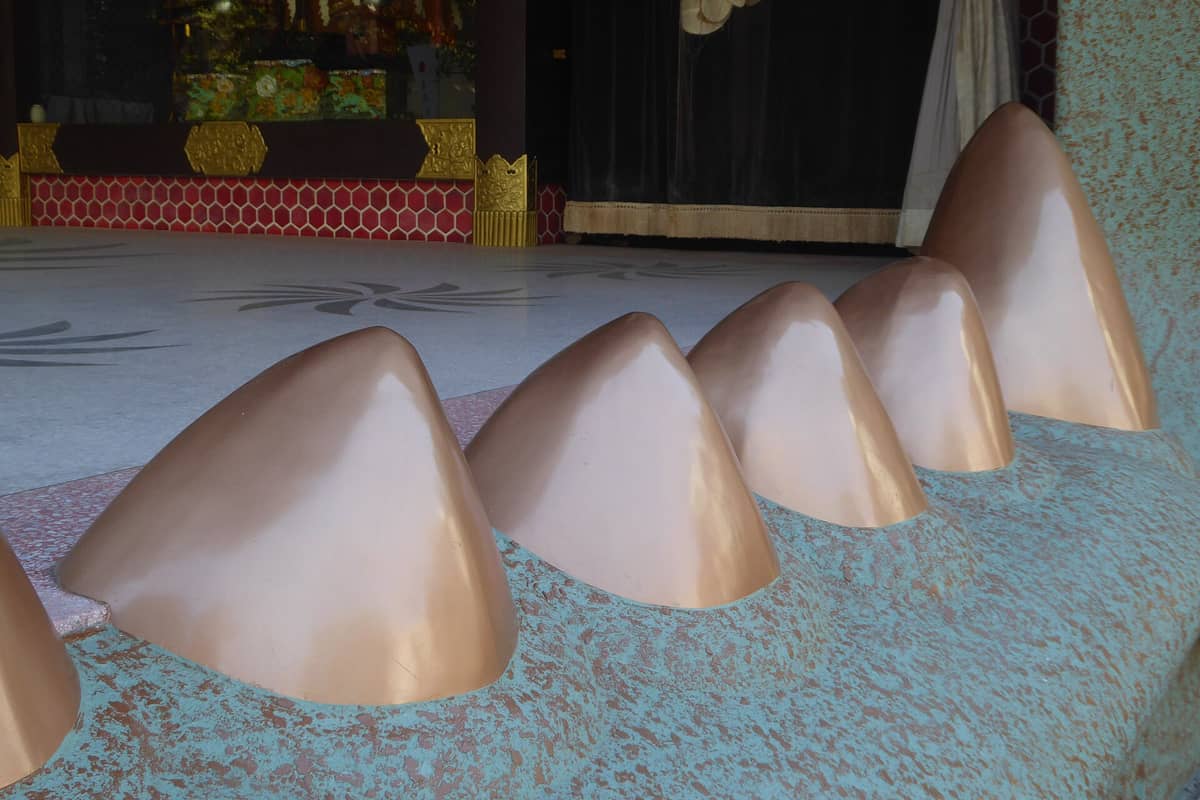
5. Face the Giant Lion Head at Namba Yasaka Shrine
A 12-meter lion-head stage building dominates this shrine in the middle of the Namba entertainment district. The structure serves as a performance stage and is believed to swallow evil. It's a 5-minute walk from Namba Station and free to enter the grounds.
Explore5. Face the Giant Lion Head at Namba Yasaka Shrine
A 12-meter lion-head stage building dominates this shrine in the middle of the Namba entertainment district. The structure serves as a performance stage and is believed to swallow evil. It's a 5-minute walk from Namba Station and free to enter the grounds.
ExploreSmall Shrines & Hidden Temple Lanes
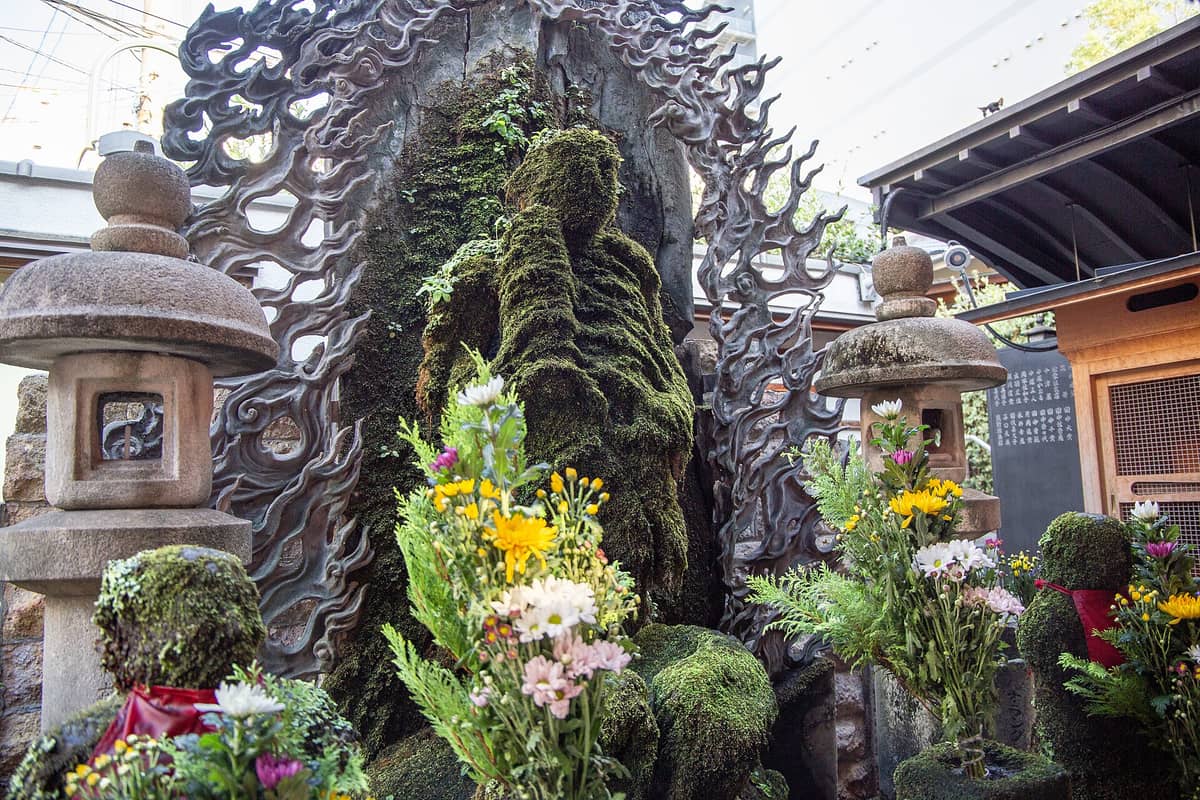
Some of the most memorable sacred experiences in Osaka happen at small scale. Hozenji Temple and Hozenji Yokocho sit at the edge of the city's loudest entertainment district, yet offer genuine calm. These spots pair naturally with an evening in Dotonbori and appear in our Osaka for couples guide for good reason.
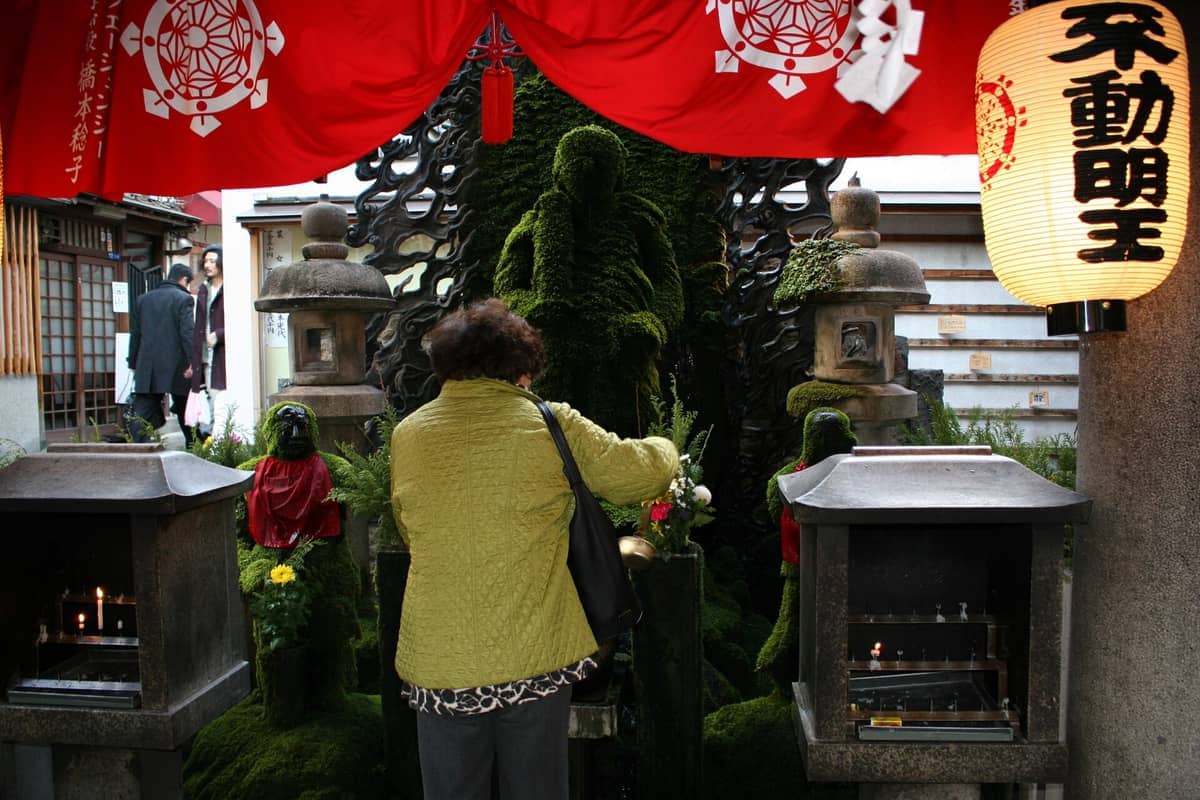
6. Find Quiet at the Moss-Covered Fudo Myoo of Hozenji Temple
Hidden within a lantern-lit alley steps from Dotonbori's neon, this tiny temple is famous for its moss-covered Fudo Myoo statue drenched by decades of water offerings. Locals visit to pray before meals or performances. It's free, tiny, and open around the clock.
Explore6. Find Quiet at the Moss-Covered Fudo Myoo of Hozenji Temple
Hidden within a lantern-lit alley steps from Dotonbori's neon, this tiny temple is famous for its moss-covered Fudo Myoo statue drenched by decades of water offerings. Locals visit to pray before meals or performances. It's free, tiny, and open around the clock.
Explore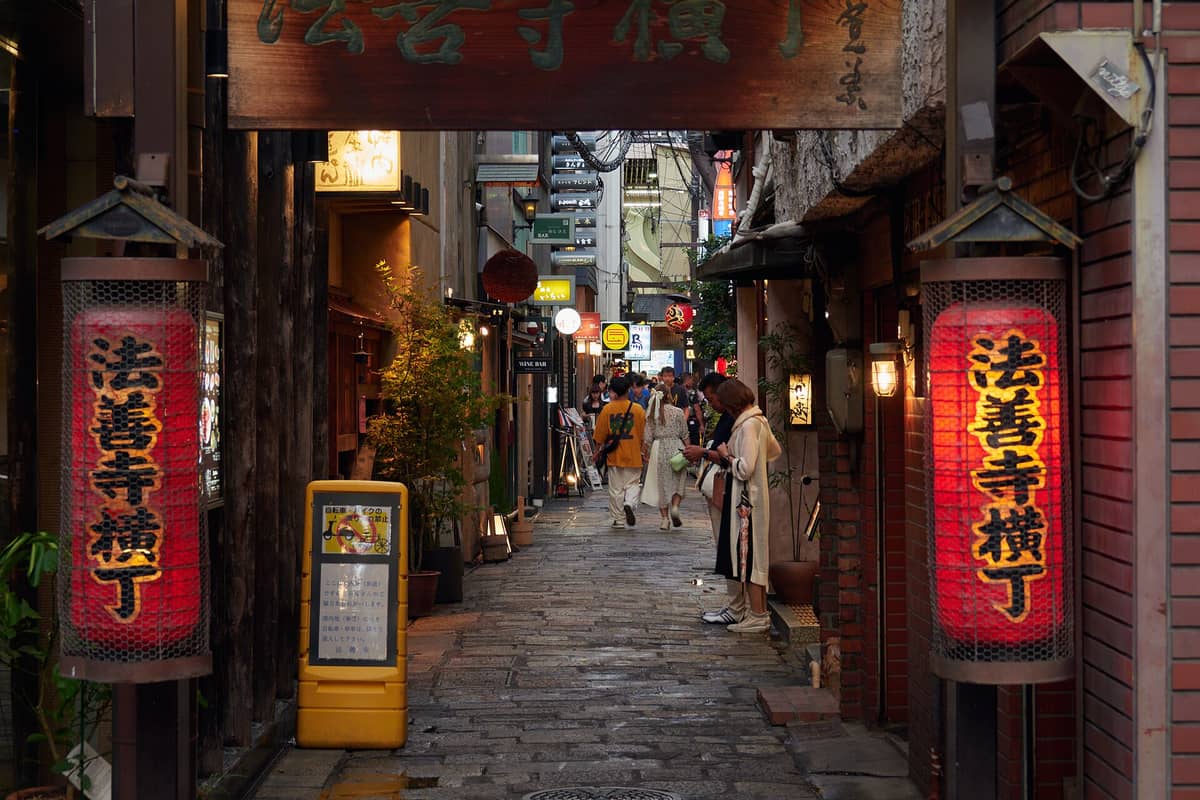
7. Walk Hozenji Yokocho, the Lantern-Lit Alley Around the Temple
The cobblestone lane surrounding Hozenji Temple is lined with intimate izakayas and traditional restaurants. The moss-covered temple at its center and soft lantern light make this one of Osaka's most atmospheric streets, especially after dark on a weeknight.
Explore7. Walk Hozenji Yokocho, the Lantern-Lit Alley Around the Temple
The cobblestone lane surrounding Hozenji Temple is lined with intimate izakayas and traditional restaurants. The moss-covered temple at its center and soft lantern light make this one of Osaka's most atmospheric streets, especially after dark on a weeknight.
ExploreFestivals, Commerce & Patron Shrines
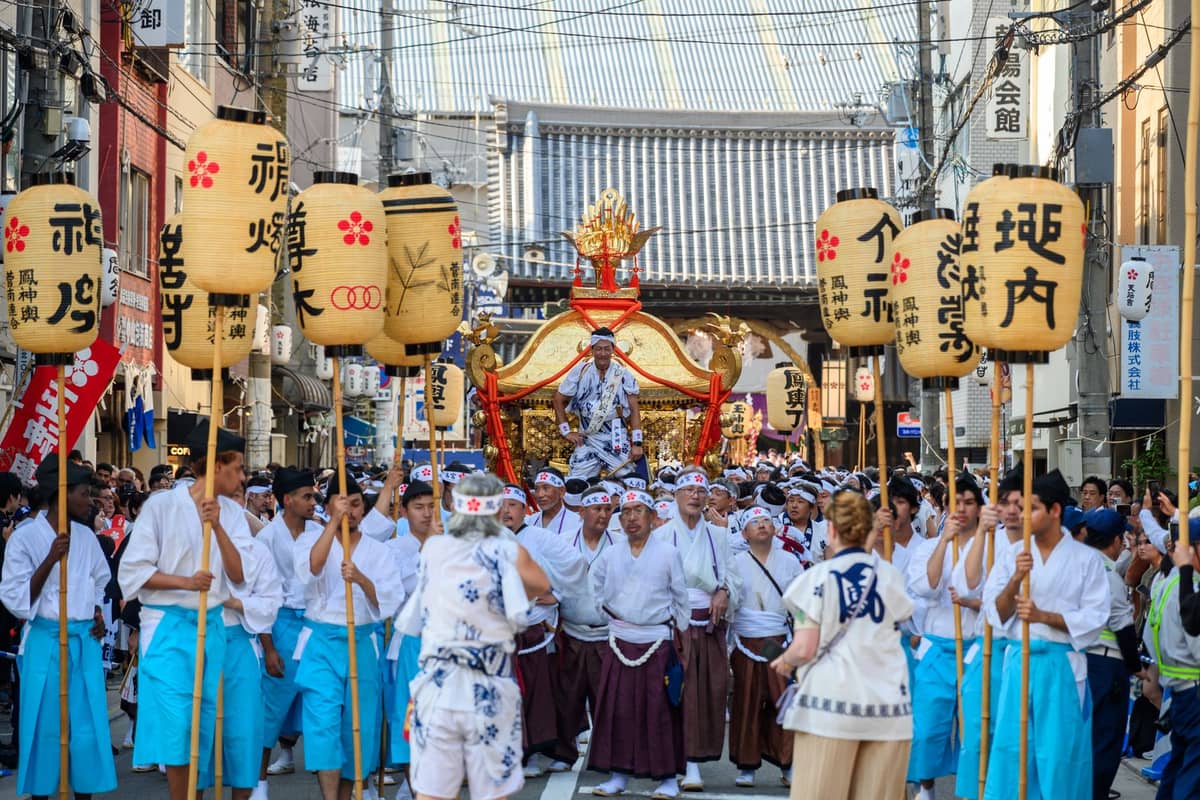
Osaka's mercantile identity is reflected in its shrine culture. The city's patron deities include gods of commerce and fishing, and the festivals that take place at these shrines are among the largest in Japan. The Tenjin Matsuri at Osaka Tenmangu draws enormous crowds every July, while the Toka Ebisu at Imamiya Ebisu Shrine in January is one of the most spectacular and accessible religious events in the Kansai calendar.
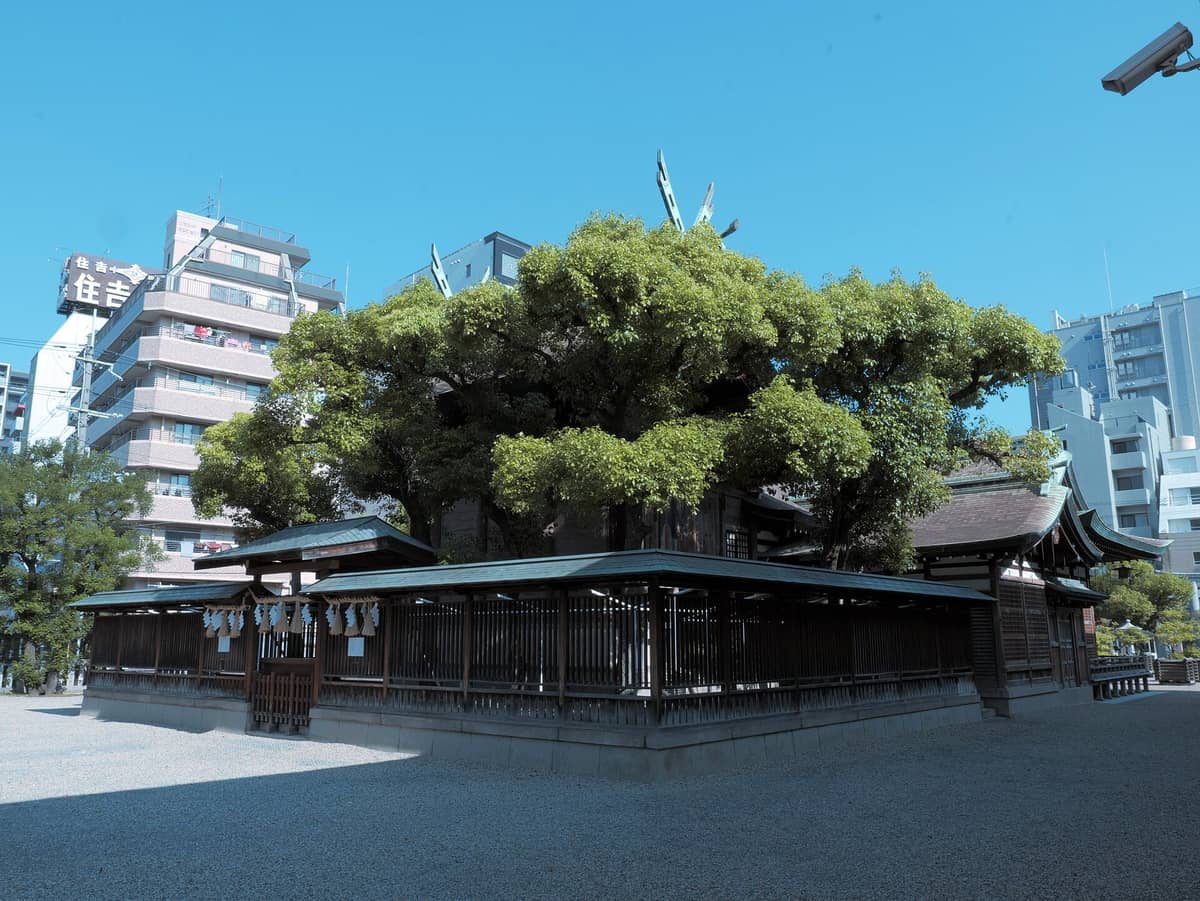
8. Join a Million Worshippers at Imamiya Ebisu Shrine in January
Known locally as Ebessan, this shrine is dedicated to Ebisu, the god of commerce and fishing. Its Toka Ebisu festival in mid-January draws over a million visitors over three days. Outside festival season, it's a quiet neighborhood shrine near Shinsekai worth a short detour.
Explore8. Join a Million Worshippers at Imamiya Ebisu Shrine in January
Known locally as Ebessan, this shrine is dedicated to Ebisu, the god of commerce and fishing. Its Toka Ebisu festival in mid-January draws over a million visitors over three days. Outside festival season, it's a quiet neighborhood shrine near Shinsekai worth a short detour.
Explore✨ Pro tip
The 21st of each month at Shitennoji features a large flea market (Taishi-e) in the outer grounds with antiques, ceramics, and street food. Arrive early for the best finds and expect larger than usual crowds around the temple throughout the day.
Combining Temples with Nearby Osaka Sights
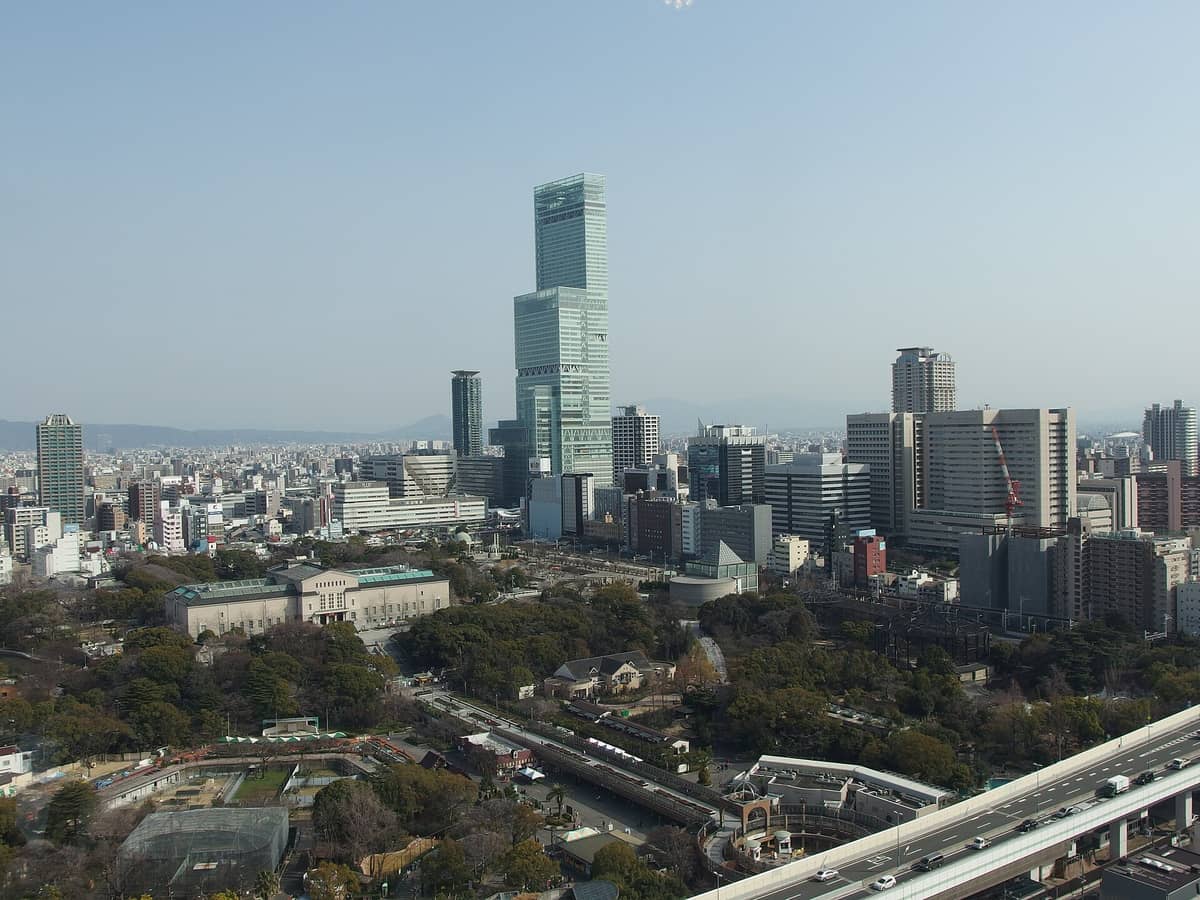
Most of Osaka's major temples are conveniently close to other key attractions, making it easy to build efficient half-day itineraries. Shitennoji and Isshin-ji are both within walking distance of Tennoji Station, which also gives access to Tsutenkaku Tower and Tennoji Zoo. For a broader plan, see our 3 days in Osaka itinerary or the Osaka walking tours guide for routes that thread temples together with the city's other highlights.
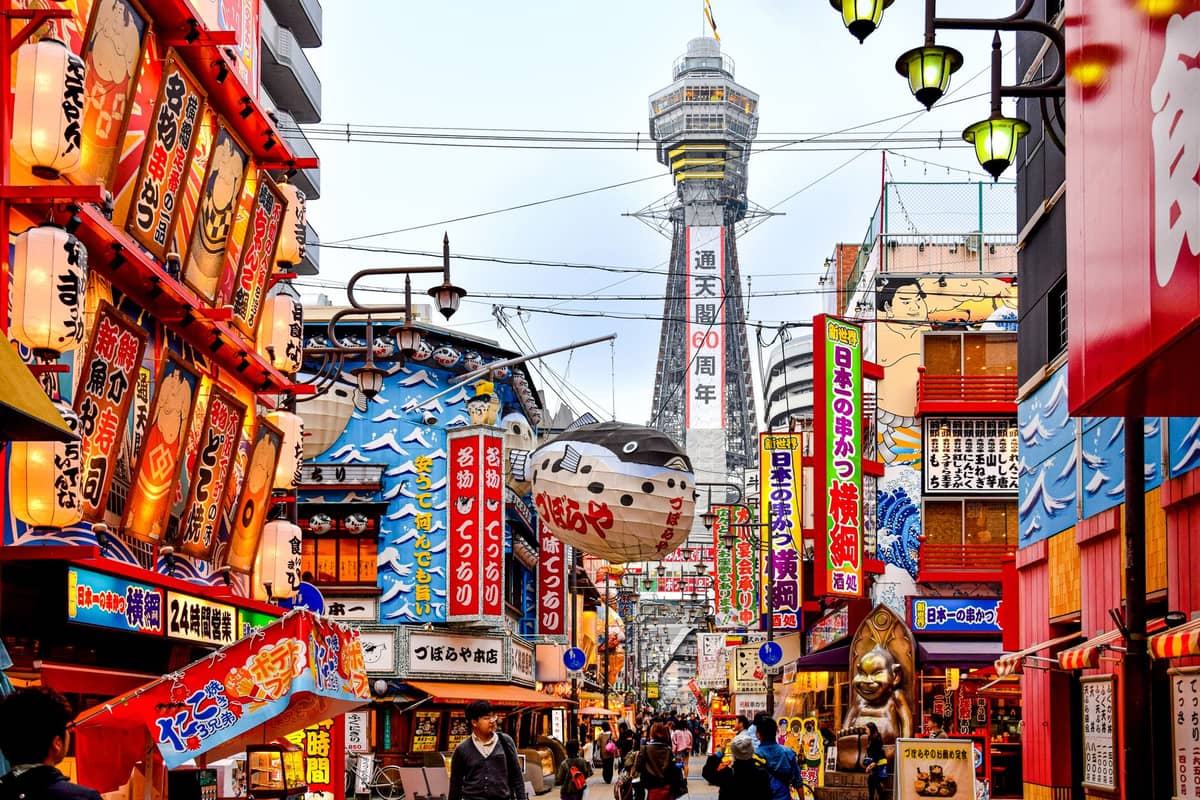
9. Pair a Temple Visit with Tsutenkaku Tower in Shinsekai
Tsutenkaku Tower sits in Shinsekai, a 10-minute walk from Isshin-ji and Shitennoji. After exploring the temples, the retro tower offers views over the nostalgic district and a visit to the Billiken lucky god shrine on the observation floor, a quirky Osaka tradition.
Explore9. Pair a Temple Visit with Tsutenkaku Tower in Shinsekai
Tsutenkaku Tower sits in Shinsekai, a 10-minute walk from Isshin-ji and Shitennoji. After exploring the temples, the retro tower offers views over the nostalgic district and a visit to the Billiken lucky god shrine on the observation floor, a quirky Osaka tradition.
Explore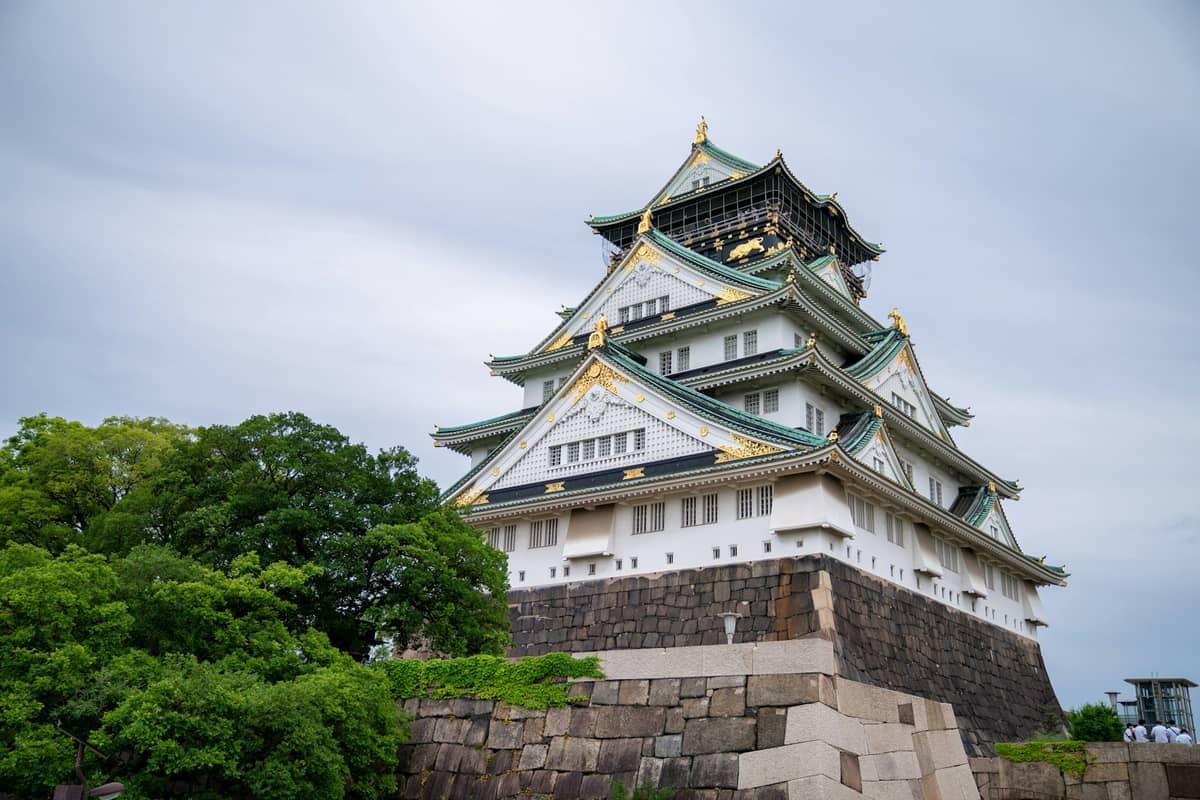
10. Combine Your Temple Circuit with Osaka Castle
Osaka Castle's grounds include a small shrine and the atmospheric Nishinomaru Garden. The castle museum traces the Toyotomi era that shaped much of Osaka's religious geography. It's best visited in the morning before crowds build, leaving afternoons free for temple visits.
Explore10. Combine Your Temple Circuit with Osaka Castle
Osaka Castle's grounds include a small shrine and the atmospheric Nishinomaru Garden. The castle museum traces the Toyotomi era that shaped much of Osaka's religious geography. It's best visited in the morning before crowds build, leaving afternoons free for temple visits.
Explore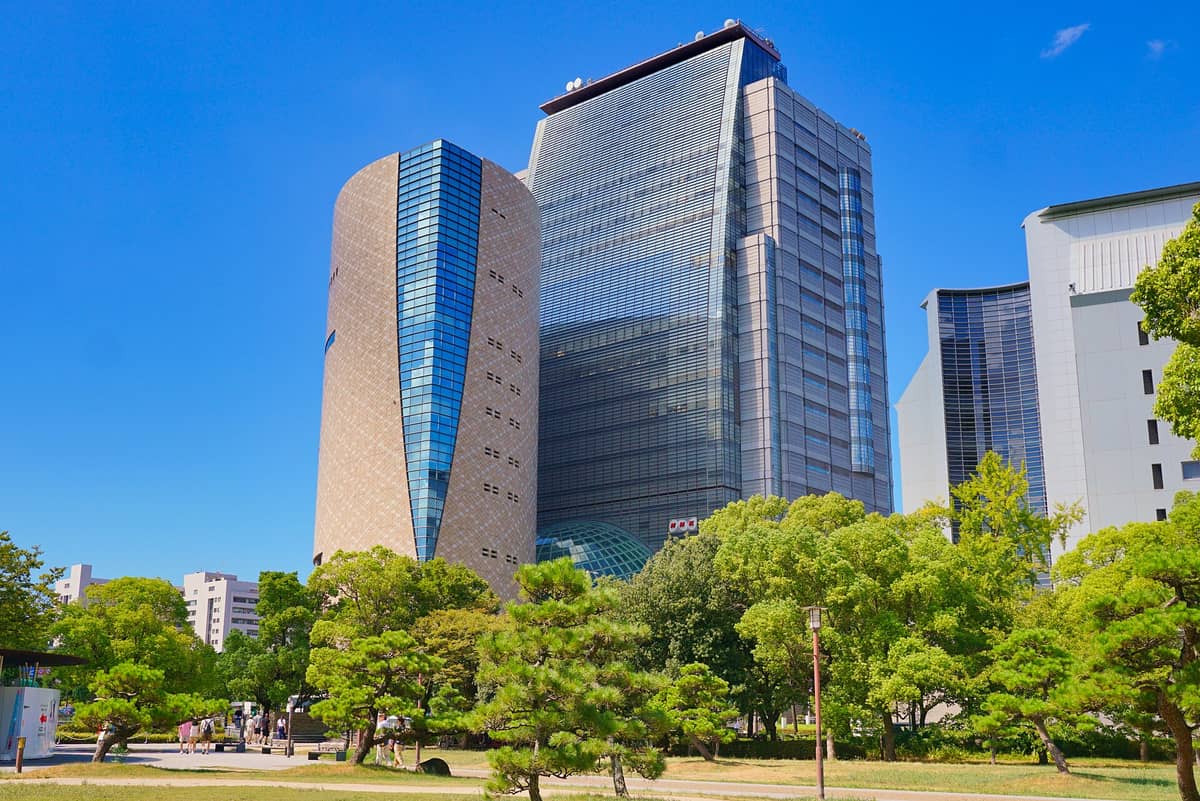
11. Deepen Your Temple Knowledge at the Osaka Museum of History
Located adjacent to Osaka Castle, this museum provides historical context for the city's religious sites, including early Buddhist temple construction and the role of Shintoism in Osaka's development. Upper floors have direct views toward the castle grounds.
Explore11. Deepen Your Temple Knowledge at the Osaka Museum of History
Located adjacent to Osaka Castle, this museum provides historical context for the city's religious sites, including early Buddhist temple construction and the role of Shintoism in Osaka's development. Upper floors have direct views toward the castle grounds.
ExploreFAQ
What is the most important temple in Osaka?
Shitennoji is widely regarded as Osaka's most historically significant temple. Founded in 593 by Prince Shotoku, it is considered Japan's first state-sponsored Buddhist temple. Sumiyoshi Taisha is equally important as a Shinto site, being the main shrine of all Sumiyoshi shrines in Japan.
Are Osaka's temples free to visit?
Outer grounds at most temples and shrines are free to enter and often accessible during opening hours. Inner precincts, pagodas, treasure houses, and gardens typically charge around ¥300 per adult. At Shitennoji, for example, the inner precinct costs about ¥300 while the outer grounds are free.
What time do temples in Osaka open and close?
Inner halls at major temples generally open around 08:30 and close by about 16:00, with slightly earlier closing in autumn and winter. Outer grounds and street-facing worship areas at sites like Shitennoji are accessible during posted opening hours.
When is the best time to visit Osaka's temples and shrines?
Spring (late March to early May) and autumn (October to November) offer the most atmospheric conditions, with cherry blossoms and autumn foliage framing the grounds. January is exceptional for the Toka Ebisu festival at Imamiya Ebisu Shrine (held annually around January 9–11), and July brings the spectacular Tenjin Matsuri at Osaka Tenmangu.
Is there a dress code for visiting temples and shrines in Osaka?
There is no strict dress code for most outdoor grounds, but modest dress is appropriate when entering inner halls or main worship buildings. Shoes must be removed before stepping onto certain tatami or sacred floor areas inside buildings. Check signs at each entrance for specific requirements.