Imamiya Ebisu Shrine: Osaka's Patron of Merchants and Good Fortune
Imamiya Ebisu Shrine is Osaka's most celebrated shrine of commercial prosperity, drawing hundreds of thousands of visitors each January for the Toka Ebisu festival. Free to enter, easy to reach, and deeply tied to the city's mercantile identity, it rewards visitors who look beyond the tourist circuit.
Quick Facts
- Location
- 1-6-10 Ebisunishi, Naniwa-ku, Osaka (Shinsekai area)
- Getting There
- Imamiyaebisu Station (Nankai Electric Railway) — shrine is immediately at the exit. Also walkable from Shin-Imamiya Station (JR/Nankai).
- Time Needed
- 30–60 minutes for a standard visit; allow extra time during Toka Ebisu (Jan 9–11)
- Cost
- Free admission to grounds. Separate fees for charms, fukuzasa bamboo branches, and special prayers (in JPY)
- Best for
- Cultural immersion, festival atmosphere, photography, shrine collectors, Shinsekai day trips
- Official website
- www.imamiya-ebisu.jp/english
What Is Imamiya Ebisu Shrine?
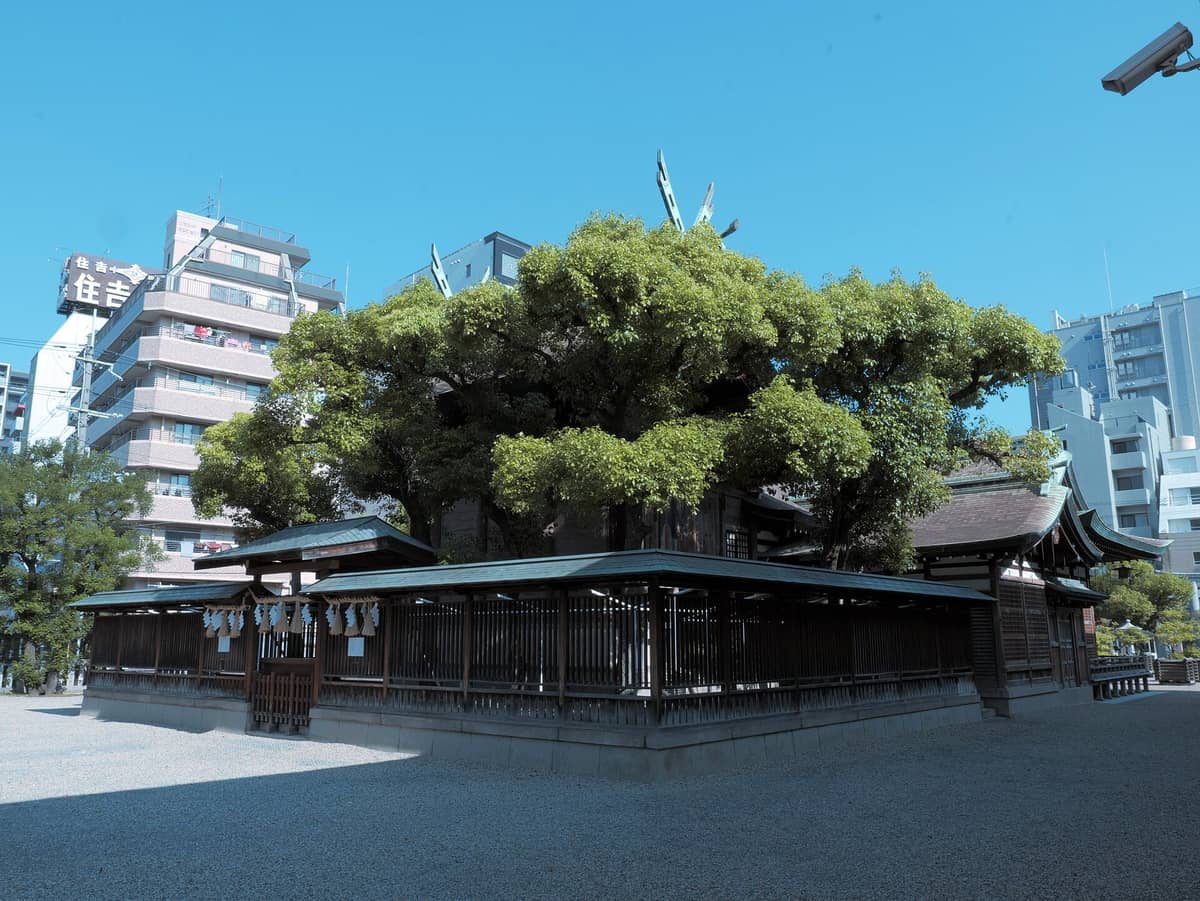
Imamiya Ebisu Shrine, known in Japanese as 今宮戎神社 (Imamiya Ebisu Jinja), is one of the most revered commercial shrines in western Japan. Located in the Naniwa ward of Osaka, just south of the Shinsekai district, it sits on quietly residential streets that feel at odds with the shrine's enormous cultural weight. The contrast is part of its appeal: a place of genuine devotion tucked into an ordinary neighborhood.
The shrine is dedicated to five deities, chief among them Kotoshironushi-no-Mikoto, better known as Ebisu, the god of fishing, commerce, and good fortune. Amaterasu-Omikami and three additional deities are also enshrined here. For centuries, Osaka merchants visited to pray for business success, and that tradition continues today. You will find business owners, shopkeepers, and entrepreneurs making offerings year-round, not just during festivals.
💡 Local tip
Shrine grounds are open daily from 06:00, with the south gate remaining open until 22:00. The main hall is accessible from 06:30 to 17:00. Amulets, goshuin (ink stamps), and prayer reception services run from 09:00 to 16:30. Confirm current hours with the official site before visiting.
The Grounds: What You Actually See
The shrine complex is compact by Kansai standards. The main hall (honden) faces you as you pass through the torii gate, built in a warm wood-and-orange-vermilion style typical of shrines devoted to the Ebisu deity. The approach is short but framed by stone lanterns and offering boxes, and the wooden structure of the main hall shows careful upkeep. Look closely at the ornamental carvings on the eaves — they feature fish and sea motifs in keeping with Ebisu's role as patron of fishermen.
On ordinary days, the atmosphere is calm. Pigeons move around the flagstones. The smell of incense drifts from a small brazier near the main hall entrance. Older visitors tend to arrive early, before 09:00, when the grounds feel genuinely quiet and the light falls softly through the trees. Midday brings a trickle of sightseers combining the shrine with a walk through nearby Shinsekai, and by late afternoon the footfall drops again.
One feature unique to Imamiya Ebisu is the gong hung at the side of the main hall. Visitors who feel their prayers were not loud enough are invited to strike it before leaving. It produces a deep, resonant note that carries across the courtyard, and watching first-time visitors figure out its purpose is one of the small pleasures of the grounds. If you are planning a broader exploration of Osaka's sacred spaces, the nearby Shitennoji Temple and Sumiyoshi Taisha offer very different but equally rewarding experiences.
Tickets & tours
Hand-picked options from our booking partner. Prices are indicative; availability and final rates are confirmed when you complete your booking.
Shiga Day Trip with Miho Museum, Lake Biwa and Waterbird Shrine
From 70 €Instant confirmationFree cancellationKyoto temples, shrines, and Kimonos guided day tour
From 8.800 €Instant confirmationFree cancellationKobe: Mt. Rokko Night View, Kitano Ijinkan, Arima Onsen Full Day Tour
From 47 €Instant confirmationFree cancellationOsaka local food tour in Dotonbori and Shinsekai
From 51 €Instant confirmationFree cancellation
Toka Ebisu: When the Shrine Transforms
If there is one time to visit Imamiya Ebisu Shrine, it is during Toka Ebisu, held each year around January 9 to 11. This New Year festival draws an estimated one million visitors across its three days, making it one of the largest shrine festivals in the Kansai region. The streets around the shrine fill with food stalls selling grilled skewers, warm amazake (sweet fermented rice drink), and traditional sweets. The noise level rises to something closer to a street carnival than a place of worship.
The main draw is the fukuzasa: bamboo branches decorated with small lucky charms representing prosperity, long life, and good harvests. Visitors receive these branches and have them further adorned by shrine attendants, then carry them home as talismans for the coming business year. During the festival, the shrine operates around the clock, with gates staying open through the night. Lines for blessing and charms can stretch for hours on January 10, the peak day.
Arrive on the evening of January 9 or early morning of January 11 if you want to participate without the densest crowds. Wear comfortable shoes and dress in layers: January nights in Osaka are cold, typically dropping to 3–6°C, and you may be standing outdoors for extended periods. The illuminated shrine against a winter night sky is photographically striking.
⚠️ What to skip
During Toka Ebisu, the surrounding streets become extremely congested. Roads near the shrine are often closed to vehicles. Allow additional travel time, and note that parking (normally limited to around 10 cars) is unavailable on Saturdays and Sundays in January, July, and November, and during December due to festival preparations and traffic restrictions. The Nankai Electric Railway to Imamiyaebisu Station is your most reliable option.
Getting There and Getting Around
The most direct access is via the Nankai Electric Railway to Imamiyaebisu Station. The shrine is effectively at the station exit, requiring under two minutes on foot. Imamiyaebisu Station is equipped with elevators, escalators, accessible slopes, wheelchair-friendly restrooms, braille guidance, AEDs, and loaner wheelchairs, making it one of the more accessible approaches to any shrine in Osaka.
Shin-Imamiya Station, served by both JR and Nankai lines, is also within easy walking distance and gives you convenient access to the Shinsekai district and Tsutenkaku Tower on the same visit. Most visitors combine Imamiya Ebisu with an hour or two in Shinsekai, which sits directly to the north and offers a completely different kind of Osaka atmosphere.
By Osaka Metro, the nearest option is Dobutsuen-mae Station (Midosuji and Sakaisuji lines), from which the shrine is about a 10-minute walk westward. If you are using IC cards such as Suica or ICOCA, both Nankai and Osaka Metro accept them. Limited free car parking for approximately 10 cars is available on normal visiting days, but given its restricted capacity and seasonal closures, driving is not recommended.
Visiting as Part of a Broader Day
Imamiya Ebisu Shrine makes most sense as part of a southern Osaka day rather than a standalone trip from central districts. The area around Shinsekai, Tennoji, and the Tennoji Zoo all sit within comfortable walking or short transit distance. The neighborhood itself, Ebisunishi, is a quiet residential pocket with a few older shotengai (covered shopping streets) and local restaurants that see almost no foreign foot traffic outside of festival season.
The shrine visits fastest in the morning, when the light is best for photography and the crowds are thinnest. On non-festival days, 30 to 45 minutes is enough to walk the grounds, offer a prayer, and browse the amulet counter. If you want a goshuin (the calligraphed ink stamps that shrine visitors collect), arrive before 16:30 when the service closes.
Travelers interested in a broader look at Osaka's shrines and temple culture can find curated context in the best temples and shrines in Osaka guide, which places Imamiya Ebisu in its wider spiritual geography. For those visiting on a tight budget, the free admission here fits neatly into an itinerary built around the city's no-cost attractions.
Honest Assessment: Who Will Get the Most From This Shrine
On a regular, non-festival day, Imamiya Ebisu is a modest, peaceful shrine. It is not architecturally grand in the way that Sumiyoshi Taisha or Shitennoji are. If you are visiting Osaka for a short time and already have several major temples on your list, this shrine may not rise to the top. Its value lies in authenticity: this is a place where Osaka residents actually come to pray, not primarily a tourist attraction. That quality is either compelling or underwhelming depending on what you seek from shrine visits.
For photography, the grounds offer clean compositions around the main hall, particularly in early morning light. The stone lanterns and wooden torii read well in both overcast and sunny conditions. During autumn, the small tree plantings around the main structure show color, though the foliage density is lower than at larger shrine complexes.
Visitors who are not interested in shrine culture and are not visiting during Toka Ebisu will likely find the stop worthwhile only if they are already in the Shinsekai area for other reasons. Travelers with very limited time in Osaka should prioritize accordingly.
Insider Tips
- The gong on the side of the main hall is not decorative. Strike it if you feel your prayer needed extra emphasis — it is an established practice at this shrine, not tourist theater.
- For a goshuin (collectible ink stamp), arrive before 17:00. The calligrapher is typically present in the office to the left of the main hall.
- If you visit during Toka Ebisu, the crowds peak sharply on January 10. The evening of January 9 and early morning of January 11 are meaningfully quieter while still offering the full festival atmosphere.
- Combine this shrine with a walk through Shinsekai directly to the north. The contrast between the shrine's calm and Shinsekai's retro neon atmosphere is one of the more distinctive micro-transitions in Osaka.
- The south gate on the Ebisunishi street side stays open until 22:00, making a quiet night visit possible even outside festival season — the shrine is softly lit and nearly empty after dark on ordinary evenings.
Who Is Imamiya Ebisu Shrine For?
- Travelers interested in authentic, working religious sites rather than tourist-facing temples
- Anyone visiting Osaka in early January who wants to experience Toka Ebisu, one of the city's largest and most atmospheric festivals
- Shrine stamp (goshuin) collectors adding to their books
- Photographers looking for clean, uncluttered shrine compositions away from the main tourist circuit
- Visitors building a southern Osaka day around Shinsekai, Tennoji, and the surrounding neighborhoods
Nearby Attractions
Other things to see while in Shinsekai:
- Tsutenkaku Tower
Standing 103 meters above the old-school streets of Shinsekai, Tsutenkaku Tower has marked Osaka's working-class south for over a century. This guide covers what to see, when to go, how to get there, and whether the experience justifies the ticket price.