Tennoji Zoo: Osaka's Century-Old Urban Zoo Explained
Osaka Tennoji Zoo has been open since 1915, making it one of Japan's oldest and most accessible city zoos. Here's everything you need to plan a smart visit.
Quick Facts
- Location
- 1-108 Chausuyamacho, Tennoji-ku, Osaka 543-0063
- Getting There
- Dobutsuen-mae Station (Midosuji/Sakaisuji Line) — 5–10 min walk; Tennoji Station (JR/Metro) — 5–10 min walk
- Time Needed
- 2–3 hours for a thorough visit; 90 minutes at a casual pace
- Cost
- Adults ¥800 / Students (elementary & junior high) ¥200 / Preschool free / Annual pass ¥3,200
- Best for
- Families with young children, budget travelers, visitors combining with Tennoji Park or Shinsekai
- Official website
- www.tennojizoo.jp/en
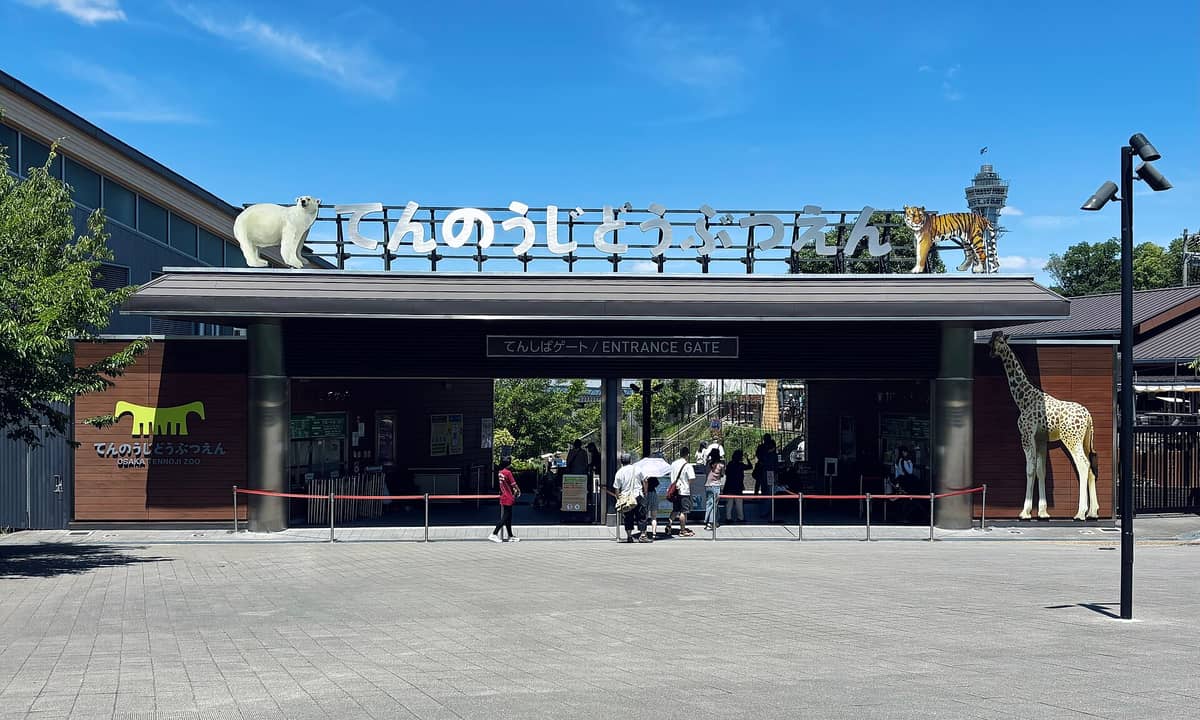
What Tennoji Zoo Actually Is
Osaka Tennoji Zoo opened on January 1, 1915, making it over 110 years old and one of the longest-running zoological parks in Japan. It sits inside Tennoji Park in central Osaka, roughly a 10-minute walk from one of the city's main transit hubs. The zoo covers around 11 hectares and houses around 180 species of animals, from African savanna wildlife to reptiles, primates, and large cats.
The price point is the first thing that stands out: ¥800 for adults is still low for a city zoo in a major Japanese metropolis. That alone draws large local crowds on weekends, and it's why the zoo functions as a genuine neighborhood institution rather than a premium tourist attraction. Schoolchildren, grandparents with toddlers, and young couples with strollers all share the paths on a typical Saturday morning.
It's worth being honest up front: Tennoji Zoo is not a modern safari park with sprawling open-range enclosures. Some enclosures are compact by contemporary standards, and visitors accustomed to large-scale zoos in Europe, North America, or newer Asian facilities may notice the difference. What it offers instead is character, accessibility, and a genuine slice of everyday Osaka life. If you're pairing it with a visit to Shitennoji Temple or lunch in Shinsekai, the zoo fits naturally into a full Tennoji-area day.
Getting There and Getting In
The most direct approach is Dobutsuen-mae Station on the Osaka Metro Midosuji Line (the red line) or Sakaisuji Line. From the station, follow the signs for exit 1 or exit 3 and you'll reach the zoo's southern entrance in about five minutes. The name 'Dobutsuen-mae' literally translates to 'in front of the zoo,' so navigation is straightforward even without mobile data.
Arriving from Tennoji Station adds about five more minutes on foot but is often more convenient if you're coming via JR lines from other parts of Osaka or arriving direct from Kansai International Airport on the Haruka Express. The walk from Tennoji Station takes you through the edge of Tennoji Park, which itself is a pleasant lead-in.
💡 Local tip
On busy weekends and public holidays, the zoo offers an online ticket option through its official website to speed up entry. Pre-purchasing is not required on quiet weekday mornings, but it's worth checking on the website before visiting during Golden Week (late April to early May) or school holiday periods, when queues at the ticket gate can be significant.
Osaka City residents aged 65 and over can enter free with ID, and municipal elementary and junior high school students from Osaka City also benefit from free admission. Check the official site for the current terms, as conditions are occasionally updated.
Tickets & tours
Hand-picked options from our booking partner. Prices are indicative; availability and final rates are confirmed when you complete your booking.
Kobe: Mt. Rokko Night View, Kitano Ijinkan, Arima Onsen Full Day Tour
From 47 €Instant confirmationFree cancellationOsaka local food tour in Dotonbori and Shinsekai
From 51 €Instant confirmationFree cancellationGuided day tour from Osaka to Nara Park, Arashiyama and Fushimi Inari
From 59 €Instant confirmationFree cancellationShiga Day Trip with Miho Museum, Lake Biwa and Waterbird Shrine
From 70 €Instant confirmationFree cancellation
Hours, Seasons, and When to Go
Standard opening hours are 09:30 to 17:00, with the last admission at 16:00. On Saturdays, Sundays, and public holidays during May and September, extended hours apply: the zoo stays open until 18:00, with last admission at 17:00. The zoo is closed every Monday, or the following weekday if Monday falls on a public holiday. It also closes from December 29 through January 1.
Arriving around 09:30 on a weekday is the clearest path to a quiet visit. The paths are sparse, animals are often more active in the cooler morning air before midday heat sets in, and you can move at your own pace without strollers and school groups narrowing the paths. By 11:00 on a weekend, the zoo fills up noticeably, particularly around popular enclosures like the hippo pool and the African savanna section.
⚠️ What to skip
Osaka summers (July and August) are hot and humid, with temperatures frequently exceeding 33°C. Outdoor zoo visits in mid-afternoon during these months can be genuinely uncomfortable, and many animals retreat to shaded or indoor areas, making them harder to spot. If visiting in summer, arrive at opening time and plan to leave by noon.
Spring and autumn are the most comfortable seasons for a zoo visit. October and November bring cool, clear days that are ideal for walking the full circuit of the park. The spring cherry blossom period in late March to early April adds seasonal color to the surrounding Tennoji Park, making the broader area worth extra time.
The Layout and What You'll See
The zoo is organized into themed zones. The African Savanna area is the centerpiece, housing giraffes, zebras, and white rhinos in a relatively open setting. In the morning, the giraffes often stand close to the viewing fence, and the scale of them against the Osaka skyline in the background creates an unexpectedly striking visual.
The hippo enclosure has an underwater viewing window at ground level, one of the more engaging features for children. Watching a hippopotamus move through water from a few meters away, with its weight pressing slow, deliberate movements through the tank, holds attention even for adults. Nearby, the Asiatic lions and snow leopards are popular draws, though like most big cats, they spend considerable time resting.
The reptile house, primate area, and a nocturnal animal section round out the main zones. The nocturnal exhibit uses low-light conditions to simulate nighttime for species like owls and small marsupials, and it's one of the darker, quieter corners of the zoo where kids tend to press their faces against the glass in focused silence. It can feel crowded during peak hours because the space is enclosed and small.
ℹ️ Good to know
Photography works best in the early morning when light is softer and animals are more active. The African savanna area faces east, meaning morning light falls directly on the giraffes and zebras. By midday, the light becomes harsh and animals move into shade.
Practical Details for Visiting
Wear comfortable walking shoes. The zoo paths are paved and flat, making the venue fully accessible for prams and wheelchairs. Eight barrier-free toilets are located throughout the park, with accessible facilities including warm-water washing seats and handrails. The zoo's inclusion in Osaka's Universal Tourism program reflects a genuine commitment to accessibility, so visitors with mobility requirements should find the site manageable.
There is a restaurant and several snack kiosks inside the grounds. The food is standard zoo cafeteria fare, functional but not a culinary destination. A better strategy is to eat beforehand in Shinsekai, the retro entertainment district immediately adjacent to the zoo's southern boundary, where you'll find kushikatsu (deep-fried skewers) restaurants, takoyaki stalls, and cheap ramen shops at prices that match the zoo's own budget-friendly character.
For families considering a full day in the area, the zoo pairs well with Tsutenkaku Tower in Shinsekai, which is only a short walk from the zoo's southern gate. The Osaka Museum of History near Tennoji Station provides a contrasting indoor option if weather turns. Both are reachable on foot without needing additional transit.
Who This Zoo Is For, and Who Should Skip It
Tennoji Zoo works extremely well for families with children under 12, budget-conscious travelers who want a low-cost, low-effort half-day activity, and anyone building a broader Tennoji neighborhood itinerary. The ¥800 entry fee means there's almost no risk: if you walk in and find it isn't your style, you haven't spent much.
Travelers whose primary interest is wildlife conservation zoos with large naturalistic habitats, or visitors who have already experienced top-tier zoos in their home countries, may find Tennoji underwhelming. The enclosures are genuine in their limitations, and nothing here competes with, say, the major European zoological parks. If animal encounters are a priority rather than just a pleasant backdrop to a broader day out, it may be worth considering Osaka Aquarium Kaiyukan as an alternative, which operates at a higher standard for marine life presentation.
Solo travelers with limited time and a focused list of Osaka's landmark attractions may also find the zoo a lower priority compared to historic or cultural sites in the city. It earns its place in an itinerary, but it shouldn't displace visits to sites with greater architectural or historical depth if time is genuinely tight.
Insider Tips
- The annual pass costs ¥3,200 for adults — only four visits to break even. If you're in Osaka for a week or more with children, or plan to return on a future trip, it's a rational purchase.
- The zoo's southern exit deposits you directly into Shinsekai. Walk out that gate after your visit and you're immediately in front of kushikatsu restaurants for lunch, which makes for an efficient and affordable combined outing.
- On extended-hours evenings in May and September, the zoo takes on a noticeably different atmosphere as the afternoon crowd thins out and the light softens. Crowds drop significantly after 16:00, and the savanna area in particular looks different in warm evening light.
- The Dobutsuen-mae Station has multiple exits. Use Exit 1 for the southern zoo entrance near the Shinsekai side. Getting the exit right saves a few minutes of reorientation.
- Weekdays during school term time (mid-September through late March, excluding holidays) are consistently the quietest days to visit. You'll have the reptile house and nocturnal exhibit almost entirely to yourself.
Who Is Tennoji Zoo For?
- Families with young children looking for an affordable, low-stress half-day activity
- Budget travelers who want a full experience without spending much
- Visitors building a Tennoji or Shinsekai neighborhood day itinerary
- Travelers visiting Osaka in spring or autumn who want outdoor time between urban sightseeing
- Osaka locals and annual pass holders making repeat seasonal visits
Nearby Attractions
Other things to see while in Tennoji:
- Abeno Harukas
Abeno Harukas is Osaka's tallest building, rising 300 metres above Tennoji in southern Osaka. The Harukas 300 observatory spans floors 58 to 60 and delivers sweeping views across the city, Osaka Bay, and on clear days, the mountains of Nara and beyond. It is also a major transit hub, shopping complex, and art museum rolled into one vertical neighbourhood.
- Isshin-ji Temple
Isshin-ji Temple in Tennoji is one of Osaka's most singular religious sites, where modern concrete architecture meets a centuries-old Buddhist tradition of incorporating the cremated remains of the deceased into sacred statues. Free to enter and open daily, it rewards thoughtful visitors with a genuinely unusual encounter with Japanese memorial culture.
- Shitennoji Temple
Founded in 593 by Prince Shotoku, Shitennoji Temple is considered Japan's first officially established Buddhist temple. Spanning a full city block in Tennoji, it offers a rare straight-axis temple layout, a serene pond garden, and a modest treasure house — all within easy reach of central Osaka.