Tenjin Matsuri: The Complete Guide to Osaka's Greatest Festival
Tenjin Matsuri is one of Japan's three great festivals, held every July at Osaka Tenmangu Shrine. This guide covers the 2026 dates, the land and boat processions, fireworks timings, viewing options, and everything you need to plan your visit without the usual tourist pitfalls.
Plan and book this trip
Tools from our partner Travelpayouts help you compare flights and hotels. If you book through them, we may earn a commission at no extra cost to you.
Flights
Hotels map
TL;DR
- Tenjin Matsuri 2026 runs July 24 (Yoimiya) and July 25 (Honmiya), centered on Osaka Tenmangu Shrine in northern Osaka.
- The July 25 climax features a land procession from around 15:30, a boat procession on the Okawa River from around 18:00, and fireworks from around 19:30.
- The festival is rooted in Shinto ritual, not just fireworks. The processions and ceremonies are the main event. For more summer planning, see the best time to visit Osaka.
- Free public viewing areas exist along the route and riverbank, but reserved seats and boat ride tickets sell out fast.
- July in Osaka is hot and humid with average highs above 33°C. Plan accordingly with water, sunscreen, and light clothing.
What Tenjin Matsuri Actually Is
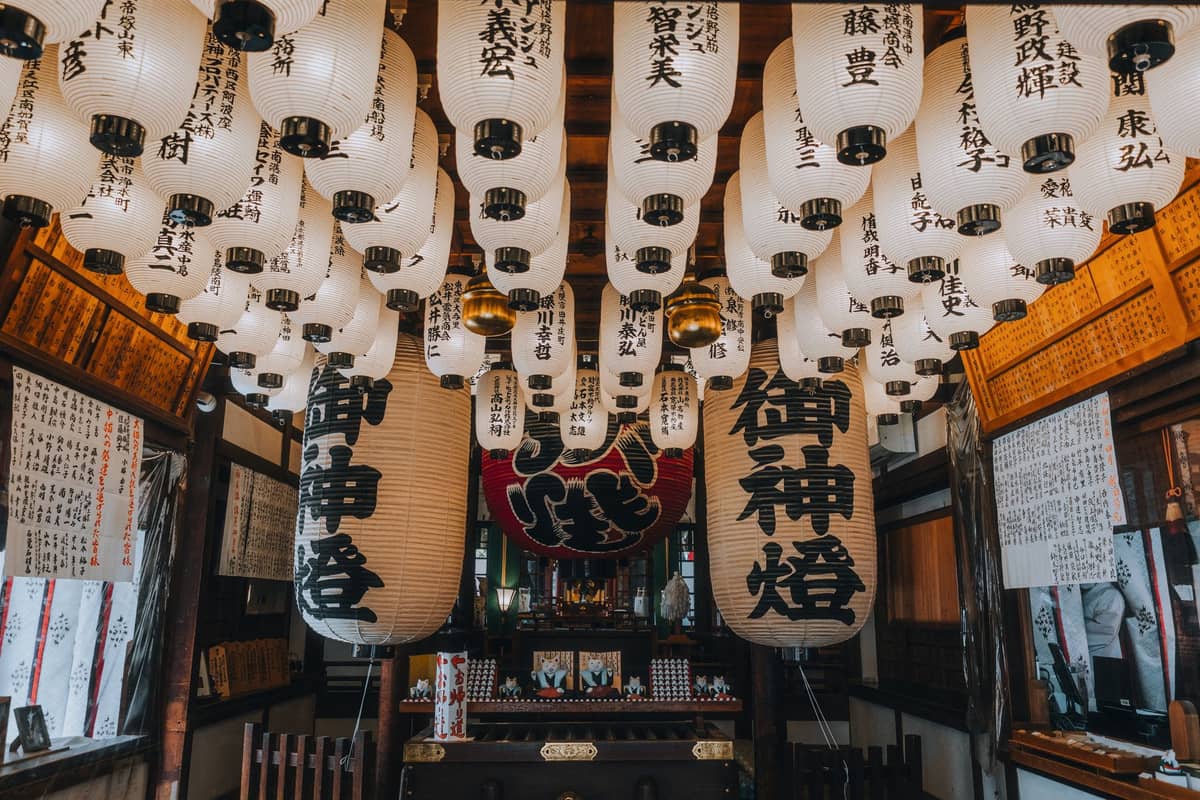
Tenjin Matsuri is one of Japan's three great festivals, alongside Kyoto's Gion Matsuri and Tokyo's Kanda Matsuri. It has been held annually for over 1,000 years as a purification rite dedicated to Sugawara no Michizane, the deified scholar and statesman enshrined at Osaka Tenmangu as the deity Tenjin. The festival's full name is Osaka Tenmangu Tenjin Matsuri, and it is inseparable from the shrine that hosts it.
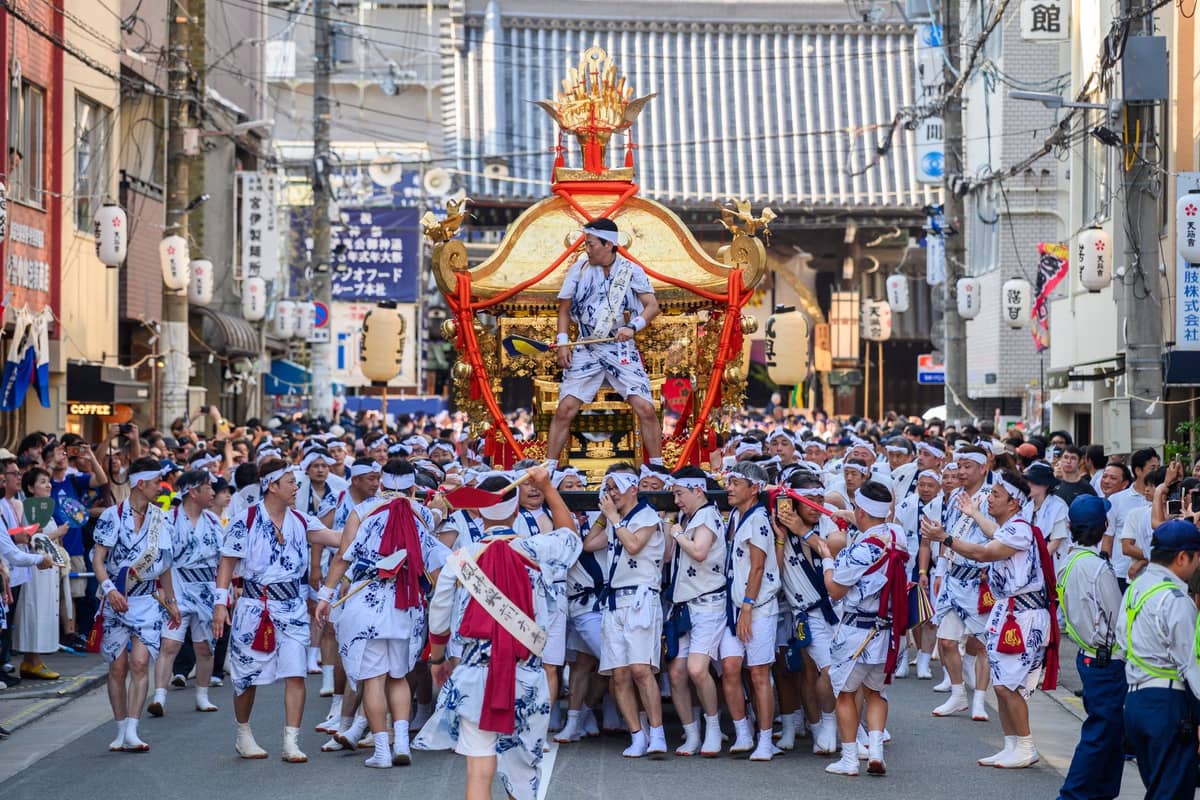
The common misconception is that Tenjin Matsuri is a fireworks event. It is not. The fireworks are a finale, added to the celebration in the modern era. The core of the festival is a Shinto ceremony in which the divine spirit of Tenjin is carried through the streets in a portable shrine (mikoshi) during the land procession, then transferred to a sacred boat for the river procession. The fireworks ignite as the flotilla moves on the water. Visitors who arrive only for the fireworks miss roughly six hours of procession and ceremony that give the spectacle its meaning. For deeper context on Osaka Tenmangu Shrine and its place in Osaka's religious landscape, it is worth visiting the shrine on a non-festival day to understand what it represents.
ℹ️ Good to know
Tenjin Matsuri is consistently listed among Japan's top three festivals. It draws an estimated around one million visitors over the two festival days, making crowd management one of the biggest practical challenges for first-time attendees.
2026 Dates, Schedule, and Key Timings
The 2026 festival runs on July 24 and July 25. July 24 is Yoimiya, the eve ceremony, a quieter and more atmospheric day centered on ritual preparations and smaller processions at Osaka Tenmangu Shrine. It is often overlooked by tourists, which makes it the better option if you want to experience the festival without peak crowds.
July 25 is Honmiya, the main day, and the one that draws the million-person crowds. The reported 2026 schedule for July 25 is as follows: the land procession (Rikutogyo) begins around 15:30, the boat procession (Funa Togyo) on the Okawa River begins around 18:00, and fireworks launch around 19:30, with the display running until approximately 20:50 to 21:00. These timings are based on official 2026 schedule announcements and should be confirmed closer to the date via the Osaka Tenmangu Shrine official site, as weather or operational conditions can cause adjustments.
- July 24 – Yoimiya (Eve Ceremony) Ritual preparations and smaller ceremonies at Osaka Tenmangu Shrine. Far fewer crowds. Best day for shrine photography and atmosphere without the chaos.
- July 25 – Honmiya, Land Procession (from ~15:30) Around 3,000 participants in historical court dress, musicians, torch bearers, and portable shrine carriers move from Osaka Tenmangu through central Osaka toward the Okawa River. Route takes roughly 2-3 hours to complete.
- July 25 – Boat Procession (from ~18:00) Approximately 100 boats carry the sacred procession on the Okawa River. Torches and lanterns are lit as dusk falls, creating the most visually striking part of the festival.
- July 25 – Fireworks (from ~19:30 to ~21:00) Fireworks launch over the river as the boat procession continues. Best viewed from Tenmabashi, Sakuranomiya Park, or reserved viewing seats along the riverbank.
Where to Watch: Free Spots vs. Reserved Seats
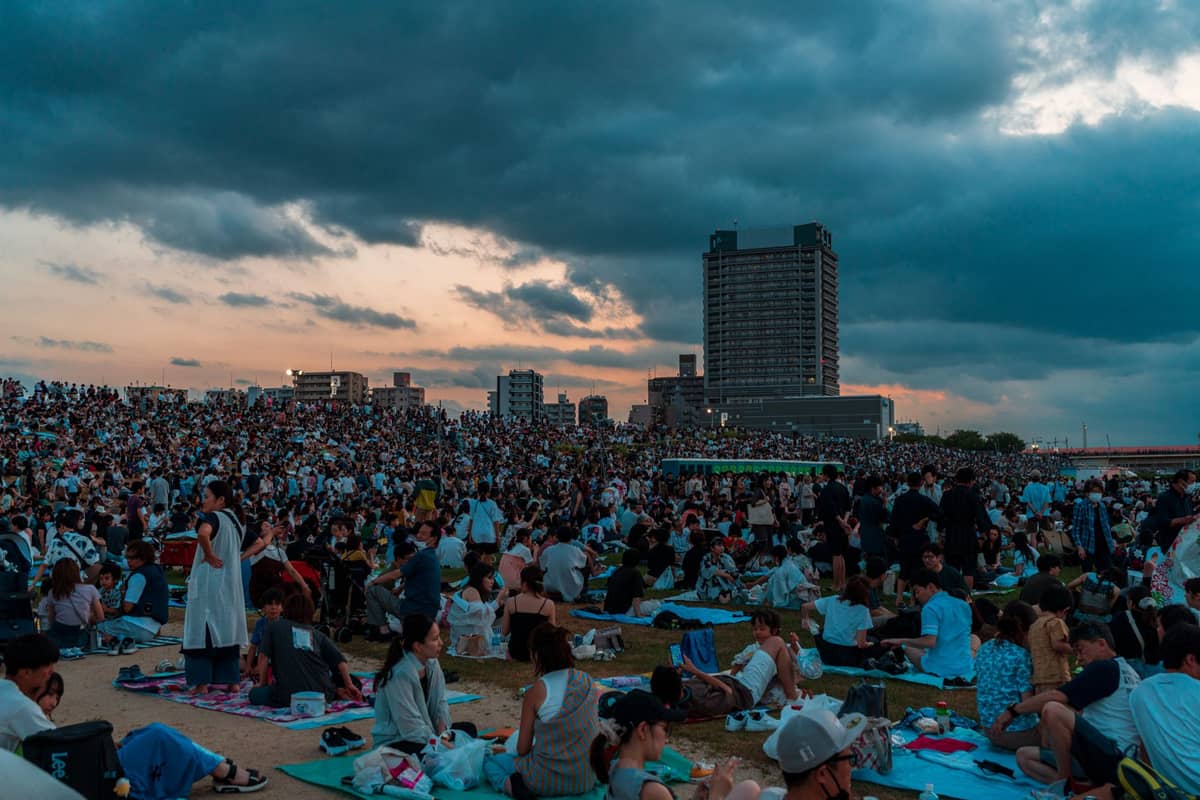
Viewing options split into two categories: free public areas and paid reserved seats. Free areas line the land procession route through central Osaka and the Okawa riverbanks. The most popular free riverbank spots are around Tenmabashi and along Sakuranomiya Park. These fill up fast. If you want a good riverbank position for both the boat procession and fireworks, expect to arrive by 16:00 at the latest on July 25, and by 15:00 if you want a front-row spot.
Reserved viewing seats and boat tickets are sold through official channels and travel agencies such as JTB. These sell out weeks or months in advance. Boat rides offer the most immersive experience, placing you inside the procession itself, but they are the first tickets to go. If you are visiting Osaka specifically for Tenjin Matsuri, check ticket availability when booking your flights. For general Osaka trip planning, the 3 days in Osaka guide helps structure the surrounding days.
⚠️ What to skip
Tenmabashi and surrounding bridges become dangerously overcrowded on July 25 evening. Osaka authorities typically implement crowd control and one-way pedestrian flow on key bridges and streets. Do not underestimate how difficult it is to move between viewing spots once the fireworks begin. Pick one location and stay put.
- Tenmabashi bridge and surrounding area: the classic free viewing spot for both river procession and fireworks. Arrive by 15:30-16:00.
- Kema Sakuranomiya Park riverbank: more space than Tenmabashi, slightly better for families, slightly worse sightlines for fireworks at the launch point.
- Reserved seats along the Okawa: available through official festival sellers and travel agencies. Check availability from April onward.
- Boat procession tickets: the most memorable option. Extremely limited. Check from January-February onward.
- Hotel rooms with river views: some hotels along the Okawa offer festival-view packages. Expensive, but a genuine alternative for those who cannot stand outdoor crowds.
Getting There: Transport and Logistics
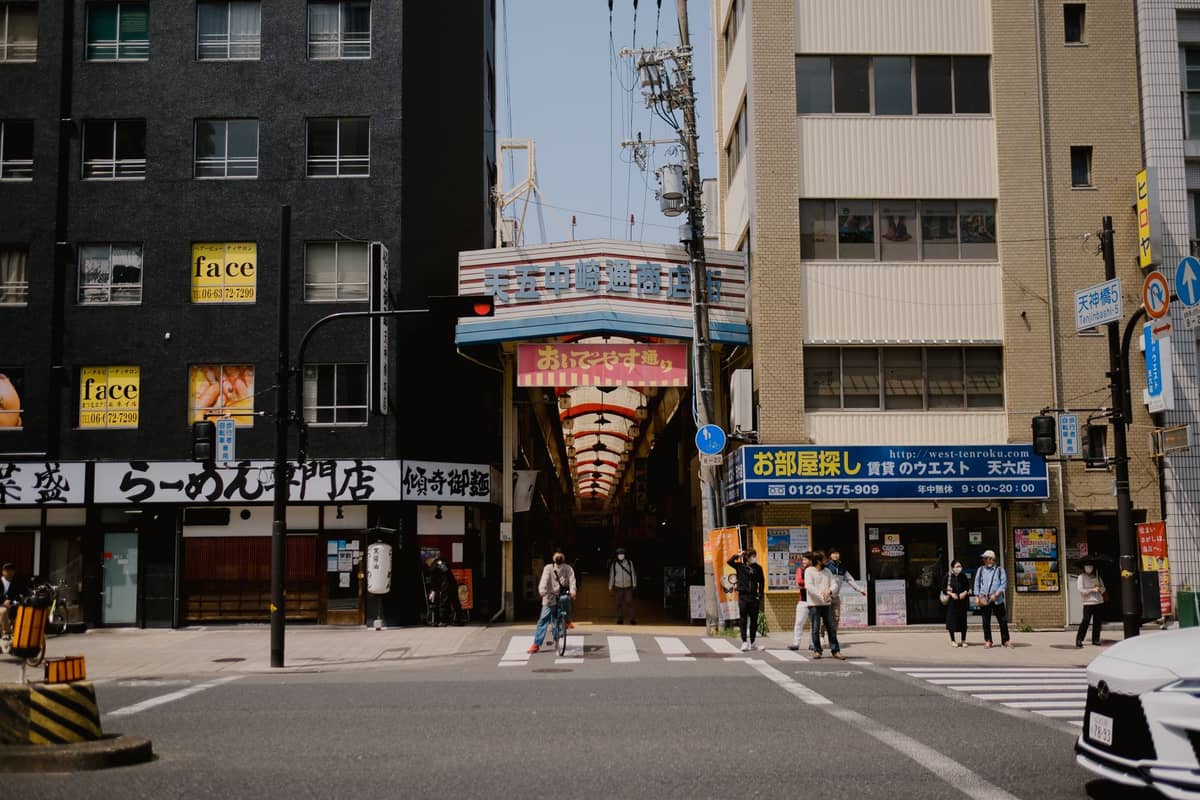
Osaka Tenmangu Shrine is located in the Tenjinbashi area of northern Osaka, roughly a 5-minute walk from Minami-Morimachi Station (Osaka Metro Tanimachi Line or Sakaisuji Line) or about 10 minutes from Tenjinbashisuji-Rokuchome Station. The Tenjinbashisuji shopping street, Japan's longest covered arcade, runs directly from the shrine area and is worth walking on any visit to the neighborhood.
On July 25, trains run extended hours and increased frequency specifically for the festival. This is the only practical way to reach and leave the area. Taxis become nearly impossible to find near the festival zone during and after the fireworks. Driving is not a realistic option. For a full overview of Osaka's transit network, the getting around Osaka guide covers rail passes and route planning in detail.
✨ Pro tip
Leave the festival area before the fireworks end if you want any chance of boarding a train without a 45-60 minute queue. The train stations around Tenmabashi and Osaka Tenmangu are overwhelmed immediately after the display finishes. Alternatively, walk 20-30 minutes south toward Nakanoshima or Namba before trying to board.
Practical Tips: Heat, Crowds, and What to Bring
July 25 in Osaka is reliably hot and humid. Average highs in late July sit around 32°C, and standing outdoors for several hours in dense crowds makes it feel considerably hotter. Heat exhaustion is a real risk, particularly for children and older travelers. This is not a festival where you can be casual about preparation.
- Water: bring at least 1.5 liters per person. Convenience stores near the festival route sell out of cold drinks by early evening.
- Sunscreen and a portable fan: battery-operated handheld fans (uchiwa) are sold by vendors along the route for a few hundred yen. Worth buying on arrival.
- Cooling towels or neck ice packs: sold at pharmacies and convenience stores throughout Osaka. Freeze them the night before.
- Cash: food stalls (yatai) lining the route accept cash only. Budget around ¥1,000-¥4,000 for street food and drinks.
- Yukata (summer kimono): many Japanese attendees wear yukata to summer festivals. Rental shops near Namba and Shinsaibashi offer day rentals. Not required, but adds to the atmosphere.
- Portable phone charger: long days in the heat with navigation and photography drain batteries quickly.
The food stalls that line the procession route are part of the experience. Expect takoyaki, yakitori, kakigori (shaved ice), and grilled corn alongside more unusual festival fare. If you want a pre-festival meal before heading out to the viewing spots, the area around Namba has plenty of options with air conditioning, which you will appreciate before committing to an outdoor wait of several hours. For a deeper dive into what to eat around festival season, the guide to Osaka food covers the broader culinary landscape.
Is Tenjin Matsuri Worth the Effort?
Honestly, it depends on what you are looking for. If you want a quiet, contemplative cultural experience, July 25 at Tenjin Matsuri is not it. It is a massive, sweaty, crowded urban festival with a million other visitors, narrow streets, and limited mobility. If you are not comfortable in dense crowds or have difficulty with heat, July 24 (Yoimiya) is a significantly better option for the same cultural experience at a fraction of the stress.
For those who do want the full spectacle, Tenjin Matsuri delivers something genuinely rare: a Shinto procession that has run continuously for over a millennium, torchlit boats on a river at dusk, and fireworks that reflect off the water with the entire city watching. It is not manufactured for tourists. It is an active religious ceremony that happens to be open to all. That distinction matters. If your Osaka visit falls outside July, there are other festivals and seasonal events worth knowing about, including the cherry blossom season in spring and the autumn foliage season in November.
FAQ
When is Tenjin Matsuri 2026?
Tenjin Matsuri 2026 takes place on July 24 (Yoimiya, the eve ceremony) and July 25 (Honmiya, the main day). The main procession and fireworks are on July 25. The land procession begins around 15:30, the boat procession around 18:00, and fireworks from approximately 19:30 to 21:00. Confirm exact timings via the Osaka Tenmangu Shrine official site closer to the date.
Is Tenjin Matsuri free to attend?
Public viewing along the procession route and along the Okawa riverbank is free. Reserved seats and boat ride tickets are paid options that sell out in advance. Food stalls and festival vendors line the route, so budget separately for those. Some travel agencies offer paid packages that include reserved seating and guided access.
What is the best spot to watch the Tenjin Matsuri fireworks?
Tenmabashi bridge and the surrounding Okawa riverbanks are the most popular free spots. Kema Sakuranomiya Park offers more space but slightly different angles. Reserved riverside seats give the best unobstructed views. Arrive at your chosen spot by 15:30-16:00 at the latest on July 25 to secure a good position.
How do I get to Tenjin Matsuri from central Osaka?
Osaka Tenmangu Shrine is a 5-minute walk from Minami-Morimachi Station on the Osaka Metro Tanimachi and Sakaisuji lines. On July 25, trains run extended hours specifically for the festival. Avoid driving or relying on taxis. Plan your exit route before the fireworks end to avoid the worst of the post-event train queues.
What should I wear to Tenjin Matsuri?
Light, breathable clothing is essential. Late July in Osaka averages around 32°C with high humidity. Many Japanese attendees wear yukata (summer kimono), which are available to rent near Shinsaibashi and Namba. Comfortable shoes are critical as the festival involves significant walking on crowded streets. Avoid sandals that could slip or be stepped on in dense crowds.