What to Eat in Osaka: The Essential Guide to Osaka Food
Osaka has earned its reputation as Japan's kitchen over centuries, and the city's food culture runs far deeper than the few dishes that dominate travel blogs. This guide covers the essential Osaka foods every visitor should try, with real prices, the best areas to eat them, and practical advice on what to skip.
Plan and book this trip
Tools from our partner Travelpayouts help you compare flights and hotels. If you book through them, we may earn a commission at no extra cost to you.
Flights
Hotels map
TL;DR
- Takoyaki, okonomiyaki, and kushikatsu are the three dishes most closely identified with Osaka food culture — all widely available year-round.
- Prices have risen in recent years: budget around ¥3,000–5,000 per person for a proper street food grazing day across multiple stalls.
- The best areas for eating are Dotonbori, Kuromon Ichiba Market, and Shinsekai — each with a distinct character and price range.
- Kushikatsu is not just meat — skewers include vegetables, seafood, and cheese, all fried in the same crisp panko batter.
- Tipping is not customary in Japan; service charges are occasionally included in bills at sit-down restaurants.
Why Osaka Takes Food More Seriously Than Anywhere Else in Japan
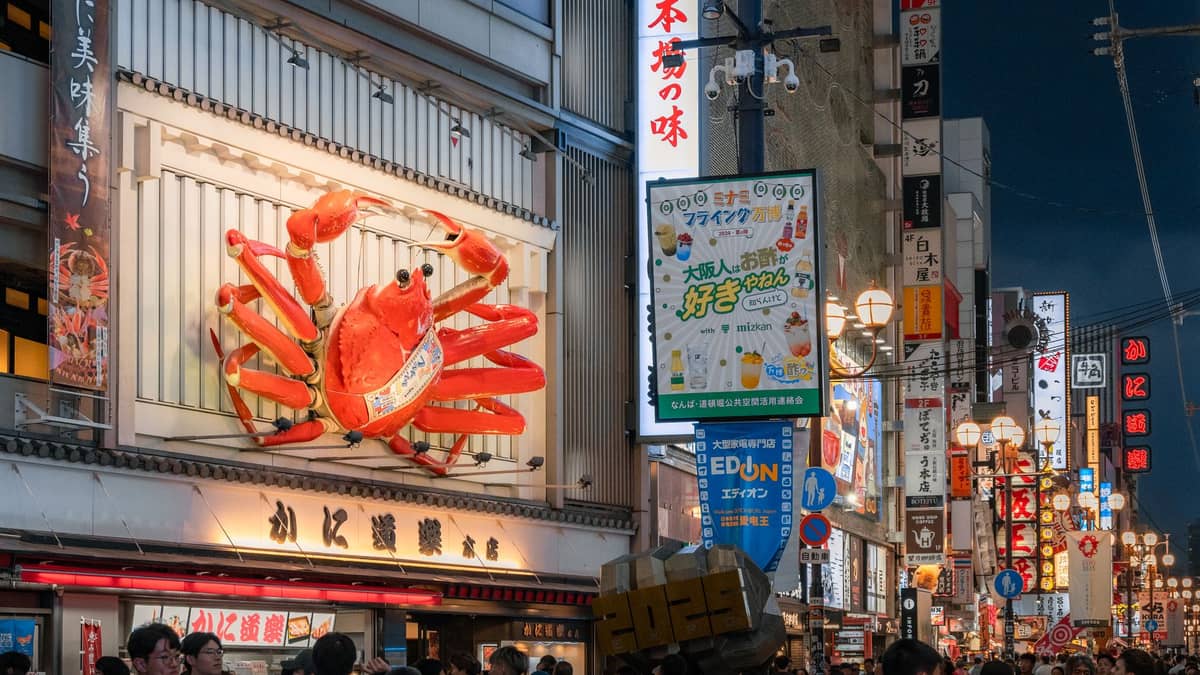
Osaka food culture has a specific term attached to it: kuidaore, which roughly translates as 'eat until you drop' or 'ruin yourself through eating.' It is not just a marketing slogan. The city's identity is genuinely built around food in a way that distinguishes it from Tokyo, Kyoto, or any other major Japanese city. Historically, Osaka was the commercial center of Japan, a trading hub where merchants and working-class neighborhoods developed a rich, unpretentious food culture that prioritized flavor and value over ceremony.
That legacy shows up everywhere today. The dishes most associated with the city — takoyaki, okonomiyaki, kushikatsu — are all affordable, filling, and designed to be eaten standing up or at a casual counter. If you want deeper context on how eating fits into exploring the city, the Osaka street food guide covers the logistics of where and how to eat your way through the city in detail.
The Three Dishes That Define Osaka Food
Every city claims signature dishes, but Osaka's three core foods are genuinely irreplaceable — not because there is nothing else worth eating, but because they capture something specific about how the city thinks about eating.
- Takoyaki (たこ焼き) Spherical balls of batter cooked in a special cast-iron mold, each one containing a chunk of octopus, green onion, pickled ginger, and tenkasu (tempura scraps). Served with a dark sweet-savory sauce, Japanese mayo, bonito flakes, and dried seaweed. A portion of 6–8 pieces costs around ¥500–800 at most stalls, rising to ¥800–1,000 at canal-front spots in Dotonbori with premium toppings. Takoyaki Wanaka in Dotonbori is one of the most consistently rated chains for quality and reliability.
- Okonomiyaki (お好み焼き) A thick savory pancake made from a batter of flour, grated yam, dashi stock, and shredded cabbage, with your choice of pork belly, seafood, or both mixed in. 'Okonomi' means 'what you like' — the dish is customizable by design. Street-stall portions run ¥800–1,500; sit-down restaurant versions, which are more elaborate and filling, typically cost ¥1,300–1,800 per dish. Osaka-style okonomiyaki differs from Hiroshima-style: ingredients are mixed into the batter rather than layered. Ajinoya in Namba is a popular benchmark for the sit-down version.
- Kushikatsu (串カツ) Skewers of meat, vegetables, seafood, or cheese coated in panko breadcrumbs and deep-fried in oil. Individual sticks typically cost ¥120–250 each; a full meal of 8–10 skewers with a drink runs ¥1,800–2,500. The golden rule at any kushikatsu restaurant: no double-dipping into the shared sauce. It is enforced seriously, and signs in multiple languages remind you. Kushikatsu Daruma in Shinsekai is the most famous chain, with a century-old reputation in the neighborhood where the dish originated.
⚠️ What to skip
The double-dipping rule at kushikatsu restaurants is not optional. Dip your skewer once into the communal tonkatsu sauce, and if you want more, use the cabbage leaves provided to ladle extra sauce onto your plate. Violating this rule at places like Kushikatsu Daruma will get you a firm reminder from staff.
Beyond the Big Three: Other Osaka Foods Worth Seeking Out
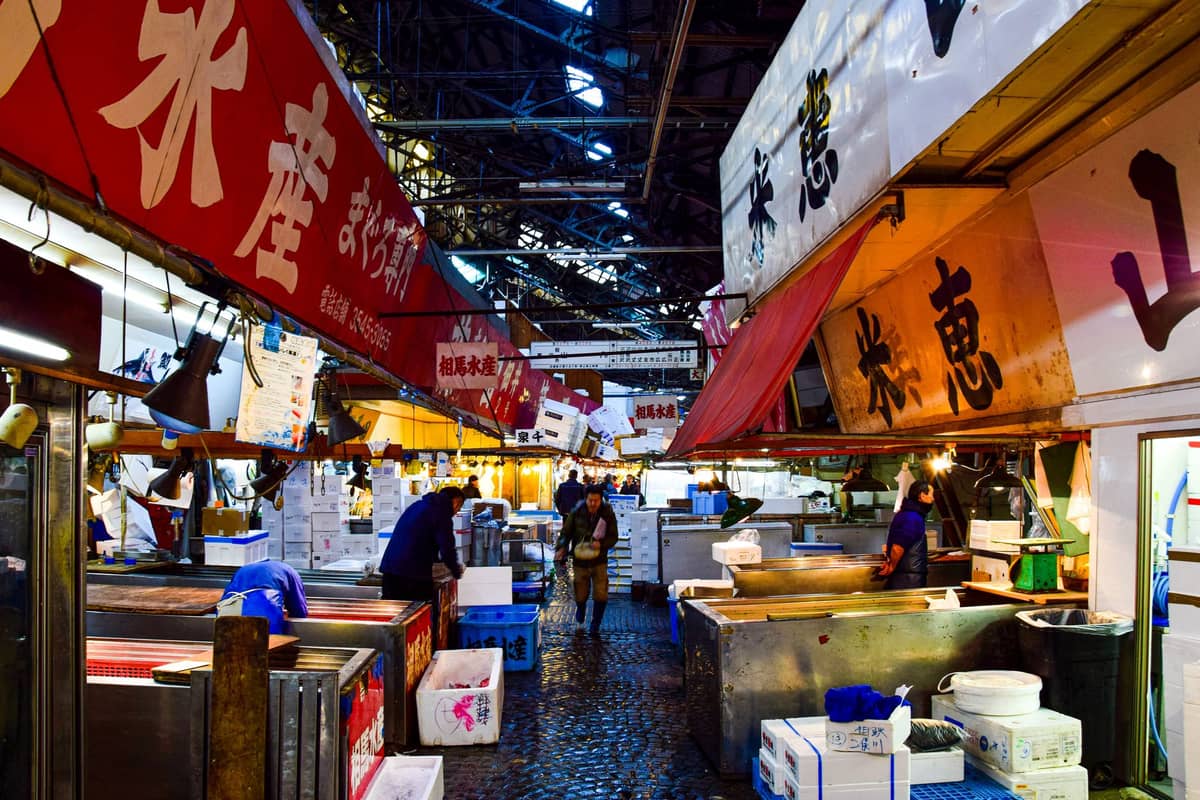
Osaka food extends well beyond its three marquee dishes. The city has a strong ramen culture (though Kyushu-style tonkotsu dominates nationally, Osaka leans toward lighter shoyu and shio broths), excellent sushi and sashimi given its proximity to fresh seafood markets, and a distinct tradition of kappo cuisine — intimate counter-dining where the chef prepares each course in front of you.
- Fugu (blowfish) Osaka is one of Japan's top cities for fugu, particularly in winter months. Licensed restaurants prepare it as sashimi, hot pot (fugu nabe), or deep-fried karaage. Not cheap — expect ¥5,000–15,000 per person for a dedicated fugu course — but the quality in Osaka is exceptional.
- Kitsune Udon A Osaka invention: thick udon noodles in a mild dashi broth topped with a large piece of sweetened aburaage (fried tofu). The dish is strongly associated with Osaka's Kansai-style dashi, which uses more kombu and lighter soy than Tokyo preparations. Available at most traditional udon shops for around ¥600–1,000.
- Negiyaki A thinner, crispier variant of okonomiyaki made predominantly with green onion rather than cabbage. Less famous internationally, but locals regard it as the superior version. Worth ordering at any okonomiyaki restaurant that lists it on the menu.
- Taiko Manju and Imagawayaki Thick round pancake pastries filled with sweet red bean paste (anko) or custard, cooked in iron molds. A common street snack around temple areas and shopping streets, priced around ¥150–250 each.
- Fresh seafood at Kuromon Ichiba The market offers ready-to-eat seafood including grilled scallops, sea urchin on rice, fresh oysters, and seasonal shellfish. Prices vary by stall and season, but this is among the most direct ways to eat high-quality seafood without booking a restaurant.
✨ Pro tip
Kansai dashi is noticeably different from what you will find in Tokyo. Osaka's broth-based dishes use kombu-heavy dashi with lighter soy, producing a paler, more delicate flavor. This shows up in everything from udon to the batter used for takoyaki and okonomiyaki. It is one of the more subtle but genuine regional distinctions in Japanese cuisine.
Where to Eat in Osaka: The Best Neighborhoods by Food Type
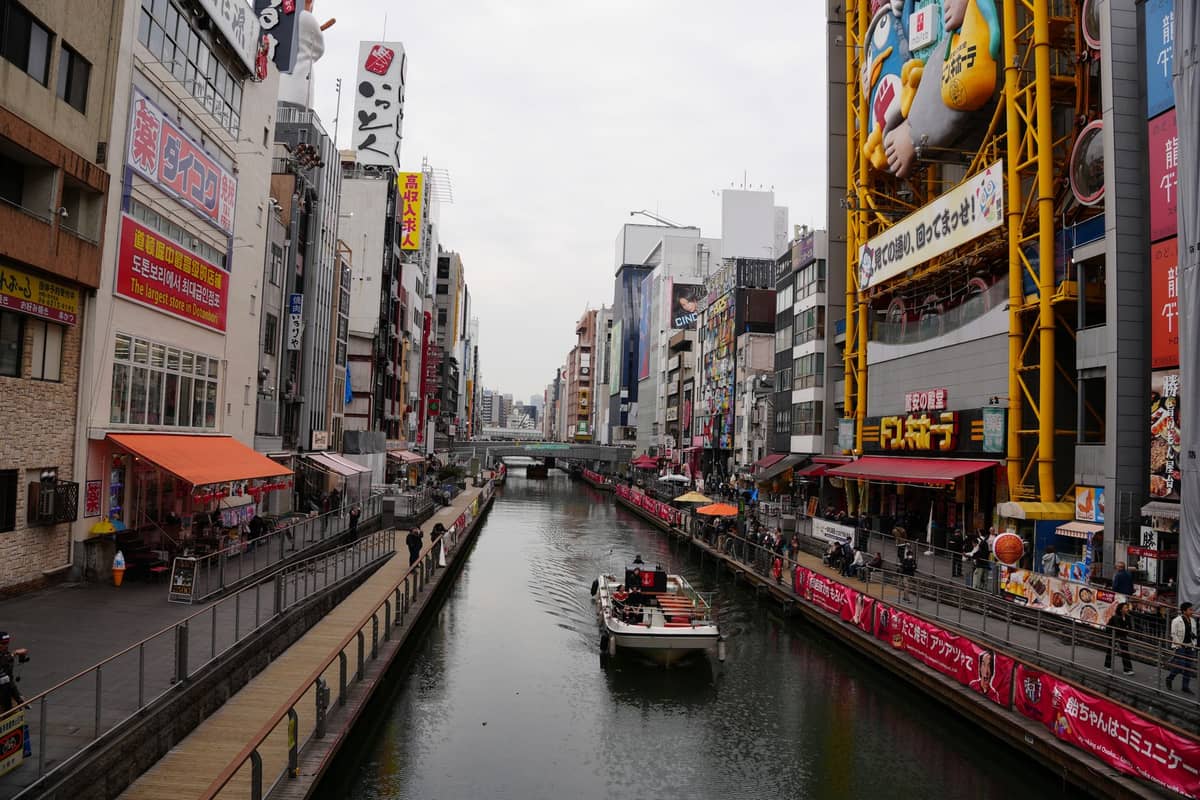
The neighborhoods you eat in shape the experience as much as what you order. Dotonbori is the most famous eating district — dense, loud, and unapologetically touristy, but the food quality at established spots is genuinely good. Expect to pay slightly more here for atmosphere and location.
Shinsekai is where kushikatsu originated and remains the most authentic neighborhood for it. The area has a deliberately retro character, with older buildings and independent restaurants rather than chains. It is also noticeably cheaper than Dotonbori for comparable food.
Kuromon Ichiba Market at 2-4-1 Nipponbashi, Chuo-ku, is the city's main fresh produce and seafood market. Many stalls operate from around 08:00–18:00, though several seafood vendors close by 16:30. It is best visited in the morning when produce is freshest and crowds are lighter. By early afternoon on weekends, the narrow lanes can become uncomfortably packed.
For a more local, less photographed experience, the streets around Tennoji and Tsuruhashi are worth exploring. Tsuruhashi is Osaka's Korean quarter, with yakiniku (grilled meat) restaurants and Korean grocery stalls that offer a completely different flavor profile from the city's Japanese street food circuit.
💡 Local tip
Dotonbori is best for eating in the early evening on weekdays. Weekends after 18:00 can mean 20–40 minute queues at popular takoyaki and ramen stalls. If you are visiting during peak season (late March to early May for cherry blossom, and late October to early November for autumn foliage), arrive early or plan to eat at non-peak hours.
Osaka Food Tours and Structured Eating Experiences
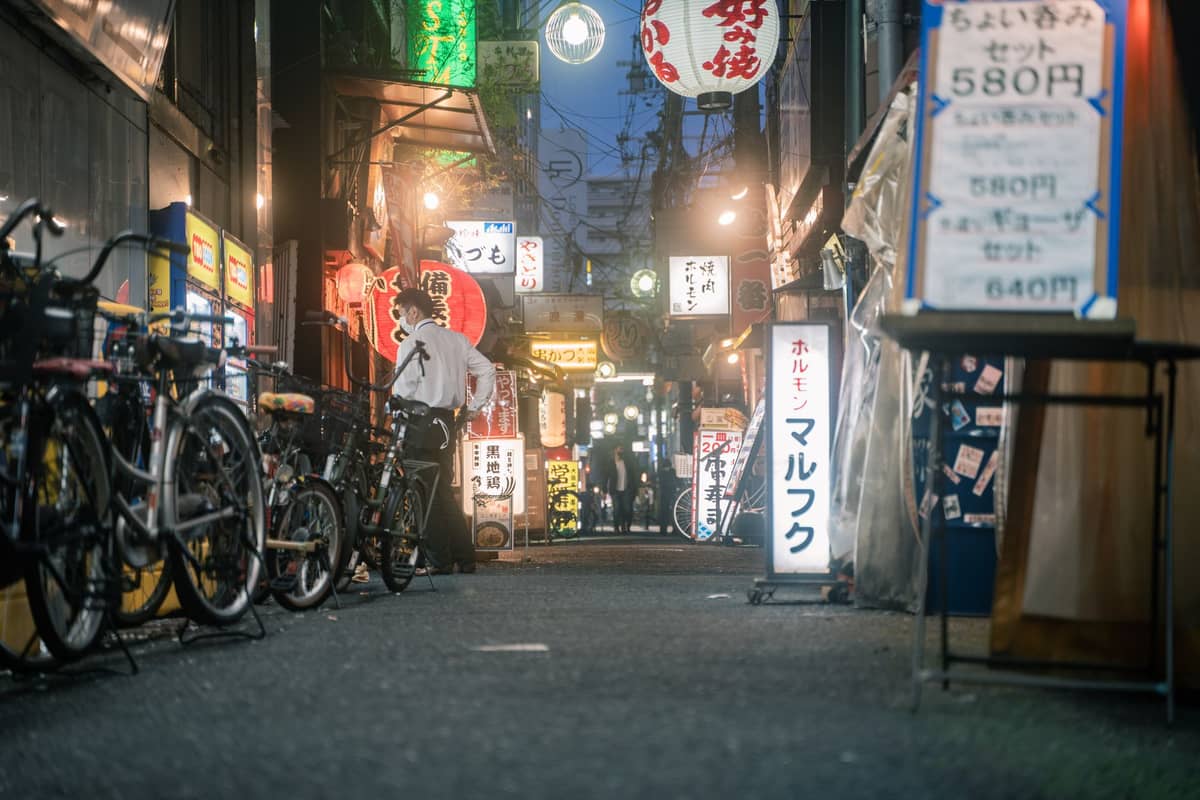
An Osaka food tour is one of the most efficient ways to cover a lot of culinary ground quickly, especially if you are in the city for only one or two days. A well-run tour will move you between three to five stops across Dotonbori, Kuromon Ichiba, and surrounding streets, with a guide who can explain the cultural context and navigate language barriers at smaller local stalls.
Most food tours in Osaka run two to three hours and include four to six tasting portions. Expect to pay around ¥8,000–15,000 per person depending on the operator and whether alcohol is included. Evening tours tend to access a wider range of venues than daytime options, including izakayas (Japanese gastropubs) and standing bars that would be awkward for solo travelers to navigate without Japanese.
If you prefer to self-guide, the Osaka walking tours guide outlines several routes that pass through the main eating districts on foot. Combining a walking route with a printed or downloaded map of Kuromon Ichiba stall locations is a practical alternative to a paid tour for confident travelers.
Practical Eating Tips for Osaka
A few logistical details that make a real difference when eating your way through the city:
- Cash is still widely preferred at smaller stalls and traditional restaurants. Carry ¥5,000–10,000 in smaller bills when visiting market areas or Shinsekai.
- Tipping is not customary anywhere in Japan, including Osaka. Attempting to tip can cause genuine confusion or awkwardness.
- Many smaller okonomiyaki and kushikatsu restaurants have counter seating only, with limited English menus. Photo menus are common — point and order if needed.
- Kuromon Ichiba Market operates primarily in Japanese; most stalls have prices displayed, so shopping is straightforward even without language skills.
- Osaka's tap water is safe to drink, so carrying a refillable bottle is practical and cheap.
- Restaurants near major tourist sites (particularly along Dotonbori canal) often have touts outside. The best local spots rarely employ aggressive street-level promotion — walk past the touts and look for queues of locals instead.
- Osaka food portions are generally smaller than Western equivalents. Plan to eat frequently across multiple stops rather than relying on one large meal.
Osaka's food culture pairs naturally with its broader appeal as a city. For a fuller picture of where eating fits alongside other activities, the things to do in Osaka guide covers the city's top experiences across food, history, and neighborhoods. If budget is a consideration, the Osaka on a budget guide includes detailed advice on keeping food costs down without sacrificing quality.
FAQ
What is the most famous food in Osaka?
Takoyaki is the single most iconic Osaka food — octopus-filled batter balls cooked in a special iron mold and topped with sauce, mayo, and bonito flakes. Okonomiyaki (savory cabbage pancake) and kushikatsu (deep-fried skewers) are equally central to the city's food identity, and together these three dishes make up what most visitors associate with eating in Osaka.
How much does food cost in Osaka?
Street food portions are affordable: takoyaki runs ¥500–1,000 for 6–8 pieces, and individual kushikatsu skewers cost ¥120–250 each. A full day of eating across multiple stalls and a sit-down meal will typically total ¥3,000–5,000 per person. Prices have risen in recent years and tourist-heavy areas like Dotonbori are at the higher end of that range.
Where is the best place to eat street food in Osaka?
Dotonbori is the most concentrated and accessible area for street food, with takoyaki, okonomiyaki, and ramen all within short walking distance of each other. Shinsekai is the authentic home of kushikatsu and tends to be cheaper and less crowded. Kuromon Ichiba Market is the best option for fresh seafood eaten standing at the stall. For a full rundown, the Osaka street food guide covers each area in detail.
Is Osaka food suitable for vegetarians?
Osaka's food culture is heavily meat and seafood-oriented, which makes strict vegetarianism genuinely challenging. Takoyaki contains octopus; okonomiyaki batter is typically made with dashi (fish stock); kushikatsu skewers include meat and seafood by default. Vegetable kushikatsu skewers exist but are cooked in shared oil. Tofu-based dishes, kitsune udon (if made with vegetable dashi), and some market produce are safer options. Dedicated vegetarian and vegan restaurants do exist in Osaka but require advance research.
What is the best time of year to visit Osaka for food?
Core Osaka street foods are available year-round, so there is no bad season purely from a food perspective. That said, autumn (October to November) is considered the strongest season for fresh seafood variety at markets like Kuromon Ichiba, and winter brings fugu (blowfish) into season at specialist restaurants. Spring is peak tourist season and coincides with cherry blossom — the food is just as good but the crowds around eating districts are at their highest.