Best Things to Do in Osaka, Japan: The Definitive 2026 Guide
Osaka rewards visitors with a rare combination of serious history, world-class food, and nightlife that runs until dawn. This guide covers the top things to do in Osaka Japan, from feudal castles and temple districts to canal-side street food and sweeping city views, with up-to-date prices, the best times to visit each attraction, and a clear take on what is worth your time.
Plan and book this trip
Tools from our partner Travelpayouts help you compare flights and hotels. If you book through them, we may earn a commission at no extra cost to you.
Flights
Hotels map
TL;DR
- Osaka Castle's main keep costs ¥1,200 to enter; the surrounding park is free 24 hours and ideal in late March to early April for cherry blossoms. See our Osaka Castle guide for details.
- Dotonbori is a free, open-access entertainment district — there is no entrance fee or formal gate, despite what some booking sites imply.
- The Osaka Metro connects nearly every major attraction; an Osaka Amazing Pass covers unlimited rides and free entry to dozens of sights.
- Spring (March to May) and autumn (October to November) offer the most comfortable temperatures and the city's most photogenic scenery.
- Osaka is one of Japan's great food cities — budget at least one full evening for street food in Namba and Dotonbori.
Osaka Castle and the Historic East Side
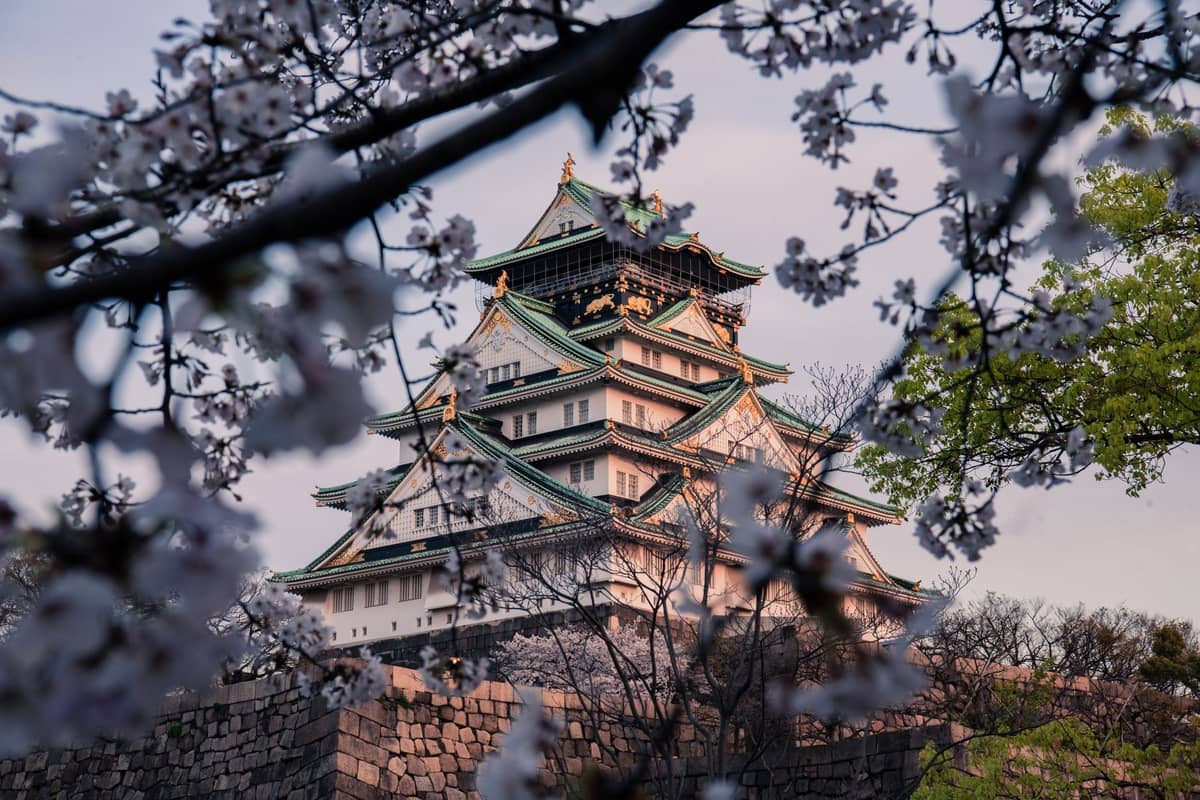
No list of things to do in Osaka Japan is complete without Osaka Castle, and for good reason. The towering main keep, rebuilt in concrete in 1931 and renovated in 1997, dominates a park covering roughly 1 km² in the center of the city. The interior houses a well-curated museum tracing the castle's role from Toyotomi Hideyoshi's 16th-century stronghold through the Meiji Restoration. Admission to the main keep is ¥1,200 for adults and ¥600 for university and high school students; children in junior high and below enter free with proof of age. Standard hours are 09:00 to 17:00 (last entry 16:30), though during cherry blossom season in late March and early April, evening illuminations can extend access until around 21:00 on selected dates.
⚠️ What to skip
The castle keep is a modern concrete reconstruction, not the preserved original structure. The museum inside is genuinely good, but if you are expecting an authentic Edo-period interior, you will be disappointed. Manage expectations before paying the entrance fee.
The surrounding Osaka Castle Park is free to enter and open around the clock, making it one of the best no-cost experiences in the city. During cherry blossom season, the park's roughly 300 cherry trees make it one of Osaka's most celebrated viewing spots. If you visit in autumn, the maples along the inner moat turn a deep red from late November. For a quieter corner of the grounds, the Nishinomaru Garden charges a small separate admission and is far less crowded than the main keep approach.
A short walk east of the castle brings you to the Osaka Museum of History, which uses life-size reconstructions and floor-to-ceiling views of the castle to trace the city's development from the Naniwa period to the modern era. It is a worthwhile add-on if you have an afternoon to spare, and entry costs around ¥600 for adults.
Dotonbori and the Namba Nightlife District
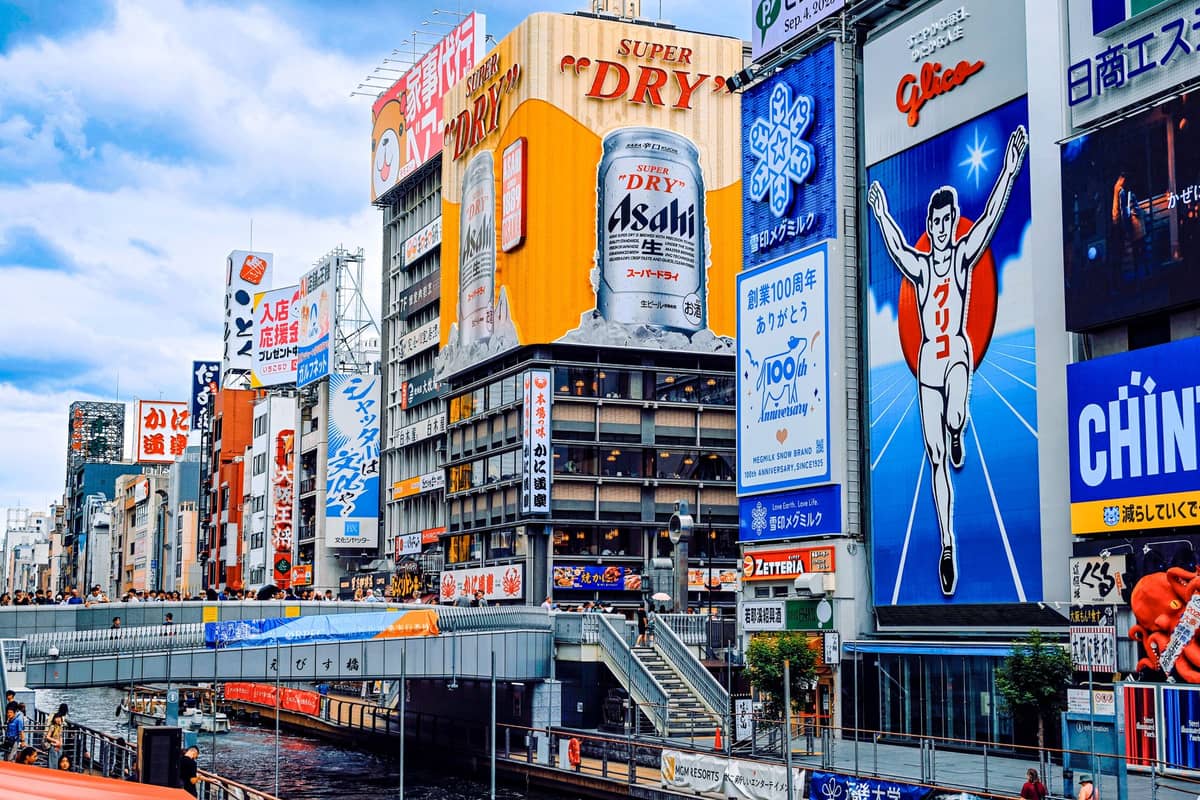
Dotonbori is the visual shorthand for Osaka worldwide: the Glico Running Man sign, the neon reflections in the canal, the mechanical crab claws spinning above restaurant entrances. The district functions as a normal urban neighborhood — no tickets, no gates, no formal opening hours. Restaurants and street stalls start filling up after 18:00 and the energy peaks well past midnight. If you arrive at 10:00 in the morning, it is largely empty. Come back after dark. The canal promenade, known as Dotonboribashi-suji, runs along the Dotonbori Canal and is the best vantage point for photos, particularly from Ebisu Bridge.
The surrounding Namba district covers a dense grid of streets packed with takoyaki stalls, kushikatsu counters, ramen shops, and izakayas. Serious food exploration should extend beyond the main Dotonbori strip — the streets immediately south and east are less touristic and offer better value. For context on what to order and where, our guide to Osaka food covers the essentials in detail.
💡 Local tip
Skip the famous Kani Doraku crab restaurant on Dotonbori itself — it trades primarily on its iconic mechanical crab sign. The surrounding streets have far better seafood for a fraction of the price. Use the landmark to navigate, not to dine.
One block east of the main canal, the atmospheric lane called Hozenji Yokocho is worth the two-minute detour. The moss-covered stone lanterns and tiny kaiseki restaurants create a striking contrast to the neon excess outside. The adjacent Hozenji Temple is a minor but genuinely atmospheric shrine where locals pour water over the statue of Fudo Myoo — now entirely blanketed in green moss.
City Views: Umeda Sky Building and Beyond
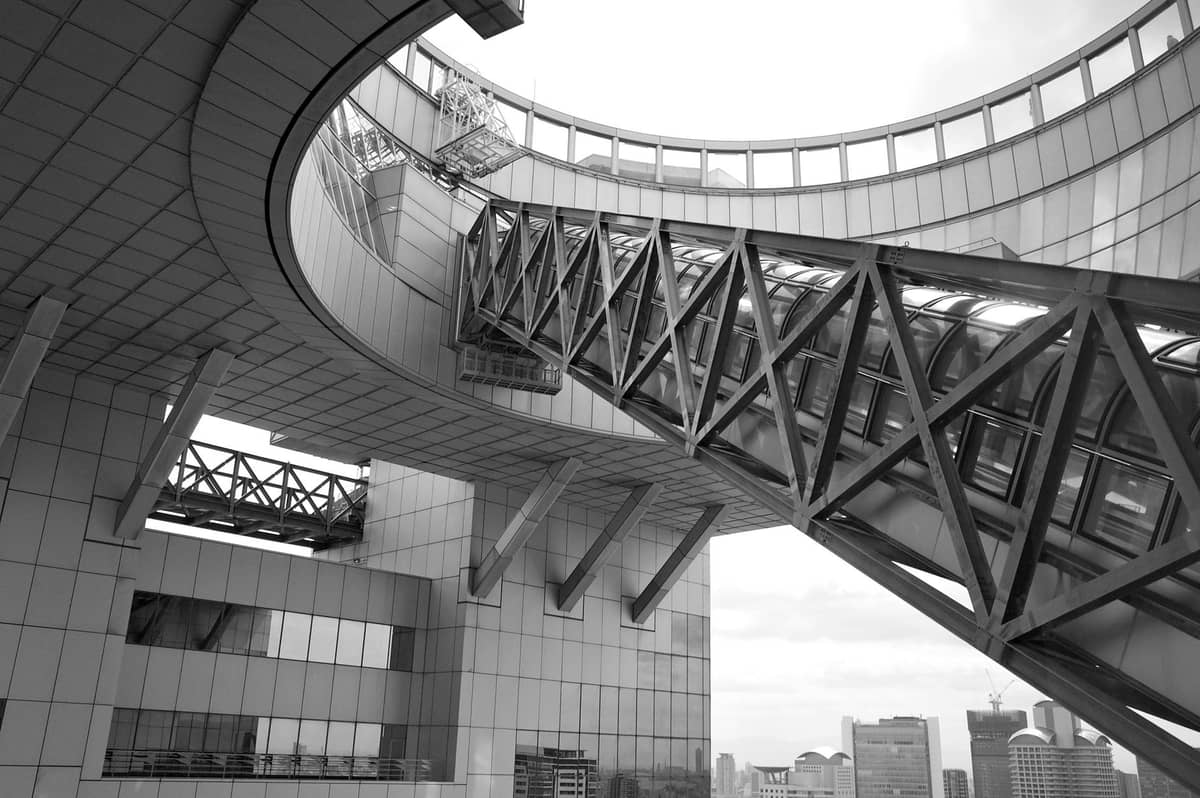
The Umeda Sky Building offers the most dramatic elevated perspective in Osaka. The Kuchu Teien (Floating Garden) Observatory sits at the top of twin towers connected by a sky bridge at 170 meters, with an open-air rooftop that gives unobstructed 360-degree views across the entire Osaka plain and, on clear days, to the mountains of Kansai. Adult admission is ¥2,000 (children aged 4 to 12 pay ¥500). The observatory opens at 09:30 and runs until 22:30, with the last admission accepted around 22:00. Evening visits after 19:00 offer spectacular city lights and are significantly less crowded than afternoon sessions. Holders of the Osaka Amazing Pass may receive free access during specified morning hours — check current pass conditions before visiting.
- Umeda Sky Building Open-air rooftop at 170m; best after dark. Adults ¥2,000, open 09:30–22:30. May be closed in heavy rain or strong winds.
- Abeno Harukas Japan's third-tallest skyscraper at 300m, in the Tennoji district. Harukas 300 observatory has slightly higher vantage points than Umeda. Adults around ¥2,000.
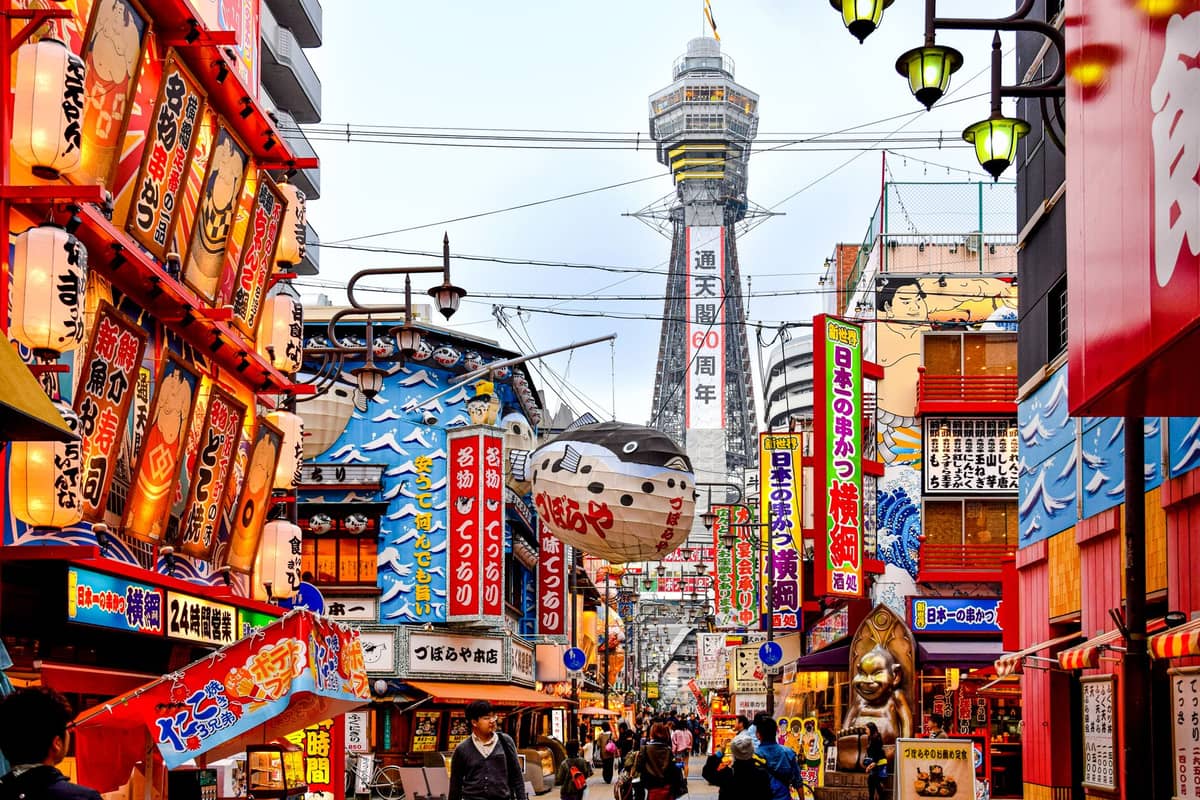
- Tsutenkaku Tower Retro 1960s tower in Shinsekai, 108m. More about local character than panoramic views, but worth combining with a Shinsekai visit.
For a broader overview of where to find the city's best panoramas, our guide to the best views in Osaka covers rooftop bars, observation decks, and free elevated vantage points in detail.
Temples, Shrines, and Cultural Osaka
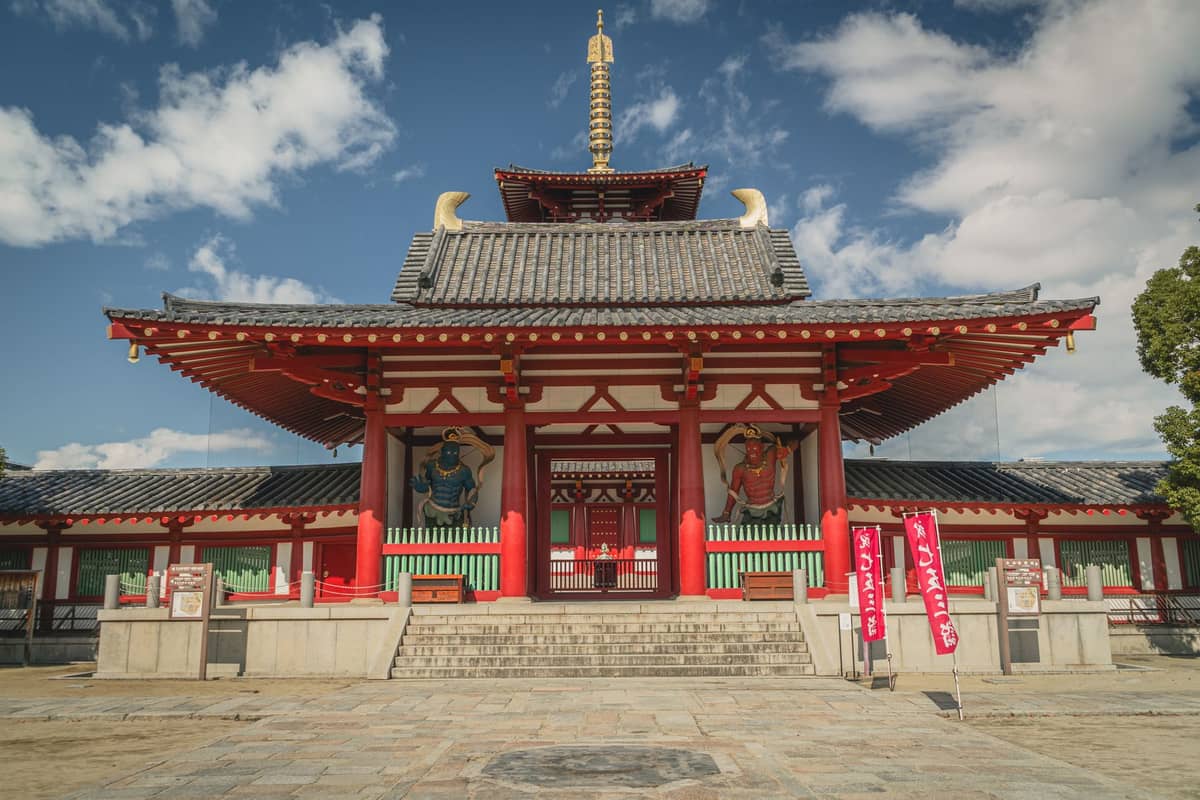
Osaka is frequently underestimated as a cultural destination because it sits in the shadow of Kyoto, 30 minutes away by shinkansen. That comparison undersells what the city actually offers. Shitennoji Temple, founded in 593 CE by Prince Shotoku, is widely cited as one of the oldest Buddhist temples in Japan. The grounds are substantial, the five-story pagoda is an impressive reconstruction, and the inner precinct admission is around ¥300. It sits in a quiet residential neighborhood in the south of the city, 15 minutes on foot from Tennoji Station, and sees a fraction of the crowds that comparable Kyoto temples attract on any given day.
In the southern suburbs, Sumiyoshi Taisha is one of Japan's oldest and most revered Shinto shrines, predating the introduction of Buddhism to Japan. Its distinctive architectural style — the Sumiyoshi-zukuri style — is unique to these grounds and worth seeing if you have a specific interest in Shinto heritage. Admission is free. Near Tennoji, Isshinji Temple is a striking oddity: a modernist temple façade housing statues built from the cremated remains of hundreds of thousands of worshippers. It is not for everyone, but it is genuinely unlike anything else in Japan.
✨ Pro tip
If you are planning a full day focused on Osaka's religious and historical sites, combine Shitennoji Temple with the nearby Tennoji Zoo and the Abeno Harukas observatory into a single southern Osaka loop. All three are within 10 minutes' walk of each other, saving significant transit time.
Osaka Aquarium Kaiyukan and the Bay Area
The Osaka Aquarium Kaiyukan consistently ranks among the best aquariums in Asia and for good reason. The central tank, spanning eight floors and holding around 5,400 cubic meters of water, is home to two whale sharks — among the few in captivity anywhere in the world. The layout spirals downward through different ocean zones, from the Pacific Ocean tank to the Antarctica section, and is designed to be followed as a continuous route. Standard hours are 10:00 to 20:00 (last admission 19:00), with seasonal extensions during peak periods. Adult admission typically runs from around ¥2,700 to ¥3,500 depending on the day and ticket type; children aged 7 to 15 pay less, and younger children less still — confirm current dynamic prices on the official site. Book timed e-tickets through the official Kaiyukan website or platforms like Klook to access faster entry queues — weekend mornings between 10:00 and 12:00 are the busiest.
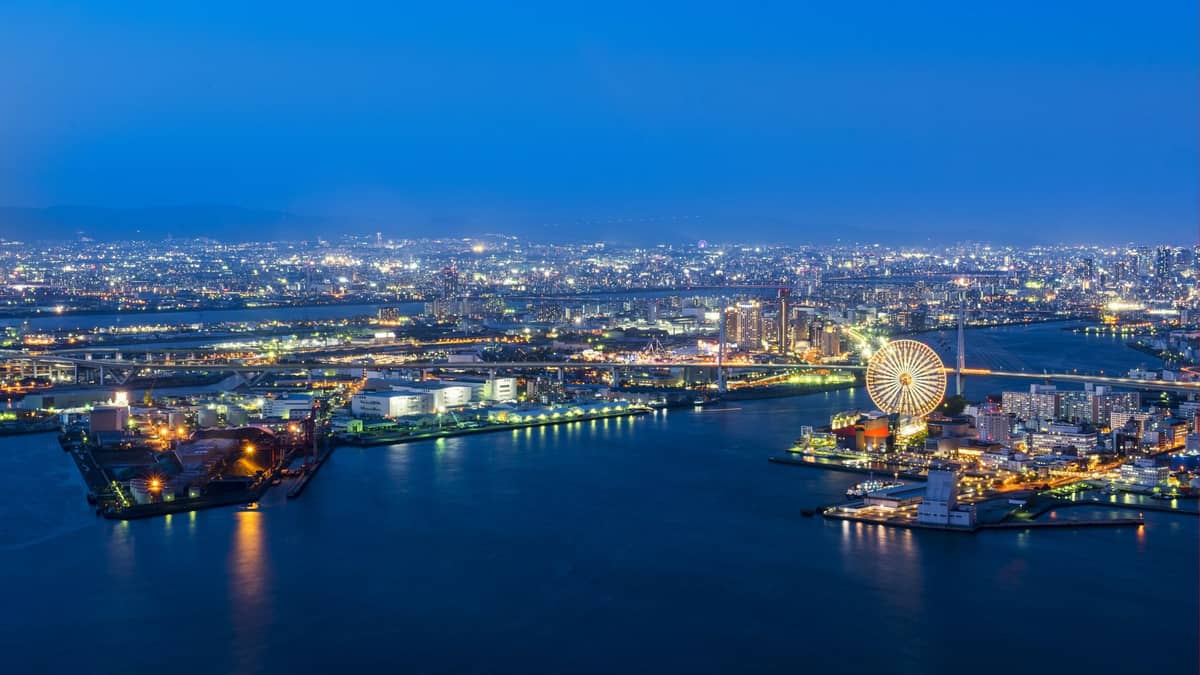
The aquarium anchors the Osaka Bay Area, which also includes the Tempozan Marketplace, a giant Ferris wheel, and harbor cruises. The area is most rewarding for families and for visitors combining it with a trip to Universal Studios Japan, which sits about 20 minutes away on the JR Yumesaki Line. For families with younger children, our Osaka with kids guide covers the aquarium and bay area in greater depth alongside other child-friendly options.
Neighborhoods Worth Exploring on Foot
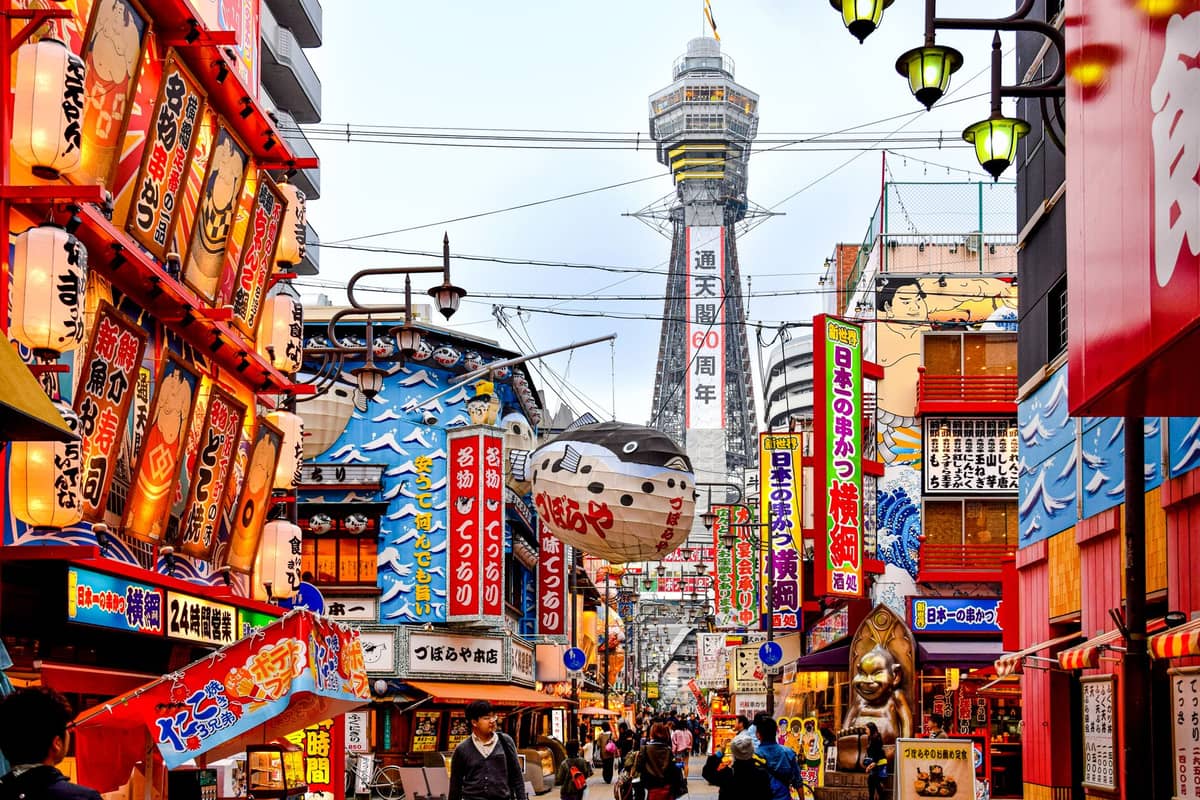
Beyond the headline attractions, Osaka rewards slow exploration. Shinsekai is a working-class district built in the early 20th century and modeled, in its day, on both Paris and Coney Island. The area around Tsutenkaku Tower retains a distinct character: old-school kushikatsu restaurants (the deep-fried skewer shops where the no-double-dipping rule is strictly enforced), shogi parlors, and retro game centers. It is not polished for tourists, which is precisely what makes it worth visiting.
- Nakazakicho A pocket of prewar wooden townhouses converted into independent cafes, vintage clothing stores, and art spaces. Ten minutes from Umeda by metro, and feels like a different city.
- Tenjinbashisuji Japan's longest covered shopping arcade, stretching roughly 2.6 km from Osaka Tenmangu Shrine northward. Practical shops, cheap lunch spots, and local bakeries rather than souvenir stalls.
- Tsuruhashi Korea Town Osaka's ethnic Korean district, dating to the postwar period. The indoor market sells yakiniku cuts, kimchi, and Korean cosmetics; the surrounding streets have the city's best Korean barbecue restaurants.
- Kuromon Ichiba Market A covered food market near Namba with around 170 stalls. Best visited between 09:00 and 12:00 on weekdays. Seafood, prepared foods, and fresh produce. Worth a visit even if you only graze.
For a structured approach to these neighborhoods, the Osaka walking tours guide outlines self-guided routes with timing and transport connections. If you are specifically hunting for places that most itineraries skip, our Osaka hidden gems guide covers less-documented corners of the city.
Planning Logistics: Getting Around and Timing Your Visit
Osaka's public transport network is comprehensive. The Osaka Metro covers the central city on eight color-coded lines, with major interchanges at Umeda, Namba, Tennoji, and Shinsaibashi. JR West operates parallel services through Osaka Station and Shin-Osaka (the main shinkansen hub). For international arrivals through Kansai International Airport, the Nankai Railway Airport Express reaches Namba in around 44 to 50 minutes (fare approximately ¥930 to ¥980); the faster Nankai Rapi:t limited express does the same journey in around 35 to 40 minutes for around ¥1,130 to ¥1,520. Fares and schedules change — check current operator information before travel. For a full breakdown of airport transfers and metro passes, see the guide to getting around Osaka.
Timing matters significantly in Osaka. Spring from late March to early May brings cherry blossoms to Osaka Castle Park and Kema Sakuranomiya Park, and the city sees its highest tourist volumes — book accommodation months ahead. Autumn from mid-October through November offers comfortable temperatures (dropping from around 20°C to 12°C) and autumn foliage without the extreme crowds of spring. Summer from June through August is genuinely challenging: humidity is relentless, daytime highs regularly exceed 33°C, and June is the wettest month with around 185 mm of rainfall. Winter is cool and relatively dry, and the city is far quieter — a good option for travelers who prefer space over ideal weather. For a detailed seasonal breakdown, the best time to visit Osaka guide covers crowd patterns, weather data, and festival timing.
- Tipping is not practiced in Japan. Leaving money on the table or offering tips can cause confusion at some establishments.
- Japan uses Type A plugs (two flat parallel pins) at 100V / 60Hz in the Kansai region. Visitors from North America need no adapter; most other travelers will.
- Tap water is safe to drink throughout Osaka.
- Emergency numbers: 110 for police, 119 for fire and ambulance.
- The Osaka Amazing Pass (1-day or 2-day) covers unlimited Osaka Metro rides and free entry to over 40 attractions — worth calculating against your itinerary before purchasing.
ℹ️ Good to know
If you are spending three days or more in Osaka and planning to visit multiple paid attractions, the Osaka Amazing Pass typically pays for itself within a single day. Cross-reference the included attraction list against your planned itinerary — some major draws like Universal Studios Japan are not included.
FAQ
How many days do you need in Osaka?
Two full days covers the headline attractions: Osaka Castle, Dotonbori, Umeda Sky Building, and a neighborhood like Shinsekai or Nakazakicho. Three days lets you add the Aquarium Kaiyukan, Shitennoji Temple, and serious food exploration without rushing. Four or more days work well if you plan day trips to Nara, Kyoto, or Hiroshima from Osaka as a base.
What is the best area to stay in Osaka for sightseeing?
Namba and Shinsaibashi put you within walking distance of Dotonbori and direct Nankai Railway access to Kansai Airport. Umeda (around Osaka Station) suits those prioritizing the JR network, shinkansen connections, and the northern part of the city. Tennoji works if your itinerary is weighted toward the southern temples and Abeno Harukas. All three are well-served by the Osaka Metro.
Is the Osaka Amazing Pass worth buying?
For most visitors spending two days in Osaka and planning to use the metro frequently, yes. The pass covers unlimited subway rides and free entry to attractions including the Umeda Sky Building observatory (during specified hours), Tsutenkaku Tower, and the Osaka Museum of History, among others. Run the numbers against your specific itinerary — if you plan to spend a full day at Universal Studios Japan or Kaiyukan (neither of which is included), the pass may be less compelling.
What is Osaka known for in terms of food?
Osaka has a genuine reputation as Japan's food capital, rooted in the local Kansai food culture and the city's historical role as a trading hub. The dishes most associated with the city are takoyaki (octopus-filled batter balls), okonomiyaki (savory pancakes), kushikatsu (battered and deep-fried skewers, particularly in Shinsekai), and fugu (blowfish, eaten in season at specialist restaurants). Street food is concentrated around Dotonbori and Kuromon Ichiba Market.
Can you do a day trip to Kyoto or Nara from Osaka?
Both are straightforward. Nara is around 40 to 50 minutes from Osaka by the Kintetsu Nara Line or JR Yamato-ji Line, and the deer park around Todai-ji Temple makes it a natural half-day excursion. Kyoto is about 15 minutes by shinkansen from Shin-Osaka or around 30 minutes by JR Special Rapid from Osaka Station — close enough that many travelers base themselves in Osaka and visit Kyoto on day trips, though Kyoto itself has substantial accommodation options.