Hidden Gems in Osaka: Off the Beaten Path Attractions Most Visitors Miss
Osaka rewards those who look beyond Dotonbori and Osaka Castle. This guide uncovers the city's overlooked shrines, nostalgic neighborhoods, market streets, and natural escapes that locals actually love.
Plan and book this trip
Tools from our partner Travelpayouts help you compare flights and hotels. If you book through them, we may earn a commission at no extra cost to you.
Flights
Hotels map
Most visitors to Osaka follow the same route: Dotonbori, Osaka Castle, Namba. Those are fine choices, but the city has far more to offer once you step off the main circuit. From the lantern-lit alleyways of Dotonbori's quieter backstreets to the retro shotengai stretching through northern Osaka, the real character of this city lives in places that rarely appear on highlight reels. This guide focuses on the shrines, neighborhoods, museums, and day escapes that give Osaka its depth, organized so you can build an itinerary around them.
✨ Pro tip
The Osaka Amazing Pass covers entry to many lesser-known attractions including Tsutenkaku Tower. Check which sites are included before buying individual tickets. Check which sites are included before buying individual tickets.
Atmospheric Alleyways & Retro Neighborhoods
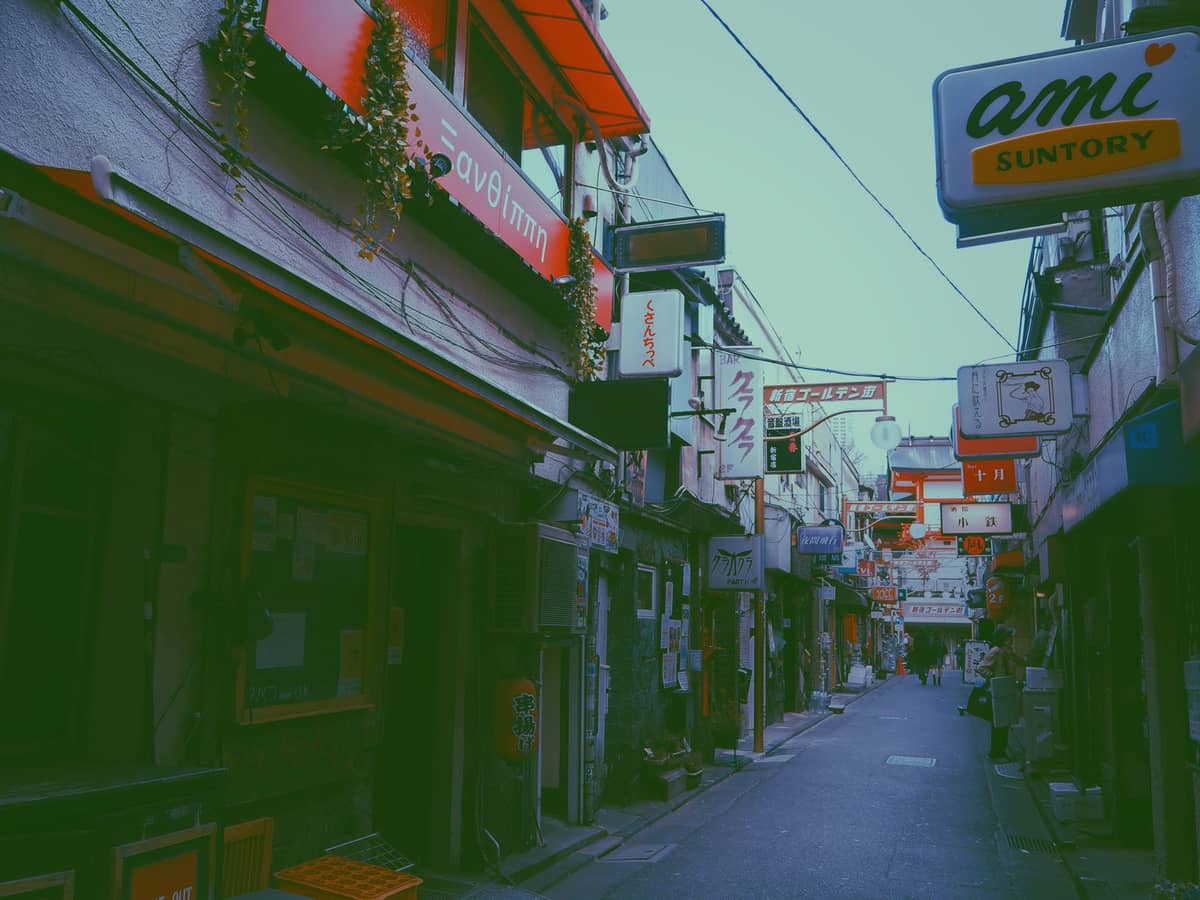
Some of Osaka's most memorable experiences happen in neighborhoods that take five minutes to walk through but an afternoon to fully absorb. The Shinsekai district and the streets around Nakazakicho represent two very different eras of the city's past, both worth seeking out deliberately rather than stumbling upon.
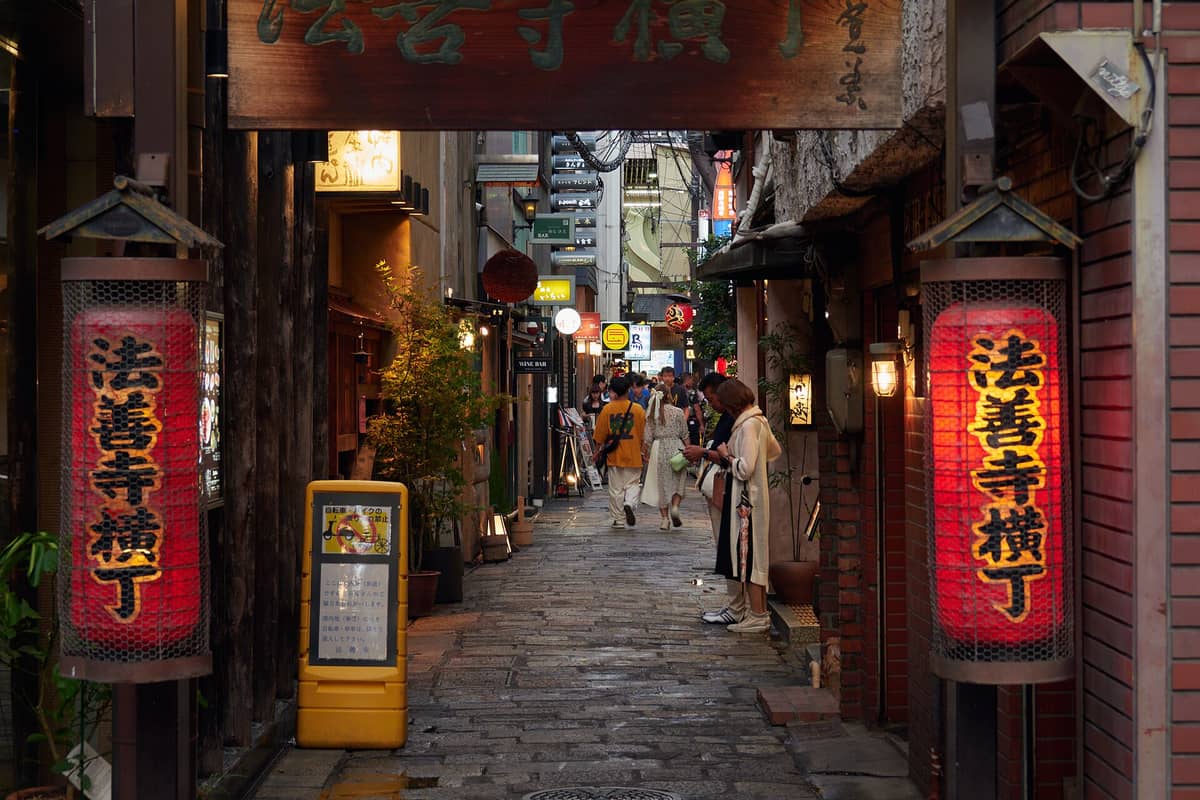
1. Slip into Hozenji Yokocho, Osaka's Most Atmospheric Back Alley
This cobblestone lantern-lit lane sits 50 meters from Dotonbori yet feels like another era. A dozen intimate restaurants serve kushikatsu and kappo cuisine. Come after 7pm when the lanterns glow and foot traffic is lighter than the main canal.
Explore1. Slip into Hozenji Yokocho, Osaka's Most Atmospheric Back Alley
This cobblestone lantern-lit lane sits 50 meters from Dotonbori yet feels like another era. A dozen intimate restaurants serve kushikatsu and kappo cuisine. Come after 7pm when the lanterns glow and foot traffic is lighter than the main canal.
Explore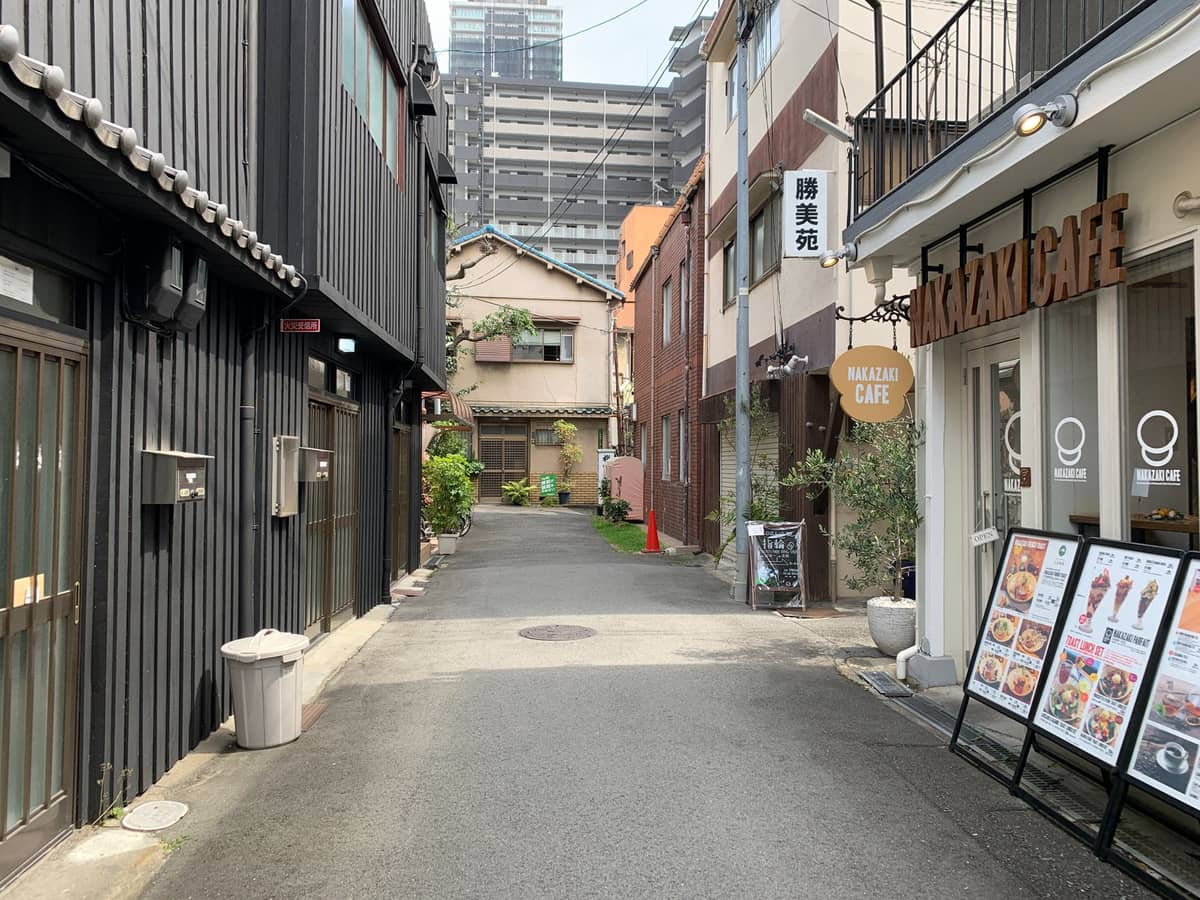
2. Wander the Indie Lanes of Nakazakicho Cafe & Vintage District
A cluster of narrow lanes near Tenjinbashisuji filled with restored Taisho-era machiya housing indie coffee roasters, secondhand clothing, and craft shops. It moves at a slow pace by Osaka standards. Allow two hours minimum to explore properly.
Explore2. Wander the Indie Lanes of Nakazakicho Cafe & Vintage District
A cluster of narrow lanes near Tenjinbashisuji filled with restored Taisho-era machiya housing indie coffee roasters, secondhand clothing, and craft shops. It moves at a slow pace by Osaka standards. Allow two hours minimum to explore properly.
Explore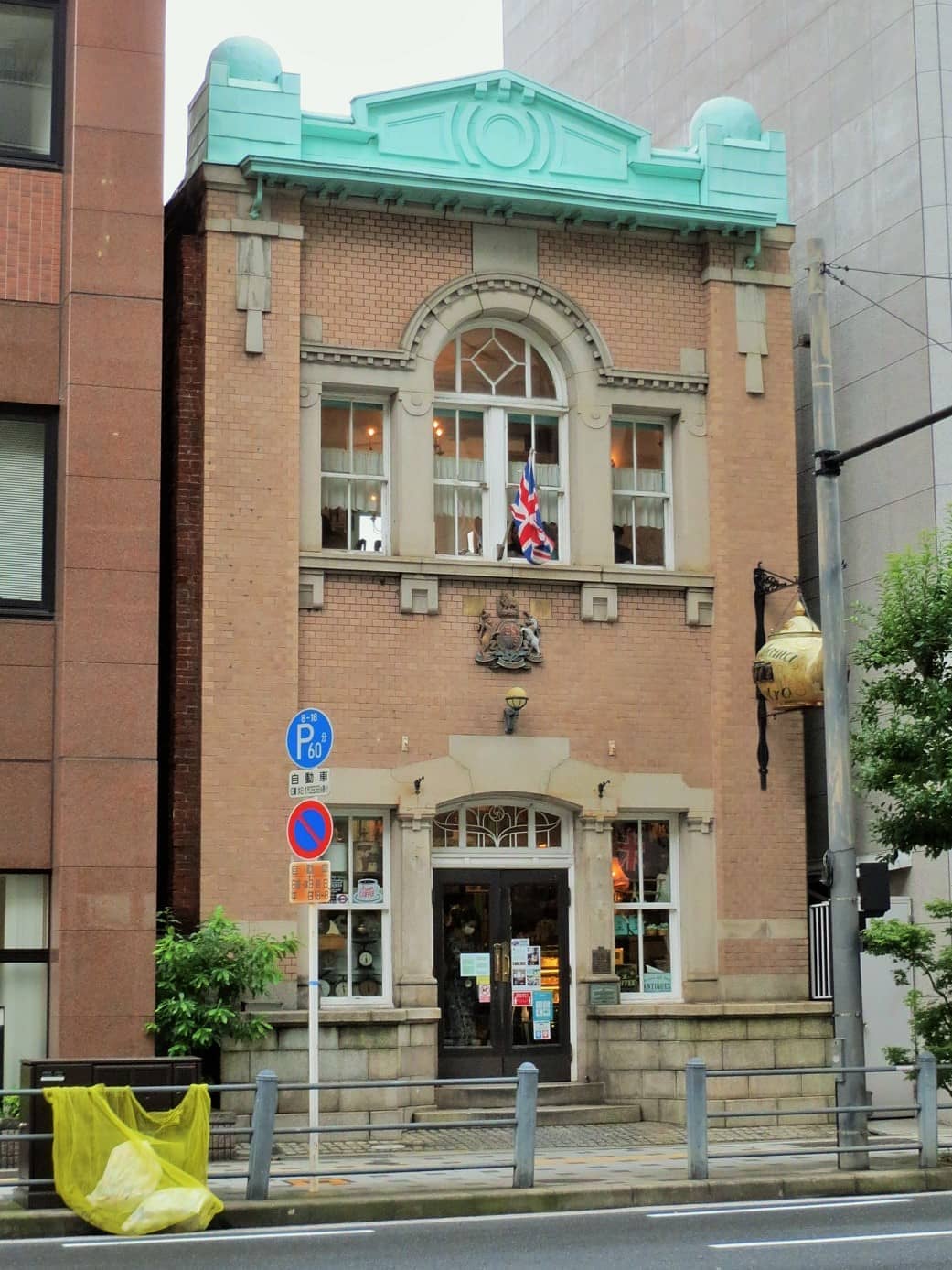
3. Photograph Meiji-Era Architecture Along Kitahama's Riverfront
A row of red-brick and stucco Western-style buildings from the early 1900s lines the Tosabori River in Kitahama. Several now house wine bars and cafes. Late afternoon light on the river facade makes for some of Osaka's best architectural photography.
Explore3. Photograph Meiji-Era Architecture Along Kitahama's Riverfront
A row of red-brick and stucco Western-style buildings from the early 1900s lines the Tosabori River in Kitahama. Several now house wine bars and cafes. Late afternoon light on the river facade makes for some of Osaka's best architectural photography.
Explore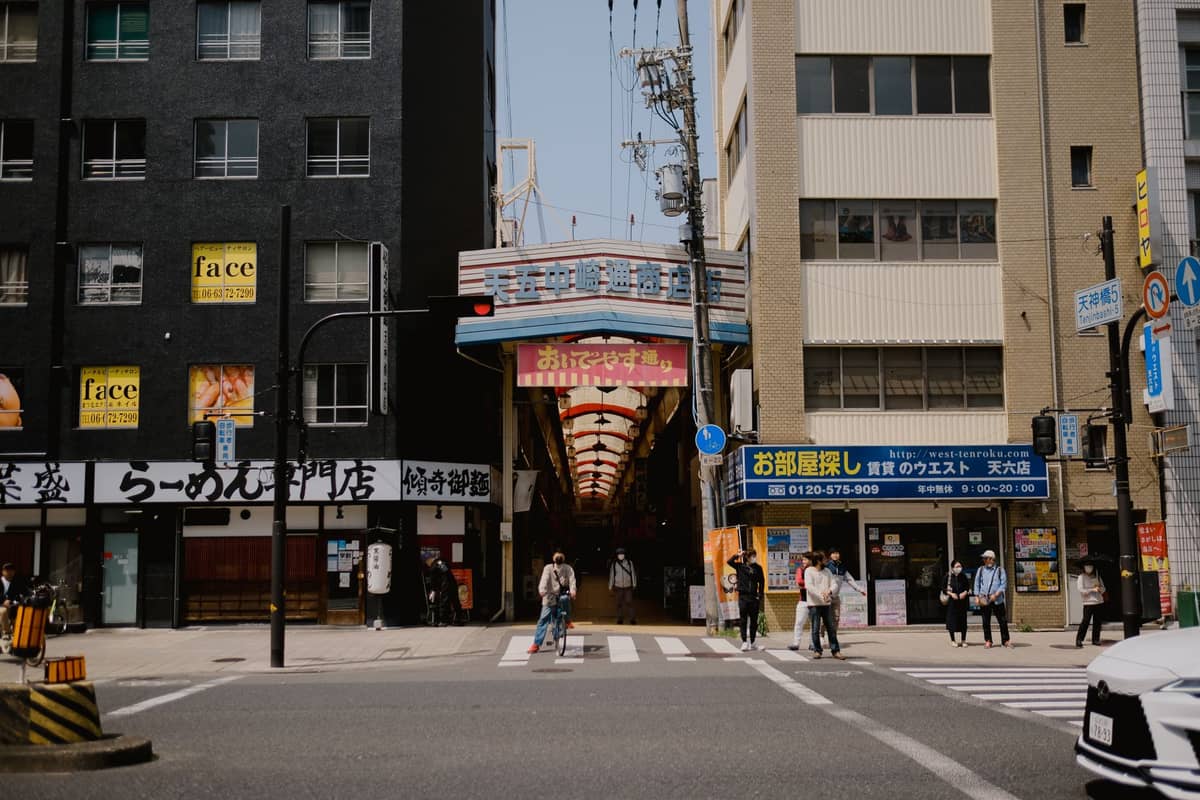
4. Walk Japan's Longest Shopping Arcade in Tenjinbashisuji
At 2.6 kilometers, this covered arcade connects everyday Osaka life: greengrocers, ramen counters, hardware stores, and family-run sweet shops. Virtually no tourist infrastructure, just a real neighborhood shopping street that happens to be enormous.
Explore4. Walk Japan's Longest Shopping Arcade in Tenjinbashisuji
At 2.6 kilometers, this covered arcade connects everyday Osaka life: greengrocers, ramen counters, hardware stores, and family-run sweet shops. Virtually no tourist infrastructure, just a real neighborhood shopping street that happens to be enormous.
Explore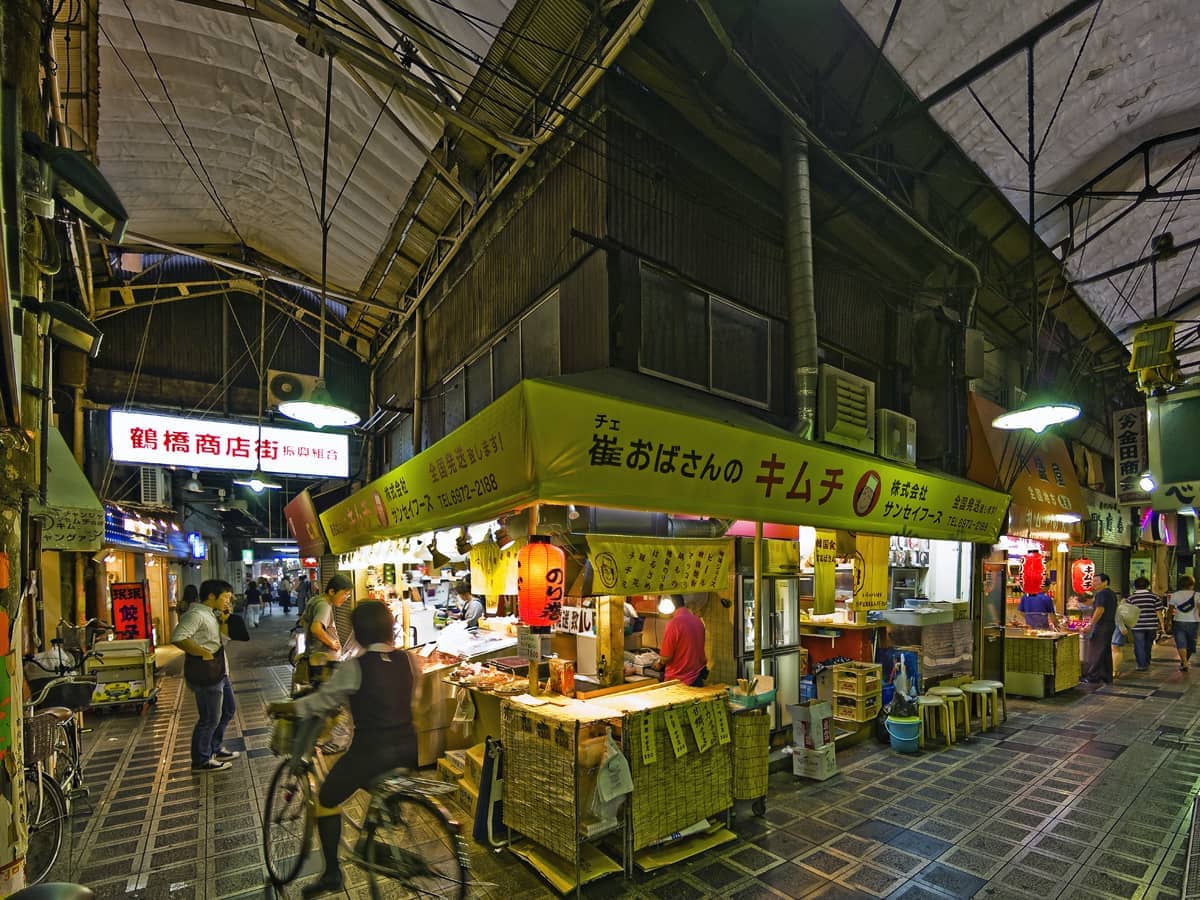
5. Get Lost in Tsuruhashi Korea Town's Covered Market Maze
Japan's largest Korean market is a labyrinth of narrow arcades selling kimchi by the kilo, Korean barbecue sets, and K-pop goods. Arrive hungry: the grilled meat restaurants on the back streets are excellent and significantly cheaper than tourist-zone equivalents.
Explore5. Get Lost in Tsuruhashi Korea Town's Covered Market Maze
Japan's largest Korean market is a labyrinth of narrow arcades selling kimchi by the kilo, Korean barbecue sets, and K-pop goods. Arrive hungry: the grilled meat restaurants on the back streets are excellent and significantly cheaper than tourist-zone equivalents.
ExploreOverlooked Shrines & Temples
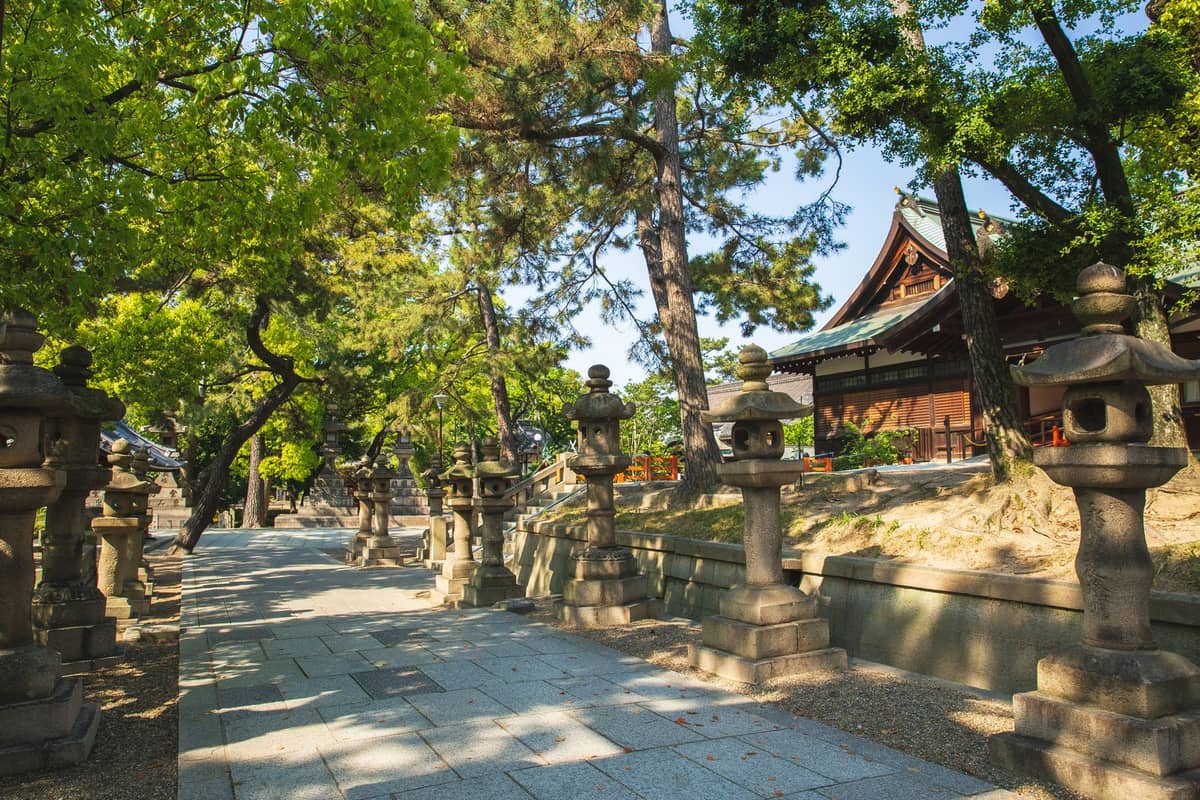
Osaka has more sacred sites than most visitors realize. While the comprehensive temples and shrines guide covers the full picture, these four are particularly rewarding for visitors who want fewer crowds and more character.
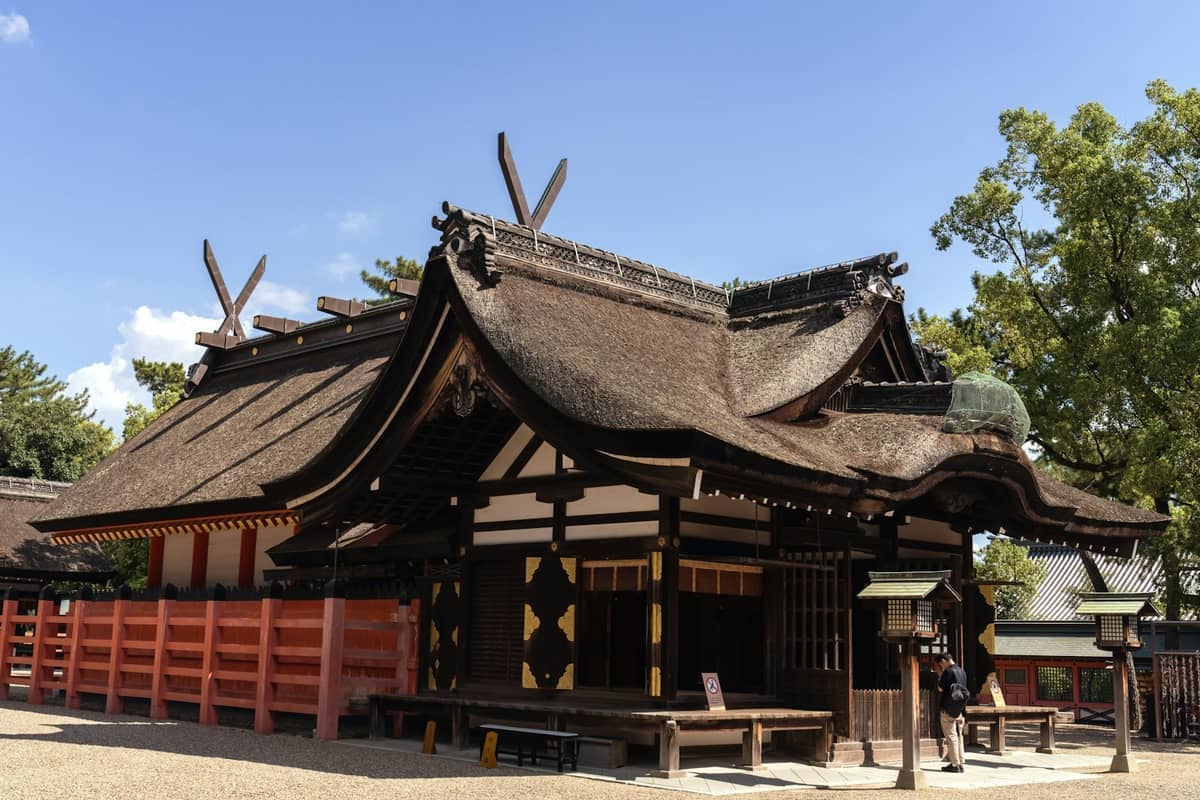
6. Visit One of Japan's Oldest Shinto Shrines at Sumiyoshi Taisha
The head shrine of 2,300 Sumiyoshi shrines across Japan, this complex uses an architectural style predating Chinese influence on Japanese design. Its arched Sorihashi bridge and four main halls are National Treasures. Far fewer tourists here than at Fushimi Inari.
Explore6. Visit One of Japan's Oldest Shinto Shrines at Sumiyoshi Taisha
The head shrine of 2,300 Sumiyoshi shrines across Japan, this complex uses an architectural style predating Chinese influence on Japanese design. Its arched Sorihashi bridge and four main halls are National Treasures. Far fewer tourists here than at Fushimi Inari.
Explore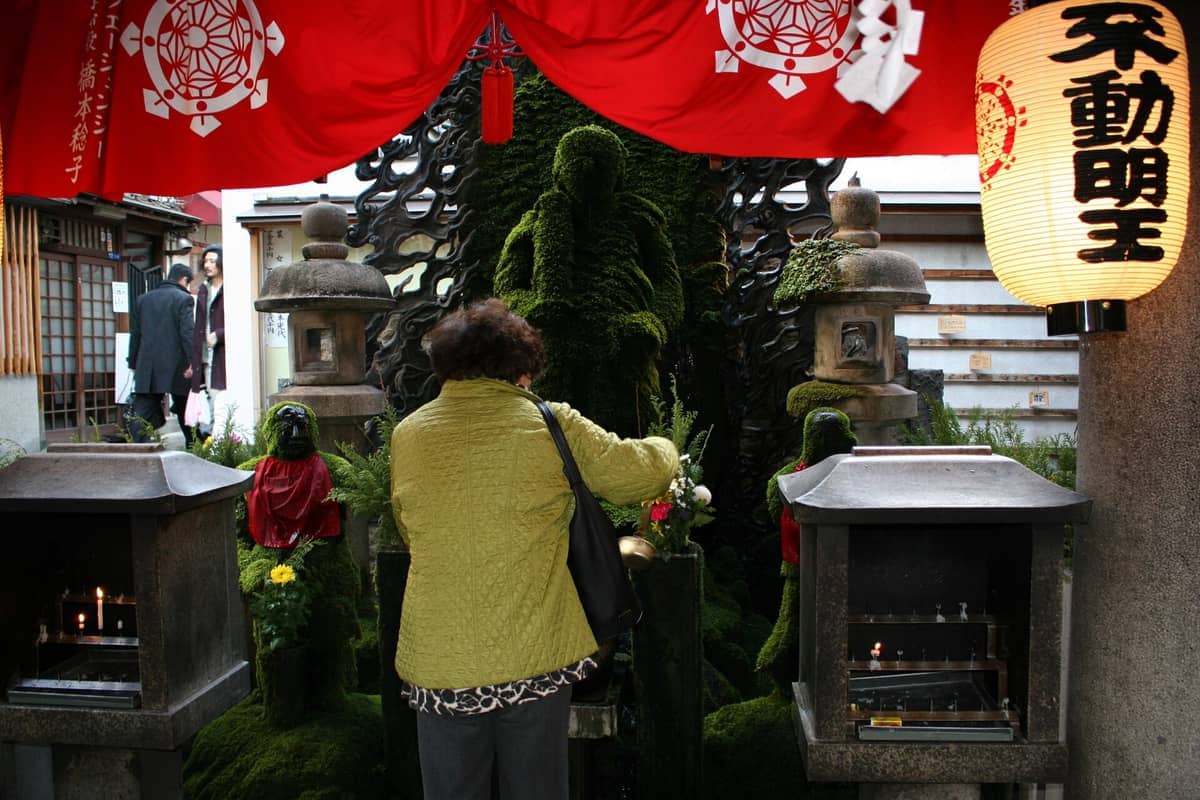
7. Find the Moss-Covered Fudo Myoo at Hozenji Temple
Tucked inside Hozenji Yokocho, this tiny courtyard temple is dedicated to a stone deity so thoroughly doused with water by worshippers over decades that it's entirely blanketed in green moss. A genuinely quiet moment in Osaka's loudest district.
Explore7. Find the Moss-Covered Fudo Myoo at Hozenji Temple
Tucked inside Hozenji Yokocho, this tiny courtyard temple is dedicated to a stone deity so thoroughly doused with water by worshippers over decades that it's entirely blanketed in green moss. A genuinely quiet moment in Osaka's loudest district.
Explore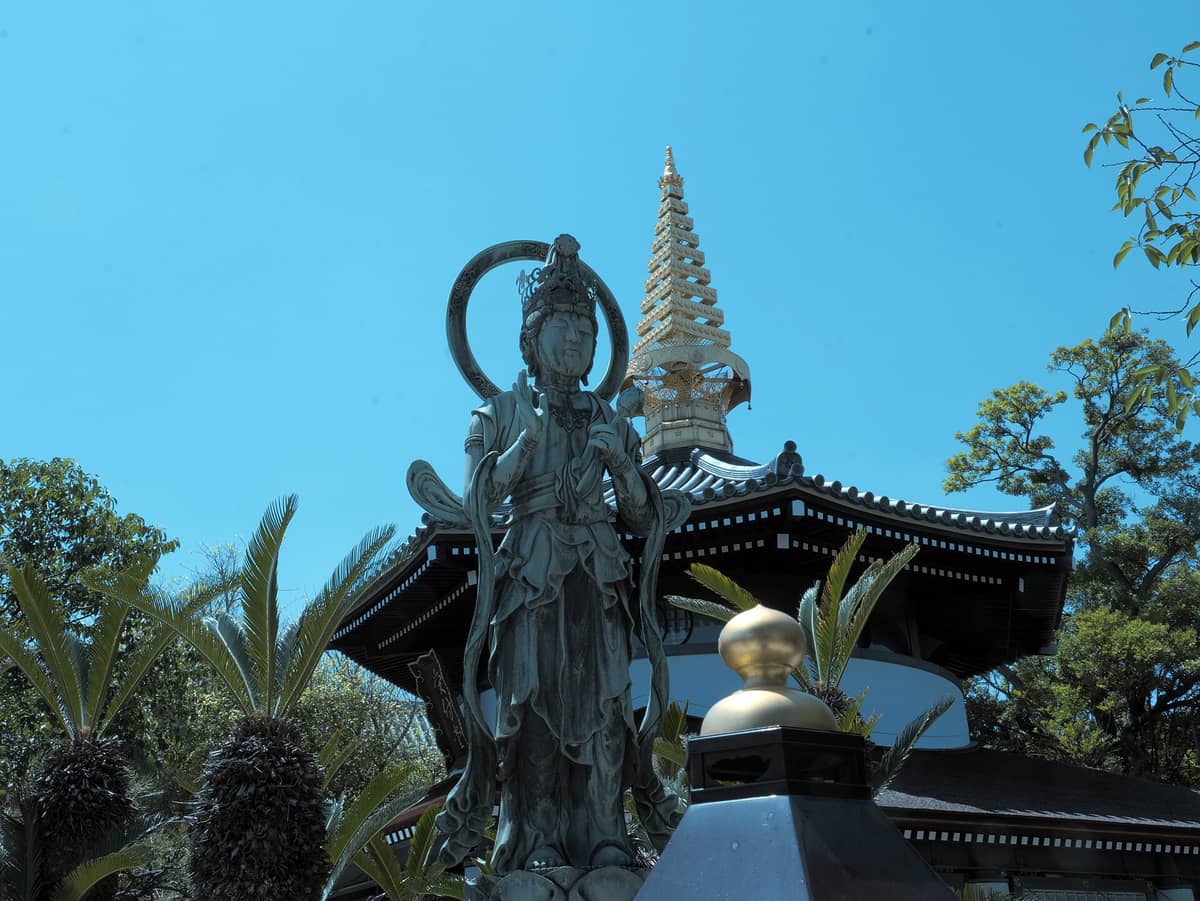
8. Discover the Unconventional Isshin-ji Temple in Tennoji
This Buddhist temple incorporates bones of over 200,000 cremated worshippers into its Okotsu Butsu statues, replaced every 10 years. The bold modern architecture and singular practices make it genuinely unlike any other religious site in Osaka.
Explore8. Discover the Unconventional Isshin-ji Temple in Tennoji
This Buddhist temple incorporates bones of over 200,000 cremated worshippers into its Okotsu Butsu statues, replaced every 10 years. The bold modern architecture and singular practices make it genuinely unlike any other religious site in Osaka.
Explore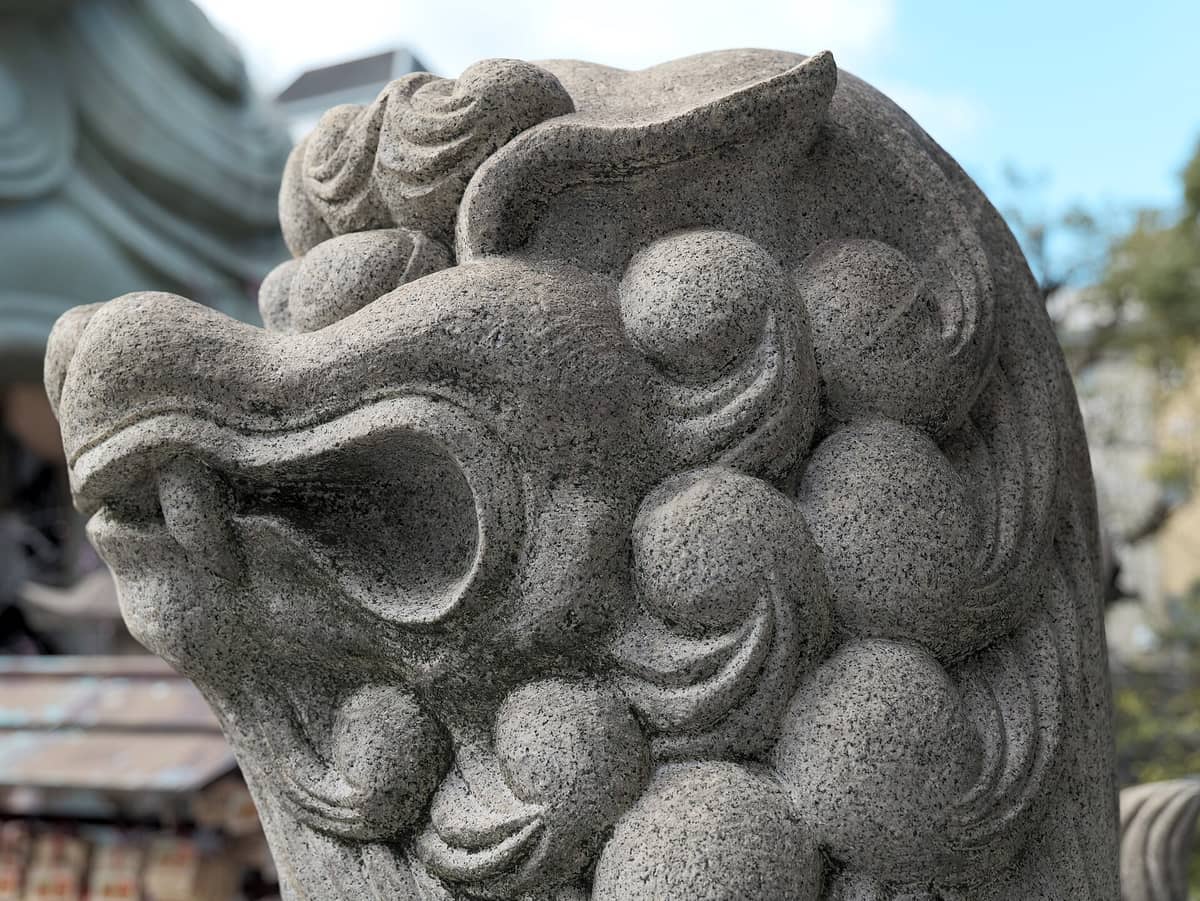
9. See the Enormous Lion-Head Stage at Namba Yasaka Shrine
One block from the tourist crush of Namba sits a shrine whose main feature is a two-story lion head used as a stage for traditional performances. Most visitors walk past without knowing it exists. The striking structure photographs exceptionally well in the early morning.
Explore9. See the Enormous Lion-Head Stage at Namba Yasaka Shrine
One block from the tourist crush of Namba sits a shrine whose main feature is a two-story lion head used as a stage for traditional performances. Most visitors walk past without knowing it exists. The striking structure photographs exceptionally well in the early morning.
Explore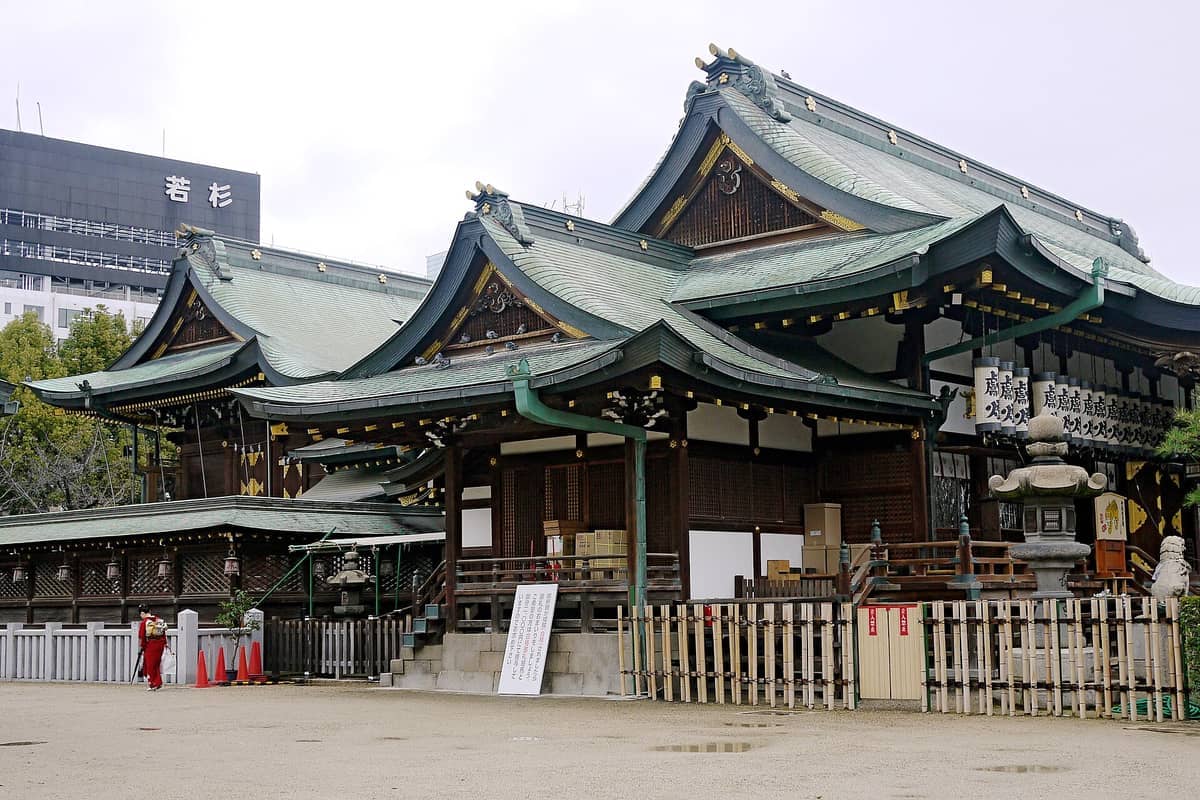
10. Explore Osaka Tenmangu, Home of the Tenjin Matsuri Festival
This important shrine dedicated to the scholar deity Tenjin hosts one of Japan's three greatest festivals each July, with river processions and fireworks. Outside festival season, the ornate grounds are calm and largely visitor-free, making it ideal for quiet exploration.
Explore10. Explore Osaka Tenmangu, Home of the Tenjin Matsuri Festival
This important shrine dedicated to the scholar deity Tenjin hosts one of Japan's three greatest festivals each July, with river processions and fireworks. Outside festival season, the ornate grounds are calm and largely visitor-free, making it ideal for quiet exploration.
ExploreUnusual Museums & Cultural Experiences
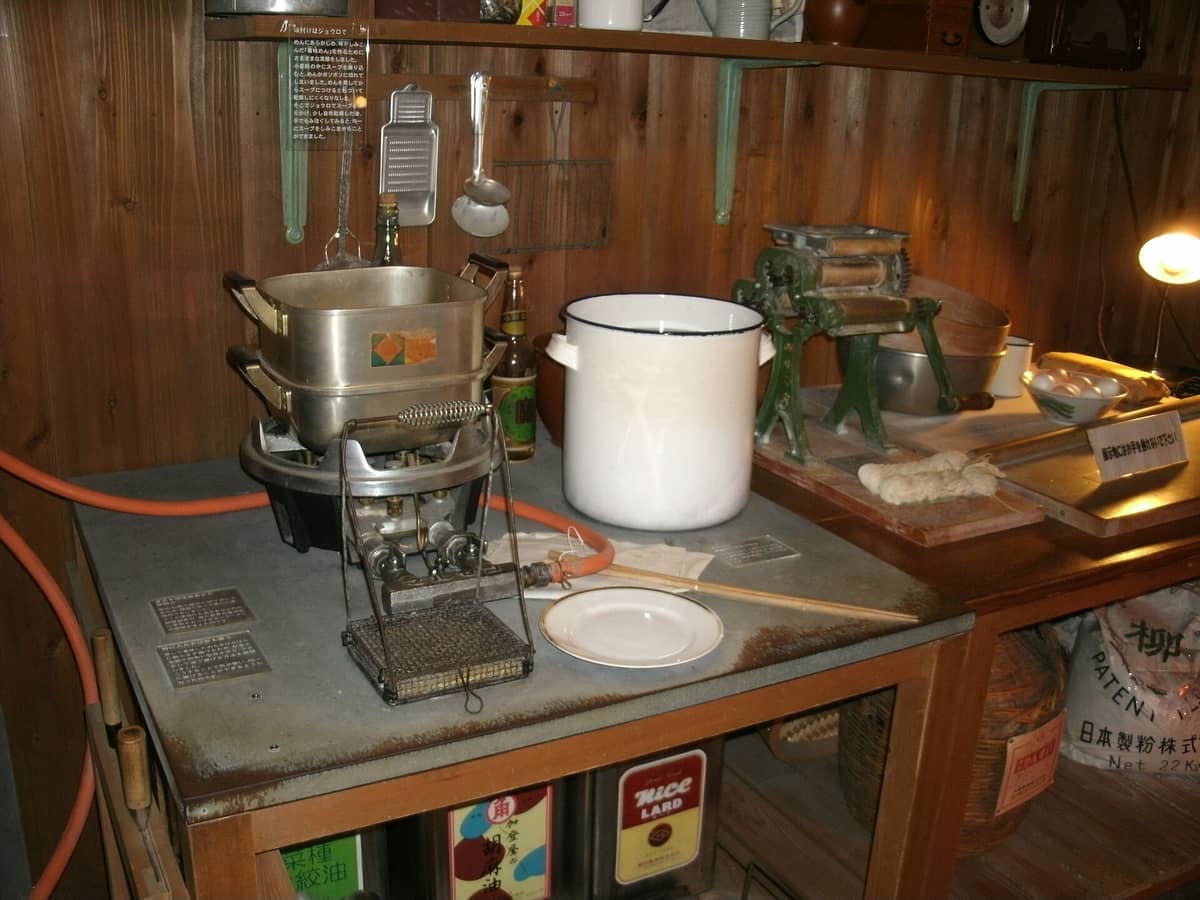
Osaka's museum scene extends well beyond the standard history-and-art lineup. For a full overview of what the city offers, the best museums in Osaka guide is worth reading before you plan. The picks below are the ones that tend to surprise even repeat visitors.
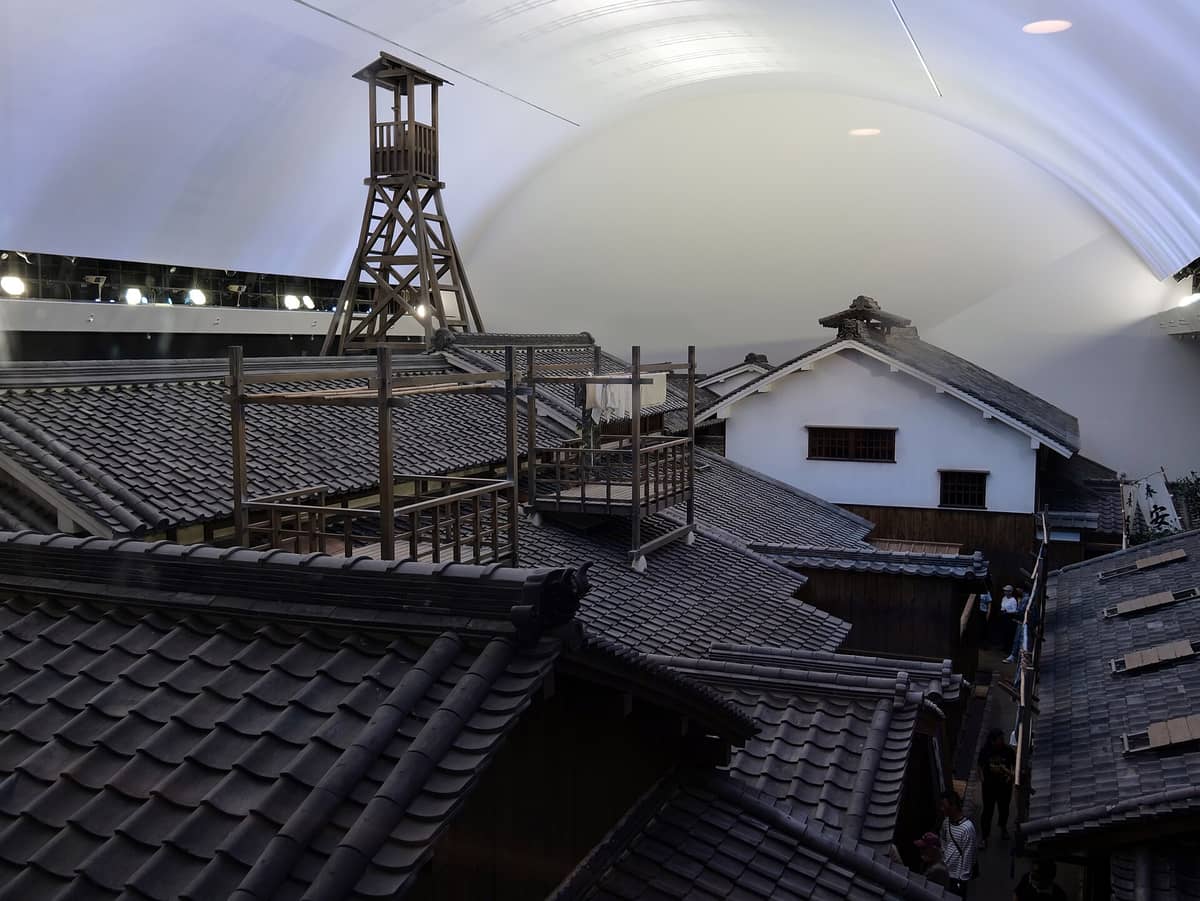
11. Step Inside a Full-Scale Edo-Period Osaka at the Museum of Housing and Living
An entire Edo-era merchant townscape reconstructed at full scale, including a functioning street with shop facades, period interiors, and optional costume rental. It takes roughly 90 minutes and is one of the most immersive history experiences in any Japanese city.
Explore11. Step Inside a Full-Scale Edo-Period Osaka at the Museum of Housing and Living
An entire Edo-era merchant townscape reconstructed at full scale, including a functioning street with shop facades, period interiors, and optional costume rental. It takes roughly 90 minutes and is one of the most immersive history experiences in any Japanese city.
Explore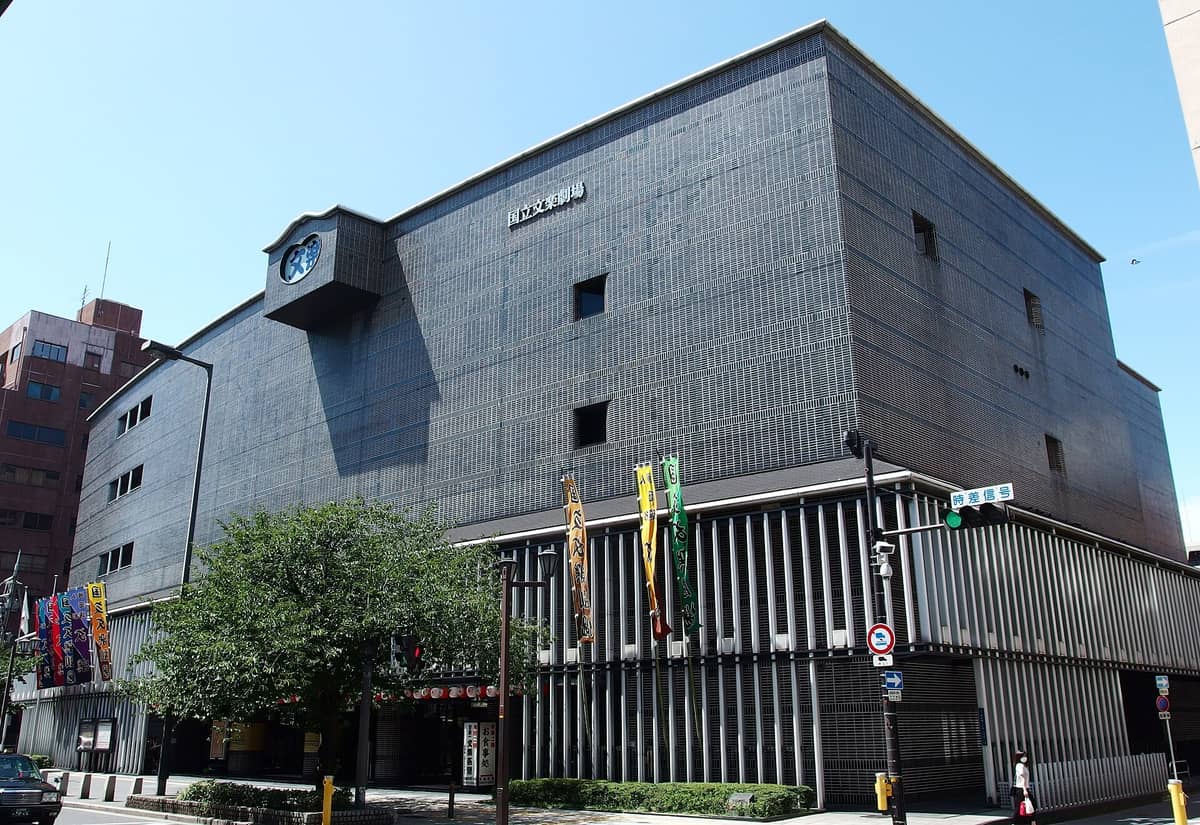
12. Watch a UNESCO-Listed Puppet Performance at the National Bunraku Theatre
Bunraku puppet theater is a UNESCO Intangible Cultural Heritage, and Osaka is its home. Performances are held several times a year with English audio guides. Tickets are affordable and the craft is extraordinary. Book ahead as popular programs sell out quickly.
Explore12. Watch a UNESCO-Listed Puppet Performance at the National Bunraku Theatre
Bunraku puppet theater is a UNESCO Intangible Cultural Heritage, and Osaka is its home. Performances are held several times a year with English audio guides. Tickets are affordable and the craft is extraordinary. Book ahead as popular programs sell out quickly.
Explore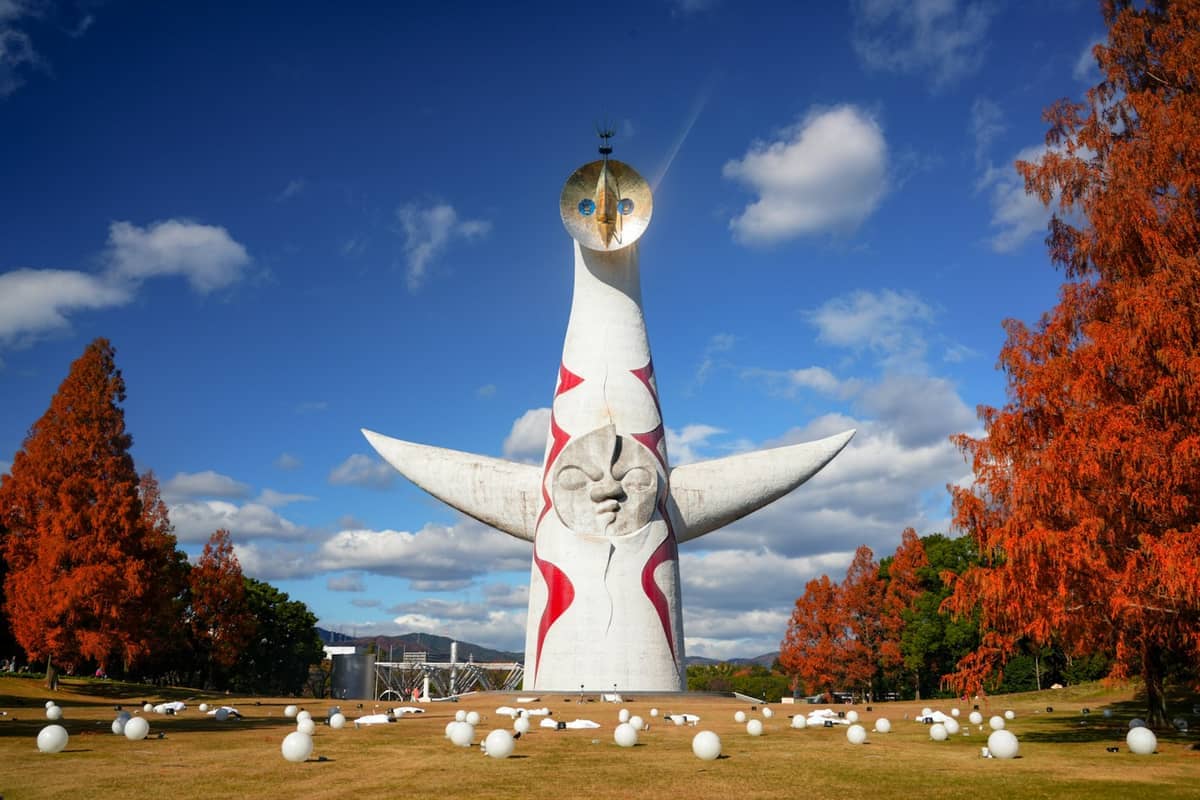
13. Go Inside Taro Okamoto's Surreal Tower of the Sun at Expo '70 Park
The 70-meter sculpture built for the 1970 World Exposition is iconic outside, but the interior is the revelation: a restored 'Tree of Life' installation with thousands of creatures spiraling up through the tower's core. Advance reservations required; capacity is limited.
Explore13. Go Inside Taro Okamoto's Surreal Tower of the Sun at Expo '70 Park
The 70-meter sculpture built for the 1970 World Exposition is iconic outside, but the interior is the revelation: a restored 'Tree of Life' installation with thousands of creatures spiraling up through the tower's core. Advance reservations required; capacity is limited.
Explore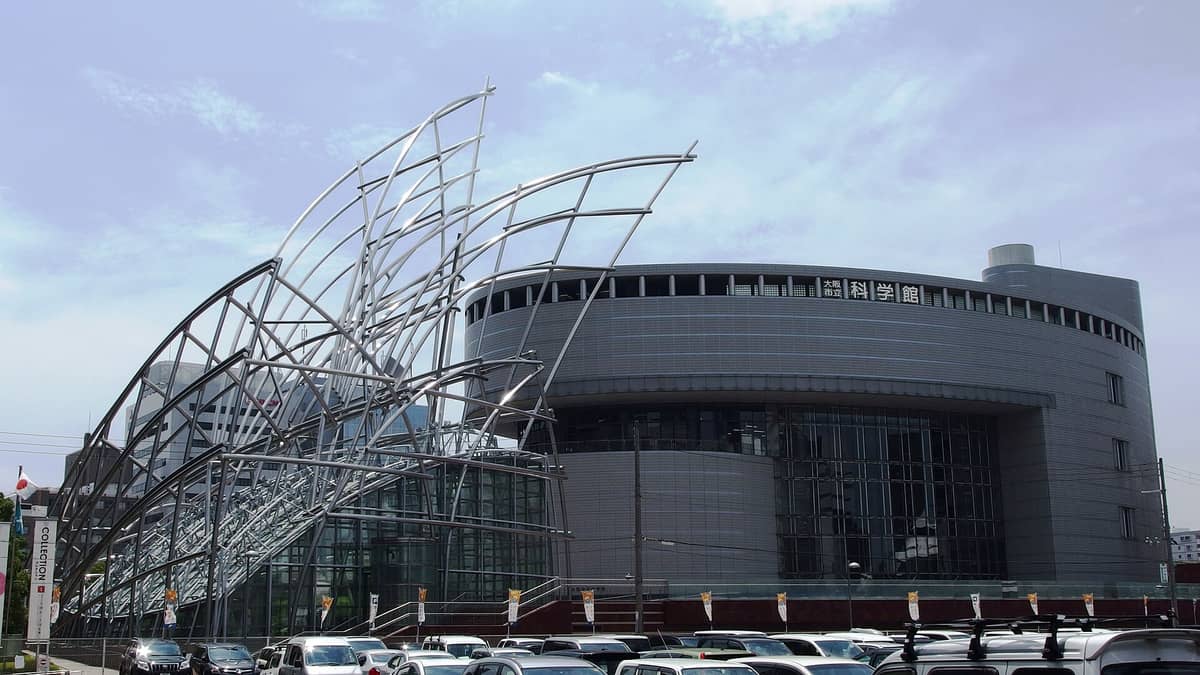
14. Explore an Entirely Underground Art Museum on Nakanoshima Island
The National Museum of Art sits completely below ground, announced above street level only by a dramatic steel bamboo-grove structure. Inside: serious post-war Japanese and international contemporary art. Rarely crowded, even on weekends, and well worth a couple of hours.
Explore14. Explore an Entirely Underground Art Museum on Nakanoshima Island
The National Museum of Art sits completely below ground, announced above street level only by a dramatic steel bamboo-grove structure. Inside: serious post-war Japanese and international contemporary art. Rarely crowded, even on weekends, and well worth a couple of hours.
Explore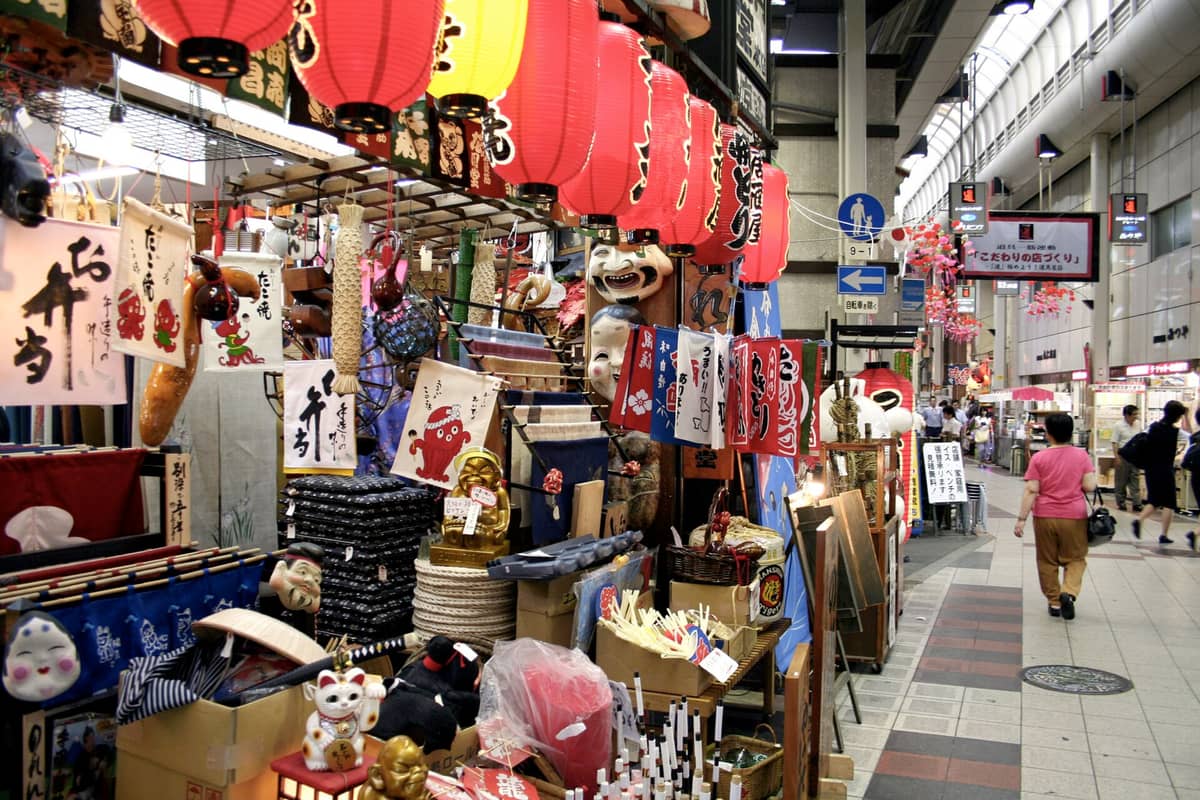
15. Browse a Street Entirely Dedicated to Professional Kitchen Gear
One covered arcade in Namba sells nothing but professional cookware, tableware, knife rolls, lacquerware, and restaurant supplies. Even with no intention to buy, it's a fascinating window into Japanese food culture. Food-focused shoppers can easily spend two hours here.
Explore15. Browse a Street Entirely Dedicated to Professional Kitchen Gear
One covered arcade in Namba sells nothing but professional cookware, tableware, knife rolls, lacquerware, and restaurant supplies. Even with no intention to buy, it's a fascinating window into Japanese food culture. Food-focused shoppers can easily spend two hours here.
ExploreNature Escapes Within Easy Reach
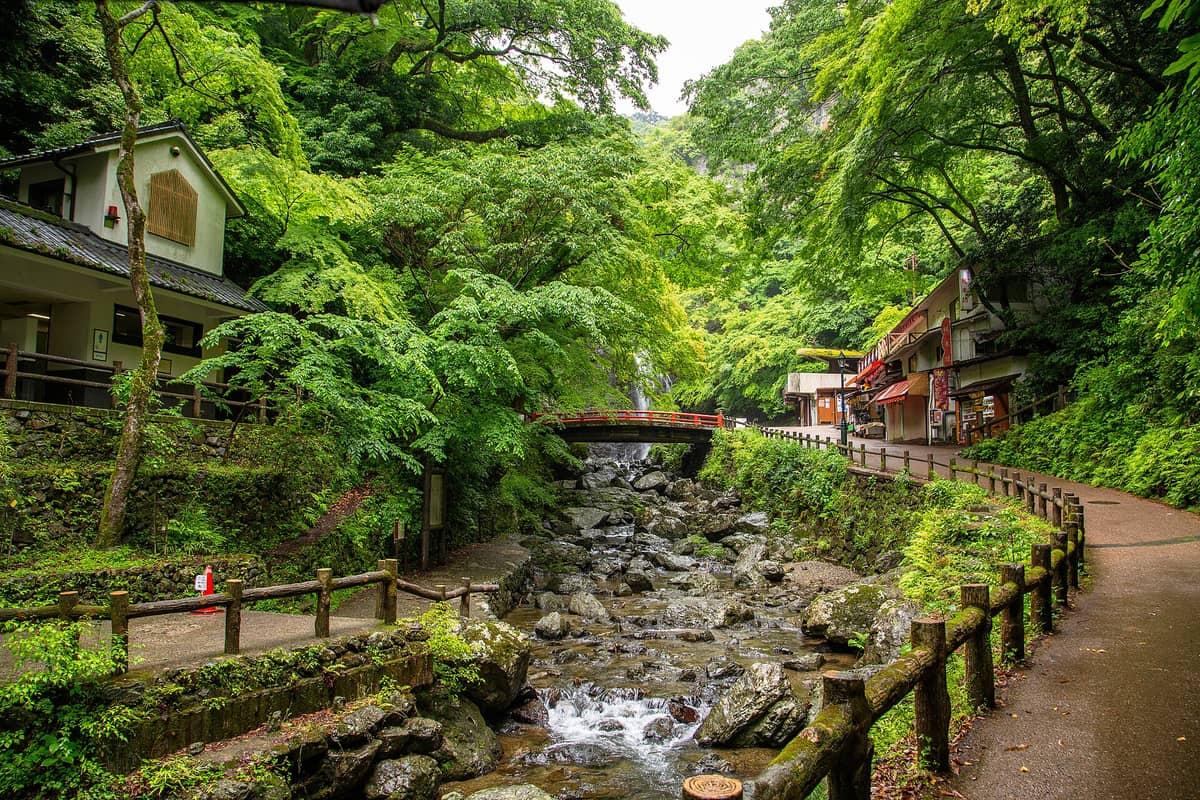
Osaka is more urban than green, but several natural escapes sit within 30-60 minutes of the city center. For seasonal timing, the best time to visit Osaka guide explains how spring and autumn dramatically transform these outdoor spaces.
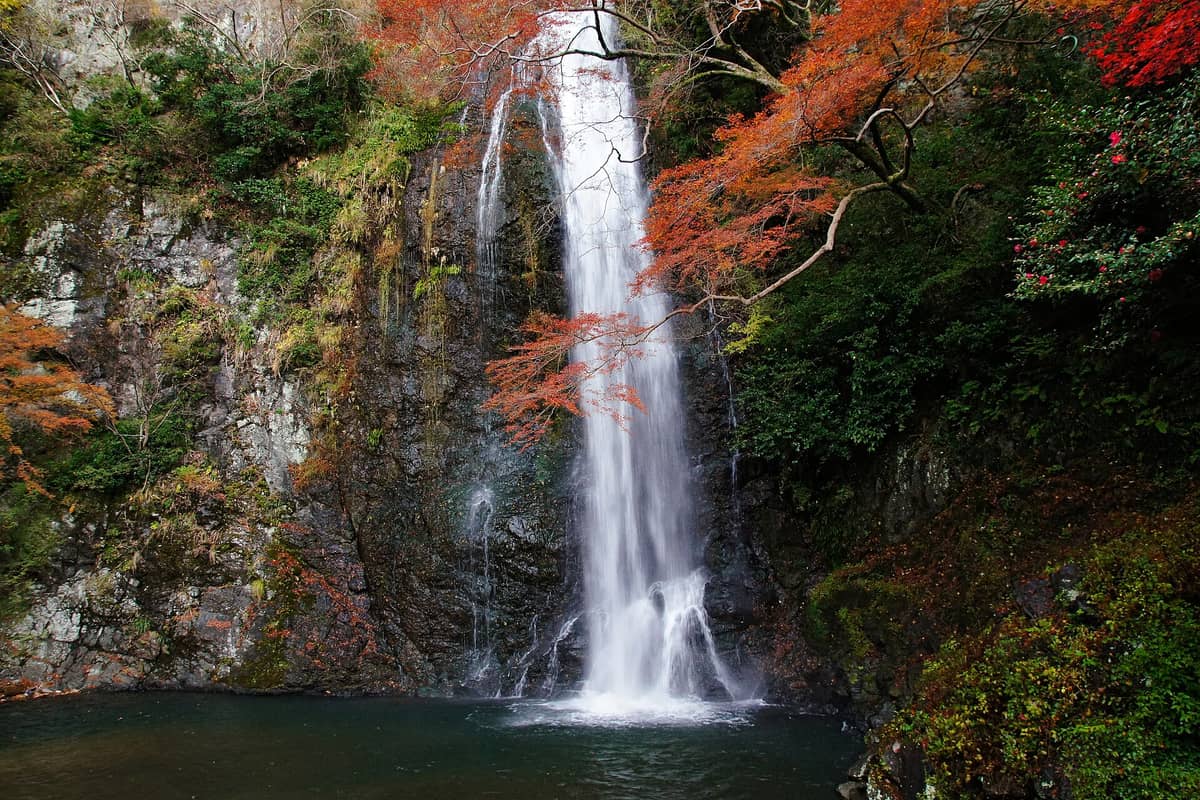
16. Hike to Minoh Falls Through a Forest 30 Minutes from Central Osaka
A 2.7-kilometer forest trail in Minoh Quasi-National Park leads to a 33-meter waterfall. The path passes macaque monkeys, traditional snack stalls selling deep-fried maple leaves, and dense canopy that turns gold and red in November. One of Osaka's best half-day escapes.
Explore16. Hike to Minoh Falls Through a Forest 30 Minutes from Central Osaka
A 2.7-kilometer forest trail in Minoh Quasi-National Park leads to a 33-meter waterfall. The path passes macaque monkeys, traditional snack stalls selling deep-fried maple leaves, and dense canopy that turns gold and red in November. One of Osaka's best half-day escapes.
Explore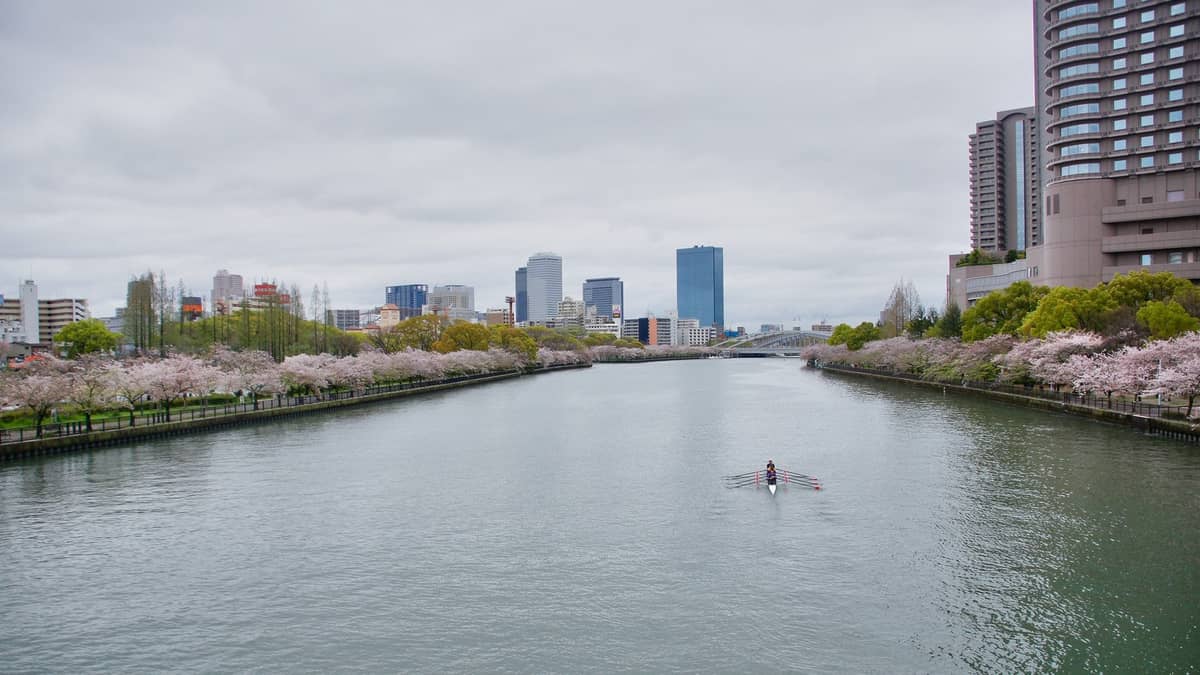
17. Follow the Cherry Blossom Corridor at Kema Sakuranomiya Park
4,800 cherry trees line a long stretch of the Okawa River in this riverside park, creating one of Osaka's finest hanami settings away from the castle crowds. The historic bridges and river reflections add photographic interest beyond just the blossoms in late March and early April.
Explore17. Follow the Cherry Blossom Corridor at Kema Sakuranomiya Park
4,800 cherry trees line a long stretch of the Okawa River in this riverside park, creating one of Osaka's finest hanami settings away from the castle crowds. The historic bridges and river reflections add photographic interest beyond just the blossoms in late March and early April.
Explore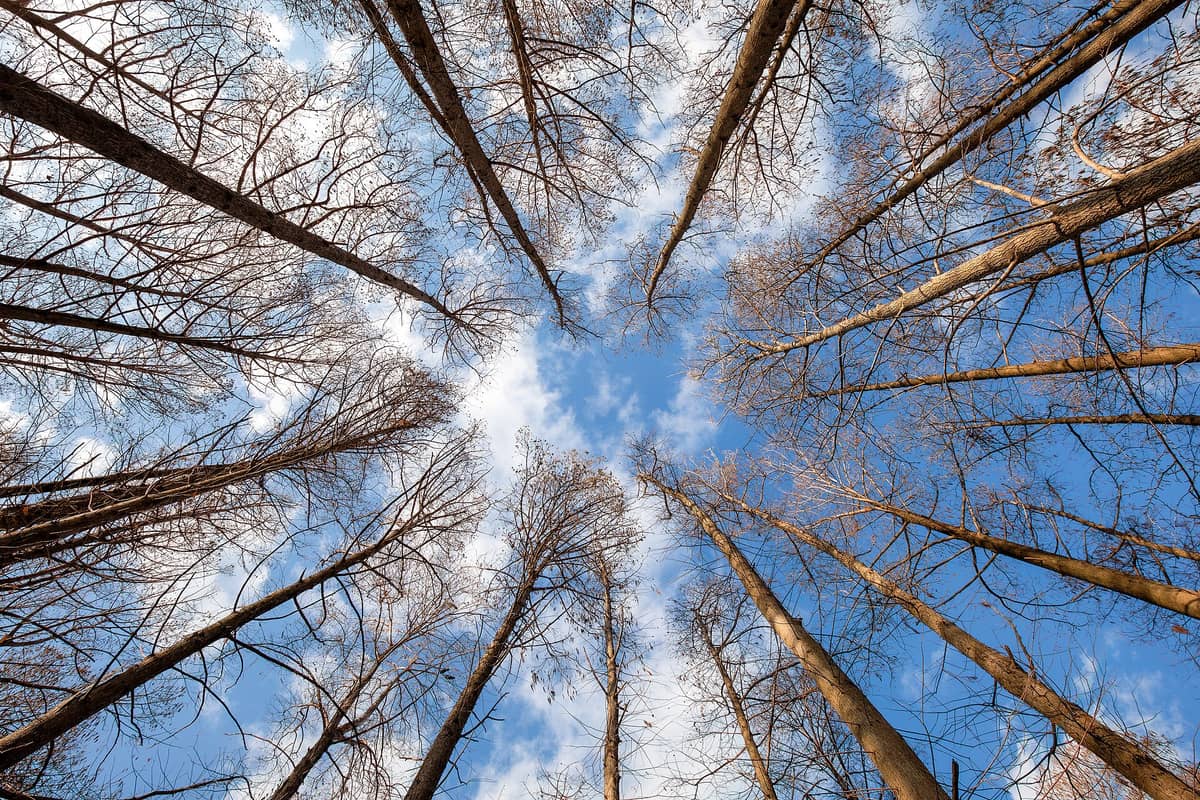
18. Spend a Quiet Morning at Nagai Botanical Garden in Southern Osaka
Over 1,000 plant species across a large, well-maintained garden in the southern part of the city, including a rose garden that peaks in May and October. Mostly visited by locals, rarely by tourists. The Japanese garden section rewards slow, unhurried exploration.
Explore18. Spend a Quiet Morning at Nagai Botanical Garden in Southern Osaka
Over 1,000 plant species across a large, well-maintained garden in the southern part of the city, including a rose garden that peaks in May and October. Mostly visited by locals, rarely by tourists. The Japanese garden section rewards slow, unhurried exploration.
Explore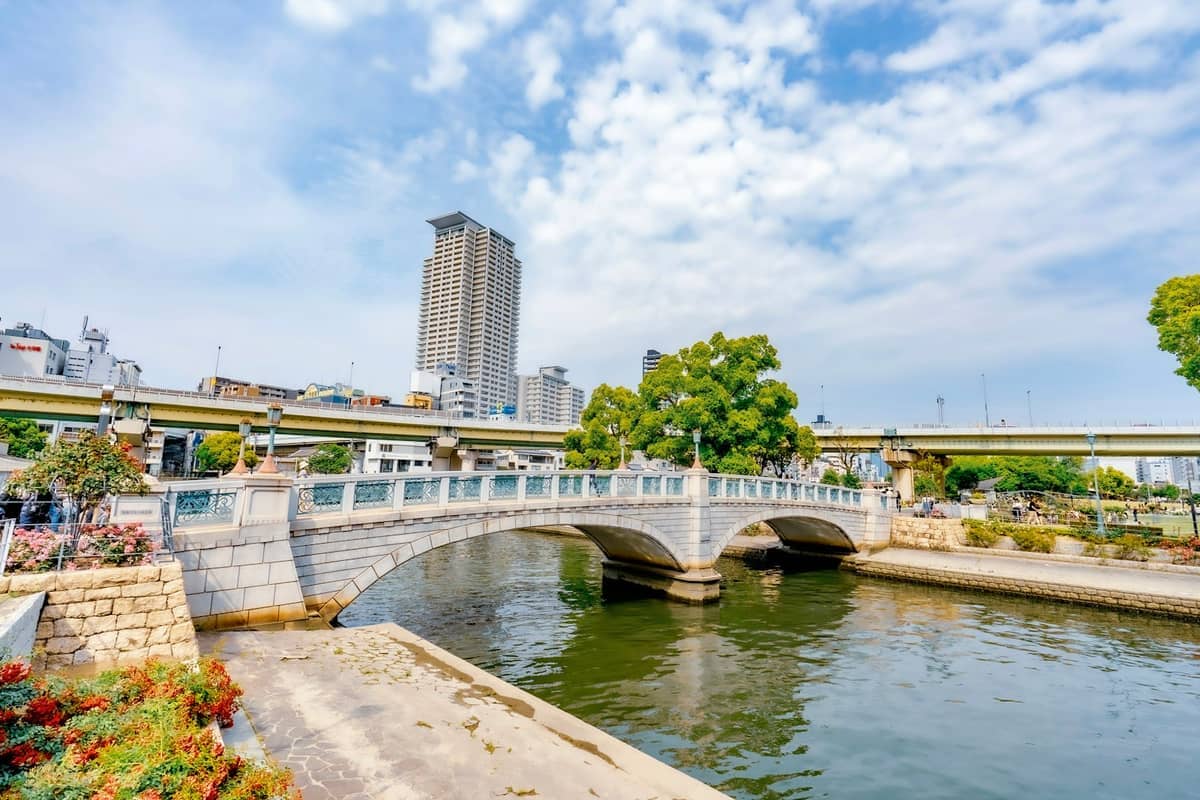
19. Relax in Nakanoshima Park, Osaka's Best Urban Island Escape
A long, narrow park on Nakanoshima Island flanked by neoclassical civic buildings, with a celebrated rose garden and rows of cherry trees along the riverbanks. Free to enter, open daily, and uncrowded on weekday mornings. The architecture surrounding it is exceptional.
Explore19. Relax in Nakanoshima Park, Osaka's Best Urban Island Escape
A long, narrow park on Nakanoshima Island flanked by neoclassical civic buildings, with a celebrated rose garden and rows of cherry trees along the riverbanks. Free to enter, open daily, and uncrowded on weekday mornings. The architecture surrounding it is exceptional.
ExploreViewpoints & Architectural Surprises
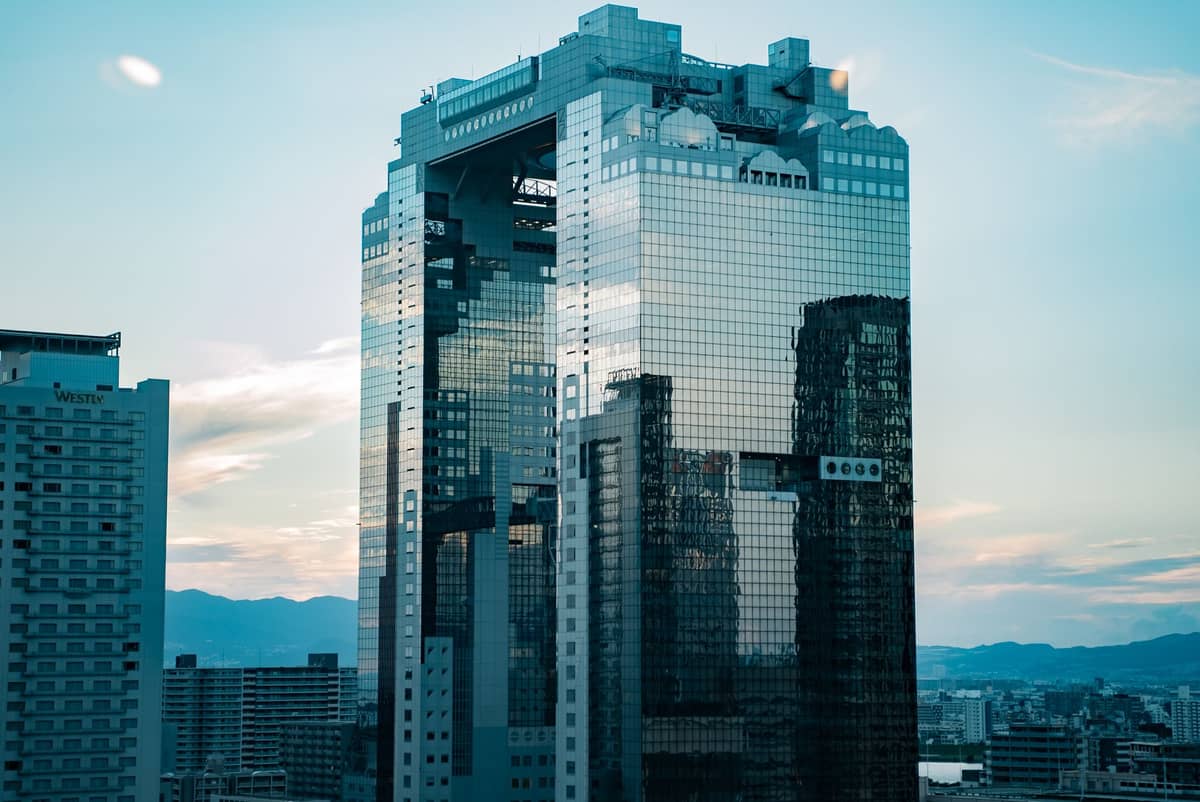
20. Stand on the Open-Air Rooftop of the Umeda Sky Building at Night
Two towers connected at the top by an open-air observation ring with 360-degree views over Osaka. The escalator ride through the glass atrium to reach it is dramatic on its own. Night visits are particularly atmospheric, with city lights spreading in every direction.
Explore20. Stand on the Open-Air Rooftop of the Umeda Sky Building at Night
Two towers connected at the top by an open-air observation ring with 360-degree views over Osaka. The escalator ride through the glass atrium to reach it is dramatic on its own. Night visits are particularly atmospheric, with city lights spreading in every direction.
Explore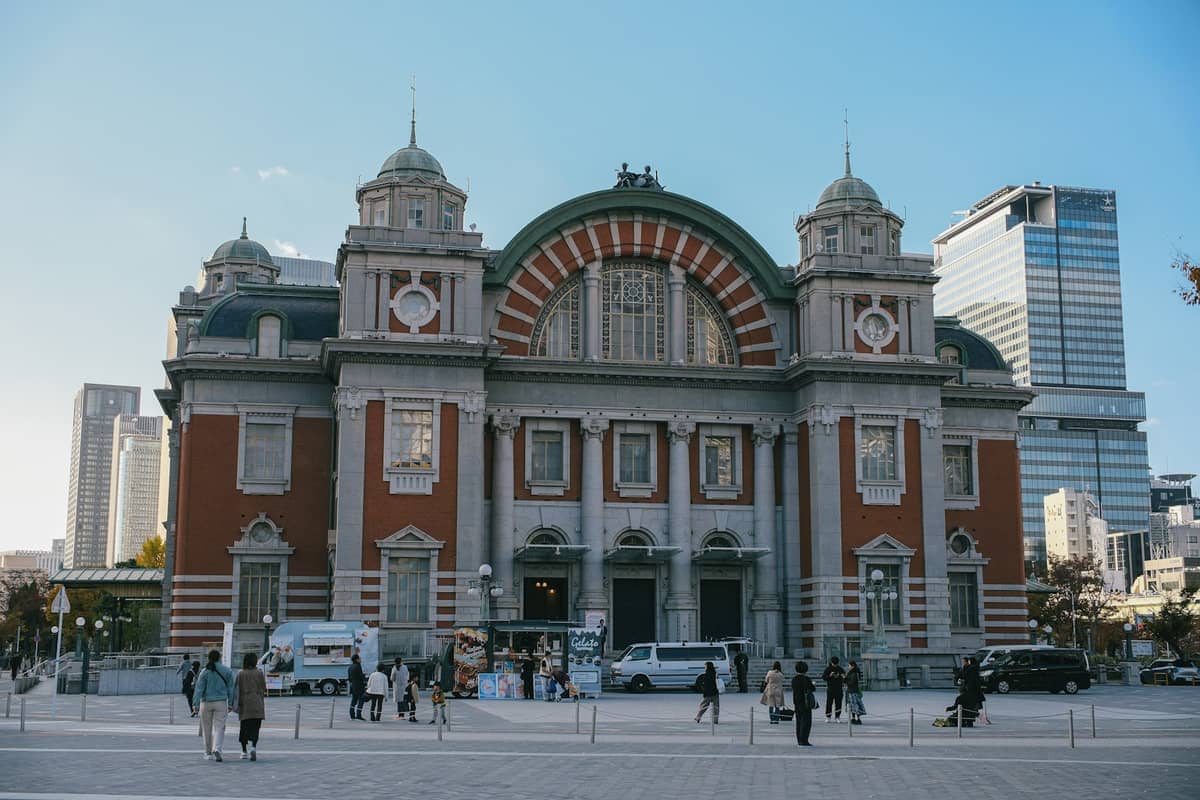
21. Admire Meiji-Era Civic Architecture at Osaka City Central Public Hall
A magnificent red-brick neoclassical building from 1918 on Nakanoshima Island, considered one of the finest examples of Western-influenced architecture in Japan. Still used for concerts and events, so check the schedule if you want to see the interior in its intended context.
Explore21. Admire Meiji-Era Civic Architecture at Osaka City Central Public Hall
A magnificent red-brick neoclassical building from 1918 on Nakanoshima Island, considered one of the finest examples of Western-influenced architecture in Japan. Still used for concerts and events, so check the schedule if you want to see the interior in its intended context.
Explore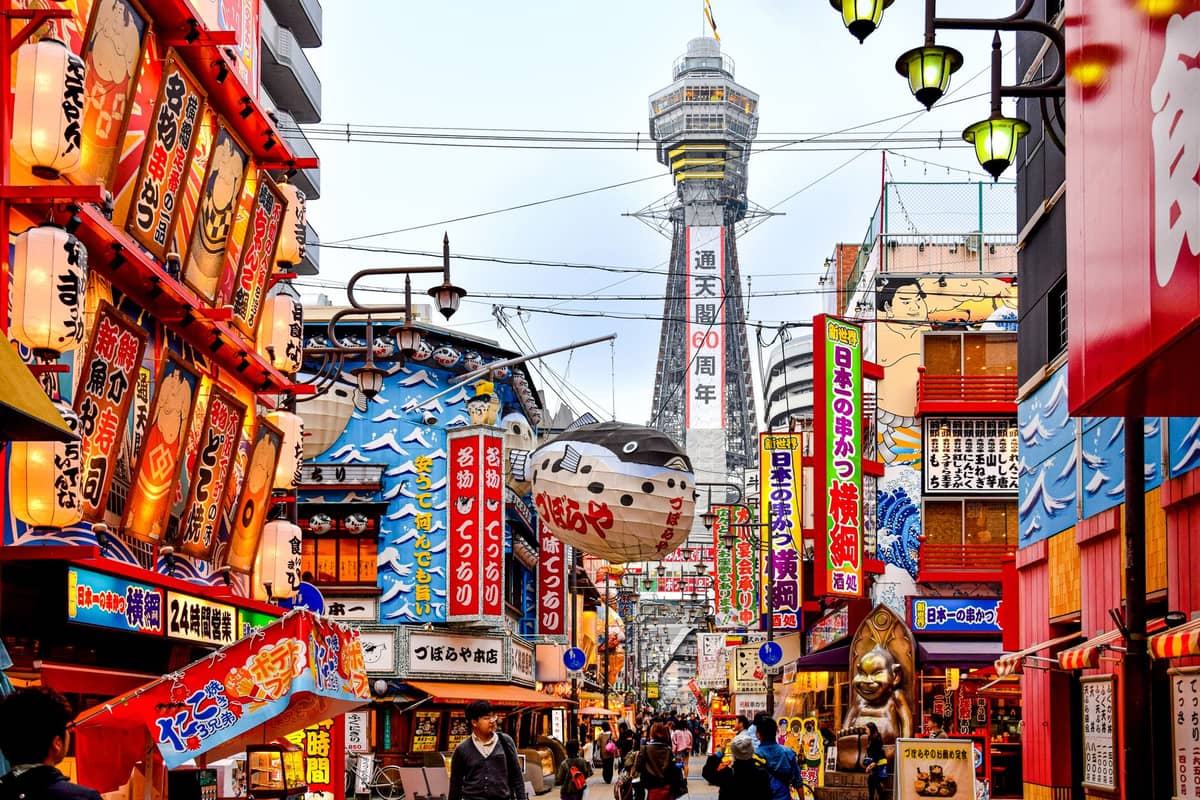
22. Ride Up Tsutenkaku Tower for Views Over Shinsekai's Retro Streetscape
The 103-meter tower built in 1956 is the symbol of Shinsekai, a district that has preserved a 1950s Osaka atmosphere. The Billiken lucky god statue at the top is a tradition for visitors. The streets immediately around the tower are equally worth exploring on foot.
Explore22. Ride Up Tsutenkaku Tower for Views Over Shinsekai's Retro Streetscape
The 103-meter tower built in 1956 is the symbol of Shinsekai, a district that has preserved a 1950s Osaka atmosphere. The Billiken lucky god statue at the top is a tradition for visitors. The streets immediately around the tower are equally worth exploring on foot.
Explore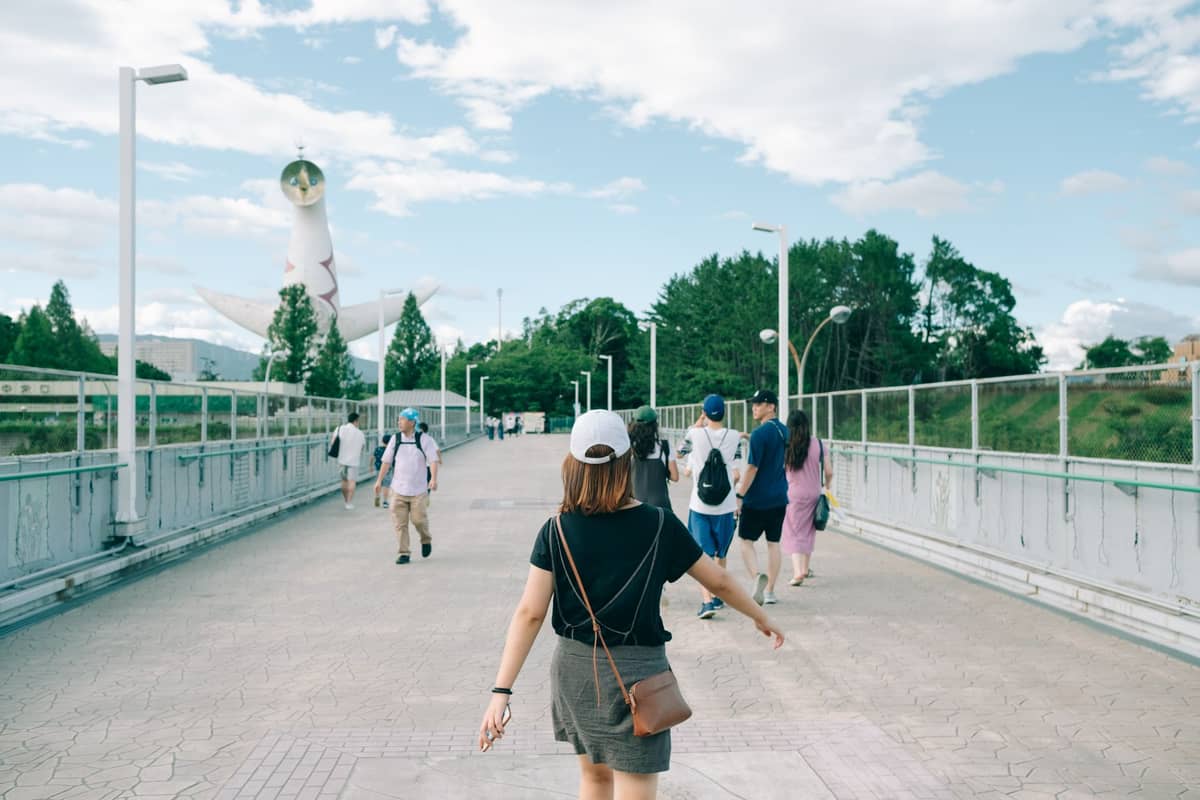
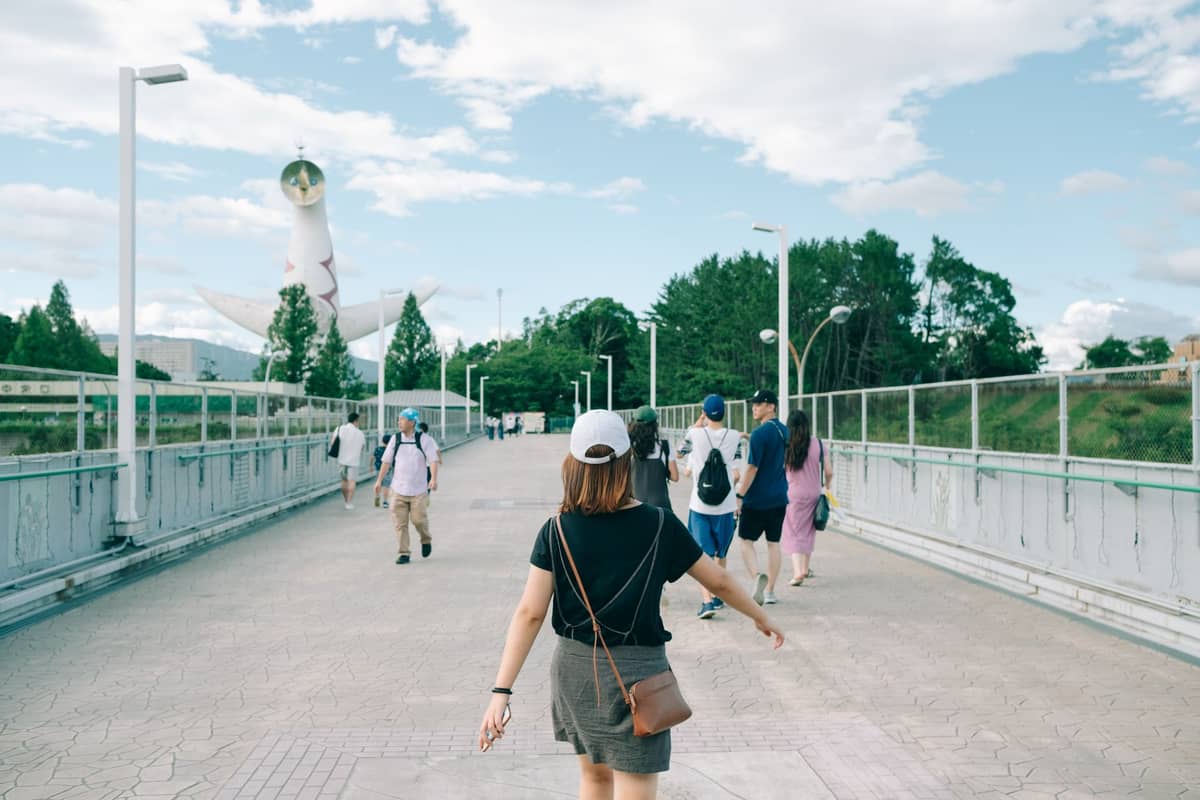
23. Explore the Grounds of Osaka's 1970 World Exposition Site
The vast park built on the 1970 World's Fair site contains the Tower of the Sun, a Japanese garden with seasonal flowers, and an open-air museum of traditional farmhouses. It takes a full half-day to cover properly and is an underappreciated day trip from the city center.
Explore23. Explore the Grounds of Osaka's 1970 World Exposition Site
The vast park built on the 1970 World's Fair site contains the Tower of the Sun, a Japanese garden with seasonal flowers, and an open-air museum of traditional farmhouses. It takes a full half-day to cover properly and is an underappreciated day trip from the city center.
Explore💡 Local tip
Expo '70 Commemorative Park is in Suita city, about 30 minutes from Umeda by the Osaka Monorail. Combine it with a Tower of the Sun interior visit (advance reservation required) for a full day out.
FAQ
What are the most underrated neighborhoods in Osaka?
Nakazakicho, Kitahama, and Tsuruhashi are consistently the most rewarding for visitors who want fewer crowds. Nakazakicho has indie cafes and vintage shops in restored townhouses; Kitahama has historic riverside architecture; and Tsuruhashi is a major Korean food district unlike anything in central Osaka.
Are these hidden gems easy to reach by public transport?
Most are directly accessible by Osaka Metro or JR lines within 20-30 minutes of the city center. Exceptions include Minoh Falls (via Hankyu Railway to Minoh Station) and Expo '70 Park (via the Osaka Monorail from Banpaku-kinen-koen Station). Osaka's public transport network is comprehensive and easy to navigate with IC cards.
Which hidden gems are free to visit?
Sumiyoshi Taisha, Namba Yasaka Shrine, Hozenji Temple, Osaka Tenmangu Shrine, Kitahama Retro District, Nakazakicho, Tenjinbashisuji Shopping Street, Nakanoshima Park, and Kema Sakuranomiya Park all have no admission charge. The Sennichimae Doguyasuji shopping street is also free to browse.
When is the best time to visit Osaka's outdoor hidden gems?
Spring (late March to early April) is exceptional for Kema Sakuranomiya Park and Mint Museum's cherry promenade. Autumn (late November) transforms Minoh Falls trail with peak foliage. The rose garden at Nagai Botanical Garden peaks twice yearly, in May and October. Summer is very hot and humid, making indoor sites like the Museum of Housing and Living more practical.
Is the Tower of the Sun interior worth visiting and how do I book?
Yes, the interior is genuinely spectacular: a surreal Tree of Life sculpture with thousands of lifeforms rising through the tower's core. It was restored and reopened in 2018. Reservations are required and book in advance through the official Expo '70 Commemorative Park website.