Osaka Onsen & Spa Guide: Best Baths in the City
Osaka has a surprisingly strong onsen scene for a major urban center, ranging from the enormous themed Spa World to sleek modern complexes and neighborhood sento. This guide covers the top facilities, realistic pricing, tattoo policies, seasonal timing, and everything else you need before you strip down and soak.
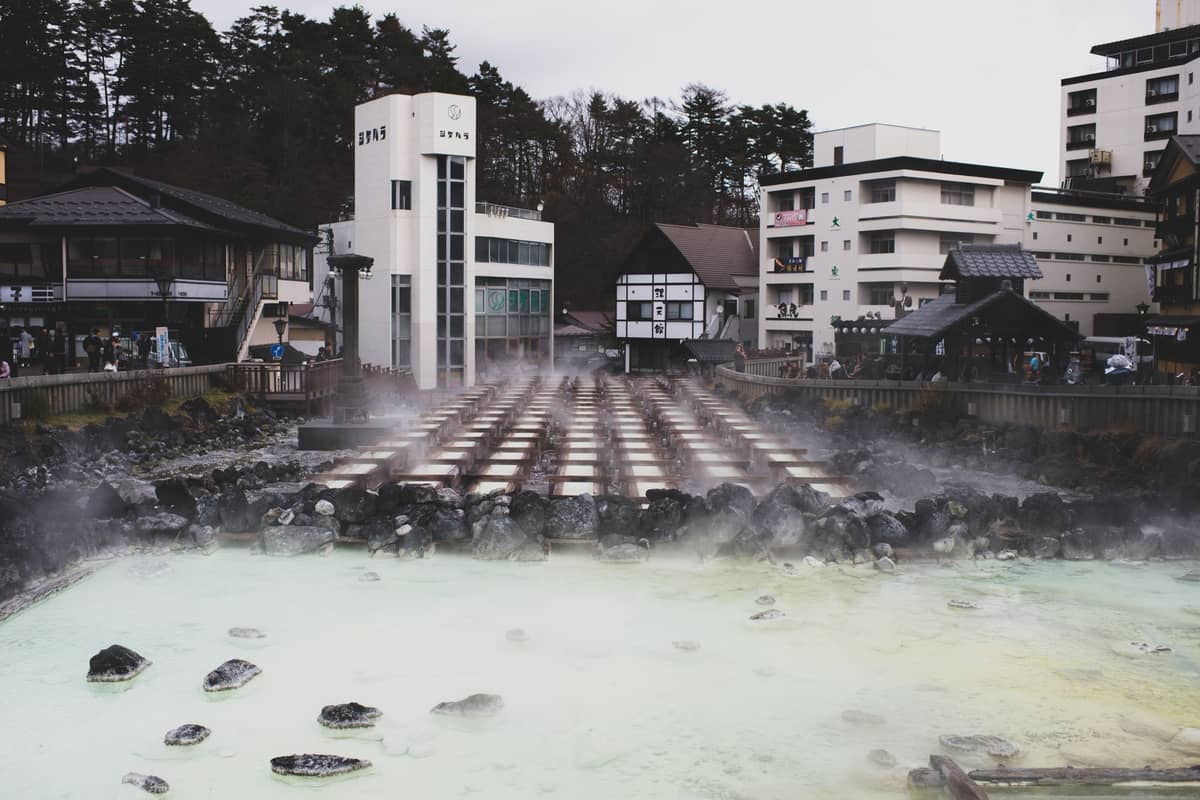
Plan and book this trip
Tools from our partner Travelpayouts help you compare flights and hotels. If you book through them, we may earn a commission at no extra cost to you.
Flights
Hotels map
TL;DR
- Osaka's top onsen are urban facilities — all easily reached by Osaka Metro or JR, no mountain trek required.
- Spa World is the most famous option: a 24-hour themed complex near Shinsekai with European and Asian bath zones, admission from around ¥1,500.
- Solaniwa Onsen at Osaka Bay Tower offers a more upscale experience; Naniwa no Yu is the best pick for a natural hot spring on a budget. See our guide to visiting Osaka on a budget for more money-saving strategies.
- Tattoo policies vary: some facilities welcome inked guests, others don't — always check before you go.
- Golden Week and summer school holidays bring significant crowds to all major complexes; early mornings on weekdays are the sweet spot.
Understanding Osaka's Onsen Scene
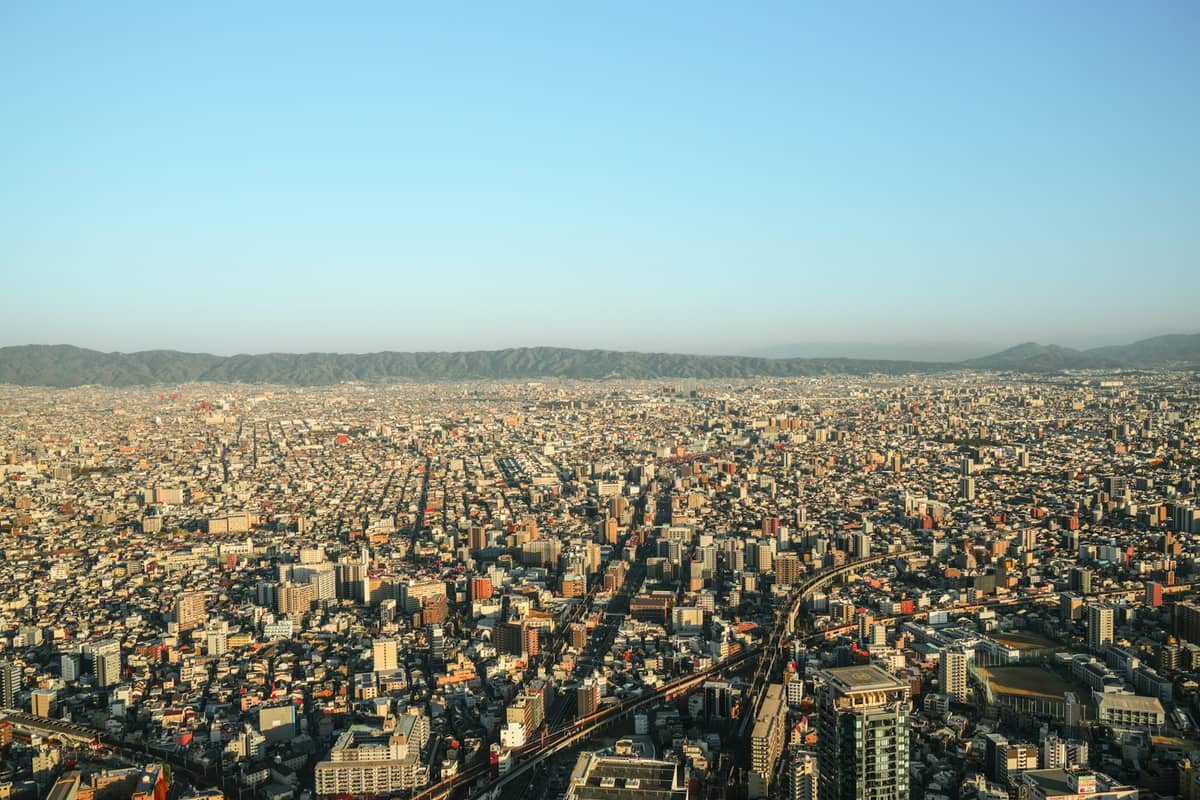
When most people picture a Japanese onsen, they imagine a remote mountain inn with a cypress-wood tub overlooking a forested valley. Osaka's bathing culture works completely differently. As one of Japan's great urban centers, with a city proper population of around 2.8 million, Osaka's onsen facilities are built for a city: large-scale, metro-accessible, and open late. The proper term for many of these facilities is 'super sento' — large commercial bathhouse complexes that may or may not use natural geothermal water but offer a full suite of baths, saunas, restaurants, and relaxation areas. Some, like Naniwa no Yu, do draw on genuine natural hot spring sources beneath the city.
The traditional neighborhood bathhouse (sento) is a separate, simpler category — usually a single-room facility with a few hot tubs, used mainly by locals. Prices at basic sento typically run ¥520–¥700, with sauna access costing ¥200–¥400 extra depending on the venue. If you want atmosphere, multiple pools, and a full afternoon of soaking, go to the super sento or onsen complexes covered below. For context on the broader neighborhood character of each area, our guide to things to do in Osaka covers key districts in detail.
ℹ️ Good to know
Most Osaka onsen require you to wash thoroughly at individual shower stations before entering any communal bath. This is non-negotiable etiquette. Towels are usually available to rent (small towel around ¥100–¥200, large towel ¥200–¥400) or purchase if you forget to bring your own.
Spa World: The City's Most Famous Onsen Complex
Spa World in Naniwa-ku is the onsen facility most visitors ask about, and it earns its reputation through sheer scale. The complex occupies multiple floors and divides its themed bath zones between a European section and an Asian section. Each zone rotates between male and female guests monthly, so what you experience depends on when you visit. On top of the themed baths, there are pools, saunas, a gym, food outlets, and hotel accommodation for those who want to stay overnight.
Standard admission for guests aged junior high school and above runs approximately ¥2,000–¥2,700 for full access including pool, with slightly cheaper bath-only options around ¥1,500; children under 12 pay around ¥1,200–¥1,500. The facility is technically open 24 hours as a building, with bath operations running roughly 10:00 until 08:45 the following morning. There is a daily cleaning closure from around 08:45 to 10:00. If you stay past midnight and into the early hours (00:00–05:00), expect a surcharge of around ¥1,300 plus a ¥150 bathing tax on top of your base admission. Always verify current pricing on the official Spa World website before visiting, as seasonal and campaign rates can differ.
Getting there is straightforward: Spa World is a short walk from Dobutsuen-mae Station on the Osaka Metro Midosuji and Sakaisuji lines (Exit 5), and also accessible from JR Shin-Imamiya Station (East exit). It sits at the edge of Shinsekai, which makes it easy to combine with a walk through that retro district before or after your soak. The area around Tsutenkaku Tower is worth at least a brief wander.
⚠️ What to skip
Spa World can get extremely crowded during summer school holidays (late July to August), Golden Week (late April to early May), and New Year's. If you visit during these periods, expect long waits for popular bath zones. Weekday mornings after the 10:00 opening are consistently the least crowded.
Solaniwa Onsen: Upscale Bathing at Osaka Bay Tower
Solaniwa Onsen opened as part of the Osaka Bay Tower development near Bentencho and represents a more polished, design-conscious take on urban bathing. The facility draws on a Japanese garden aesthetic throughout, and the overall atmosphere is calmer and less theme-park-like than Spa World. It's the better pick if you want a genuinely relaxing experience rather than a spectacle.
Operating hours run roughly 11:00 to 23:00, with last entry at 22:00 — confirm current hours on the official website before planning your visit. Pricing is higher than Spa World, typically falling in the ¥2,310–¥3,630 range for adults depending on the day, time slot, and plan chosen. The facility is directly connected to Bentencho Station on both the JR Osaka Loop Line and the Osaka Metro Chuo Line, which makes access genuinely convenient from central Osaka. Travel time from Namba is around 15 minutes.
Naniwa no Yu: Natural Hot Spring on a Budget
Naniwa no Yu in Kita-ku is the most credible natural onsen option inside Osaka City. The water is drawn from a genuine underground hot spring source beneath the city, giving it a different character from the artificially heated baths at larger commercial complexes. The facility includes both indoor and outdoor (rotenburo) baths, a sauna, and a restaurant — a solid package without the theatrical theming of Spa World.
Pricing is considerably more accessible: adults pay around ¥900 on weekdays and ¥1,000 on weekends and public holidays. Children are approximately ¥450, and infants around ¥200. Hours run from 10:00 to 01:00 on weekdays (last entry 24:00) and from 08:00 to 01:00 on weekends and holidays (last entry 24:00). The later weekend opening is useful if you want a morning soak before the crowds build. Check the official Japanese-language site or current travel databases for any temporary closures, as urban onsen facilities occasionally schedule maintenance days with little advance notice to international visitors.
✨ Pro tip
Naniwa no Yu is within walking distance of Nakazakicho, a neighborhood of old converted machiya townhouses now used as cafes, vintage clothing stores, and art studios. A morning soak followed by coffee in Nakazakicho makes for a genuinely low-key, non-touristy Osaka morning.
Tattoo Policies: What You Need to Know
Tattoo restrictions are one of the most common concerns visitors raise about Japanese onsen, and Osaka is no exception. Traditional onsen etiquette in Japan links tattoos with organized crime, which is why blanket bans became common at public bathing facilities. The policy landscape is slowly shifting in urban areas, particularly as inbound tourism has grown, but it is genuinely inconsistent. Some facilities have moved to a case-by-case approach. Others maintain a strict no-tattoo rule regardless of size or cultural origin.
- Spa World Has historically maintained a no-tattoo policy in communal baths. Check the official website for any updates, as policies can change.
- Solaniwa Onsen Has been noted in travel resources as more flexible toward tattooed guests, but verify directly before visiting — policies are subject to revision.
- Smaller sento and super sento Some explicitly market themselves as tattoo-friendly. Entry typically runs ¥600–¥1,000, with sauna access costing roughly ¥300 extra. Ask when booking or call ahead if the facility's website does not address it.
- Private rooms and reservable baths Some facilities offer private bath rooms (kashikiri-buro) that can be reserved by groups or individuals — these often sidestep communal tattoo rules entirely and are worth asking about.
Practical Tips: Timing, Etiquette, and What to Bring
Timing your visit correctly makes a real difference. The two busiest periods at all major Osaka onsen facilities are Golden Week (late April to early May) and the summer school holiday window from late July through August. If you visit during these windows, arrive right at opening time. Autumn, particularly October and November, is excellent for onsen visits: temperatures are mild, crowds are manageable, and the outdoor baths at facilities with rotenburo feel especially good in cooler air. Our Osaka in autumn guide covers seasonal timing across the city in more depth.
- Bring a small towel if you want to avoid rental fees — most facilities permit you to carry a small towel into the bath area to use for modesty when moving between pools.
- Remove all jewelry before entering baths; metals can react with mineral-rich water and may discolor or irritate skin.
- Tie back long hair so it does not touch the water in communal baths — this is standard courtesy.
- Most facilities have lockers for valuables; bring a ¥100 coin for locker deposits (usually returned when you leave).
- Alcohol and onsen don't mix well physiologically — if you've been drinking in Dotonbori before heading to Spa World, be cautious with long soaks in hot water.
- Tipping is not customary anywhere in Japan, including at spa and onsen facilities. Service charges are built into pricing.
For visitors combining onsen with broader sightseeing, both Spa World and Naniwa no Yu work well as an evening activity after a full day of exploring. The Osaka Metro system connects all three major facilities to central districts without difficulty. If you're staying in Namba or Shinsaibashi, Spa World is the most logistically convenient option; if you're based near Umeda or the Kita district, Naniwa no Yu is the easier choice.
💡 Local tip
The Osaka Amazing Pass includes complimentary entry to select facilities and discounts at others, including some onsen complexes in certain periods. It's worth checking the current pass inclusions if you're planning multiple paid attractions in a day — onsen admission can tip the math in the pass's favor.
Quick Comparison: Major Osaka Onsen Facilities
- Spa World (Naniwa-ku) Best for: first-timers, night owls, themed bath experiences. Hours: ~10:00–08:45 next day. Price: ~¥1,300–¥1,500 adults. Late-night surcharge applies 00:00–05:00. Access: Dobutsuen-mae Station (Exit 5).
- Solaniwa Onsen (Bentencho) Best for: design-conscious travelers, couples, relaxed atmosphere. Hours: ~11:00–23:00. Price: ~¥2,310–¥3,630 adults. Access: Bentencho Station (JR/Osaka Metro Chuo Line).
- Naniwa no Yu (Kita-ku) Best for: budget-conscious visitors, natural hot spring water, outdoor baths. Hours: Weekdays 10:00–01:00; Weekends 08:00–01:00. Price: ~¥900–¥1,000 adults. Access: Short taxi or bus ride from Umeda/Osaka Station area.
All prices and hours listed in this guide should be verified against current official sources before your visit — onsen facilities do adjust pricing, schedule maintenance closures, and occasionally change policies seasonally. For planning your wider trip, our best time to visit Osaka guide covers the full seasonal picture including crowds, weather, and event timing across the city.
FAQ
Can you visit Osaka onsen with tattoos?
It depends on the facility. Some Osaka onsen and super sento have relaxed their tattoo restrictions in recent years, while others maintain a strict ban. Solaniwa Onsen has been noted as more accommodating, while Spa World currently enforces a no-tattoo policy in communal areas. Private reservable baths (kashikiri-buro) at some facilities are a reliable workaround. Always check the facility's official website or contact them directly before visiting, as policies change.
What is the difference between an onsen and a sento in Osaka?
An onsen uses natural geothermal hot spring water, while a sento is a public bathhouse that heats regular municipal water. In Osaka, Naniwa no Yu is a genuine urban onsen drawing from a natural underground source. Spa World and many super sento use artificially heated water but offer a much wider range of bath types, pools, and amenities than a traditional sento. Basic neighborhood sento charge around ¥520–¥700 and are primarily used by locals.
Is Spa World worth it for a short visit to Osaka?
If you have a full afternoon or evening free, yes. The range of bath zones, the entertainment value of the themed areas, and the late-night access make it a genuinely distinct experience. If you only have two or three hours, the time spent navigating lockers, zones, and crowds during busy periods can feel rushed. Plan for at least three to four hours to get real value from the facility.
Are Osaka's onsen open late at night?
Yes — this is one of the practical advantages of urban Osaka facilities over rural onsen. Spa World operates bath access until around 08:45 the following morning, with a surcharge for guests between midnight and 05:00. Naniwa no Yu accepts last entry at midnight. Solaniwa Onsen closes at 23:00, with last entry at 22:00. All hours are subject to change and should be confirmed before visiting.
How do I get to Spa World from Namba or Dotonbori?
Spa World is about a 10-minute metro ride from Namba. Take the Osaka Metro Midosuji Line from Namba Station toward Tengachaya and exit at Dobutsuen-mae Station (around two stops), then use Exit 5. The walk from the exit to Spa World is approximately two to three minutes. You can also walk from Namba in around 20–25 minutes if the weather is good, passing through the Shinsekai neighborhood on the way.