Where to Stay in Osaka: Best Areas & Hotels (2026 Guide)
Choosing where to stay in Osaka shapes your entire trip. This guide breaks down every major neighborhood by vibe, price, and practicality — so you can book the right area, not just the cheapest room.
Plan and book this trip
Tools from our partner Travelpayouts help you compare flights and hotels. If you book through them, we may earn a commission at no extra cost to you.
Flights
Hotels map
TL;DR
- Namba and Dotonbori suit first-time visitors who want food, nightlife, and strong transport links right outside the door — see the Namba area guide for what's nearby.
- Umeda is the top pick for day-trippers and business travelers: best rail connections, easiest shinkansen access from Shin-Osaka.
- Budget travelers should look at Tennoji and Shinsekai first — hotel rates run 15-20% cheaper than comparable options in Namba, with the same subway access.
- Hostel dorm beds start around ¥2,800 per night; mid-range business hotels in central areas typically run ¥12,000-25,000 per night.
- Osaka's subway (Osaka Metro) makes almost every neighborhood workable — understanding how to get around Osaka is more important than obsessing over the perfect postcode.
How to Think About Osaka's Neighborhoods
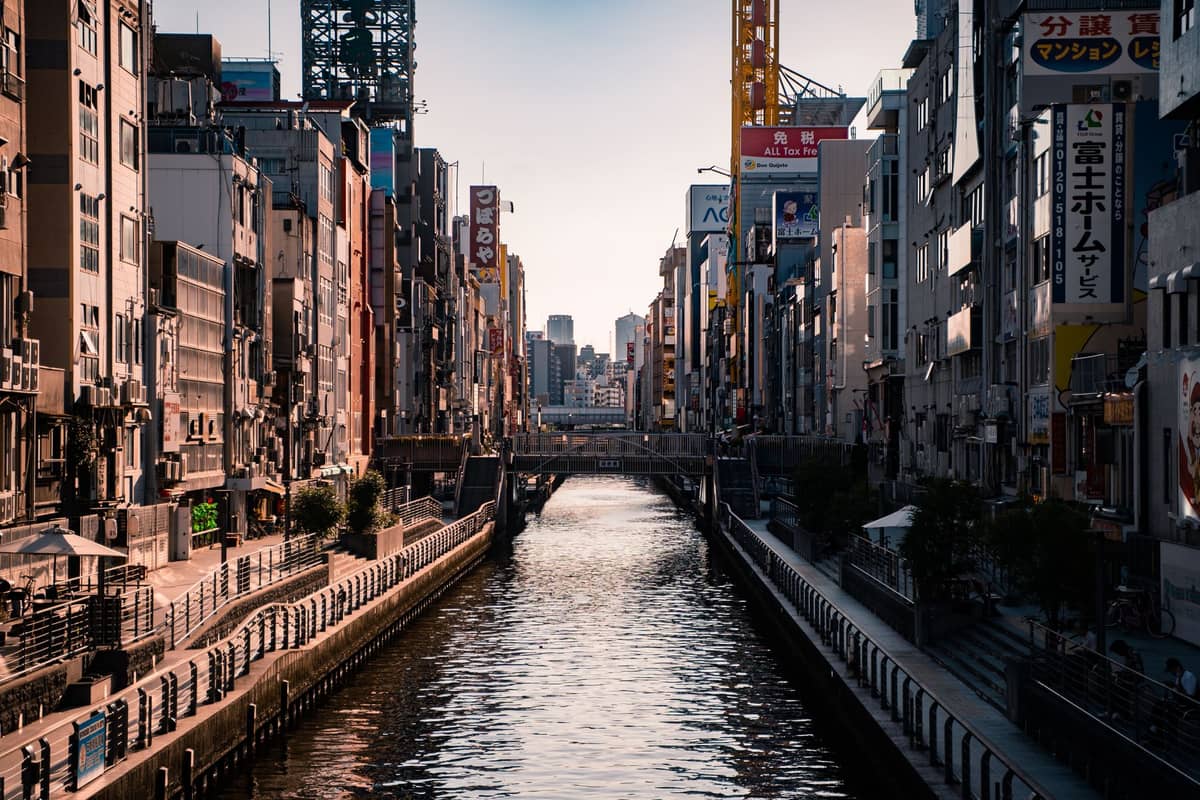
Osaka divides loosely into two poles: Kita (the north, centered on Umeda and Osaka Station) and Minami (the south, centered on Namba and Dotonbori). Most first-time visitors gravitate toward Minami for the street food and nightlife energy. Repeat visitors often prefer Kita for its calmer streets, better department stores, and easier access to day trips. Neither choice is wrong — the Osaka Metro connects both in under 10 minutes.
The real decision isn't Namba vs. Umeda. It's whether you want to be in the middle of the action (Namba, Shinsaibashi) or slightly removed from it (Honmachi, Osaka Castle area, Tennoji). Osaka covers roughly 225 km², but its key tourist districts cluster tightly enough that staying anywhere near a Metro station puts you within 20-30 minutes of anywhere you'd realistically want to go. For a deeper look at what the city offers before you lock in accommodation, the things to do in Osaka guide is a useful starting point.
💡 Local tip
Book accommodation near an Osaka Metro station rather than fixating on a specific neighborhood. The network is extensive, fares are low, and trains run until around midnight. Location flexibility matters far more than being in a particular district.
Namba and Dotonbori: Best for First-Timers and Food Lovers
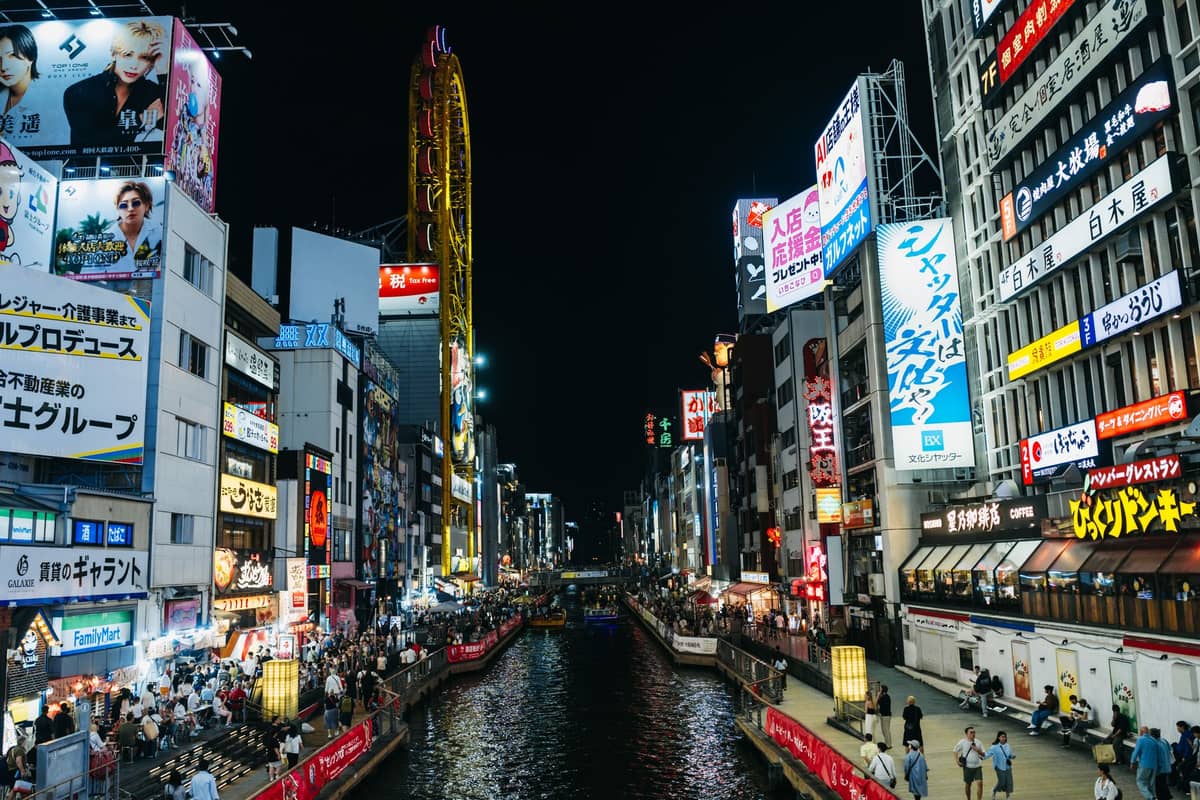
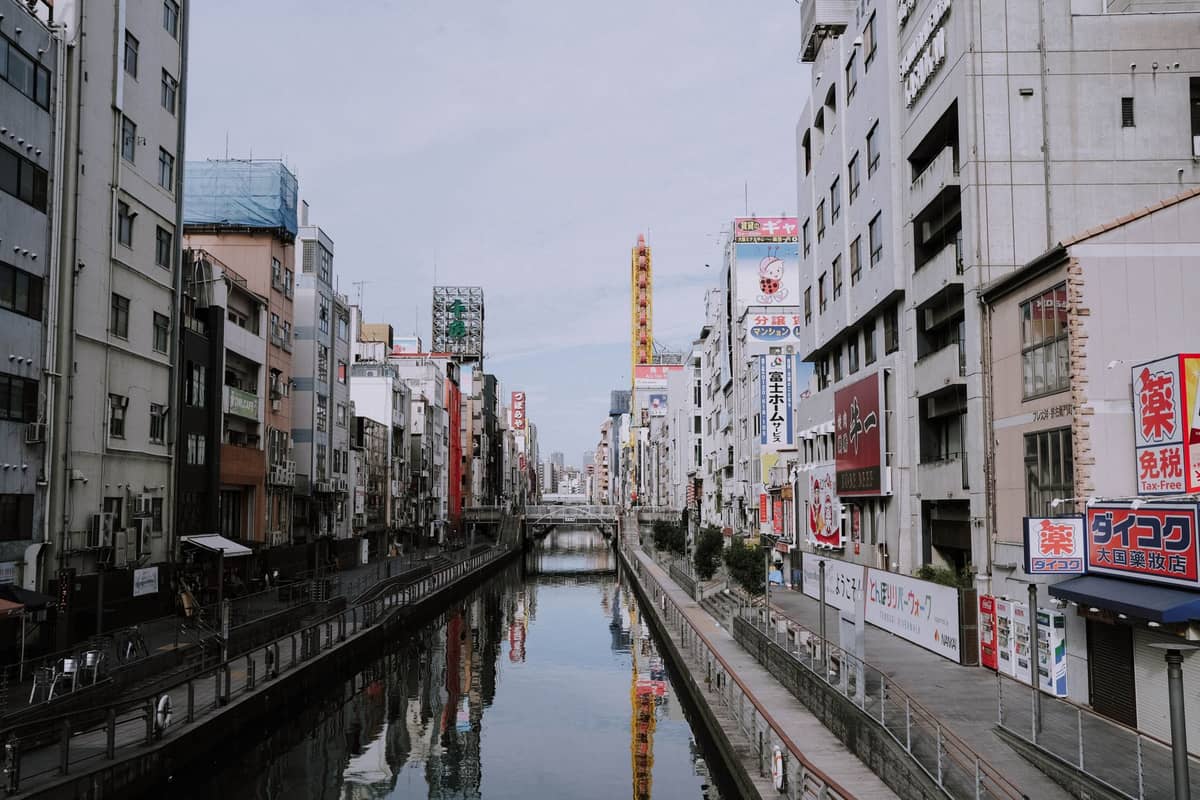
Namba is where most first-time visitors end up, and for good reason. The Dotonbori canal is a five-minute walk from Namba Station, Kuromon Ichiba Market is ten minutes on foot, and the Nankai line delivers you directly from Kansai International Airport in around 44-50 minutes on the Airport Express (fare: approximately ¥930-980). That airport-to-hotel convenience alone makes Namba worth considering if you're arriving with luggage.
The trade-off is noise and crowds. The streets around Dotonbori and the covered Namba shopping arcades are genuinely loud on weekend evenings and during peak seasons like cherry blossom in late March and Golden Week in early May. Rooms facing the main drags can be difficult to sleep in without heavy earplugs. When booking in Namba, pay attention to floor level and whether the room faces a side street — most hotel listings in this area specify this.
Hotel prices in Namba reflect its popularity. Budget properties (hostels, capsule hotels) start from around $17-30 per night for dorm or capsule options. Private rooms in business hotels typically run ¥12,000-22,000 on weeknights, but can spike significantly during peak seasons. Booking 6-8 weeks ahead for spring and autumn travel is advisable.
Umeda and Kita: Best for Transport Access and Day Trips
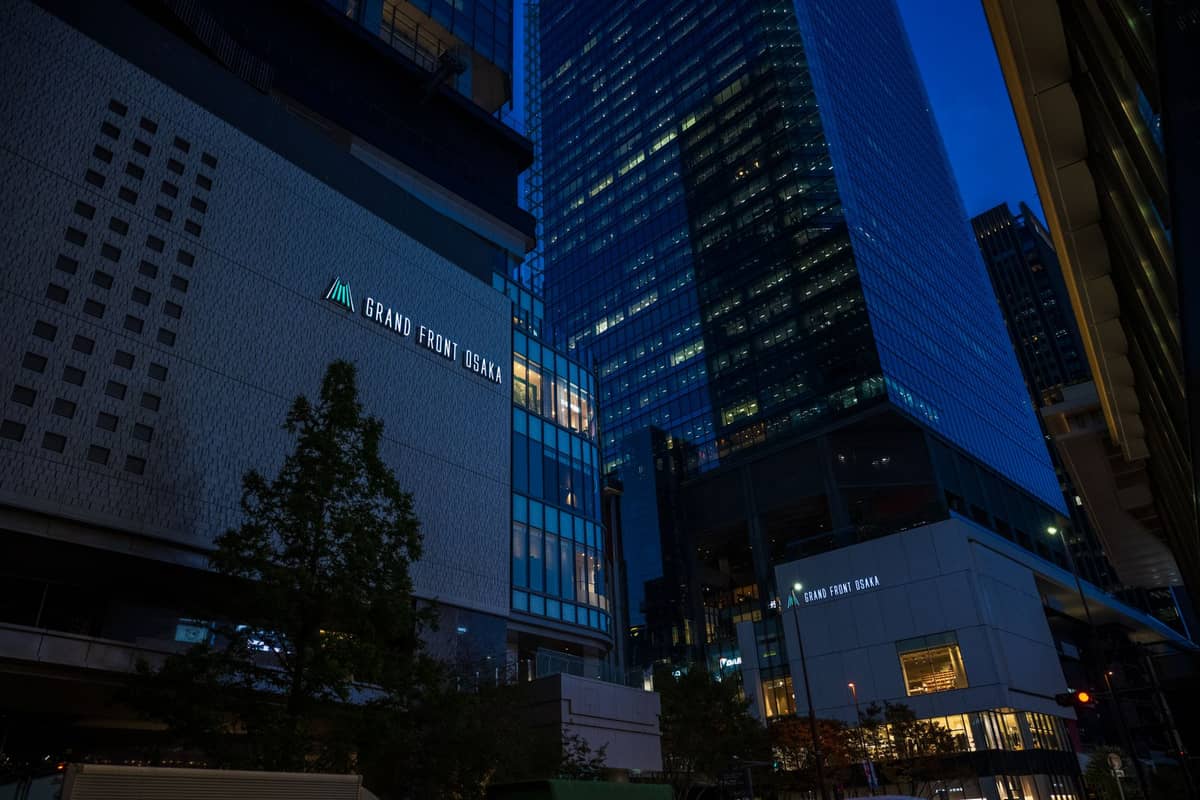
Umeda is Osaka's commercial and transport center, anchored by JR Osaka Station and connections to the Hankyu and Hanshin private railways. If you plan to make day trips to Kyoto, Nara, or Kobe, staying near Umeda saves you significant time — Kyoto is around 40–45 minutes by Hankyu limited express. The area also connects directly to Shin-Osaka Station (about 4 minutes by JR), which is where you board the shinkansen for Tokyo or Hiroshima. For planning those trips, check the day trips from Osaka guide.
The neighborhood itself is denser with offices and department stores than Namba. It's more convenient than atmospheric. That works well for travelers who want a clean, quiet base and plan to spend most evenings eating in the area around Umeda Sky Building or along the Nakatsu shotengai (local shopping street). For couples prioritizing a romantic setting, Umeda is more practical than scenic.
The Umeda Sky Building is the neighborhood's landmark, with a rooftop observation deck that offers some of the best city views in Osaka. It's a 10-minute walk from Osaka Station — close enough that staying in Umeda makes visiting it trivially easy.
✨ Pro tip
If you're arriving at Kansai International Airport and heading to Umeda, the limousine bus (fare: approximately ¥1,550-1,800, journey time 50-70 minutes) drops you directly at the Osaka Station/Umeda area. This beats transferring between train lines with heavy luggage, especially late at night.
Shinsaibashi and Amerikamura: Best for Shopping and Mid-Range Stays
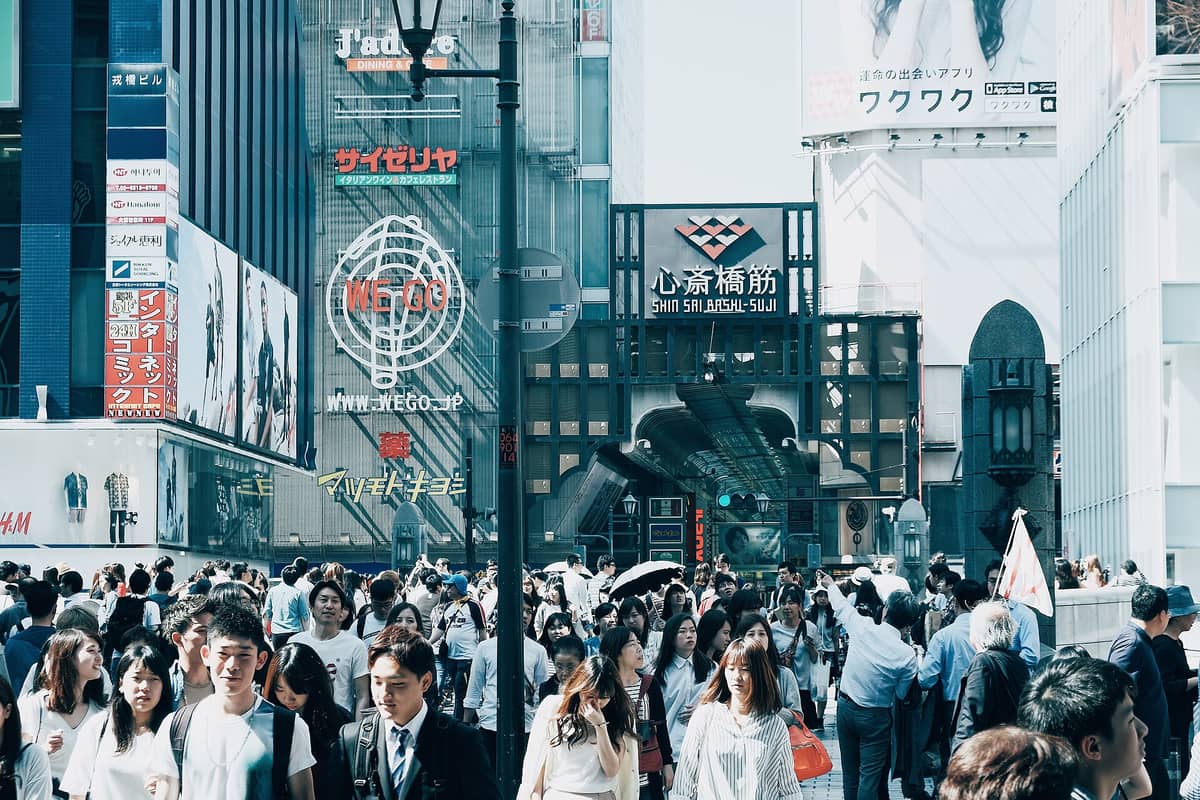
Shinsaibashi sits between Namba and Umeda, connected to both by the Midosuji subway line. It's anchored by Shinsaibashi-suji shopping street, a covered arcade running south from the station, and the more eclectic Amerikamura district to the west. If retail is a core part of your trip — international brands, Japanese fashion labels, cosmetics, electronics — staying in Shinsaibashi puts it all within a few blocks.
Hotel options here span business hotels in the mid-range (¥15,000-25,000 per night) through to a handful of upscale properties. The area feels marginally less chaotic than the Dotonbori strip while still being a 5-minute walk from it. For a first-time visitor who wants to split the difference between Namba's energy and somewhere slightly calmer to sleep, Shinsaibashi is a reasonable compromise.
Tennoji and Shinsekai: Best Value for Budget and Independent Travelers
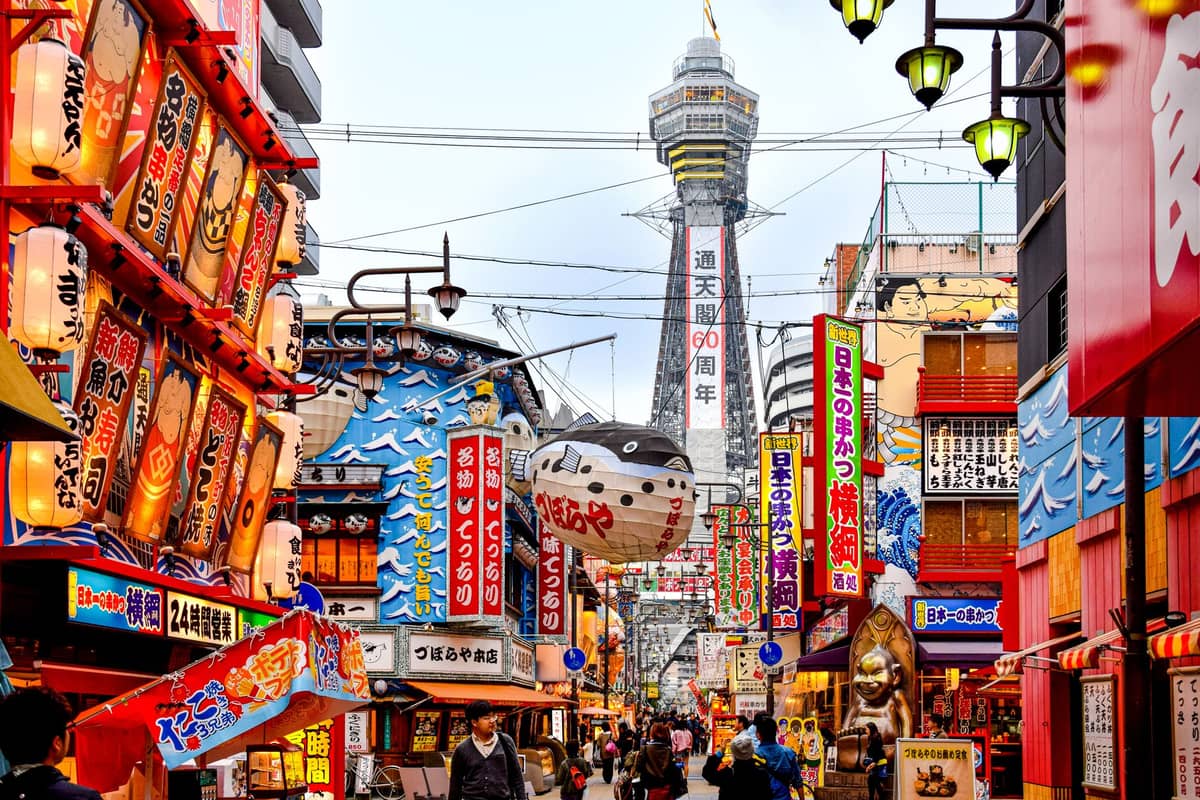
Tennoji tends to be overlooked in favor of Namba, which is a mistake for budget-conscious travelers. Hotels and guesthouses in this area run roughly 15-20% cheaper than comparable options in Namba, and Tennoji Station is a major rail interchange serving JR lines and the Osaka Metro Midosuji and Tanimachi lines. Tsutenkaku Tower and the retro Shinsekai district are walkable, and the area has a genuinely local feel that Dotonbori has largely shed.
Budget dorm beds in Tennoji start from around $13-15 per night. Private guesthouse rooms typically run ¥6,000-10,000. The neighborhood is notably less polished than Namba — some streets around Shinsekai retain an old-school working-class character that won't suit every traveler, but for anyone interested in seeing a different side of Osaka, it's worth the slight trade-off in tourist infrastructure.
Tennoji is also the closest major hub to Shitennoji Temple, one of Japan's oldest Buddhist temples, and Tennoji's revamped commercial district around the Abeno Harukas tower has added higher-end retail and dining options in recent years.
Quieter Central Options: Honmachi, Nakanoshima, and Osaka Castle Area
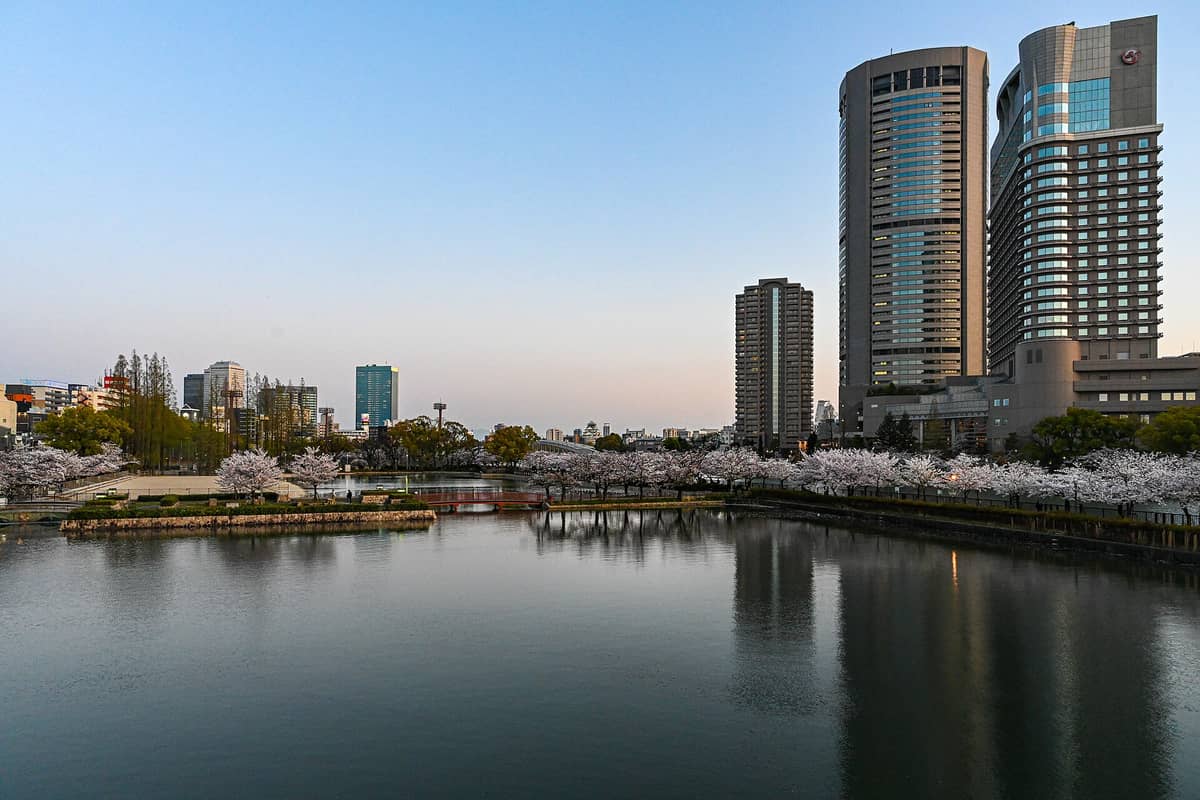
Travelers who have been to Osaka before, or who simply want a quieter base, often do better in districts like Honmachi, Yodoyabashi, or the area around Osaka Castle and Temmabashi. These neighborhoods sit between the two main tourist clusters without belonging fully to either. Honmachi is one stop from Shinsaibashi on the Midosuji line — close enough to everything, but with noticeably fewer tourists on the streets in the evening.
The Nakanoshima district, the island between the Dojima and Tosabori rivers, is particularly good for couples looking for a more refined stay. It's home to the Nakanoshima Museum of Art Osaka and the elegant Osaka City Central Public Hall. A handful of upscale hotels sit nearby, offering a quieter alternative to Namba with easy Metro access. For couples specifically, the Osaka for couples guide covers the best romantic areas in more detail.
- Namba / Dotonbori Best for: first-timers, food-focused travelers, direct airport connections. Watch for: noise, peak-season price spikes, crowded streets.
- Umeda / Kita Best for: day-trippers, business travelers, shinkansen access. Watch for: less atmospheric in the evenings, fewer street-food options.
- Shinsaibashi Best for: shopping-focused visits, mid-range hotel options in a central location. Watch for: weekend foot traffic can be heavy.
- Tennoji / Shinsekai Best for: budget travelers, independent travelers who want a local feel. Watch for: rougher edges around Shinsekai — research specific streets before booking.
- Honmachi / Nakanoshima / Osaka Castle area Best for: repeat visitors, couples, families who want calm evenings. Watch for: fewer budget options, slightly longer walks to main tourist sites.
Accommodation Prices and Practical Booking Advice
Osaka hotels span a wide range. At the budget end, hostel dorm beds run approximately ¥2,800-5,000 per night; capsule hotels sit in a similar range at around ¥3,000-5,500 and are generally better quality than the price suggests. Private rooms in budget guesthouses typically cost ¥6,000-10,000. Mid-range business hotels — the backbone of the Osaka accommodation market — generally run ¥12,000–25,000 per night. Average nightly rates across all hotel categories in Osaka tend to fall around $150–220, depending on season and neighborhood.
Seasonality matters significantly here. March is consistently the most expensive month for Osaka hotels, driven by cherry blossom season and the concentration of domestic and international visitors. June is typically cheaper (it's the rainy season, with about 185mm of rainfall and frequent grey days). Autumn (October-November) sits somewhere between the two: popular, but with more accommodation availability than spring. If your dates are flexible, late October or early November often offers good weather and reasonable rates.
One useful budget note: the Osaka Amazing Pass includes unlimited Osaka Metro travel, which reduces the pressure to stay within walking distance of major sites. If you're using a transit pass anyway, a cheaper hotel in Tennoji or Honmachi becomes more cost-effective than a pricier room in Namba. For travelers planning a very lean budget, the Osaka on a budget guide covers accommodation strategies alongside food and transport costs.
- Capsule hotels are not just novelty options — many in Osaka are well-maintained, with good shower facilities and luggage storage. They're a practical choice for solo travelers.
- Book at least 6-8 weeks ahead for travel in late March, early May (Golden Week), and late October. These periods sell out fast.
- Avoid booking the cheapest rooms on Dotonbori's main strip unless you've confirmed the room is on a high floor or faces away from the canal — street noise is significant after 9pm.
- Many mid-range and upscale Osaka hotels charge a separate city tax per night (typically ¥200-500 per person depending on room rate). This is not always included in the quoted price.
- If arriving from Kansai International Airport with a lot of luggage, choosing a hotel with direct Nankai line access (Namba area) or limousine bus access (Umeda area) will save significant hassle.
⚠️ What to skip
Osaka hotels frequently charge non-refundable rates that are 20-30% cheaper than flexible rates. Only book non-refundable if your travel dates are certain — flight cancellations and itinerary changes are common enough that the saving rarely justifies the risk unless you have travel insurance.
Getting to and Between Accommodation Areas
From Kansai International Airport (KIX), the two main sensible options are the Nankai Railway (about 44–45 minutes to Namba, around ¥920–930 on the Airport Express; 34–38 minutes on the Rapi:t limited express for around ¥1,350–1,520) and the airport limousine bus to Osaka Station/Umeda (around ¥1,800, 50–70 minutes). Taxis from KIX to central Osaka run approximately ¥15,000-24,000 — only worth considering if you're in a group splitting the cost or if you arrive very late. Prices are subject to change; verify with current operator information before travel.
Within Osaka, the Osaka Metro Midosuji line (the red line) is the most useful single route — it connects Umeda, Shinsaibashi, Namba, and Tennoji in a straight run down the city's spine. For most visitors, this one line covers the majority of daily movement. IC cards (ICOCA or the Kansai One Pass) can be purchased at Metro stations and used across subway lines, JR services, and many buses. Full transport options are covered in the getting around Osaka guide.
FAQ
Where is the best area to stay in Osaka for first-time visitors?
Namba is the most practical choice for a first visit. It has direct airport train access via the Nankai line, easy walking distance to Dotonbori, Kuromon Ichiba Market, and Shinsaibashi, and a dense concentration of hotels across all price points. The main downside is noise on busy evenings — book a room on a higher floor or a side street if possible.
Is it worth staying in Umeda instead of Namba?
Yes, if your priority is day trips or onward travel. Umeda has superior rail connections to Kyoto, Kobe, and Shin-Osaka (shinkansen), and the neighborhood is generally quieter at night. It's less convenient for food-focused evening exploration but better for an efficient, transport-oriented trip.
How much do hotels in Osaka cost per night?
Budget capsule hotels and hostels run approximately ¥2,800-5,500 per night. Budget private rooms cost around ¥6,000-10,000. Mid-range business hotels typically charge ¥12,000-25,000. These figures vary significantly by season — March and Golden Week (early May) are the most expensive periods, while June (rainy season) is usually the cheapest.
Is Tennoji a good area to stay in Osaka?
Tennoji is underrated. Hotels are 15-20% cheaper than Namba equivalents, it's a major transport interchange, and the surrounding area has genuine local character. The Shinsekai district nearby is rougher around the edges — some travelers love that, others find it uncomfortable. Do a quick street-level check on your specific hotel's location before booking.
What's the best time of year to get cheaper hotel rates in Osaka?
June is typically the cheapest month due to the rainy season (tsuyu), which runs roughly from early June to mid-July. Expect around 185mm of rainfall and frequent overcast days. If you want good weather and reasonable prices, late October or early November usually offers autumn color, comfortable temperatures, and better hotel availability than spring.