Shopping in Osaka: The Definitive Guide to Every District, Deal, and What to Buy
Osaka is one of Japan's great shopping cities, with distinct districts for every budget and interest. This guide breaks down the best areas, what to buy in each, how tax-free shopping works, and the traps to avoid — so you spend time buying, not wandering.
Plan and book this trip
Tools from our partner Travelpayouts help you compare flights and hotels. If you book through them, we may earn a commission at no extra cost to you.
Flights
Hotels map
TL;DR
- Osaka shopping is anchored by three main zones: Umeda (upscale, department stores), Namba (mid-range, malls, arcades), and Shinsaibashi (covered arcade, fashion, souvenirs).
- Most stores open 10:00–11:00 and close 20:00–21:00. Covered arcades look 24-hour but shops still close by 21:00.
- Tax-free shopping is widely available for foreign visitors at registered stores displaying the official logo — but not every shop qualifies.
- January 1 and, in many recent years, January 2 are near-total shutdown days for major department stores; December 31 brings shortened hours. Plan around this.
- For electronics, anime, and hobby goods, head to Den Den Town (Nipponbashi) — Osaka's answer to Tokyo's Akihabara.
Why Osaka Is a Serious Shopping Destination
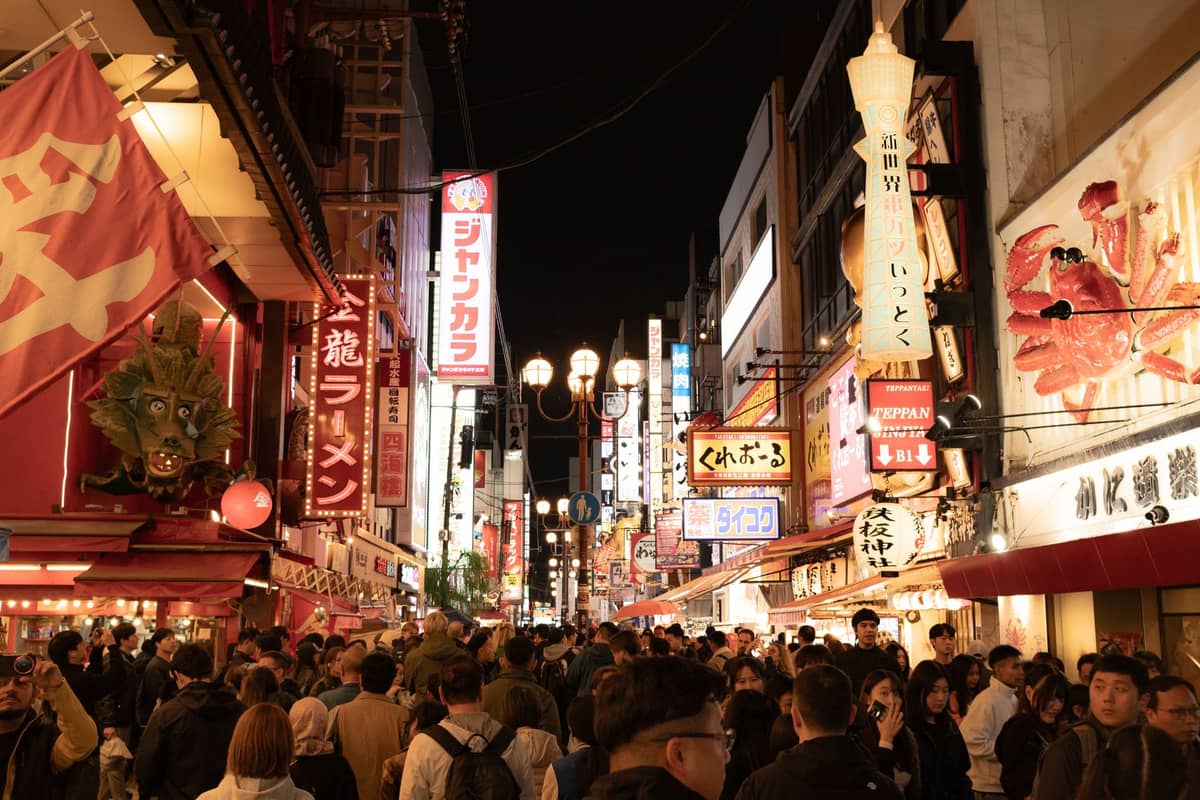
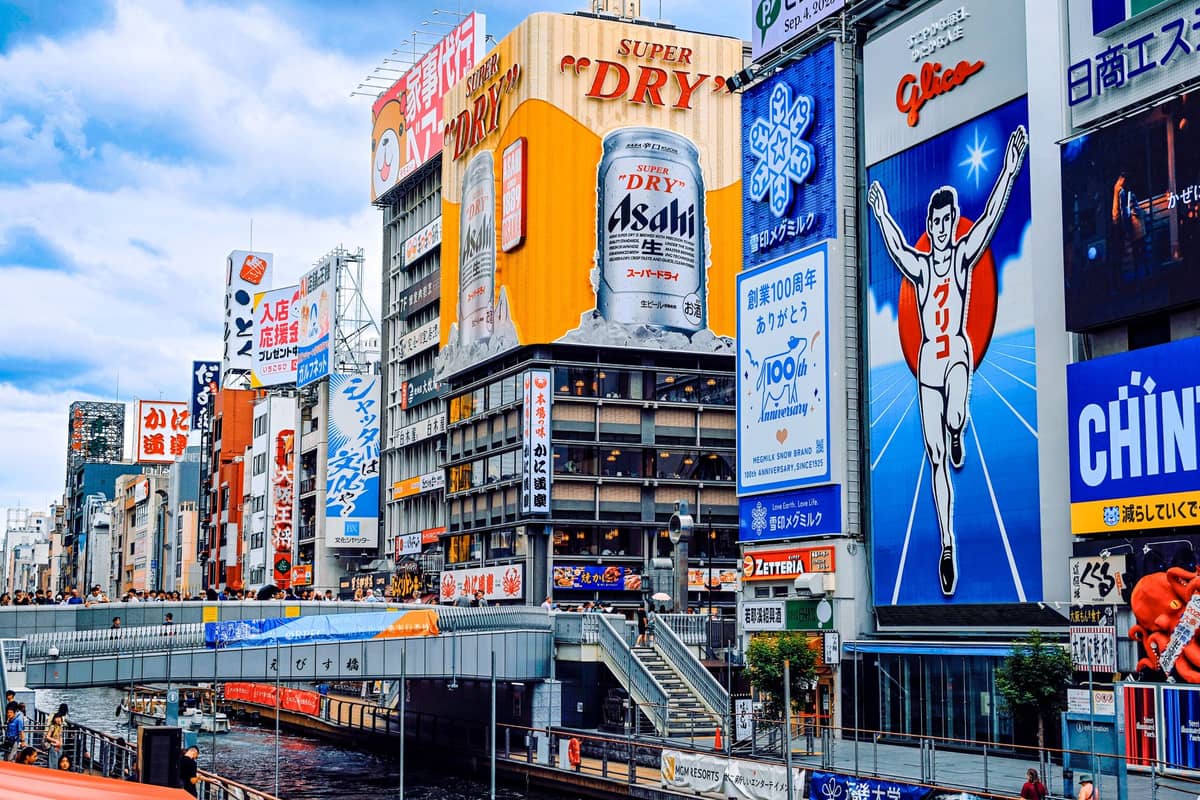
Osaka has been a merchant city for centuries, and that commercial DNA is still visible in how the city is built. The Kansai dialect even has a phrase, "kuidaore", roughly meaning "eat yourself bankrupt" — but Osakans apply the same enthusiasm to spending generally. Shopping here isn't a detour from the main event; in many neighborhoods, it is the main event. The city's major shopping zones are all well-served by Osaka Metro and JR lines, making it practical to visit several districts in a single day.
What separates Osaka from other Japanese shopping cities is the density. Department stores, underground malls, covered shotengai (shopping arcades), discount drugstores, and specialty shops are layered on top of each other in a way that rewards slow exploration. You can spend half a day in Umeda without setting foot outside and still not see everything.
Umeda: Department Stores and Premium Retail
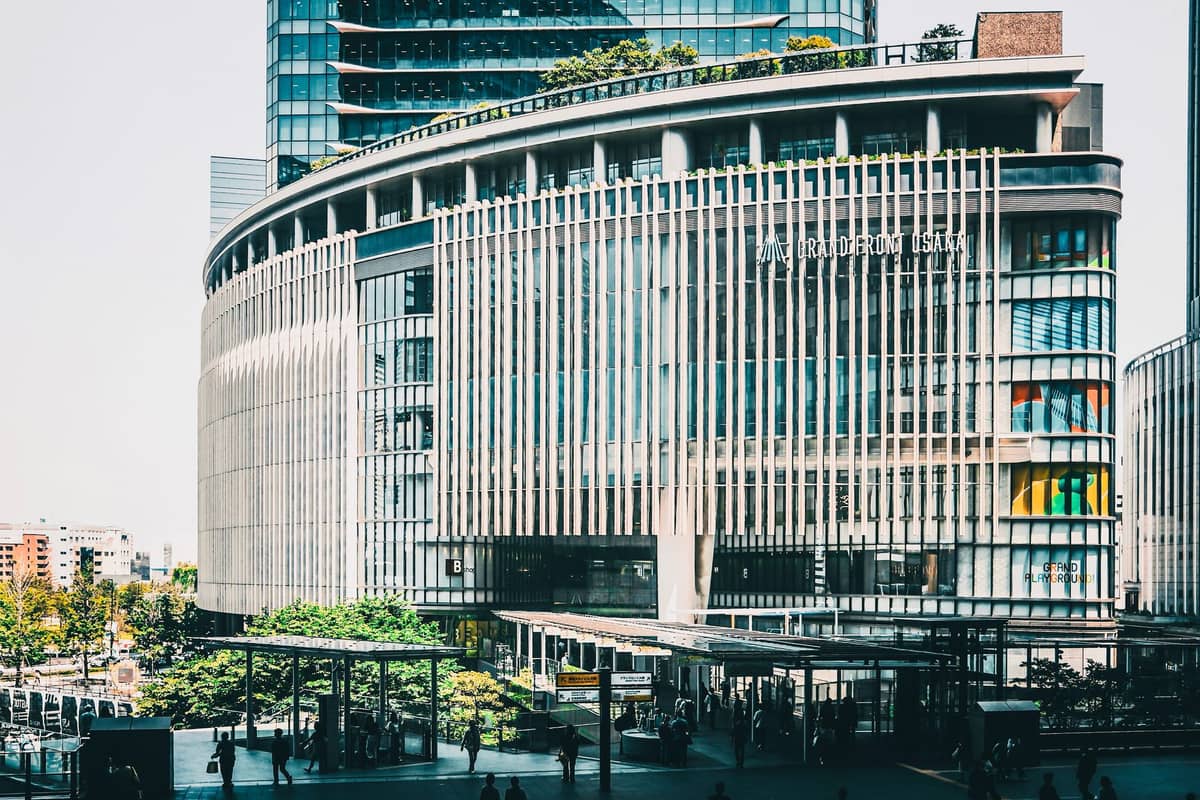
The Umeda and Osaka Station area is the city's most concentrated pocket of high-end retail. Hankyu Department Store, one of Japan's most prestigious, anchors the north end of the district. Nearby you'll find Hanshin Department Store (notably strong on food floors and Koshien baseball merchandise), Lucua and Lucua 1100 inside the station complex itself, and Grand Front Osaka — a sprawling multi-building development north of the station with designer boutiques, lifestyle shops, and a tax-free counter. KITTE Osaka, which opened in the Umeda area, adds further options. See our guide to Osaka neighborhoods if you're deciding where to base yourself.
What to buy here: high-quality wagashi (Japanese confectionery) from established Kyoto and Osaka brands sold in department store basement food halls (depachika), Japanese cosmetics and skincare from brands like Hada Labo and SK-II at better prices than many home countries, mid-to-high-end fashion from both Japanese and international labels, and packaged regional food products that make excellent gifts. The depachika floors alone justify a visit — even if you're not buying, the presentation is extraordinary.
✨ Pro tip
Department store basement food halls (depachika) in Umeda are at their best in the hour before closing, when staff discount prepared foods and bento boxes by 20–50%. It's not the premium experience, but it's excellent value for picking up packaged snacks and sweets to take home.
Shinsaibashi and Namba: The Arcade Belt
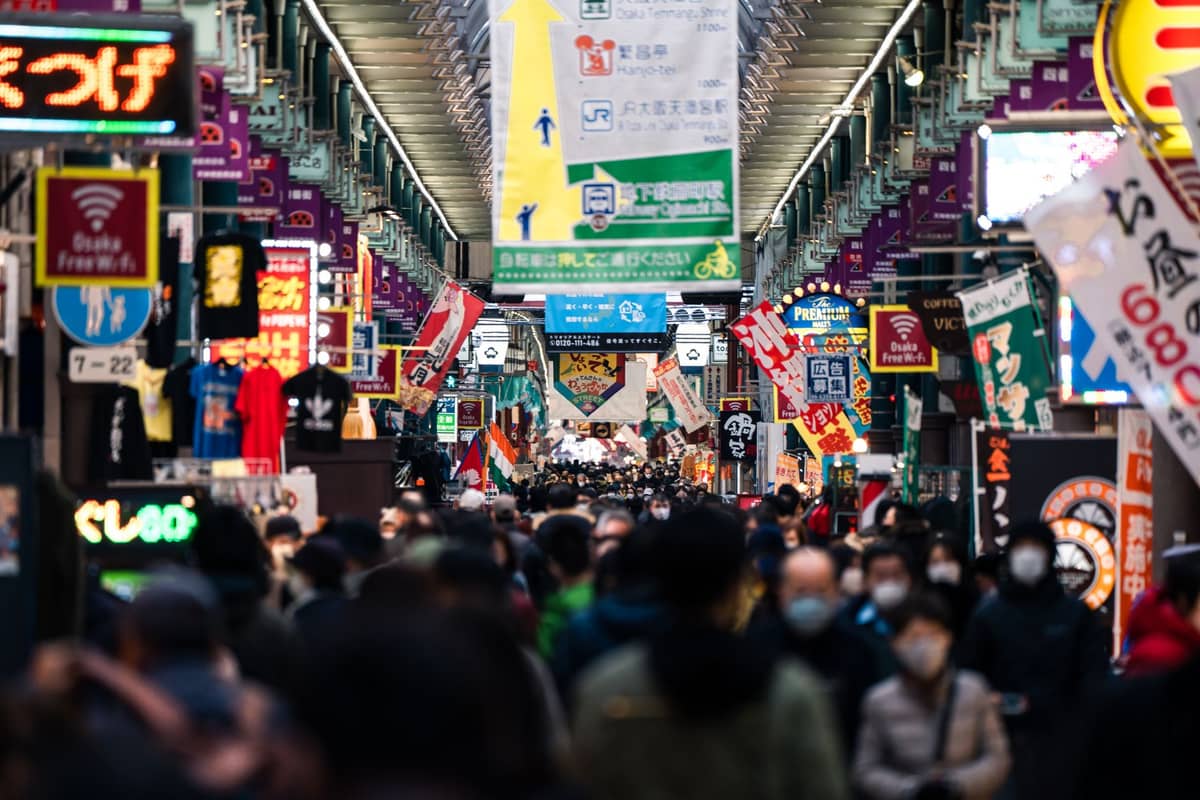
The stretch between Shinsaibashi and Namba is where most visitors spend the bulk of their shopping time, and for good reason. The Shinsaibashi-suji shopping arcade runs for roughly 600 meters under a covered roof, lined with chain fashion stores (Zara, Uniqlo, GU), drugstores (Matsumoto Kiyoshi, Daikoku), 100-yen shops, and souvenir stores selling Osaka-branded snacks and goods. It's accessible, walkable, and genuinely useful for picking up everyday items at competitive prices.
Heading south toward Namba, the character shifts slightly. Namba Parks is a multi-story mall built on rooftop gardens that's stronger on mid-range Japanese fashion and lifestyle brands. The underground Namba Walk connects multiple stations and has additional retail. The surrounding streets around Dotonbori are saturated with souvenir shops selling takoyaki kits, Glico Man merchandise, and Osaka-themed goods — quality varies enormously, so compare prices before committing.
- Shinsaibashi-suji Arcade Best for: drugstore cosmetics, 100-yen shop goods, chain fashion (Uniqlo, GU), souvenirs. Open roughly 11:00–21:00 for most shops.
- Namba Parks Best for: mid-range Japanese fashion brands, lifestyle goods, dining breaks. Multiple floors with a rooftop garden.
- Dotonbori street-level shops Best for: Osaka-themed souvenirs and food gifts. Prices are often higher than elsewhere — check the same item in a nearby drugstore before buying.
- Amerikamura (America Village) A short walk west of Shinsaibashi: vintage clothing, streetwear, independent boutiques, and record shops. Younger crowd, more curated finds.
⚠️ What to skip
Souvenir shops directly on the Dotonbori strip often charge 20–40% more than the same products at a drugstore or supermarket two streets away. Kit Kat matcha boxes, face masks, and popular snacks are all available at Matsumoto Kiyoshi or Don Quijote at considerably lower prices. Walk two minutes off the main drag before you buy.
Den Den Town: Electronics, Anime, and Hobby Goods
Den Den Town (Nipponbashi) is Osaka's equivalent of Akihabara, concentrated along Sakaisuji street south of Namba. You'll find large electronics retailers, manga and anime merchandise shops, figure collectibles, retro game stores, and hobby-supply shops. It's a shorter and slightly calmer strip than Akihabara, but the range for electronics and anime goods is genuinely strong. For a broader look at Osaka's anime and otaku culture scene, the Osaka anime guide covers additional spots.
Practical notes: large electronics items like cameras or laptops are often region-locked or come without English firmware, so verify compatibility before buying. Smaller electronics (adapters, cables, portable chargers, handheld gaming accessories) are generally safe bets. Tax-free thresholds apply here as elsewhere — keep your passport ready at the register.
Other Shopping Districts Worth Knowing
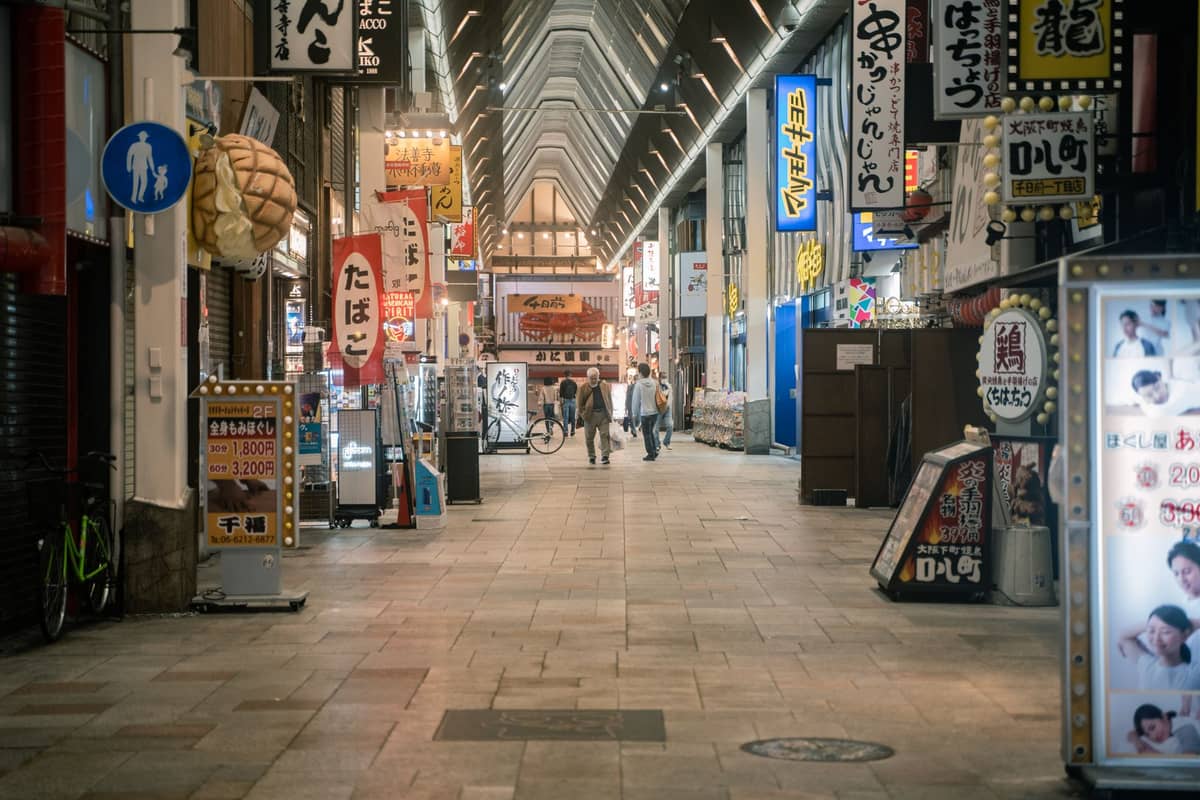
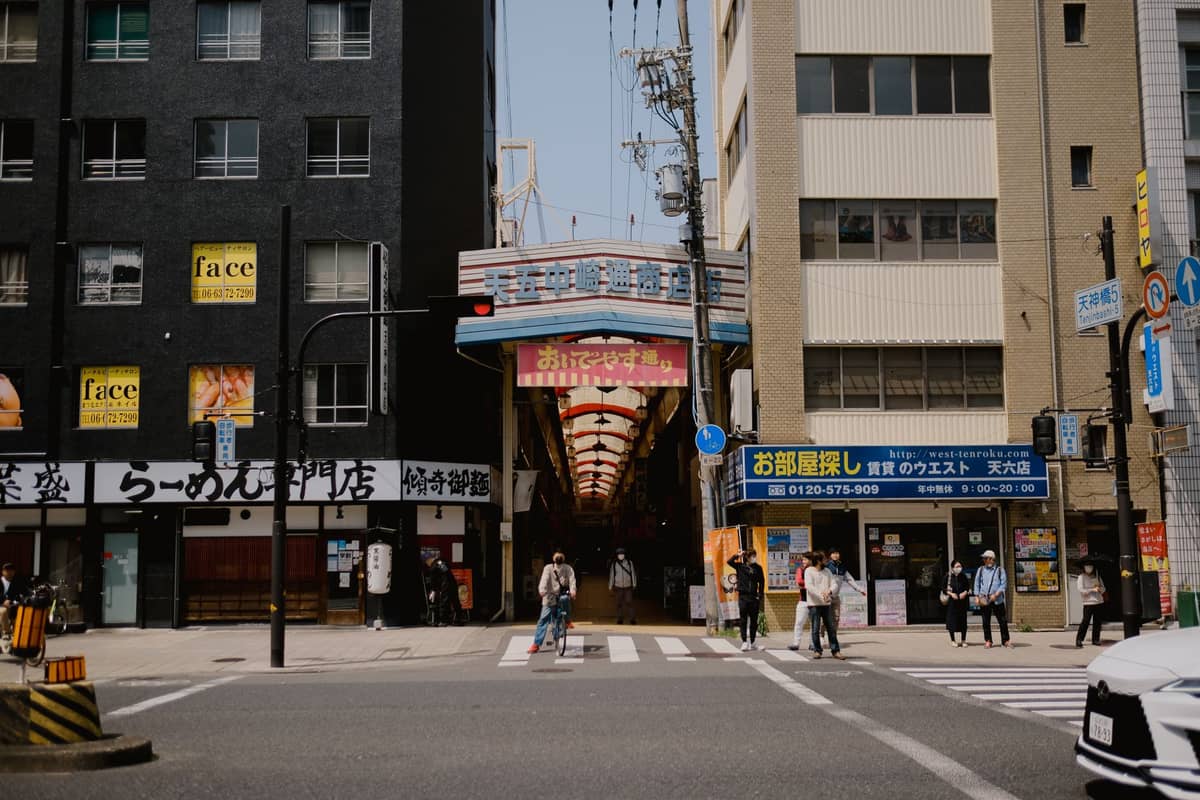
Beyond the big three zones, a few areas cater to specific interests. Tenjinbashisuji shopping street in northern Osaka claims to be the longest covered shopping arcade in Japan at around 2.6 kilometers, running from Tenjimbashi to Tenjinrokkucho. It's a genuinely local experience: everyday goods, family-run shops, cheap restaurants, and very few tourists. Prices are lower and the atmosphere more neighborhood-scale than anything in Namba.
The Kuromon Ichiba Market is primarily a food market but deserves mention for food-gift shopping: dried seafood, specialty pickles, fresh produce, and local condiments. It's a short walk from Namba and is best visited in the morning. Sennichimae Doguyasuji nearby is a specialist street for professional kitchen equipment — knives, lacquerware, chopsticks, and ceramic tableware at wholesale-adjacent prices. It's one of the best places in Osaka to buy quality kitchenware to take home.
For vintage and independent retail, Amerikamura and the nearby Nakazakicho area offer a different pace entirely: independent boutiques, second-hand clothing in good condition, small design shops, and the kind of finds that don't exist in malls. Nakazakicho in particular has a thoughtful, design-conscious character that's a genuine contrast to the volume of Shinsaibashi.
Tax-Free Shopping: How It Actually Works
Japan's tax-free system for foreign visitors is one of the most generous in Asia, but it comes with conditions that confuse a lot of first-time visitors. Here's what you actually need to know.
- Only stores registered and displaying the official 'Tax-Free Shop' logo can process the exemption. Not every shop in a shopping mall qualifies, even large ones.
- You must show your passport at the point of purchase. Some stores process it at a dedicated counter; others handle it at the register.
- There are minimum purchase thresholds per store per day — under the current system this is typically from ¥5,000 (pre-tax) per category for both consumables (food, cosmetics, medicine) and general goods, though implementation details can vary and rules have been subject to revision. Verify current rules before your trip.
- The goods are supposed to be exported unused. Technically, customs can inspect purchases on departure. In practice, consumables like snacks are rarely checked, but be aware of the formal requirement.
- Grand Front Osaka, Daimaru Shinsaibashi, Hankyu Umeda, and KITTE Osaka all have clearly marked tax-free counters or service desks. Don Quijote stores process tax-free purchases at the register.
ℹ️ Good to know
Japan's tax-free rules for visitors were under review as of 2024–2025, with potential changes to the system being discussed. The broad framework remains in place, but confirm current purchase thresholds and eligible categories on the Japan Tourism Agency's official tax-free page before your visit.
Seasonal Shopping: Sales, Hours, and When to Go
Timing your visit around Osaka's retail calendar makes a measurable difference. Japan's two major sale seasons are summer (typically late July to mid-August) and winter (typically early January, starting January 2). Winter sales in particular are dramatic — department stores open with fukubukuro (lucky bags) on January 2, stuffed with goods at a fraction of retail price, and queues form hours before opening. If you're in Osaka in early January, it's worth setting an early alarm.
The flip side: January 1 is effectively a dead day for retail. Most major department stores close entirely on New Year's Day, and December 31 brings shortened hours. If your trip overlaps with this window, plan your serious shopping for December 30 or January 2. Golden Week (late April to early May) and the summer Obon period (mid-August) bring larger crowds to shopping districts without corresponding discounts.
Spring and autumn are generally the most comfortable times to shop, with mild weather making it easy to walk between districts. The best time to visit Osaka guide covers seasonal conditions in more detail if you're planning around both sightseeing and shopping.
💡 Local tip
If you're shopping for clothing, be aware that Japanese sizing runs smaller than European and North American standards. Most stores carry size charts in-store, and staff in major chains like Uniqlo are used to helping international visitors find the right fit. When in doubt, size up.
What to Buy in Osaka: A Practical Category Guide
Not all souvenirs are equal, and Osaka has a distinct identity in Japanese consumer culture. Here's a breakdown of what's genuinely worth buying versus what's overpriced tourist fodder.
- Japanese cosmetics and skincare Drugstores like Matsumoto Kiyoshi and Sundrug stock brands (Hada Labo, Rohto, Shiseido drugstore lines, Canmake) at prices significantly below Western market rates. Stock up here rather than at airport duty-free.
- Food gifts (omiyage) Osaka-specific picks: Crunch Chocolate by Royce, Baumkuchen from department store bakeries, takoyaki-flavored snacks, and local miso products. The depachika food halls in Hankyu and Daimaru are the best single destination for quality food gifts.
- Kitchen equipment Sennichimae Doguyasuji is the right place for serious knife purchases, quality chopsticks, and ceramic tableware at prices that reflect proximity to the wholesale trade rather than tourist markup.
- Fashion Uniqlo and GU offer Japanese-market exclusives not available overseas. Amerikamura is the go-to for vintage and streetwear. Shinsaibashi-suji handles mid-range international brands efficiently.
- Electronics and hobby goods Den Den Town for anime figures, retro games, and hobby supplies. For cameras and consumer electronics, verify region compatibility before buying. Smaller accessories (cables, portable batteries) are universally compatible.
- Traditional crafts Less obvious in Osaka than in Kyoto, but department store craft sections and Tenjinbashisuji's independent shops carry lacquerware, fans, and fabric goods. For a deeper selection of traditional items, Kyoto is the better option — easily reached via a short train ride.
FAQ
What are the best shopping areas in Osaka?
The three main zones are Umeda (department stores, premium retail, depachika food halls), Shinsaibashi-suji and Namba (covered arcade, chain fashion, souvenirs, drugstores), and Den Den Town/Nipponbashi (electronics, anime, hobby goods). For a more local experience, Tenjinbashisuji — reportedly Japan's longest covered shopping street — is significantly less touristy and cheaper.
How does tax-free shopping work in Osaka?
Foreign visitors who entered Japan within the past six months can claim a consumption tax exemption at registered tax-free stores, identified by the official logo. You must present your passport at the time of purchase. There are minimum spend thresholds per store (currently from around ¥5,000 pre-tax per store per day, but verify current rules as these have been subject to change). Not every store in a shopping complex qualifies — check for the logo at the entrance or ask staff.
What time do shops open and close in Osaka?
Most department stores and major malls open around 10:00 and close around 20:00–21:00. Covered shopping arcades like Shinsaibashi-suji appear open later due to lighting, but individual shops close by 20:00–21:00. On January 1, major department stores are closed entirely. December 31 has shortened hours. Don Quijote locations are among the few retail options that stay open much later, with some central Osaka branches operating until 4:00 or even 24 hours.
Is shopping in Osaka cheaper than Tokyo?
Price differences between Osaka and Tokyo are minimal for most goods — both cities have similar retail pricing structures. Where Osaka can be better value is in local food products, market shopping (Kuromon Ichiba), and wholesale-adjacent specialist streets like Doguyasuji. Don't base a trip primarily on cost comparison between the two cities for retail goods.
What should I buy in Osaka that I can't easily get elsewhere?
Osaka-specific food gifts (takoyaki snacks, local sweets from depachika brands), professional kitchen equipment from Sennichimae Doguyasuji, and independent fashion and vintage finds from Amerikamura and Nakazakicho. For traditional crafts in depth, Kyoto (30–45 minutes by train) has a stronger selection — worth combining into a day trip.