Den Den Town (Nipponbashi): Osaka's Otaku District Explained
Den Den Town, officially known as Nipponbashi Denden Town, is Osaka's answer to Tokyo's Akihabara: a dense stretch of electronics retailers, anime merchandise shops, retro game stores, and maid cafes running along Sakaisuji Avenue in Naniwa-ku. Entry is free, the district rewards slow exploration, and it reads completely differently depending on what time of day you arrive.
Quick Facts
- Location
- Nipponbashi, Naniwa-ku, Osaka (along Sakaisuji Avenue)
- Getting There
- Nipponbashi Station (Osaka Metro Sakaisuji & Sennichimae Lines); also Ebisucho Station (Sakaisuji Line). About 10 min walk southeast from Namba.
- Time Needed
- 1.5 to 3 hours for a thorough browse; longer if you shop seriously
- Cost
- Free to enter the district; purchases in individual stores priced in JPY
- Best for
- Anime fans, retro gamers, electronics hunters, pop culture travelers
- Official website
- www.nippombashi.jp
What Den Den Town Actually Is
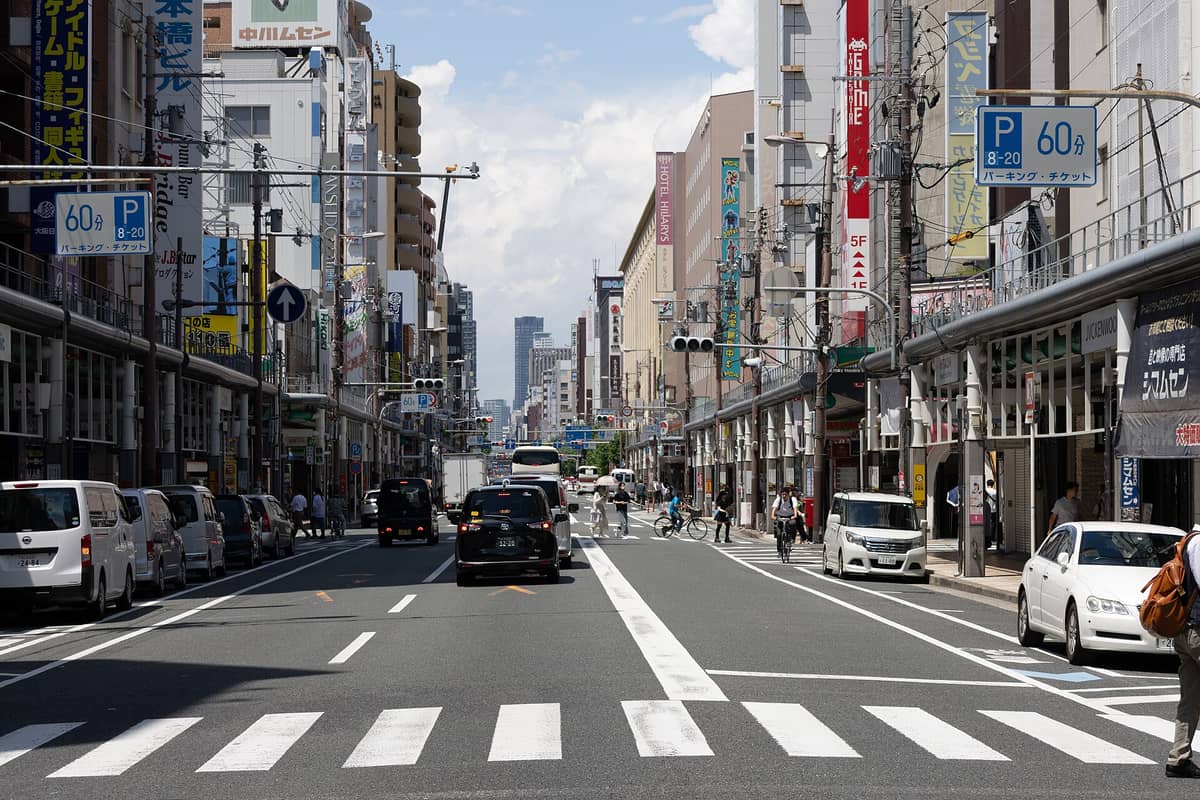
Den Den Town (でんでんタウン) is not a building or a ticketed attraction. It is an open urban shopping district occupying several blocks along Sakaisuji Avenue in Nipponbashi, south of central Osaka. The official Japanese name is 日本橋でんでんタウン, and the area spans roughly across Naniwa-ku and Chuo-ku. Think of it as a curated street, not a mall: dozens of independently operated shops line both the main avenue and the narrower parallel lane known as Ota Road (Otaroad), which has become the dense epicenter of anime, manga, and cosplay goods.
The district earned its nickname from 'denki no machi' (電気の街), meaning 'electric town', a label that once described its identity as Osaka's primary destination for consumer electronics and electrical components. That character has shifted considerably. While some legacy electronics and component shops remain, the majority of the district now caters to the otaku market: figures, doujinshi (self-published comics), trading cards, vintage game cartridges, idol merchandise, and maid cafe experiences. If you arrive expecting rows of laptop deals, you will find a different city.
ℹ️ Good to know
Den Den Town has no district-wide opening hours. Most shops open around 11:00 and close by 19:00 or 20:00. A few specialist stores keep shorter hours. Arriving before 11:00 means shuttered storefronts.
The Experience at Different Times of Day
Mornings before 11:00 are quiet to the point of stillness. Sakaisuji Avenue carries some commuter traffic, but the shops are closed and the district feels like any other commercial street. This is not the time to visit. The district comes to life gradually from 11:00 onward, and the real atmosphere builds through early afternoon when foot traffic peaks among both tourists and local regulars.
Weekday afternoons offer the most relaxed browsing. Shops are staffed but not crowded, and you can take time flipping through bins of discounted manga volumes or examining shelves of figurines without being jostled. The air in the smaller shops carries the faint smell of printed paper and plastic packaging, a specific sensory signature of collector spaces that regulars will recognize immediately.
Weekends shift the atmosphere considerably. Younger visitors arrive in groups, some in cosplay, and Ota Road in particular fills up with people moving slowly between shops. The narrow lane becomes genuinely crowded by mid-afternoon. If you are a focused shopper with a specific list, weekday mornings after 11:00 are more efficient. If you want to absorb the social energy of the district and watch Osaka's otaku culture in motion, a Saturday afternoon is more representative.
Tickets & tours
Hand-picked options from our booking partner. Prices are indicative; availability and final rates are confirmed when you complete your booking.
Kyoto historical cycling tour with the Golden Pavilion
From 73 €Instant confirmationFree cancellationKyoto Zen Meditation and Garden Tour at a Zen Temple
From 67 €Instant confirmationFree cancellationFushimi Inari hidden hiking tour
From 50 €Instant confirmationFree cancellationHimeji Castle Town Guided Bike Tour with Lunch
From 75 €Instant confirmationFree cancellation
The Layout: Main Strip vs. Ota Road
The main shopping street runs north to south along Sakaisuji Avenue, beginning roughly one block south of Nipponbashi Station's Exit 5. This stretch hosts some of the larger-format retailers: multi-story stores selling electronics, appliances, and audio equipment alongside newer anime chains. The signage is dense and layered, with shop names stacked on top of each other up narrow building facades.
Ota Road, a parallel side street, is where the district's subculture character is most concentrated. The lane is narrower and less trafficked by general pedestrians, which gives it a slightly different atmosphere: more specialist, more niche. Shops here tend toward used goods, doujinshi, specific franchise merchandise, and adult-oriented collector items. Some storefronts have themed window displays that change with seasonal releases or event tie-ins.
For context, this district functions as Osaka's equivalent of Tokyo's Akihabara, though it is smaller in scale and has a more compact footprint. If you are comparing Osaka and Tokyo itineraries, Den Den Town covers similar cultural ground but in a more walkable, less overwhelming format. You can pair it with a visit to nearby Kuromon Ichiba Market for a complete contrast within the same afternoon, since the two are only about 10 minutes apart on foot.
Historical Context: From Electronics Hub to Otaku District
Nipponbashi's development as a commercial zone for electronics dates to the postwar period, when demand for consumer electronics, radio components, and later televisions and audio equipment drove the growth of specialist retailers in the area. Through the 1970s and 1980s, Nipponbashi was the place Osaka residents went to buy appliances, components, and cutting-edge consumer tech, much as Akihabara served Tokyo.
The shift toward anime, manga, and gaming merchandise accelerated through the 1990s and into the 2000s, tracking Japan-wide trends in fan culture and the commercial growth of the otaku market. Large electronics chains increasingly consolidated sales in out-of-town big-box retail, leaving the older independent shops in Nipponbashi to find new niches. Many pivoted to manga, games, figures, and collectibles, which did not require the same kind of warehouse infrastructure and benefited from a dense, walkable retail environment.
Today, the legacy electronics identity survives in pockets: some shops still specialize in electrical components, vintage audio gear, or electronic parts for hobbyists. They sit alongside maid cafes and idol goods stores without much apparent friction, which says something about how organically the district evolved rather than being redesigned from above.
💡 Local tip
The Nipponbashi Street Festa, an annual cosplay parade and street event, typically takes place around March and closes Ota Road to traffic. It draws large crowds. If your visit coincides, expect significantly more foot traffic than usual and plan extra time.
What to Actually Look For: Store Types and What They Sell
The district's shops fall into a few recognizable categories. Large chain retailers (familiar names from other Japanese cities) carry new release anime figures, Blu-ray sets, game titles, and official merchandise for current franchises. These are reliable for new goods and usually have multilingual price tags, though the selection mirrors what you would find in similar shops in other cities.
The more interesting browsing, for many visitors, happens in the used and specialty shops. Retro game stores stock cartridges for systems going back decades, often organized by platform with condition graded and priced accordingly. The cartridge bins in some shops are tactile in a satisfying way: the weight of old plastic, faded label printing, the small thrill of recognizing a title. Prices are generally lower than equivalent goods on international resale platforms, though rare titles have been priced up to reflect awareness of export demand.
Doujinshi shops carry self-published manga from independent creators, organized by franchise, genre, or pairing. The range runs from all-ages fan art to explicitly adult material; shops carrying the latter are typically age-restricted and marked clearly. Figurine shops range from sealed boxes of mass-produced trading figures to high-end collectors' pieces in glass cases. If you are shopping for figures, bring reference photos of what you want: staff are often knowledgeable but the volume of stock in some shops requires knowing what you are looking for.
Maid cafes are present throughout the district and represent a specific type of themed dining experience where staff in maid costumes serve drinks and food with performative elements. If you are curious about the format, Den Den Town is a reasonable place to try one. For broader context on how Den Den Town fits into Osaka's pop culture geography, see the Osaka anime guide, which covers other relevant districts and events.
Getting There and Practical Logistics
The most direct access is via Nipponbashi Station on the Osaka Metro Sakaisuji Line or Sennichimae Line. From Exit 5, Den Den Town's retail strip begins about one block south. The walk from Namba Station takes roughly 10 minutes heading southeast, making it easy to combine with time in the Namba area without needing to take additional transit.
Ebisucho Station on the Sakaisuji Line provides access to the southern end of the district if you prefer to walk from south to north. Either approach works; starting from Nipponbashi and walking south toward Ebisucho means you begin where the main retail density is highest and finish near Shinsekai, which has its own distinct character.
The area connects naturally with the Namba area to the west and with Shinsekai to the south, making it workable as a standalone afternoon or as part of a longer south Osaka circuit. If you are building a full day in this part of the city, the combination of Den Den Town, Dotonbori, and Shinsekai covers a wide range of Osaka's street-level character.
The streets along Sakaisuji Avenue are standard urban sidewalks with paved, step-free surfaces and pedestrian crossings. Mobility between individual multi-story shops varies, as elevator and ramp availability is specific to each building rather than standardized across the district. The Nipponbashi General Information Center at 5-9-12 Nipponbashi, Naniwa-ku, provides multilingual tourist assistance and is worth locating if you need orientation or specific shop recommendations.
⚠️ What to skip
Cash is still preferred or required in a number of smaller specialty shops in Den Den Town. Carry yen. Larger chain stores typically accept major credit cards and IC cards, but do not assume card payment is universally available.
Photography and Honest Expectations
Den Den Town photographs well under certain conditions. The stacked signage along the main strip, neon-lit shop facades, and cosplay sightings on busy weekends all make for visually interesting street photography. The light is better in the late afternoon when direct sunlight catches the signage at an angle. Ota Road's narrower lanes, with shop displays visible through windows, offer close-up compositions that capture the density of the district.
Inside individual shops, photography policies vary. Some stores prohibit photography of merchandise entirely; look for posted signs before raising your camera. Staff will usually indicate if photography is not permitted. Asking before shooting in any shop is both courteous and practically safer in terms of avoiding confrontation.
A candid note on expectations: if you are not already interested in anime, manga, retro games, or electronics components, Den Den Town will not convert you. The district has a clear, specific identity, and its appeal scales directly with your interest in that material. Travelers on a general Osaka itinerary who are short on time might reasonably skip it and focus on areas like Dotonbori Canal or Shinsaibashi-suji shopping street, which offer broader appeal. Den Den Town rewards visitors who know what they are looking for.
Insider Tips
- The best prices on used retro games are typically found in the bins on lower floors or in slightly off-the-main-strip shops rather than in the main display cases on upper floors, which tend to have graded, priced-for-condition stock aimed at collectors.
- If you are looking for a specific figure or item, check the large chain stores first for availability confirmation, then check nearby used shops to see if a pre-owned copy exists at a lower price. The geography of the district makes comparison shopping on foot easy.
- The Nipponbashi Street Festa cosplay event usually occurs in March and transforms the district significantly. If you are planning a visit around that period, check dates in advance: it is both a good reason to visit and a reason to budget extra time.
- Ota Road's most specialist shops, including some doujinshi retailers, are not always marked in English. Walk the full length of the lane rather than stopping at the first few shops, since the stock varies considerably between outlets.
- Some maid cafes charge a table fee in addition to food and drink prices. The cost structure is worth confirming before sitting down, particularly in smaller establishments without English menus posted at the door.
Who Is Den Den Town (Nipponbashi) For?
- Anime and manga collectors looking for Osaka-specific stock and used goods not easily sourced internationally
- Retro gaming enthusiasts wanting to browse physical cartridge collections across multiple platforms
- Travelers with a specific interest in Japanese pop culture who want a more compact, less overwhelming alternative to Akihabara
- Pop culture tourists visiting Osaka for the first time who want to understand the otaku district culture
- Photography enthusiasts interested in dense urban signage and street-level subcultural aesthetics
Nearby Attractions
Other things to see while in Namba:
- Kuromon Ichiba Market
Kuromon Ichiba Market is a long-running covered food arcade in Osaka's Namba district, packed with fresh seafood, grilled skewers, and produce stalls. Free to enter and open from morning, it draws both professional chefs and curious travelers looking to eat their way through one of Japan's great food cities.
- Namba Yasaka Shrine
Namba Yasaka Shrine is a traditional Shinto shrine in central Osaka, instantly recognizable for its colossal lion-head stage structure standing 12 meters tall. Admission is free, the grounds are open from early morning, and the shrine sits just a short walk from the chaos of Dotonbori, making it one of the most rewarding and unexpected stops in the Namba area.
- National Bunraku Theatre
The National Bunraku Theatre in Osaka's Namba district is the dedicated home of bunraku, Japan's 400-year-old puppet theatre tradition and a UNESCO Intangible Cultural Heritage. Whether you come for a full performance or a free visit to the exhibition room, this is one of Osaka's most culturally significant and underappreciated attractions.
- Sennichimae Doguyasuji Shopping Street
Sennichimae Doguyasuji is a covered shopping arcade in Namba lined with hundreds of shops selling professional cookware, tableware, and restaurant supplies. Free to enter and a short walk from Namba Station, it offers a rare look at the trade infrastructure behind Osaka's celebrated food culture.