Osaka in Winter: What to Expect & Is It Worth It?
Thinking about visiting Osaka between December and February? This guide covers the real winter weather, what's open, the best seasonal events, crowd patterns, and a clear take on whether a winter trip makes sense for you.
Plan and book this trip
Tools from our partner Travelpayouts help you compare flights and hotels. If you book through them, we may earn a commission at no extra cost to you.
Flights
Hotels map
TL;DR
- Winter temperatures in Osaka range from roughly 2°C at night to 12°C during the day — cold, but manageable with the right layers.
- Snow in the city center is rare. Expect dry, clear days more often than rain or sleet.
- Crowds are lower in early December and February, but spike around Christmas, New Year, and some January holidays — see the full best time to visit Osaka breakdown.
- Major attractions like Osaka Castle stay open through winter, with only brief closures around New Year's Day.
- Winter illumination events, cheaper accommodation, and fewer queues make this an underrated time to visit.
Winter Weather in Osaka: The Real Numbers
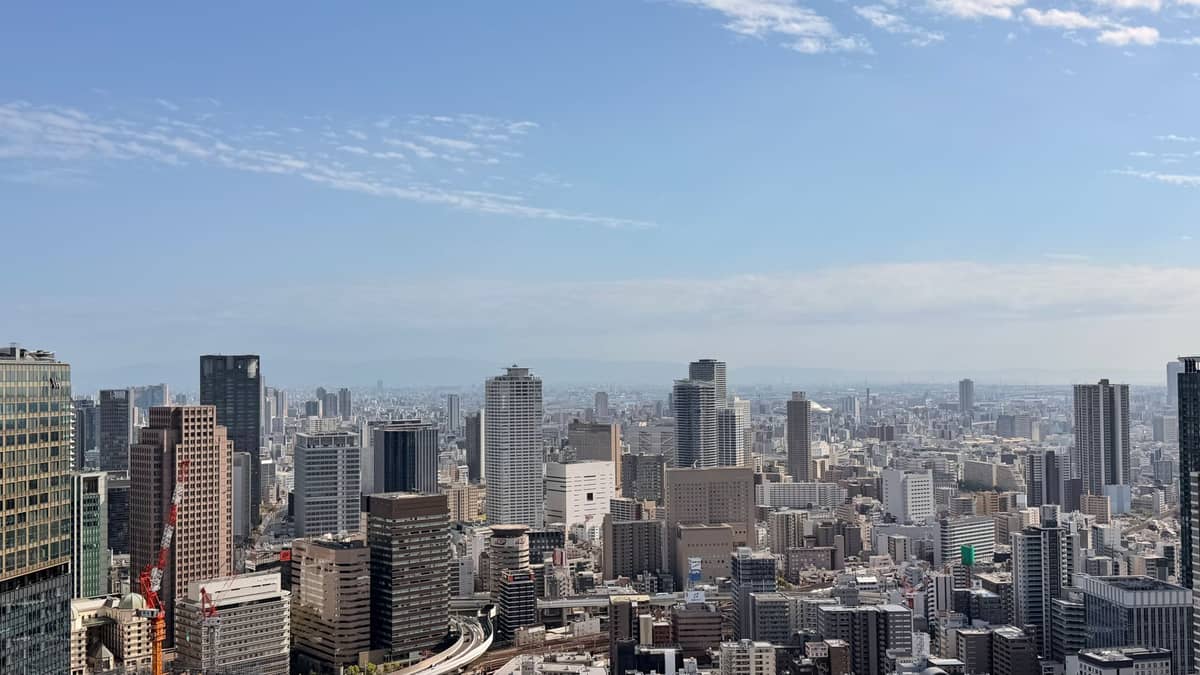
Osaka sits on a coastal lowland in the Kansai region with a humid subtropical climate. That means winters are cool and relatively dry, not the snowbound deep-freeze that defines northern Japan. If you're expecting Hokkaido-style blizzards, you'll be surprised. If you're dreading them, you'll be relieved.
- December Daytime highs around 11–12°C, overnight lows around 4–5°C. Feels crisp but pleasant in the middle of the day.
- January The coldest month. Highs around 9–10°C, lows dropping to 2–3°C. Frost is possible overnight, but ice on streets is uncommon in the city center.
- February Slowly warming but still cold. Highs around 10–11°C, lows around 3°C. Late February can feel noticeably milder than peak January cold.
Snowfall in central Osaka is infrequent. When it does snow, it rarely settles for long. The mountains east and north of the city, and destinations like Mount Koya, get meaningful snowfall, but the flat urban center usually sees only a dusting once or twice per season at most. Winter is also the driest stretch of Osaka's year — far less rain than the June tsuyu season (which averages around 185mm in that month alone). You're much more likely to get clear, sunny winter days than grey, wet ones.
💡 Local tip
Pack a proper mid-layer and a wind-resistant outer jacket rather than an ultra-heavy coat. Osaka's cold is damp and biting on windy days near the waterfront, but indoor venues, metro stations, and covered shopping arcades provide constant warmth. Thermal underlayers make a bigger difference than a bulky coat.
Crowds and Costs: Who Visits Osaka in Winter?
Winter is one of Osaka's quieter travel periods, but it's not uniformly quiet. The season splits into distinct phases that affect both crowd levels and accommodation pricing.
Early to mid-December is genuinely low-season. Hotels are easier to book and cheaper, popular spots like Dotonbori Canal and Osaka Castle have shorter queues, and restaurants don't require long waits. This window is arguably the sweet spot for travelers who want the winter atmosphere without the holiday chaos.
The Christmas-to-New Year period (roughly December 23 through January 3) is a different story. Domestic tourism picks up significantly, popular illumination spots get crowded in the evenings, and accommodation prices rise. The days immediately around January 1 see some closures, though most major attractions and department stores operate with only minor adjustments to their schedules. February is reliably quiet again — often the least-visited month of the year in Osaka — with lower prices and thin crowds across the board.
⚠️ What to skip
Around January 1–3, some smaller restaurants, local shops, and a handful of attractions close or reduce hours for New Year's. Major department stores, chain restaurants, and top tourist sites typically remain open, but check each venue's official website before visiting during this specific window.
What to Do in Osaka in Winter
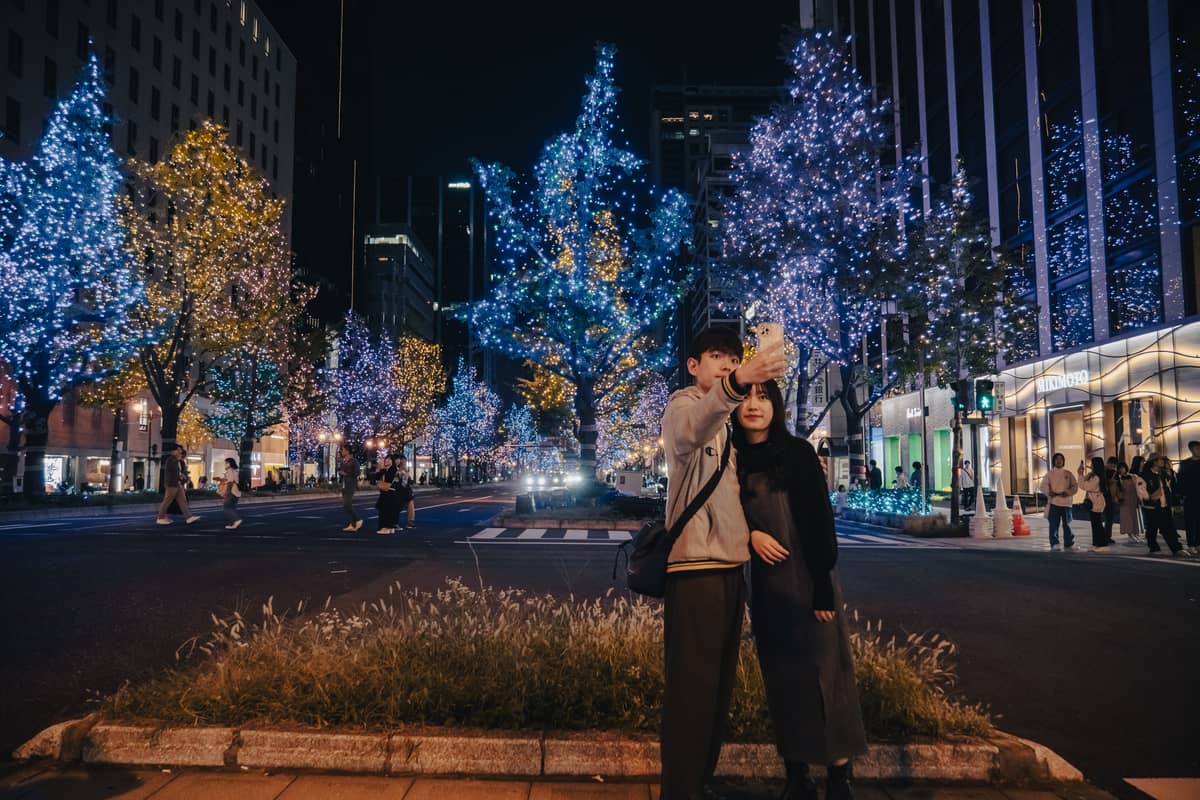
Winter isn't a season when Osaka shuts down — it just shifts. The outdoor activities that dominate spring and autumn give way to indoor culture, food, and nighttime spectacles. Here's what's actually worth your time.
- Illumination events Various light-up events run from late November through February across the city. Check the Osaka Convention & Tourism Bureau website each year for current event dates, as specific locations and schedules change annually.
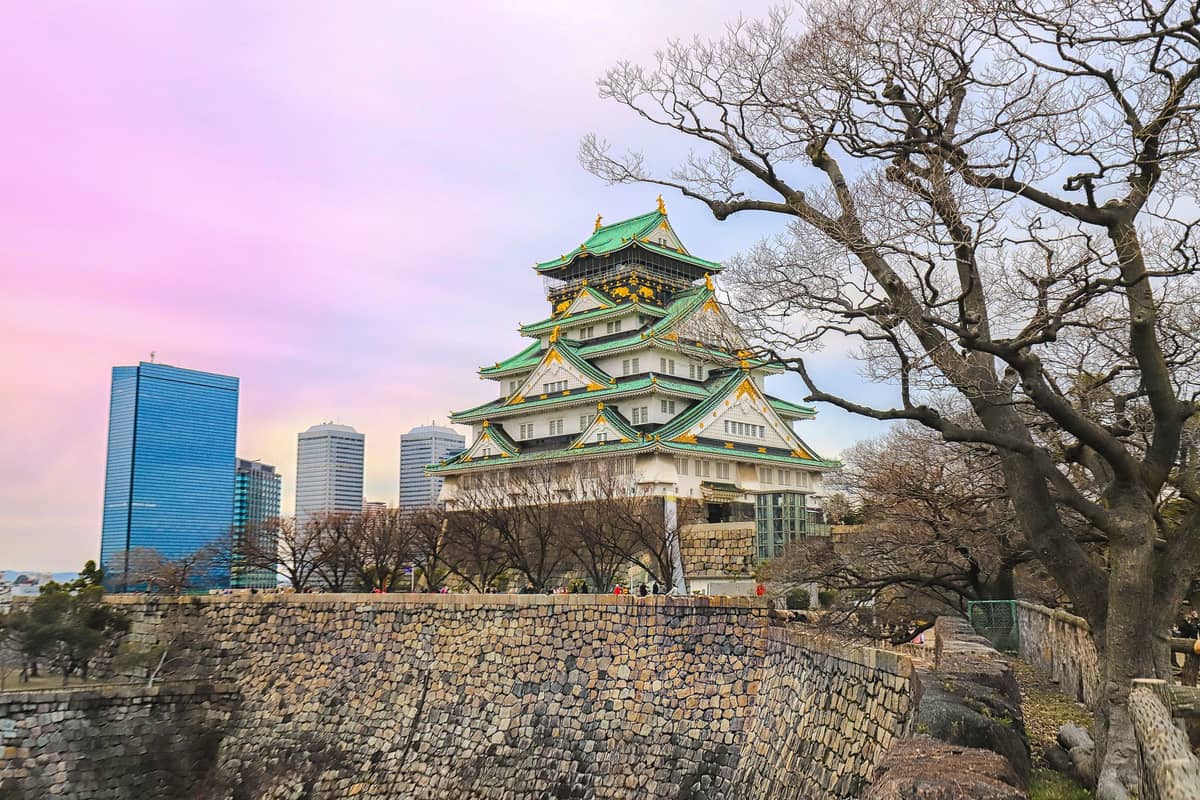
- Osaka Castle The castle keep is open year-round (typically 9:00–17:00, last entry 16:30), and the grounds in winter can be strikingly atmospheric on clear days. Closures are generally limited to New Year's holiday only.
- Museum hopping Winter is ideal for Osaka's indoor cultural offerings, including the Osaka Museum of History, the National Museum of Art, and the science museum — all reachable by metro.
- Kuromon Ichiba Market The covered market stays lively year-round and is a particularly good winter destination since it's sheltered from the cold. Hot prepared foods from vendors make it a practical lunch stop.
- Onsen and spa visits Cold weather is the best argument for a proper onsen session. Several options exist within the city, and day-trip onsen destinations are accessible by train.
- Universal Studios Japan USJ runs its popular winter events and light shows from around November through February, with special seasonal decorations and attractions. Weekdays are noticeably quieter than weekends.
For a deeper look at free and low-cost winter options, the free things to do in Osaka guide covers a range of no-cost attractions that work particularly well in winter, including temple visits and covered shopping streets that keep you warm while you walk.
✨ Pro tip
The long covered shopping arcades — Shinsaibashisuji and Tenjinbashisuji — are underappreciated winter assets. You can walk for blocks completely sheltered from the cold, browsing shops, eating street food, and people-watching without ever needing your jacket. Tenjinbashisuji is approximately 2.6km long and is one of the longest covered shopping streets in Japan.
Food and Drink in Winter Osaka
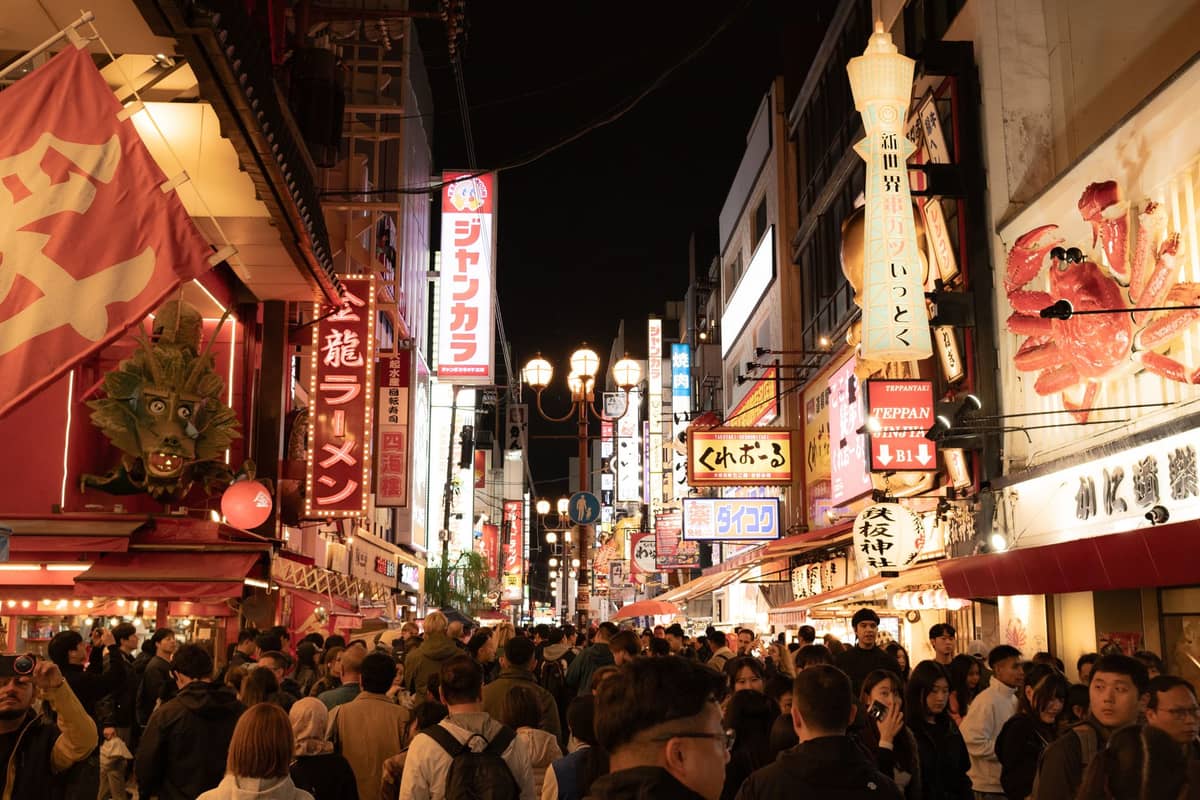
Osaka's identity as a food city doesn't change in winter — if anything, the cold makes the eating better. Osaka's food scene leans into warming dishes during the cold months. Hot pot restaurants (nabe) become particularly popular, along with ramen shops, oden stalls, and the city's beloved kushikatsu (deep-fried skewers) which are always better eaten hot.
Dotonbori remains the densest concentration of food options year-round, with options ranging from cheap takoyaki stalls to sit-down kaiseki restaurants. In winter, the neon reflections on the canal look especially sharp on clear cold nights. For more local alternatives with fewer tourists, Shinsekai to the south is worth the detour — it's the historic home of kushikatsu culture and far less polished than central Dotonbori, in a good way.
Getting Around Osaka in Winter
Osaka's public transport system is one of its biggest advantages in any season, but especially in winter. The Osaka Metro subway network covers the city thoroughly, and the underground stations offer a warm alternative to waiting outside. Trains run frequently and reliably regardless of weather, since significant snowfall that would disrupt services almost never happens in central Osaka.
If you're flying into Kansai International Airport (KIX), the Nankai Railway Airport Express to Namba takes around 44–50 minutes (fares from approximately ¥930–¥980, verify current prices before travel). The JR Haruka Limited Express connects KIX to Tennoji in about 35 minutes and to Osaka Station in around 50 minutes, with base fares starting from approximately ¥1,820 to Tennoji and ¥2,380 to Osaka Station. The getting around Osaka guide covers all transport options in detail.
For frequent sightseeing, the Osaka Amazing Pass bundles unlimited metro rides with free entry to dozens of attractions. In winter, when you're moving between indoor venues regularly, it can offer solid value — especially if you plan to visit several paid attractions across multiple days.
Is Osaka Worth Visiting in Winter?
The honest answer is yes, for most travelers — with some caveats. Winter Osaka rewards people who prioritize food, culture, and atmosphere over outdoor sightseeing in warm weather. The cherry blossoms are gone, the summer festivals are months away, and if you're comparing to spring or autumn purely on natural scenery, winter comes third. That's just the reality.
But the tradeoffs go the other way too. Hotel rates are lower outside the holiday surge. Museum queues are shorter. The streets around Dotonbori are navigable without being shoulder-to-shoulder. And the winter illumination events genuinely add something that other seasons don't have. For travelers combining Osaka with Kyoto or Nara, winter is a strong choice since those destinations are also quieter and more affordable in the off-peak months.
Winter is not the right choice if you're planning a lot of outdoor walking, hiking in the surrounding hills, or visiting garden attractions where cold and bare trees will detract from the experience. For those itineraries, spring or autumn will serve you better. If you're weighing destinations, the Osaka or Kyoto comparison is worth reading, since both cities behave differently in winter and suit different types of travelers.
- Winter is great for: budget travelers, food-focused trips, museum itineraries, couples seeking a less chaotic atmosphere, and anyone who finds peak-season crowds exhausting.
- Winter is less ideal for: families with young children who want outdoor play, travelers prioritizing gardens and parks, and anyone whose main draw is cherry blossoms or autumn foliage.
- Avoid if possible: the New Year's holiday spike (roughly December 28 – January 4) unless you specifically want the festive atmosphere and are prepared for higher prices and some closures.
FAQ
Does it snow in Osaka in winter?
Snowfall in central Osaka is uncommon and rarely sticks. The city's low-lying coastal position keeps temperatures just above the point where snow accumulates. You might see a light dusting once or twice across the whole winter, but planning around snow disruption is unnecessary. The mountains surrounding the Kansai region do get proper snowfall, so day trips to highland areas like Mount Koya can offer a snow experience if that's what you're after.
What should I wear in Osaka in winter?
A warm mid-layer (fleece or down jacket), a wind-resistant outer shell, and thermal underlayers are more practical than a single heavy coat. Comfortable walking shoes with some grip are sufficient — waterproof boots are rarely necessary unless you're visiting on a rare snowy day. Gloves and a scarf are useful for evenings and early mornings when temperatures drop to around 2–5°C.
Are there any special events in Osaka in winter?
Yes. Various illumination events run from late November through early February, and Universal Studios Japan runs its own winter seasonal program. New Year's shrine visits (hatsumode) are a major local tradition — Osaka Tenmangu Shrine and Sumiyoshi Taisha attract large crowds in the first days of January. Exact event dates and locations change each year, so check the Osaka Convention & Tourism Bureau website for current listings.
Is Osaka cheap to visit in winter?
Compared to spring cherry blossom season and the Golden Week holiday in May, yes — winter (outside the Christmas-New Year spike) is generally more affordable. Accommodation is easier to find at better prices in early December and throughout February. Flights and hotel rates rise again around late December through early January due to domestic holiday travel demand.
How does Osaka in winter compare to visiting Kyoto in winter?
Both cities experience similar temperatures since they're close together in the Kansai region. Osaka tends to have more indoor, urban entertainment options that suit cold-weather travel — covered markets, food halls, department stores, and a dense restaurant scene. Kyoto's appeal in winter centers more on temple atmosphere and quieter gardens, which can be beautiful but require more outdoor exposure. Osaka is the stronger choice if warmth and food are your priorities; Kyoto edges ahead if you want serene cultural sites with minimal crowds.