Is Osaka Worth Visiting? Here's What You Actually Need to Know
Osaka is Japan's third-largest city and one of Asia's most compelling urban destinations. But is it worth your limited travel time? This guide cuts through the noise with a clear look at what Osaka delivers — and where it falls short.
Plan and book this trip
Tools from our partner Travelpayouts help you compare flights and hotels. If you book through them, we may earn a commission at no extra cost to you.
Flights
Hotels map
TL;DR
- Osaka is absolutely worth visiting as a standalone destination, not just a base for Kyoto day trips.
- The city's food culture, rooftop views, and neighbourhood variety reward multiple days of exploration — see our full things-to-do guide for the best itinerary anchors.
- Spring (March–May) and autumn (October–November) offer the most comfortable conditions; summer is brutally humid and best avoided unless you're heat-tolerant.
- Transport infrastructure is excellent: Osaka Metro, JR West, and private railways make the city easy to navigate without taxis.
- The Osaka Amazing Pass (¥3,500 for one day) is genuinely useful if you plan to hit multiple paid attractions in a single day.
What Kind of Traveller Will Love Osaka
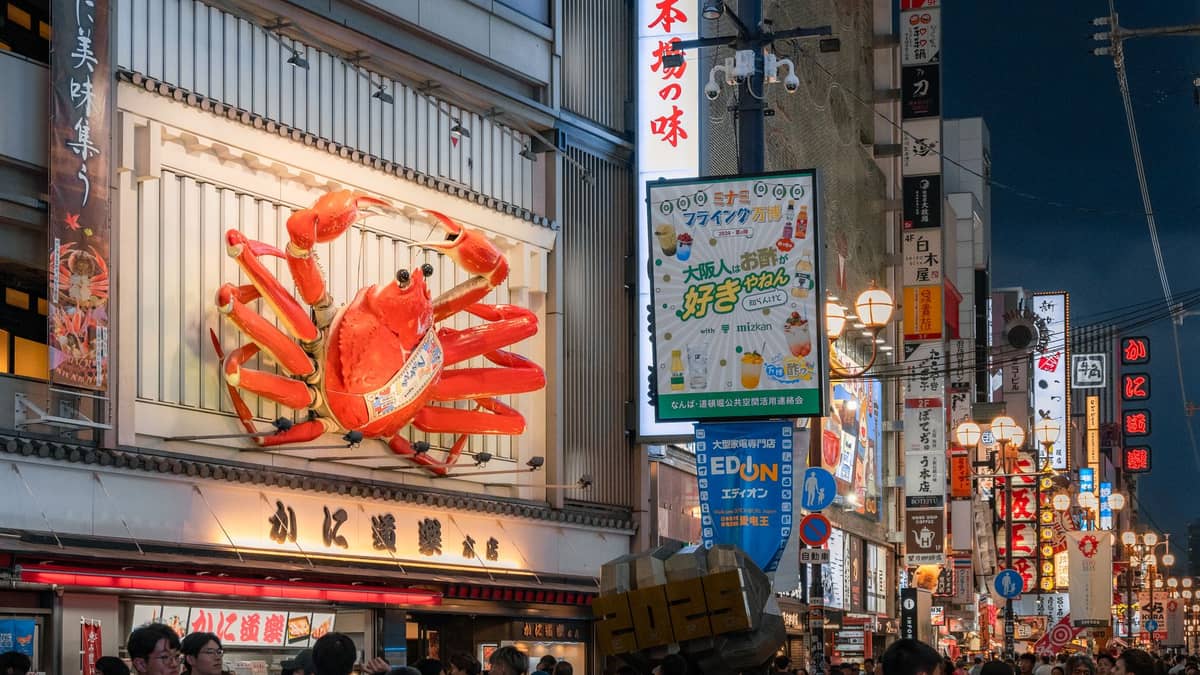
Osaka is, first and foremost, a city built for people who eat. The local culture around food — captured in the phrase 'kuidaore' (eat until you drop) — is not just marketing. Takoyaki, okonomiyaki, kushikatsu, fresh uni from Kuromon market: the density and quality of street food and casual restaurants here is genuinely difficult to match elsewhere in Japan. If you consider food a core part of travel, Osaka should be near the top of your list.
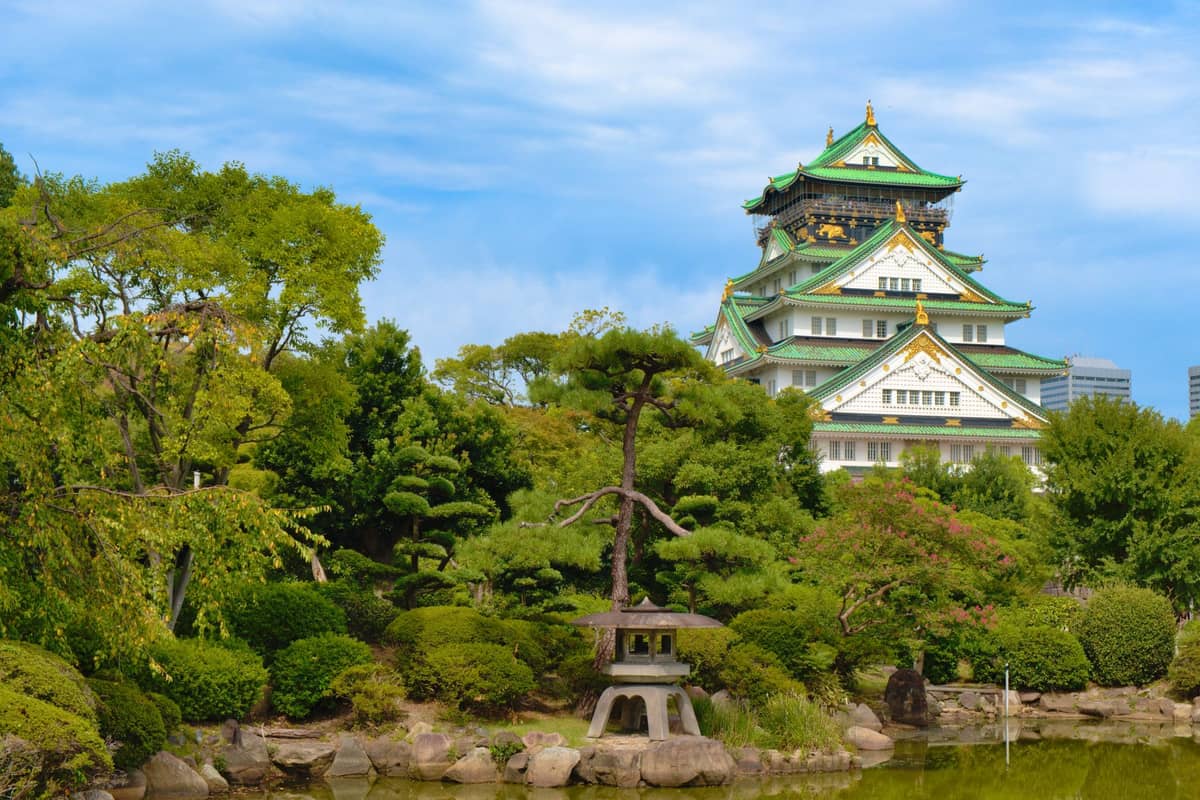
Beyond food, Osaka rewards travellers who are interested in atmosphere over architecture. The city has history — Osaka Castle and Shitennoji Temple are genuinely significant — but it's not Kyoto. If you're after temple-hopping and traditional aesthetics, Kyoto is the stronger choice. Osaka is louder, more commercial, more neon-lit. That's its appeal, not a flaw.
Families with children, budget-conscious travellers, anime fans, and anyone who wants to feel like they're in contemporary Japan — rather than curated, postcard Japan — will find Osaka hits differently and better than the alternatives.
ℹ️ Good to know
Osaka is not for everyone. If you have only 5-7 days in Japan and prioritise temples, traditional culture, and slower-paced sightseeing, splitting time between Kyoto and Nara will likely leave you more satisfied. Osaka earns its place when you give it at least 2-3 full days.
The Food Case: Why Osaka's Reputation Is Earned
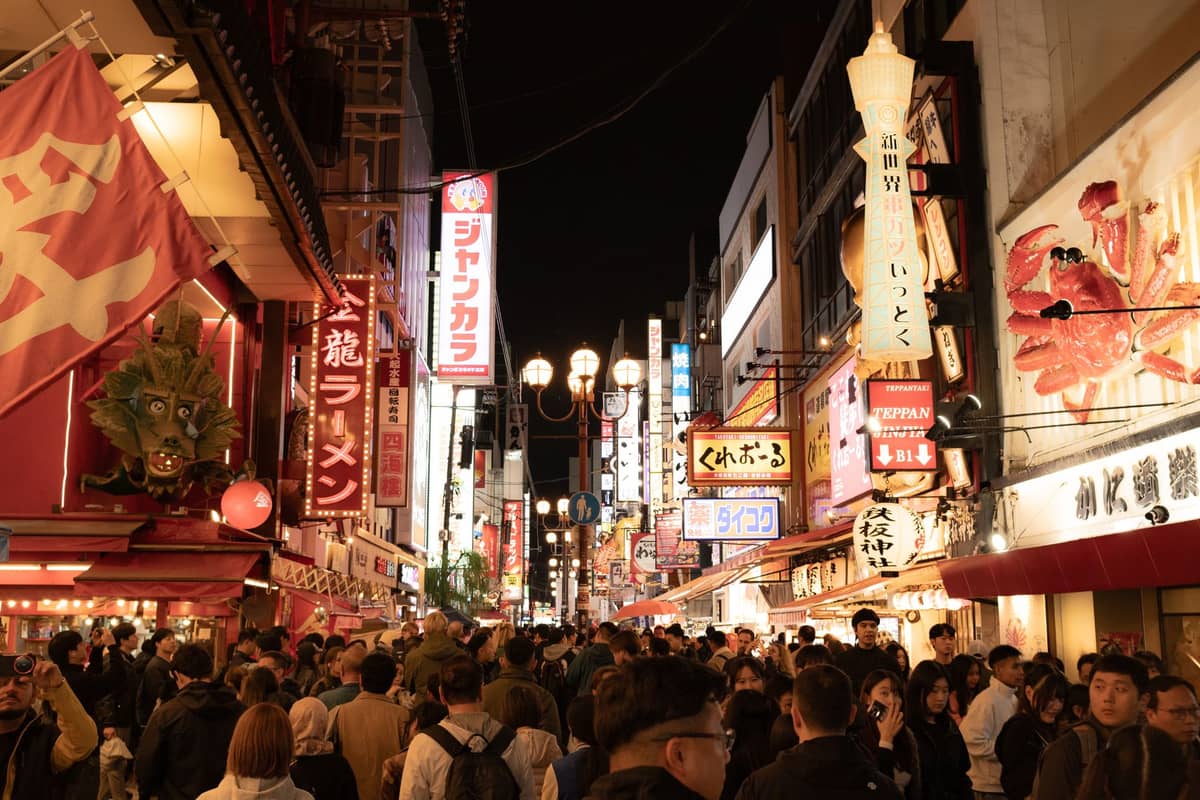
The Dotonbori district is where most first-time visitors start, and while it's undeniably touristy, the food quality around the canal holds up. The problem isn't the area — it's that visitors often buy overpriced takoyaki from the most photographed stalls rather than stepping one block back to find better-value equivalents. Dotonbori is worth an evening walk. Don't eat every meal there.
For a more authentic market experience, Kuromon Ichiba Market is the go-to. Around 180 stalls operate across its covered arcade near Namba, selling fresh seafood, wagyu beef skewers, and seasonal produce. Morning visits (before 10am) catch the market at its most local; by early afternoon the tourist-to-local ratio has shifted considerably. Our Osaka food guide breaks down what to prioritise and what to skip.
- Takoyaki Octopus-filled batter balls cooked on a special iron mould. Get them fresh, with bonito flakes and mayo. About ¥500-700 for 6 pieces at most stands.
- Okonomiyaki Savory pancake with cabbage, meat or seafood, and a layer of sweet-salty sauce. Osaka-style (mixed before cooking) differs from the Hiroshima layered version.
- Kushikatsu Breaded, deep-fried skewers of meat and vegetables. Shinsekai is the traditional neighbourhood for this — not Dotonbori. The no-double-dipping rule for the communal sauce is strictly observed.
- Kitsune udon Udon noodles topped with sweet fried tofu. A classic Osaka dish, warming and cheap at around ¥600-900 in traditional udon shops.
Neighbourhoods Worth Your Time (and One to Approach Carefully)
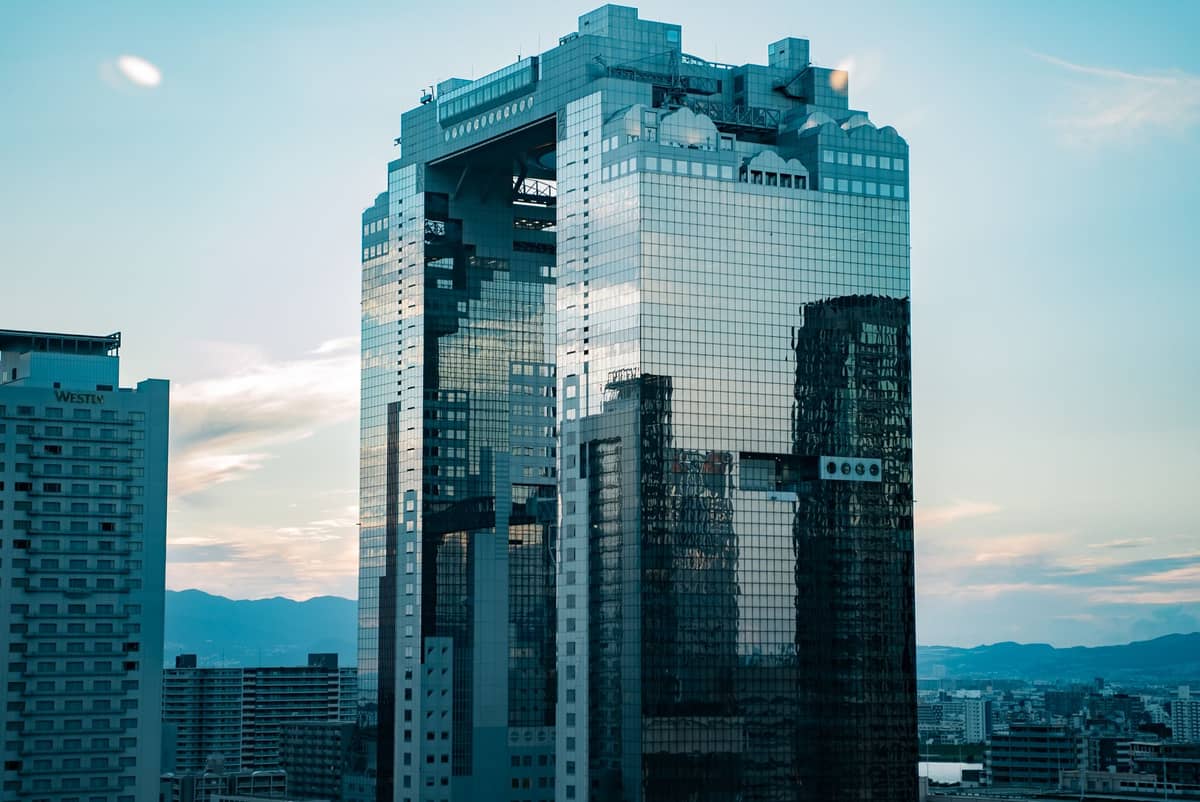
Osaka's character changes dramatically by ward. Umeda in the north is the city's commercial engine: JR Osaka Station, underground shopping malls, and the Umeda Sky Building with its distinctive floating garden observatory. It's practical and has good accommodation options, but it's not where Osaka's personality lives.
For atmosphere, head south. Shinsekai is a pre-war entertainment district centred on Tsutenkaku Tower, with a slightly rough-around-the-edges charm that has been partly gentrified without losing its original energy. The kushikatsu restaurants here are the real deal. Nearby Tennoji anchors one of Osaka's best full-day itineraries, combining the botanical garden, zoo, Shitennoji Temple, and Abeno Harukas — Osaka's tallest skyscraper at 300 metres.
For something quieter, the Nakazakicho cafe district near Umeda is a pocket of narrow lanes with independent cafes, vintage clothing shops, and art spaces. It's the kind of neighbourhood that doesn't announce itself, which is exactly why it works. Similarly, Kitahama along the Nakanoshima riverfront has elegant early 20th-century buildings converted into cafes and galleries.
⚠️ What to skip
Dotonbori is the one neighbourhood where you need to be selective. The canal walk is genuinely photogenic at night, but many of the restaurants on the main strip charge tourist premiums without delivering proportional quality. Walk through, take the photos, then eat one block off the main drag.
Getting Around: Osaka's Transit System Is a Genuine Strength
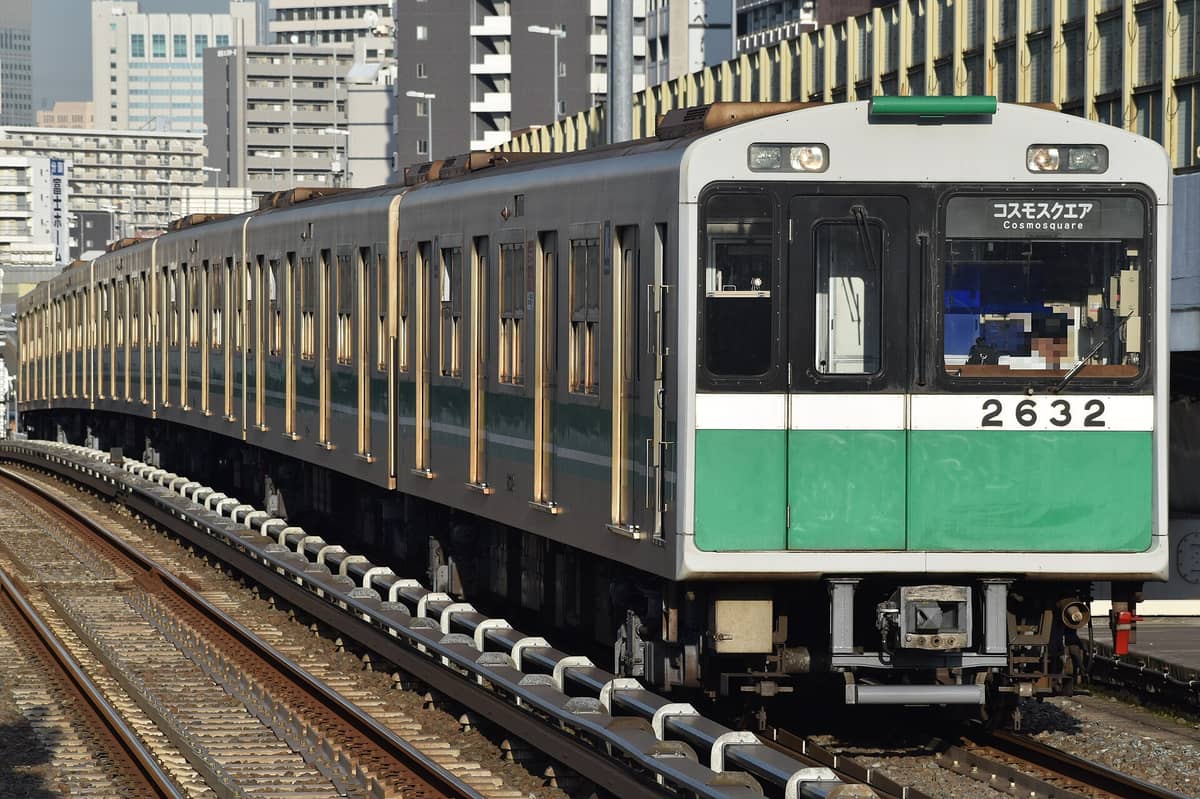
One of Osaka's clearest advantages over other major Asian cities is its public transport network. The Osaka Metro system covers the city comprehensively across multiple colour-coded lines. JR West adds additional coverage and connects the city to Kansai International Airport (KIX), which sits on an artificial island in Osaka Bay around 35-50 km from central Osaka. The Nankai Railway Rapi:t express gets you from KIX to Namba in roughly 35-40 minutes for around ¥1,430-1,450. Standard Nankai airport express trains take 44-50 minutes for around ¥980. Taxis from KIX to central Osaka cost approximately ¥15,000-24,000 and are hard to justify given the efficient rail alternatives.
Within the city, fares on the Osaka Metro are reasonable and most major attractions are within a few stops of a station. If you're planning a day heavy on attractions, the Osaka Amazing Pass bundles unlimited transit on designated lines with free entry to 40+ attractions. At ¥3,500 for one day and ¥5,000 for two days, it pays off quickly if you're hitting observation decks, museums, or boat cruises. If you're mainly eating and walking, skip it. For travel to Kyoto, Nara, or Kobe, the JR West Kansai Area Pass (¥2,800 for one day) covers those routes — but note it does not include Shinkansen. That's a common and expensive misunderstanding.
✨ Pro tip
Load your IC card (ICOCA or Suica) before arriving in Osaka. It works on Osaka Metro, JR, and most private railways, and eliminates the need to queue for single-ride tickets at every station. Convenience stores and vending machines also accept IC cards.
When to Go: Seasons Make a Real Difference
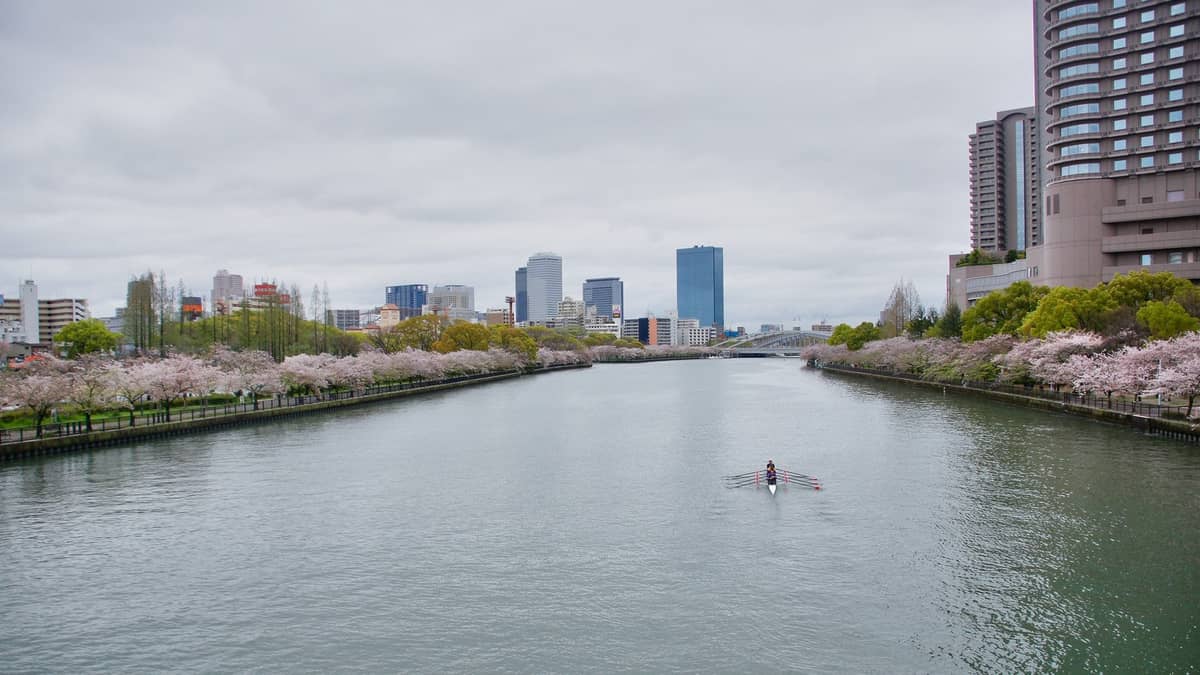
Osaka has a humid subtropical climate (Köppen Cfa), which means the seasonal variation is significant enough to affect what kind of trip you'll have. Spring (March to May) brings mild temperatures in the 13-23°C range and the cherry blossom season, which transforms spots like Osaka Castle Park and Kema Sakuranomiya Park along the Okawa River. This is peak season and hotel rates reflect it — book accommodation 2-3 months ahead if you're targeting late March to early April.
Autumn (October-November) is equally popular and arguably more comfortable. Temperatures drop back to pleasant levels, humidity is lower than summer, and the city's parks gain autumn foliage colour. For a detailed seasonal breakdown, including festival timing and what to expect month by month, our best time to visit guide covers it properly.
- Spring (Mar–May) Best for cherry blossoms and mild weather. Highs of 13-23°C. Book well in advance; this is the busiest and most expensive period.
- Summer (Jun–Aug) Rainy season runs early June to mid-July, with around 185mm in June alone. July and August are extremely hot and humid, with temperatures regularly exceeding 30°C. Not impossible, but draining.
- Autumn (Oct–Nov) Comfortable temperatures, lower humidity, autumn foliage. Arguably the best season for walking and outdoor sightseeing.
- Winter (Dec–Feb) Cool but manageable, with highs typically 8-12°C. Fewer crowds, lower prices, and the city's illumination events add seasonal charm. Good for budget travellers.
Practical Realities: Costs, Language, and Logistics
Japan's reputation as an expensive destination is outdated for most budget categories. Osaka is particularly manageable: a bowl of ramen runs ¥800-1,200, a convenience store lunch costs ¥500-700, and many of the city's most satisfying experiences — walking Dotonbori at night, exploring Shinsekai, visiting Shitennoji Temple — cost little or nothing. Accommodation ranges from well-run guesthouses around ¥3,000-5,000 per night to mid-range business hotels at ¥8,000-15,000. Splurge options exist but are not necessary for a good trip.
Language is less of a barrier than you might expect. Train stations, airport transfers, and most tourist sites have clear English signage. Google Maps works well for navigation. Restaurant menus often have photos or plastic display models outside. Tipping is not customary in Japan — not just discouraged, but genuinely unnecessary and occasionally confusing for staff. Japan's standard power outlets are 100V, 60Hz in the Kansai region, with Type A plugs (two flat parallel pins), which means most North American devices work without adapters; European visitors will need a plug adapter. Tap water throughout Osaka is safe to drink. For everything around budgeting your trip, our Osaka on a budget guide goes into the numbers in detail.
Osaka also excels as a base for day trips. Kyoto is 15-30 minutes away by Shinkansen or limited express. Nara's deer park is about 45 minutes. Hiroshima is reachable in around 90 minutes on the Shinkansen from Shin-Osaka. If you're covering the Kansai region broadly, Osaka is the most practical hub. See our guides on getting to Kyoto from Osaka and the best day trips from Osaka for logistics and timing.
FAQ
Is Osaka worth visiting if I'm already going to Kyoto?
Yes, and they serve different purposes. Kyoto is the stronger choice for temples, traditional culture, and slower-paced sightseeing. Osaka delivers on food, atmosphere, nightlife, and urban energy. Even a single night in Osaka adds real value to a Kansai trip. With 2-3 days each, the two cities complement each other well rather than overlapping.
How many days do you need in Osaka?
Two full days covers the major highlights: Dotonbori, Osaka Castle, Shinsekai, Kuromon Market, and a neighbourhood or two. Three days lets you slow down, add a day trip to Nara or Kyoto, and explore areas like Tennoji or the Nakanoshima waterfront properly. One day is possible but leaves you feeling like you only skimmed the surface.
Is Osaka safe for solo travellers?
Japan consistently ranks among the world's safest countries for travellers, and Osaka is no exception to that general pattern. The city's transport system is easy to navigate alone, accommodation options for solo travellers are plentiful, and the street food culture makes solo dining entirely normal. As with any large city, use standard urban awareness at night in entertainment districts.
Is Osaka cheaper than Tokyo?
Generally speaking, accommodation and street food tend to be slightly more affordable in Osaka than in Tokyo, though the gap has narrowed in recent years. The bigger cost difference is often in how you choose to travel: Osaka's compact layout means you spend less on transport getting between attractions, and the street food culture means satisfying meals at low price points are genuinely easy to find.
What is the best area to stay in Osaka?
Namba is the most central option for first-time visitors: close to Dotonbori, Kuromon Market, the Nankai line to KIX, and the Osaka Metro network. Umeda suits travellers who want JR Shinkansen access at Shin-Osaka and prefer a quieter, more business-district feel. Shinsaibashi sits between both and offers good shopping and dining access without the full tourist intensity of Namba.