Osaka Nightlife: Best Bars, Clubs & After-Dark Experiences
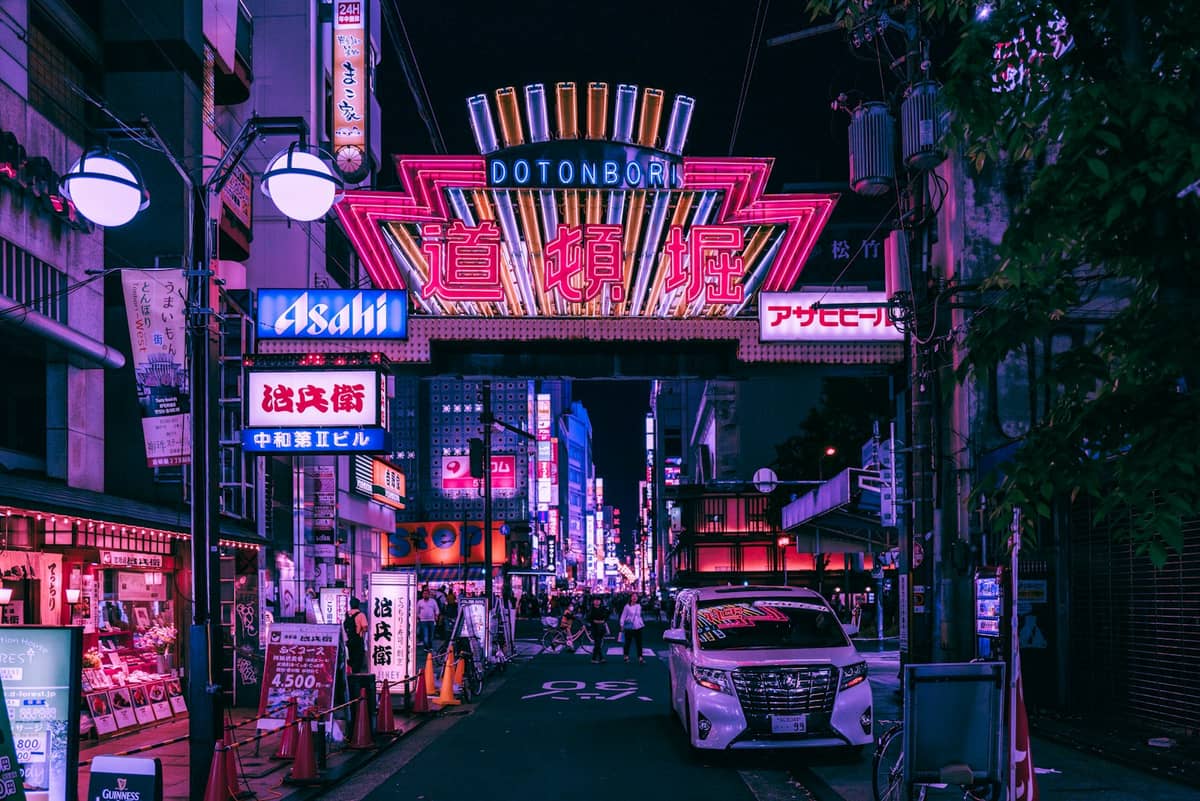
Osaka after dark is a different city entirely. From the neon-lit canal banks of Dotonbori to the whisky bars of Kitashinchi and the club floors of Shinsaibashi, this guide covers every tier of Osaka nightlife with practical logistics, practical recommendations, and the local knowledge to do it right.
Plan and book this trip
Tools from our partner Travelpayouts help you compare flights and hotels. If you book through them, we may earn a commission at no extra cost to you.
Flights
Hotels map
TL;DR
- Osaka's nightlife divides into two main zones: Minami (Namba, Shinsaibashi, Dotonbori) for casual bar-hopping and crowds, and Kita (Umeda, Kitashinchi) for upscale cocktail bars and restaurants.
- Osaka nightlife goes well beyond clubs: izakayas, whisky bars, karaoke, and late-night ramen are all central to how locals actually spend their evenings.
- Osaka Metro stops running around midnight — plan your last train in advance or budget for a taxi. The Midosuji Line connects Umeda, Shinsaibashi, and Namba, making it the core nightlife corridor.
- Hozenji Yokocho, a lantern-lit alley behind Hozenji Temple, packs around 60 bars and izakayas into a space smaller than most shopping malls — it's one of the most atmospheric spots in the city after dark.
- Spring (March–May) and autumn (October–November) are the best seasons for nightlife: mild temperatures make walking between venues far more enjoyable than the brutal summer heat. See our best time to visit Osaka guide for full seasonal context.
How Osaka Nightlife Actually Works
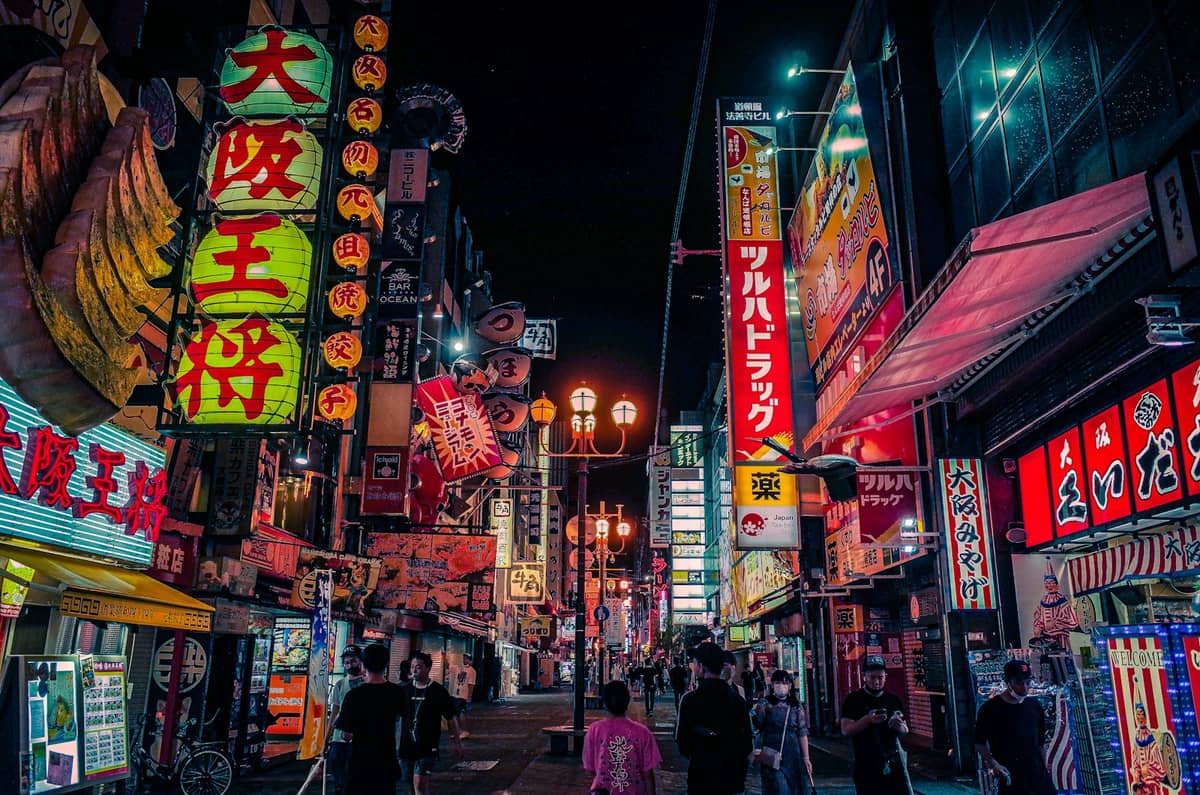
Osaka has a reputation across Japan for being the country's most sociable city, and that personality comes fully alive after dark. But visitors expecting a single nightlife district are in for a surprise. The after-dark scene here is spread across distinct neighborhoods, each with its own character and crowd. Understanding the geography saves time and sets the right expectations before you head out.
The city splits into two broad nightlife zones: Minami in the south and Kita in the north. Minami covers Namba, Shinsaibashi, and Dotonbori — the densest concentration of bars, clubs, and late-night restaurants in the city. Kita centers on Umeda and the adjacent Kitashinchi district, which skews older, more refined, and considerably more expensive. Both zones are connected by the Midosuji Line subway, making it easy to move between them early in the night before the last train.
One thing worth knowing upfront: Osaka nightlife is not primarily a club culture. Clubs exist, especially around Shinsaibashi, but the beating heart of the scene is the izakaya. These Japanese pub-restaurants typically serve drinks alongside small plates of food, and a good evening often means settling into one with friends rather than bouncing between venues. That said, if you want cocktail bars, whisky lounges, live music, or late-night karaoke, Osaka delivers all of it.
ℹ️ Good to know
Tipping is not customary in Japan. Do not tip bartenders or servers — it can cause confusion and is sometimes refused. Service charges may already be included in higher-end venues, particularly in Kitashinchi.
The Main Nightlife Districts: A Neighborhood Breakdown
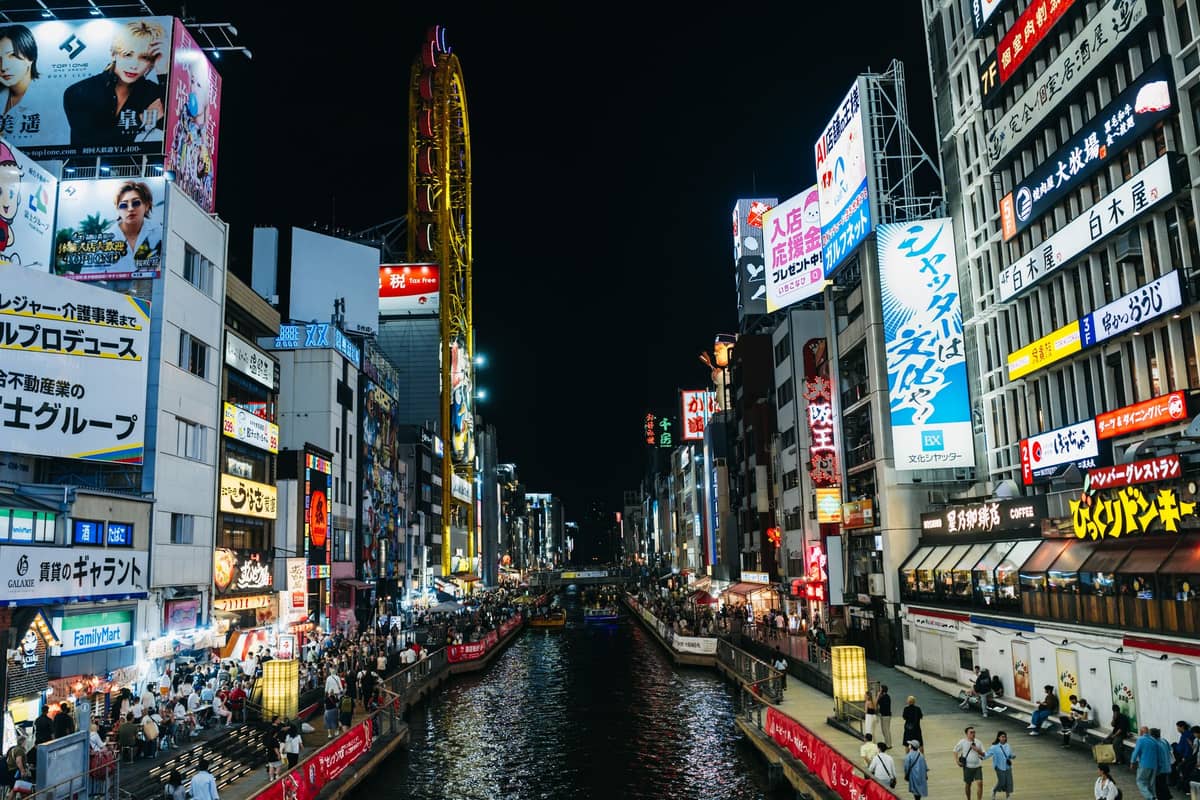
The Dotonbori canal area is the visual centrepiece of Osaka after dark. Giant illuminated signs reflect off the water, street food stalls run until the early hours, and the embankment fills with a mix of locals, tourists, and groups spilling out of the surrounding bars and restaurants. It is loud, bright, and relentlessly energetic. This is where you go to feel the pulse of the city, not where you go for a quiet drink.
Just a short walk from Dotonbori, Hozenji Yokocho is the atmospheric alternative. This narrow stone-paved alley behind Hozenji Temple contains roughly 60 small bars, izakayas, and traditional restaurants compressed into a space that feels like stepping back several decades. The lanterns, moss-covered water basin, and low wooden facades create a mood that the wider Dotonbori area cannot match. Tables spill slightly into the alley, conversations blur between strangers, and the scale keeps things intimate. It is one of the most genuinely distinctive spots for a drink in Osaka.
- Namba / Dotonbori High-energy bar strips, casual izakayas, tourist-facing cocktail bars, and late-night street food. Best for first nights in the city or groups wanting variety within walking distance.
- Shinsaibashi Home to most of Osaka's club scene, particularly on Amerika-mura's side streets. Also has craft beer bars and international-facing venues. Gets busy from around 10 PM onwards.
- Hozenji Yokocho Around 60 small bars and izakayas in a historic lantern-lit alley. Ideal for an atmospheric evening without the Dotonbori crowds. Tends to attract a slightly older, local crowd.
- Kitashinchi (Kita district) Osaka's upscale nightlife zone, with counter-style cocktail bars, high-end whisky lounges, and hostess clubs. Drinks often start at ¥1,500–¥2,000+. Not for budget drinkers, but quality is consistently high.
- Umeda Broad nightlife spread across shopping complexes and surrounding streets. More accessible than Kitashinchi, with a solid mix of craft beer bars, izakayas, and late-night restaurants.
- Shinsekai Old-school retro district that comes alive at night with kushikatsu restaurants and cheap beer. Less polished than other areas but authentic and very local in character.
Izakayas, Whisky Bars, and What to Actually Drink
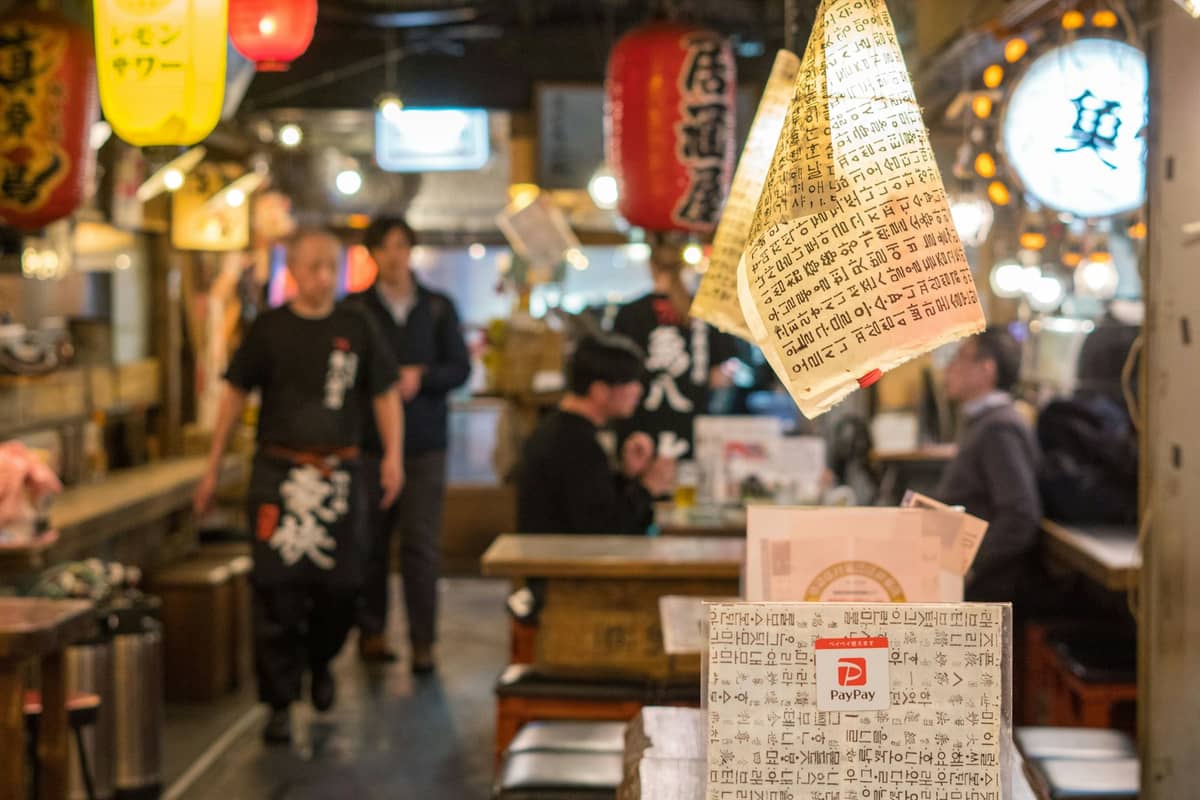
If there is one format that defines Osaka nightlife, it is the izakaya. Think of it as a cross between a pub and a tapas bar: you order drinks alongside small plates (yakitori, edamame, karaage, sashimi), and the evening stretches as long as the conversation does. Prices are accessible — a beer typically runs ¥400–¥700, a glass of shochu or sake around ¥500–¥900 — and most places operate until 1 or 2 AM, with some staying open later.
Japan's whisky culture has a serious foothold in Osaka. Dedicated whisky bars, particularly in Kitashinchi and Umeda, stock Japanese single malts alongside Scotch and American whiskeys. A pour at a specialist bar might run ¥1,000–¥3,000 depending on the label, but the quality and care in presentation justifies the price for anyone with a genuine interest. These are quiet, counter-style spaces where the bartender's expertise is part of the experience.
Craft beer has grown steadily across Osaka's bar scene. Several taprooms and bottle shops have established themselves around Shinsaibashi and Umeda, offering rotating taps of domestic craft brews alongside imported options. For a broader look at how to pace spending, check the Osaka on a budget guide, which includes realistic drink and food cost breakdowns.
⚠️ What to skip
Some bars in Kitashinchi and around Namba operate cover charges (typically ¥500–¥1,500 per person) that are not always clearly advertised outside. Ask about any cover charge before sitting down, especially at smaller counters and hostess-adjacent venues. At hostess clubs, costs can escalate significantly and quickly — know what you are walking into.
Clubs and Live Music in Osaka
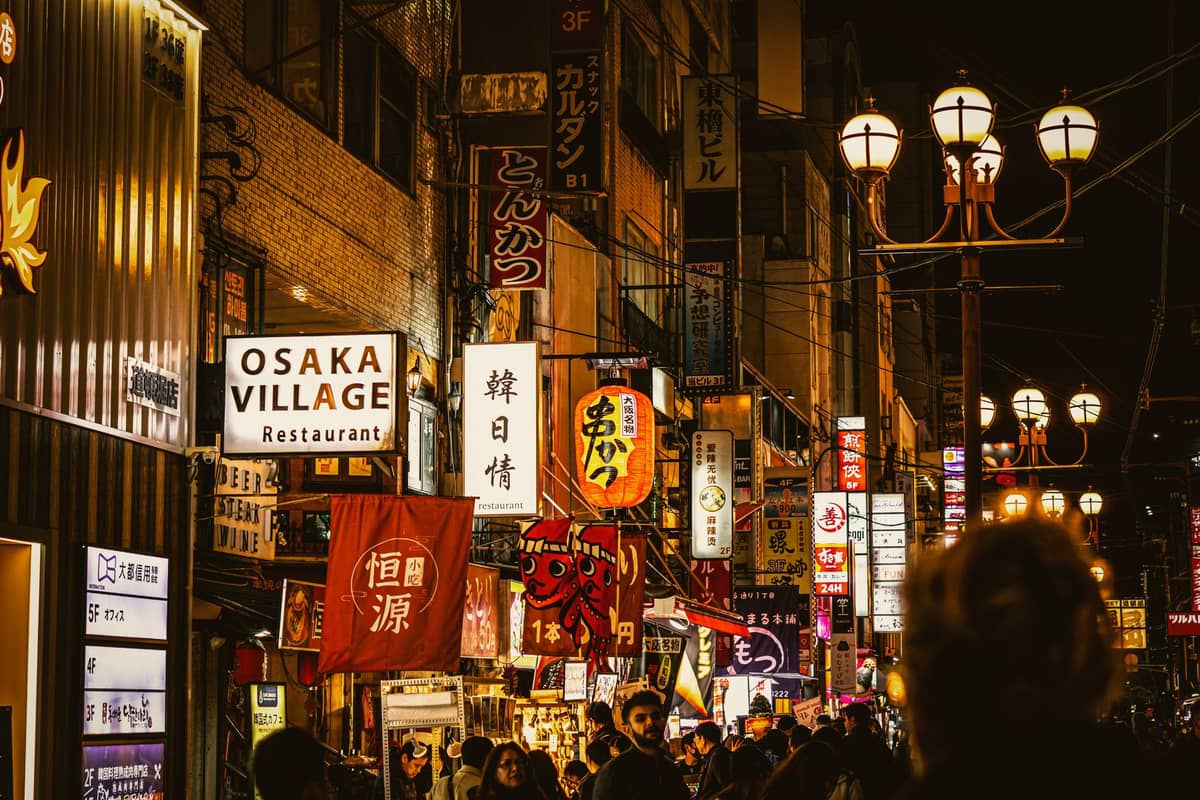
Osaka's club scene clusters around Shinsaibashi, particularly in the streets adjacent to Amerika-mura (American Village). This compact area of independent shops and youth culture by day becomes a late-night focal point for electronic music, hip-hop, and international DJ sets. Clubs here typically open around 10 or 11 PM, with peak hours running from midnight to 4 AM or later. Entry fees generally range from ¥1,500 to ¥3,000, sometimes including a drink ticket.
For live music beyond electronic, Osaka has a strong local scene across rock, jazz, and indie. Venues of varying sizes operate throughout Minami and Umeda. Jazz bars, in particular, tend to be intimate counter-style spaces with live performances on weekends. Check local event listings closer to your visit, as programming changes frequently and many of the best nights are not well-publicised in English.
✨ Pro tip
If you are in Osaka between July and August, note that summer heat and humidity (regularly above 30°C with high humidity at night) makes outdoor bar-hopping genuinely exhausting. Air-conditioned izakayas and indoor venues are where the locals retreat. Spring and autumn evenings are by far the most comfortable for walking the Dotonbori strip or lingering around Hozenji Yokocho.
Getting Around Osaka After Dark: The Transport Reality
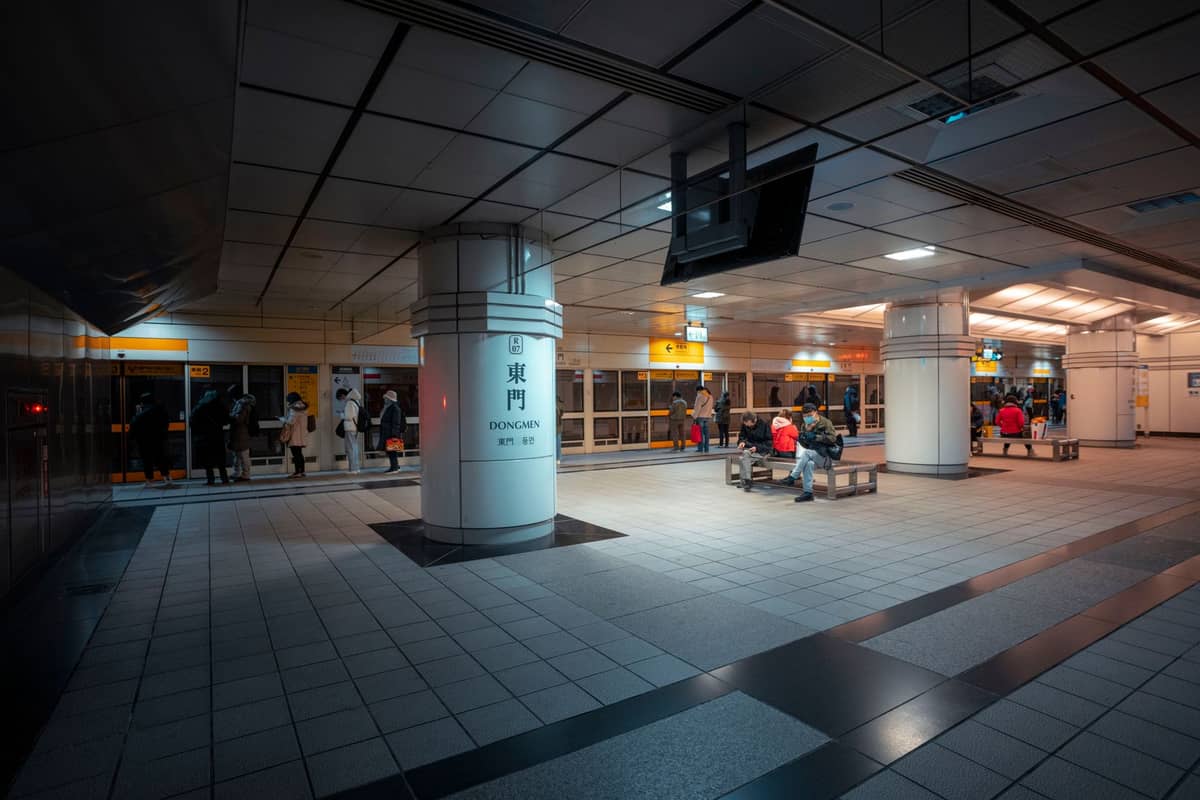
This is where a lot of visitors get caught out. Osaka Metro, the main subway network, runs from roughly 5:00 AM to around midnight. The exact last train time varies by line and station, but assume that shortly after midnight most services have stopped. The Midosuji Line — the red line connecting Umeda, Shinsaibashi, and Namba — is the most relevant corridor for nightlife, and it is worth checking the timetable for your specific stations before heading out.
After the last train, your options are taxis or staying out until the first trains resume around 5:00 AM. Taxis are readily available in Namba and Umeda but can be harder to flag down at peak times (around 1–2 AM) when everyone is leaving simultaneously. Fares within central Osaka are reasonable for short hops — a ride from Namba to Umeda might run in the ¥1,500–¥2,000 range — but trips to outer districts add up. App-based taxi booking is available through platforms such as JapanTaxi, though availability and exact coverage should be confirmed before you rely on it.
- Check the last Midosuji Line departure from your evening's final stop before you start drinking — it changes slightly by day of week.
- Namba and Shinsaibashi have high taxi density after midnight. Umeda is similarly well-served.
- If you miss the last train and do not want to pay for a taxi, karaoke boxes are a legitimate and popular option for passing the hours until 5 AM — many are open 24 hours.
- For venues in Shinsekai or Tennoji, factor in that these areas are a stop or two further on the subway and last trains may depart slightly earlier.
- Carry some cash. Many smaller izakayas and bars in Osaka do not accept foreign credit cards.
For a full breakdown of the subway system, bus routes, and IC cards, see the getting around Osaka guide. If you are planning a night that covers both Minami and Kita districts, the Osaka Amazing Pass covers unlimited Metro rides and may be worth considering depending on your itinerary. Details are in the Osaka Amazing Pass guide.
Karaoke, Late-Night Food, and Other After-Dark Options
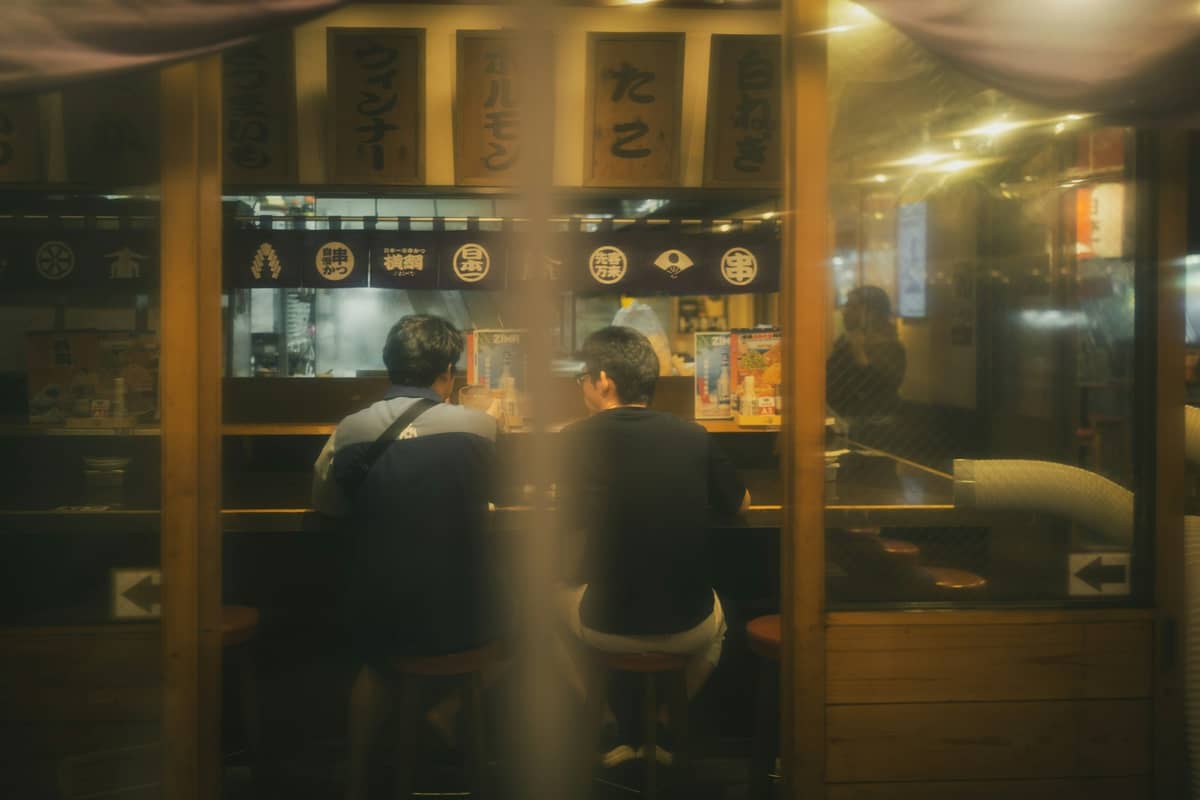
Bars and clubs are not the full picture. Karaoke is deeply embedded in how Osaka residents spend evenings out, and the city has dozens of karaoke chains with private rooms for groups of any size. Joysound and Big Echo are two of the most common chains. Most rooms are bookable by the hour, with rates dropping significantly during late-night and early-morning hours. English song libraries are extensive at major chains.
Late-night eating is as important as drinking in Osaka. The city's identity as a food capital — Osaka residents use the word kuidaore (eating until you drop) as a point of civic pride — does not switch off at 10 PM. Ramen shops, takoyaki stalls, yakiniku restaurants, and convenience stores (Family Mart, 7-Eleven, Lawson) all serve late into the night or around the clock. Dotonbori remains active well past midnight with street food options. For a fuller sense of what to eat and where, the Osaka street food guide covers the essentials. The nearby Kuromon Ichiba Market is worth visiting during daytime hours, but the surrounding Namba area compensates at night with plenty of late-dining options.
FAQ
What time do bars and clubs close in Osaka?
There is no fixed closing time enforced across the city. Most izakayas close between 1 and 2 AM. Clubs in Shinsaibashi typically run until 4 or 5 AM on weekends, sometimes later. Convenience stores and select ramen shops operate 24 hours. The key constraint is not venue closing time but the subway, which stops running around midnight.
Is Osaka nightlife safe for solo travelers?
Osaka is generally considered a safe city by international standards, and solo travelers — including solo women — regularly navigate the nightlife scene without incident. Standard urban caution applies: be aware of your surroundings, watch your drinks, and know where you are going after dark. The main tourist nightlife areas (Namba, Shinsaibashi, Dotonbori) are well-lit and populated late into the night. Specific safety conditions can change, so consult current official travel advisories from your home government.
Which Osaka district is best for nightlife?
It depends entirely on what you want. For variety, energy, and bar density, Namba and Shinsaibashi in Minami are the best starting point for most visitors. For atmosphere and a more local feel, Hozenji Yokocho is exceptional. For upscale cocktails and whisky, Kitashinchi is the answer. For clubs and electronic music, focus on the Amerika-mura side streets in Shinsaibashi.
How do I get home after a night out if I miss the last train?
Taxis are the primary option and are readily available in central areas. App-based booking via JapanTaxi is available but confirm current coverage. Alternatively, karaoke boxes open 24 hours are a practical way to wait for the first trains at around 5 AM. Some all-night cafes and manga cafes (manga kissa) also operate through the night at relatively low hourly rates.
Do I need to speak Japanese to enjoy Osaka's nightlife?
Not in the main tourist areas. Staff at bars and clubs in Namba, Dotonbori, and Shinsaibashi are generally accustomed to international visitors. Menus in these areas often have English or photo options. In smaller izakayas in local neighborhoods or quieter streets, you may encounter no English at all — pointing at dishes on neighbouring tables or using a translation app works well. Some of the best drinking spots in the city have almost no English signage, and that is not a reason to avoid them.