Fushimi is Kyoto's southernmost major tourist district, combining one of Japan's most iconic Shinto shrines with centuries of sake brewing tradition. Less polished than Gion and less crowded than Higashiyama, it rewards visitors who stay long enough to explore beyond the torii gates.
Fushimi sits at the southern edge of Kyoto, far enough from the tourist center to feel like a working city ward, yet home to two of the region's most compelling draws: the vermilion torii tunnels of Fushimi Inari Taisha and the spring-water sake breweries that made this area famous across Japan. It is a neighborhood of contrasts, where a residential shopping street meets a mountain pilgrimage trail, and where sake barrels line the same canals that once carried goods by boat to Osaka.
Orientation
Fushimi-ku is the southernmost of Kyoto's eleven municipal wards, covering a broad stretch of urban and semi-rural landscape between the city center and the Uji River. The ward is large, and for visitors it effectively divides into two distinct zones: the Fukakusa area in the east, centered on Fushimi Inari Taisha and Mount Inari, and the Momoyama area to the west, where the sake breweries, canals, and the commercial core around Otesuji Shopping Street are located.
These two zones are roughly two kilometers apart, separated by a belt of residential streets and a low ridge. Most travelers visit one or the other, but committing an entire day lets you experience both. The canal district around the sake breweries has a quiet, lived-in feel that is very different from the dramatic, forest-draped atmosphere of Fushimi Inari.
Fushimi sits well south of central Kyoto, below the Kyoto Station areaand a considerable distance from the northern temple districts andHigashiyama. This separation is part of Fushimi's appeal: it operates at its own pace, with fewer tour groups flooding every corner. The ward borders the city of Uji to the south, making it a natural jumping-off point for a day trip to Byodo-in and the Uji tea region.
Character & Atmosphere
At dawn on a weekday, the approach to Fushimi Inari Taisha carries almost no one. The gravel crunches underfoot, lanterns still glow orange along the main path, and the cedars overhead muffle the sound of the city entirely. This is when the shrine reveals why it has drawn pilgrims for over a thousand years. By nine in the morning, the lower sections fill with tour groups and the photo density around the first torii archways becomes intense. The mountain trails above, however, thin out quickly, and by the time you reach the mid-mountain resting points, you are largely alone with the forest and the sound of wind through pines.
The sake district around Fushimi-Momoyama Station operates on a different rhythm entirely. Mornings here smell of fermentation and cedar wood, drifting from the old brewery buildings clustered near the Horikawa canal. This area is residential as much as it is historic: a butcher, a dry cleaner, and a ramen shop stand alongside sake tasting rooms and preserved machiya facades. The Otesuji Shopping Street runs north from the station and serves ordinary Kyoto residents buying groceries and hardware alongside curious visitors.
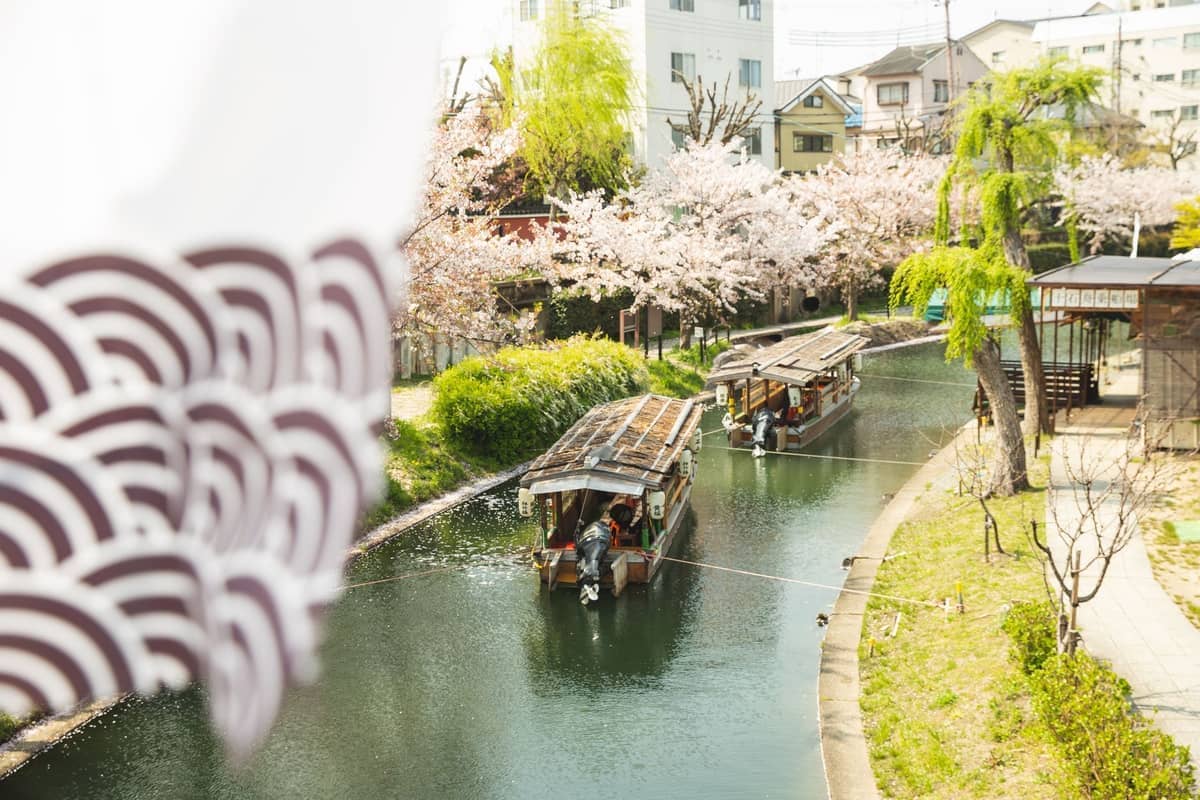
Afternoons in the canal area are particularly atmospheric in autumn and spring when low light falls across the willow-lined waterways. The boats that once transported sake barrels to Osaka are now operated as tourist cruises, and the water reflects the old warehouse walls in ways that photographers find irresistible. After dark, Fushimi is quiet by Kyoto standards. The Otesuji area has a handful of izakaya and sake bars that draw local salarymen, but the nightlife is modest. The shrine’s buildings and offices close in the evening but the shrine grounds and mountain trails remain accessible 24 hours a day.
💡 Local tip
If Fushimi Inari is on your list, arriving before 8 AM is the single most effective thing you can do to experience the lower torii tunnels without crowds. The shrine and its grounds have no closing time for the mountain trails, so very early starts are completely feasible.
What to See & Do
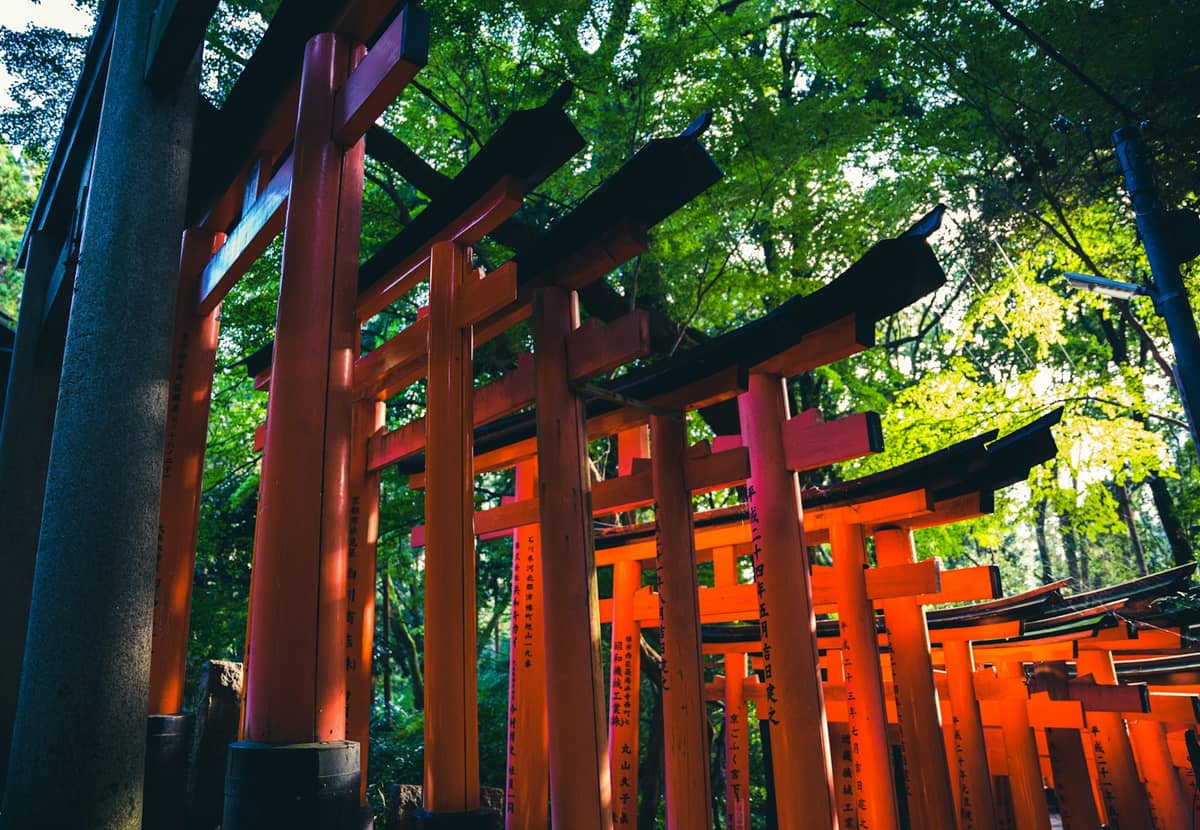
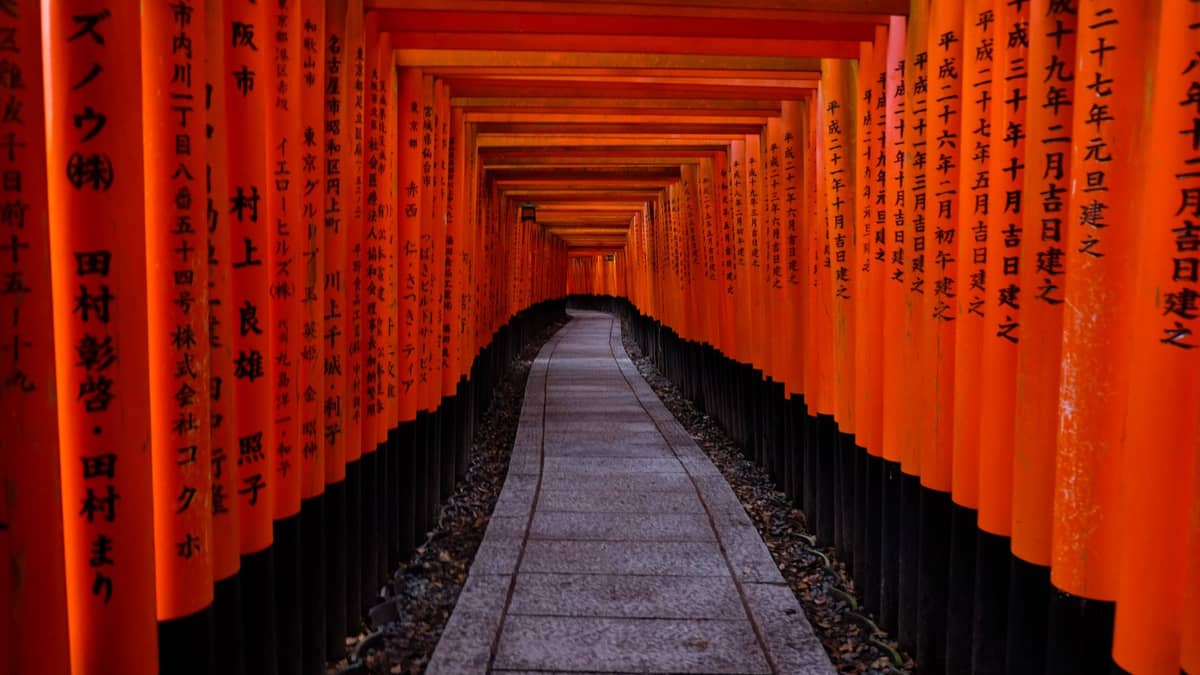
The central attraction is Fushimi Inari Taisha, a Shinto shrine complex dedicated to Inari, the deity of rice, sake, and agriculture. The main shrine buildings at the base of Mount Inari are striking on their own, but the pilgrimage path that winds up the mountain through thousands of vermilion torii gates is what draws visitors from across the world. The full loop to the summit and back takes approximately two to three hours at a relaxed pace; the return descent gives completely different views from the ascent. Many visitors only walk the first 20 minutes before turning back, which means the upper trails are significantly less trafficked.
The sake district deserves at least two hours of dedicated exploration. The Gekkeikan Okura Sake Museum, housed in a 19th-century brewery building near the Horikawa canal, explains the brewing process using traditional equipment and offers tasting sessions. Several other breweries in the area have small retail and tasting counters open to visitors. The canal-side streets between the brewery buildings, particularly around the stretch of the Horikawa closest to the old warehouse district, are among the most photogenic and least-visited waterfront areas in Kyoto.
Beyond the shrine and sake district, Fushimi holds a broader layer of history. Fushimi Castle, also known as Momoyama Castle, played a pivotal role in the late Sengoku period and gave the wider Momoyama era its name. The current castle structure is a modern reconstruction and functions as a museum and park rather than an authentic historic building, but the hilltop setting and the connections to figures like Toyotomi Hideyoshi give it genuine historical weight. Gokonomiya Shrine and Fujinomori Shrine, both within the ward, draw local worshippers and offer a sharp contrast to the tourist-oriented environment around Fushimi Inari.
Fushimi Inari Taisha: full mountain circuit takes 2-3 hours; the lower torii sections are paved and manageable for most fitness levels
Gekkeikan Okura Sake Museum: a focused introduction to Fushimi's brewing heritage, small admission fee, tasting included
Canal boat cruises on the Horikawa: seasonal operation, check current schedules before visiting
Fushimi Castle (Momoyama Castle): modern reconstruction on a historic hilltop, suitable for families
Gokonomiya Shrine: a low-key, genuinely local shrine used by residents rather than tourists
Fujinomori Shrine: historically significant, particularly during its iris festival season in late May and June
ℹ️ Good to know
The trails on Mount Inari are uneven stone steps in places and can be slippery after rain. Wear shoes with grip if you plan to hike the upper sections. The mountain is not a managed hiking trail in the conventional sense: it is an active pilgrimage route with dozens of smaller sub-shrines built directly into the forested hillside.
Eating & Drinking
The area immediately around Fushimi Inari Taisha is lined with small restaurants and stalls catering to shrine visitors. Grilled skewers of quail (uzura) are the local specialty here, sold from stalls along the main approach path. The logic is historical: quail were associated with Inari worship. You will also find tofu dishes, matcha soft serve, and various rice-based snacks near the main gate. Quality is variable and prices are elevated relative to the rest of Fushimi, as is typical of any major shrine approach. For a more honest meal, walk five minutes south from the main gate into the residential streets below.
The sake district is the more interesting place to eat and drink, particularly if you are interested inKyoto's food culture. Sake-based cooking is a thread through many of the menus here: dishes braised in local sake, sake lees (kasu) used in marinades, and seasonal Kyoto vegetables prepared simply to let the sake pairings do the work. Lunch sets at the izakaya-style restaurants near Fushimi-Momoyama Station are notably good value, with prix-fixe options including rice, miso, a main dish, and pickles for under 1,000 yen at several spots. Evening dining here is more of an insider experience, with local regulars occupying the counter seats at the smaller places.
Sake tasting is the defining drinking experience in Fushimi. Brewery shops sell small pours and bottles of local labels, including Gekkeikan, Kizakura, and Fushimizu, at prices well below what you would pay in a central Kyoto bar. Several tasting counters allow you to sample multiple varieties side by side. For visitors interested in the broader context of Japanese fermented beverages, Fushimi is one of the few places in Kyoto where sake functions as a local product rather than a souvenir.
Getting There & Around
Fushimi has two distinct transit hubs serving its two main zones, and understanding which you need avoids unnecessary detours. For Fushimi Inari Taisha, the most direct access is Inari Station on the JR Nara Line, which is a short ride (about 5–6 minutes) south of Kyoto Station. The journey takes about five minutes and drops you directly in front of the shrine's main torii gate. Alternatively, the Keihan Line serves the adjacent Fushimi Inari Station, a five-minute walk from the shrine entrance.
For the sake district and Momoyama area, use the Keihan Line from Gion-shijo Station in central Kyoto to Fushimi-Momoyama Station. The journey takes around 10 to 12 minutes and exits directly onto Otesuji Shopping Street. If coming from Kyoto Station rather than downtown, the Kintetsu Kyoto Line to Momoyamagoryo-mae Station is slightly faster than going via downtown, at around 10 to 13 minutes, with a short walk west to the canal district.
Getting between the Fushimi Inari zone and the sake district on foot takes about 25 to 30 minutes along mostly flat streets. Cycling is a practical option: several rental shops operate near both Kyoto Station and Fushimi, and the flat terrain of the canal district is well suited to bikes. For broader transport context across Kyoto, see thecomplete guide to getting around Kyoto.
⚠️ What to skip
Fushimi Inari Taisha draws enormous crowds during peak season, particularly during cherry blossom in late March to early April and autumn foliage in November. If you are visiting during these periods, the JR Nara Line from Kyoto Station can be uncomfortably packed in the morning. Consider taking the Keihan Line from Gion-shijo as an alternative: it is usually less crowded and gives you a different approach angle to the shrine.
Where to Stay
Fushimi is not a major accommodation hub, and that is part of its appeal for certain types of travelers. Staying here means you are within minutes of Fushimi Inari Taisha before and after the crowds, and you experience Kyoto as a working city rather than a heritage theme park. The trade-off is that the central sights of Kyoto, includingGion and Higashiyama, require a 20 to 30 minute train journey each way.
The accommodation that does exist in Fushimi tends toward small guesthouses, machiya-style guest rooms, and budget business hotels rather than luxury ryokan. If a traditional ryokan stay is important to you, the northern neighborhoods of Kyoto or the Higashiyama corridor offer more options. For travelers prioritizing Fushimi Inari access, particularly hikers planning early-morning ascents or photographers wanting the mountain at golden hour, staying within walking distance of Inari Station is worth the compromise on other amenities.
For travelers who want the ryokan experience alongside easy access to temples and cultural districts, see theKyoto ryokan guide and the broader overview of where to stay in Kyoto to compare neighborhoods before booking.
Fushimi in Context: Strengths and Limitations
Fushimi rewards visitors who understand what it is and is not. It is not a compact, walkable historic district where temples and restaurants cluster within a few hundred meters of each other. It is a large urban ward with two specific zones of high interest separated by ordinary city streets, held together by a reputation built on two very different kinds of excellence: shrine architecture and sake production.
The combination of Fushimi Inari and the sake district makes for one of the more distinctive full-day itineraries in Kyoto, particularly for travelers who have already covered the standard highlights of Gion, Kiyomizu-dera, and Arashiyama. It also pairs naturally with aday trip to Nara, since the JR Nara Line connects both destinations from Kyoto Station. Visiting Fushimi in the morning before continuing to Nara in the afternoon is a logical and efficient route.
For first-time visitors to Kyoto working through a tight itinerary, Fushimi Inari Taisha is genuinely essential. The torii gate trails are unlike anything else in the city and appear on almost everyfirst-timer's Kyoto itineraryfor good reason. The sake district, by contrast, is better suited to return visitors, those with a specific interest in Japanese food culture, or travelers who prefer local-feeling neighborhoods over curated historic zones.
TL;DR
Fushimi covers two distinct zones: the Fushimi Inari shrine area in Fukakusa and the sake brewery canal district around Fushimi-Momoyama, roughly 2 km apart.
Fushimi Inari Taisha is essential for most Kyoto visitors; arrive before 8 AM to experience the lower torii tunnels without crowds. The full mountain circuit takes 2-3 hours.
The sake district is best for travelers interested in Kyoto's food and brewing culture, with canal-side streets, brewery museums, and tasting counters at accessible prices.
Transit is straightforward: JR Nara Line to Inari Station for the shrine, Keihan or Kintetsu lines to Fushimi-Momoyama or Momoyamagoryo-mae for the sake district.
Fushimi is not ideal as a base for first-time visitors who want to cover central Kyoto efficiently, but it suits travelers prioritizing early shrine access or a more local-feeling stay.
Kyoto holds more extraordinary Japanese gardens per square kilometer than anywhere else on earth. This guide covers the finest examples across every style, from dry rock gardens to imperial stroll gardens, with practical advice on access, timing, and what makes each one worth the visit.
Kyoto holds more Shinto shrines than almost any city on earth, ranging from grand imperial complexes to quiet forest sanctuaries. This guide covers the best, with practical advice on when to go, what to expect, and what most visitors get wrong.
Kyoto has over 1,600 Buddhist temples and around 400 Shinto shrines, ranging from gold-leafed pavilions to remote mountain retreats. This guide cuts through the noise to highlight the temples that genuinely reward a visit, with context on what makes each one worth your time.
Kyoto rewards visitors year-round, but the experience varies dramatically by season. This guide breaks down every month by weather, crowds, costs, and what's actually worth seeing — so you can choose the right time for your trip, not just the most popular one.
Kyoto's best views range from the famous wooden stage at Kiyomizu-dera to a forested mountain summit reached by a 45-minute hike. This guide covers the city's top viewpoints across temples, hilltops, iconic streets, and observation decks, with tips on timing and what to expect.
Kyoto sits at the center of one of Japan's richest regions for day-tripping. Within an hour by train, you can reach ancient deer parks, mountain temples, sake-brewing canals, and remote moss gardens. This guide covers the best excursions organized by direction and theme.
Kyoto is one of the world's great cultural cities, and a surprising number of its best experiences are completely free. From the torii-gate tunnels of Fushimi Inari to the stone lanes of Higashiyama and the canal-side Philosopher's Path, here is a practical guide to the finest free attractions in Kyoto.
The Fushimi Inari hike is one of the most iconic walks in Japan, threading thousands of vermilion torii gates up Mt. Inari in southern Kyoto. This guide covers every trail option, the best times to go, how to get there cheaply, and the the reality about what the experience is actually like.
Kyoto's transport network is more layered than it first appears. This guide breaks down every practical option, from city buses and subway lines to IC cards, day passes, and airport transfers, so you can move around the city without wasting time or money.
Gion Matsuri fills the entire month of July with shrine rituals, towering floats, and lantern-lit street festivals. This guide breaks down exactly what happens, when, where to stand, and how to survive the July heat without missing the highlights.
Kyoto has no international airport of its own. This guide covers every practical way to reach the city from Kansai International Airport (KIX) and Osaka Itami (ITM), with current fares, journey times, and clear advice on which option suits your trip.
Kyoto's cherry blossom season is one of Japan's great spectacles, but peak bloom lasts barely a week and the crowds are intense. This guide covers exactly when to go, where to stand, what to skip, and how to make the most of sakura season in Kyoto.
Kyoto is Japan's historic capital, with over 1,600 temples, a preserved geisha district, and some of the country’s finest food. This guide covers everything a first-time visitor needs: the best time to visit, how to get from the airport, which neighborhoods to base yourself in, and how to avoid the most common mistakes.
Kyoto's food culture runs deeper than temple towns and tea ceremonies. From formal kaiseki multi-course meals to humble obanzai home cooking and steaming bowls of yudofu beside ancient temples, this guide covers what to eat, where to eat it, and exactly what to budget — season by season.
Kyoto is one of the most atmospheric cities in Asia for couples, with preserved historic streets, seasonal illuminations, ryokan stays, and cultural rituals designed for two. This guide covers the best romantic experiences, realistic pricing, and the timing details that make the difference between a good trip and a memorable one.
Kyoto is the only city in Japan where the geisha tradition survives at scale. This guide covers the five geisha districts, every major dance performance, licensed cultural experiences, and the etiquette rules that matter — so you can engage with this world respectfully and on your own terms.
Kyoto rewards those who look beyond the headline sights. This guide covers the city's most rewarding lesser-known temples, atmospheric alleyways, mountain retreats, and local institutions, from a moss-carpeted UNESCO garden requiring advance booking to a century-old public bathhouse in a residential neighborhood.
Autumn transforms Kyoto into one of the most photographed places on earth, with maples and ginkgos turning gold and crimson across temples, gardens, and hillsides. This guide covers when foliage peaks, where to go, which illumination events are worth your evening, and how to avoid the worst of the crowds.
Kyoto in winter (December to February) offers crisp, mostly dry weather, thinner crowds, and a quieter side of the city's temples and shrines. This guide covers what the season actually looks like, what to do, how to get around, and where the crowds still gather.
Three days is enough to experience the best of Kyoto without feeling rushed, but only if you plan smart. This guide breaks down exactly where to go, when to go, and how to get around, including updated transport advice that most other guides get wrong.
Renting a kimono in Kyoto is one of the most memorable ways to experience the city, but the advertised prices rarely tell the full story. This guide breaks down real costs, the best neighborhoods to explore in traditional dress, seasonal advice, and practical tips that most shops won't tell you upfront.
Kyoto is the spiritual home of Japanese matcha culture, from centuries-old tea houses in Gion to stone-mill workshops in Uji. This guide covers where to drink, eat, and learn about matcha — with real prices, practical logistics, and practical advice on what's worth your time.
Kyoto's nightlife is quieter than Tokyo's but far richer than most visitors expect. This guide covers the best izakayas, sake bars, evening tours, and riverside dining across Pontocho, Gion, and Kiyamachi, with practical advice on costs, timing, and what to skip.
Kyoto is one of Japan's most rewarding cities to visit, but costs can add up fast. This guide breaks down exactly how to stretch your yen further — covering transport passes, free attractions, affordable food, and the best times to visit when prices drop.
Seven days is the ideal length to experience Kyoto without rushing. This guide breaks down each day by district, with practical logistics, timing advice, and clear assessments of what's worth your time. Whether you're planning your first visit or returning with more days to spare, this itinerary covers the full range of Kyoto's historic city.
Kyoto offers a surprisingly diverse range of hot-spring bathing options, from rural mountain onsen to sleek hotel spas. This guide breaks down the best facilities, real pricing, seasonal timing, and the rules you need to know before you strip off your yukata.
Kyoto's ramen scene runs deeper than most visitors expect. This guide covers the top-rated shops, the best neighborhoods to explore, what styles define Kyoto ramen, and practical advice for navigating queues, hours, and seasonal menus.
A Kyoto ryokan stay is one of the most distinctive lodging experiences in Japan, but the rules, pricing structures, and expectations are unlike any Western hotel. This guide breaks down what actually happens from check-in to breakfast, what things cost across budget tiers, and which neighborhoods make the most sense depending on your itinerary.
Kyoto is Japan's craft capital, where century-old textile workshops sit alongside covered shopping arcades and a legendary food market. This guide breaks down where to shop, what to buy, and how to avoid tourist traps — by neighborhood, price point, and category.
Kyoto's sushi scene runs deeper than most visitors expect. This guide breaks down the best sushi restaurants in Kyoto by price tier, neighborhood, and style, with practical advice on reservations, seasonal fish, and common mistakes to avoid.
From quick group introductions to private lessons in historic teahouses, Kyoto offers more ways to experience chado than almost anywhere in Japan. This guide covers the best venues, realistic prices, booking advice, and the cultural context that makes each sip mean something.
Visiting Kyoto's temples and shrines without understanding the etiquette means missing half the experience. This guide covers everything from torii gate protocol and hand-purification steps to photography restrictions, admission costs, and the key differences between Shinto shrines and Buddhist temples.
Nara is one of the easiest and most rewarding day trips from Kyoto, just 40 km away with frequent train connections. This guide breaks down every transport option, cost comparisons, and how to make the most of your time there.
The Kyoto to Tokyo corridor is one of Japan's most-traveled routes. This guide covers every realistic option, from the Tokaido Shinkansen to overnight highway buses, with clear breakdowns of cost, speed, and when each option makes sense.
Kyoto rewards walkers more than almost any city in Japan. This guide breaks down the best self-guided walking routes by district, with timing, admission costs, crowd advice, and clear assessments of what's worth your time and what isn't.
Kyoto's weather swings from bitter January mornings to oppressive August humidity, with two peak tourist seasons sandwiched in between. This guide breaks down what to expect every month, what to pack, and when the crowds and weather actually align in your favor.
Kyoto is not just temples and shrines. The city has a surprisingly strong lineup of kid-friendly attractions, from the Kyoto Railway Museum and Aquarium in Umekoji Park to samurai theme parks and wide outdoor spaces. This guide covers what's genuinely worth your family's time, realistic pricing, the best seasons to visit with children, and how to structure your days without burning everyone out.
Kyoto rewards those who spend well and plan ahead. This guide covers the city's finest ryokan, reservation-only kaiseki restaurants, and culturally rich experiences, along with practical advice on booking windows, seasonal pricing, and what actually justifies the premium.
Kyoto packs more than 1,600 years of Japanese history into a single city. This guide covers the best things to do in Kyoto across every district, from iconic temples and sake breweries to traditional tea ceremonies and bamboo forest walks, with practical advice on crowds, costs, and timing.
Choosing where to stay in Kyoto shapes your entire trip. This guide covers the five best areas for visitors, price breakdowns by neighbourhood, accommodation type comparisons, and the booking timing you need to avoid paying double during peak season.