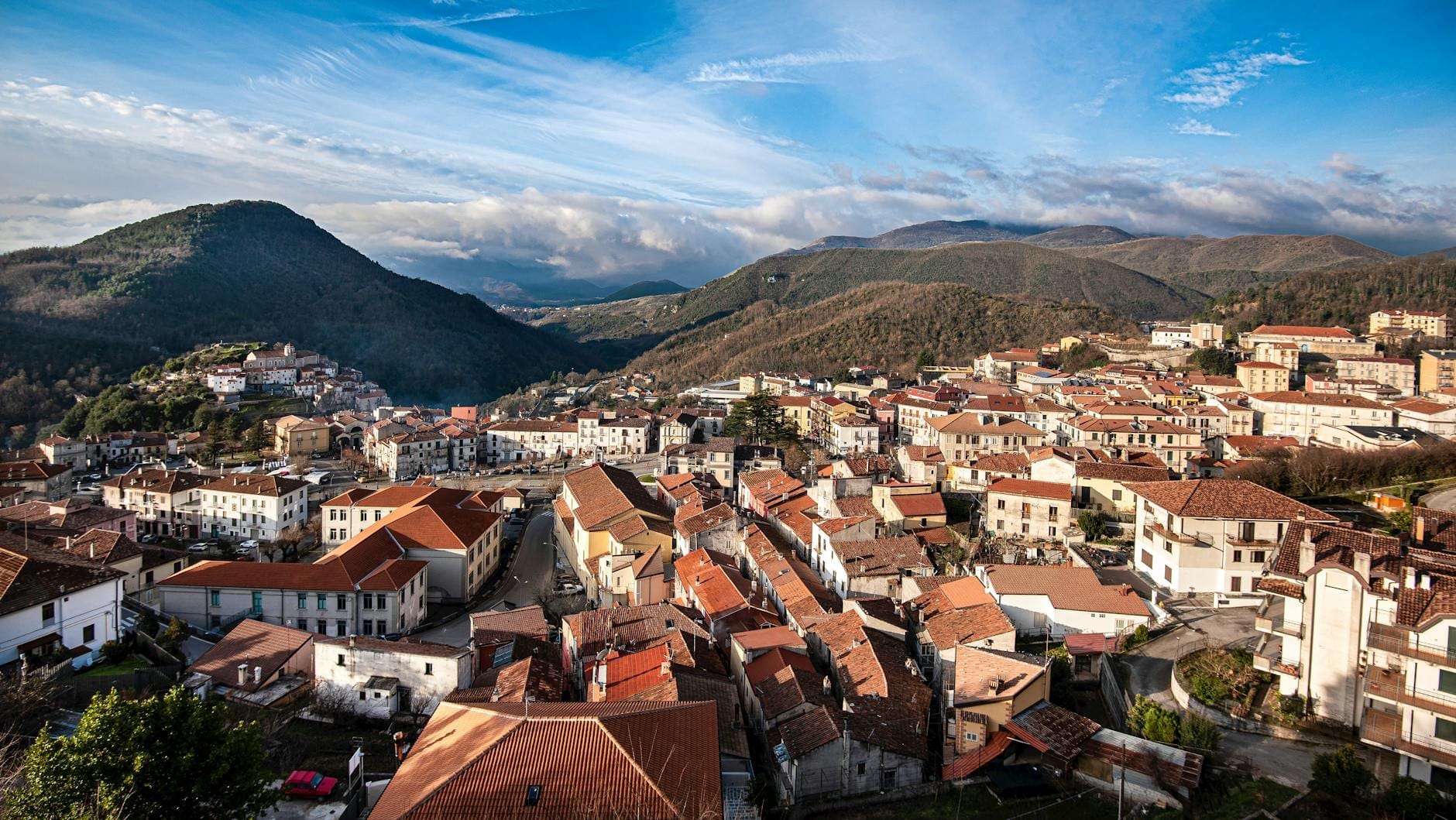
Barbagia is the rugged highland interior of Sardinia, centered on the Gennargentu massif and anchored by Nuoro, the provincial capital that produced Nobel laureate Grazia Deledda. This is where Sardinian identity runs deepest: a landscape of cork oak forests, stone villages, carnival masks, and traditions the Romans could never quite tame.
Barbagia is the interior region the Romans called Barbaria because they could not subdue it, and that defiant spirit still shapes everything here. Centered on the Gennargentu mountains and anchored by the city of Nuoro, this is the most culturally concentrated part of Sardinia: the place where the island's pastoral traditions, ancient languages, and folk festivals have survived most intact. It is not a place of beaches or resort towns. It rewards travelers who want to understand what Sardinia actually is, away from the coast.
Orientation
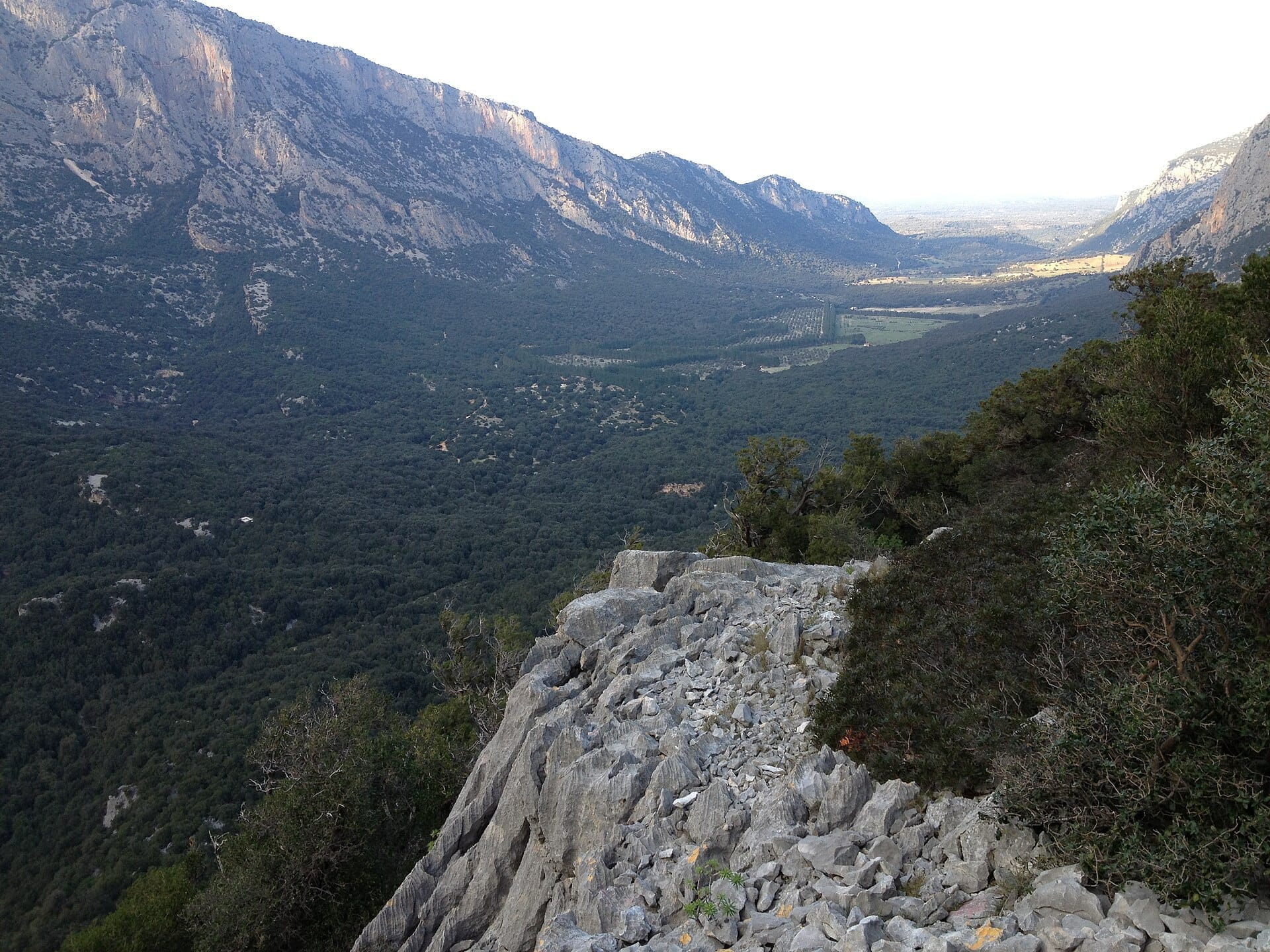
Barbagia occupies the geographic center of Sardinia, a broad mountain territory built around the Gennargentu massif, the island's highest mountain system with its peak, Punta La Marmora, reaching 1,834 meters (often rounded to 1,835 m in Italian sources). It is not a single administrative unit but a historic subregion made up of several smaller districts: the Barbagia of Nuoro, the Barbagia of Ollolai, the Barbagia of Belvì and Seulo to the south, Barbagia of Bitti to the north, and the Mandrolisai to the west of Gennargentu. Think of Barbagia as a cluster of adjoining highland valleys and plateaus, each with its own village identity and dialect variation, all bound together by the same granite geology and pastoral history.
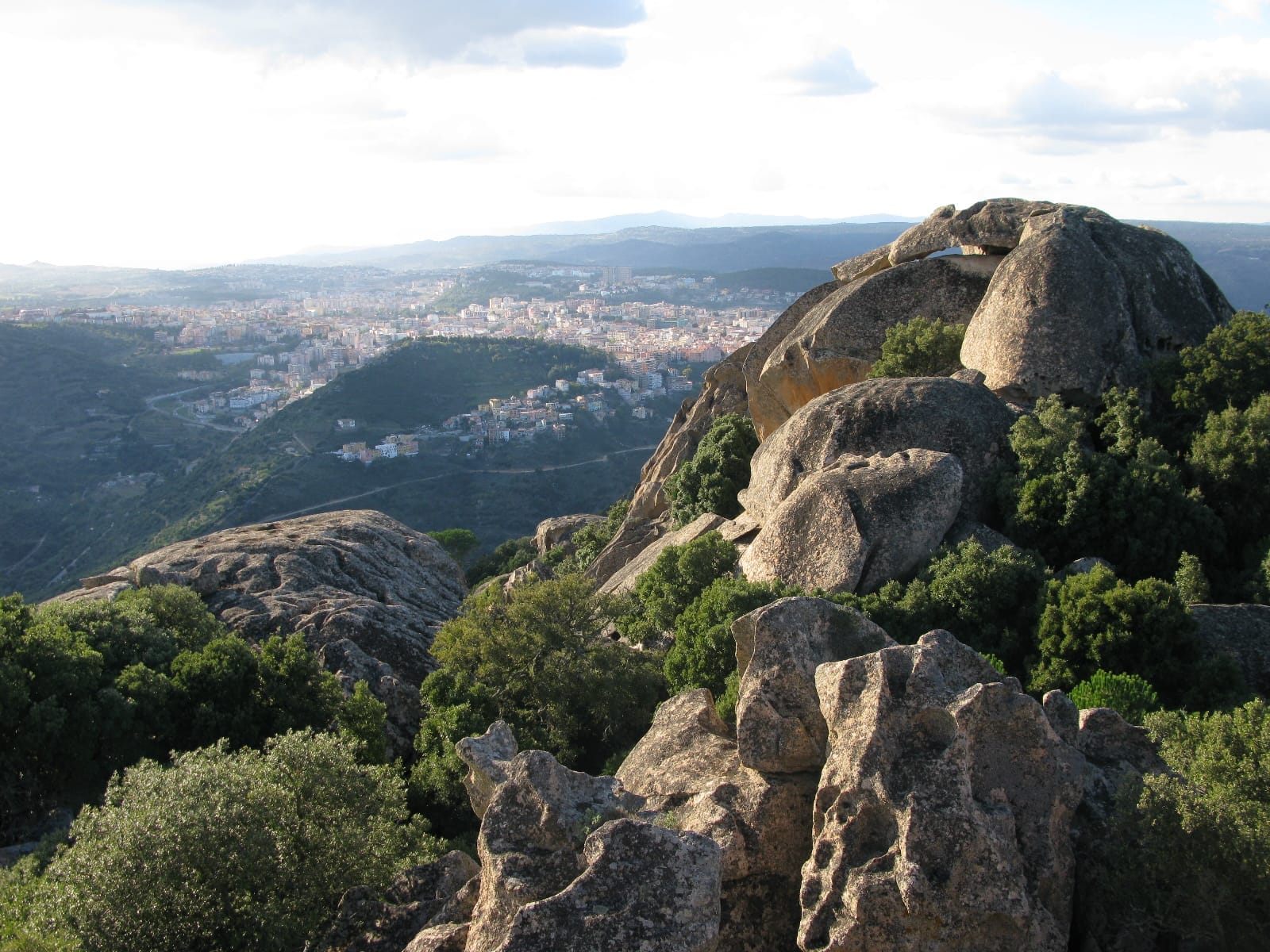
Nuoro sits at the northern edge of this territory, perched on a high plateau at roughly 550–600 meters elevation. It is the capital of the Province of Nuoro and the largest urban center in the region, functioning as the gateway town for travelers entering the Barbagia from the coast. The city itself is compact and walkable at its center, though the surrounding provincial territory stretches far south into the mountains. To the east of Nuoro, the land drops sharply toward the Golfo di Orosei, one of Sardinia's most dramatic coastal zones. To the west and south, the plateau gives way to the Gennargentu foothills and the villages of the interior.
Travelers arriving from the coast typically come from Olbia to the northeast, roughly 100 km away, or from Cagliari to the south via the SS131 highway and the connecting SS131 dir. The region borders the Ogliastra coastline to the east and the Golfo di Orosei to the southeast, making Nuoro a logical base for anyone wanting to combine inland culture with coastal hiking or boat trips.
Character & Atmosphere
Walking into Nuoro's historic center on a weekday morning feels nothing like the tourist-calibrated towns on the coast. The main pedestrian artery, Corso Garibaldi, fills with locals heading to the market, stopping at the bar for a coffee standing up, or doing ordinary errands. Older men sit in the piazza outside the cathedral in the late morning. Schoolchildren cross streets in small packs. The rhythm is that of a provincial Italian city that happens to be Sardinian first.
The light in Nuoro is distinctive. At altitude, the air is clearer than on the coast, and in the late afternoon the granite hills around the city take on a reddish-amber tone. The cone of Monte Ortobene, a rocky peak rising just east of the city to around 955 meters, is visible from most parts of town and defines the skyline in a way that constantly reminds you of how mountain-bound this place is. By evening, especially in the cooler months, the streets in the San Pietro quarter thin out early and the city retreats inside.
Out in the Barbagia villages, the atmosphere shifts further. Places like Orgosolo, Mamoiada, Oliena, and Gavoi each have a personality shaped by geography and tradition rather than tourism. Orgosolo's famous murales cover entire building facades, turning the village into an open-air gallery of political commentary and Sardinian history. Mamoiada is quiet most of the year, then becomes the center of one of Sardinia's most intense carnival experiences every February. Gavoi, set around a lake, has a literary festival each summer that draws writers from across Italy. These are not interchangeable stops on a circuit. Each one has its own reason to exist.
ℹ️ Good to know
Barbagia operates on deeply local rhythms. Many smaller villages have limited or no tourist infrastructure: no hotels, no English menus, no information offices. This is part of the appeal for some travelers and a genuine inconvenience for others. Plan ahead, especially for accommodation and meals in the more remote sub-districts.
What to See & Do
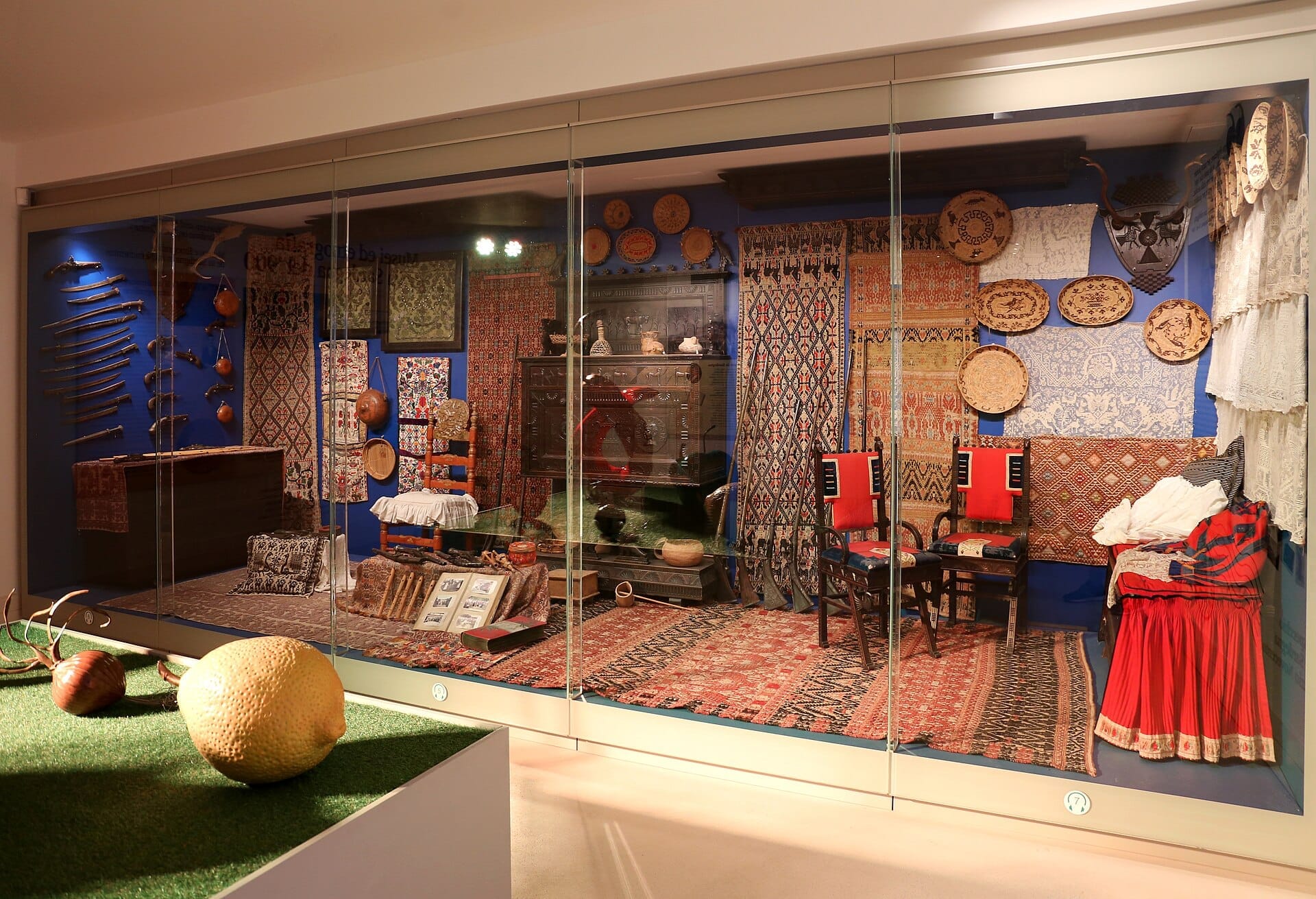
Nuoro city has a concentration of cultural institutions unusual for a town of its size. The Museo del Costume, formally the Museo della Vita e delle Tradizioni Popolari Sarde, holds one of the most complete collections of Sardinian traditional dress, jewelry, and domestic objects in existence. It sits on a hillside south of the historic center and is the kind of place where a two-hour visit still feels abbreviated. Nearby, the MAN (Museo d'Arte della Provincia di Nuoro) is a respected contemporary art museum that consistently shows work by artists from Sardinia and beyond.
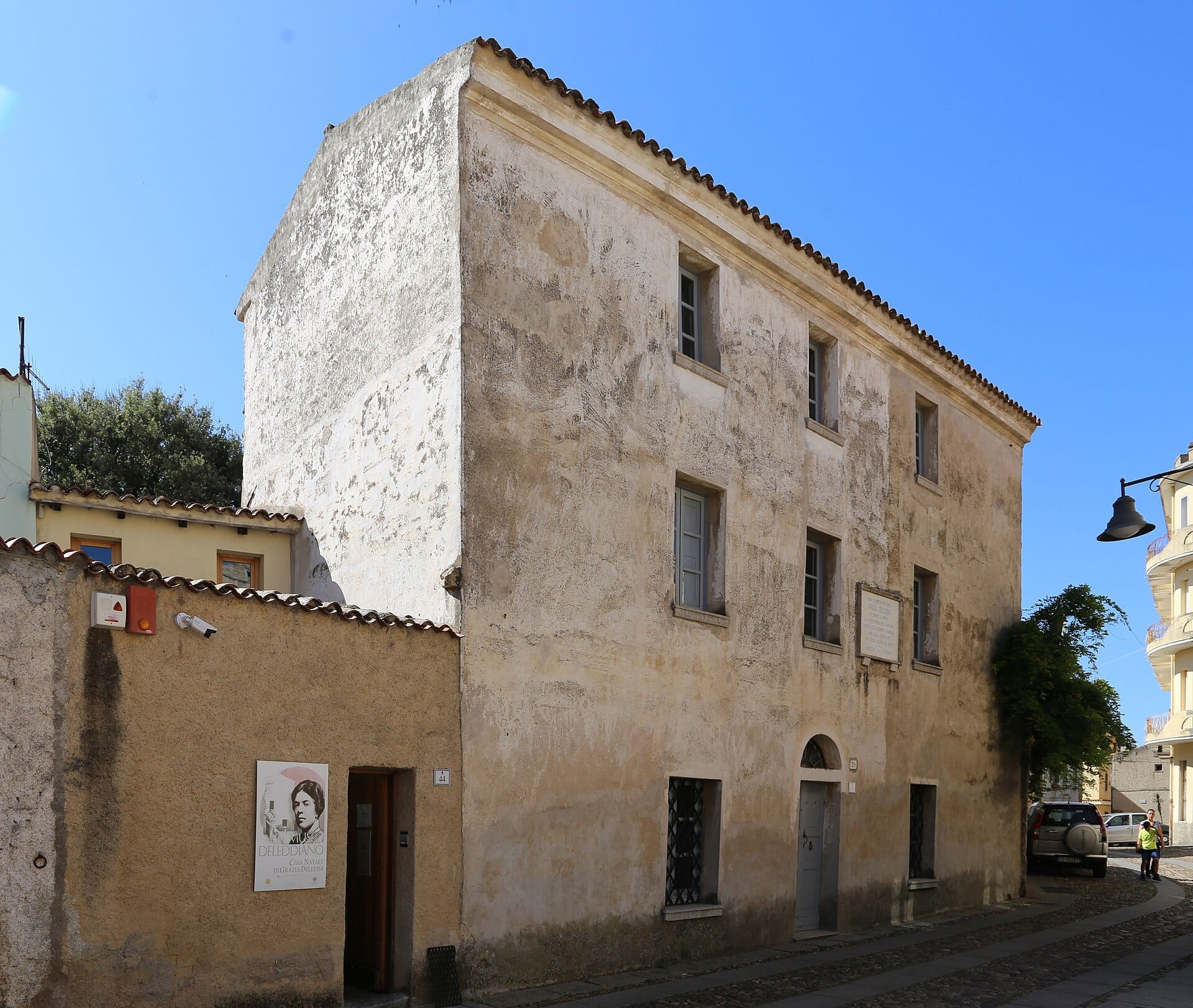
Nuoro is the birthplace of Grazia Deledda, the Sardinian novelist who won the Nobel Prize in Literature in 1926, the first Italian woman to receive the honor. The house where she was born is now the Museo Deleddiano, a small but well-curated museum dedicated to her life and work. Her novels, particularly Canne al Vento and Elias Portolu, are essentially ethnographic records of Barbagian life at the turn of the twentieth century, and reading one before visiting gives the region an entirely different depth.
East of the city, Monte Ortobene is accessible by road or on foot and offers panoramic views across the plateau toward the Gennargentu. A large bronze statue of the Redeemer stands at the summit, the focal point of the Festa del Redentore procession held every August, which draws costumed groups from villages across Barbagia. The forest around the mountain is good for short walks year-round.
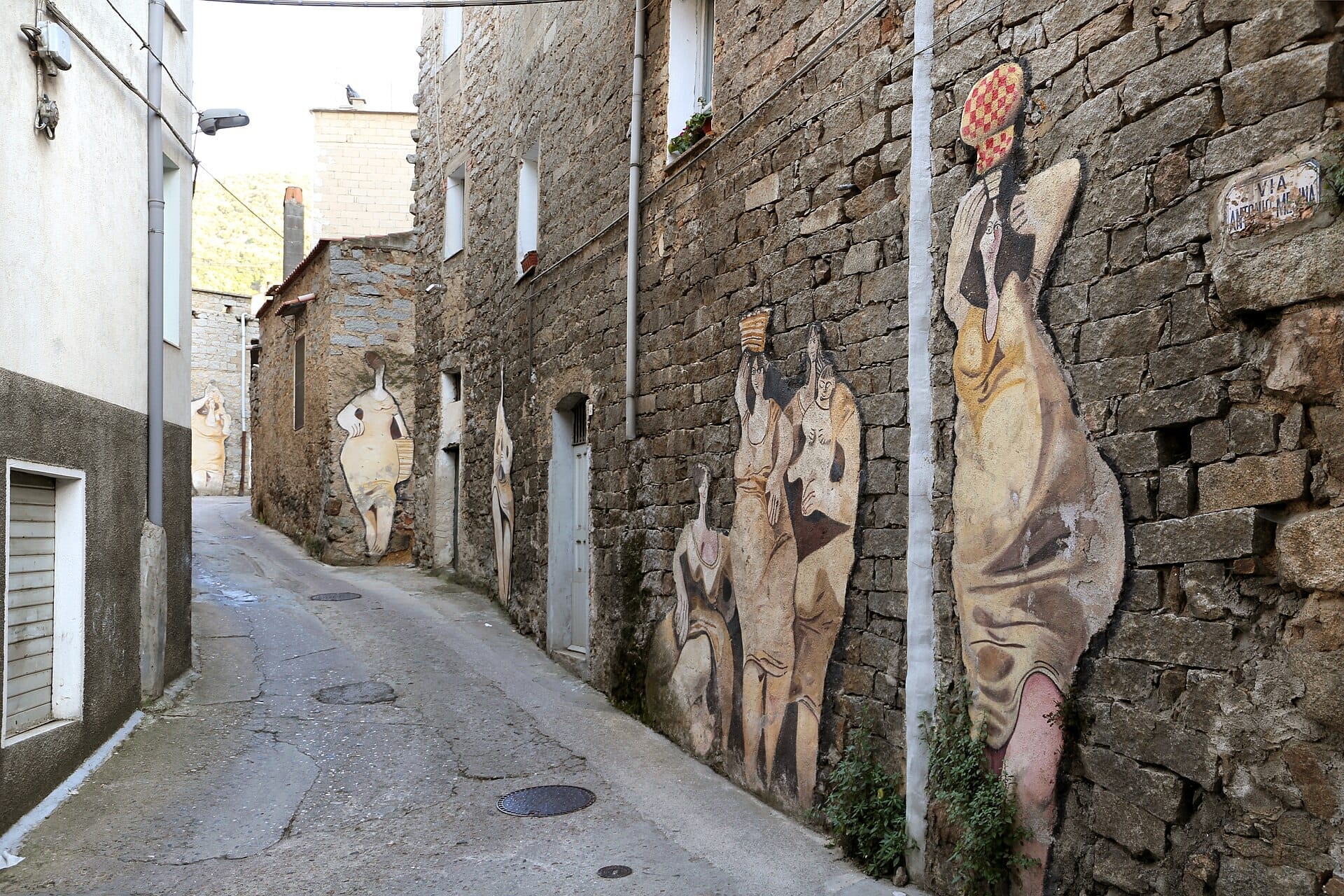
The village of Orgosolo, about 20 km south of Nuoro, is the most-visited interior settlement in all of Sardinia after Nuoro itself. Its murales began appearing in the 1970s as politically charged street art and now number in the hundreds, covering walls throughout the village with scenes from Sardinian life, anti-fascist history, and international political events. The village itself is surrounded by cork oak forests and traditional sheepfolds, and the contrast between the painted walls and the rough stone architecture is striking.
Museo Deleddiano, Nuoro: birthplace of Nobel laureate Grazia Deledda, with period interiors and manuscript displays
Museo del Costume, Nuoro: the definitive collection of Sardinian traditional dress and material culture
MAN (Museo d'Arte Provincia di Nuoro): contemporary Sardinian and Italian art in a well-designed space
Monte Ortobene: forested peak above the city with trails and panoramic views
Orgosolo murales: hundreds of politically charged wall paintings covering the village
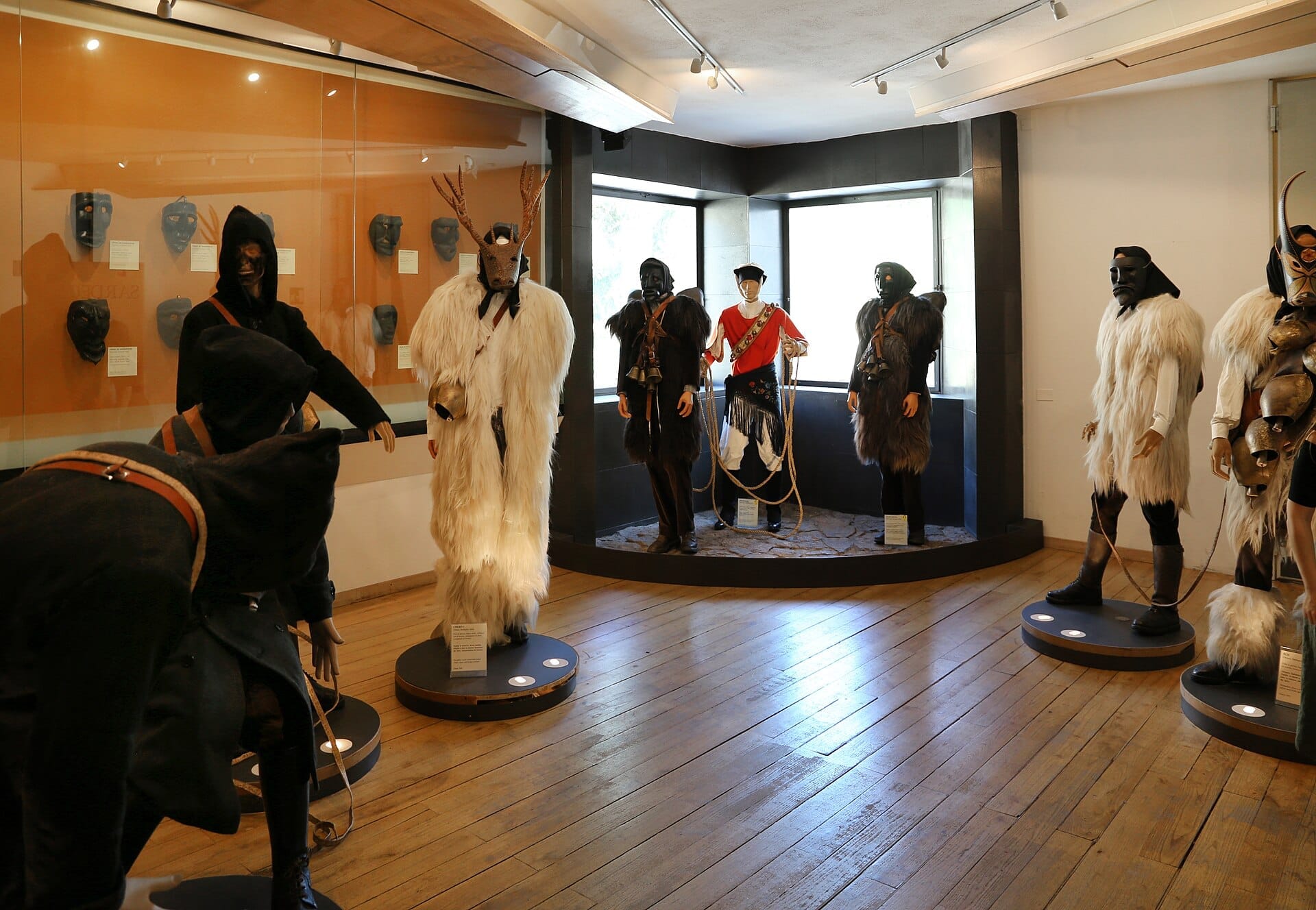
Mamoiada: home of the Mamuthones carnival masks, with a dedicated museum on the traditions
Gavoi and Lago di Gusana: a village set beside an artificial lake, worth visiting for its literary festival and walking trails
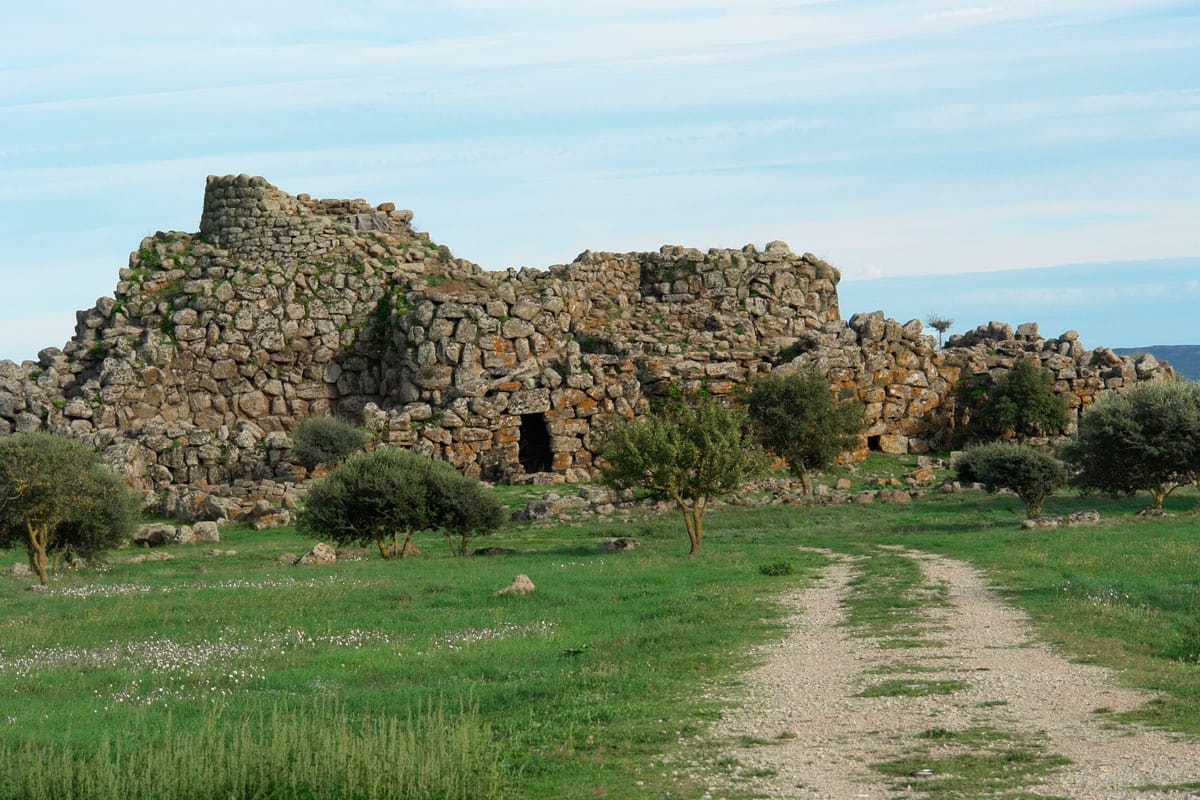
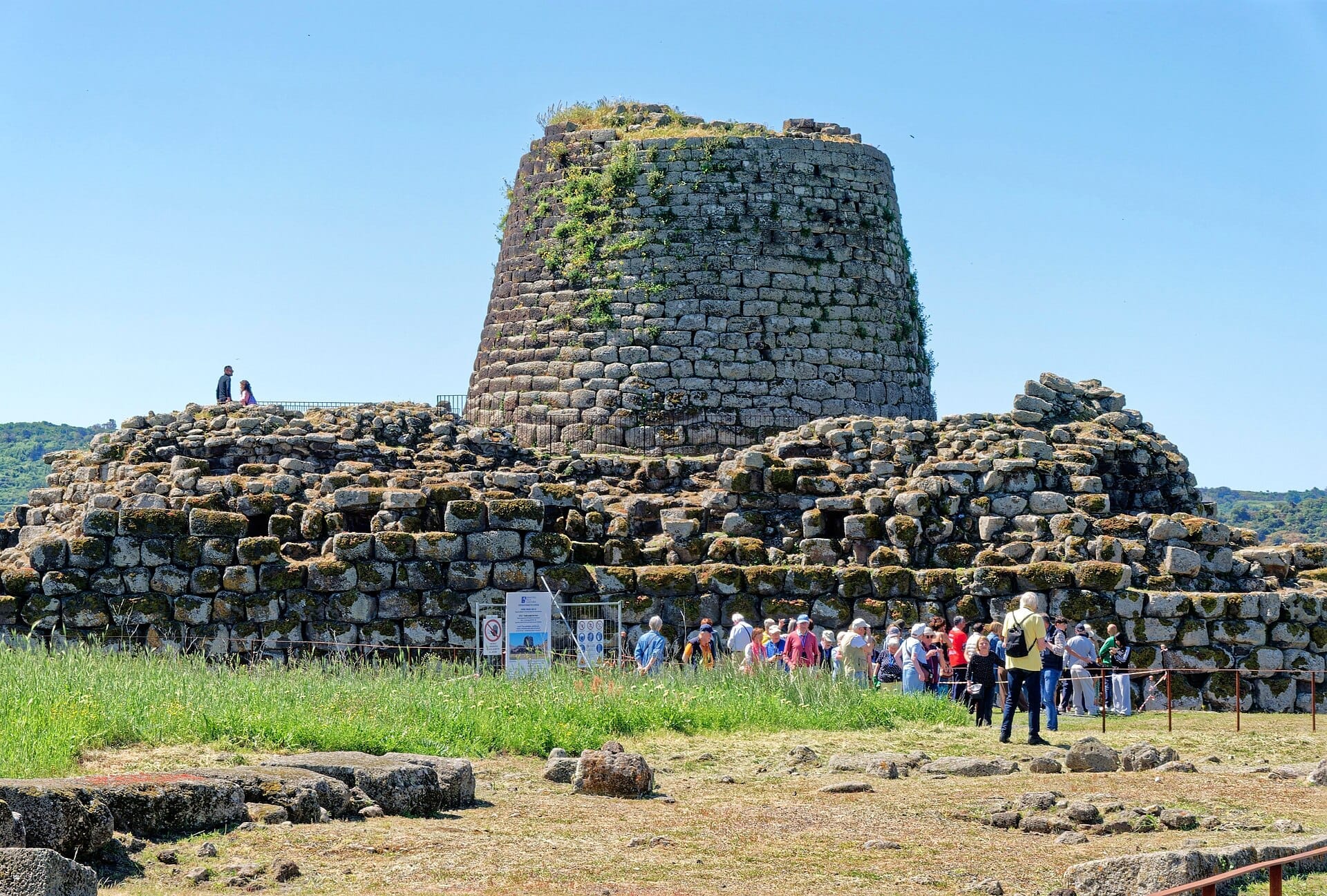
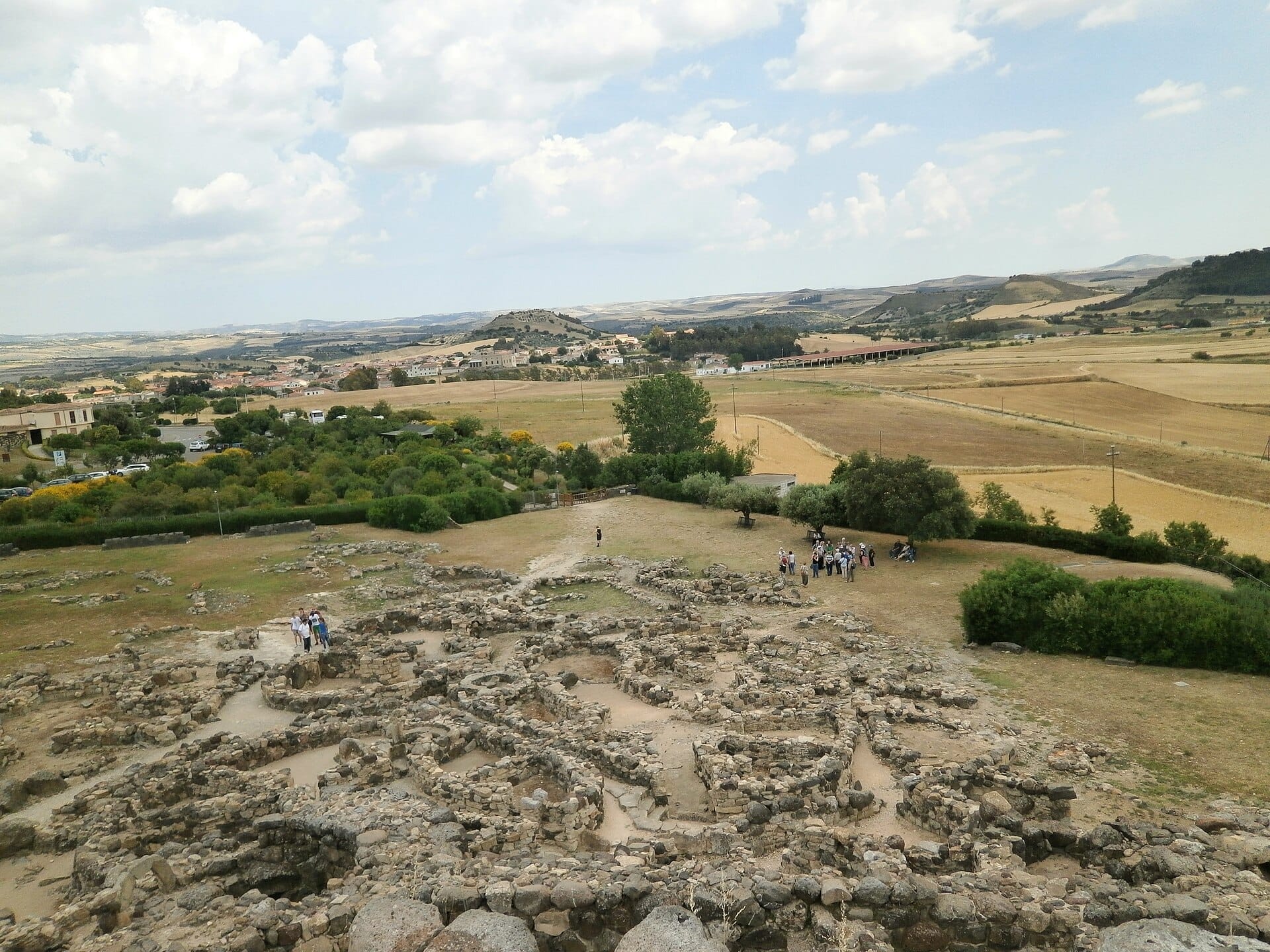
Nuragic village of Serra Orrios: one of Sardinia's best-preserved nuragic settlements, roughly 30 km north of Nuoro
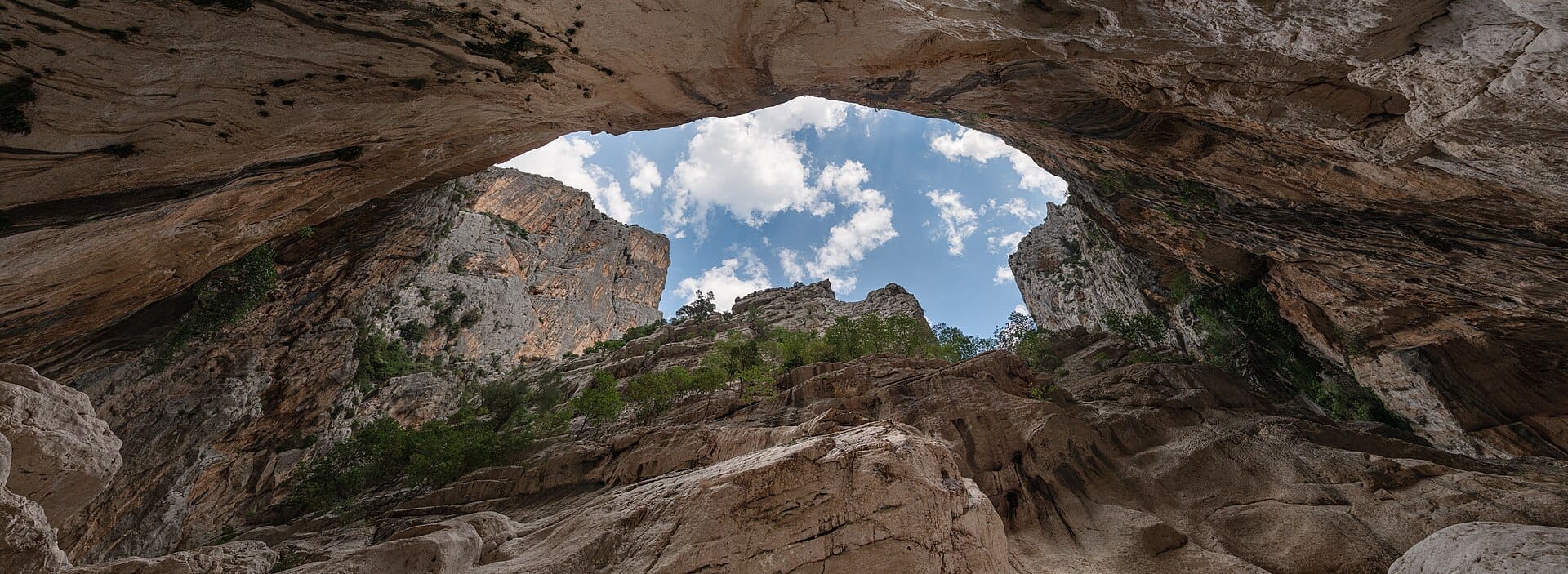
For hikers, the Parco Nazionale del Gennargentu covers much of the high terrain to the south. Trails connect ridge lines, shepherds' tracks, and forested slopes. The park's eastern sector extends to the Golfo di Orosei coastline, which is the starting point for the Selvaggio Blu long-distance route, considered one of the most demanding coastal treks in Europe.
Eating & Drinking
The food of Barbagia is shepherds' food: heavy, caloric, extraordinarily good when prepared well. Pane carasau, the thin crisp flatbread, appears on every table. Culurgiones, the pasta parcels filled with potato, mint, and pecorino, are the pasta of the eastern Barbagia and Ogliastra. Roasted suckling pig (porceddu) is the celebratory centerpiece, cooked on a spit over myrtle wood until the skin is lacquered. Lamb and goat are equally common. Cheese is everywhere: pecorino sardo in various ages, Fiore Sardo from Gavoi, and fresh ricotta that bears no resemblance to the industrial version sold elsewhere.
In Nuoro, Corso Garibaldi has a handful of cafes and bars that function as the morning social hub. Breakfasts are simple: a cornetto, a coffee, possibly a glass of mirto, the myrtle liqueur that serves as both aperitivo and digestivo in this part of the island. Restaurants in the center tend to be unpretentious trattorias serving regional food without elaborate presentation. Expect fixed-price lunch menus at reasonable prices by any Italian standard.
Wine from the interior is worth attention. The Cannonau grape dominates in Barbagia and Ogliastra, producing robust red wines with a minerality tied to the granite soils. Cannonau di Sardegna DOC covers the denomination, and some producers in the Nuoro area bottle wines of genuine quality. Barbagia is also connected to the broader story of Sardinia's Blue Zone longevity research, with Cannonau consumption cited as one possible dietary factor in the area's historically high concentration of centenarians, though the research remains ongoing.
💡 Local tip
In smaller Barbagia villages, restaurants may only serve food if you book in advance, especially outside summer. Calling ahead is not optional politeness — it is a practical necessity. Many kitchens simply do not operate without confirmed diners.
Getting There & Around
Nuoro has no airport. The nearest major gateway is Olbia Costa Smeralda Airport (IATA: OLB), approximately 100 km to the northeast, which has the most frequent connections from mainland Italy and European cities. Cagliari Elmas Airport (IATA: CAG) to the south is a greater distance by road (around 160–170 km, versus about 100 km from Olbia) and may be more convenient depending on your origin city. Alghero-Fertilia Airport (IATA: AHO) is farther and less practical for Nuoro as a base.
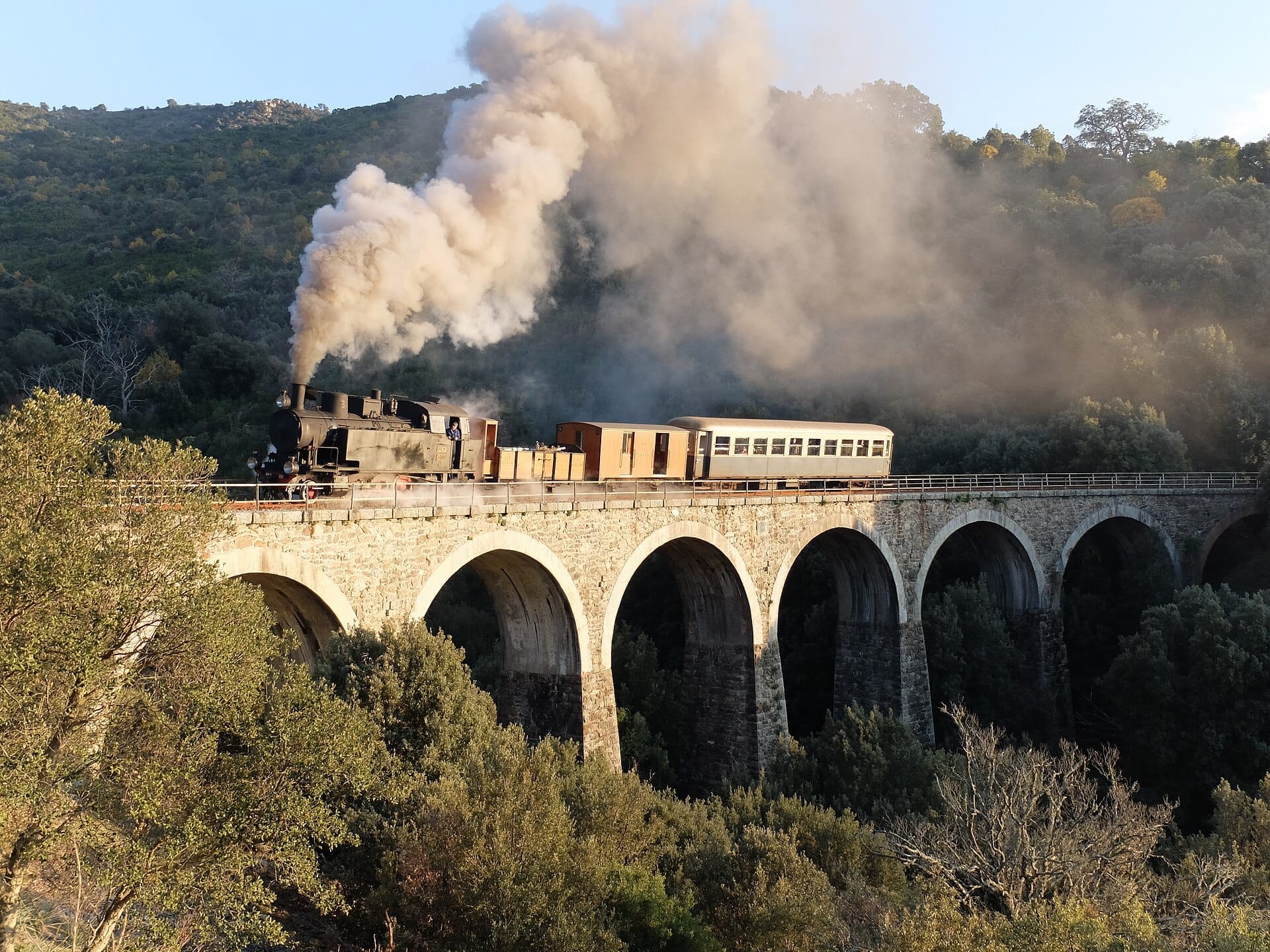
A narrow-gauge train line formerly connected Nuoro to Macomer, where passengers could transfer to the main Trenitalia network running between Cagliari, Oristano, and Sassari, but this service is currently suspended and replaced by buses. The journey is slow by any measure: Nuoro to Cagliari by train takes several hours with the connection. ARST regional buses cover the route between Nuoro and Olbia, Sassari, and Cagliari with greater frequency and, in practice, faster total journey times than the rail connection for most destinations. Bus schedules are worth checking directly on the ARST website before travel, as services on some routes are reduced on weekends and public holidays.
Within Nuoro city, the center is compact enough to navigate on foot. From the main piazza near the cathedral, the Museo del Costume is about a 10–15-minute walk downhill to the south, and Monte Ortobene is accessible by a local bus service that runs up from the city center. For anything outside Nuoro — including Orgosolo, Mamoiada, Oliena, Gavoi, and the mountain villages — a rental car is effectively essential. The roads in Barbagia are well-maintained by Italian standards but frequently winding and narrow, dropping into valleys and climbing back out over passes. Distances on a map can be deceptive: 40 km in the mountains can take an hour.
⚠️ What to skip
Mountain roads in the Gennargentu area can be affected by snow and ice between December and March. Rental car agreements sometimes exclude coverage on unpaved tracks leading to more remote nuragic sites or sheepfolds. Check both road conditions and your rental terms before heading into the high terrain.
There is no metro system in Nuoro. Taxis are available but less abundant than in coastal cities: it is advisable to arrange pick-up times in advance rather than assuming you can flag one. For travelers who want to explore the region without a car, guided day tours from Nuoro to Orgosolo, Mamoiada, and Oliena are available through local operators. The practical guide to getting around Sardinia has broader context on transport options across the island.
Where to Stay
Nuoro city offers the most reliable accommodation infrastructure in the region: a range of hotels and B&Bs concentrated around the historic center and Corso Garibaldi. Staying in the center puts you within walking distance of the main museums and the morning market activity on and around the corso. The choice of hotels is limited compared to coastal cities, and standards vary, but the city has options across several price points from budget B&Bs to mid-range three-star hotels.
For a more immersive experience, agriturismo accommodation scattered through the Barbagia villages is the more characterful option. These working farms and rural estates offer rooms alongside home-cooked meals built around what the property produces: cheese, cured meats, local wine. The quality is uneven, but the best examples give access to a Sardinian way of life that no city hotel can replicate. The agriturismo guide for Sardinia has practical advice on what to look for and how to book.
Nuoro works well as a base for day trips into the Barbagia villages, to the nuragic sites of the plateau, and even toward the Golfo di Orosei coast, though the latter requires enough driving time to make it a full day out. Travelers planning primarily coastal activities at Cala Gonone or the Golfo di Orosei might find it more practical to stay on the coast and make a day trip inland to Nuoro and Orgosolo, rather than the reverse.
For general guidance on choosing where to base yourself across Sardinia, the where to stay in Sardinia guide covers the tradeoffs between coastal and inland options for different travel styles.
Practical Considerations
Barbagia and Nuoro see far fewer international tourists than the Sardinian coast, and that has practical consequences. English is less commonly spoken in shops, restaurants, and hotels here than in Olbia, Alghero, or Cagliari. A few phrases of Italian go a long way, and a translation app is useful rather than merely convenient. Menus in village restaurants may only be in Italian or Sardinian.
The interior is significantly cooler than the coast, particularly at altitude. Summer highs in Nuoro are often in the upper-20s to low-30s Celsius, generally a few degrees cooler than the hottest coastal areas, and evenings can be cool enough for a light jacket even in July. The Gennargentu peaks can receive snow from November through March. For seasonal planning, the best time to visit Sardinia covers island-wide patterns, but note that the interior's climate differs meaningfully from coastal conditions.
The Festa del Redentore in Nuoro at the end of August is the largest annual event in the region, drawing costumed processions from villages across Barbagia over several days. Accommodation in and around Nuoro fills up early for this period. The Sagra delle Castagne (chestnut festival) in various Barbagia villages in October is a quieter but equally authentic seasonal marker. The Mamoiada carnival in February, centered on the Mamuthones ritual masks, is internationally known among folklore researchers and is worth planning around if the timing works.
ℹ️ Good to know
Nuoro was a finalist for Italian Capital of Culture 2020, which reflects the genuine weight of its cultural institutions relative to its population of around 36,000. The museums here, particularly the Museo del Costume and the MAN, are not provincial afterthoughts. They are serious institutions worth the visit in their own right.
For travelers building a longer itinerary that includes both the interior and the coast, a road trip through Sardinia is the most logical framework for combining Barbagia with the beaches and archaeological sites elsewhere on the island. The region also connects well to the nuragic heritage sites of Sardinia, with the Serra Orrios complex near Dorgali and several other Bronze Age settlements within an hour of Nuoro.
TL;DR
Barbagia and Nuoro are the cultural and geographic heart of Sardinia: the place to go if you want to understand the island beyond its beaches.
Best suited to independent travelers who rent a car, are comfortable navigating with limited English, and have genuine interest in traditional culture, folk history, and mountain landscapes.
Nuoro city anchors the region with serious museums (Museo del Costume, Museo Deleddiano, MAN) and works well as a two or three night base.
The surrounding villages — Orgosolo, Mamoiada, Oliena, Gavoi — each offer distinct character and are reachable as day trips by car from Nuoro.
Not the right choice for travelers whose priority is beach access, resort amenities, or lively nightlife. The interior rewards patience and curiosity, not a packed itinerary.
Fourteen days is the right amount of time to properly explore Sardinia's four coastlines, mountainous interior, and ancient ruins. This itinerary covers the full circuit by car, from Cagliari in the south to Alghero in the northwest, with practical advice on timing, logistics, and where to skip the tourist traps.
Sardinia has about 1,850 kilometres of coastline and some of the clearest water in the Mediterranean. This guide covers the best beaches across the island, from the famous to the hard-to-reach, with practical advice on access, crowds, and when to go.
Sardinia rewards visitors differently depending on when they arrive. This guide cuts through the vague advice to explain exactly what each season delivers, from peak-summer beach conditions to spring wildflower hikes and quiet winter city breaks, so you can match your trip to your priorities.
Cagliari sits at the southern tip of Sardinia, placing you within striking distance of some of the island's finest beaches, archaeological sites, and natural landscapes. These 20 day trips range from quick 30-minute drives to full-day adventures into the island's wild interior.
Sardinia covers 24,090 km² of mountains, coastline, and rural roads with no motorways. This guide breaks down every realistic transport option, from renting a car to catching the right ferry, so you can plan a trip that actually works.
Sardinia is far more than a beach destination. Its limestone canyons, granite peaks, and ancient shepherd paths offer some of the most dramatic hiking in the Mediterranean. This guide covers the best trails from day walks to multi-day epics.
Sardinia is Italy's second-largest island and one of the Mediterranean's most remarkable destinations — but it rewards those who plan well and punishes those who assume it's just another beach holiday. This guide cuts through the marketing to give you a clear-eyed picture of what Sardinia offers, who it suits best, and what to expect.
Sardinia delivers some of Europe's most coveted luxury travel experiences, from the yacht-lined marina at Porto Cervo to secluded villas with private pools above crystalline coves. This guide breaks down where to stay, when to go, and how to build a high-end Sardinian itinerary that goes beyond the obvious.
Olbia is where most visitors to northeast Sardinia first set foot, then immediately drive away toward Costa Smeralda. That's a mistake. This guide covers what the city actually offers, from its Nuragic roots and early Christian basilica to boat trips around Tavolara, the best nearby beaches, and everything you need to arrive, orient yourself, and explore the Gallura region properly.
Seven days in Sardinia is enough time to experience the island's best beaches, ancient sites, and coastal scenery — but only if you plan carefully. This day-by-day itinerary covers the most rewarding route, with practical logistics, timing advice, and the practical details most guides leave out.
Agriturismo is one of the most rewarding ways to experience Sardinia beyond the coast. This guide covers what a real agriturismo is, where to find the best ones, what food to expect, prices to budget for, and how to avoid countryside guesthouses masquerading as working farms.
Sardinia is home to the world's first identified Blue Zone, a cluster of inland villages in the Ogliastra region where living past 100 is far from unusual. This guide breaks down the research, the lifestyle factors, the villages worth visiting, and how to experience the culture behind the longevity — without the tourist traps.
Sardinia's most spectacular landscapes are only reachable by water. This guide covers the best boat trips across the island, from the pink-sand coves of La Maddalena to the towering limestone cliffs of the Gulf of Orosei, with tips on what to expect, when to go, and how to book.
Sardinia has some of the most spectacular camping terrain in the Mediterranean, from cliff-backed coves to pine-shaded coastal pitches. But the rules around wild camping are strict and widely misunderstood. This guide covers the legal framework, regional campsite highlights, realistic costs, and seasonal booking strategy.
Two islands, 11 km apart, yet remarkably different in culture, cost, and character. This guide breaks down the real differences between Sardinia and Corsica so you can choose the one that actually matches your trip.
Sardinia's festival calendar runs nearly year-round, from winter carnival traditions to autumn food fairs. This guide covers the major events by season, what to expect at each, and how to plan your trip around them without getting caught off-guard.
Sardinian food is not Italian food with a regional accent — it is a cuisine shaped by centuries of pastoral life, coastal abundance, and fierce cultural independence. This guide covers the dishes you need to try, the wines worth seeking out, and how to eat well without getting steered toward the tourist menu.
Sardinia rewards those who look beyond the famous beaches. This guide uncovers the island's lesser-known archaeological wonders, dramatic inland landscapes, and coastal stretches that see a fraction of the summer crowds, from Bronze Age cities to wild dune deserts.
Sardinia delivers some of the Mediterranean's most striking coastal scenery, and it rewards couples who look beyond the obvious. This guide covers the best romantic beaches, the right season to visit, where to base yourself, and the experiences that actually make a trip feel special rather than simply scenic.
May and June are arguably the best months to visit Sardinia. Temperatures sit in the low-to-mid 20s°C, rainfall is minimal, beaches are largely empty, and prices are a fraction of August rates. This guide covers everything you need to plan a trip during Sardinia's sweet spot.
September and October are arguably the smartest months to visit Sardinia. The sea is still warm, the beaches clear out, prices drop by up to 50% compared to August, and the island's food and culture festivals hit their stride. This guide covers everything: what the weather is really like, which beaches and attractions to prioritize, what closes early, and how to plan a trip that beats the summer crowds without missing out on anything.
July and August in Sardinia mean scorching heat, crystal-clear water, and the most crowded beaches in the Mediterranean. This guide breaks down exactly what to expect: temperatures, sea conditions, crowd patterns, transport logistics, and the honest trade-offs of visiting during peak season.
Sardinia's drink culture runs much deeper than Cannonau and Vermentino. From bitter chinotto and blood orange spremuta to coffee granita and herbal aperitivi, the island offers a full range of non-alcoholic options rooted in Italian tradition. This guide covers what to order, when to order it, and what to expect to pay.
Sardinia holds more than 7,000 surviving nuraghe, making it the richest Bronze Age landscape in the Mediterranean. This guide covers the essential Nuragic sites across the island, from towering fortress complexes and sacred wells to rock-cut tombs, colossal stone statues, and hidden village ruins inside mountain sinkholes.
Sardinia has a reputation as a playground for superyachts and celebrity holidays. That reputation is earned in places like Costa Smeralda — but it doesn't apply to the rest of the island. With the right timing, transport choices, and a few local habits, visiting Sardinia on a budget is entirely realistic. This guide breaks down exactly how.
Sardinia rewards self-drivers more than almost anywhere in the Mediterranean. This guide covers everything you need: which airport to fly into, how long routes actually take, when to go, what to rent, and the coastal and inland drives worth building your itinerary around.
Sardinia has some of the clearest water in the Mediterranean, protected by a network of marine reserves that have allowed groupers, barracuda, and Posidonia seagrass meadows to thrive. This guide covers the best snorkelling and diving destinations across the island, from the sheltered coves of the Golfo di Orosei to the offshore shoals of Capo Caccia and the archipelago waters of La Maddalena.
Sardinia has one of the most reliable Mediterranean climates in Europe, but the difference between a perfect trip and a sweaty, overpriced one often comes down to timing. This guide breaks down Sardinia's weather month by month, covers regional climate differences, and tells you exactly when to visit based on what you want to do.
Sardinia is one of Europe's premier destinations for windsurfing and kitesurfing, with reliable Mistral winds, warm water, and spots suited to everyone from first-timers to competition riders. This guide covers the island's top locations, from the world-famous flats of Porto Pollo to the wave-lashed beaches of the south.
Sardinia produces some of Italy's most distinctive wines, from the rich, age-worthy Cannonau of the Barbagia highlands to the mineral Vermentino di Gallura DOCG on the granite soils of the northeast. This guide covers every major grape, appellation, regional style, and where to taste them on the island.
Sardinia is one of the Mediterranean's top destinations for families, with shallow turquoise bays, a long swimming season, and a wealth of activities beyond the beach. This guide covers the best family-friendly beaches by region, when to go, how to get around, and what to do when the kids have had enough sun.
Sardinia rewards travelers who look beyond its famous beaches. This guide covers the island's top experiences — prehistoric ruins, sea caves, coastal hikes, boat trips, and cultural towns — with practical advice on timing, costs, and what to skip.
Sardinia is bigger than most visitors expect, and picking the right base makes or breaks a trip. This guide breaks down every major area, from the glamour of Porto Cervo to the cultural depth of Cagliari, with practical advice on prices, seasonal timing, and how many bases you actually need.