Camping in Sardinia: Best Sites, Costs & Wild Camping Rules Explained
Sardinia has some of the most spectacular camping terrain in the Mediterranean, from cliff-backed coves to pine-shaded coastal pitches. But the rules around wild camping are strict and widely misunderstood. This guide covers the legal framework, regional campsite highlights, realistic costs, and seasonal booking strategy.
Plan and book this trip
Tools from our partner Travelpayouts help you compare flights and hotels. If you book through them, we may earn a commission at no extra cost to you.
Flights
Hotels map
TL;DR
- Wild camping is illegal across Sardinia: on beaches, in forests, in national parks, and on public land. Fines apply.
- Around 65–70 registered campsites operate across the island, covering all major coastal areas and several inland zones.
- Average pitch cost is around €47 per night (two adults with electricity) in mid-season, with budget options from roughly €22.
- July and August are the most expensive and crowded months; September camping offers warm weather with fewer crowds and lower prices.
- Campervans can park on public roads but cannot set up camp (awnings, chairs, jacks) without local authority permission.
Wild Camping in Sardinia: What the Law Actually Says
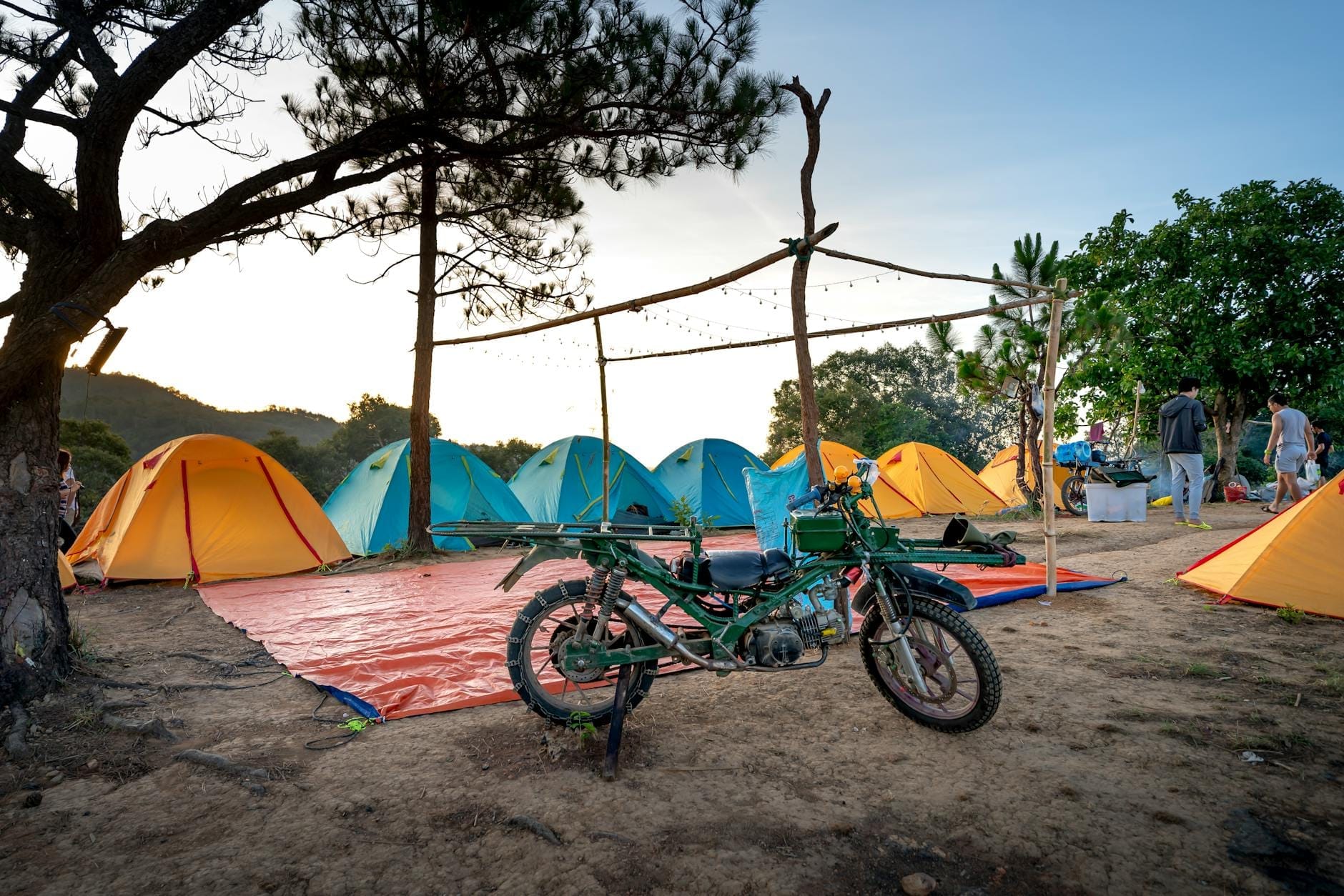
The single most important thing to understand about camping in Sardinia is this: wild camping is illegal. Full stop. Italian law prohibits free camping on beaches, in forests, in national parks, and on any public land across the country, and Sardinia enforces these rules with particular seriousness given the island's vulnerability to wildfires and the pressure on its coastal ecosystems during summer.
The prohibition covers everything you might imagine as 'camping': pitching a tent, sleeping in a sleeping bag on a beach, setting up a hammock in a protected coastal area. Overnight stays are prohibited even if you're being discreet. The idea that you can quietly camp on a remote beach if no one sees you is a persistent myth, and it's one that results in fines every summer season.
⚠️ What to skip
Camping or overnighting on Sardinian beaches is explicitly prohibited and can result in substantial fines. Coastal wardens (Guardia Costiera) and local police patrol popular beaches, especially in July and August. 'Discreet' beach camping is not a legal grey area — it is illegal.
There is one partial exception: camping on private land is permitted with the explicit written or verbal permission of the landowner. In practice, this is rare for visiting travelers but does apply to agriturismo stays and farm-based camping. If you are approaching a landowner in rural Sardinia, be aware that the answer is often no, and that setting up without permission is trespassing.
Campervans and motorhomes occupy a distinct legal space. Italian law distinguishes between parking a vehicle (permitted where parking is allowed) and camping with a vehicle (prohibited without permission). Parking a campervan overnight on a public road or car park is only legal if you do not deploy awnings, leveling jacks, outdoor furniture, or any other camping equipment. The moment you do, it becomes camping under Italian law. Individual municipalities can also ban overnight vehicle parking entirely, so checking local ordinances before pulling in for the night matters.
The Best Regions for Camping in Sardinia
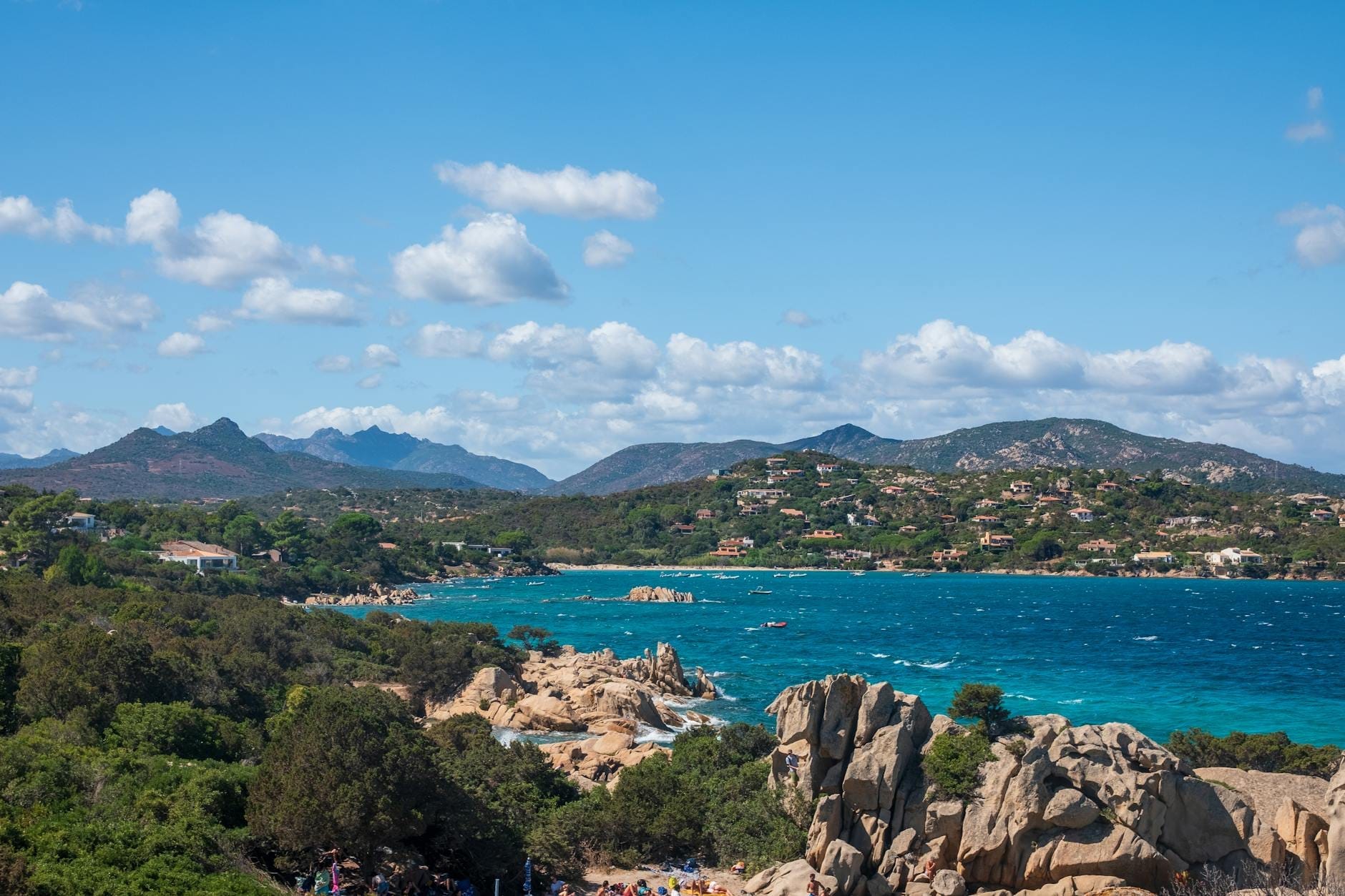
Sardinia's registered campsites are concentrated along the coasts, with the greatest density in the northeast, the southeast, and the southwest. The island's interior, including the Barbagia and Gennargentu area, has fewer options but offers cooler temperatures and a completely different landscape from the beach-dominated coast.
- Northeast (Gallura / Costa Smeralda area) The most developed camping infrastructure on the island, with sites near Palau, Santa Teresa Gallura, and the Capo d'Orso headland. Proximity to La Maddalena ferries is a major draw. Book months in advance for July–August.
- East Coast (Golfo di Orosei / Ogliastra) Sites around Cala Gonone serve as base camps for boat trips to Cala Luna and Cala Mariolu. The terrain here is dramatically different: limestone cliffs, blue water, and limited road access. Campsites fill fast in peak season.
- Southeast (Villasimius / Costa Rei) Popular with Italian families and international campers alike. Campsite Village Capo Ferrato is one of the most-referenced sites in this zone. Good beach access and reasonably developed facilities.
- Southwest (Sulcis / Chia area) Fewer campsites than the northeast but some of the most dramatic scenery: dunes, shallow lagoons, and Phoenician ruins nearby. Worth considering for travelers who want coast without Costa Smeralda prices.
- Northwest (Alghero / Porto Conte area) Camping Village Laguna Blu sits between the sea and a lagoon near Alghero, making it one of the more unusually positioned sites on the island. The nearby Capo Caccia cliffs and Grotte di Nettuno are accessible by boat.
💡 Local tip
If you're based near Alghero and camping in the northwest, the Parco Naturale di Porto Conte surrounds several campsite access roads. Day hiking and cycling routes start practically from campsite gates, making this zone particularly good for active travelers who want more than beach time.
Costs, Booking Platforms & What to Expect
The average pitch in Sardinia costs around €47 per night for two adults with electricity across the season, according to aggregated data from camping.info. That figure can drop to around €22 per night at budget sites in shoulder season, or climb well above €80 per night at premium coastal sites in August. Tourist tax is usually charged separately and varies by municipality, typically €1–3 per adult per night.
Three major booking and comparison platforms that cover Sardinian campsites are PiNCAMP (around 65–70 listed sites with detailed facility filters), camping.info, and Pitchup. All three allow you to filter by dates, pitch type, and facilities. For the northeast and the Golfo di Orosei specifically, booking directly through individual campsites is often necessary for peak-season stays, as the largest and most popular sites manage their own reservation systems and may not list full availability on aggregators.
- PiNCAMP: best for comparing facilities and reading user reviews across all Sardinian sites
- camping.info: strong on pricing transparency and seasonal availability calendars
- Pitchup: useful for last-minute availability in shoulder season
- Direct booking: essential for popular sites in July–August, when aggregators may not show real-time availability
✨ Pro tip
If you're planning a coastal campsite stay in the first two weeks of August, book at least 3–4 months in advance. Sardinia's peak season is short and intense: popular sites near Cala Gonone, Palau, and Villasimius can be fully booked from March onwards for the August window.
Camping by Season: When to Go and What Changes
Sardinia's camping season effectively runs from April to October, with a small number of year-round sites mainly serving campervan travelers. The island's Mediterranean climate means summers are hot and dry, with temperatures regularly hitting 30–35°C in July and August in coastal areas. For more detail on how weather patterns affect planning, the Sardinia weather guide breaks down monthly conditions across different parts of the island.
The shoulder months, particularly May, June, and September, offer the most comfortable camping conditions. Temperatures sit between 22–28°C during the day, sea temperatures are warm enough for swimming (typically 20–24°C by September), and campsite prices drop noticeably compared to August peaks. Camping in May specifically suits those who want empty beaches and open pitches without booking months ahead.
- April–May Many sites open from Easter onwards. Prices are at their lowest. Weather is warm but variable, and some facilities may not yet be fully operational. Good for campervans and hiking-focused trips.
- June Strong conditions for camping: warm, mostly dry, less crowded than July. Schools in Italy don't break until late June, so the first three weeks offer a genuine sweet spot.
- July–August Peak demand, peak prices, peak everything. Campsites in prime coastal zones are at capacity most nights. Heat can be intense, especially inland. Essential to book ahead.
- September–October Arguably the best months for camping in Sardinia. The sea remains warm, crowds thin significantly after the first week of September, and prices fall. Some sites begin closing from mid-October.
Camping Near Sardinia's Key Attractions
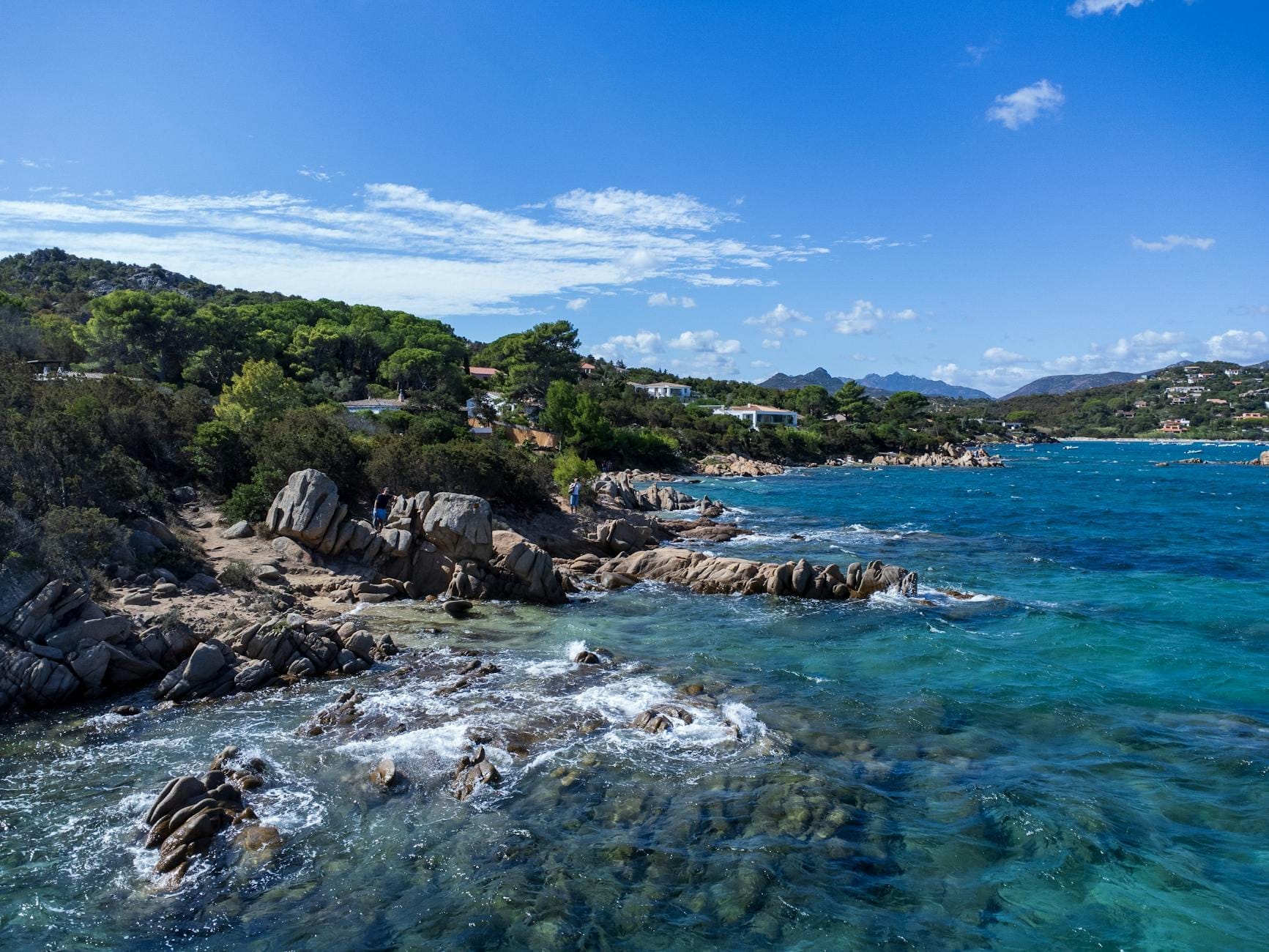
One of the practical advantages of tent or campervan travel in Sardinia is proximity to attractions that are difficult to access as day trips from hotels. The Golfo di Orosei is the clearest example: campsites near Cala Gonone put you within reach of boat departures to Cala Luna and Cala Mariolu, two of the most spectacular beaches on the island, without the hour-plus transfers from inland bases.
In the northwest, campsites near Alghero give access to Grotte di Nettuno by boat from Capo Caccia, as well as the archaeological site at Anghelu Ruju. For those combining camping with cultural visits, Sardinia's nuragic sites are scattered across the island and many are within day-trip range of coastal campsites.
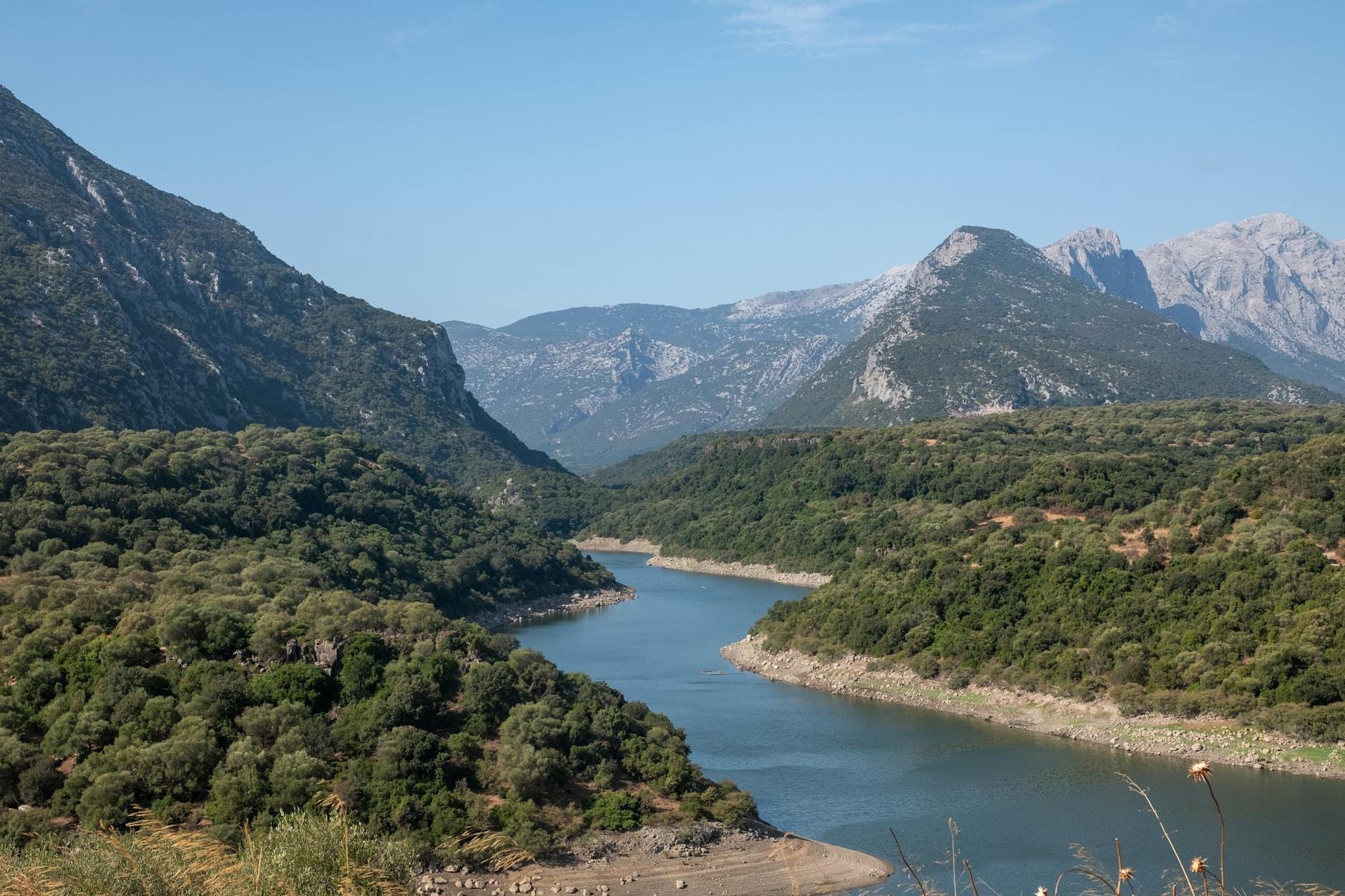
Hikers should know that the Selvaggio Blu — Sardinia's most demanding multi-day coastal trek — passes through the Golfo di Orosei area. While this route requires serious preparation and is not suitable for casual campers, the campsite infrastructure around Cala Gonone serves as the most practical base for logistics. For less technical hiking in the same region, hiking routes across Sardinia range from gentle forest walks to serious mountain days in the Gennargentu range.
Campervan Travel in Sardinia: Practical Notes
Campervans and motorhomes are a popular way to explore Sardinia, and the island's road network, while entirely free of motorways, is well-maintained enough for average-sized vehicles. The SS125, running along the east coast, is one of the most scenic drives on the island, but it includes narrow sections and steep gradients that require attention in larger vehicles.
Sosta camper areas (dedicated motorhome parking areas with basic services) exist in several towns and municipalities across Sardinia. These are legal overnight parking options for self-contained campervans, usually for a small fee, and crucially they are not campsites. You can sleep in your vehicle, but you cannot set up an outdoor living space. The Sardegna Turismo website and apps like Park4Night list current sosta locations, though availability and conditions change seasonally.
ℹ️ Good to know
Sardinia has no motorways (autostrade) — it is one of the few Italian regions without them. Road travel takes longer than mainland distances suggest. Factor in extra time when planning campsite-to-campsite routes, especially in the mountainous interior where roads are narrow and winding.
Ferries to Sardinia arrive at Cagliari, Olbia, Golfo Aranci, Porto Torres, and Arbatax. Campervan travelers arriving by ferry have the option of loading their vehicle at ports in Genova, Civitavecchia, Livorno, or Piombino on the mainland, or from Marseille and Toulon in France. Ferry crossings with a vehicle booked well in advance are essential for summer travel. For a broader overview of getting around once you arrive, the guide to getting around Sardinia covers ferry routes, road conditions, and transport options in detail.
FAQ
Is wild camping legal in Sardinia?
No. Wild camping is illegal across Sardinia and the rest of Italy. Camping on beaches, in forests, in national parks, or on any public land is prohibited and can result in fines. Camping on private land is only legal with the explicit permission of the landowner.
Can I sleep in my campervan on a Sardinian beach car park?
Parking your campervan overnight in a public car park may be permitted where parking is allowed, but you cannot deploy awnings, chairs, leveling jacks, or any camping equipment. The moment you do, Italian law classifies it as camping, which is prohibited without authorization. Some municipalities also ban overnight vehicle stays entirely, so checking local regulations before stopping is important.
How much does a campsite in Sardinia cost?
Average mid-season costs are around €47 per night for two adults with a pitch and electricity, not including tourist tax. Budget sites start from around €22 per night in shoulder season. Premium coastal sites in August can exceed €80–100 per night. Prices vary significantly by location, season, and site category.
When is the best time to go camping in Sardinia?
June and September offer the best balance of good weather, warm sea temperatures, and manageable campsite occupancy. July and August are the hottest and most crowded months with the highest prices. May is viable for those who don't need guaranteed swimming conditions but want low prices and empty pitches.
Do I need to book a Sardinian campsite in advance?
Yes, for any coastal campsite in July or the first two weeks of August, advance booking is essential — ideally 3–4 months ahead for popular sites near Cala Gonone, Palau, or Villasimius. In May, June, and September, last-minute availability is usually possible at most sites, particularly through booking platforms like PiNCAMP or camping.info.