Sardinia in September & October: The Definitive Shoulder Season Guide
September and October are arguably the smartest months to visit Sardinia. The sea is still warm, the beaches clear out, prices drop by up to 50% compared to August, and the island's food and culture festivals hit their stride. This guide covers everything: what the weather is really like, which beaches and attractions to prioritize, what closes early, and how to plan a trip that beats the summer crowds without missing out on anything.
Plan and book this trip
Tools from our partner Travelpayouts help you compare flights and hotels. If you book through them, we may earn a commission at no extra cost to you.
Flights
Hotels map
TL;DR
- September stays warm enough for swimming, with sea temperatures around 24–26°C early in the month and around 21–22°C by late October.
- Hotel and flight prices can run 30–50% lower than August peak, though demand has grown significantly since 2019.
- October brings inland festivals like Autunno in Barbagia across the Barbagia villages, plus ideal conditions for hiking and archaeological site visits.
- Not everything closes after summer — most major towns, restaurants, and attractions stay open, though some beach clubs and small resort services wind down by mid-October.
- Check the best time to visit Sardinia guide if you are still deciding between months.
What the Weather Actually Looks Like in September and October
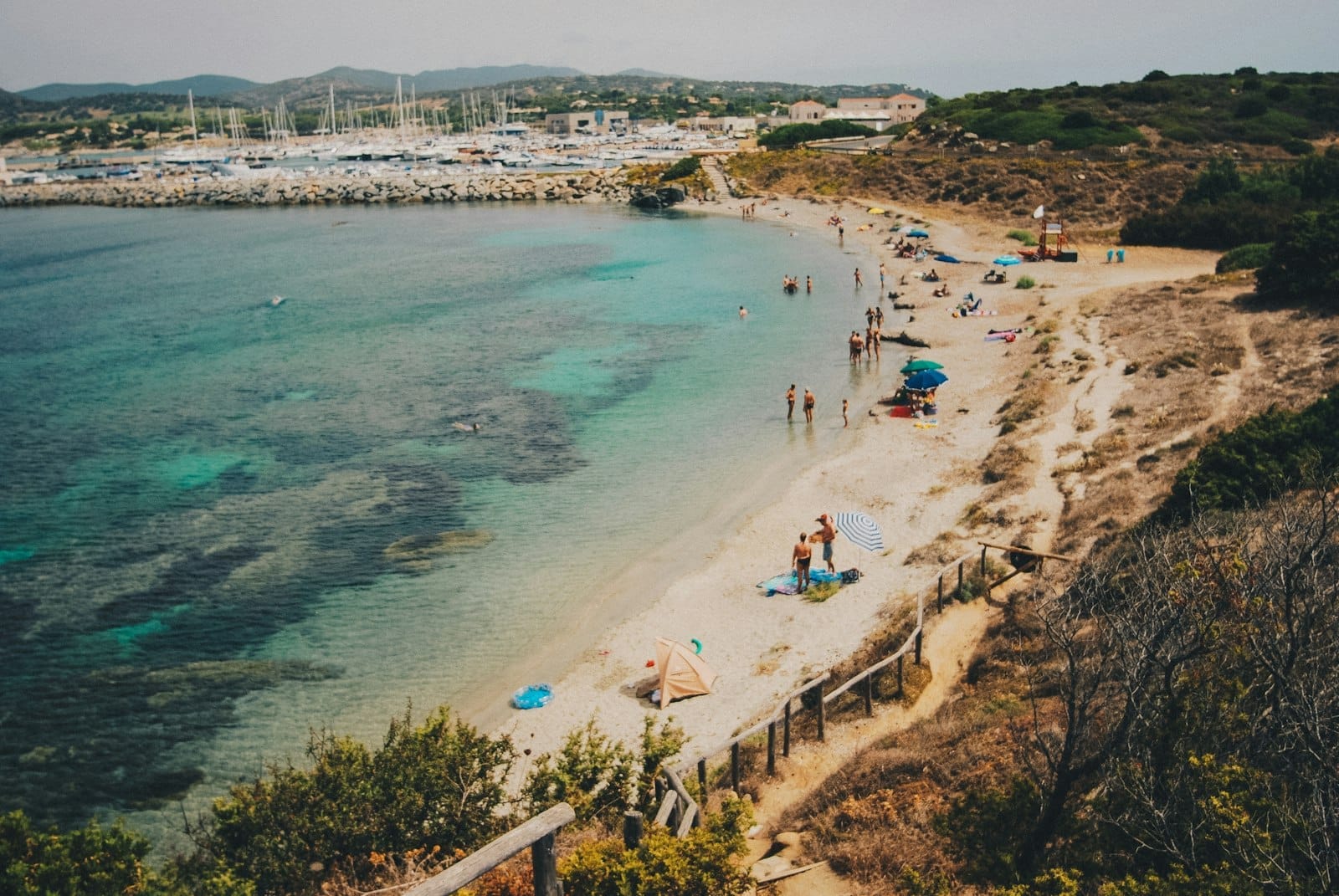
Sardinia follows a classic Mediterranean pattern: long, dry summers that ease into warm autumns. September in Cagliari sees average daytime highs of around 26–27°C, dropping to roughly 17–18°C at night. That is beach weather by most standards. October cools to highs of around 22–24°C, with evenings around 14–15°C — comfortable for sightseeing but you will want a layer after sunset.
The interior and mountain zones, including the Gennargentu range where Punta La Marmora reaches 1,834 metres, run noticeably cooler than the coast year-round. If you are planning hiking in the central highlands or Ogliastra in October, expect temperatures 5–8°C lower than coastal readings and bring a proper jacket.
Rainfall is the main variable. Sardinia's dry season runs roughly from May through September, but October marks the beginning of the wetter period. October showers are typically short and intense rather than sustained grey days, and clear weather between storms is common. That said, the second half of October is less predictable than early October or September, so if your trip flexibility is limited, lean toward the first three weeks of October.
💡 Local tip
Sea temperature is often the deciding factor for late-season travellers. The Mediterranean retains summer heat well into autumn: expect around 23–25°C in early September, around 22–23°C in late September, and roughly 22–23°C through October. That is swimmable for most people, without a wetsuit.
Crowds, Prices, and the Honest Reality of Shoulder Season
August in Sardinia is overcrowded. Beaches at peak resorts like Costa Smeralda or Villasimius fill by 9am, traffic on the SS125 coastal road through Ogliastra crawls, and accommodation prices reflect captive demand. September changes the picture fast. Italian school holidays end in mid-September, and the main domestic rush clears. Northern European visitors thin out by late September.
Accommodation rates are widely reported to drop 30–50% compared to August once you move into September, with further reductions in October. However, shoulder season is no longer the secret it once was. Data from UniOlbia found that September–October arrivals in 2022–2023 were up 23% versus the 2015–2019 average — so busy is relative. Popular spots like Costa Smeralda and Alghero still see significant visitor numbers in September. The real crowds drop from mid-October onward.
- Flights Charter and low-cost routes to Olbia (OLB) and Cagliari (CAG) run through September and into October, but frequency drops sharply after mid-October. Book early if traveling in the second half of October.
- Accommodation September rates are meaningfully lower than August but still competitive at the best properties. October offers the steepest discounts, particularly at beach resorts that stay open.
- Car hire Sardinia requires a car for most itineraries outside cities. September availability is good but book in advance for the first two weeks. October supply is more relaxed.
- Ferries Tirrenia, Corsica Sardinia Ferries, and Grimaldi Lines all run routes to Sardinia year-round, but summer frequency continues through September. Verify current schedules directly with operators as seasonal timetables shift.
⚠️ What to skip
Some smaller beach clubs, seasonal restaurants, and resort hotels in purely beach-focused areas like parts of Villasimius or the more remote Costa Smeralda coves begin closing from late September. Call ahead or check booking platforms before assuming your preferred property is still operating.
The Best Beaches in September and October
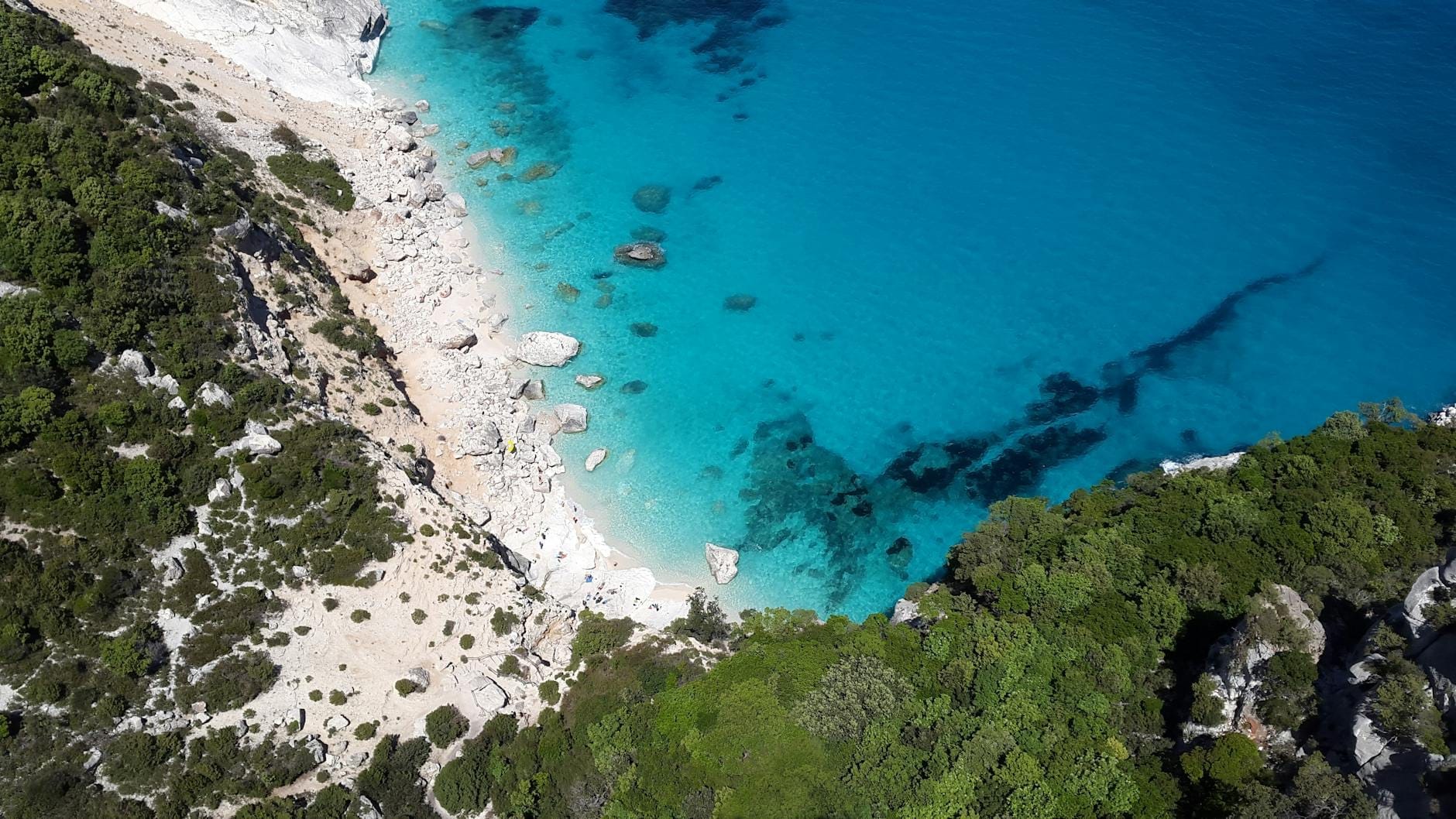
Shoulder season is the best time to visit Sardinia's most celebrated beaches — the water is still warm, the parking is free or available, and you can actually see the sand. Cala Luna and Cala Goloritzè on the Golfo di Orosei coast are accessible by boat from Cala Gonone, and September is the ideal window: the summer boat queues are gone, but services still run. By mid-October, boat services from Cala Gonone typically reduce frequency and some operators stop for the season.
In the south, Chia and the beaches around Villasimius and Costa Rei hold up well into October. The southeast coast around Capo Carbonara stays accessible and uncrowded. In the northwest, La Pelosa near Stintino drops its summer entry reservation system after peak season ends, making spontaneous visits possible again. The turquoise shallows remain every bit as striking without the summer scrum.
✨ Pro tip
Is Arutas, the quartz-grain beach on the Sinis Peninsula near Oristano, is far quieter in October than in summer and pairs perfectly with a visit to the nearby Tharros archaeological site. Combine both in a single day trip from Oristano or Cagliari.
Hiking, Archaeology, and Activities That Peak in Autumn
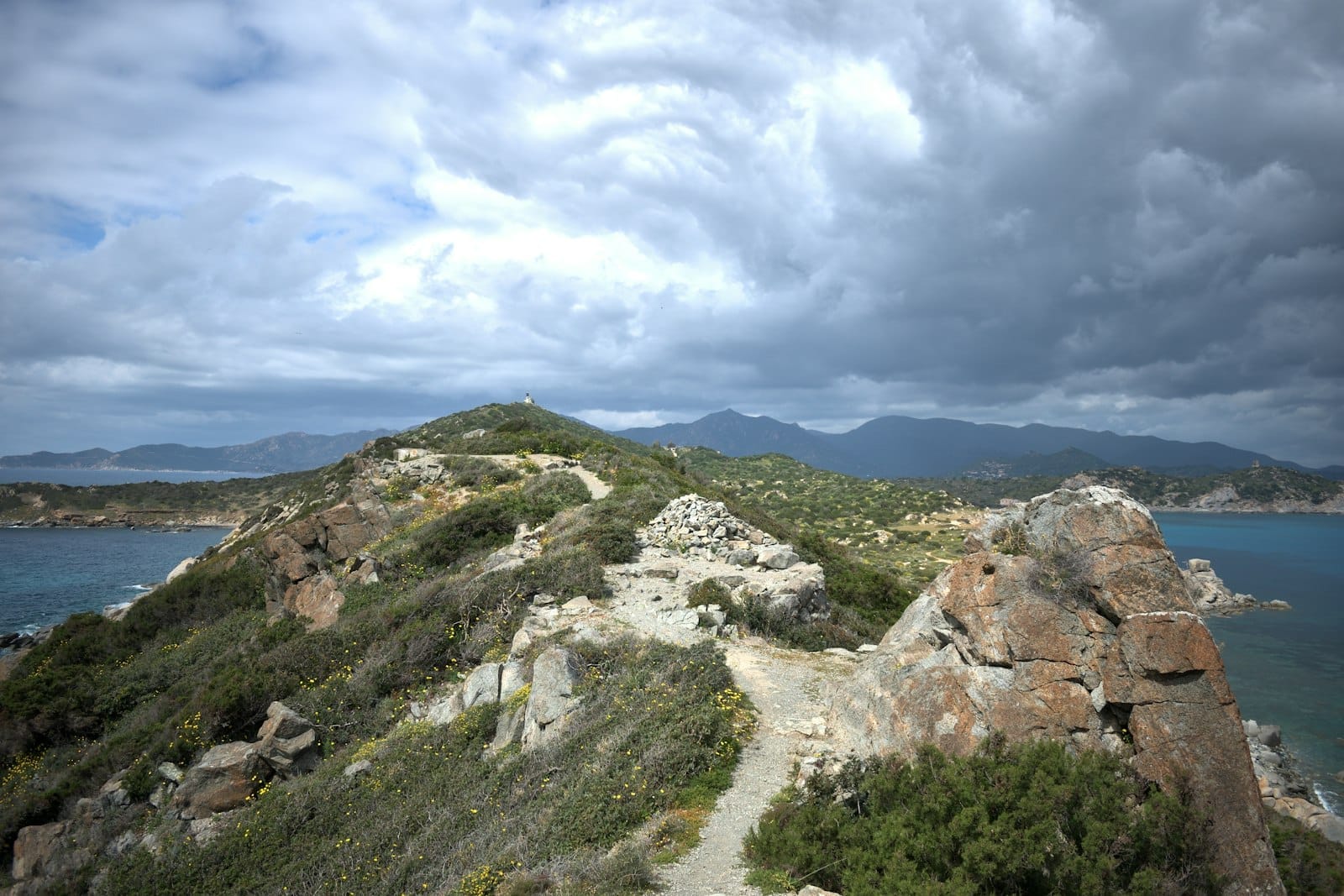
If Sardinia in July and August is about beach logistics, September and October open up everything else. The temperature range for hiking — roughly 18–24°C during the day — is far more manageable than summer's 35°C+ on exposed coastal paths. The hiking in Sardinia calendar effectively starts here for serious walkers. The Selvaggio Blu, a multi-day coastal route along the Golfo di Orosei cliffs, is best attempted in September or early October when the heat is manageable but conditions remain dry.
Archaeological sites become pleasant to visit once summer heat breaks. Su Nuraxi di Barumini, the UNESCO-listed nuragic complex near Cagliari, gets a fraction of its summer visitors in October and the guided tours feel relaxed rather than rushed. The same logic applies to Tharros on the Sinis Peninsula and the nuraghe complexes scattered across the island. Many of Sardinia's Nuragic sites keep extended hours through September before reverting to shorter winter schedules in November — verify opening hours directly before visiting.
Boat trips along the Golfo di Orosei and around La Maddalena Archipelago remain fully operational in September. The sea conditions are often calmer than August's frequent afternoon winds, making for better snorkelling and swimming stops. October is less reliable for boat excursions as operators scale back — check availability before building an itinerary around them.
- September and early October: ideal for coastal trekking, boat trips, snorkelling, and archaeological site visits
- October inland: wine harvests are underway across Sardinia's wine regions, including Cannonau production in Ogliastra and Vermentino in Gallura
- October coast: surfing and windsurfing conditions improve as autumn swells arrive, particularly at Porto Pollo and Capo Mannu
- Both months: cave and grotto visits (Grotte di Nettuno at Capo Caccia, Grotte del Fico near Baunei) are well-suited to autumn when heat inside is less oppressive
- October evenings: cultural events, local sagre (food festivals), and markets in towns across the island
Autunno in Barbagia: The Festival Season That Makes October Special
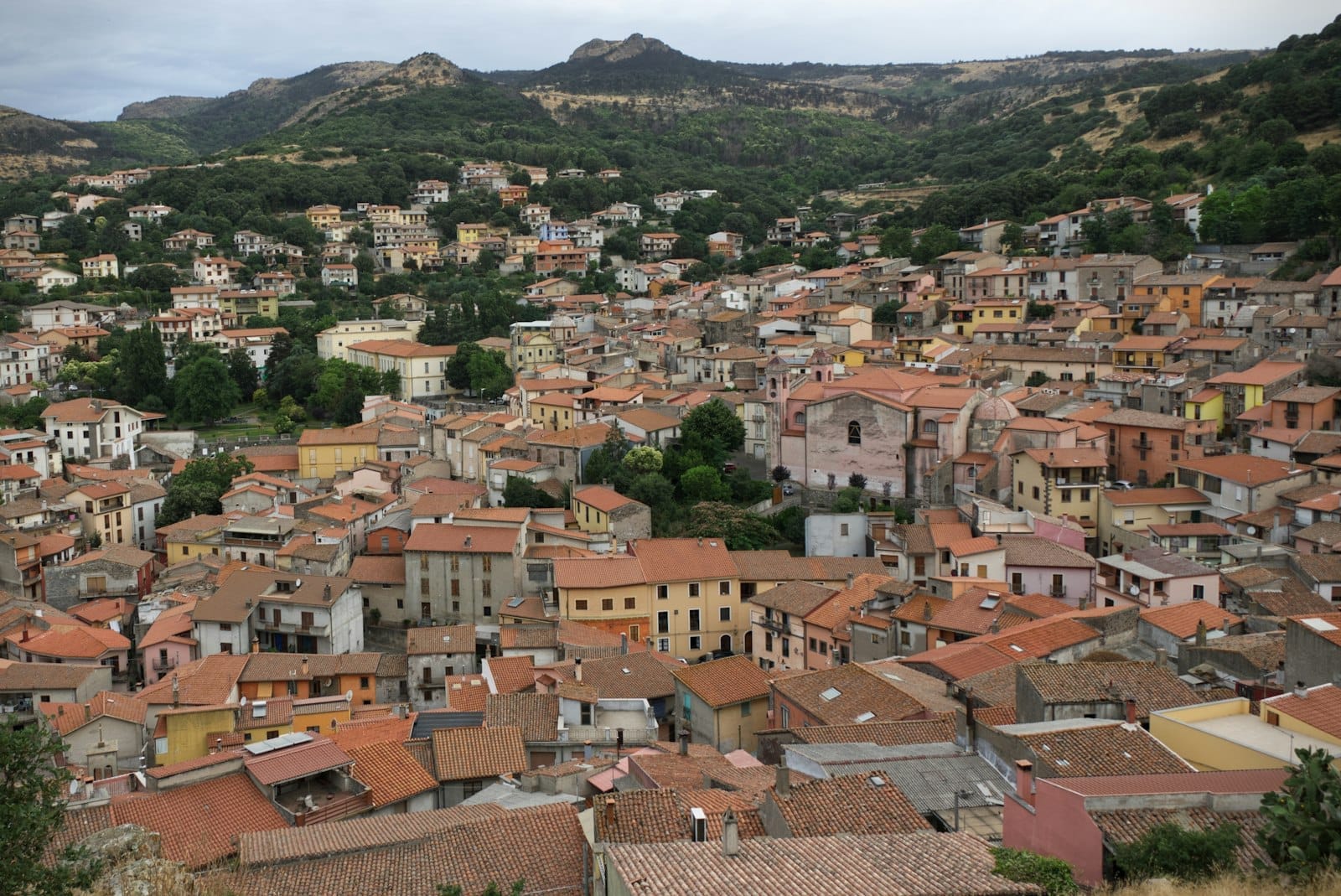
October's major draw for culturally-minded visitors is Autunno in Barbagia, also known as Cortes Apertas (Open Courtyards). This regional festival runs across consecutive weekends from late September through November, cycling through different villages in the Barbagia region each weekend. Private homes, artisan workshops, and historic buildings open to visitors, offering tastings of local food and wine, demonstrations of traditional crafts like weaving and leather-working, and live folk music.
Each participating village gets its own weekend. Towns like Orgosolo, Oliena, Fonni, Gavoi, and Mamoiada each have distinct characters and local traditions. Mamoiada is particularly compelling in autumn given its connection to the Mamuthones masked figures, which feature prominently in Carnival but whose cultural context is explained in the local museum year-round. The festival is free to attend, with individual tastings and craft purchases costing a few euros. Getting there requires a car — public transport to these villages is limited.
Beyond Barbagia, Sardinia's broader festival calendar continues through autumn with local sagre celebrating chestnuts, mushrooms, saffron (Sardinia grows prized saffron around San Gavino Monreale), and the new olive oil harvest. These are local events, not tourist productions, and timing a trip around one transforms what could be a quiet October visit into something memorable.
Practical Planning: Getting There, Getting Around, and What to Pack
Sardinia has three main airports: Cagliari Elmas (CAG) in the south, Olbia Costa Smeralda (OLB) in the northeast, and Alghero-Fertilia (AHO) in the northwest. In September, all three see good flight frequencies from major European cities. By October, routes thin out significantly, especially at Alghero. If you are flying into Alghero in mid-to-late October, verify that your preferred airline is still operating the route before booking accommodation.
A hire car is essentially non-negotiable for exploring Sardinia beyond city limits. Sardinia has no true motorway-standard autostrade, even though some main roads are signed as dual carriageways, so journey times between places are longer than a map suggests. The drive from Cagliari to Nuoro, for example, takes around 1 hour 40 minutes to 2 hours depending on the route. Budget for fuel and plan your days accordingly. For a structured approach, the Sardinia road trip guide covers the main routes with realistic timings.
- What to pack for September Light summer clothing for daytime, one mid-layer for evenings, swimwear, sunscreen (UV is still strong), and comfortable walking shoes for archaeological sites and villages.
- What to pack for October A proper jacket or light waterproof for unpredictable afternoon showers, layers for evenings which can drop to 13°C on the coast and colder inland, and hiking boots if you plan trails.
- Currency and payments Italy uses the Euro (EUR). Card payments are widely accepted in hotels, restaurants, and larger shops. Carry some cash for village markets, parking meters, and smaller rural sagre.
- Electricity Italy uses 230V/50Hz with Type C, F, and L plugs. UK and most European visitors need only an adapter. US visitors should check device labels: most phone and laptop chargers work on 230V with an adapter alone; only older or single-voltage appliances may need a converter.
- Emergency number 112 is the EU-wide emergency number, functional across Italy. 118 is the dedicated medical emergency line. Country dialling code for Italy is +39.
ℹ️ Good to know
Tipping in Sardinia follows Italian norms: it is not expected but appreciated. Many restaurants include a coperto (cover charge) of around 1.5–3 euros per person. If service has been good, leaving a few extra euros is a genuine gesture rather than a social obligation. Do not feel pressured by bills that suggest otherwise.
FAQ
Is September a good month to visit Sardinia?
September is widely considered one of the best months to visit Sardinia. Sea temperatures are still warm (around 24–26°C early in the month), daytime temperatures are pleasant rather than exhausting, crowds have thinned from August's peak, and accommodation prices are noticeably lower. The main trade-off is that some very seasonal beach clubs and smaller resort hotels begin closing toward late September.
Can you still swim in the sea in October in Sardinia?
Yes, for most of October. Sea temperatures around Sardinia average roughly 21–22°C in October, which is warm enough for comfortable swimming without a wetsuit. Early October is generally the more reliable window; by late October, weather variability increases and some days will be too rough or overcast for beach visits.
What is Autunno in Barbagia and how do I attend?
Autunno in Barbagia (also called Cortes Apertas) is a regional festival running on weekends from late September through November across villages in the Barbagia region of central Sardinia. Each weekend focuses on a different village, with private homes and workshops opening to visitors for food tastings, craft demonstrations, and folk music. Attendance is generally free. You need a car to reach most participating villages. Check the Regione Sardegna cultural calendar or Autunno in Barbagia official website for the specific village schedule each year.
Do prices really drop in September compared to August?
Yes, meaningfully so. Accommodation rates in particular can run 30–50% lower than August peak prices. Flights also tend to be cheaper in September and especially October. However, shoulder season demand has grown significantly in recent years — particularly the first two weeks of September, which still see substantial visitor numbers. The steepest discounts apply from mid-October onward.
What closes in September and October in Sardinia?
Most major towns, restaurants, museums, and archaeological sites remain fully open through September and much of October. What tends to close: some seasonal beach clubs and sun lounger rentals (often from late September), smaller seasonal resort hotels in purely beach-focused areas, some boat excursion operators (by mid-October), and occasional rural agritourismi. Larger hotels in cities like Cagliari, Alghero, and Olbia operate year-round. Always verify specific properties and services directly before booking.