Sardinia Festivals & Events: The Complete Calendar Guide
Sardinia's festival calendar runs nearly year-round, from winter carnival traditions to autumn food fairs. This guide covers the major events by season, what to expect at each, and how to plan your trip around them without getting caught off-guard.
Plan and book this trip
Tools from our partner Travelpayouts help you compare flights and hotels. If you book through them, we may earn a commission at no extra cost to you.
Flights
Hotels map
TL;DR
- Sardinia's festival season peaks between February and September, with major events spread across the island rather than concentrated in one city.
- The Sartiglia in Oristano (February/March) and the Ardia di San Costantino in Sedilo (July 6-7) are the most spectacular traditional events. See Oristano and the Sinis Peninsula for context on the region.
- Most sagre (village food festivals) are free to attend; larger events like SUNANDBASS in San Teodoro charge entry fees.
- Accommodation and ferries fill fast in July and August — book at least 2-3 months in advance for any summer festival.
- Sardinian festivals are not just beach-season events. Religious processions, folk costume parades, jazz, and medieval tournaments run from January through December. Check the best time to visit Sardinia for how festivals fit into broader trip planning.
Why Sardinia's Festival Calendar Is Unlike Anywhere Else in Italy
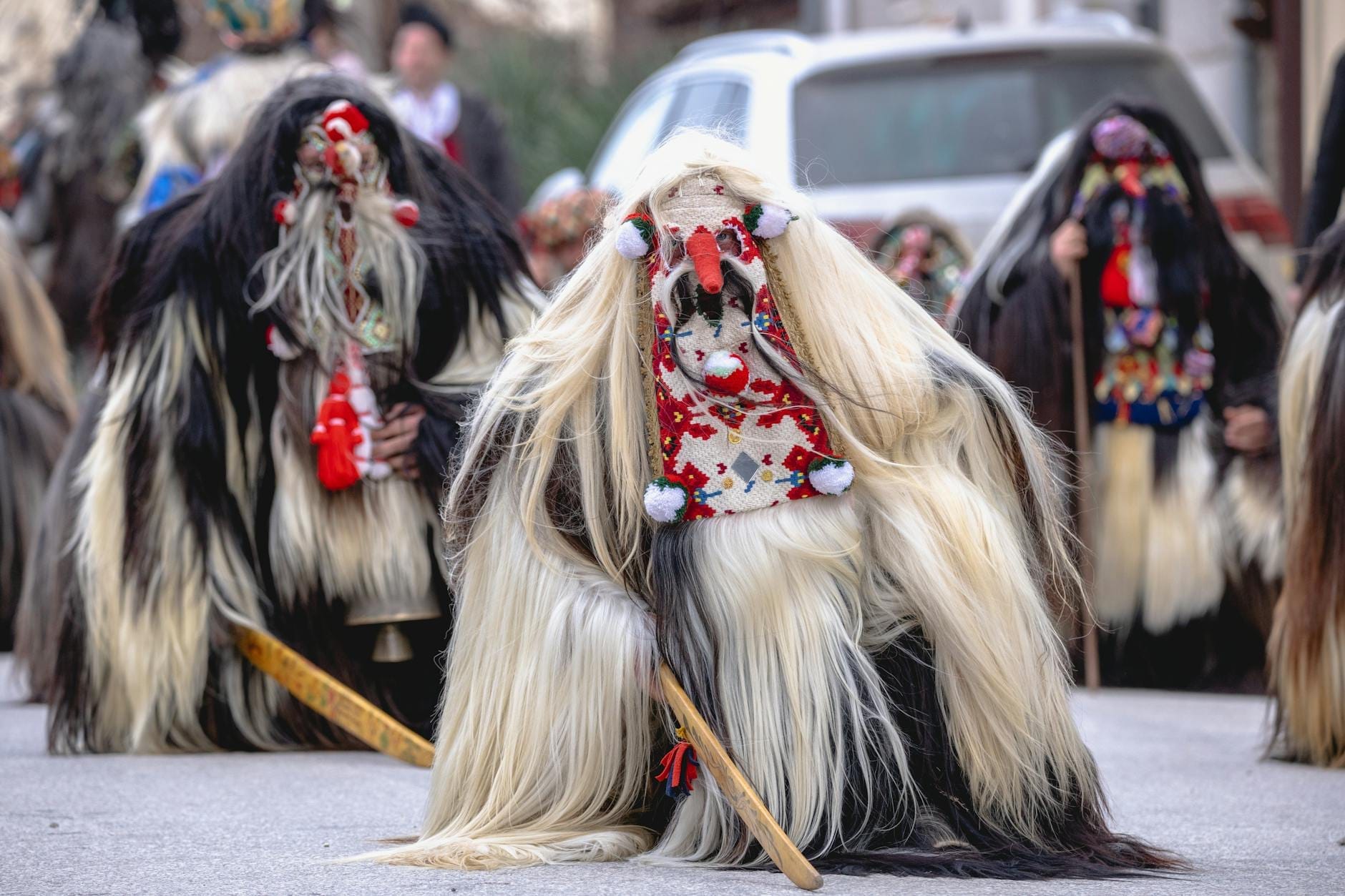
Sardinia is an autonomous region of Italy with a population of around 1.6 million, but its cultural identity runs deep enough that many of its festivals have no equivalent on the mainland. The island's isolation for centuries produced traditions, costumes, music, and rituals that are distinct from anything you will find in Tuscany or Sicily. When Sardinians dress in traditional costume for the Cavalcata Sarda, they are not performing for tourists — they are expressing a regional identity that predates the Italian state.
The calendar reflects this layered culture: Nuragic-era ritual echoes survive in horse races tied to ancient saints, Catalan-influenced carnival traditions survive in Oristano, and Sardinian-language poetry competitions sit alongside modern jazz festivals that attract international audiences. The island does not perform a generic version of Italian culture — it performs its own.
ℹ️ Good to know
Sardinia follows Italian national holidays (including Ferragosto on August 15), but many of its most significant cultural events are unique to the island and do not appear in general Italian festival guides. Always cross-reference with regional sources like Sardegna Turismo (sardegnaturismo.it) and Sagr.it for the most current dates.
Winter and Spring Festivals (January to May)
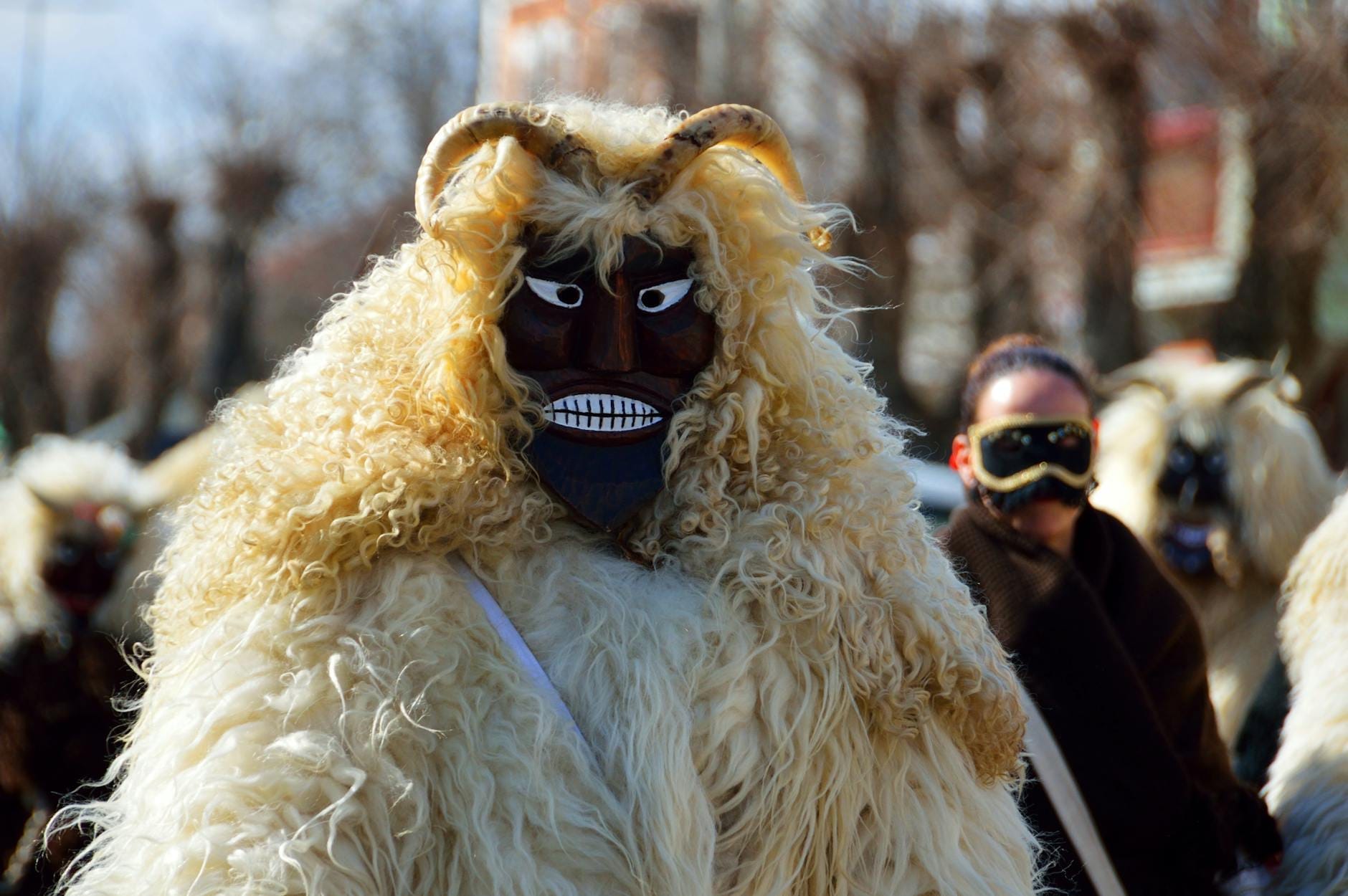
The festival year starts earlier in Sardinia than most visitors expect. Carnival season in February produces two of the island's most extraordinary events, both worth planning a trip around on their own.
- Sartiglia di Oristano (February/March) A medieval equestrian tournament held during Carnival in Oristano, typically on the last Sunday and Tuesday of Carnival. Masked riders on horseback attempt to spear a star-shaped target at full gallop. The ceremony includes elaborate costumes and ritual preparation of the lead rider (the Su Componidori) that takes hours. Free to watch from the streets; some reserved grandstand areas may charge. Exact dates shift with the lunar calendar — check the official Comune di Oristano site each year.
- Mamuthones and Issohadores in Mamoiada (January/February) One of Europe's oldest-looking carnival traditions, centered on the small Barbagia town of Mamoiada. The Mamuthones wear heavy cowbells and dark wooden masks; the Issohadores wear red costumes and throw ropes into the crowd. Performed on January 17 (Sant'Antonio Abate) and during Carnival. The Museo delle Maschere Mediterranee in Mamoiada provides context year-round.
- Cavalcata Sarda in Sassari (late May) Held on the penultimate Sunday of May, this is one of Sardinia's largest folk costume parades, drawing hundreds of participants from towns across the island in traditional dress. A horse race follows the parade. The scale makes it impressive — not a local village affair but an island-wide celebration of regional identity.
Spring is also the right time to visit if you want festivals without the summer heat and price spikes. Temperatures in coastal areas run between 17°C and 23°C in April and May, and crowds are significantly thinner than July. For context on what the island looks like in this season, the Sardinia in May guide covers conditions in detail.
Summer Festivals (June to August)
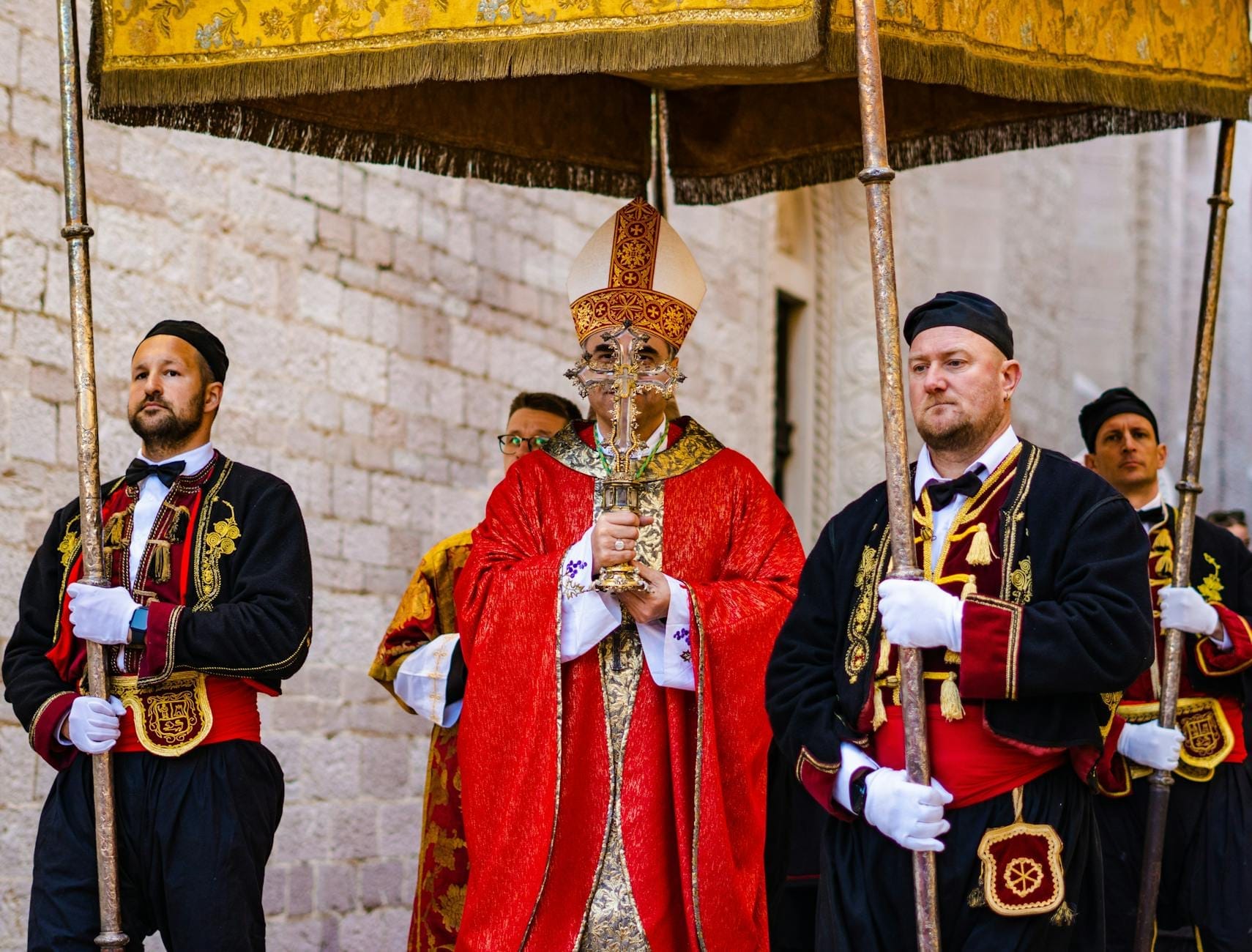
June through August is the densest stretch of the festival calendar, layering food fairs, religious processions, music events, and patronal feasts across virtually every town on the island. This is also peak tourism season, so accommodation in coastal areas fills weeks or months in advance.
The Girotonno festival in Carloforte on the island of San Pietro (typically late May to early June) is one of the most unusual food events in Italy: a celebration of the traditional tuna fishing culture of the island, combining cooking competitions with music and exhibitions. Carloforte itself is a destination worth visiting regardless of the festival — its Ligurian-origin architecture and position on a small island make it distinctive. The Sagra del Tonno in Portoscuso offers a smaller, more local alternative, listed for June 13-14 in 2026 on Sagr.it.
- Ardia di San Costantino in Sedilo (July 6-7) Widely considered the most intense horse race in Europe. Dozens of riders at full gallop circle the sanctuary of San Costantino in a re-enactment of Constantine's victory at the Milvian Bridge. The leading rider (the Prima Pandela) carries a banner and must defend it from riders trying to pass. Watching from the roadside is free and chaotic — there are no barriers between spectators and horses in many sections. Arrive early. This is emphatically not for everyone: the race is fast, loud, and physically close. But there is nothing quite like it.
- Festa di Sant'Efisio in Cagliari (May 1-4) The largest religious procession in Sardinia, lasting four days and covering the route from Cagliari to Nora and back. Hundreds of participants in traditional costume accompany the statue of Sant'Efisio by ox-drawn cart. Free to watch. The opening day in Cagliari on May 1 draws the biggest crowds.
- Ferragosto (August 15) A national Italian holiday that Sardinia celebrates with particular intensity: beach parties, fireworks over coastal towns, and local sagre everywhere. The entire island is at peak capacity on this date. If you are not already in Sardinia for Ferragosto, traveling to or around the island on August 14-16 is difficult — ferry capacity is maxed out and roads are congested.
⚠️ What to skip
Book ferries to Sardinia at least 8-10 weeks in advance if you are traveling in July or August. Grimaldi Lines, Tirrenia, and Moby all operate routes from Genoa, Livorno, Civitavecchia, and Naples, but cabins and vehicle spaces sell out early in peak season. The same applies to accommodation near any major summer festival.
Food festivals (sagre) multiply across July and August, covering everything from cheese and honey to sea urchins and bottarga. Many are free and take place in village squares after dark when temperatures drop to comfortable levels. The Sardinia food guide covers what to look for at these events, from porcetto arrosto (roasted suckling pig) to seadas (honey-drizzled pastry).
Autumn Festivals and Music Events (September to November)
September is arguably the best month to combine a beach trip with festival attendance. Temperatures remain warm (average highs around 26–27°C on the coast), the sea is still swimmable, and crowd levels drop sharply after the first week. Two events dominate the early autumn calendar.
SUNANDBASS in San Teodoro (northeast coast) runs for about nine days in September — confirmed for September 5-13 in 2026 by Music Festival Wizard. It is one of Europe's most respected drum and bass events, held in outdoor venues against a backdrop that most electronic music festivals cannot replicate. The event is 18+ and charges entry; ticket details are available via the official SUNANDBASS site and Songkick. San Teodoro itself has good beaches, which makes the surrounding days around the festival easy to fill.
Time in Jazz in Berchidda, typically held in August (historically around mid-August), is a week-long jazz festival in a small wine-producing town in the Gallura region. Founded by trumpeter Paolo Fresu, a native of Berchidda, it attracts international performers and has a loyal following that books accommodation in the surrounding area months in advance. The Gallura region is worth combining with this festival for its granite landscapes and Vermentino wine production.
Autumn also brings a wave of product fairs focused on the harvest: chestnut festivals in Aritzo and Tonara in October, mushroom sagre across the Barbagia, and wine fairs coinciding with the Cannonau and Vermentino harvests. These events rarely make international travel guides but represent the most authentic end of the Sardinian calendar — small-scale, free, and attended almost entirely by locals.
✨ Pro tip
For autumn food fairs, search Sagr.it with Sardegna as the region filter. The site publishes verified dates updated regularly and covers hundreds of small sagre that do not appear in English-language travel content. Cross-reference with local commune websites for last-minute cancellations, which do happen.
Practical Planning: Tickets, Crowds, and Logistics
The majority of Sardinian festivals are free to attend. Religious processions, horse races, carnival events, and most sagre charge nothing for spectators. Where tickets exist — SUNANDBASS, some reserved seating at the Sartiglia grandstands, certain concert events — they are sold through event-specific sites, Ticketone (Italy's main ticketing platform), or Songkick. There is no single central booking system for Sardinian festivals.
- Free events: Sartiglia (street viewing), Ardia di San Costantino, Cavalcata Sarda, Festa di Sant'Efisio, Ferragosto celebrations, most sagre and patron saint festivals
- Paid events: SUNANDBASS (multi-day electronic music festival), Time in Jazz (some evening concerts), Girotonno (some special access areas)
- Partial cost: some grandstand seats at major horse events cost around €10-30; most public viewing is free
- Booking platforms: official event websites, Ticketone.it, Songkick, and local comune sites for confirmed dates
Getting around Sardinia during festival periods requires a car in most cases. The island has no motorway network and public transport connections to smaller festival towns (Sedilo, Mamoiada, Berchidda) are limited. Renting a car is the practical choice for most visitors. The getting around Sardinia guide covers transport options in detail, including the train network between Cagliari, Sassari, and Olbia.
Festival Highlights by Region
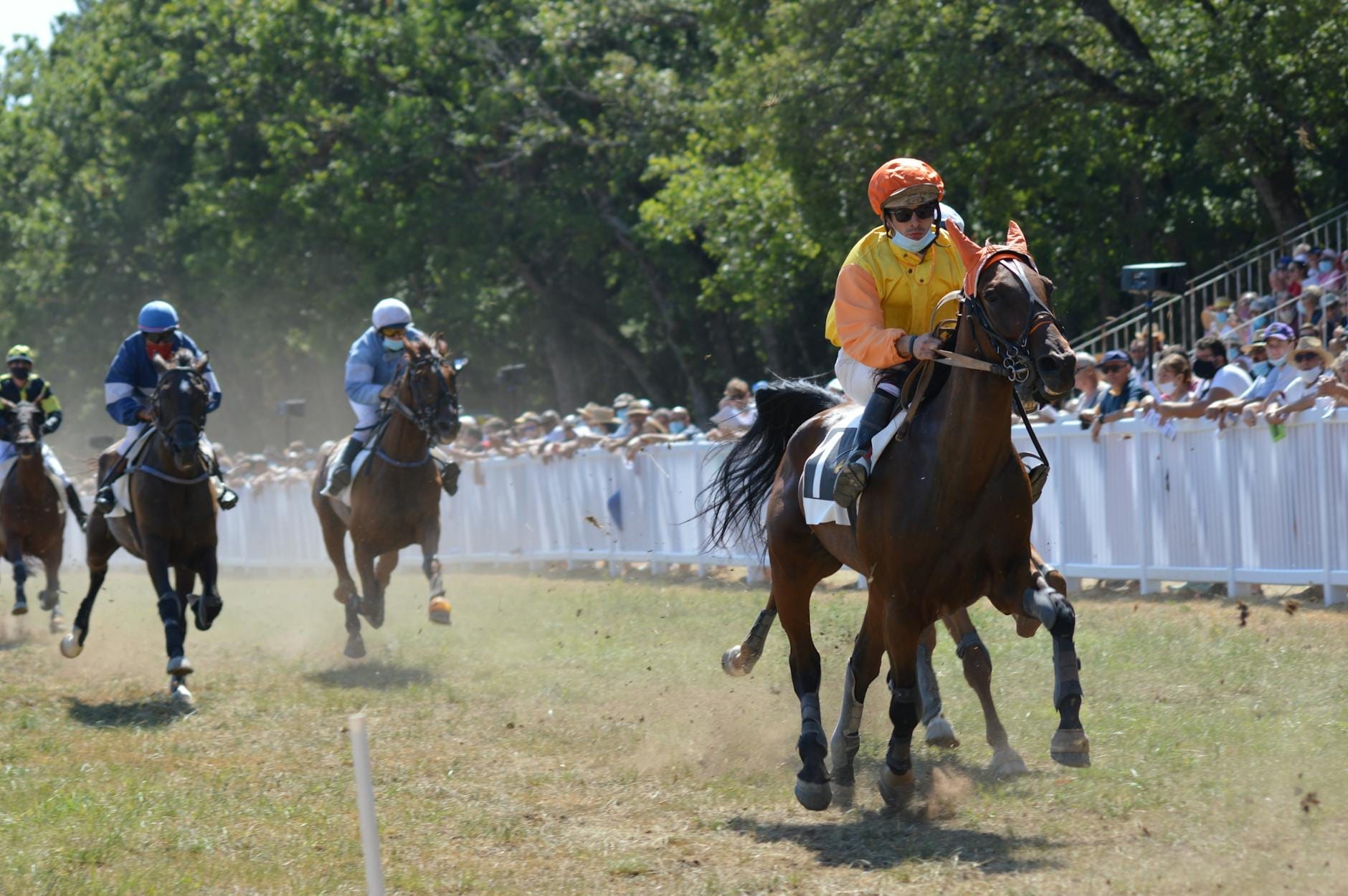
Sardinia's festivals are geographically spread, which means planning a trip around one major event naturally exposes you to a different part of the island. The Ardia is in central-western Sardinia near Oristano; Time in Jazz is in the northeast near Olbia; Mamuthones are in the Barbagia heartland accessible from Nuoro. No single base covers everything.
- Cagliari and the South Festa di Sant'Efisio (May 1-4), Ferragosto beach events, various autumn sagre. Base: Cagliari. Best paired with Villasimius or Chia beaches.
- Oristano and the West Sartiglia (February/March Carnival). The city is 100km north of Cagliari. The Sinis Peninsula with Tharros archaeological site makes this a compelling combination.
- Barbagia and the Interior Mamuthones in Mamoiada (January/February), Autunno in Barbagia (October-November village open-days across 30 towns). Access from Nuoro. Requires a car.
- Sassari and the Northwest Cavalcata Sarda (late May), I Candelieri (August 14). Alghero is 35km away and worth combining.
- Northeast (Gallura and San Teodoro) Time in Jazz in Berchidda (August), SUNANDBASS in San Teodoro (September). Access via Olbia airport (OLB, IATA code), which is 4km from the city centre.
- Southwest (Carloforte/San Pietro) Girotonno tuna festival (late May/early June). Requires a short ferry from Calasetta or Portovesme. The island is small and accommodation books out fast during the festival.
💡 Local tip
Autunno in Barbagia (Autumn in Barbagia) deserves more attention than it gets in English-language travel content. From October through December, a rotating series of villages in the Barbagia region open their historic centres, workshops, and homes for weekend events showcasing traditional crafts, food, and music. Each weekend focuses on a different village. Entry is free, and these events offer the most genuine exposure to rural Sardinian culture available to visitors.
If your trip is primarily about culture and you are open to timing flexibility, September in Sardinia offers a combination of residual beach weather, SUNANDBASS, the tail end of summer sagre, and the beginning of the autumn harvest festival season — arguably the best single month for combining festivals with comfortable travel conditions.
FAQ
What is the most famous festival in Sardinia?
The Sartiglia di Oristano and the Ardia di San Costantino in Sedilo are the most internationally recognised traditional festivals. The Sartiglia is a Carnival equestrian tournament held in February or March; the Ardia is a dramatic horse race held on July 6-7. Both are free to watch from the streets and draw visitors from across Europe.
Are Sardinian festivals free to attend?
Most traditional festivals, religious processions, folk parades, and sagre (food festivals) are free. Some events charge for reserved seating — grandstand spots at the Sartiglia can cost around €10-30. Larger music events like SUNANDBASS charge standard festival ticket prices. Check official event websites or Ticketone.it for current pricing.
When should I visit Sardinia for festivals?
February and March offer the Sartiglia and Carnival events with no summer crowds. May combines the Cavalcata Sarda and Girotonno with comfortable weather. July is for the Ardia. September is the best month for music festivals (SUNANDBASS) combined with beach weather and manageable crowds. October-November brings harvest fairs and the Autunno in Barbagia village events.
How do I get to smaller festival towns without a car?
Getting to towns like Sedilo, Mamoiada, or Berchidda without a car is difficult. ARST operates regional buses across Sardinia, but service to smaller interior towns is infrequent, especially on evenings and weekends when festivals happen. Renting a car is the practical solution. For major cities like Cagliari, Sassari, and Olbia, trains and regional buses are viable.
Do Sardinian festivals happen in winter?
Yes. The Mamuthones carnival in Mamoiada runs on January 17 and during Carnival (February/March). The Sartiglia is a Carnival event. Several patron saint festivals fall in winter months, and the Autunno in Barbagia series runs from October through December. Winter travel in Sardinia means lower prices, no crowds, and access to events that summer visitors miss entirely.