Best Time to Visit Sardinia: A Season-by-Season Breakdown
Sardinia rewards visitors differently depending on when they arrive. This guide cuts through the vague advice to explain exactly what each season delivers, from peak-summer beach conditions to spring wildflower hikes and quiet winter city breaks, so you can match your trip to your priorities.
Plan and book this trip
Tools from our partner Travelpayouts help you compare flights and hotels. If you book through them, we may earn a commission at no extra cost to you.
Flights
Hotels map
TL;DR
- May, June, and September are the strongest all-around months: warm enough to swim, far fewer crowds than July-August, and noticeably lower prices.
- July and August deliver the best beach weather but also the highest hotel rates, heavy traffic, and fully booked ferries — worth it only if you plan months ahead.
- Spring (March-May) is the best time for hiking, wildflowers, and festivals in inland Sardinia, with daytime highs of 17-23°C.
- Winter is quiet and cheap but many coastal hotels and beach restaurants close entirely — it works well for Cagliari and city-focused trips.
- Sea swimming is comfortable from late May through early October; the water peaks at around 26°C in August and stays warm well into September.
Understanding Sardinia's Climate
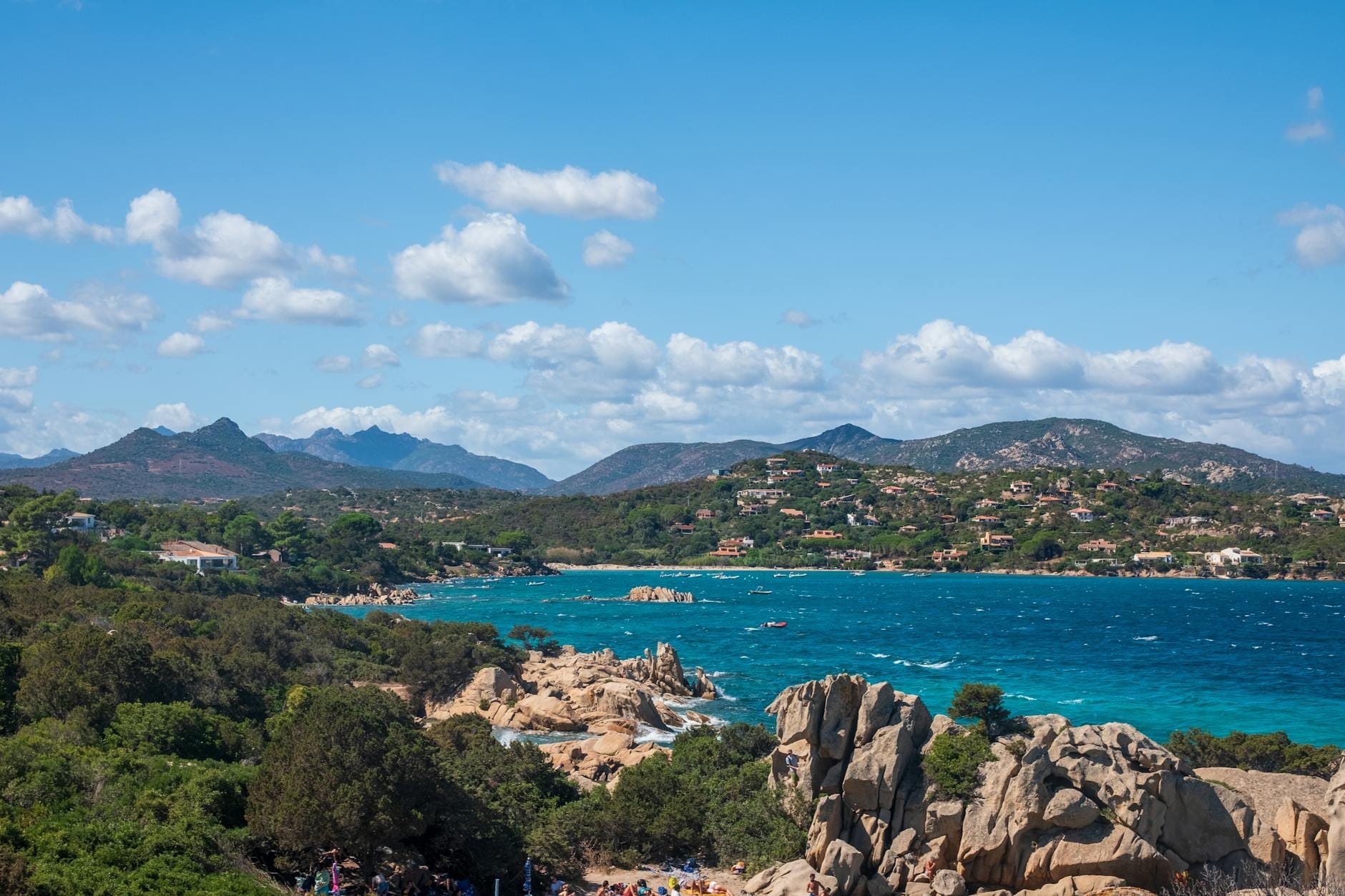
Sardinia has a classic Mediterranean climate: hot, dry summers and mild, wetter winters. The island sits roughly 200 km west of mainland Italy, and its size — over 24,000 km² — means conditions vary more than most visitors expect. Coastal Cagliari in the south is warmer and drier than the mountainous interior around the Gennargentu range, where Punta La Marmora reaches 1,834 m and temperatures can be significantly cooler even in midsummer.
The dry season runs roughly from May through October, with July and August seeing almost no rain at all. The wet season concentrates in November through April, peaking in December and January when Cagliari averages around 8 rainy days per month and daytime highs sit around 14-16°C. Spring and autumn are drier than winter but still see occasional short, heavy bursts rather than persistent grey drizzle — many days in April or October are perfectly clear.
ℹ️ Good to know
Sardinia's interior and mountain areas run 3-5°C cooler than the coast in summer and can be significantly colder in winter. If you're combining beach time with hiking in the Gennargentu or Barbagia, pack an extra layer even in June.
Peak Season: July and August
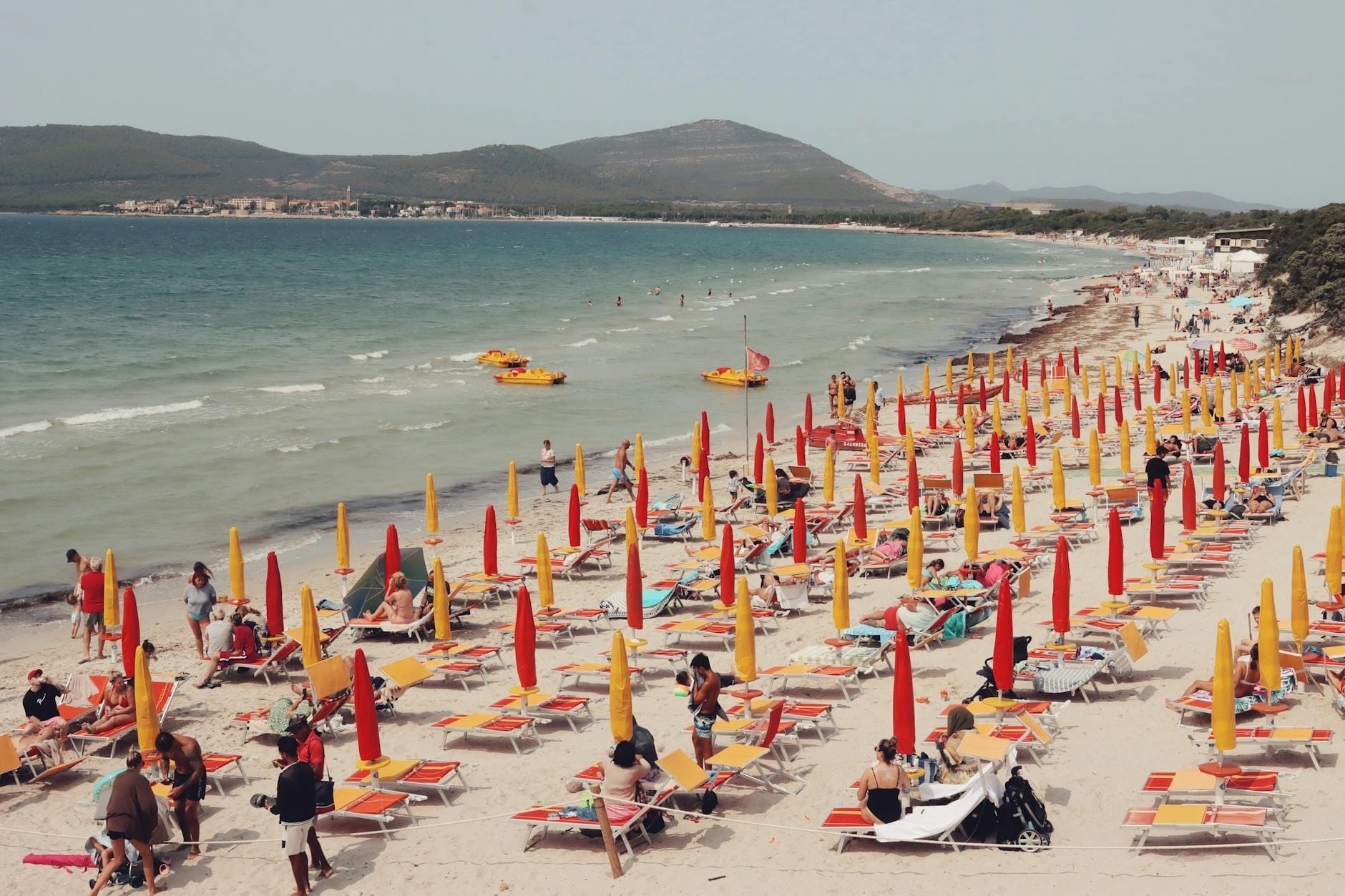
This is Sardinia at its most intense. Daytime temperatures average 28-31°C on the coast, occasionally spiking to 38°C during heat waves. The sea reaches 24-26°C, beaches are in full swing, and the island's legendary nightlife and beach clubs operate at full capacity. Every ferry from Genoa, Livorno, and Civitavecchia runs packed, and the Costa Smeralda becomes one of the most expensive resort destinations in Europe.
The main drawback: hotel prices in peak season can average around €400-500+ per night for mid-range properties in popular areas, and budget options fill months in advance. Roads to beaches like La Pelosa and Cala Luna see serious traffic and parking chaos. If you're set on July or August, book flights and accommodation at least 3-4 months ahead, choose lesser-known beaches, and expect to share the water with a lot of other people.
⚠️ What to skip
August is the month when most Italian families take their annual holiday. The second and third weeks of August (Ferragosto) are the absolute busiest period on the island. Ferries from the mainland sell out weeks in advance. If you're crossing by sea, book as soon as routes open — typically from March onward.
Shoulder Season: May, June, and September-October
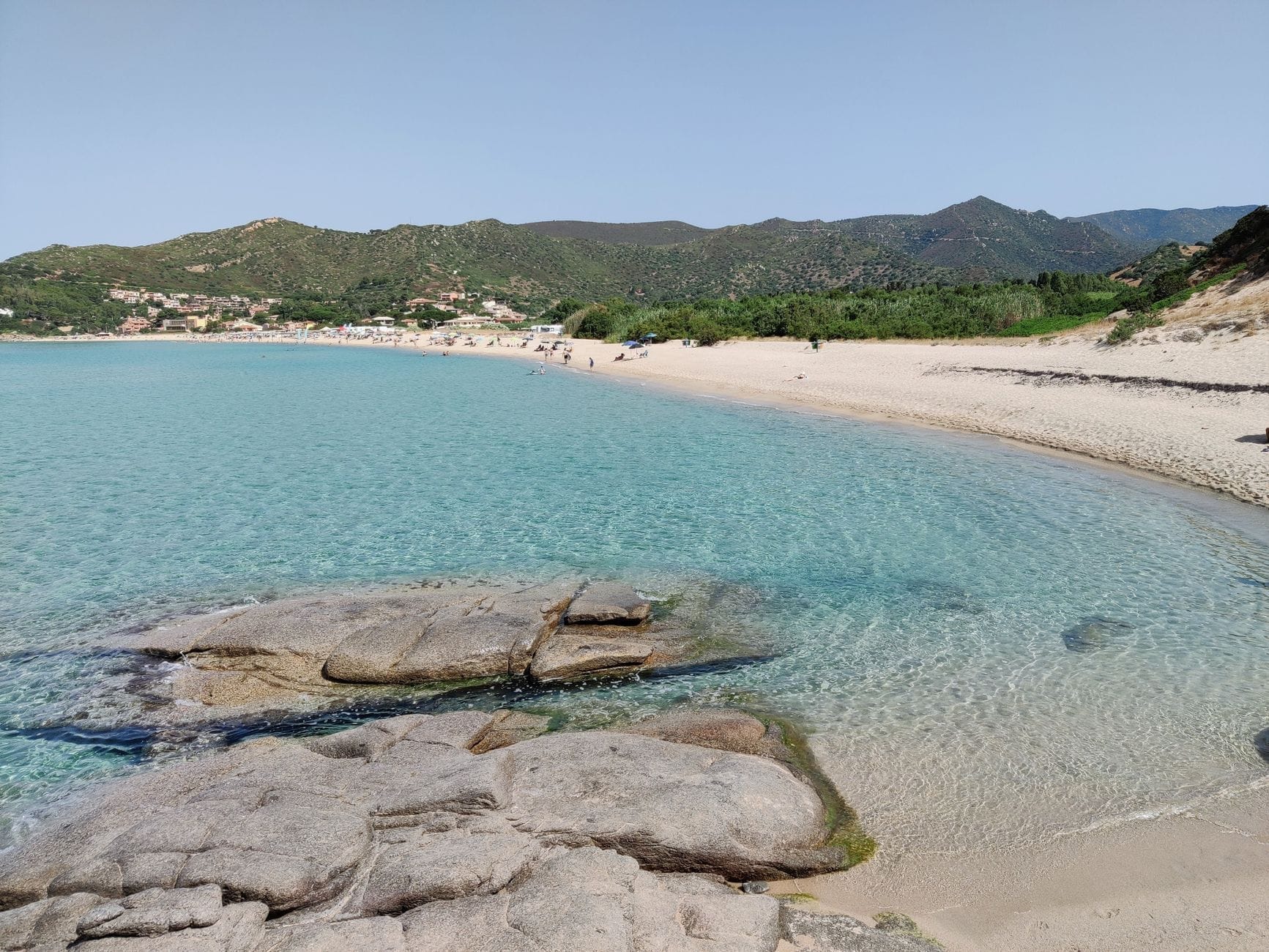
These months represent the best value proposition on the island and are the clear recommendation for most travelers. The combination of decent beach conditions, manageable crowds, and lower prices is hard to beat.
- May Highs of 20-23°C, sea around 18-20°C — chilly for extended swimming but perfectly fine for a dip. Wildflowers still out in inland areas. Very few tourists outside of weekends. Excellent for hiking and cycling.
- June The sweet spot for many visitors. Temperatures climb to 25-28°C, the sea warms to 22-23°C, and summer services are fully operational. Crowds exist but nothing like July. Prices are noticeably lower than peak season.
- September Arguably the single best month for beach and hiking combined. Sea temperature stays at 25-26°C from the summer heat, air cools to a comfortable 25-27°C, and the crowds that dominated August have largely gone home. Some beach clubs close after mid-September.
- October Still warm (20-24°C), sea around 22-23°C, and the island takes on a quieter, more local feel. Hiking in the Gennargentu and Ogliastra is outstanding. Some coastal accommodation starts to close from mid-October onward.
For active travelers, September is particularly strong: the Gola di Su Gorropu gorge, the trails around Monte Ortobene, and the coastal paths of the Golfo di Orosei are all cooler and less crowded than in August, while boat trips to sea caves still run full services.
Spring: March to May for Culture, Hiking, and Festivals
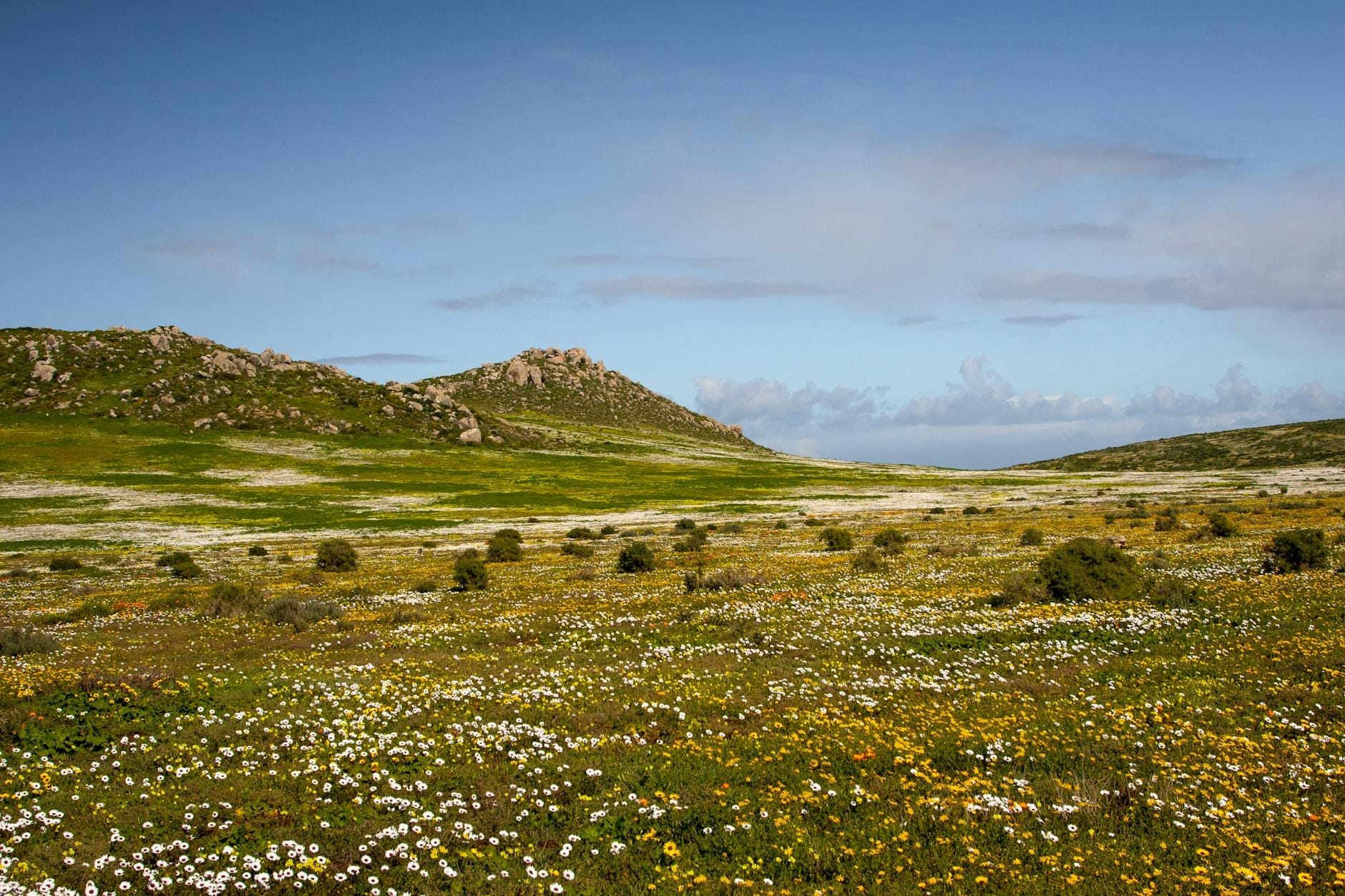
Spring is the overlooked season in Sardinia. The interior turns green after winter rains, wildflowers cover the hillsides of the Barbagia and Giara plateau, and the island's calendar fills with traditional festivals that most summer tourists never see. Temperatures range from 17-23°C by May, which is ideal for walking long distances without overheating.
The Cavalcata Sarda in Sassari (May) is among the most visually striking traditional events in the whole of Italy. For the nuragic archaeological sites, spring is also the best season: sites like Su Nuraxi di Barumini and Nuraghe Santu Antine are far less congested than in summer, and the lower-angle light makes photography much more rewarding.
💡 Local tip
If you're planning a hiking or cycling trip, target the second half of April through early June. Trails are in good condition after spring rains, temperatures are manageable, and you'll have most paths to yourself. The Selvaggio Blu coastal trail is best attempted in May or early June.
Winter: November to February
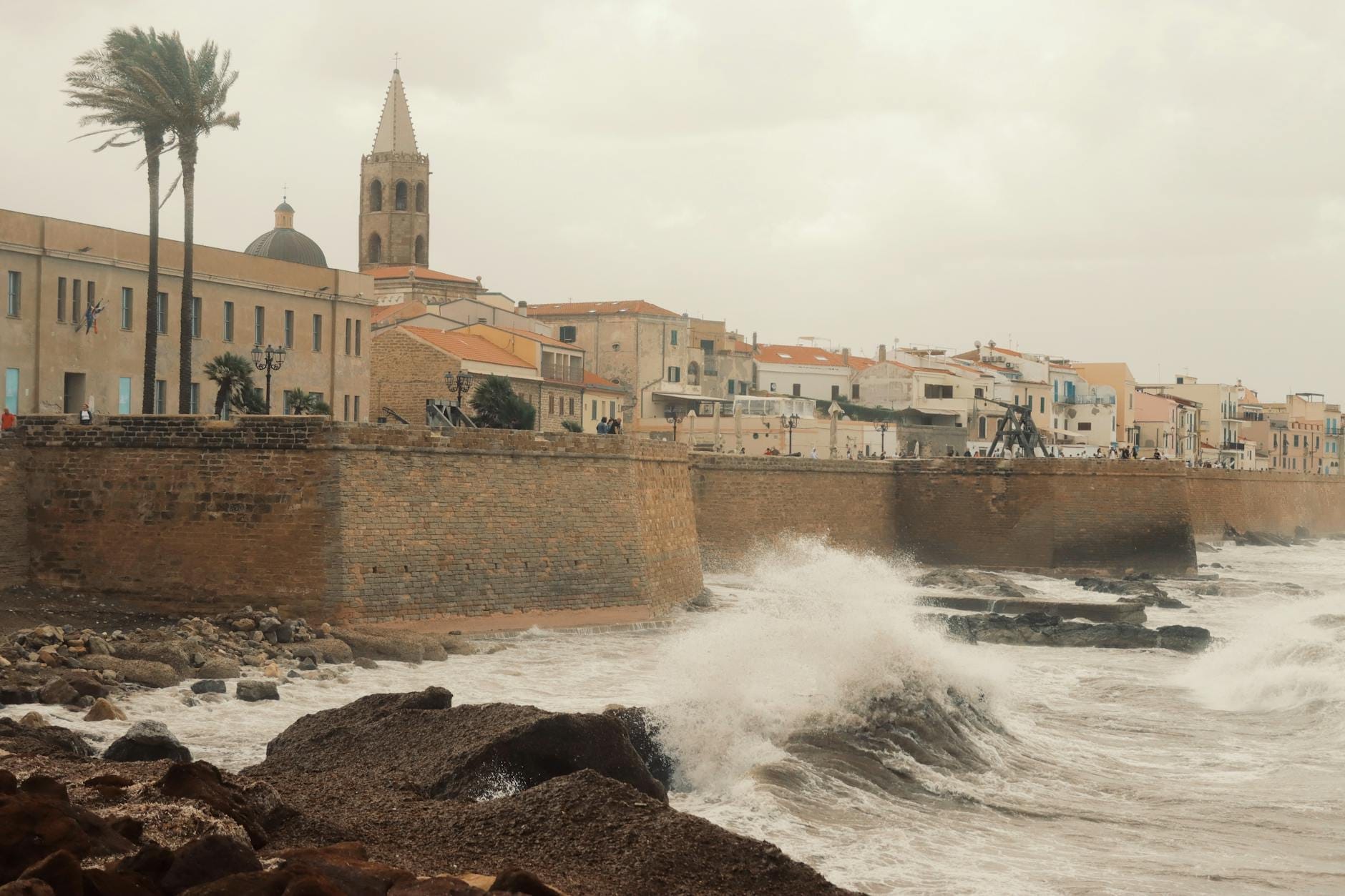
Winter in Sardinia is not the disaster some travel sites imply, but it does require realistic expectations. Coastal daytime temperatures average 14-16°C, which is mild by northern European standards but too cool for beach swimming. Rain arrives in short, heavy spells, mostly between November and January. December and January are the wettest months on average.
What winter delivers well: Cagliari's historic Castello district, the Mercato San Benedetto, and the city's museums are all far more enjoyable without summer heat and tourist queues. Alghero in winter has an atmospheric, unhurried quality. Hotel prices drop dramatically — rates that run €400+ in August can fall to €80-120 for the same property in January.
The significant practical limitation: most hotels, restaurants, and services in smaller coastal resorts close entirely between November and March. Beach towns like Villasimius, Santa Teresa Gallura, and many locations along the Costa Smeralda become largely dormant. Winter works best if you're basing yourself in Cagliari, Alghero, Sassari, or Olbia — cities with year-round infrastructure.
Matching Your Trip Type to the Right Season
- Beach holiday (swimming, boat trips, beach clubs) June or September for the best balance of conditions and value. July-August if heat and lively atmosphere matter more than cost and crowds.
- Hiking and cycling April to early June, or September to October. Spring offers green landscapes and wildflowers; autumn offers warm colours and a quieter trail network.
- Culture, archaeology, and food Any time outside July-August. Spring festivals (March-May) are a genuine highlight; autumn brings harvest season and local food events.
- Budget travel November through April, avoiding Christmas-New Year when prices briefly spike. A week in Sardinia in February can cost a fraction of the August equivalent.
- Families with children Late June and early September work well: school holidays overlap with good beach conditions but avoid the worst of the August crush.
- Diving and snorkelling June through October. Water visibility is best in June-July before summer algae blooms, and dive centres operate full schedules from May to October.
For a deeper look at structuring a trip around these seasonal windows, the one week in Sardinia itinerary and the Sardinia road trip guide both include seasonal timing advice for specific routes.
✨ Pro tip
September 1-20 is arguably the single best window on the island if you can only choose one period. The Ferragosto crowds have cleared, sea temperature is still at its summer peak (25-26°C), accommodation prices drop by 20-40% compared to August, and restaurants have their full menus running. It's the locals' preferred time for their own island holidays.
Practical Planning: Flights, Ferries, and Booking Timelines
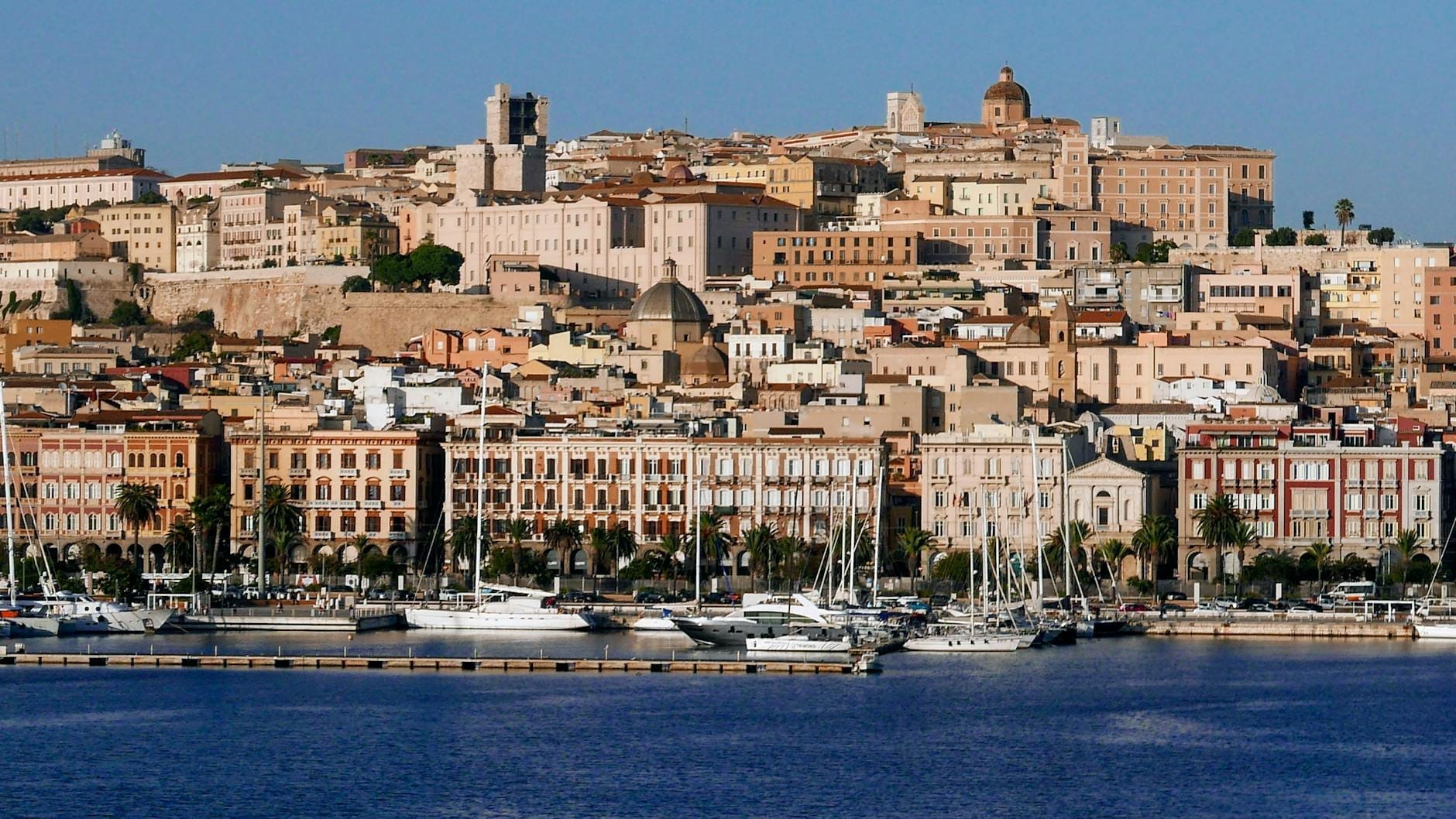
Sardinia has three main airports: Cagliari Elmas (CAG) in the south, Olbia Costa Smeralda (OLB) in the northeast, and Alghero-Fertilia (AHO) in the northwest. Cagliari and Olbia handle the most international traffic in summer. In winter, routes thin considerably — Ryanair and easyJet maintain some year-round routes from northern Europe, but frequencies drop, and some seasonal routes disappear entirely between November and March.
Ferry connections from mainland Italy (Genoa, Livorno, Civitavecchia, Naples) are operated by Tirrenia, Moby Lines, Grimaldi Lines, and GNV, among others. In summer, night crossings on the Genoa-Olbia or Civitavecchia-Cagliari routes are a popular option for families or those bringing a car. In winter, some routes reduce to a few departures per week. Regardless of season, book ferries in advance rather than assuming availability — vehicle spaces fill first.
Getting around once you arrive is easiest with a rental car, especially outside peak season when driving conditions are more relaxed. Public transport (Trenitalia rail and ARST buses) connects main towns but is slow for reaching beaches and rural areas. For full details on island-wide transport options, see the guide to getting around Sardinia.
FAQ
What is the best month to visit Sardinia for good weather without the crowds?
September is widely considered the optimal month. Air temperatures are comfortable at 25-27°C, the sea stays warm from the summer heat (around 25-26°C), and the August crowds have cleared. Prices drop noticeably compared to peak season, and most tourist services are still operating fully.
Is Sardinia worth visiting in October?
Yes, especially for hiking, culture, and coastal drives. Temperatures are pleasant (20-24°C), the sea is still swimmable at around 22-23°C, and the island is far quieter than summer. The main limitation is that some smaller beach hotels and restaurants start closing from mid-October onward, so check accommodation availability before committing to remote coastal areas.
How hot does Sardinia get in July and August?
Average highs sit around 28-31°C in coastal areas, but heat waves can push temperatures to 38°C, particularly in inland areas and valleys. Evenings cool down on the coast to around 20-22°C. The sea peaks at 24-26°C. It is genuine Mediterranean summer heat — lightweight clothing, sun protection, and early-morning activities are strongly advised.
Can you visit Sardinia in winter?
Yes, but with adjusted expectations. Cities like Cagliari, Alghero, and Sassari have functioning year-round infrastructure — museums, restaurants, and markets are open, and hotels are cheap. However, most coastal resorts and beach-focused areas close down largely or entirely between November and March. It suits city-break and cultural itineraries far better than beach travel.
When is the cheapest time to visit Sardinia?
January and February are typically the cheapest months, with hotel rates a fraction of peak-summer prices. Flights from northern Europe also drop significantly. March and November sit in the mid-range. If budget is the primary concern, late September through October offers a better balance: prices have come down from August highs but weather and services are still strong.