Sardinia Road Trip: The Ultimate Self-Drive Guide
Sardinia rewards self-drivers more than almost anywhere in the Mediterranean. This guide covers everything you need: which airport to fly into, how long routes actually take, when to go, what to rent, and the coastal and inland drives worth building your itinerary around.
Plan and book this trip
Tools from our partner Travelpayouts help you compare flights and hotels. If you book through them, we may earn a commission at no extra cost to you.
Flights
Hotels map
TL;DR
- A rental car is not optional for a proper Sardinia road trip — public transport simply does not reach most beaches, nuraghi, or mountain villages.
- The island is roughly 270 km north to south by road; crossing it end to end takes 3 to 4 hours minimum, so plan realistic daily driving distances.
- Fly into Olbia (OLB) for the north, Cagliari (CAG) for the south, or Alghero (AHO) for the northwest — or do a one-way drive and explore how to get around Sardinia without backtracking.
- May, June, and September are the best months for road trips: roads are driveable, parking is findable, and coastal temperatures are still excellent.
- Book automatics well in advance — Italian rentals default to manual, and automatics carry a significant price premium in high season.
Why a Road Trip Is the Only Way to See Sardinia Properly
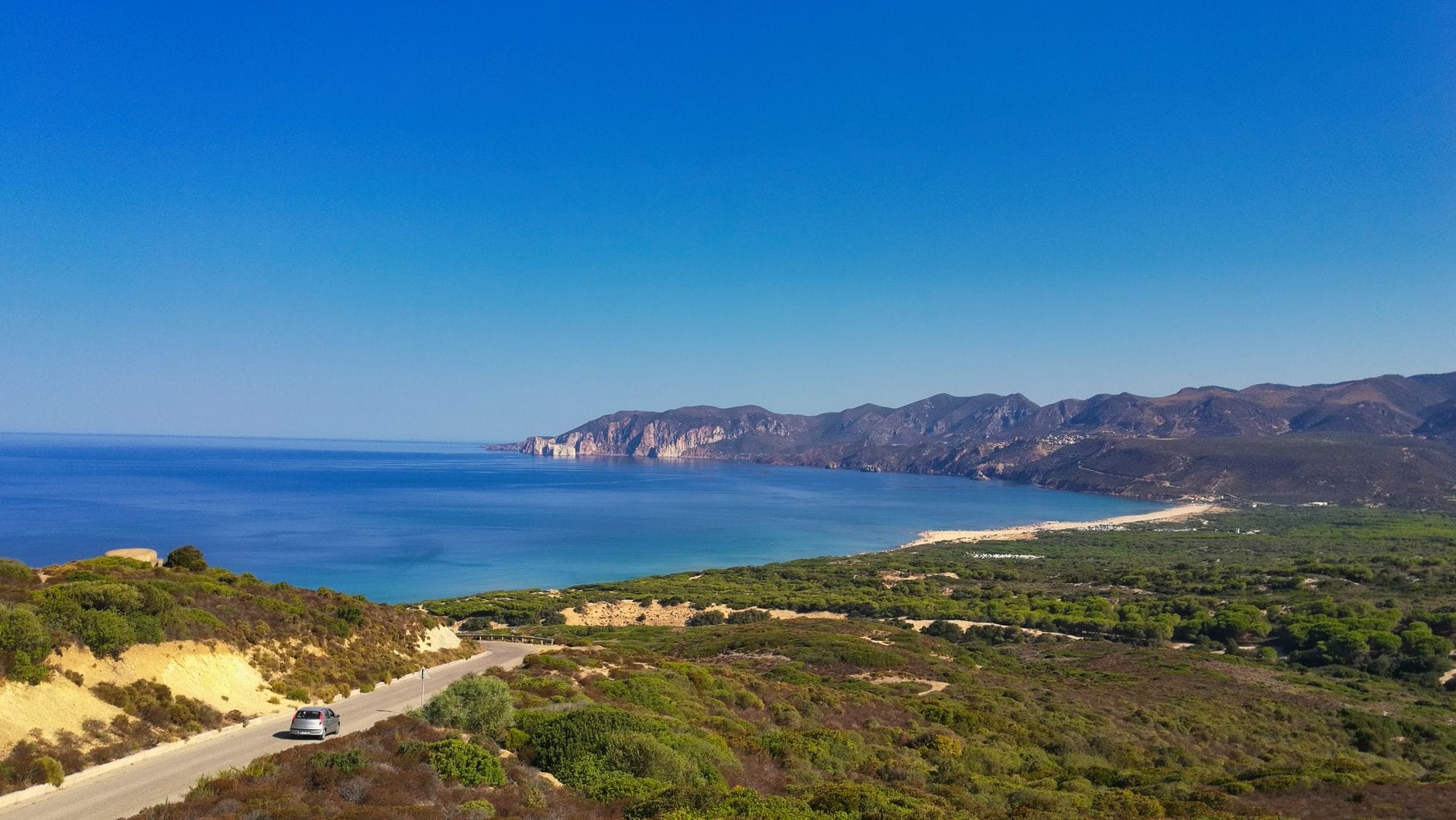
Sardinia covers around 24,100 km² — it is the second-largest island in the Mediterranean after Sicily, and about 80% of its territory is mountainous or hilly. The regional rail network is thin. Buses from ARST (Azienda Regionale Sarda Trasporti) do connect towns, but most of the coastline that draws visitors, particularly the beaches of the Golfo di Orosei, the remote coves of Ogliastra, and the agricultural interior, is either unreachable or impractical without a car. The trains that do exist are worth knowing about — Trenitalia runs standard-gauge lines connecting Cagliari, Oristano, Sassari, and Olbia — but they are not the backbone of a beach-focused itinerary.
What makes Sardinia exceptional for self-drivers is the quality of the roads themselves. There is no motorway network — Sardinia is one of the few Italian regions without one — but the stato regionale and provincial roads are well-maintained, often spectacularly scenic, and lightly trafficked outside of peak summer. The absence of motorways is not a handicap; it forces you to slow down and actually see the island.
⚠️ What to skip
Do not underestimate driving times based on map distances. Roads through the interior and along the eastern coast are winding and mountainous. What looks like a 60 km drive can easily take 90 minutes. Always build buffer time into your daily plan.
Choosing Your Entry Point: Which Airport and Why
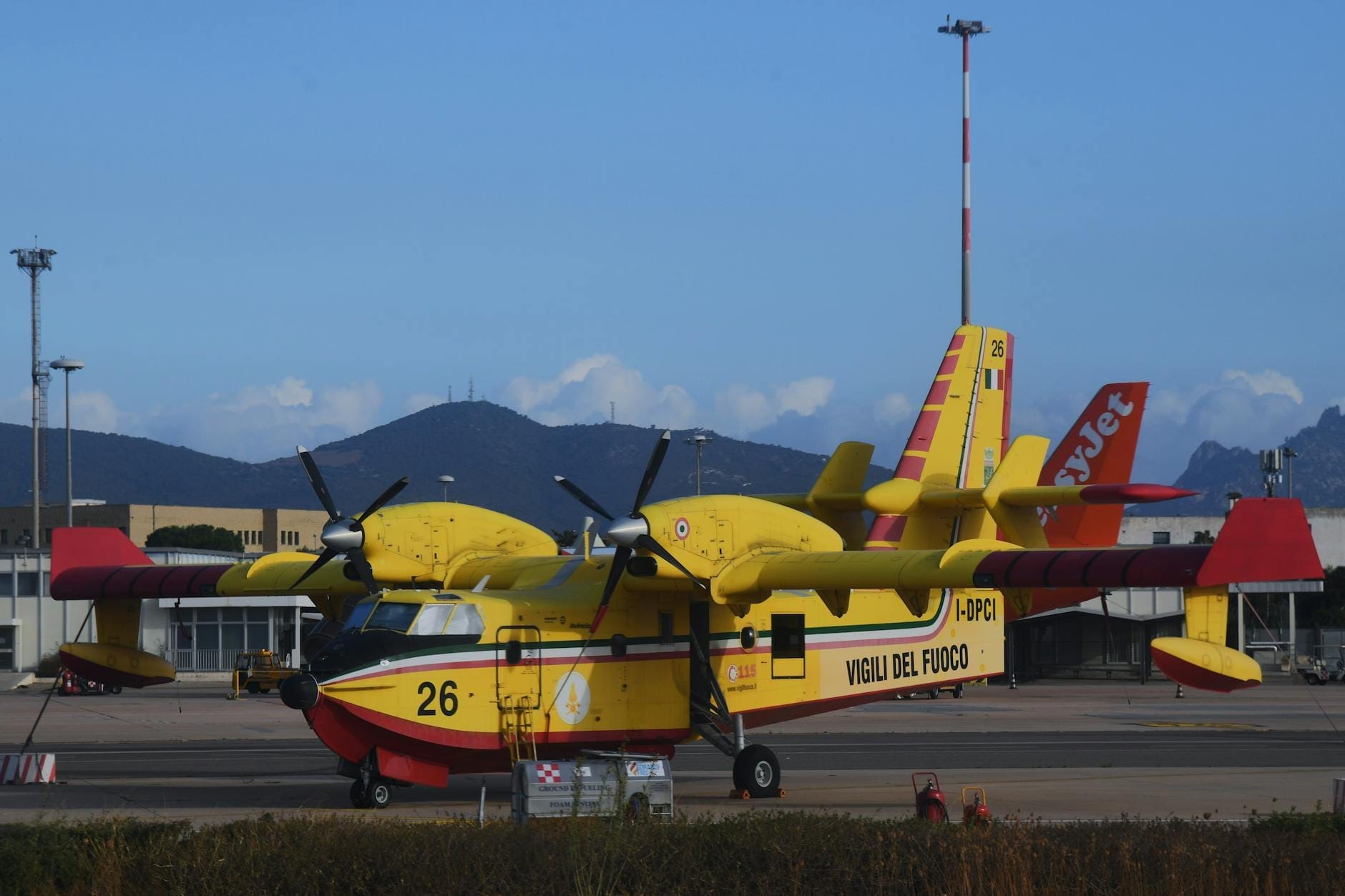
Sardinia has three main airports, and choosing the right one shapes your entire itinerary. Flying in and out of the same airport works fine for circular loops, but flying into one and out of another — a one-way rental — unlocks a more efficient north-to-south or south-to-north drive.
- Olbia Costa Smeralda Airport (OLB) Located about 4 km from Olbia city centre. Best starting point for the northeast — Costa Smeralda, Gallura, and the Gulf of Orosei. The busiest airport in summer due to charter and low-cost traffic from northern Europe.
- Cagliari Elmas Airport (CAG) About 7 km northwest of Cagliari. Best for itineraries starting or ending in the south: Villasimius, Costa Rei, Sulcis, and Chia. Direct train to Cagliari station in under 10 minutes. Good year-round flight connections.
- Alghero–Fertilia Airport (AHO) Around 8 km northwest of Alghero. Ideal for northwest-focused itineraries: Alghero's old town, Capo Caccia, and a swing down toward Oristano. Ryanair has historically used this airport heavily, making it affordable from many European cities.
If you only have one week and want to cover both north and south, flying into Olbia and out of Cagliari (or vice versa) is the most logical structure. One-way rental fees are common but vary by company and season — compare them when booking. For a full week or two weeks itinerary framework, see our one week in Sardinia guide and the two-week Sardinia itinerary.
Renting a Car in Sardinia: What to Know Before You Book
Italian car rental fleets default to manual transmission. If you are not comfortable driving a manual on mountain roads and tight coastal parking areas, book an automatic explicitly when making your reservation — not at the desk when you arrive. Automatics are available at all three airports but in limited numbers, and in July and August they are routinely sold out. Expect a daily surcharge of roughly 20 to 50% for an automatic over a comparable manual, though rates vary significantly by provider and booking window.
✨ Pro tip
Book your rental car as early as possible — ideally 6 to 8 weeks ahead for July and August travel. Prices spike dramatically close to peak dates, and the vehicle class you want (especially automatics and SUVs for gravel tracks) disappears first. Comparing rates across multiple platforms, including local Sardinian operators like Autonoleggio Sardiniabus or Maggiore, often undercuts the big international chains.
Insurance is another area where drivers get caught off-guard. Italian rental agreements often include basic third-party liability but charge extra for collision damage waiver (CDW) and theft protection. Check whether your credit card provides rental car coverage before paying for the rental company's own excess protection — many travel credit cards do. Fuel policy matters too: most companies offer full-to-full, which is the fairest option. Avoid prepaid fuel packages, which are almost never cost-effective.
- Bring your full driving licence, plus an International Driving Permit if your licence is not in Roman script.
- Minimum age for renting is typically 21, though drivers under 25 may face a young driver surcharge.
- A credit card (not debit) is required for the security deposit at almost all rental counters.
- Sardinia has some unpaved tracks leading to beaches — check your rental agreement for off-road or gravel road exclusions before taking any beach access road.
- Parking in coastal towns in August is difficult. Arrive before 9am or accept a long walk from a paid parking area.
The Best Road Trip Routes in Sardinia
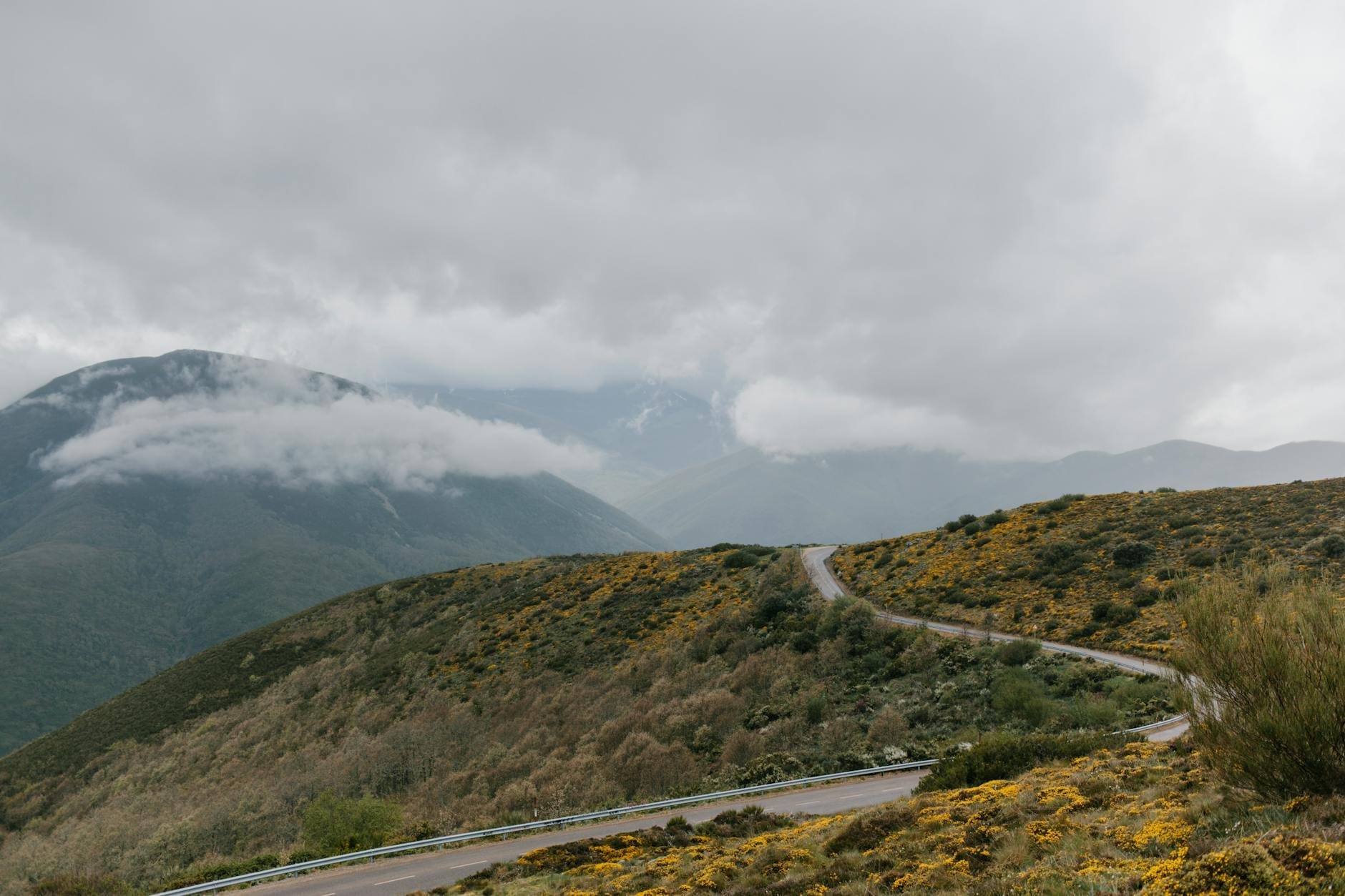
Sardinia does not have one obvious circuit — it has several, depending on how long you have and what you want to see. The three frameworks below cover the most logical approaches.
The northern loop (8 to 10 days, based in Olbia) works well for first-time visitors. Drive out of Olbia toward the Costa Smeralda and Porto Cervo for a day or two, then head southwest through the Gallura interior toward Sassari, down to Alghero and Capo Caccia, and then return via Nuoro and the Barbagia mountains before dropping back down to the coast at Cala Gonone. This loop keeps driving distances manageable — rarely more than 100 to 120 km per day — and mixes beach, old town, and wilderness segments well.
The south-focused route (5 to 7 days from Cagliari) suits those who prefer the quieter, less developed coastline. From Cagliari, drive east to Villasimius and Costa Rei along the SS125, then loop west through Castiadas and the Ogliastra coast before returning via the archaeological sites near Oristano and the Sinis Peninsula. The southwest — particularly Chia and the beaches around Teulada — is an easy day trip or overnight from the capital.
The full island traverse (12 to 14 days) connects Cagliari in the south to Olbia in the north via the eastern coast and the interior. This is the most rewarding route on the island, taking in the Gola di Su Gorropu gorge, the cliff beaches of the Golfo di Orosei including Cala Luna and Cala Mariolu, the Barbagia highlands near Nuoro, and the Nuragic sites inland before reaching the north. It requires either a one-way rental or retracing some roads, but the eastern SS125 between Arbatax and Olbia is one of Italy's great driving roads.
ℹ️ Good to know
The SS125 — known as the Orientale Sarda — hugs the eastern coast through the Ogliastra and Barbagia di Seulo regions. It is paved throughout but narrow and sinuous in sections, particularly between Baunei and Tortolì. Fuel stations are sparse in this stretch. Fill up in Dorgali or Tortolì before driving it.
When to Go: Seasonal Realities for a Sardinia Road Trip
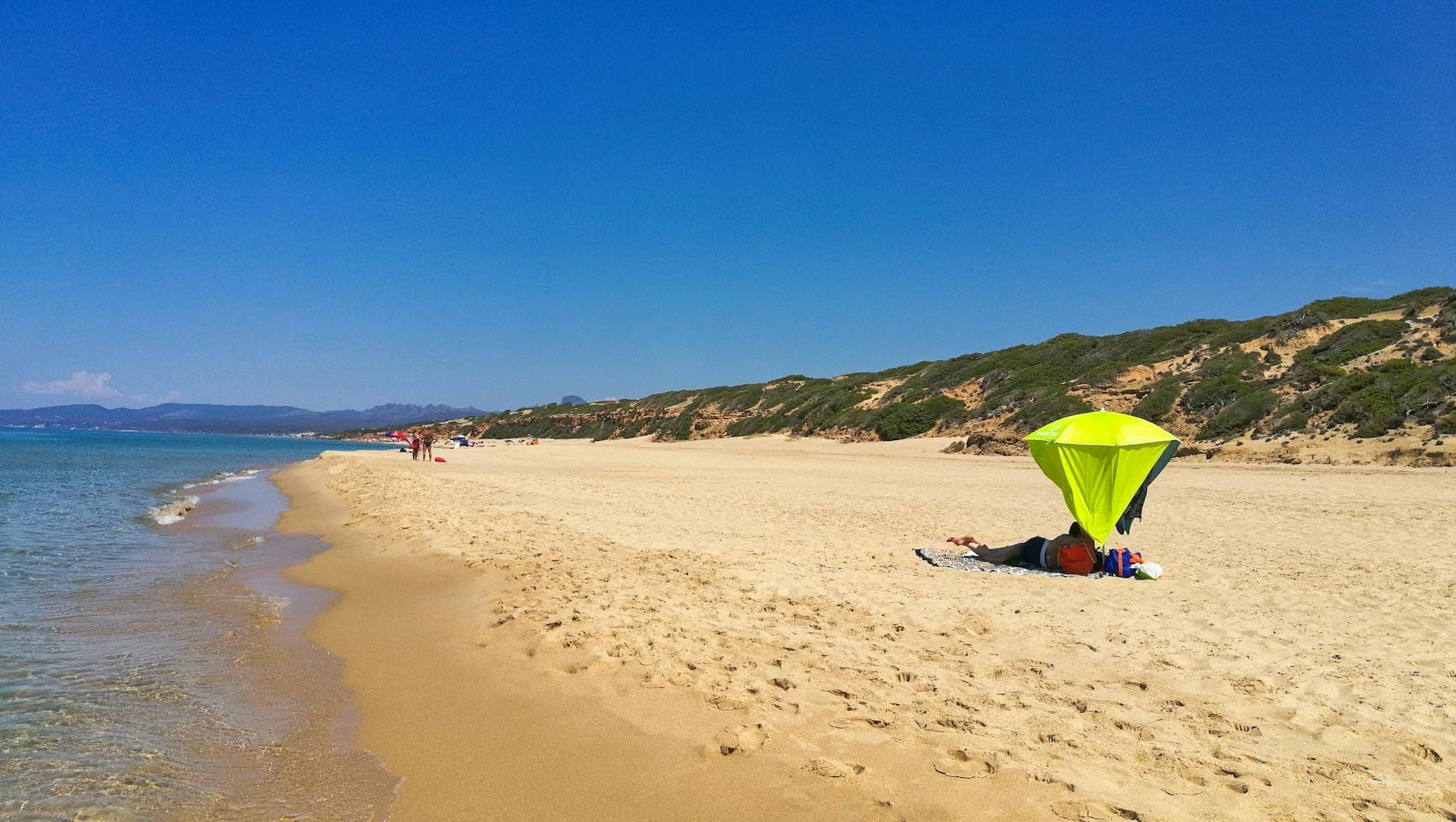
The best time to visit Sardinia for a road trip is not July or August, though that is when most people go. Coastal roads around the most popular beaches become congested in peak summer, parking areas fill by 9am, and rental prices are at their annual high. Sea temperatures reach their warmest — around 24 to 26°C — but air temperatures can hit 38°C inland, making any hiking or extended driving uncomfortable.
- May and early June Arguably the best window. Roads are empty, wildflowers cover the hillsides, sea temperature is around 18 to 20°C — cool but swimmable. Accommodation prices are 30 to 50% lower than August rates. Some beach facilities (sun loungers, showers) may not yet be open.
- Late June and early July A good compromise. The sea is warmer (22 to 24°C), facilities are fully open, but crowds have not yet peaked. Weekends near major beaches get busy.
- July and August Peak season: maximum heat, maximum crowds, maximum prices. Not recommended for a road-trip-first itinerary unless you are deliberately seeking the beach party atmosphere of Costa Smeralda.
- September and October Excellent for road trips. Sea temperature stays above 22°C through September. Crowds thin after the first week of September, prices drop, and the light for driving and photography is exceptional. Rainfall begins to increase in October but remains manageable.
- November to April The island largely shuts down for tourism. Many coastal hotels and restaurants close from October to April. Useful only for those specifically interested in rural culture, winter hiking, or Sardinia's carnival season in February.
If your itinerary includes hiking in Sardinia alongside driving — particularly the Selvaggio Blu trail or routes in the Gennargentu — May to June and September are the only sensible windows. Heat and water scarcity make summer hiking dangerous on exposed coastal routes.
Practical Driving Tips, Costs, and Rules
Driving in Sardinia follows Italian road rules. Speed limits are generally 50 km/h in urban areas, 90 km/h on secondary roads outside built-up areas, and 110 km/h on main dual carriageways. Since there are no motorways on the island, you will not encounter the 130 km/h limit that applies on the autostrada elsewhere in Italy. Headlights must be on at all times outside of urban areas, even in daylight — this is an Italian road rule that catches foreign drivers off guard.
Fuel prices in Sardinia track Italian national averages, which are typically higher than northern European rates. Unleaded (benzina) and diesel (gasolio) are widely available in towns, but the eastern coastal road and the interior have stretches of 40 to 60 km between stations. Self-service pumps (often cheaper than attended service) are common, and most accept credit cards, though carrying some cash for rural stops is wise.
On the budget side, Sardinia road trips are flexible in cost. Agriturismo accommodation, which keeps costs reasonable while putting you in spectacular inland settings, is often only accessible by car. Our Sardinia agriturismo guide covers the best options and booking approach. Combined with self-catering or picnic lunches from local markets, a road trip can be done comfortably on a mid-range budget outside of peak season.
💡 Local tip
Download offline maps before you leave — Google Maps or Maps.me both work well. Mobile signal is good along the coast and in towns, but drops out frequently in the Barbagia interior and along parts of the eastern SS125. Having an offline map loaded with your route is not overcautious; it is necessary.
Parking in coastal resort towns in August operates on a paid system, typically 1 to 3 euros per hour in marked blue zones. Free white-line parking exists in residential areas but fills early. Many beach access roads have private parking areas charging 5 to 10 euros per day in season — these are often your most practical option when the road itself becomes gridlocked.
FAQ
Do I really need a car for a Sardinia road trip, or can I rely on public transport?
A car is effectively essential for any itinerary that includes beaches, rural villages, agriturismo stays, or archaeological sites. Trenitalia and ARST buses connect major cities reasonably well, but the coastline that most visitors come for — particularly the Golfo di Orosei, Ogliastra, and the beaches around Villasimius — requires a car to reach. The short answer: if you want the real Sardinia, rent a car.
How long does it take to drive from Olbia to Cagliari?
The fastest route via the SS131 (the main north-south trunk road, known as the Carlo Felice) takes around 3 to 3.5 hours without stops, covering roughly 270 km. Via the scenic eastern SS125 coastal road, the same journey takes 5 to 6 hours minimum and should realistically be spread over two days to do it justice.
Is it safe to drive in Sardinia as a tourist?
Yes, road conditions are generally good. The main risks are the narrow, winding nature of mountain and coastal roads (requiring slower speeds and concentration), occasional livestock on rural roads, and parking stress in peak summer at busy beaches. Night driving in the interior requires care. Overall, Sardinia is a straightforward self-drive destination compared to many southern European alternatives.
What is the best route for a 7-day Sardinia road trip?
A practical 7-day loop from Olbia works as follows: Day 1 in Olbia and the Costa Smeralda, Day 2 in Palau and La Maddalena, Day 3 drive to Alghero via Sassari, Day 4 Alghero and Capo Caccia, Day 5 south toward Oristano and the Sinis Peninsula, Day 6 drive to Cala Gonone via Nuoro, Day 7 back to Olbia via the northern coast. This balances beach, culture, and driving load well.
When should I avoid driving in Sardinia?
The last two weeks of July and the entire month of August are the hardest driving conditions: coastal roads back up, beach parking is often full by 9am, and the combination of heat and traffic makes long drives unpleasant. If you must travel in August, plan early morning departures (before 8am) and avoid moving between towns between noon and 4pm.