Sardinia Agriturismo Guide: Farm Stays & Rural Dining
Agriturismo is one of the most rewarding ways to experience Sardinia beyond the coast. This guide covers what a real agriturismo is, where to find the best ones, what food to expect, prices to budget for, and how to avoid countryside guesthouses masquerading as working farms.
Plan and book this trip
Tools from our partner Travelpayouts help you compare flights and hotels. If you book through them, we may earn a commission at no extra cost to you.
Flights
Hotels map
TL;DR
- An agriturismo is a legally defined working farm offering rooms and meals, not just a rural guesthouse with a garden.
- Expect double rooms from around €80–€150 per night in high season, usually including breakfast and sometimes half-board with farm-produced food.
- Spring and autumn are the best seasons: mild weather, fewer crowds, and farms are at their most active.
- A car is essential. Public transport to most Sardinian agriturismi is either infrequent or nonexistent.
- The inland areas of Barbagia, Ogliastra, and the Campidano plain offer the most authentic options. Coastal areas around Golfo di Orosei have a mix of genuine farms and tourist-facing imitators.
What Is an Agriturismo, Exactly?
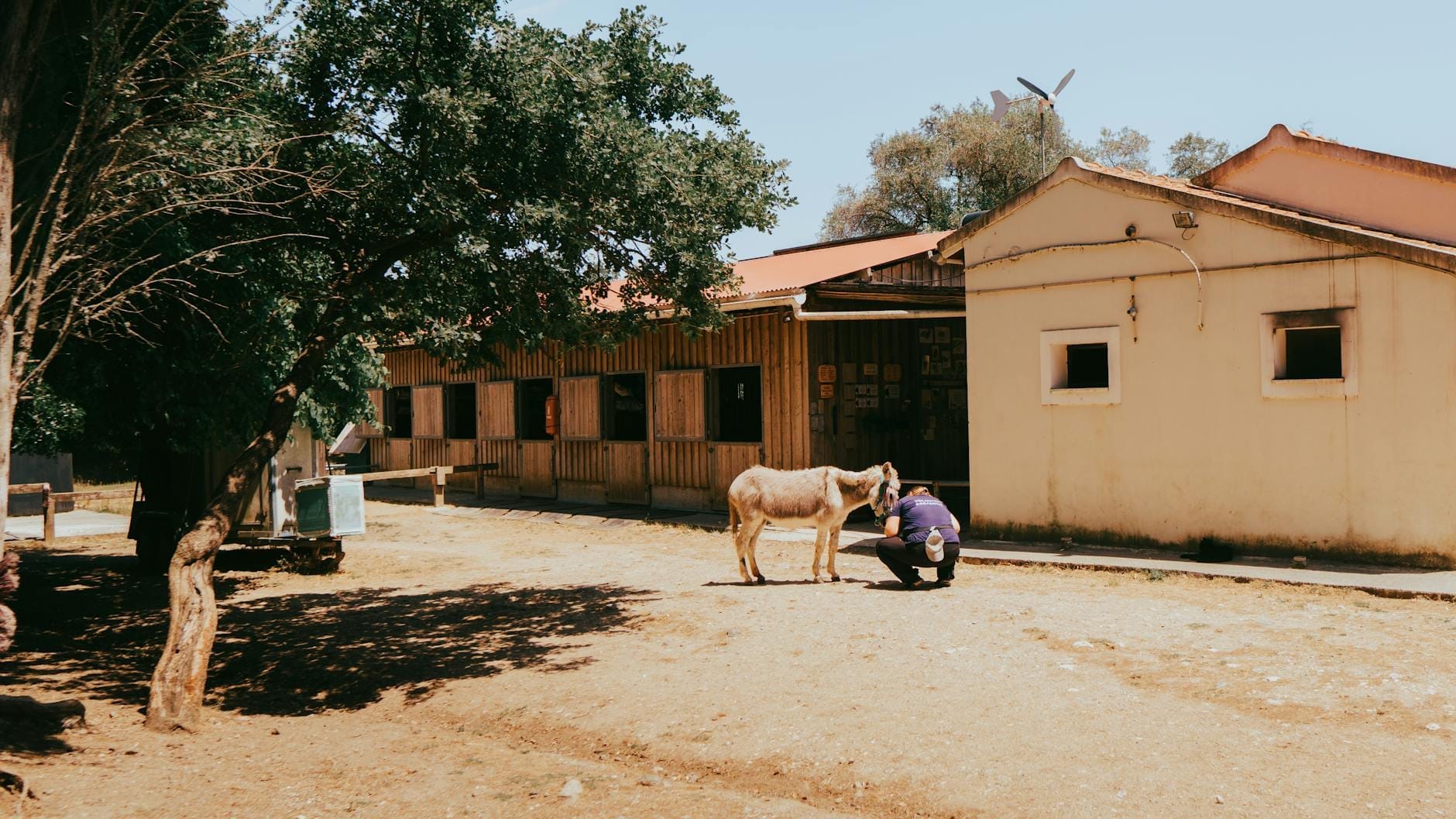
The term agriturismo is legally defined in Italy, not just a marketing label. To operate as one, a property must be a working farm where agriculture remains the primary activity and hospitality is secondary. The owners must work the land themselves, and the food served must be based on their own production or local sourcing. That means the wine in your glass, the pecorino on your plate, and the cured meat in your antipasto are almost certainly made or raised on-site or sourced from a neighboring farm.
This distinction matters in practice. It means an authentic agriturismo will have visible evidence of farming: animals in the fields, olive groves or vineyards you can walk through, a vegetable garden, a cheese-making shed, or a cellar stacked with aging salumi. What it will not have, typically, is an extensive menu of branded industrial products, a cocktail bar, or the anonymous feel of a countryside hotel. The experience is closer to staying with a farming family than checking into an inn.
⚠️ What to skip
Properties very close to the coast, especially in high-tourism zones like Costa Smeralda or Villasimius, are more likely to be conventional tourist guesthouses or restaurants using the agriturismo label loosely. If you cannot see any active agriculture on the property, ask directly what they produce. A genuine agriturismo will answer confidently.
The Food: What You'll Actually Eat
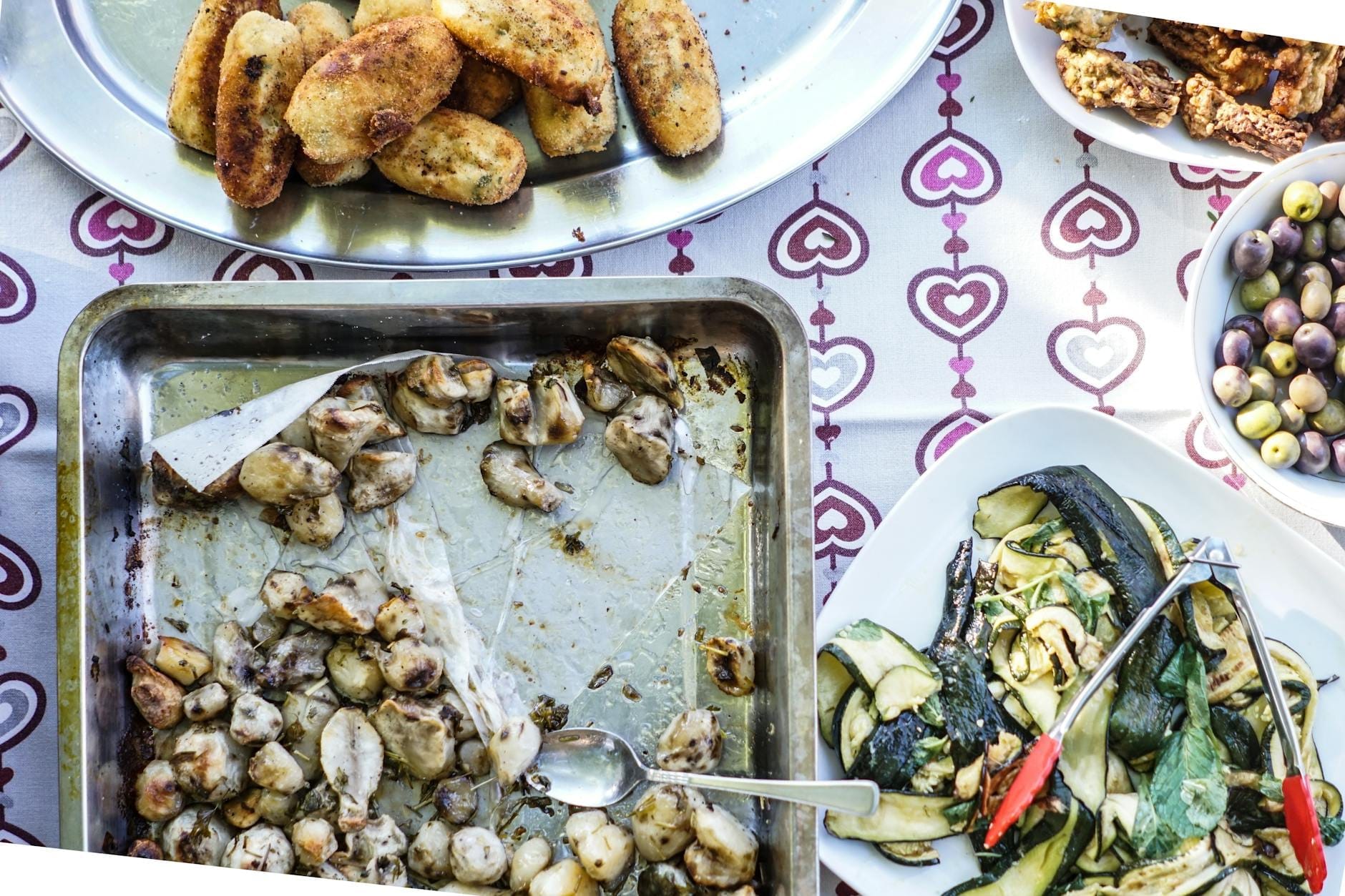
Rural dining at a Sardinian agriturismo is unlike anything you'll find in a restaurant. Meals are structured, often fixed-menu affairs served at communal or separate tables, built entirely around what the farm produces. A typical dinner might start with thin sheets of pane carasau (the island's famous flatbread) with local olive oil, move through a board of aged pecorino and cured pork, then arrive at a primo of malloreddus (Sardinian gnocchetti) in tomato and sausage sauce, followed by roasted lamb or suckling pig from the farm's own herd. Dessert is usually seadas, a fried pastry filled with fresh cheese and drizzled with local honey.
Breakfast at a farm stay tends to be generous and homemade: bread baked that morning, jams from the orchard, local honey, cold cuts, and farm eggs. Do not expect a continental spread with packaged yogurts and hotel-style croissants. That is the point. The food tastes different because it is different.
Many agriturismi also serve their own wine, which is typically a simple, unlabeled house wine made from indigenous Sardinian varieties like Cannonau or Vermentino. If you want to go deeper into Sardinian wine culture, the Sardinia wine guide covers the island's appellations and best producers in detail. Likewise, for the broader context of what Sardinians eat across the island, see the Sardinia food guide.
💡 Local tip
Many agriturismi only serve dinner to guests who book in advance, and some require full or half-board as part of the room rate. Always confirm the meal arrangement when booking. Showing up and expecting dinner without a reservation is a common mistake.
Where to Find the Best Agriturismi in Sardinia
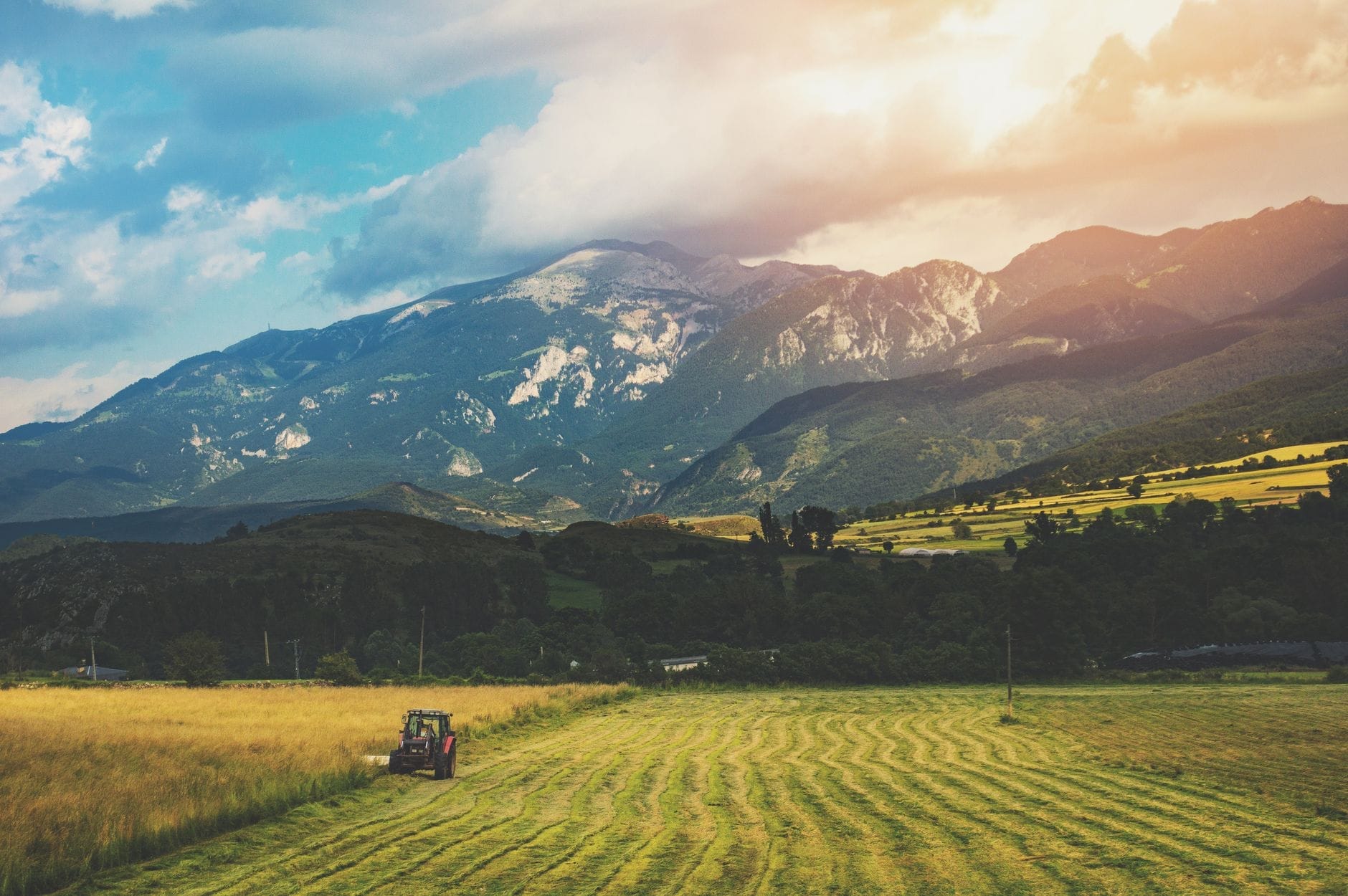
Sardinia's interior is where the agriturismo experience is most genuine and most concentrated. The Barbagia and Nuoro region, centered on the Gennargentu mountains, is arguably the heartland of Sardinian rural culture. Villages like Oliena, Orgosolo, and Ovodda are surrounded by farms raising sheep, pigs, and cattle, and producing some of the island's finest cheeses and cured meats. The area around Oliena in particular has several well-regarded agriturismi that combine traditional food with proximity to spectacular hiking terrain.
The Ogliastra region on the eastern coast, stretching inland toward the Tacchi d'Ogliastra, is another strong area. Farms here sit between dramatic limestone peaks and the sea, making them a practical base for both hiking and beach days. The Campidano plain in the south, between Cagliari and Oristano, is flatter and more agricultural, with farms producing cereals, wine grapes, and olive oil.
- Barbagia and Nuoro Best for traditional culture, mountain hiking, and the most authentic farm-to-table dining. Properties around Oliena and Orgosolo are particularly well-regarded.
- Ogliastra Offers a balance between inland farm life and coastal access. Good base for the Tacchi d'Ogliastra and Gulf of Orosei beaches.
- Campidano Plain Flatter, more agricultural landscape south and north of Cagliari. Easier driving, good for wine and olive oil-producing farms.
- Oristano and Sinis Peninsula A quieter, less-visited area with farms producing Vernaccia wine, saffron, and artichokes. Good shoulder-season choice.
- Gallura The northeast has some beautiful farm stays near cork forests and granite landscapes, though the coastal fringe here skews more toward tourism than agriculture.
Prices, Booking, and What's Included
Farm stay rates in Sardinia are not fixed across the board, but current listings on platforms like Booking.com and Agriturismo.it typically show double rooms starting around €80–€100 per night in shoulder season, rising to €120–€150 or more in July and August. These rates often include breakfast and occasionally half-board. Properties that include dinner in the rate tend to offer better overall value, since an agriturismo dinner with wine can easily cost €30–€45 per person if purchased separately.
Booking options include the major platforms, but many Sardinian agriturismi strongly prefer direct bookings through their own websites or by phone. Direct booking sometimes unlocks flexibility on meal arrangements, check-in times, or add-on experiences like a farm tour or cheese-making session. Agriturismo.it is Italy's dedicated national platform and tends to list properties that have been verified against the legal definition, making it a more reliable filter than generic travel aggregators.
✨ Pro tip
Minimum stay requirements are common in summer: many properties require 2–3 nights minimum between June and August. If you are planning a one-night stop as part of a road trip, contact the farm directly and ask. Some will accommodate it, especially midweek, if they have availability.
When to Go and How to Get There
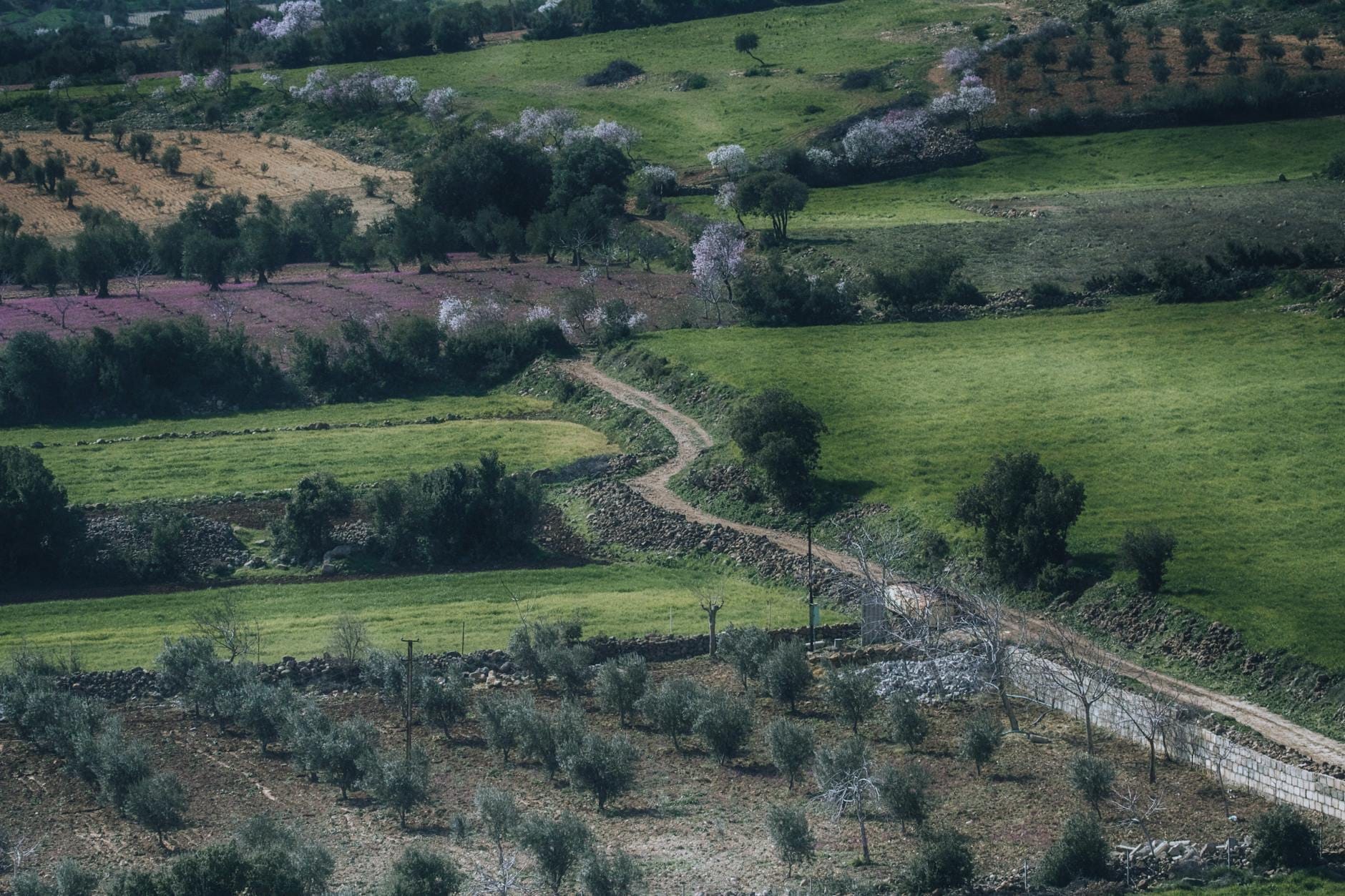
Spring (April to early June) and autumn (September to October) are the best times for an agriturismo stay. The weather is warm but not oppressive, the landscape is green, farms are at their busiest with seasonal activity, and prices are lower than peak summer. Some farms close entirely in winter, particularly those in mountain areas. If you are planning a late autumn or winter trip, always check directly with the property. For a broader view of when to visit, the best time to visit Sardinia guide breaks down each season in detail.
Getting to most agriturismi without a car is not realistic. ARST buses cover many Sardinian towns but do not reach rural farms, and taxis from the nearest town add up quickly across multiple days. Renting a car from one of Sardinia's three main airports, Cagliari (CAG), Olbia (OLB), or Alghero (AHO), is the standard approach. A road trip structure works particularly well: combine an agriturismo stay with coastal days and cultural sites. The Sardinia road trip guide covers route planning across the island.
- Book accommodation 2–3 months ahead for July and August, especially for well-reviewed properties in Barbagia or Ogliastra.
- Confirm meal arrangements, check-in times, and whether dinner requires advance notice at time of booking, not on arrival.
- Bring cash. Many rural agriturismi do not accept cards or have unreliable card machines.
- Download offline maps before you go. GPS signals and mobile data can be patchy in the Gennargentu highlands.
- If you have dietary restrictions, communicate them in advance. Fixed menus are common and substitutions are not always possible on the day.
Agriturismo vs. Rural Guesthouse: Spotting the Difference
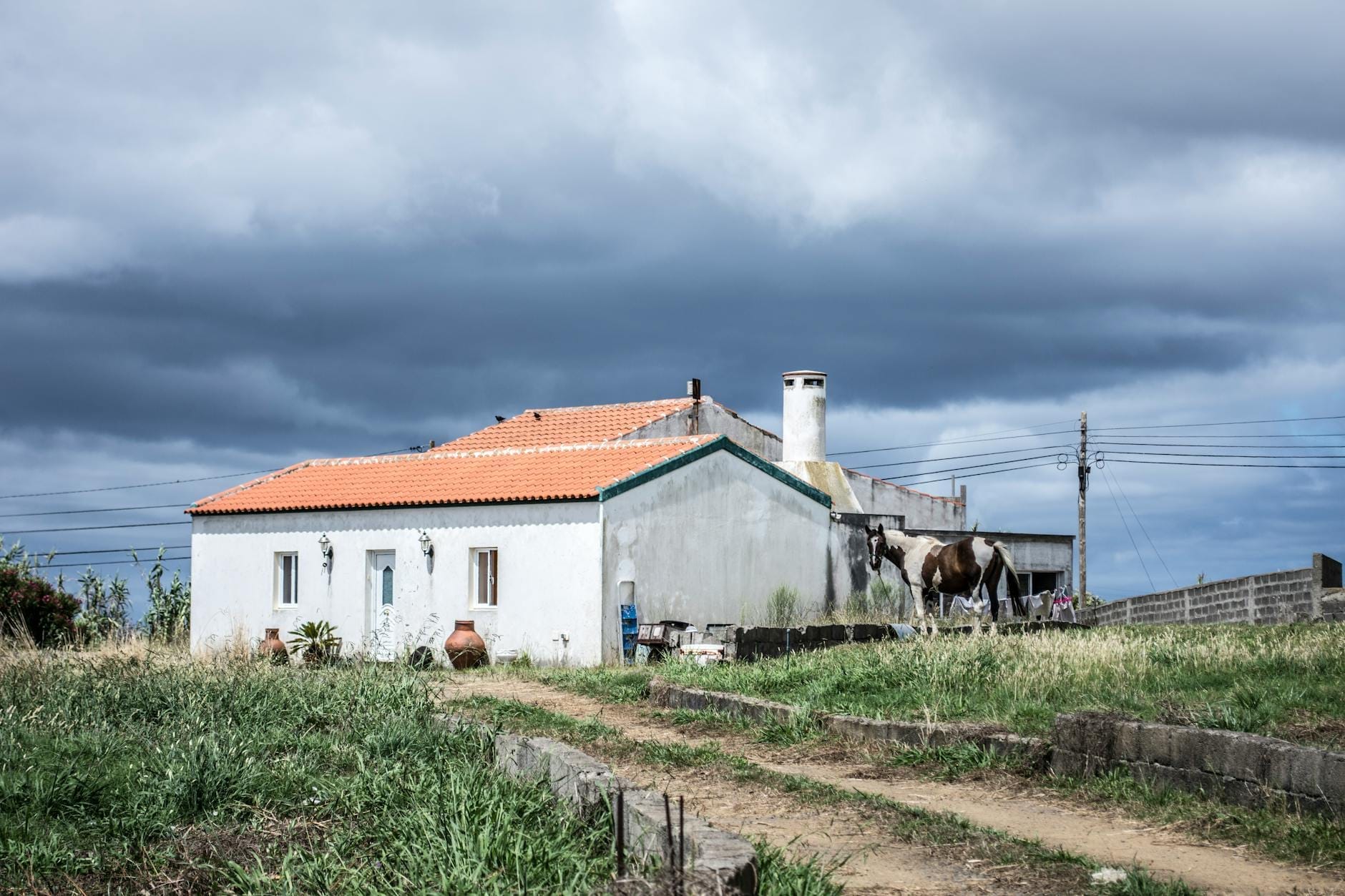
The agriturismo label is regulated but not perfectly policed. Some properties present themselves as farm stays while operating more like rural B&Bs with a few chickens in the yard. The practical test is simple: does the property produce the food it serves? Can you see active farming? Is the menu limited to what the farm produces, with no extensive à la carte options? Authentic agriturismi typically have short, seasonal menus that change based on what is available, not laminated folders with dozens of dishes.
Another indicator is atmosphere. Real farm stays tend to have working noise: animals in the morning, equipment being used, the smell of a wood-fired kitchen. The owner or family is usually present and visibly involved in the operation. If the experience feels like a hotel with a countryside backdrop, it probably is. That is not necessarily bad, but it is worth knowing what you are paying for.
For travelers who want to combine rural authenticity with broader cultural exploration, many agriturismi in the Barbagia region sit close to Nuragic sites and traditional villages. The Sardinia Nuragic sites guide pairs naturally with an inland farm stay, as does a day exploring the murales of Orgosolo, which are within easy driving distance of several Barbagia agriturismi.
FAQ
What does agriturismo mean in Sardinia?
Agriturismo refers to a working farm that offers accommodation and meals as a secondary activity to agriculture. In Italy, it is a legally defined category requiring the farm to produce the food it serves and to keep farming as the primary business. In Sardinia, this typically means sheep, pigs, vineyards, olive groves, or mixed farming.
How much does an agriturismo stay cost in Sardinia?
Double rooms typically range from around €80–€100 per night in shoulder season to €120–€150 in July and August. Many properties include breakfast, and some include dinner. Prices vary significantly depending on the property, location, and what is included. Always verify current rates directly with the property or on booking platforms, as prices change seasonally.
Do I need a car to visit an agriturismo in Sardinia?
Yes, in almost all cases. Public transport in Sardinia does not reach rural farms, and the island has no motorway network. Renting a car from Cagliari, Olbia, or Alghero airport is the standard approach. Some properties may offer transfers from the nearest town for an extra fee, but this is the exception rather than the rule.
When is the best time to stay at an agriturismo in Sardinia?
April to early June and September to October are widely considered the best periods. The weather is warm, farms are active, and prices are lower than peak summer. July and August are busy and hot, but properties with pools or beach access remain popular. Some mountain-area farms close from November through March.
How do I book an agriturismo in Sardinia?
The dedicated Italian platform Agriturismo.it lists verified properties and is a good starting point. Booking.com also lists many farm stays. Booking directly through the farm's own website is often preferred by the owners and can sometimes offer more flexibility on meal arrangements or special requests.