Sardinia's Nuragic Sites: A Complete Guide to the Bronze Age Ruins
Sardinia holds more than 7,000 surviving nuraghe, making it the richest Bronze Age landscape in the Mediterranean. This guide covers the essential Nuragic sites across the island, from towering fortress complexes and sacred wells to rock-cut tombs, colossal stone statues, and hidden village ruins inside mountain sinkholes.
Plan and book this trip
Tools from our partner Travelpayouts help you compare flights and hotels. If you book through them, we may earn a commission at no extra cost to you.
Flights
Hotels map
No other place in Europe concentrates so much prehistoric architecture into one island. The Nuragic civilization built its stone towers from around 1900–1800 BC, and what survives today ranges from solitary towers in farmers' fields to elaborate fortress complexes surrounded by villages of hundreds of huts. Most visitors to Sardinia see a beach and perhaps one nuraghe. This guide is for those who want to go further. Whether you are planning a dedicated archaeological road trip or weaving ruins into a broader itinerary, see our Sardinia road trip guide for practical routing advice. The sites below are grouped by type, because Nuragic civilization was far more than towers: it also produced sacred wells, collective tombs, colossal sculpture, and pre-Nuragic monuments that set the stage for everything that followed.
✨ Pro tip
Visit Nuragic sites in spring (April-May) or autumn (September-October). Most are open-air with no shade, and summer heat above 35°C makes long exploration miserable. Bring water, a hat, and sturdy shoes regardless of season.
The Great Nuragic Complexes
These are the flagship sites: multi-tower fortresses with surrounding villages that reveal the full scale and sophistication of Nuragic society. The Barbagia region and the Meilogu plain hold the most impressive examples, though major complexes exist across the island. Allow at least 90 minutes at each of these sites, and book guided tours in advance during summer.
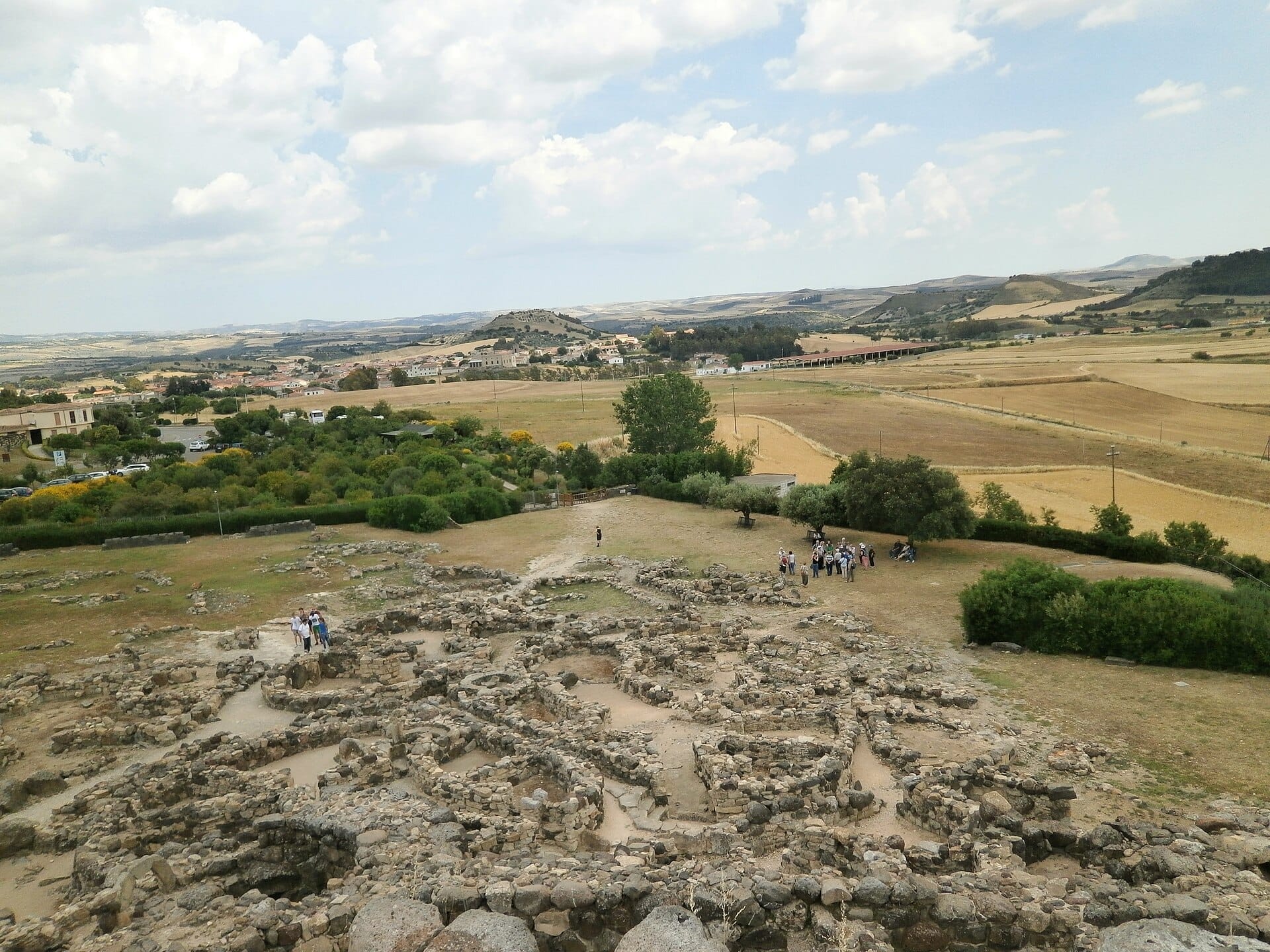
1. Start Your Nuragic Journey at Su Nuraxi di Barumini
Sardinia's only UNESCO World Heritage nuraghe is non-negotiable. The central tower dates to 1500 BC and a surrounding village of 50+ huts grew over centuries. Guided tours run daily; book ahead in July and August.
Explore1. Start Your Nuragic Journey at Su Nuraxi di Barumini
Sardinia's only UNESCO World Heritage nuraghe is non-negotiable. The central tower dates to 1500 BC and a surrounding village of 50+ huts grew over centuries. Guided tours run daily; book ahead in July and August.
Explore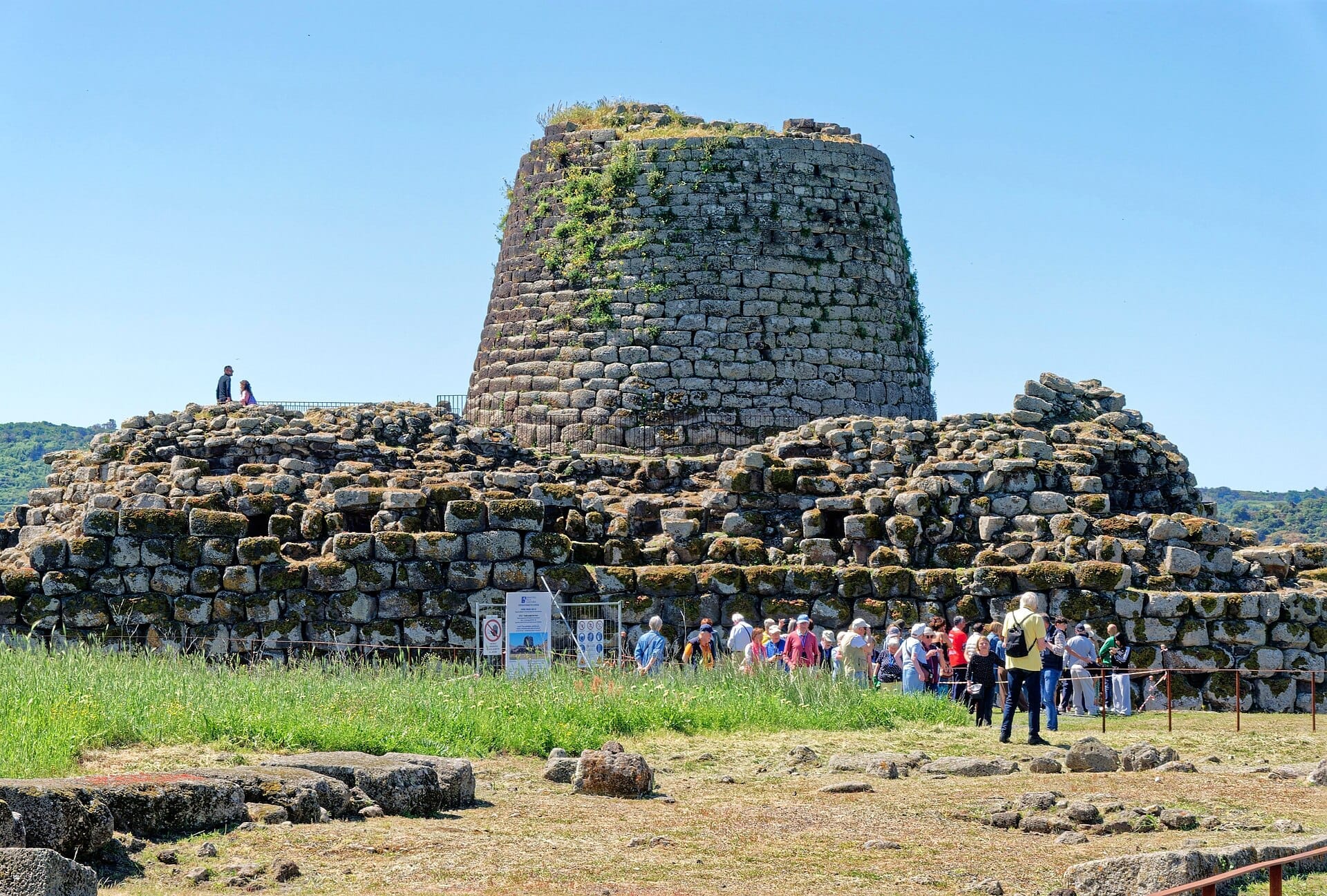
2. Climb the King of the Nuraghi at Santu Antine
Called the 'King of the Nuraghi', Santu Antine near Torralba rises 17 metres and has three lobed towers and a central courtyard. The internal staircase is accessible, making it one of the most rewarding nuraghe to explore from the inside.
Explore2. Climb the King of the Nuraghi at Santu Antine
Called the 'King of the Nuraghi', Santu Antine near Torralba rises 17 metres and has three lobed towers and a central courtyard. The internal staircase is accessible, making it one of the most rewarding nuraghe to explore from the inside.
Explore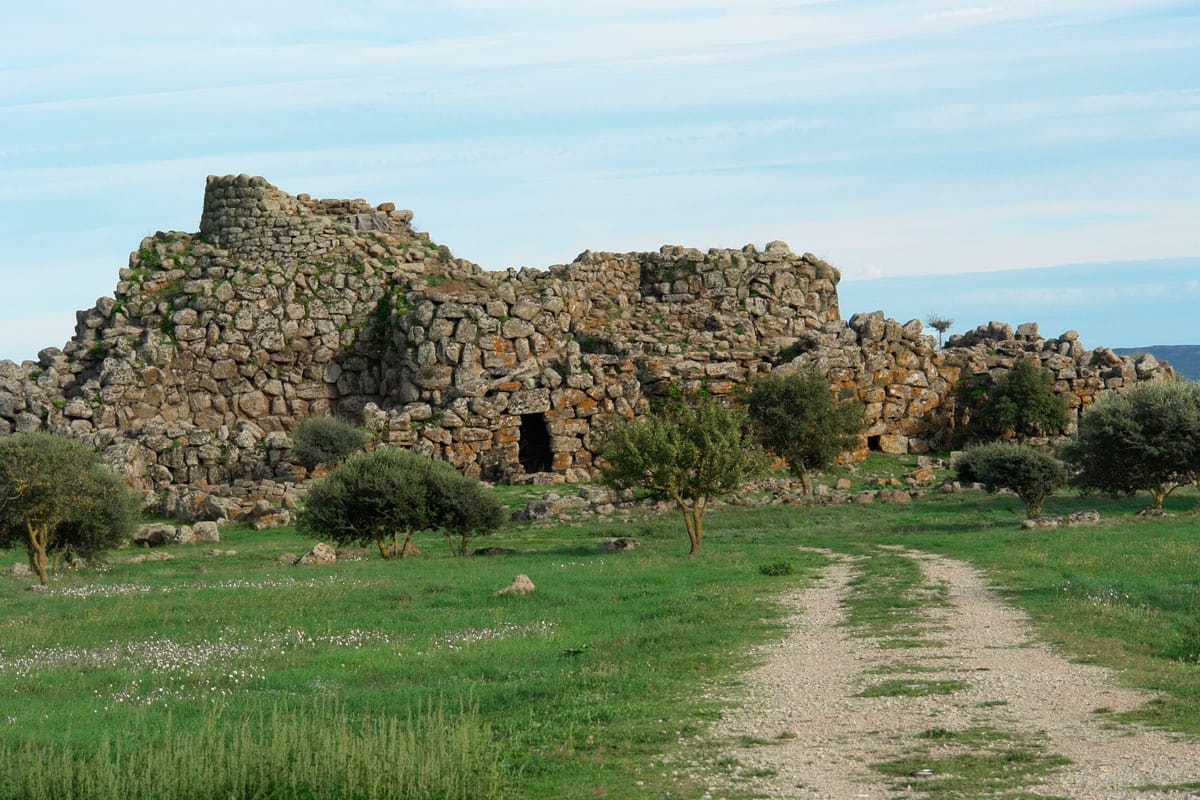
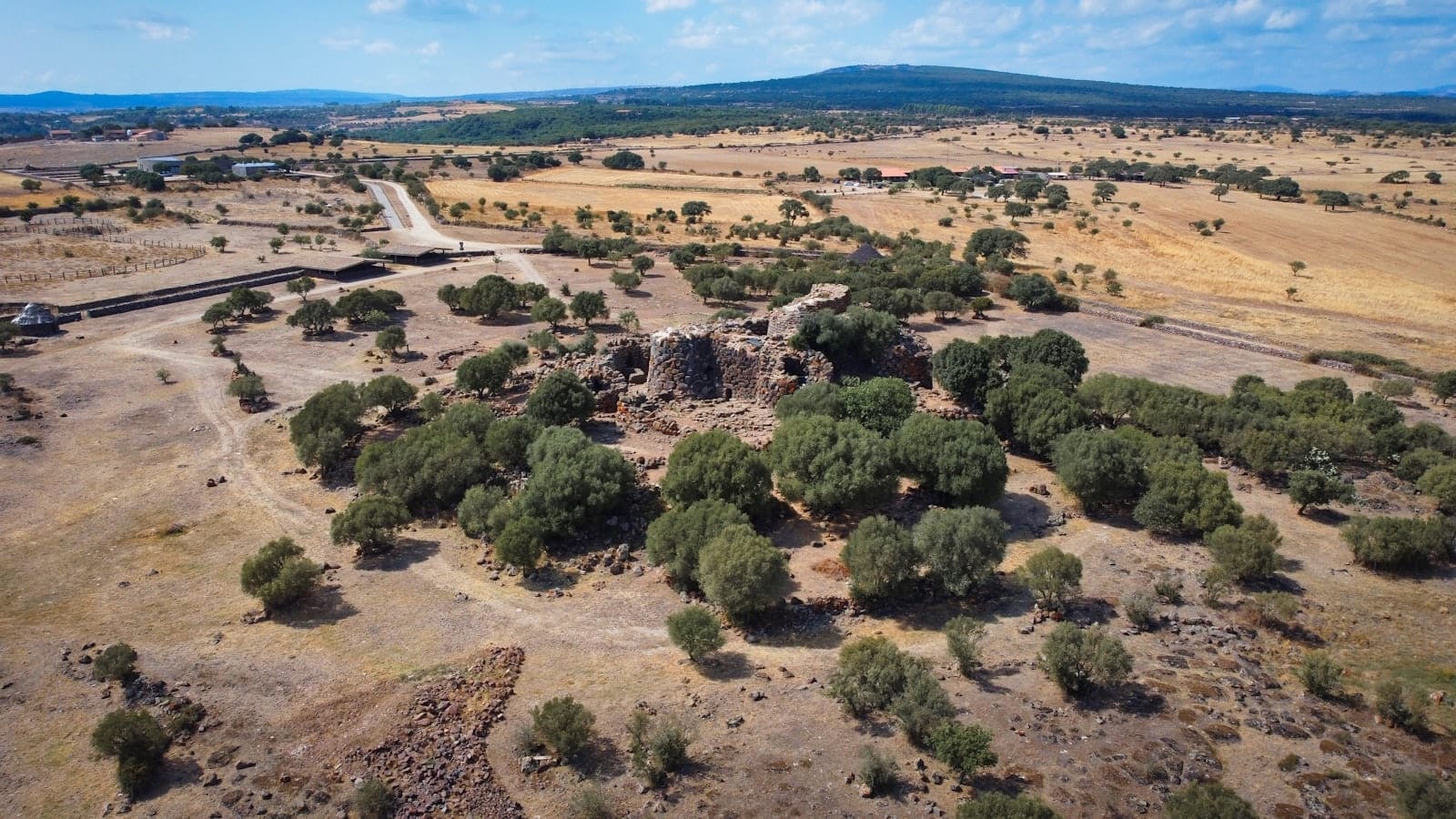
3. Explore the Largest Nuragic Complex at Nuraghe Arrubiu
The 'Red Nuraghe' near Orroli is the most extensive in Sardinia: five towers, a massive curtain wall, and the remains of 150 huts. Its reddish lichen gives it a striking appearance. Combine with Su Nuraxi on a two-day central Sardinia loop.
Explore3. Explore the Largest Nuragic Complex at Nuraghe Arrubiu
The 'Red Nuraghe' near Orroli is the most extensive in Sardinia: five towers, a massive curtain wall, and the remains of 150 huts. Its reddish lichen gives it a striking appearance. Combine with Su Nuraxi on a two-day central Sardinia loop.
Explore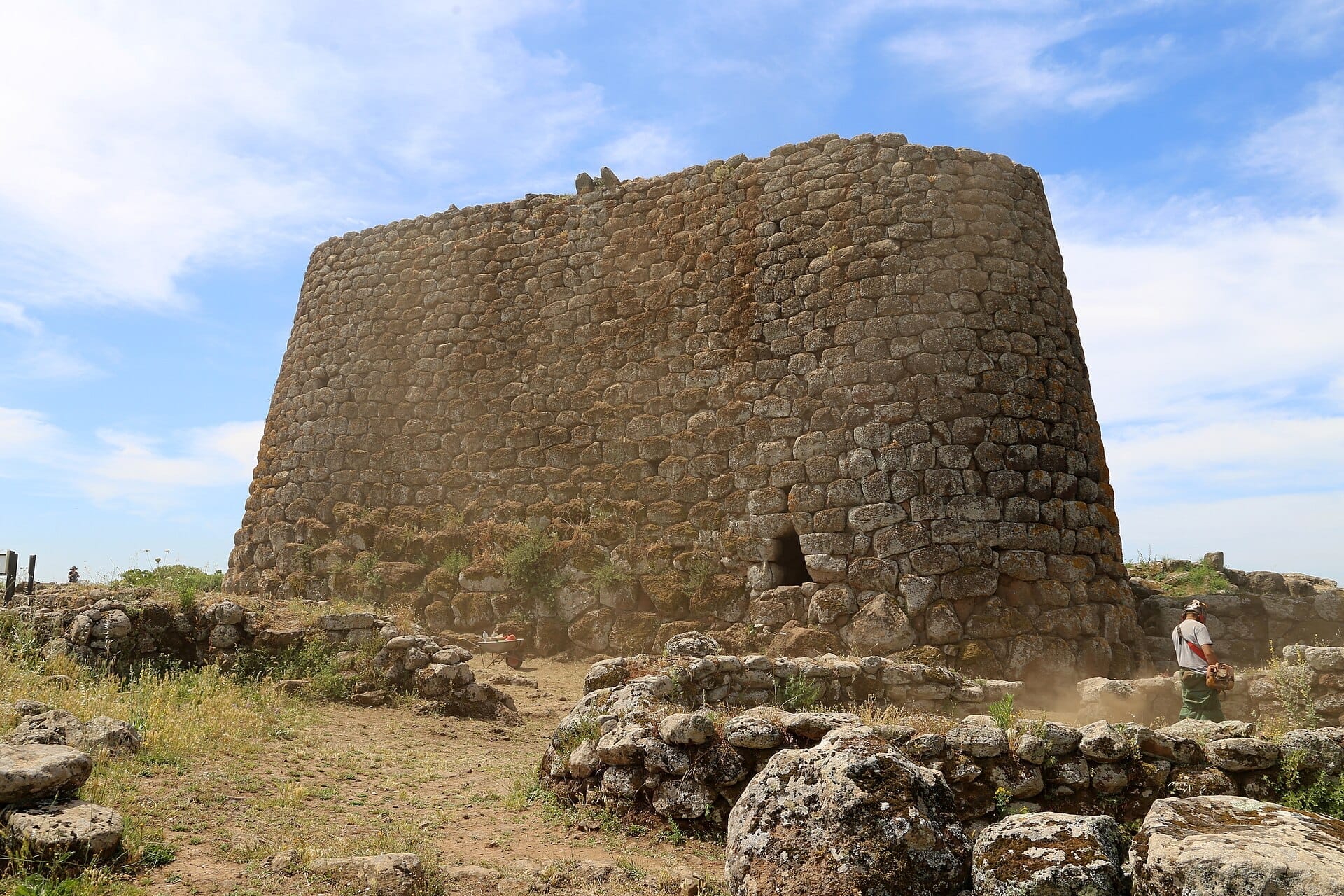
4. See the Finest Trilobed Tower at Nuraghe Losa
Near Abbasanta on the SS131, Nuraghe Losa is architecturally one of the purest examples of the trilobed nuraghe form. The outer wall preserves three secondary towers, and the on-site museum provides strong contextual information.
Explore4. See the Finest Trilobed Tower at Nuraghe Losa
Near Abbasanta on the SS131, Nuraghe Losa is architecturally one of the purest examples of the trilobed nuraghe form. The outer wall preserves three secondary towers, and the on-site museum provides strong contextual information.
Explore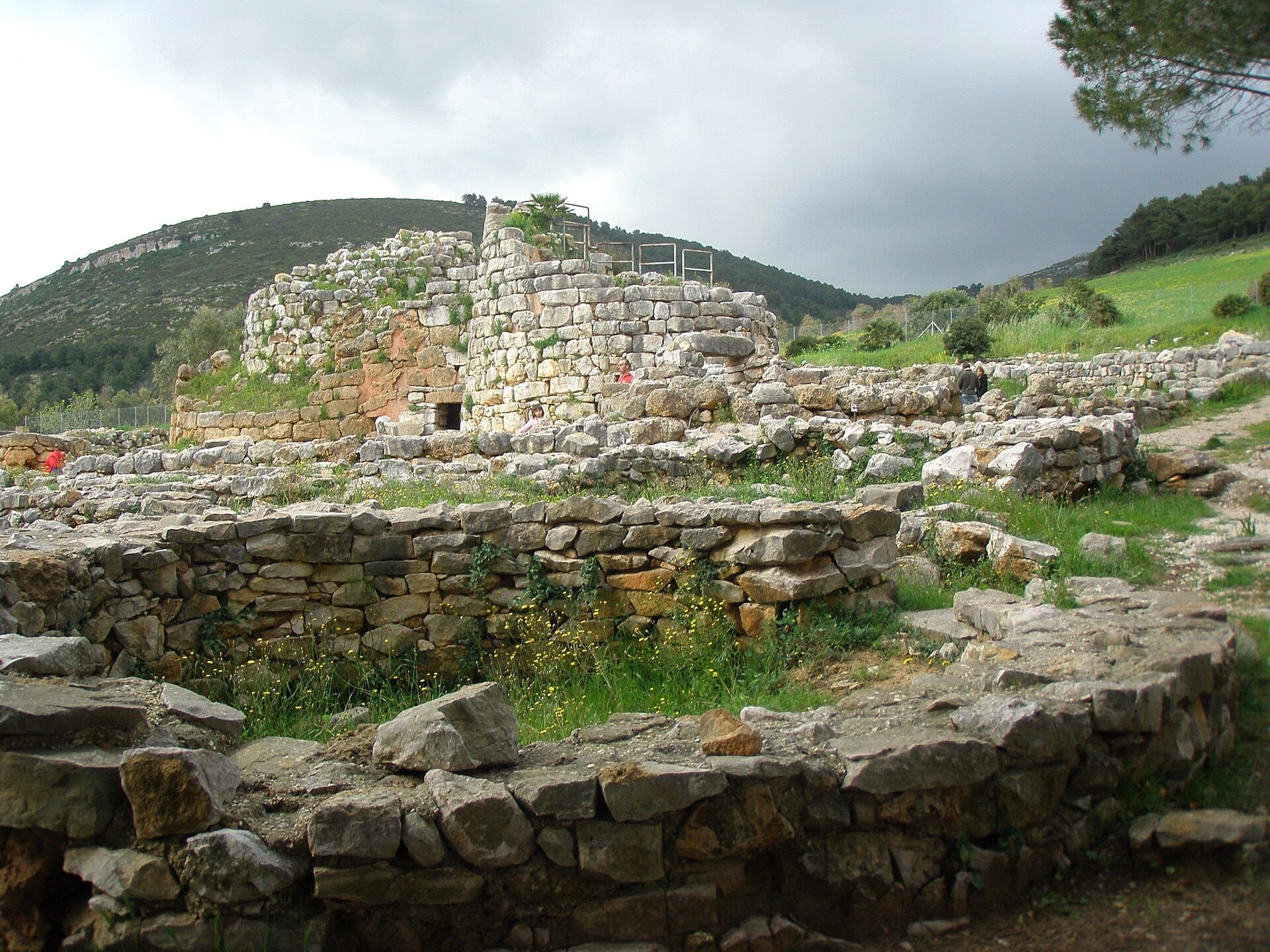
5. Visit the Best-Explained Nuragic Village at Palmavera
Near Alghero, Palmavera pairs a twin-tower nuraghe with a substantial surrounding village including a circular assembly hut. It is the most visitor-friendly complex in the northwest, with clear signage and good access from Alghero or the airport.
Explore5. Visit the Best-Explained Nuragic Village at Palmavera
Near Alghero, Palmavera pairs a twin-tower nuraghe with a substantial surrounding village including a circular assembly hut. It is the most visitor-friendly complex in the northwest, with clear signage and good access from Alghero or the airport.
ExploreSacred Wells and Ritual Sites
The Nuragic people built extraordinary sacred wells, precisely engineered stone chambers where underground water was venerated. These were not functional wells but astronomical and religious monuments, and the best examples are among the most technically impressive structures of the entire Bronze Age in Europe. The Oristano and Sinis Peninsula area has the highest concentration of well-preserved sacred sites.
6. Descend into the Perfect Sacred Well at Santa Cristina
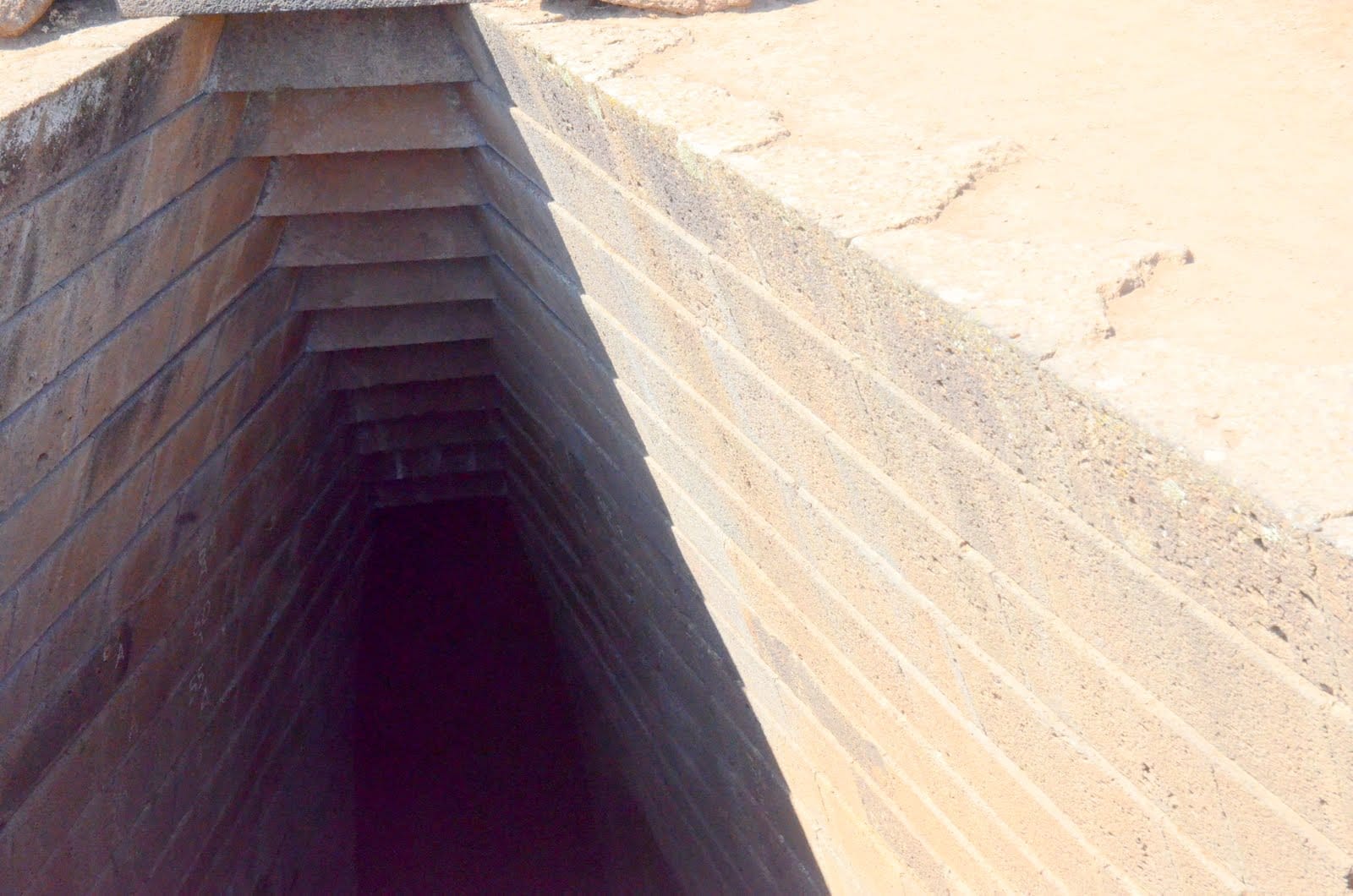
Santa Cristina near Paulilatino is the most precise example of Nuragic engineering: a keyhole-shaped staircase of 25 perfectly cut basalt steps descends to a subterranean chamber where the water surface aligns with the moon at specific points in its 18.6-year cycle.
Explore6. Descend into the Perfect Sacred Well at Santa Cristina
Santa Cristina near Paulilatino is the most precise example of Nuragic engineering: a keyhole-shaped staircase of 25 perfectly cut basalt steps descends to a subterranean chamber where the water surface aligns with the moon at specific points in its 18.6-year cycle.
Explore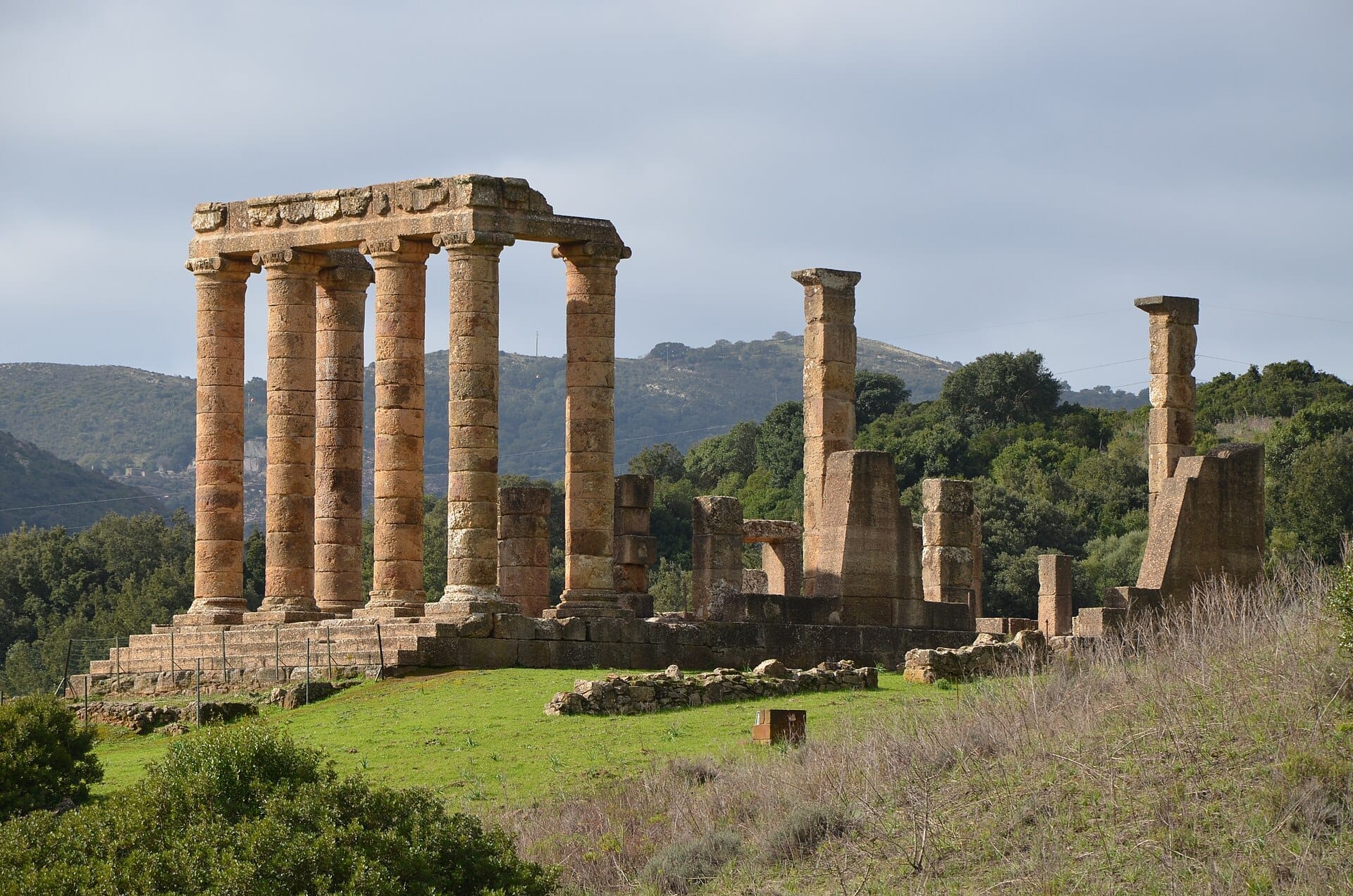
7. Find the Roman Temple Built Over a Nuragic Sanctuary at Antas
In a remote valley near Fluminimaggiore, a Roman temple dedicated to Sardus Pater was built directly over a Nuragic sacred site. This layering of civilizations in one isolated spot is historically compelling and extraordinarily atmospheric. Few tourists make it here.
Explore7. Find the Roman Temple Built Over a Nuragic Sanctuary at Antas
In a remote valley near Fluminimaggiore, a Roman temple dedicated to Sardus Pater was built directly over a Nuragic sacred site. This layering of civilizations in one isolated spot is historically compelling and extraordinarily atmospheric. Few tourists make it here.
ExploreGiants' Tombs and Pre-Nuragic Necropoli
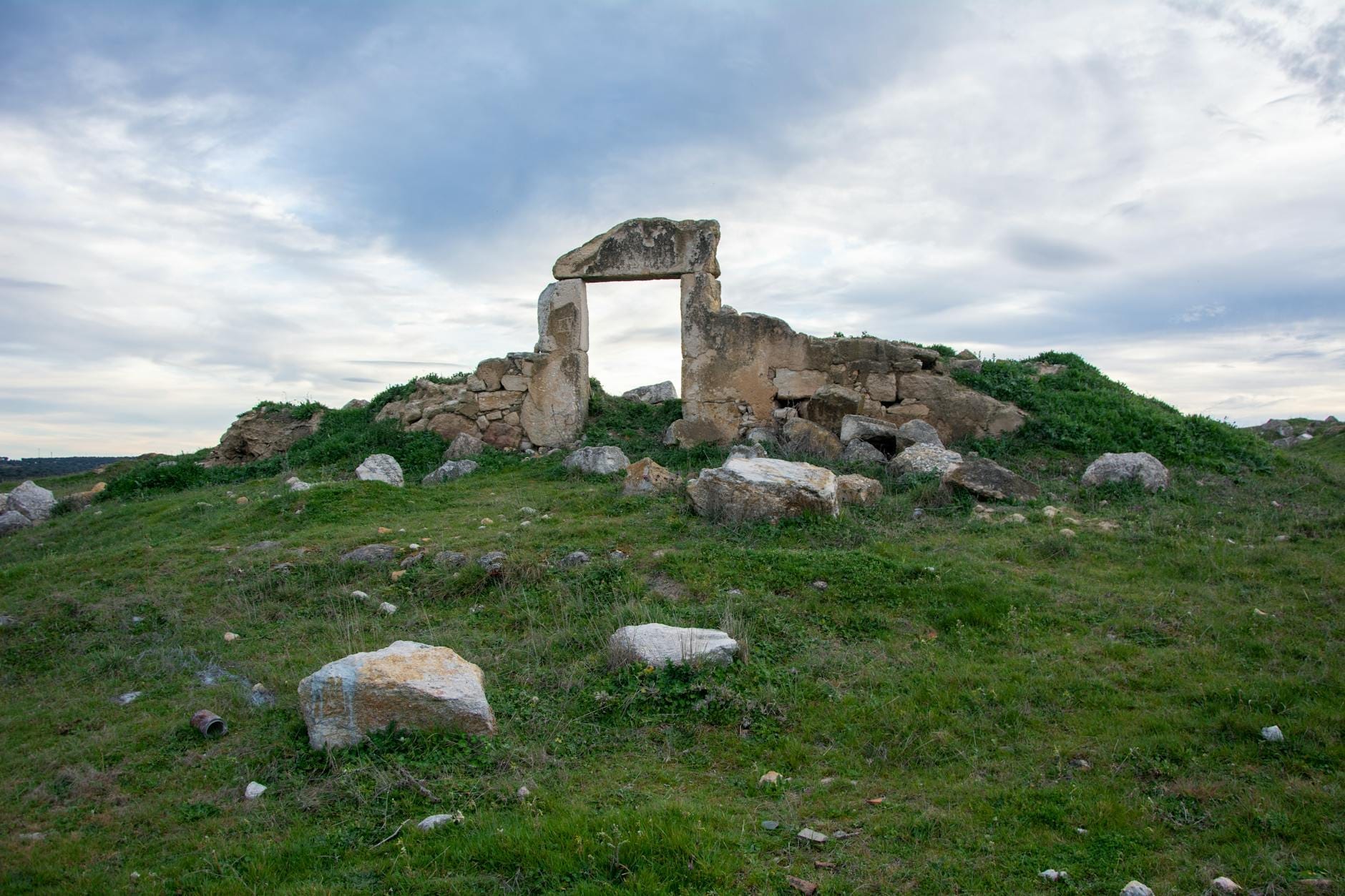
Collective burial was central to Nuragic society, and the Giants' Tombs, communal stone monuments up to 30 metres long, are among the most visually powerful funerary structures anywhere in the ancient world. The rock-cut Domus de Janas tombs predate the nuraghe by more than a thousand years and reveal an even older Sardinian religious imagination. Many of these sites sit in the Sassari region and near Alghero.
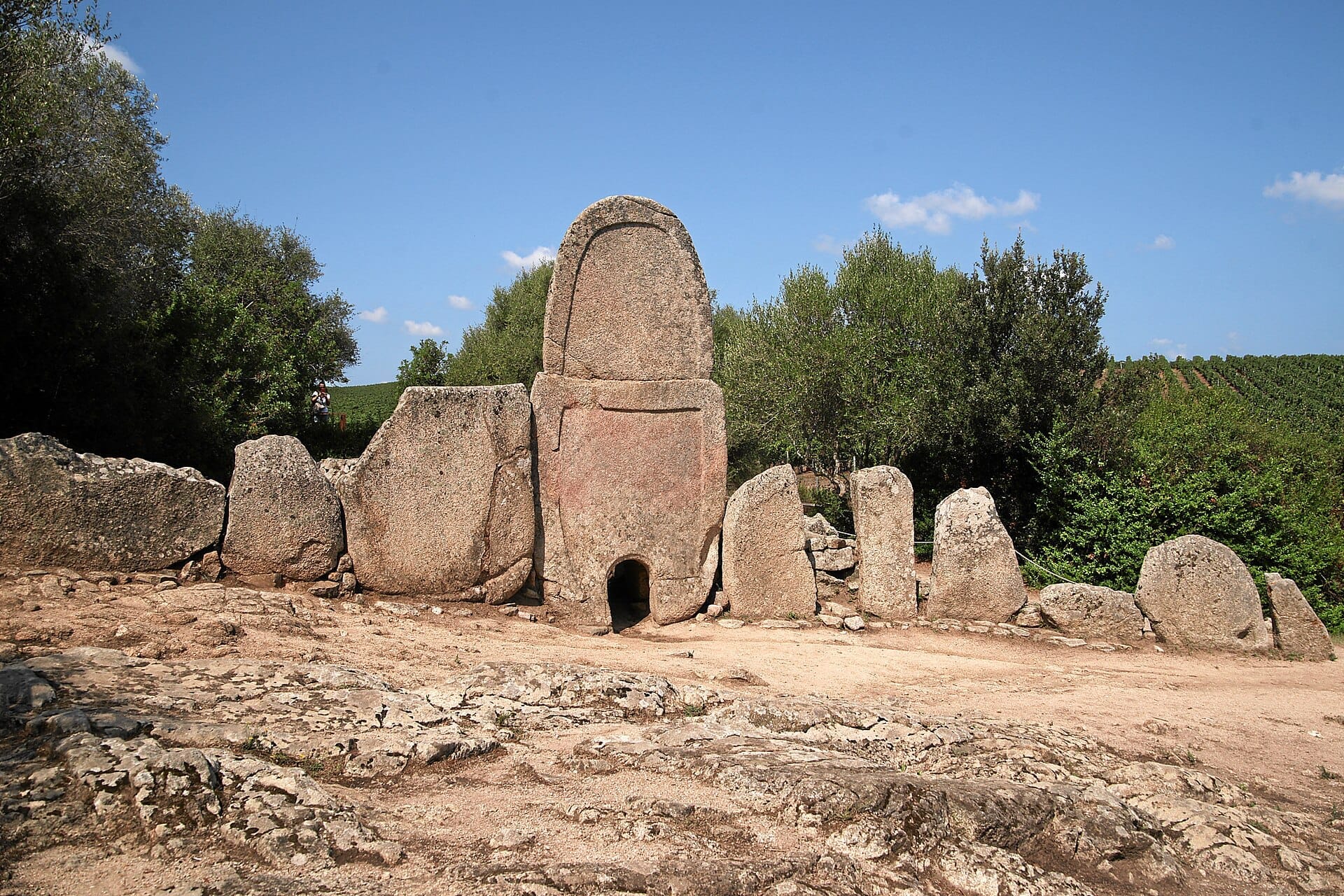
8. Stand Before the Most Dramatic Giants' Tomb at Coddu Vecchiu
Near Arzachena, Coddu Vecchiu is the definitive Giants' Tomb: a 27-metre-long collective grave with a central stele over 4 metres tall. The exedra forecourt, where mourners gathered, remains largely intact. It takes about 30 minutes to visit properly.
Explore8. Stand Before the Most Dramatic Giants' Tomb at Coddu Vecchiu
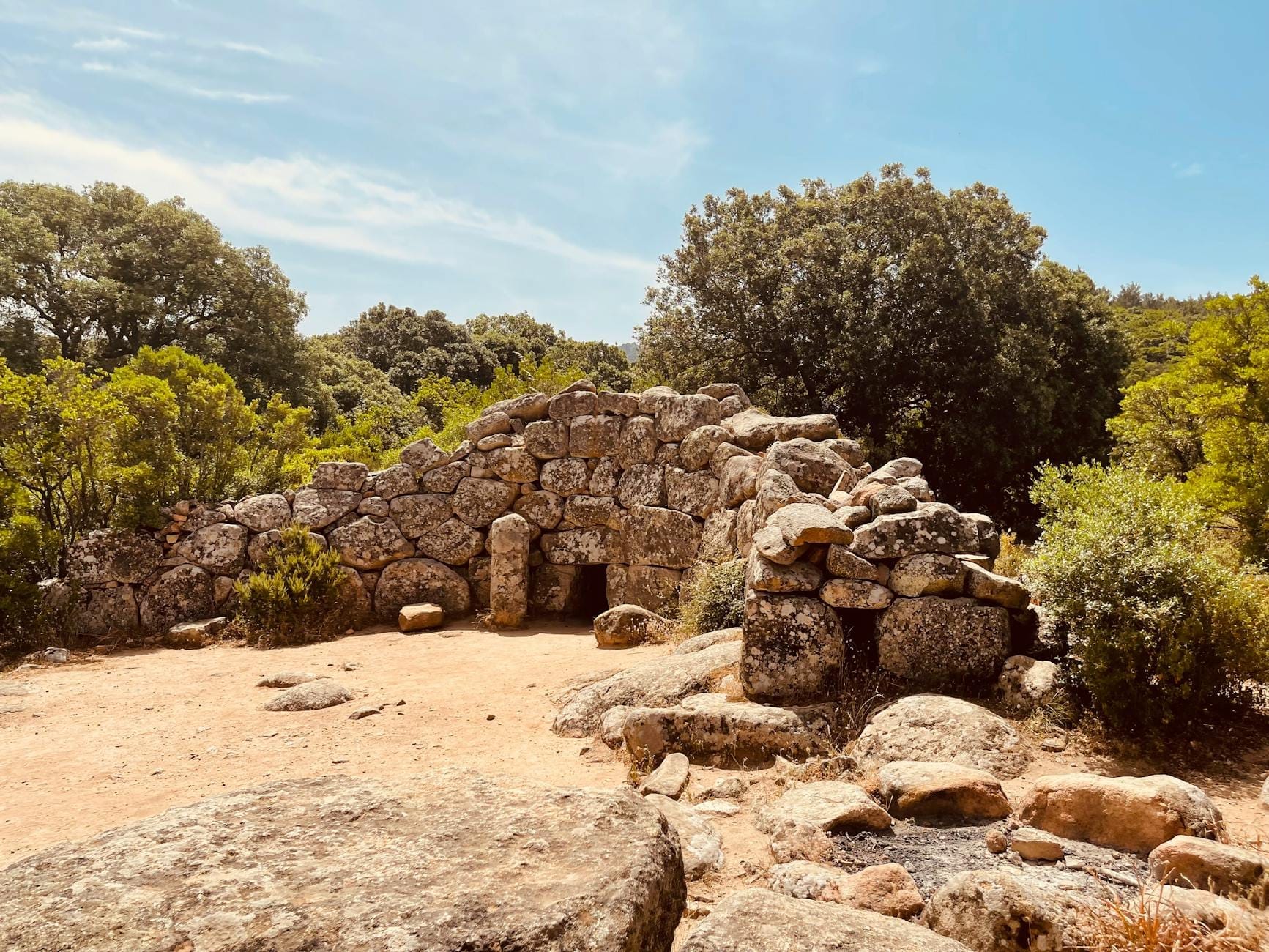
Near Arzachena, Coddu Vecchiu is the definitive Giants' Tomb: a 27-metre-long collective grave with a central stele over 4 metres tall. The exedra forecourt, where mourners gathered, remains largely intact. It takes about 30 minutes to visit properly.
Explore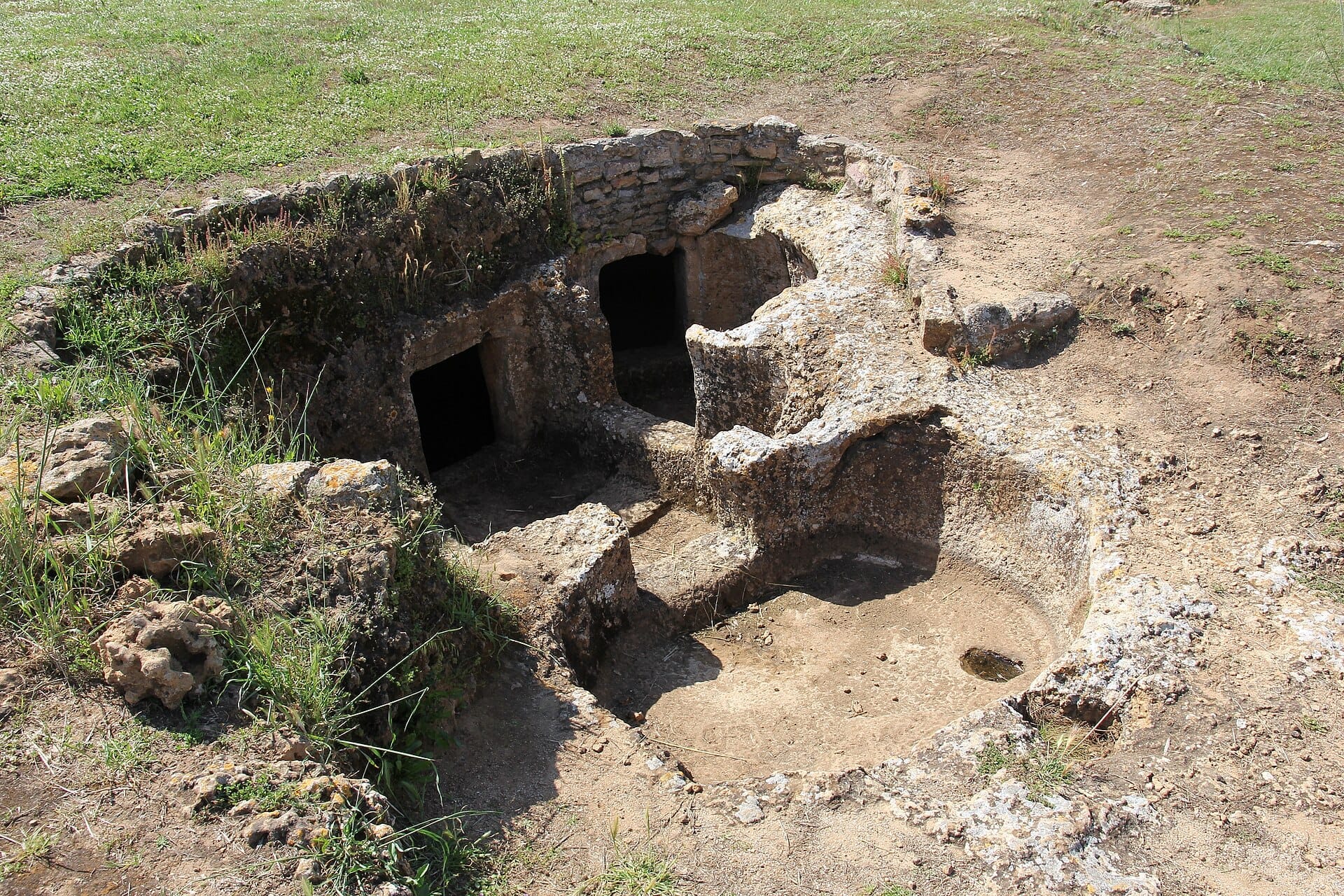
9. Explore 38 Pre-Nuragic Tombs at Anghelu Ruju
The largest Domus de Janas necropolis in Sardinia, Anghelu Ruju near Alghero dates from 3000 BC and predates the nuraghe by over a millennium. Carved bull heads and spiral motifs inside the tombs hint at a sophisticated, still poorly understood religion.
Explore9. Explore 38 Pre-Nuragic Tombs at Anghelu Ruju
The largest Domus de Janas necropolis in Sardinia, Anghelu Ruju near Alghero dates from 3000 BC and predates the nuraghe by over a millennium. Carved bull heads and spiral motifs inside the tombs hint at a sophisticated, still poorly understood religion.
Explore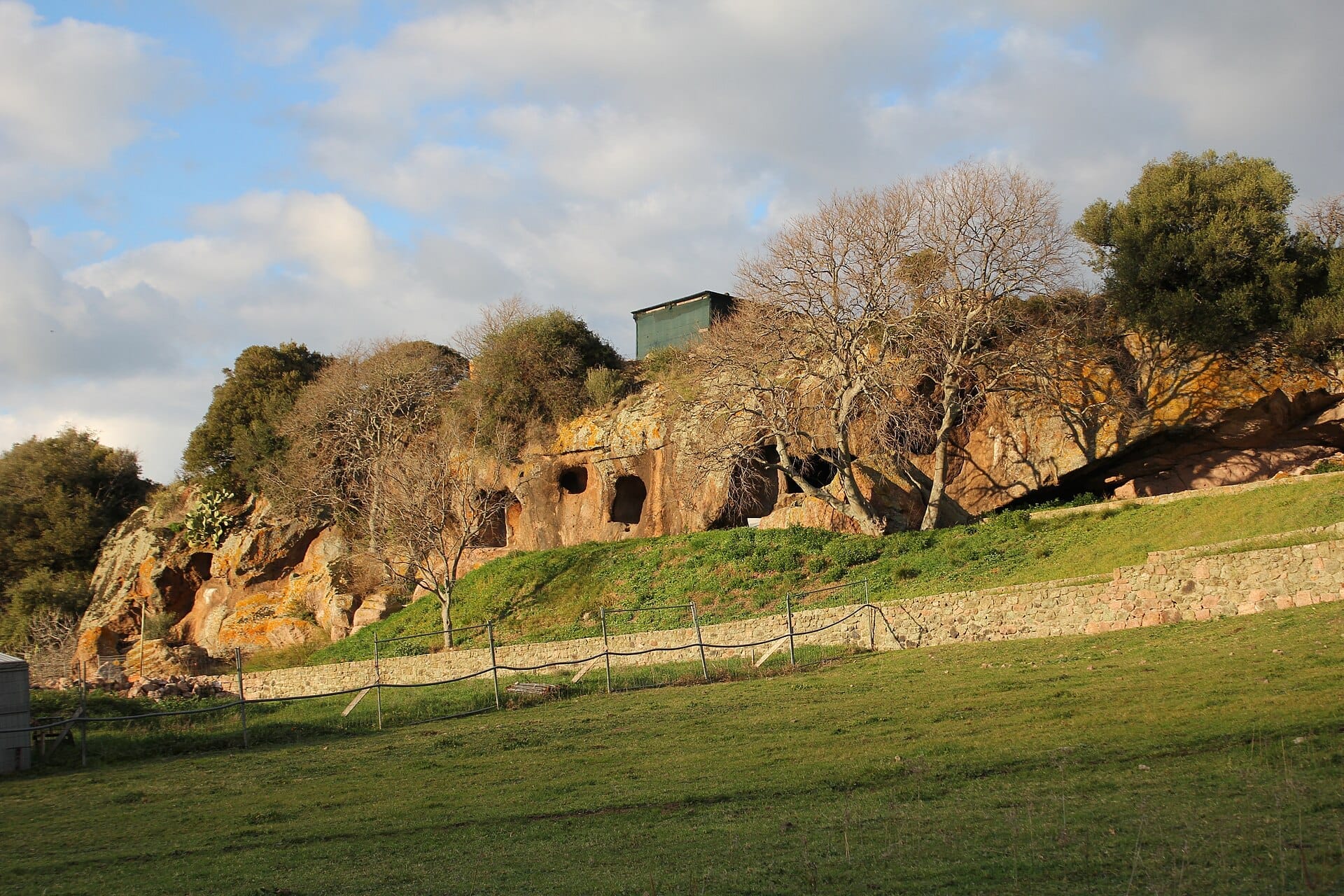
10. Discover Byzantine Frescoes Inside a Prehistoric Tomb at Sant'Andrea Priu
Near Bonorva, this necropolis contains over 20 rock-cut tombs, including a large hypogeum later converted into a Christian church. Faded Byzantine frescoes survive inside a chamber carved 4,000 years earlier, a collision of prehistory and early Christianity unique in Sardinia.
Explore10. Discover Byzantine Frescoes Inside a Prehistoric Tomb at Sant'Andrea Priu
Near Bonorva, this necropolis contains over 20 rock-cut tombs, including a large hypogeum later converted into a Christian church. Faded Byzantine frescoes survive inside a chamber carved 4,000 years earlier, a collision of prehistory and early Christianity unique in Sardinia.
Explore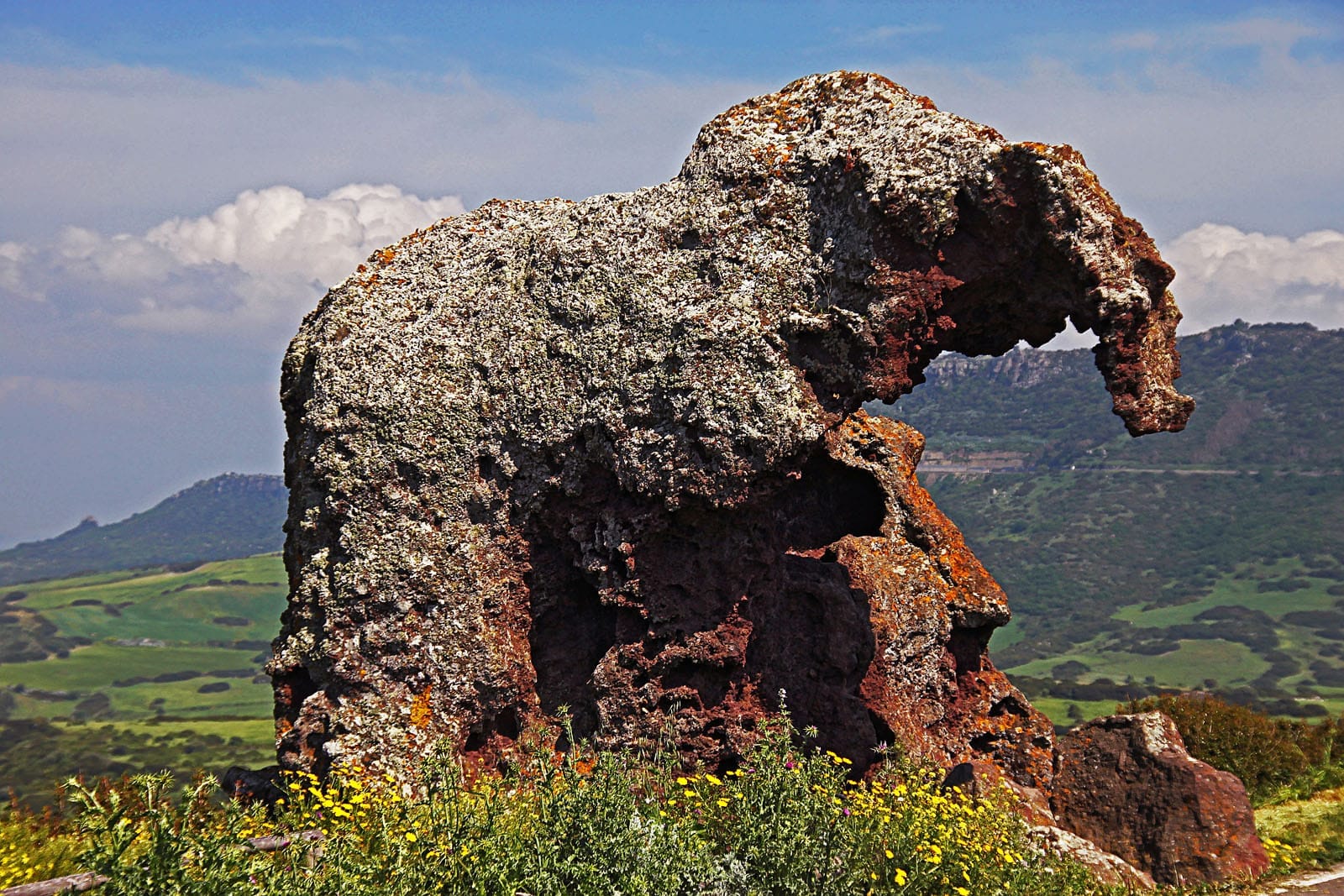
11. See Prehistoric Tomb Chambers Carved Into the Elephant Rock
Near Castelsardo, a natural trachyte boulder shaped like a crouching elephant contains Domus de Janas chambers carved into its base. It is one of Sardinia's most photographed roadside curiosities and takes only 15 minutes to visit, making it a natural stop on the coastal road north.
Explore11. See Prehistoric Tomb Chambers Carved Into the Elephant Rock
Near Castelsardo, a natural trachyte boulder shaped like a crouching elephant contains Domus de Janas chambers carved into its base. It is one of Sardinia's most photographed roadside curiosities and takes only 15 minutes to visit, making it a natural stop on the coastal road north.
ExploreHidden Nuragic Villages and Hilltop Sites
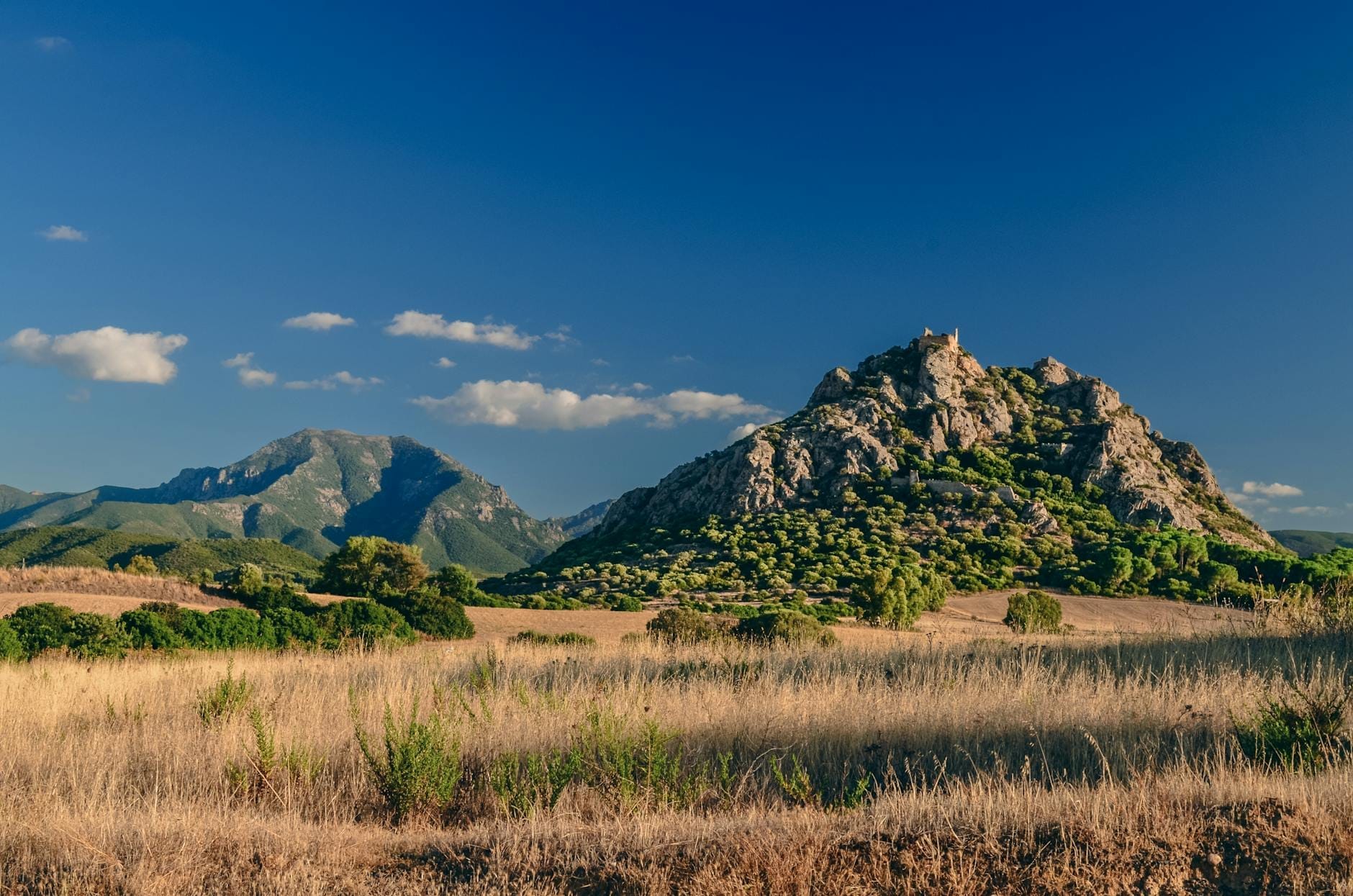
Some of the most memorable Nuragic sites are not the largest but the most dramatically situated: a village sealed inside a mountain sinkhole, a valley containing a fountain sanctuary, a hilltop complex requiring a proper hike to reach. These take more effort but reward it. The hiking guide for Sardinia has useful context for reaching the more remote sites on foot.
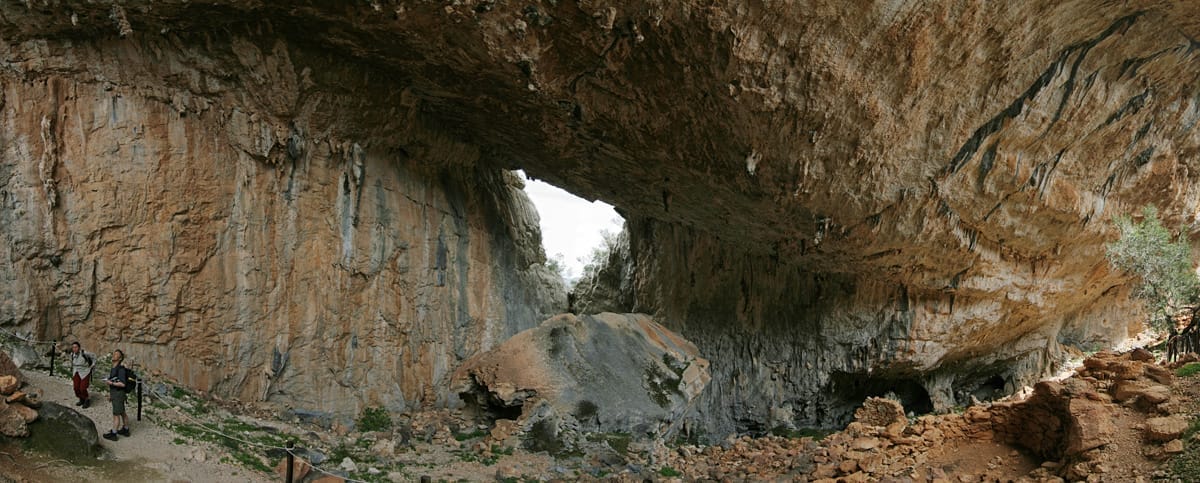
12. Hike to the Hidden Village Inside a Mountain Cave at Tiscali
Inside a collapsed limestone sinkhole in the Supramonte, Tiscali is a Nuragic village whose rooftops were sheltered by the cave ceiling above. A two-hour round-trip hike from the Lanaittu valley floor leads to one of the most otherworldly archaeological settings in the Mediterranean.
Explore12. Hike to the Hidden Village Inside a Mountain Cave at Tiscali
Inside a collapsed limestone sinkhole in the Supramonte, Tiscali is a Nuragic village whose rooftops were sheltered by the cave ceiling above. A two-hour round-trip hike from the Lanaittu valley floor leads to one of the most otherworldly archaeological settings in the Mediterranean.
Explore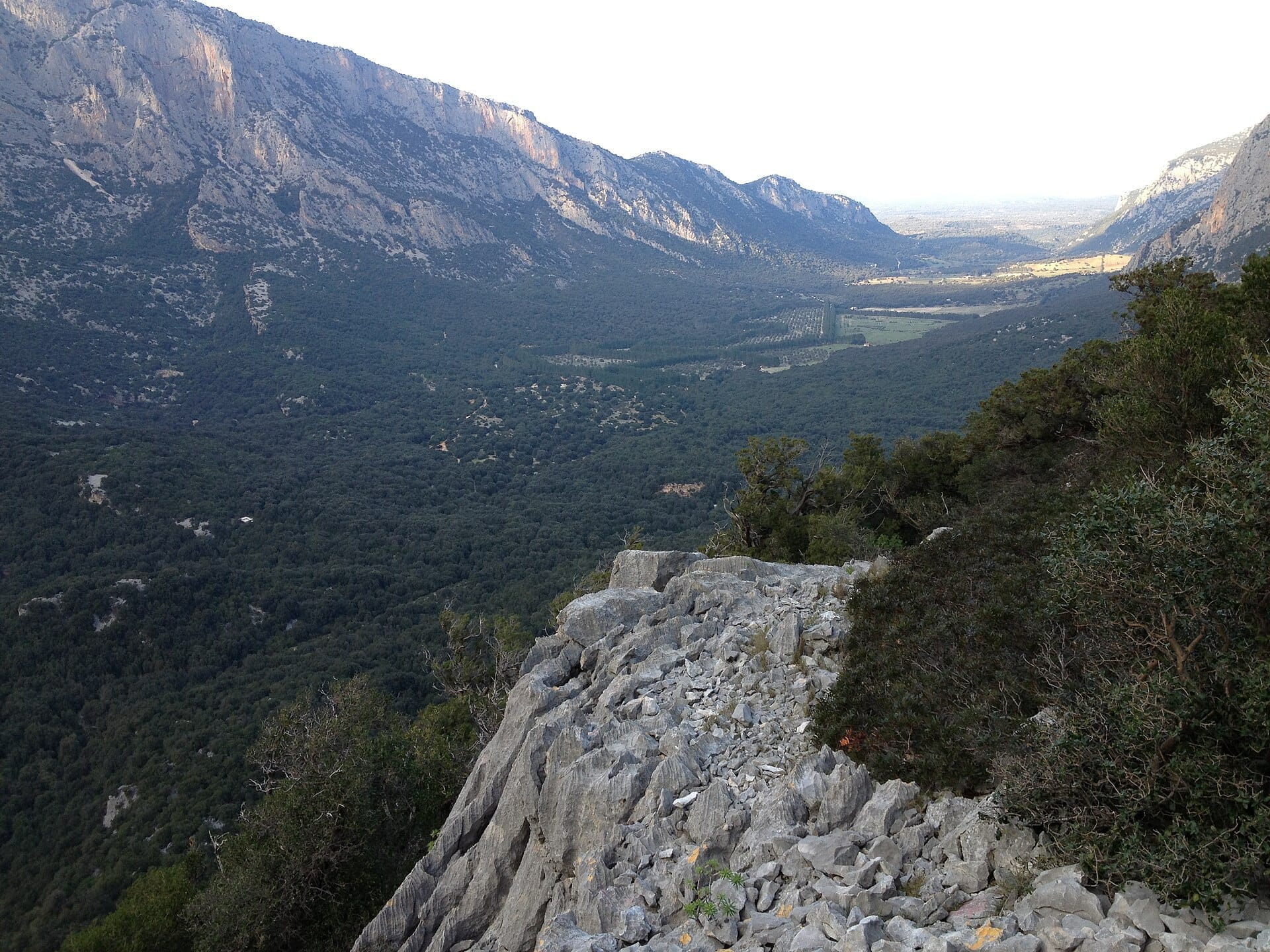
13. Follow the Valley That Leads to Nuragic Sa Sedda 'e Sos Carros
The Lanaittu valley near Oliena contains the Nuragic fountain sanctuary of Sa Sedda 'e Sos Carros, with a circular basin and bronze votive offerings found on site. It is also the start of the Tiscali trail and contains a substantial cave system worth exploring.
Explore13. Follow the Valley That Leads to Nuragic Sa Sedda 'e Sos Carros
The Lanaittu valley near Oliena contains the Nuragic fountain sanctuary of Sa Sedda 'e Sos Carros, with a circular basin and bronze votive offerings found on site. It is also the start of the Tiscali trail and contains a substantial cave system worth exploring.
ExplorePre-Nuragic Monuments and the Deeper Past
The Nuragic civilization did not emerge from nothing. The Ozieri culture and other pre-Bronze Age societies built monuments across Sardinia before the first nuraghe was raised. One structure in particular has no parallel anywhere in prehistoric Europe, and the colossal stone warriors discovered near Cabras have rewritten the history of Mediterranean sculpture. The best museums for understanding this entire arc of Sardinian prehistory are covered below.
14. Stand Before Sardinia's 6,000-Year-Old Ziggurat at Monte d'Accoddi
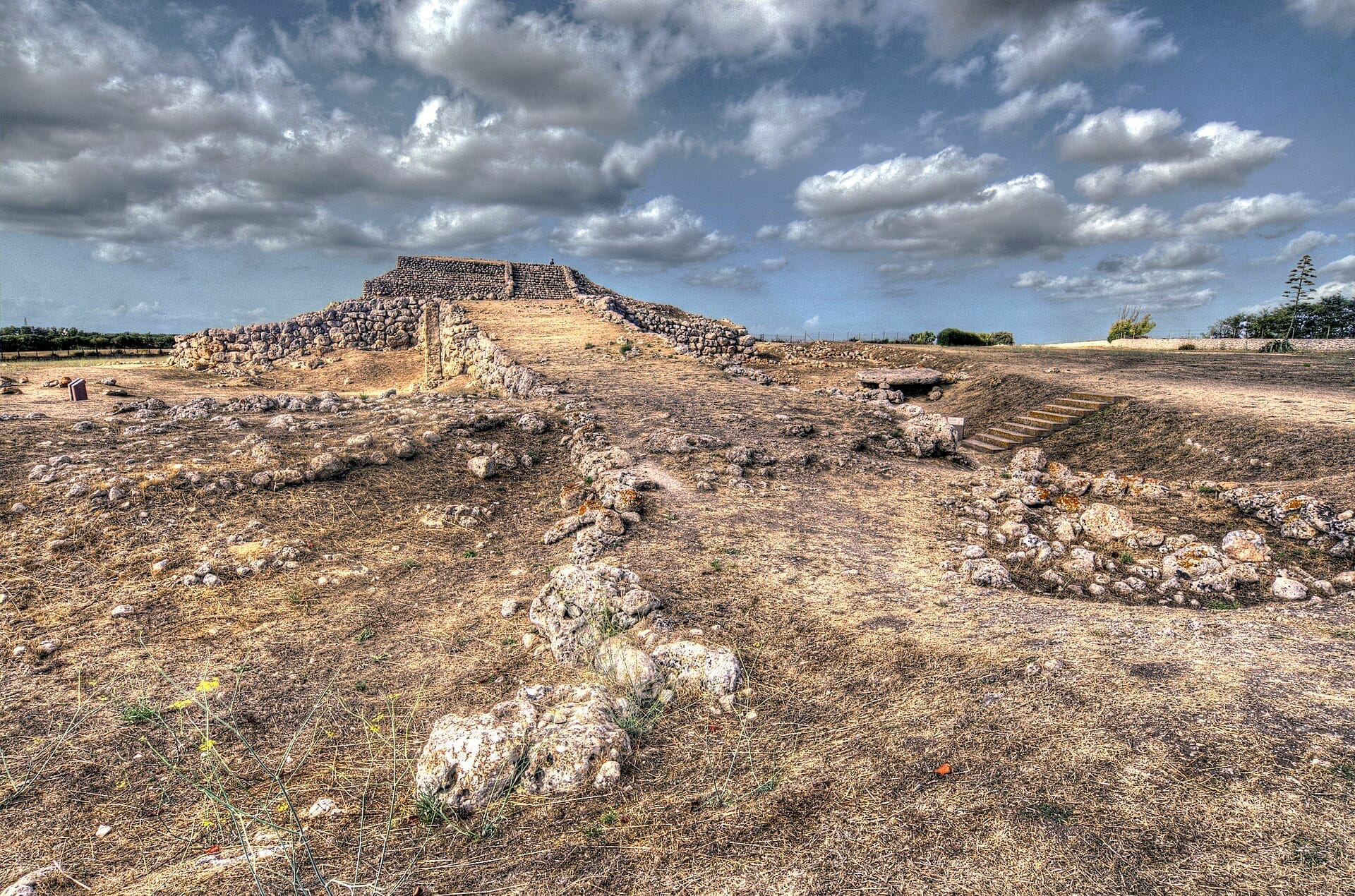
A stepped altar-platform dating from 4000 BC near Sassari, Monte d'Accoddi has no parallel in all of western European prehistory. It predates the nuraghe by over 2,000 years and resembles a Mesopotamian ziggurat in form. The surrounding field contains menhirs and ritual stones.
Explore14. Stand Before Sardinia's 6,000-Year-Old Ziggurat at Monte d'Accoddi
A stepped altar-platform dating from 4000 BC near Sassari, Monte d'Accoddi has no parallel in all of western European prehistory. It predates the nuraghe by over 2,000 years and resembles a Mesopotamian ziggurat in form. The surrounding field contains menhirs and ritual stones.
Explore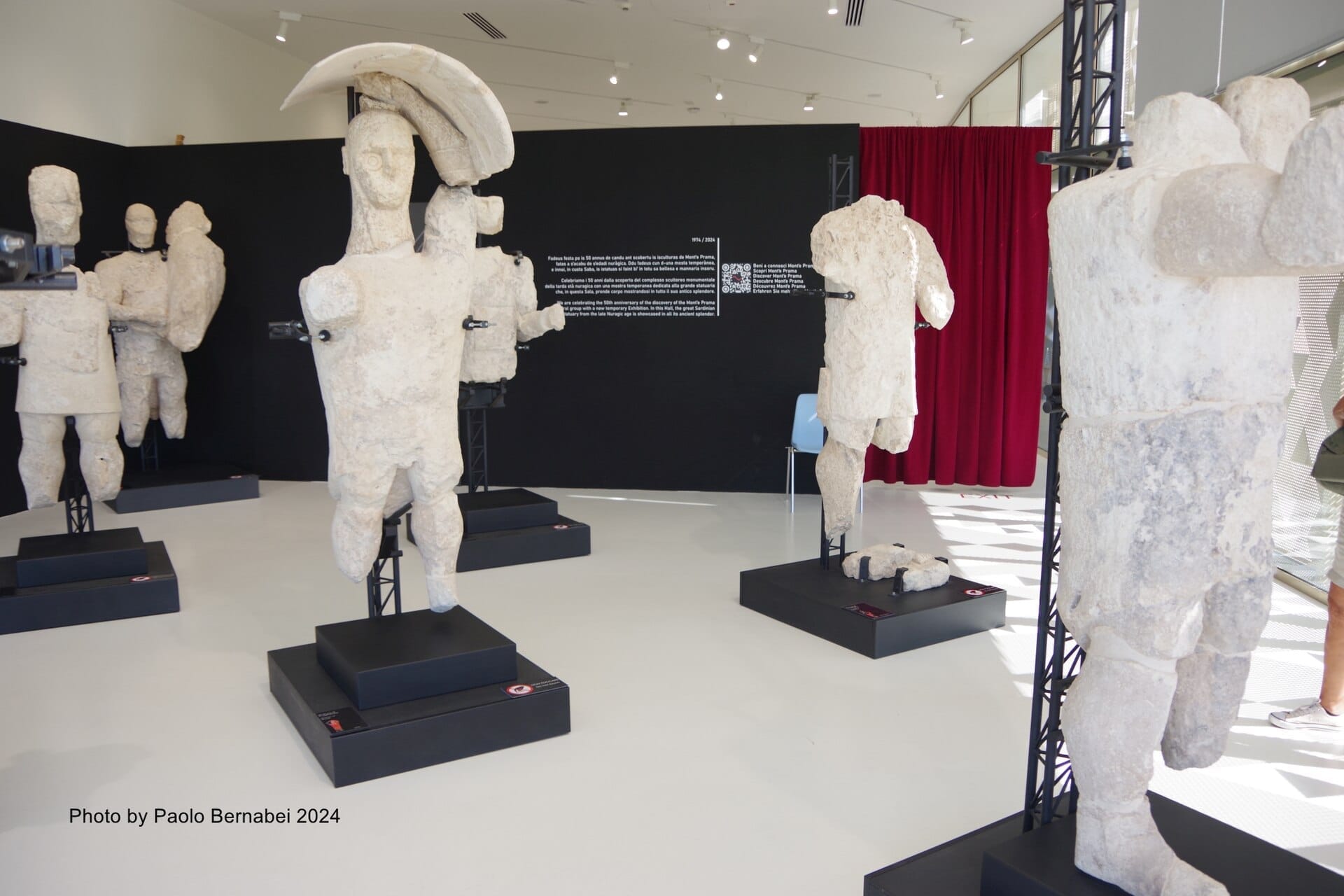
15. See the Oldest Monumental Sculptures in the West at the Cabras Museum
The Museo Civico di Cabras houses the Giants of Mont'e Prama: colossal stone warriors and boxers from the 9th century BC, the oldest monumental sculptures in the western Mediterranean. Rediscovered in 1974, these figures are still being studied and reassembled. Allow 90 minutes minimum.
Explore15. See the Oldest Monumental Sculptures in the West at the Cabras Museum
The Museo Civico di Cabras houses the Giants of Mont'e Prama: colossal stone warriors and boxers from the 9th century BC, the oldest monumental sculptures in the western Mediterranean. Rediscovered in 1974, these figures are still being studied and reassembled. Allow 90 minutes minimum.
ExploreEssential Museums for Nuragic Context
Visiting the sites without museum context means missing the finer layer of Nuragic civilization: the bronze figurines, the votive objects, the imported goods that reveal trade networks stretching to Cyprus and the Aegean. These three museums, between them, contain the best collections on the island and are essential companions to the outdoor sites. See our broader things to do in Sardinia guide for how to weave these into a complete island itinerary.
16. See the Island's Finest Nuragic Bronzes at Cagliari's National Museum
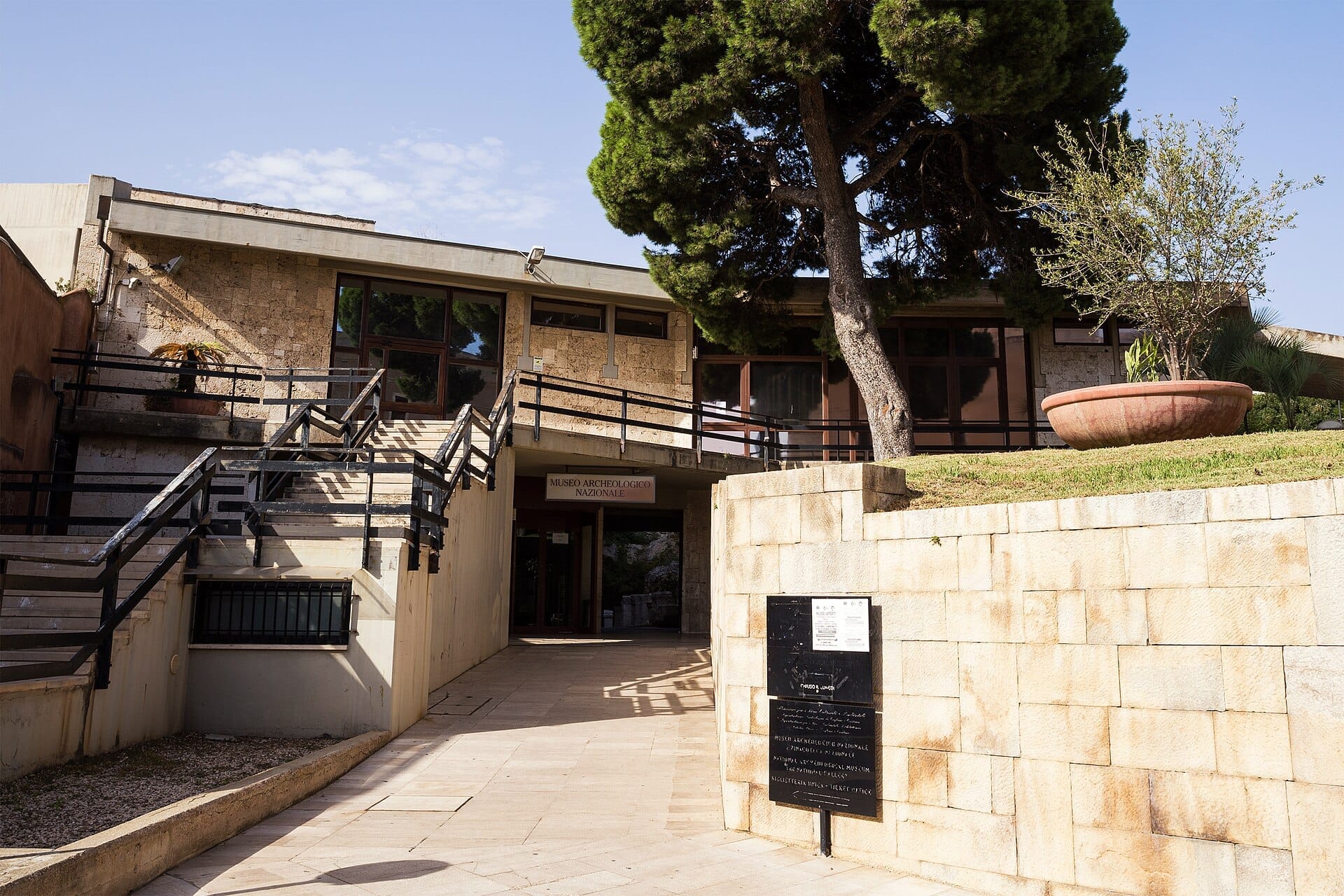
Sardinia's most important museum holds the largest collection of Nuragic bronze figurines in the world: warriors, wrestlers, boats, and votive animals that reveal Nuragic artistic sophistication. The Phoenician and Roman collections are equally strong. Budget two hours for a thorough visit.
Explore16. See the Island's Finest Nuragic Bronzes at Cagliari's National Museum
Sardinia's most important museum holds the largest collection of Nuragic bronze figurines in the world: warriors, wrestlers, boats, and votive animals that reveal Nuragic artistic sophistication. The Phoenician and Roman collections are equally strong. Budget two hours for a thorough visit.
Explore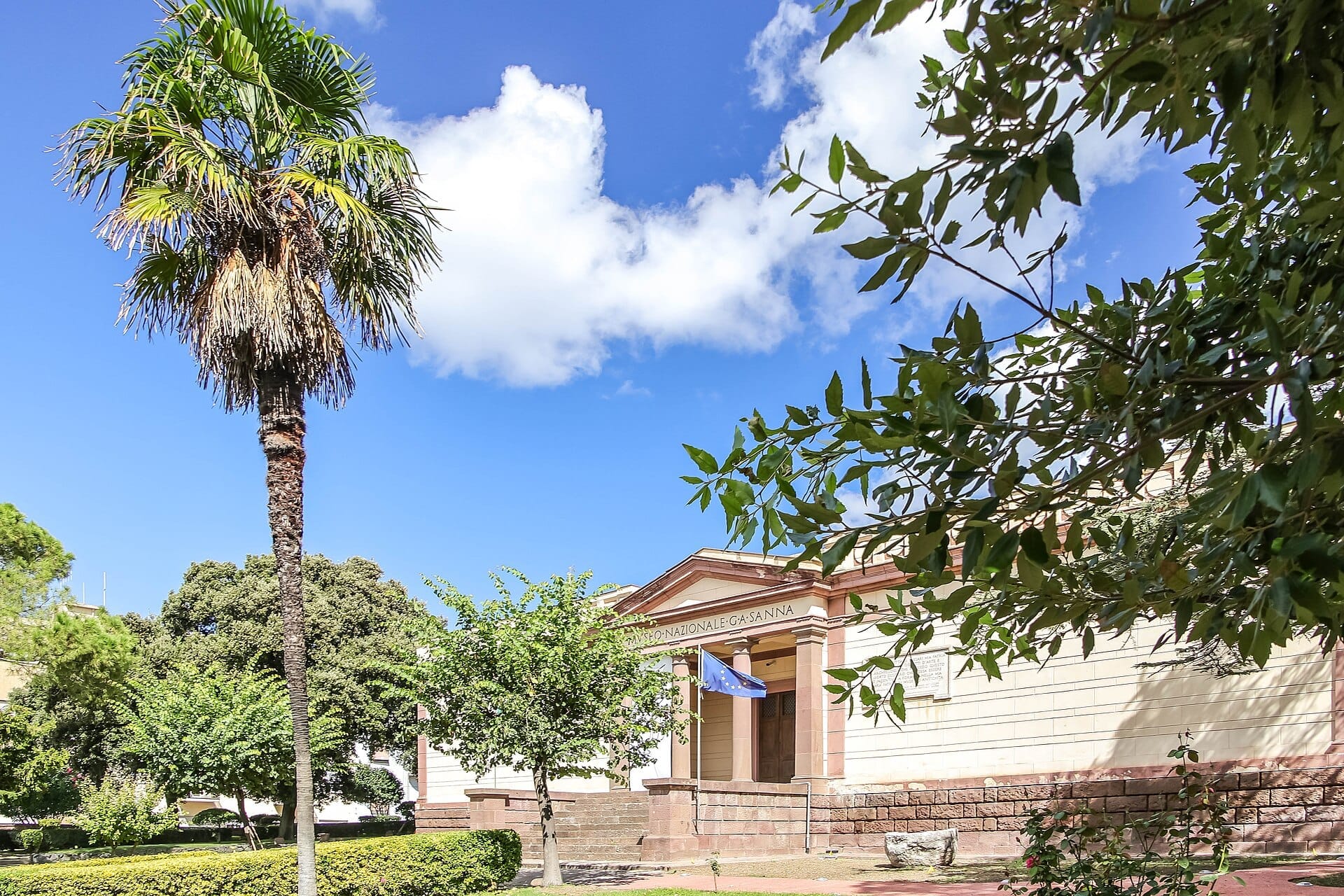
17. Begin a Northern Sardinia Nuragic Tour at the Sanna Museum in Sassari
Sardinia's oldest museum in Sassari holds strong Nuragic bronze collections and is ideally positioned before visiting Santu Antine, Monte d'Accoddi, or the Gallura sites. The ethnographic wing also gives useful context for how Nuragic traditions echoed into modern Sardinian culture.
Explore17. Begin a Northern Sardinia Nuragic Tour at the Sanna Museum in Sassari
Sardinia's oldest museum in Sassari holds strong Nuragic bronze collections and is ideally positioned before visiting Santu Antine, Monte d'Accoddi, or the Gallura sites. The ethnographic wing also gives useful context for how Nuragic traditions echoed into modern Sardinian culture.
Explore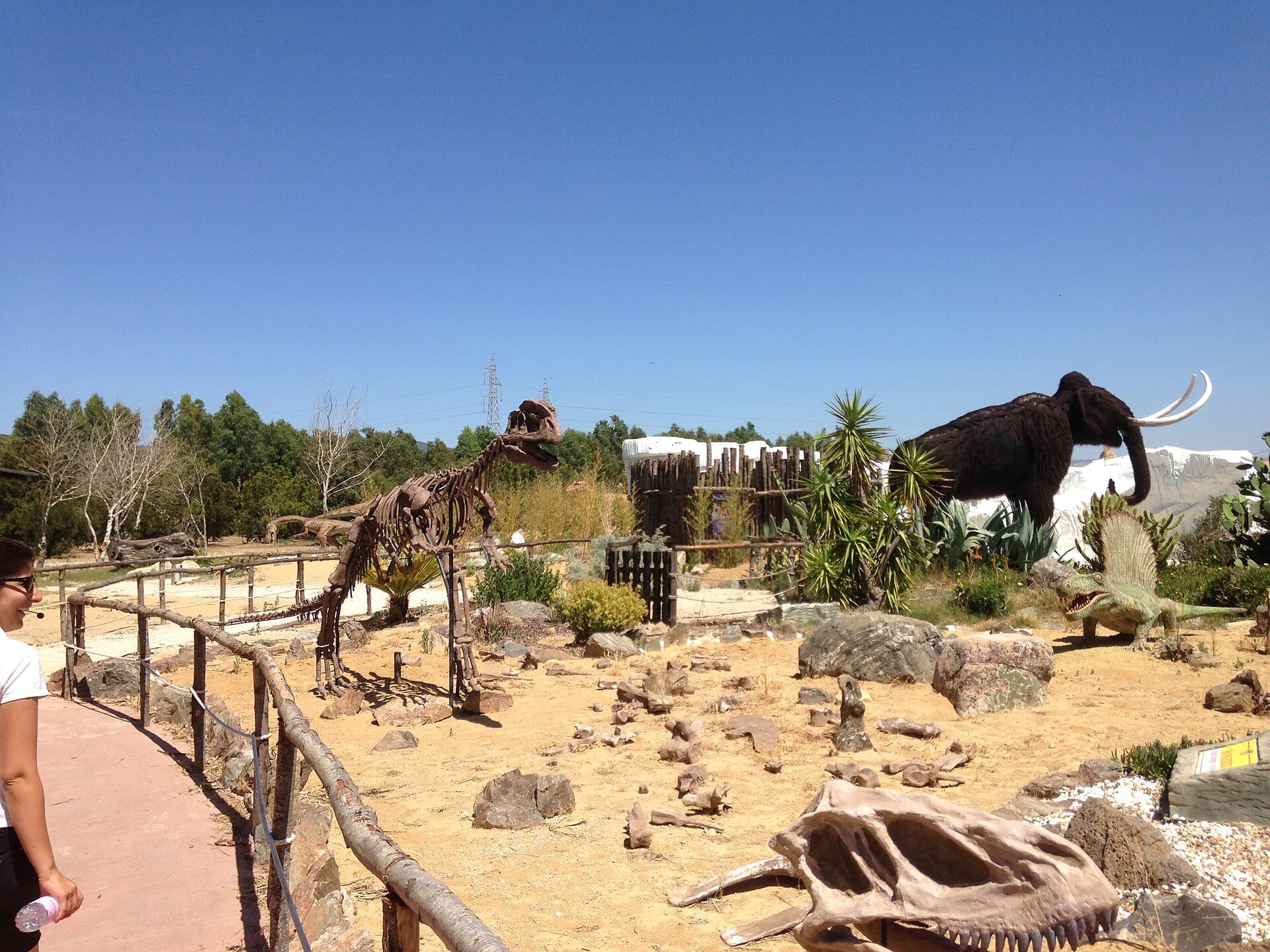
18. Get an Overview of Sardinia's Monuments at Sardegna in Miniatura
Near Barumini, this family-oriented park includes scale models of Su Nuraxi and other key monuments alongside a planetarium. It is particularly useful before visiting sites with children or as a first orientation stop for those new to Nuragic archaeology.
Explore18. Get an Overview of Sardinia's Monuments at Sardegna in Miniatura
Near Barumini, this family-oriented park includes scale models of Su Nuraxi and other key monuments alongside a planetarium. It is particularly useful before visiting sites with children or as a first orientation stop for those new to Nuragic archaeology.
ExploreFAQ
How many nuraghe can I realistically visit in one week?
With a hire car, you can comfortably visit 6-8 major sites in a week. A logical circuit covers Su Nuraxi (Barumini), Nuraghe Losa (Abbasanta), Santu Antine (Torralba), Palmavera (near Alghero), the Anghelu Ruju necropolis, and the Cabras museum. Add Santa Cristina and Coddu Vecchiu if you extend to 10 days.
Do I need to book Nuragic sites in advance?
Su Nuraxi, Tiscali, and the Cabras museum (Giants of Mont'e Prama) benefit from advance booking in July and August. Most other sites can be visited without reservation. Guided tours are compulsory at Su Nuraxi and run at fixed times throughout the day.
What is the difference between a nuraghe, a Giants' Tomb, and a Domus de Janas?
A nuraghe is a Bronze Age tower or fortress complex (from around 1800 BC). A Giants' Tomb is a collective burial monument associated with Nuragic communities. A Domus de Janas (fairy house) is a rock-cut tomb carved by pre-Nuragic cultures from around 3400-2700 BC, predating the nuraghe by over a thousand years.
Is Su Nuraxi worth visiting compared to the lesser-known sites?
Yes. Su Nuraxi is the most complex, best-preserved, and most thoroughly explained site on the island, and its UNESCO status is justified. But Nuraghe Santu Antine rivals it architecturally, Tiscali is more atmospheric, and the Giants of Mont'e Prama in Cabras is arguably the more historically significant discovery. Ideally visit all four.
What should I wear and bring to Nuragic archaeological sites?
Sturdy closed shoes are essential: paths are often rocky and uneven. Bring water, sunscreen, and a hat, as most sites are unshaded. In summer, visit before 10am or after 4pm. Many sites have limited or no facilities on-site, so use facilities in the nearest town before arriving.