Best Things to Do in Sardinia: The Definitive Activity Guide
Sardinia rewards travelers who look beyond its famous beaches. This guide covers the island's top experiences — prehistoric ruins, sea caves, coastal hikes, boat trips, and cultural towns — with practical advice on timing, costs, and what to skip.
Plan and book this trip
Tools from our partner Travelpayouts help you compare flights and hotels. If you book through them, we may earn a commission at no extra cost to you.
Flights
Hotels map
TL;DR
- Sardinia is Italy's second-largest island at roughly 270 km long, so plan by region rather than trying to cover everything in one trip.
- The best things to do span four categories: beaches and boat trips, prehistoric archaeology, sea caves, and historic towns — see our one-week Sardinia itinerary for a practical framework.
- Shoulder season (May–June and September–October) offers warm water, fewer crowds, and lower prices than the July–August peak.
- A rental car is essential for most inland and coastal experiences — Sardinia has no motorways and public transport to remote sites is limited.
- The island is far more than beaches: nuragic ruins, Neptune's Grotto, the Gulf of Orosei, and towns like Alghero and Castelsardo deserve equal billing.
Understanding Sardinia Before You Go
Sardinia (Sardegna in Italian, Sardigna in Sardinian) is an autonomous region of Italy and the second-largest island in the Mediterranean Sea, covering about 24,090 km² with a population of around 1.55 million. Its capital, Cagliari, sits in the south; the island stretches roughly 270 km from north to south and 145 km from east to west. That scale matters enormously when planning activities. The north coast near Costa Smeralda is a four-hour drive from the southern beaches around Chia. Trying to see it all in under a week leads to exhaustion, not discovery.
The island has three commercial airports: Cagliari Elmas (CAG) in the south, Olbia Costa Smeralda (OLB) in the northeast, and Alghero-Fertilia (AHO) in the northwest. Which you fly into should depend on which region you're prioritising. There are no autostrade (A-class motorways) in Sardinia — it's the only Italian region without them — so rental cars travel on state roads (SS) and provincial roads, and journey times are longer than maps suggest. For a deeper look at logistics, the guide to getting around Sardinia covers transport options in detail.
💡 Local tip
Book your rental car well in advance for July and August — Sardinia has a limited fleet island-wide and prices spike dramatically during peak season. Picking up at the airport on arrival is standard; fuel stations can be sparse in the interior, so keep the tank above half when driving rural roads.
Boat Trips and Coastal Experiences
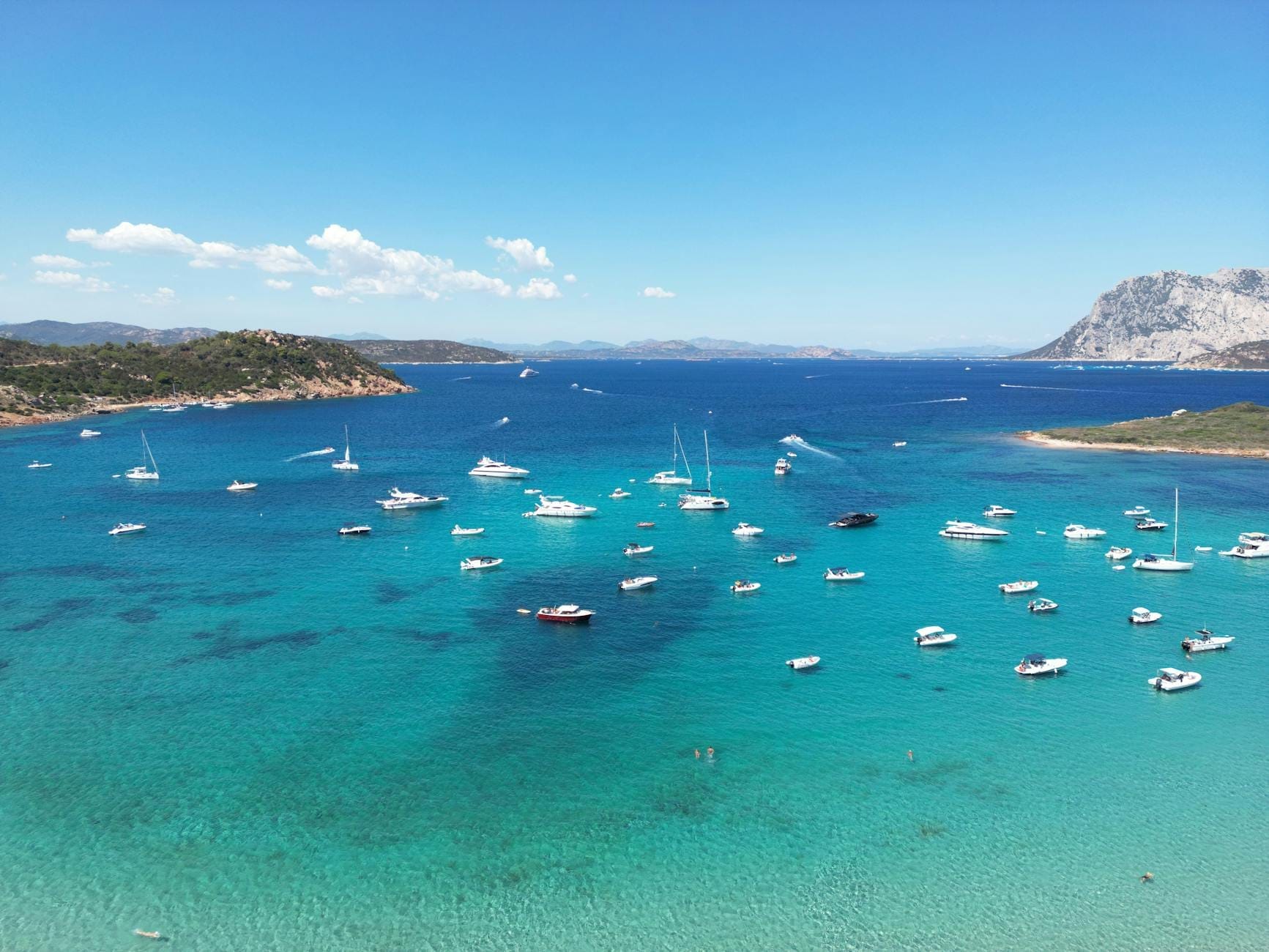
Sardinia's coastline runs roughly 1,850 km, and some of its most extraordinary beaches are only reachable by sea. The two standout boat trip destinations are the La Maddalena Archipelago in the north and the Gulf of Orosei on the east coast. Both require planning but deliver experiences that no road trip can replicate.
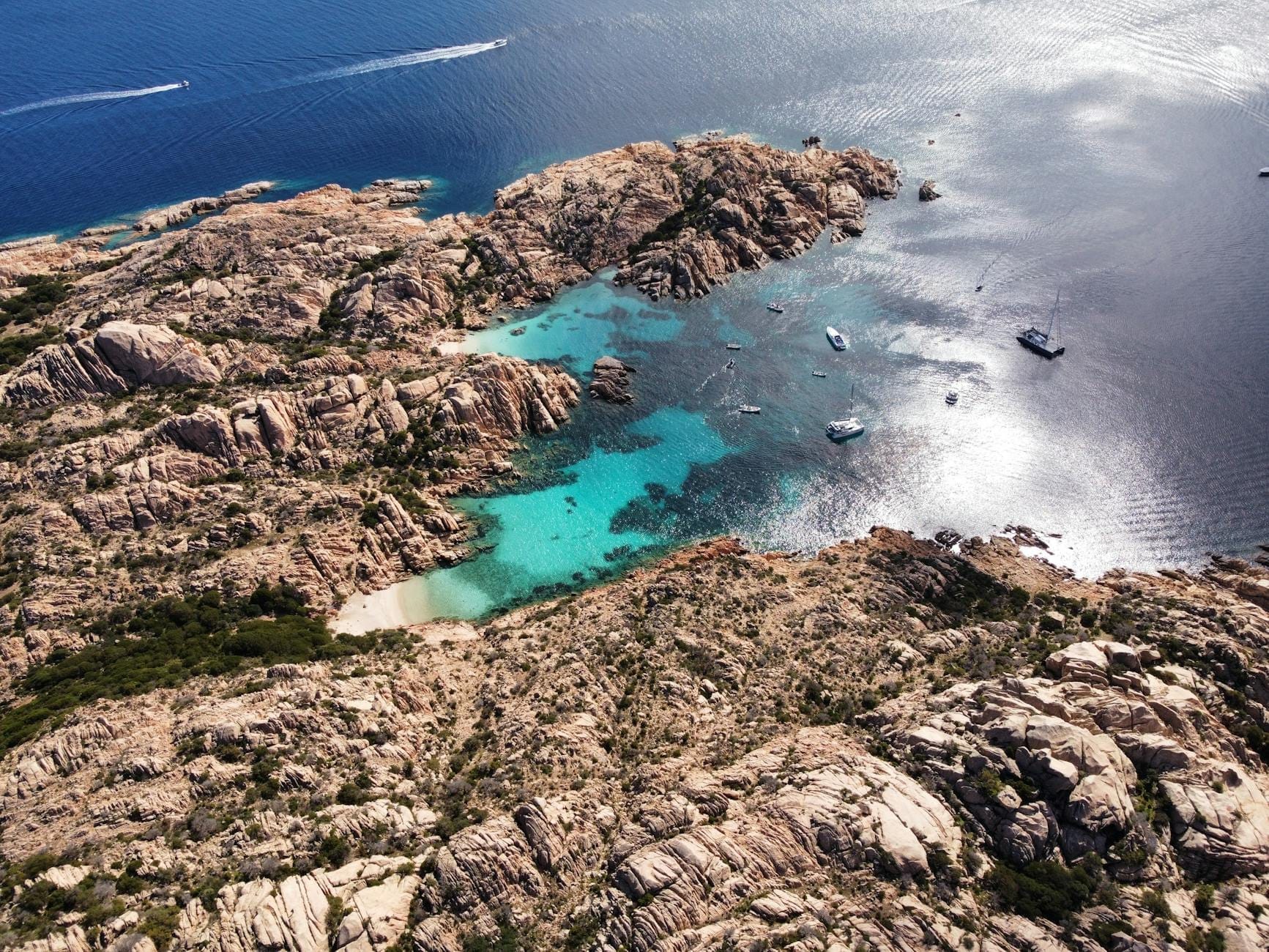
The La Maddalena Archipelago is a protected national park (Parco Nazionale Arcipelago di La Maddalena) composed of seven main islands and dozens of smaller islets. Full-day group boat tours typically depart from Palau or La Maddalena town and visit beaches on islands including Spargi, Budelli, and Santa Maria. Group tours run around €50–€80 per person depending on season and operator; private charter costs significantly more. Landing rules within the park are regulated, and some areas, including the pink-sand Spiaggia Rosa on Budelli, are no longer accessible to visitors on foot — you can only view it from the water.
In the Gulf of Orosei, the beaches of Cala Luna, Cala Mariolu, and Cala Goloritzè rank among the most photographed spots in the Mediterranean. Boat shuttles run multiple times daily in summer from Cala Gonone, with day trips typically costing €40–€70 per person. Cala Goloritzè is also reachable on foot via a steep 60–90-minute trail from the Golgo plateau — a solid option in shoulder season when boat services are reduced.
⚠️ What to skip
In July and August, the most popular Gulf of Orosei beaches have daily visitor caps enforced by park rangers. Arrive early or book a boat excursion that includes a reserved landing slot. Turning up at Cala Mariolu at midday in August and expecting a quiet beach is a recipe for disappointment.
Sea Caves and Natural Wonders
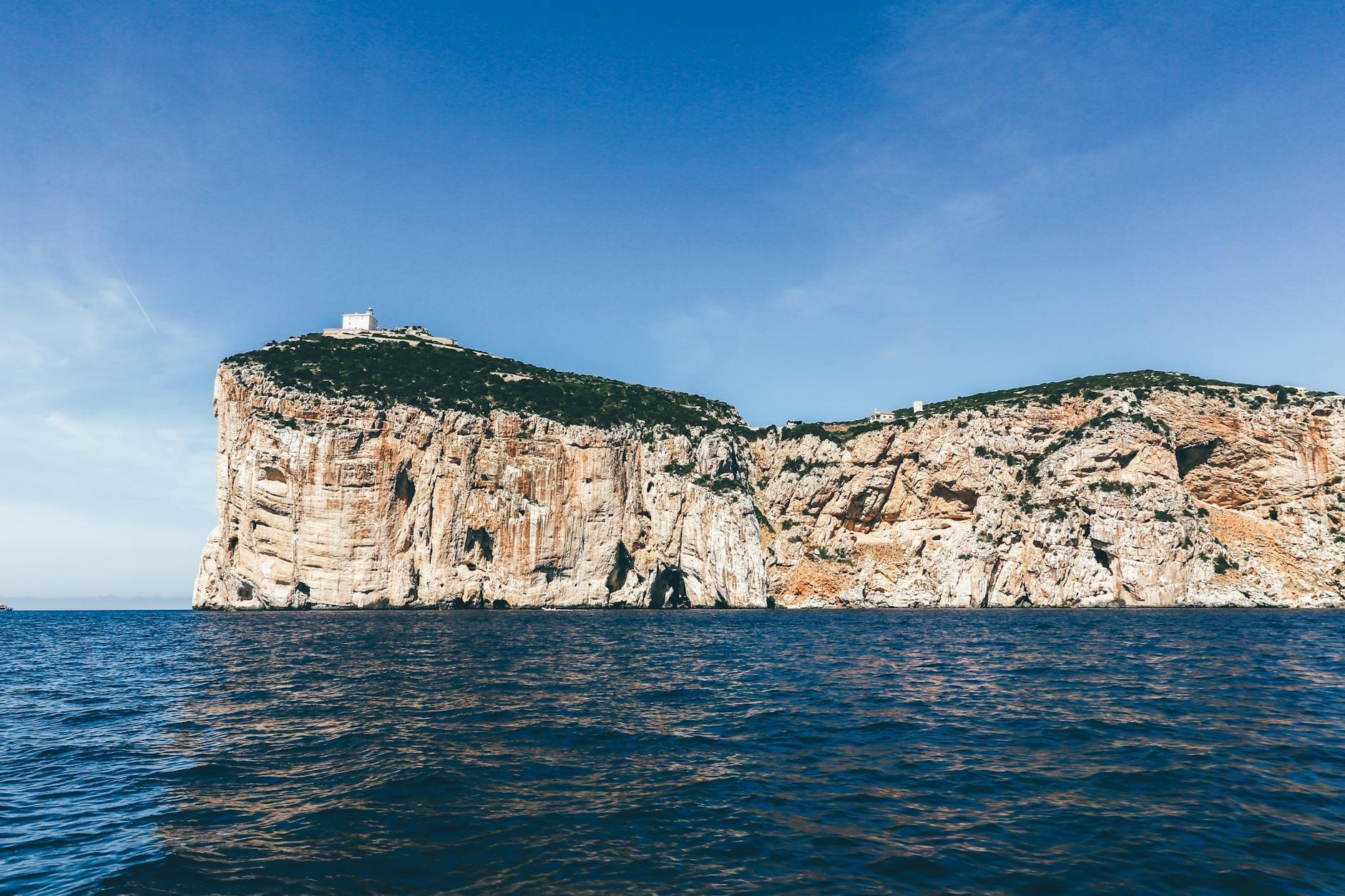
The Grotta di Nettuno (Neptune's Grotto) near Alghero is Sardinia's most famous sea cave and one of Italy's most spectacular. The cave sits at the base of the dramatic Capo Caccia cliffs and is accessible by two routes: a 654-step staircase often called the Escala del Cabirol descending the cliff face, or a 45-minute boat trip from Alghero harbour. The boat option is scenically superior; the staircase is better for those who want to combine it with cliff walking. Guided tours run inside the cave and last around 45 minutes. Schedules and ticket prices change seasonally — check the Comune di Alghero website before visiting.
Sardinia has several other significant cave systems. The Grotte di Ispinigoli near Dorgali contains one of the tallest stalagmites in Europe. The Grotte del Bue Marino near Cala Gonone is reached by boat and was historically home to monk seals (the bue marino, or sea ox). Is Zuddas caves in the southwest and Grotte Su Marmuri near Ulassai round out a network of underground landscapes that most visitors never discover. None of these require technical caving skills — all are tourist-accessible with guided tours.
Prehistoric Archaeology: Nuraghi, Giants' Tombs, and Sacred Wells
Sardinia has more than 7,000 nuraghi — Bronze Age stone towers unique to the island — making it one of the densest concentrations of prehistoric monuments anywhere in the world. The UNESCO-listed Su Nuraxi di Barumini is the most complete nuragic complex on the island and the logical starting point for understanding the civilization. Guided tours run daily and last around an hour; book ahead in summer as group sizes are capped.
- Su Nuraxi di Barumini UNESCO-listed nuragic village, the best-preserved example on the island. Central Sardinia, accessible from Cagliari in about 60 km.
- Nuraghe Santu Antine (Torralba) One of the largest nuraghi in Sardinia, with a central tower reaching around 17 metres. Located in the Meilogu valley, northern Sardinia.
- Nuraghe Losa (Abbasanta) Well-preserved trilobed nuraghe on the road between Oristano and Macomer, with an on-site museum.
- Coddu Vecchiu Giants' Tomb (Arzachena) The most photogenic of the Tombs of the Giants, with its tall stele entrance. Near Costa Smeralda, so easy to combine with a beach day.
- Pozzo Sacro Santa Cristina A sacred nuragic well near Paulilatino with extraordinary precision stonework, paired with a nearby nuraghe in the same site.
For a broader perspective on Sardinia's prehistoric heritage, the guide to Sardinia's nuragic sites covers the main complexes with directions and practical visiting details. The Museo Archeologico Nazionale in Cagliari is also essential — it houses the bronze figurines (bronzetti) from multiple nuragic sites and gives crucial context before heading into the field.
✨ Pro tip
Many smaller nuraghi across Sardinia are completely free to visit and have no fencing — you can climb them independently. The major sites with visitor centres charge entry fees (typically €5–€15) and require guided tours. Combine a paid flagship site with one or two free rural nuraghi for a fuller picture of the civilization without spending a fortune.
Historic Towns, Culture, and Food
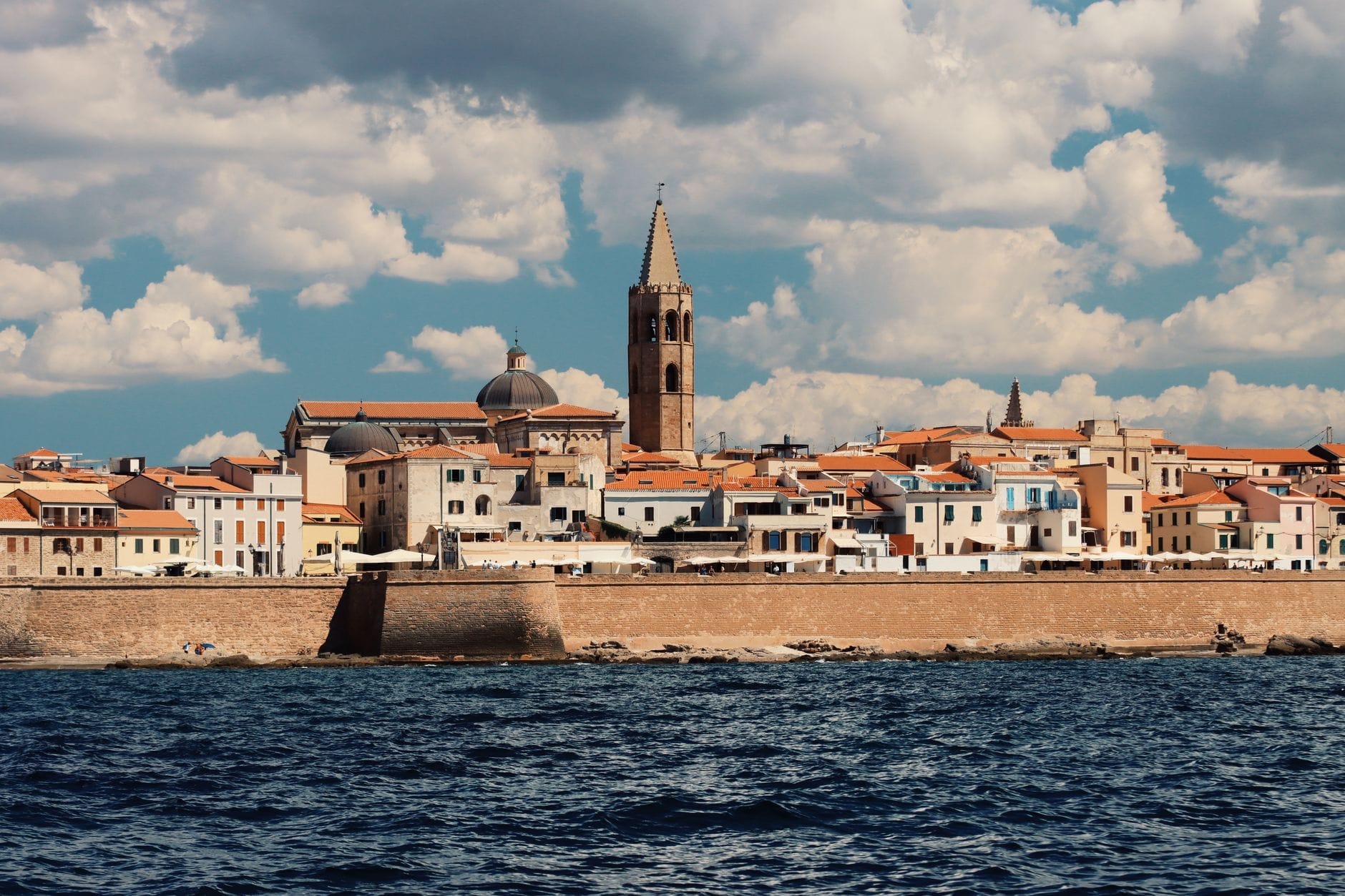
Sardinia's historic towns are significantly underrated compared to the beach circuit. Alghero in the northwest has a preserved medieval centro storico encircled by golden stone walls, and is the only place outside Catalonia where Algherese Catalan is still spoken — a living linguistic anomaly worth experiencing. Walk the Bastioni at sunset, eat fresh lobster (aragosta) at the port, and use the town as a base for Capo Caccia and Neptune's Grotto.
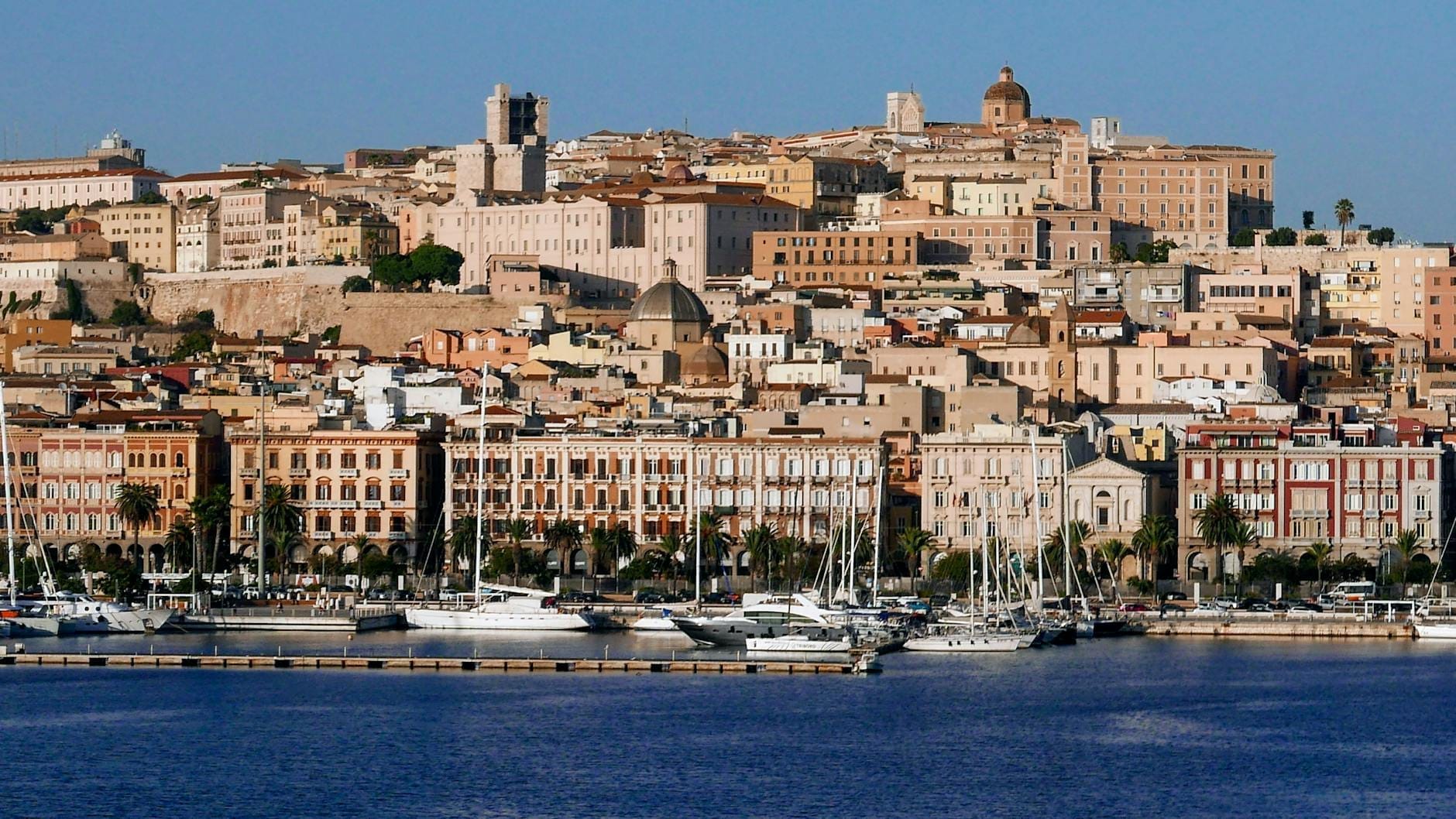
In the capital, Cagliari's Castello district rises steeply above the port and contains the Cathedral of Santa Maria, the Bastione di Saint Remy, and sweeping views over the Poetto beach lagoon. The Mercato di San Benedetto is one of Italy's largest covered markets and the best single place to understand Sardinian food culture — two floors of fish, cheese, cured meats, and produce, at prices that have nothing to do with tourist menus.
Inland, the Barbagia region around Nuoro is where traditional Sardinian culture is most intact. The murals of Orgosolo cover the walls of the entire village with political and social commentary dating from the 1960s — a remarkable open-air gallery that most visitors driving between coasts completely bypass. The region also has a strong food identity: roast suckling pig (porceddu), sheep's milk pecorino in various stages of aging, and culurgiones (hand-shaped pasta filled with potato and mint) are all more authentic here than anywhere on the coast. For a deeper look at what to eat and where, the Sardinia food guide covers regional specialities by area.
- Alghero: medieval walls, Catalan heritage, Capo Caccia day trips, and the best lobster on the island
- Cagliari: Castello district, San Benedetto market, Poetto beach, and Molentargius flamingo lagoon
- Castelsardo: clifftop fortified village in the north with a Doria castle and basket-weaving tradition
- Bosa: pastel-coloured houses on the Temo river, a Malaspina castle above, and one of Sardinia's few Vernaccia wine zones
- Orgosolo: village murals depicting Sardinian history, politics, and resistance — free, permanent, and affecting
Hiking, Beaches, and Active Pursuits
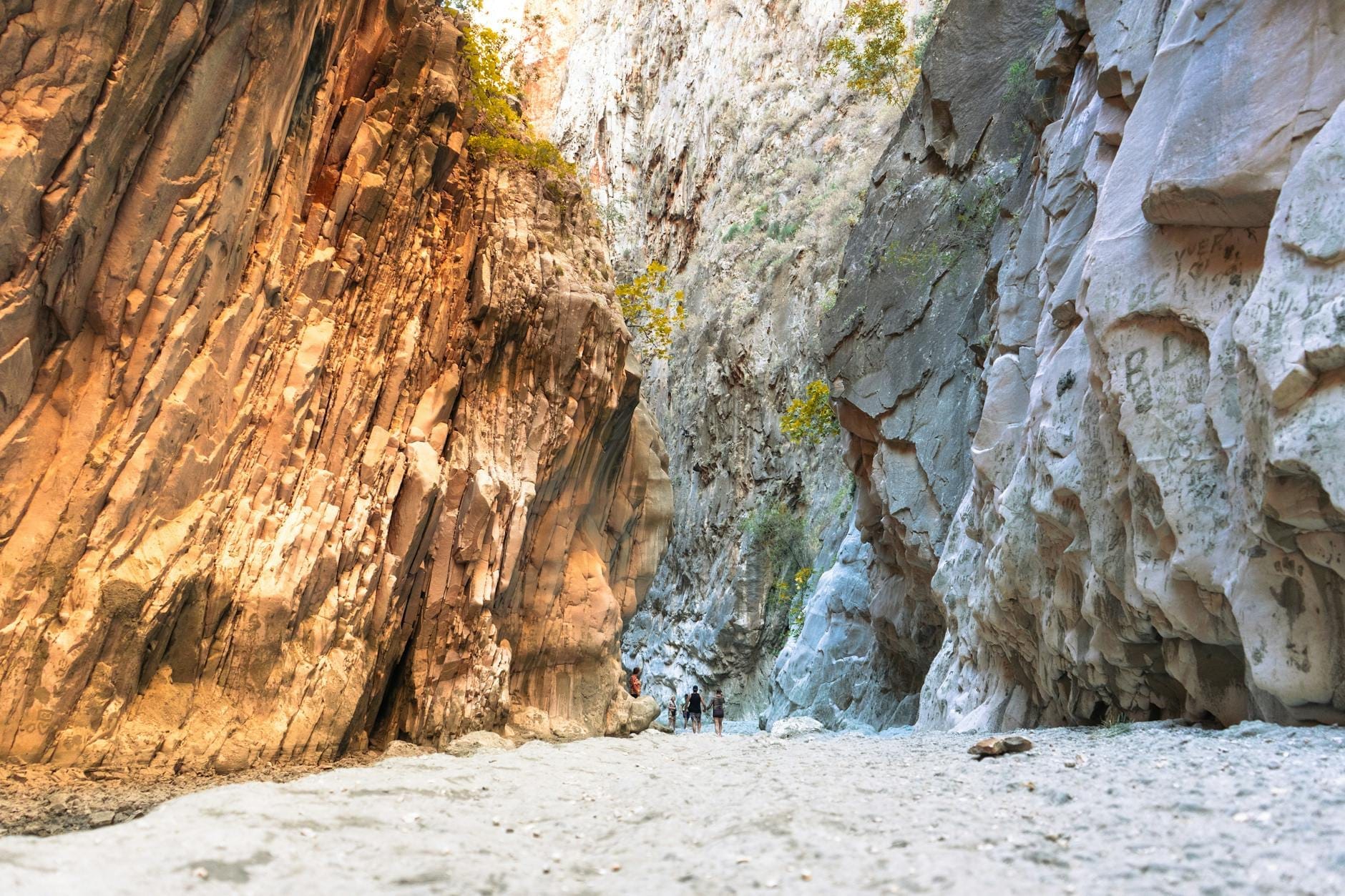
Sardinia's interior is significantly more rugged than the coastline suggests from a beach resort. The Gennargentu massif reaches its high point at Punta La Marmora (1,834–1,835 m), and the gorge of Su Gorropu is often called Europe's Grand Canyon — a slot canyon with walls rising over 400 metres, accessible on foot from the Flumineddu valley in around 2–3 hours each way. No technical equipment is needed for the standard route, though the terrain is rocky. For more structured trail options, the hiking in Sardinia guide covers difficulty levels, trailheads, and seasonal conditions.
For beaches specifically, the Costa Smeralda gets most of the international attention, but its beaches are not objectively the island's best — they're the most marketed. Chia in the southwest has dunes, shallow turquoise water, and a Spanish watchtower backdrop. Is Arutas near Oristano has quartz-grain sand that feels like pale rice and nothing else like it on the island. And the beaches of the Gulf of Orosei, reachable only by boat or trail, regularly top European beach rankings without the infrastructure of the north. For a ranked breakdown, the best beaches in Sardinia guide covers the full spectrum from accessible family-friendly shores to remote coves.
When to Go and How to Plan
The best things to do in Sardinia are largely available from May through October. Sea temperatures are comfortable for swimming from around May to early November, with the warmest water (typically 24–26°C) in August and September. July and August bring peak crowds, peak prices, and temperatures that can reach 38°C inland. Beaches on the Costa Smeralda and boat tours to the Gulf of Orosei are at full capacity. For most visitors, late May to mid-June or September are the sweet spots: warm enough for everything, without the congestion. More detail on seasonal patterns is in the best time to visit Sardinia guide.
A practical note on scale: Sardinia rewards focus. A first-time visitor trying to combine the Costa Smeralda, the Gulf of Orosei, Alghero, Cagliari, and the nuraghi in one week will spend most of their time in a car. Better to choose two or three areas and go deeper. The south (Cagliari, Villasimius, Chia, and the nuraghi of central Sardinia) forms one coherent circuit. The north (Alghero, Castelsardo, Costa Smeralda, La Maddalena) forms another. The east coast (Gulf of Orosei, Ogliastra) deserves its own dedicated time.
ℹ️ Good to know
Sardinia observes Central European Time (CET, UTC+1) in winter and Central European Summer Time (CEST, UTC+2) in summer. The emergency number is 112, used across the EU. Tipping is not obligatory in Italy — a small rounding-up at restaurants is appreciated but never expected. When visiting churches, cover shoulders and knees.
FAQ
How many days do you need in Sardinia to see the best things?
A minimum of 7 days is needed to do justice to one or two regions properly. Two weeks gives you a realistic chance to cover the south, east coast, and north without feeling rushed. Sardinia is roughly the size of Wales or the state of New Hampshire — distances between regions are significant on secondary roads.
Do you need a car to experience the best things to do in Sardinia?
For most activities beyond Cagliari and Alghero city centres, yes. Public buses (ARST) cover major towns but are infrequent and don't reach nuraghi, remote beaches, or hiking trailheads. Boat trips to the Gulf of Orosei and La Maddalena are accessible from harbour towns, but getting to those harbours typically requires a car.
Is Sardinia more than just beaches?
Significantly more. The island has the highest concentration of prehistoric stone towers (nuraghi) in the world, several major cave systems including Neptune's Grotto, distinct historic towns with surviving medieval architecture, a strong food and wine culture, and mountain hiking. Beaches are a legitimate centrepiece but represent only one dimension of the island.
What is the best area in Sardinia for first-time visitors?
For a first visit, the south anchored by Cagliari is the most balanced: it has the island's best urban experience, proximity to nuragic sites at Barumini, excellent beaches at Villasimius and Chia, and good transport connections via Cagliari Elmas Airport. Those specifically interested in the famous beaches and nightlife should base themselves in the north near Costa Smeralda.
Are the best beaches in Sardinia free to access?
The beaches themselves are public under Italian law — no beach can be entirely private. However, many popular beaches charge for sun loungers and umbrellas during peak season (typically €15–€30 per set per day), and parking at popular spots like La Pelosa near Stintino can cost €5–€10. Some protected beaches like La Pelosa have daily visitor caps requiring pre-booked entry in summer.