Best Beaches in Sardinia: 26 Stunning Shores You Need to See
Sardinia has about 1,850 kilometres of coastline and some of the clearest water in the Mediterranean. This guide covers the best beaches across the island, from the famous to the hard-to-reach, with practical advice on access, crowds, and when to go.
Plan and book this trip
Tools from our partner Travelpayouts help you compare flights and hotels. If you book through them, we may earn a commission at no extra cost to you.
Flights
Hotels map
No Mediterranean island does beaches quite like Sardinia. The water is the kind of turquoise that looks digitally enhanced in photographs but is entirely real, the sand ranges from powdery white to pink-tinged quartz grains to dramatic volcanic pebbles, and the settings, framed by granite boulders, limestone cliffs, and juniper-backed dunes, are extraordinary. But Sardinia's coastline is not uniform. The north has the Costa Smeralda glamour and the Golfo dell'Asinara's wild lagoons. The east coast, particularly the Golfo di Orosei, delivers Italy's most dramatic sea cliff scenery with coves only reachable by boat or on foot. The south and west offer long, dune-backed beaches with far fewer crowds. Use this guide to match the right beach to the kind of trip you are planning. And if you need help planning your time, our one-week Sardinia itinerary covers the best routes by region.
💡 Local tip
Book La Pelosa, Cala Goloritzè, and Bidderosa in advance. All three have daily visitor caps and require reservations in high season. Arrive without one and you may be turned away.
North Sardinia: Iconic Lagoons & Wild Granite Coasts
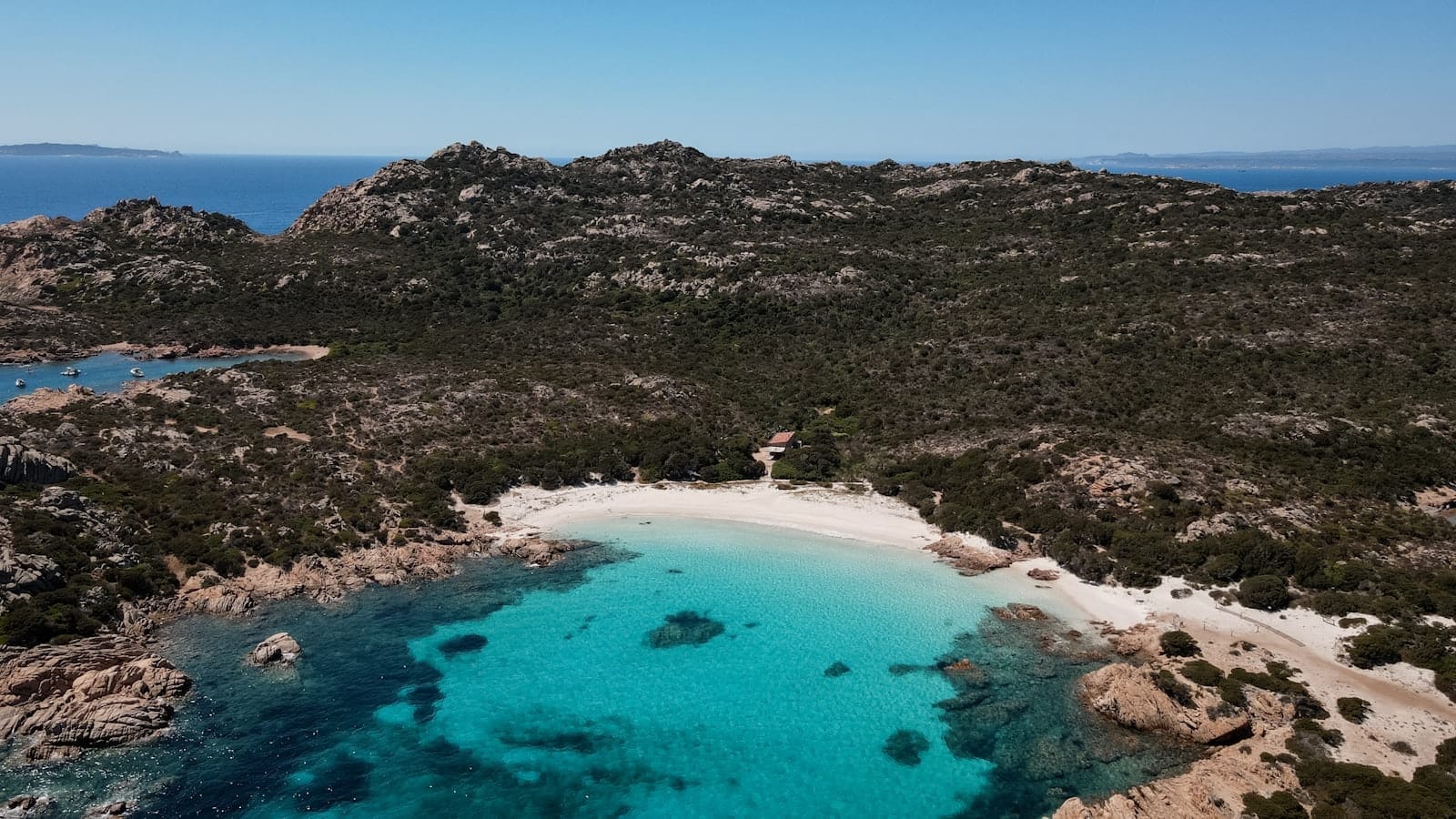
The north of the island is where most first-time visitors head, and for good reason. The beaches around Gallura and the Sassari coast deliver some of the most photogenic scenery in the Mediterranean, from La Pelosa's famous shallow lagoon to the surreal granite coves around Capo Testa. The La Maddalena Archipelago adds an island-hopping dimension that is hard to match anywhere else on the island. High season here means real crowds, so shoulder season visits in May, June, or September reward with the same water and far fewer people.
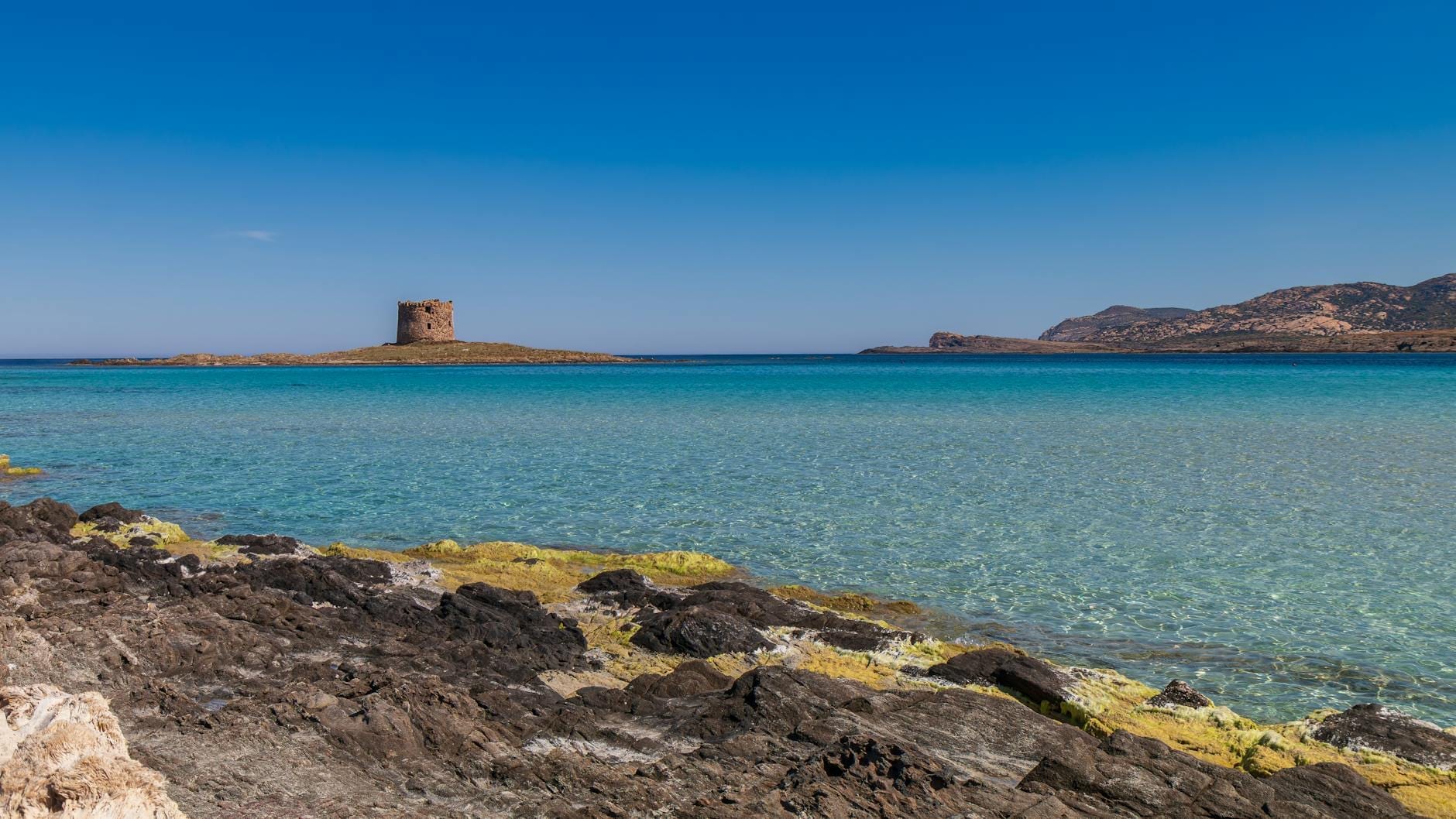
1. Wade into Sardinia's Most Famous Beach at La Pelosa
La Pelosa near Stintino is the island's most photographed beach: a shallow lagoon of powdery white sand and electric-blue water framed by an Aragonese tower. Daily visitor numbers are capped and beach reservations are mandatory in high season.
Explore1. Wade into Sardinia's Most Famous Beach at La Pelosa
La Pelosa near Stintino is the island's most photographed beach: a shallow lagoon of powdery white sand and electric-blue water framed by an Aragonese tower. Daily visitor numbers are capped and beach reservations are mandatory in high season.
Explore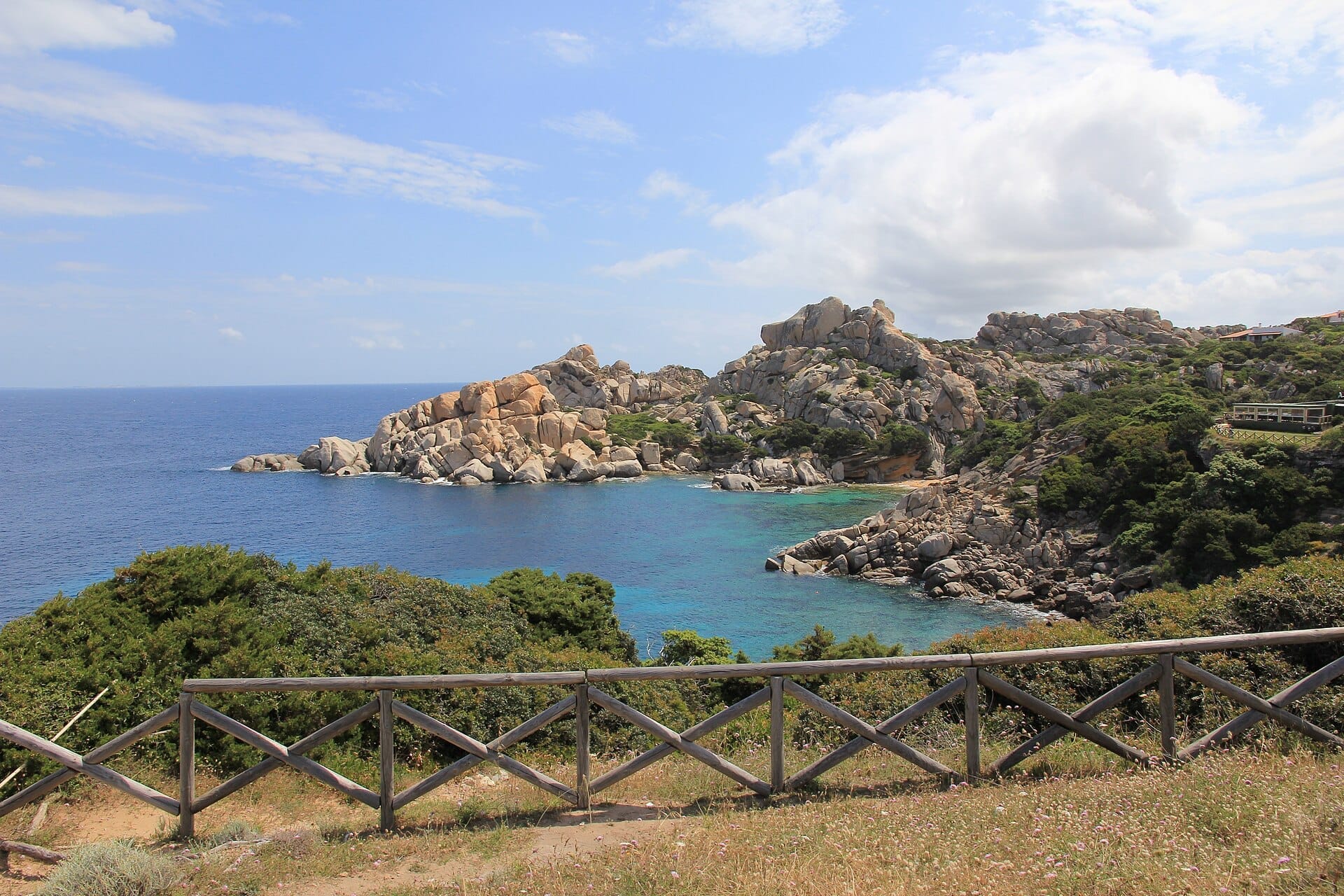
2. Explore Hidden Coves Among the Granite Boulders of Capo Testa
A wild granite peninsula near Santa Teresa Gallura, Capo Testa has a dozen small coves tucked between wind-sculpted boulders. The swimming is excellent and the landscape extraordinary. Walk the headland trail to find the quieter spots.
Explore2. Explore Hidden Coves Among the Granite Boulders of Capo Testa
A wild granite peninsula near Santa Teresa Gallura, Capo Testa has a dozen small coves tucked between wind-sculpted boulders. The swimming is excellent and the landscape extraordinary. Walk the headland trail to find the quieter spots.
Explore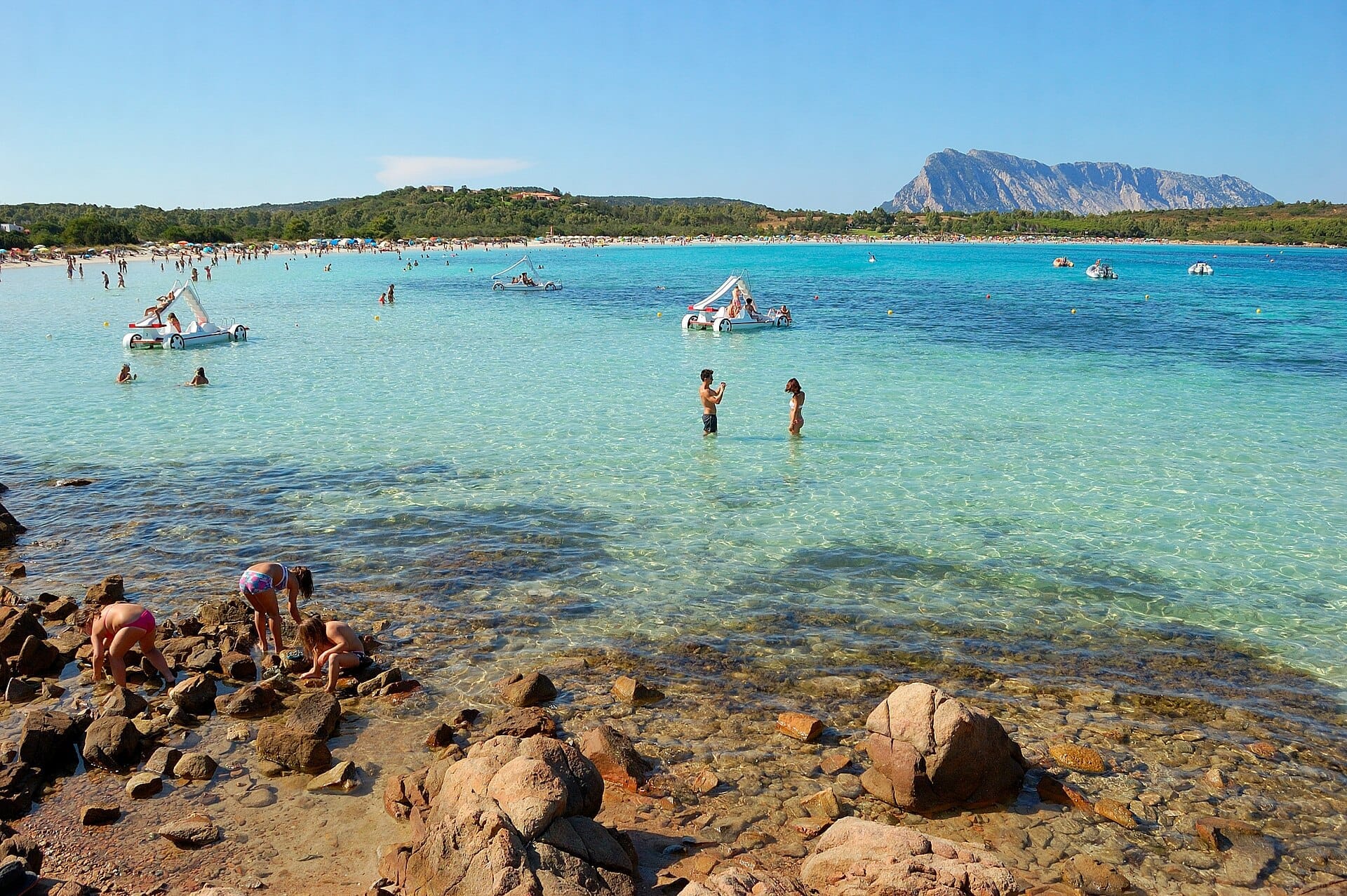
3. Swim in the Shallows at Cala Brandinchi, Sardinia's 'Little Tahiti'
Cala Brandinchi near San Teodoro is a shallow lagoon of white sand and electric-blue water consistently ranked among Italy's finest beaches. The water is so calm and clear it feels like swimming in a pool. Arrive early in July and August.
Explore3. Swim in the Shallows at Cala Brandinchi, Sardinia's 'Little Tahiti'
Cala Brandinchi near San Teodoro is a shallow lagoon of white sand and electric-blue water consistently ranked among Italy's finest beaches. The water is so calm and clear it feels like swimming in a pool. Arrive early in July and August.
Explore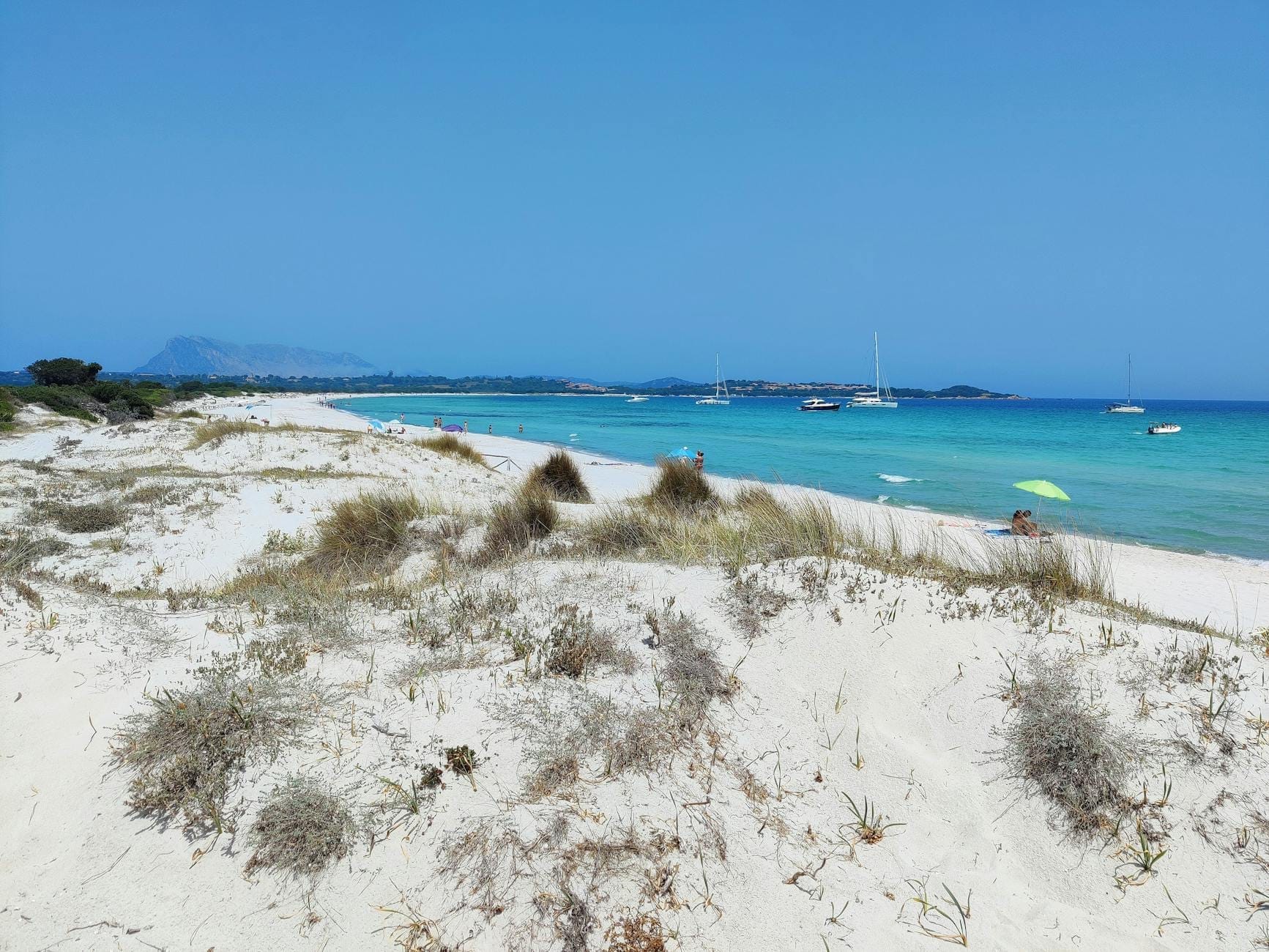
4. Walk the Sandbar at La Cinta and Watch Flamingos in the Lagoon
A long narrow sandbar separating the open sea from the Stagno di San Teodoro lagoon, La Cinta is one of Sardinia's most distinctive beach landscapes. Flamingos feed in the lagoon on the sheltered side while the sea side offers good waves for windsurfers.
Explore4. Walk the Sandbar at La Cinta and Watch Flamingos in the Lagoon
A long narrow sandbar separating the open sea from the Stagno di San Teodoro lagoon, La Cinta is one of Sardinia's most distinctive beach landscapes. Flamingos feed in the lagoon on the sheltered side while the sea side offers good waves for windsurfers.
Explore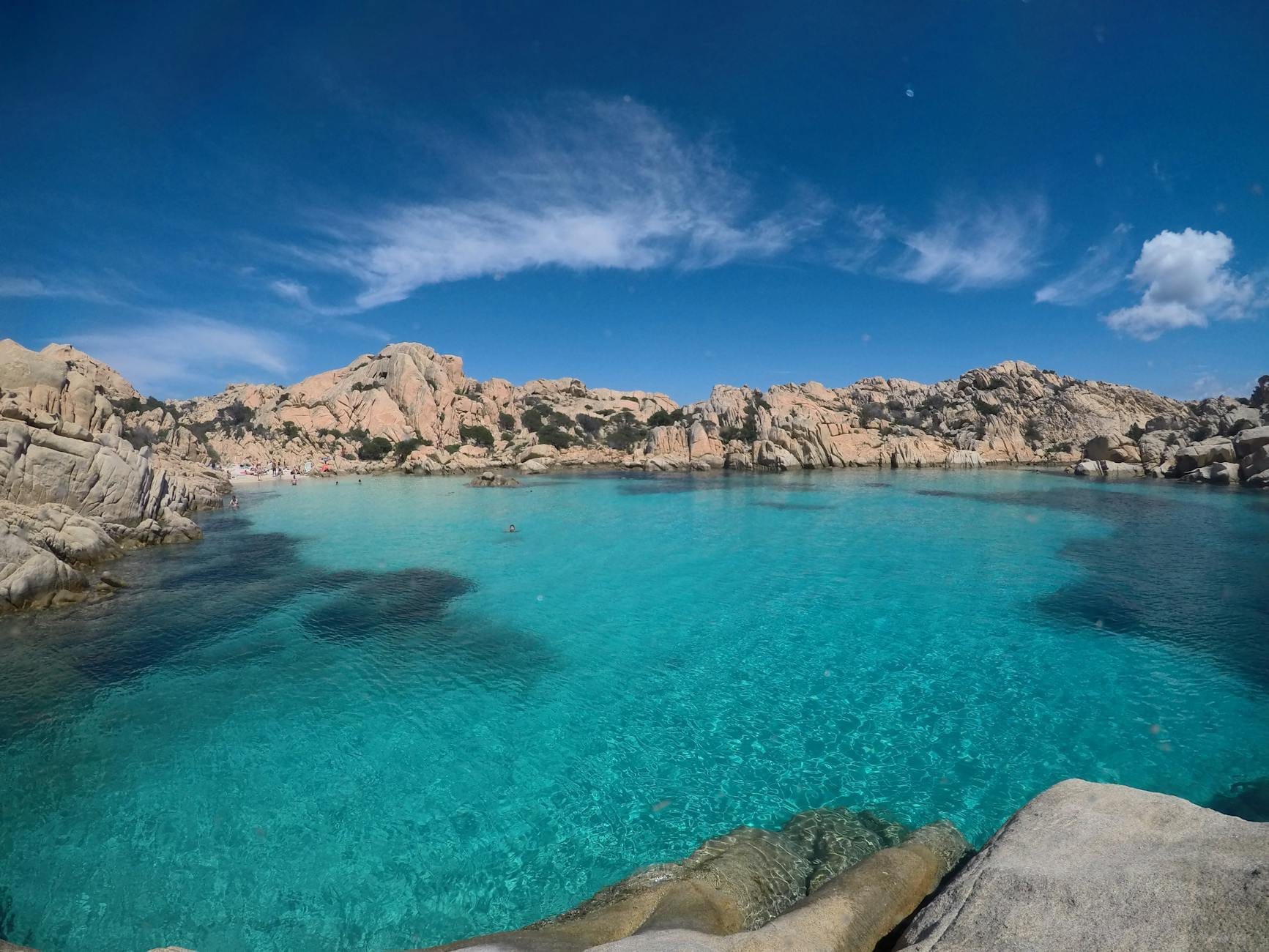
5. Reach the 'Tahiti of Sardinia' at Cala Coticcio on Caprera
Cala Coticcio on Caprera island is a double-lobed cove of white sand and water so intensely blue it seems unreal. Reachable only by boat or a hike across Caprera, its remoteness keeps the crowds manageable even in August.
Explore5. Reach the 'Tahiti of Sardinia' at Cala Coticcio on Caprera
Cala Coticcio on Caprera island is a double-lobed cove of white sand and water so intensely blue it seems unreal. Reachable only by boat or a hike across Caprera, its remoteness keeps the crowds manageable even in August.
Explore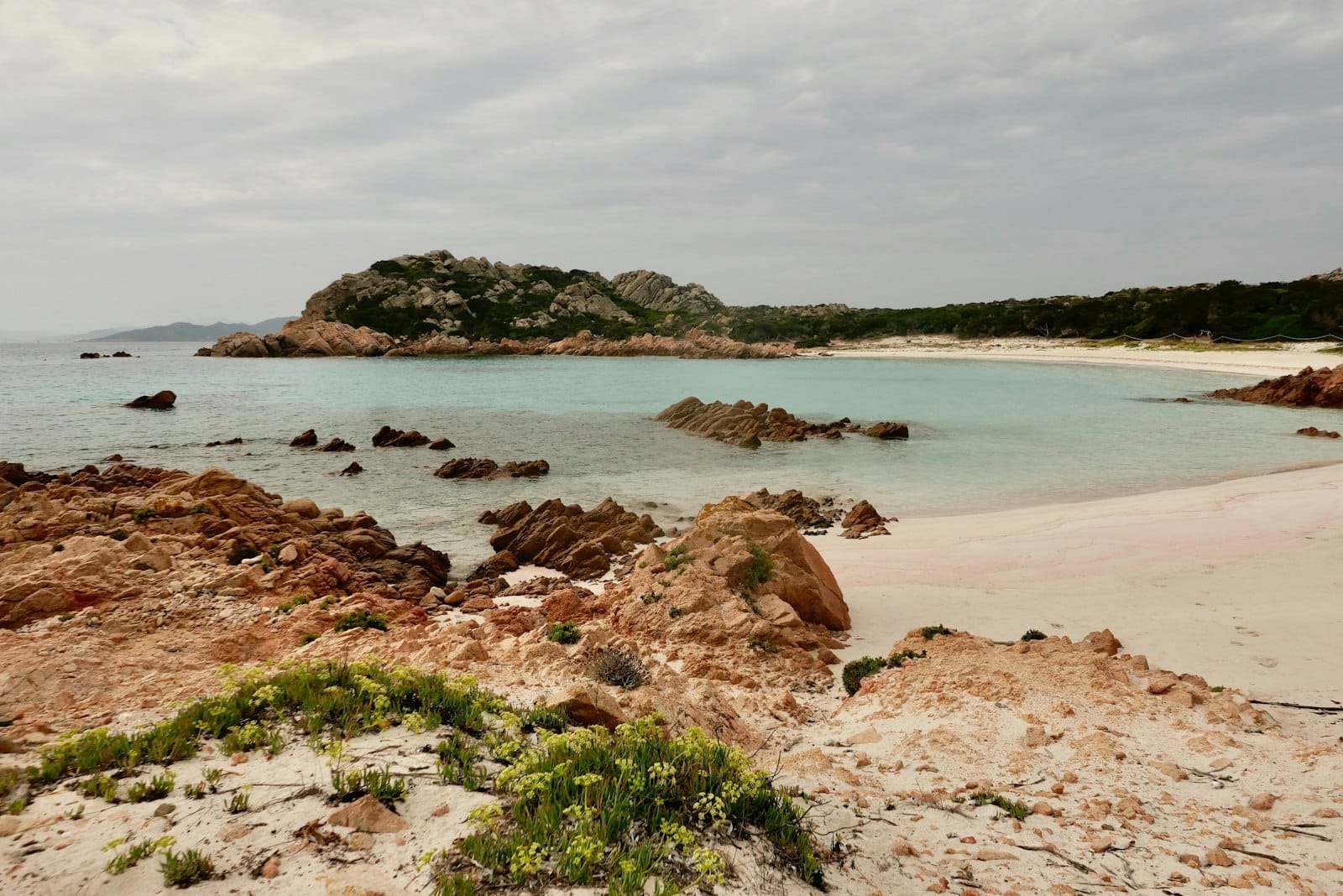
6. Admire the Pink Beach of Budelli from the Water
Budelli's famous Pink Beach gets its blush colour from coral fragments and foraminifera. Landing is now prohibited to protect the seabed, but boat tours from La Maddalena pass close enough to appreciate its extraordinary rosy tones against the turquoise water.
Explore6. Admire the Pink Beach of Budelli from the Water
Budelli's famous Pink Beach gets its blush colour from coral fragments and foraminifera. Landing is now prohibited to protect the seabed, but boat tours from La Maddalena pass close enough to appreciate its extraordinary rosy tones against the turquoise water.
Explore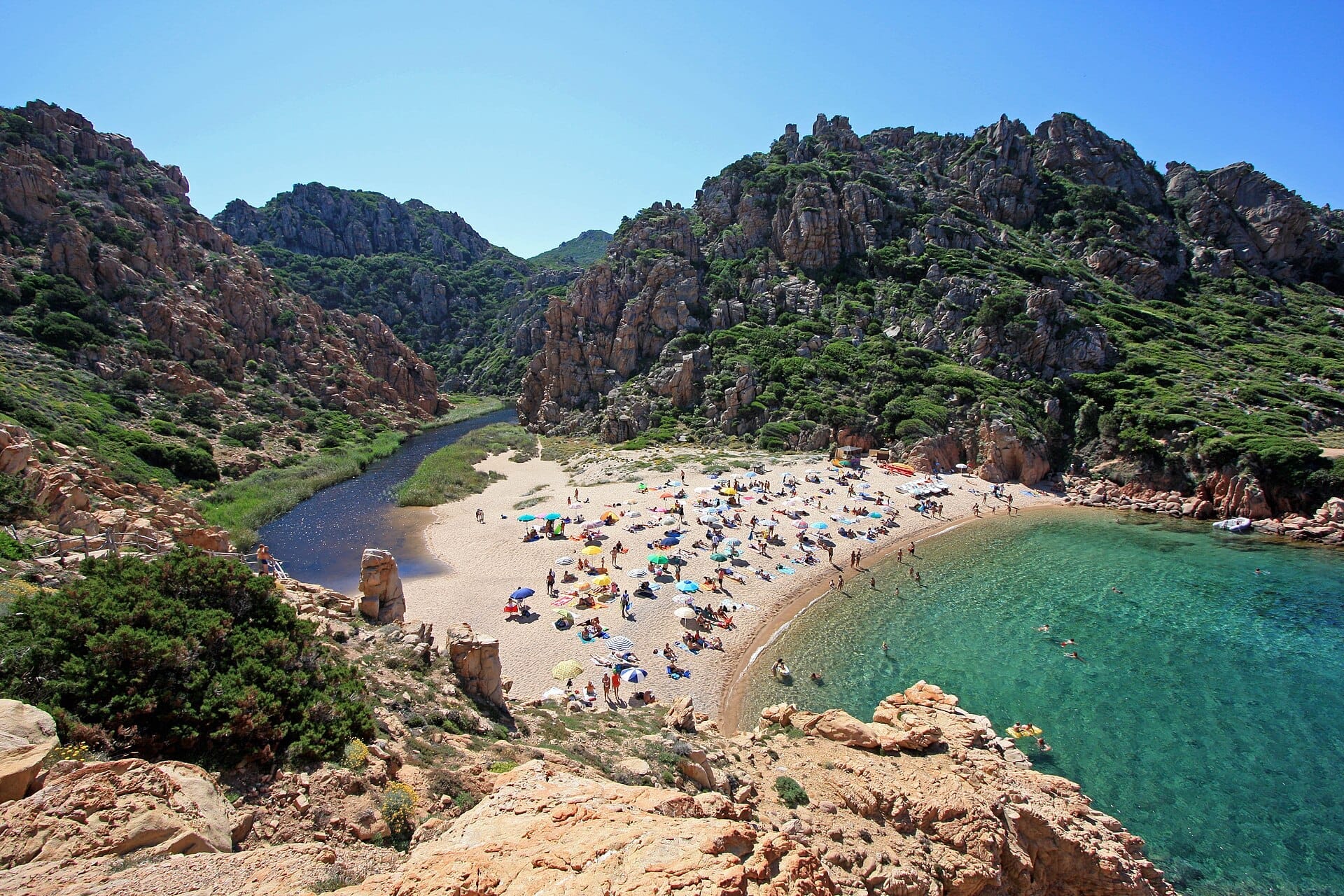
7. Find Dramatic Red Rock Coves at Costa Paradiso
Costa Paradiso near Trinità d'Agultu is a striking landscape of deep red porphyry rock formations and hidden coves with clear water. It sees a fraction of Costa Smeralda's visitors despite comparable natural beauty. The drive along the coast road is rewarding in itself.
Explore7. Find Dramatic Red Rock Coves at Costa Paradiso
Costa Paradiso near Trinità d'Agultu is a striking landscape of deep red porphyry rock formations and hidden coves with clear water. It sees a fraction of Costa Smeralda's visitors despite comparable natural beauty. The drive along the coast road is rewarding in itself.
ExploreCosta Smeralda & Northeast: Glamour Meets Granite
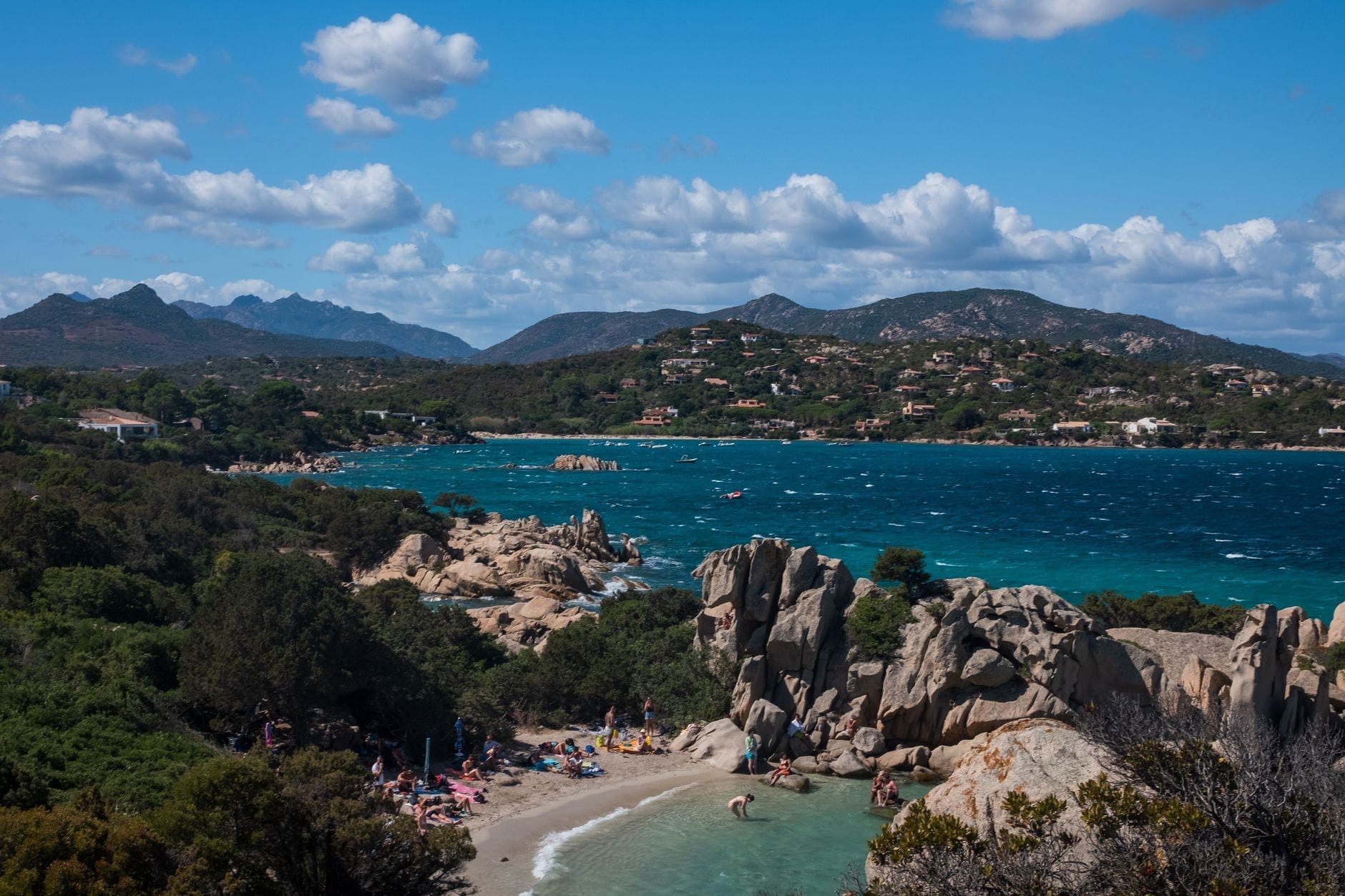
The beaches of the Costa Smeralda have been attracting wealthy travellers since the Aga Khan developed the area in the 1960s, and the water here justifies the reputation. The beaches are sheltered, the sand is fine, and the granite boulders create natural windbreaks and snorkelling playgrounds. This stretch of coast is best visited in June or September if you want to avoid the superyacht-and-speedboat circus of July and August, when parking alone can be a significant challenge.
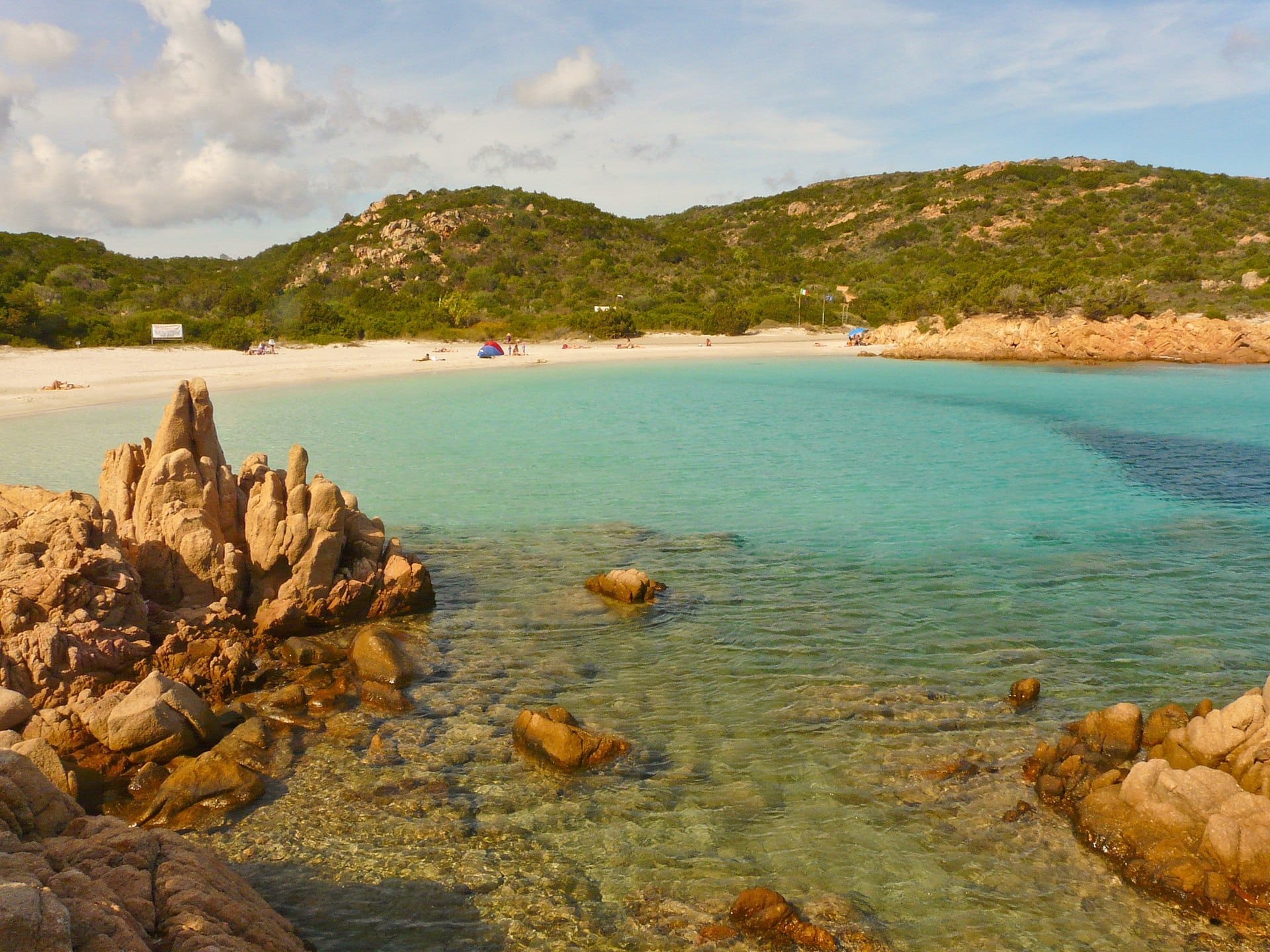
8. Swim at Spiaggia del Principe, the Aga Khan's Own Beach
Named after the Aga Khan, Spiaggia del Principe is a sheltered cove of fine white sand and emerald water framed by wind-sculpted granite. Consistently rated among Italy's most beautiful beaches, it gets busy in high summer but remains one of the north-east's finest.
Explore8. Swim at Spiaggia del Principe, the Aga Khan's Own Beach
Named after the Aga Khan, Spiaggia del Principe is a sheltered cove of fine white sand and emerald water framed by wind-sculpted granite. Consistently rated among Italy's most beautiful beaches, it gets busy in high summer but remains one of the north-east's finest.
Explore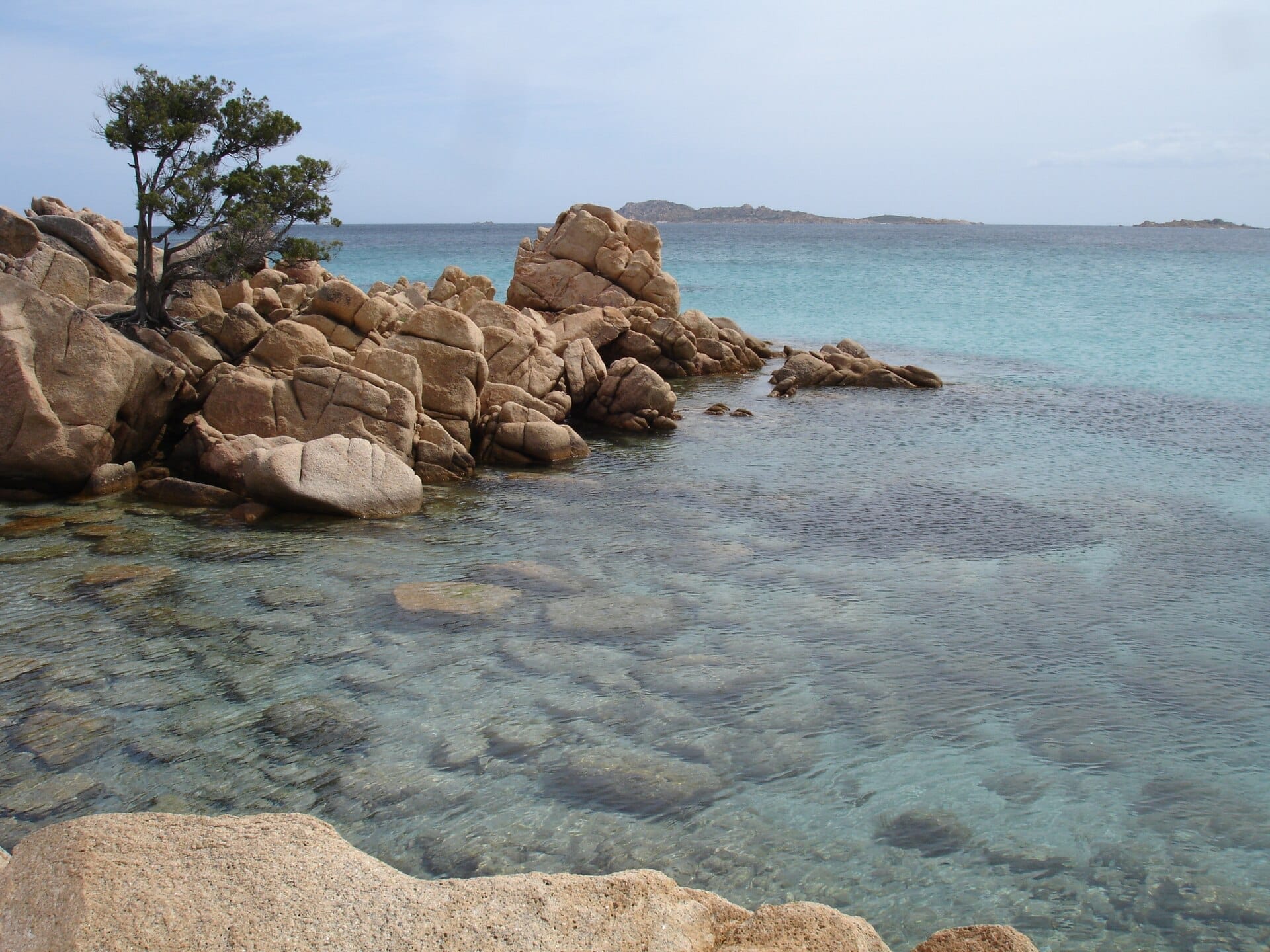
9. Snorkel the Granite Boulders at Capriccioli
Capriccioli is a sheltered double cove of white sand and shallow turquoise water near Arzachena. Less crowded than Principe and with better snorkelling among the granite rocks on either side of the bay, it is one of Costa Smeralda's most satisfying beaches for swimmers.
Explore9. Snorkel the Granite Boulders at Capriccioli
Capriccioli is a sheltered double cove of white sand and shallow turquoise water near Arzachena. Less crowded than Principe and with better snorkelling among the granite rocks on either side of the bay, it is one of Costa Smeralda's most satisfying beaches for swimmers.
ExploreGolfo di Orosei: Italy's Most Spectacular Sea Cliffs
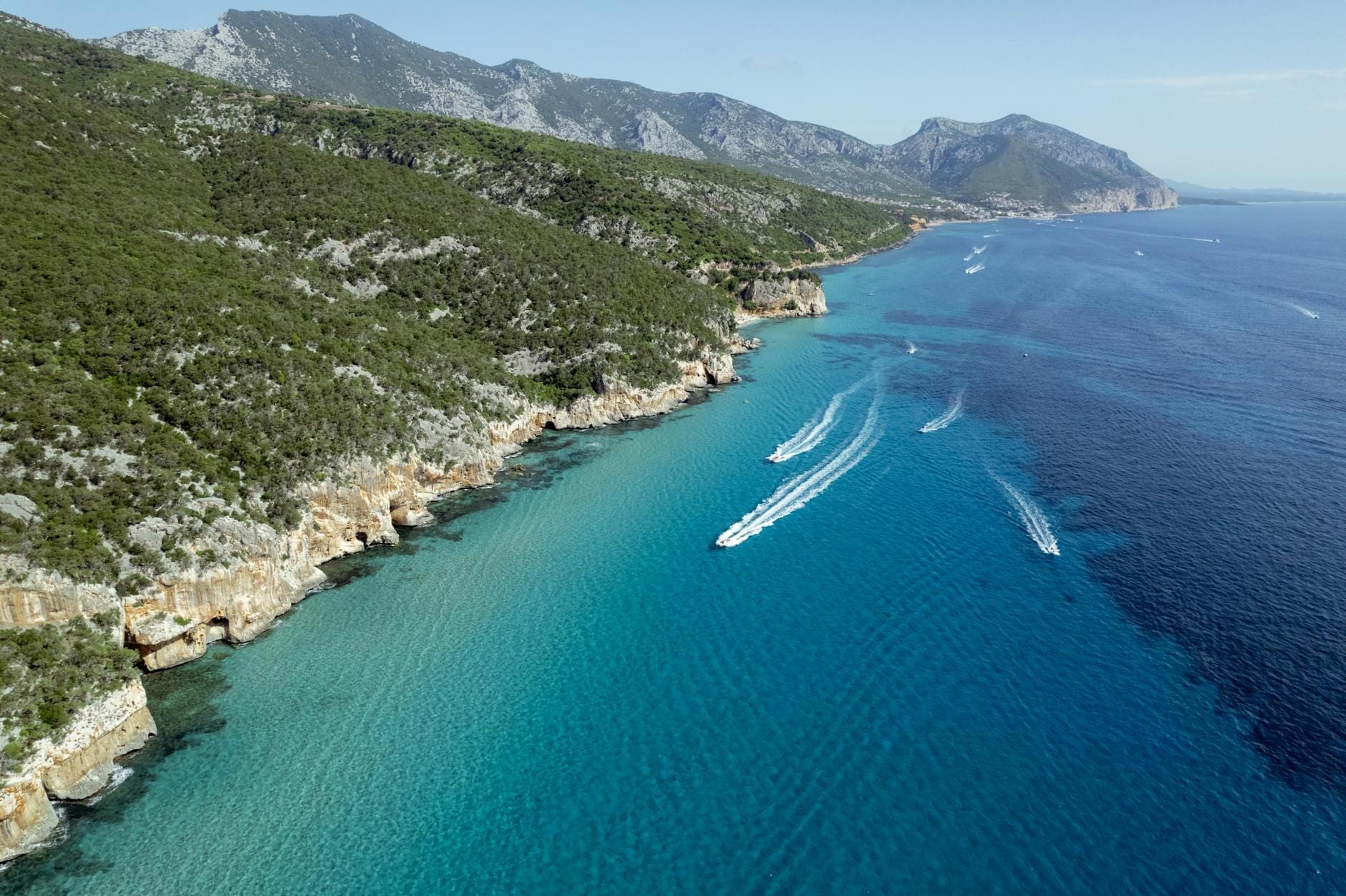
The Golfo di Orosei is in a different category from anywhere else on the island. The coastline here is a near-vertical wall of white limestone dropping straight into water of implausible clarity, and most of the beaches at the base of these cliffs can only be reached by boat from Cala Gonone, or by long hikes from above. Boat tours typically run from late spring to early autumn, visiting multiple coves in a day for around €40 to €60 per person. If you want to understand why so many people call this the most beautiful coastline in Europe, this is where you come. Our guide to boat trips in Sardinia has everything you need to plan an excursion along the gulf.
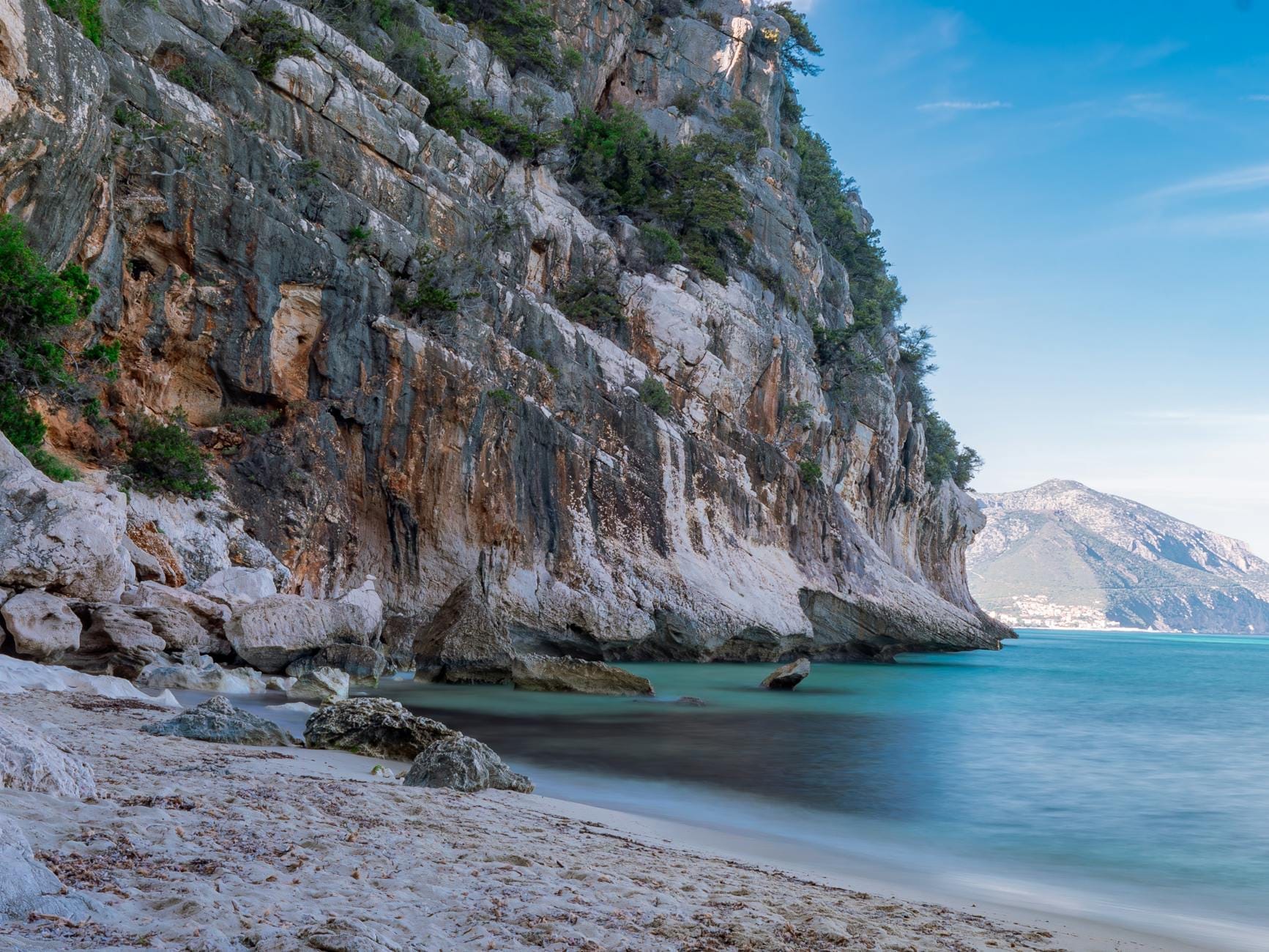
10. Hike or Sail to Cala Goloritzè, Italy's Most Beautiful Beach
A nationally protected natural monument beneath a 143-metre limestone pinnacle, Cala Goloritzè is widely considered Italy's finest beach. Access requires advance online reservation. Reach it by boat from Cala Gonone or by a two-hour hike from Baunei. Book your slot weeks ahead.
Explore10. Hike or Sail to Cala Goloritzè, Italy's Most Beautiful Beach
A nationally protected natural monument beneath a 143-metre limestone pinnacle, Cala Goloritzè is widely considered Italy's finest beach. Access requires advance online reservation. Reach it by boat from Cala Gonone or by a two-hour hike from Baunei. Book your slot weeks ahead.
Explore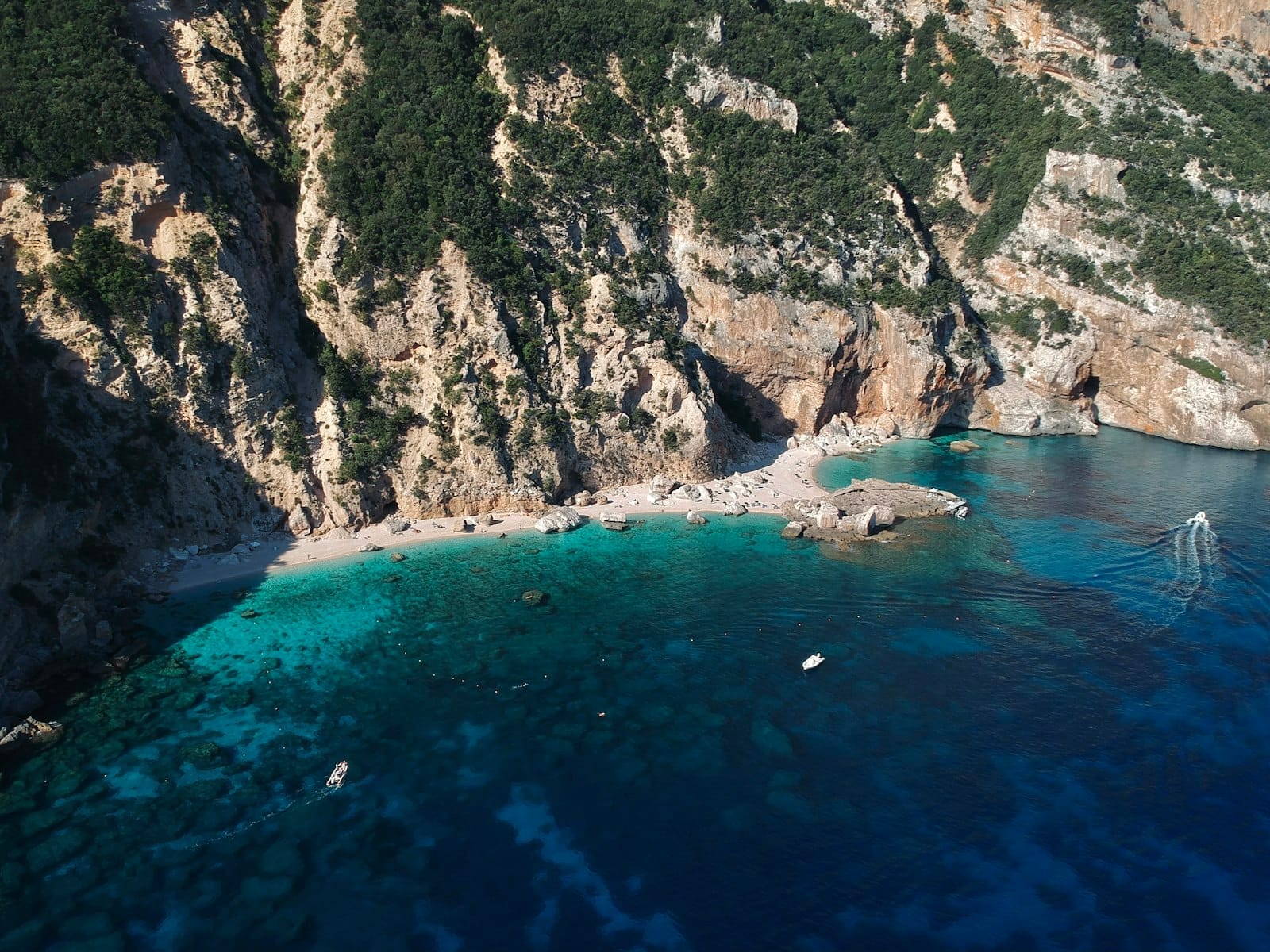
11. Float in Luminescent Water at Cala Mariolu
Cala Mariolu is a double cove of white and pink pebbles with water so clear it appears lit from below. Reachable only by boat from Cala Gonone or Santa Maria Navarrese, it is consistently ranked among Europe's top ten beaches and is never accessible by road.
Explore11. Float in Luminescent Water at Cala Mariolu
Cala Mariolu is a double cove of white and pink pebbles with water so clear it appears lit from below. Reachable only by boat from Cala Gonone or Santa Maria Navarrese, it is consistently ranked among Europe's top ten beaches and is never accessible by road.
Explore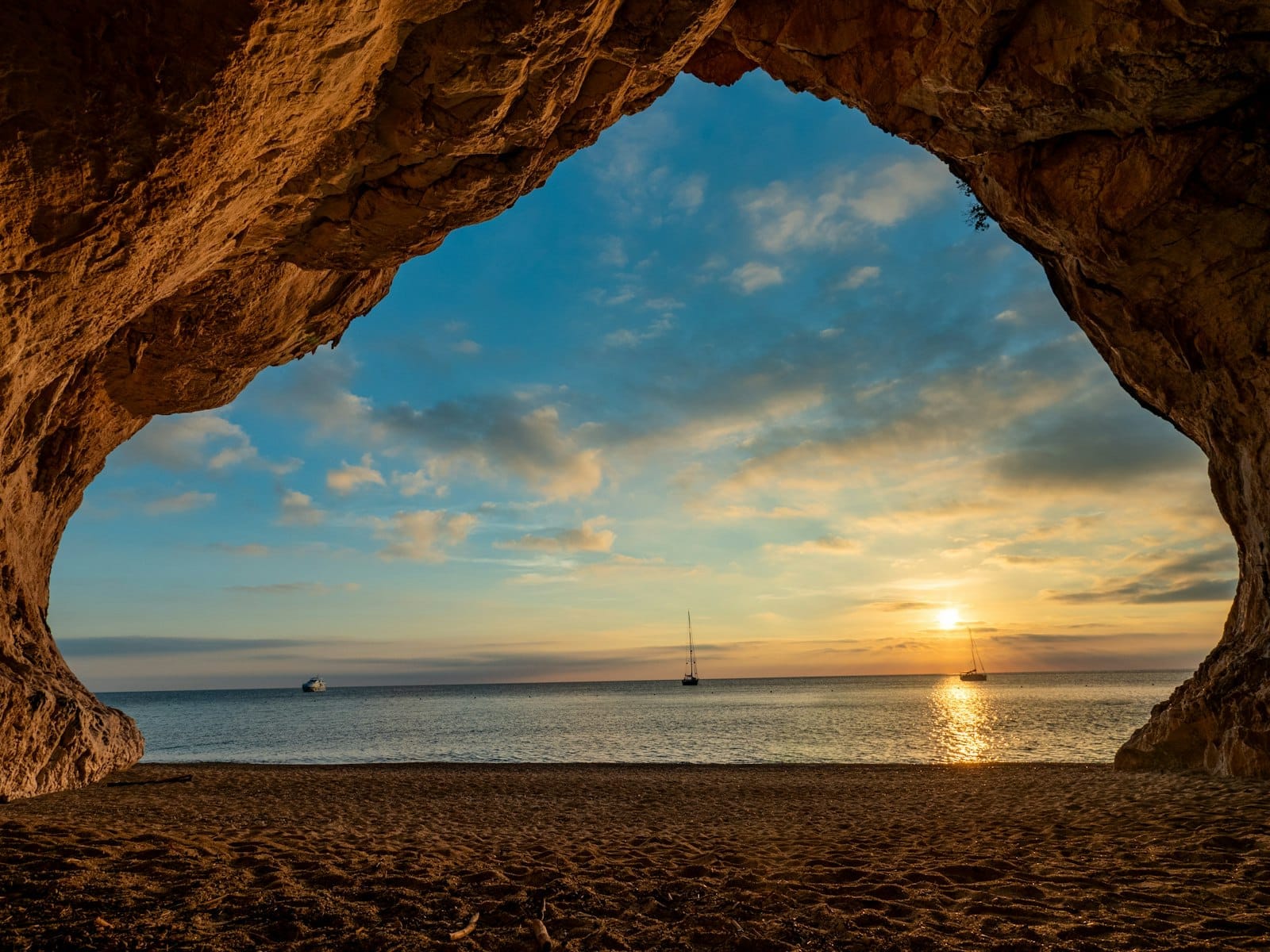
12. Visit Cala Luna, the Gulf's Most Iconic Crescent Beach
A wide arc of white pebbles backed by sea caves and pink oleander at a canyon mouth, Cala Luna is the centrepiece of every Golfo di Orosei boat tour. It can also be reached by a spectacular hike from Cala Gonone or from Baunei above. Best visited outside July and August.
Explore12. Visit Cala Luna, the Gulf's Most Iconic Crescent Beach
A wide arc of white pebbles backed by sea caves and pink oleander at a canyon mouth, Cala Luna is the centrepiece of every Golfo di Orosei boat tour. It can also be reached by a spectacular hike from Cala Gonone or from Baunei above. Best visited outside July and August.
Explore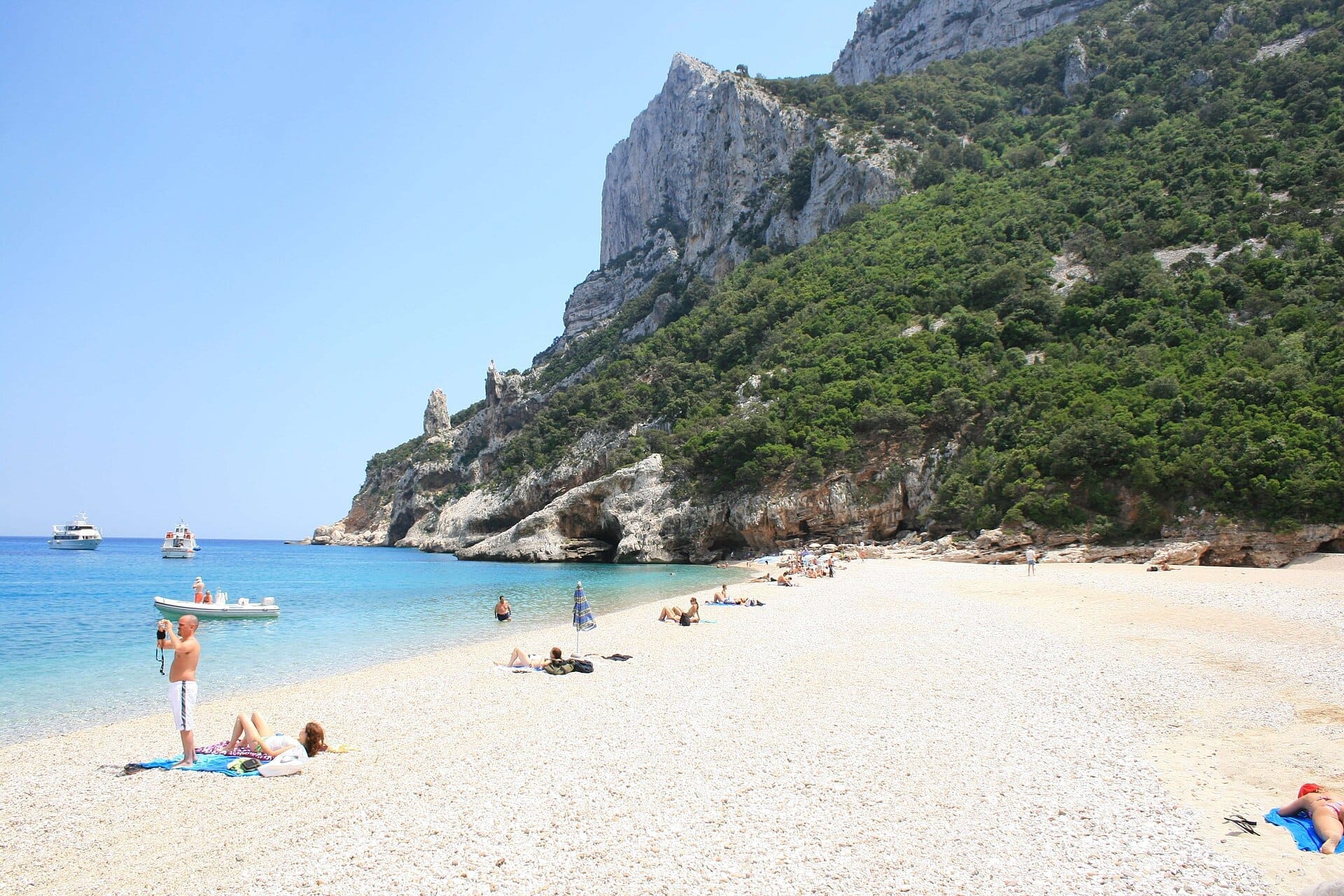
13. Hike the Sisine Canyon to a Remote Cove
Cala Sisine at the mouth of the Sisine canyon is accessible by boat or by a four-hour hike through a gorge of oleander and wild fig. The hike is one of the best in Sardinia and the beach at the end, framed by canyon walls, rewards every step of the journey.
Explore13. Hike the Sisine Canyon to a Remote Cove
Cala Sisine at the mouth of the Sisine canyon is accessible by boat or by a four-hour hike through a gorge of oleander and wild fig. The hike is one of the best in Sardinia and the beach at the end, framed by canyon walls, rewards every step of the journey.
Explore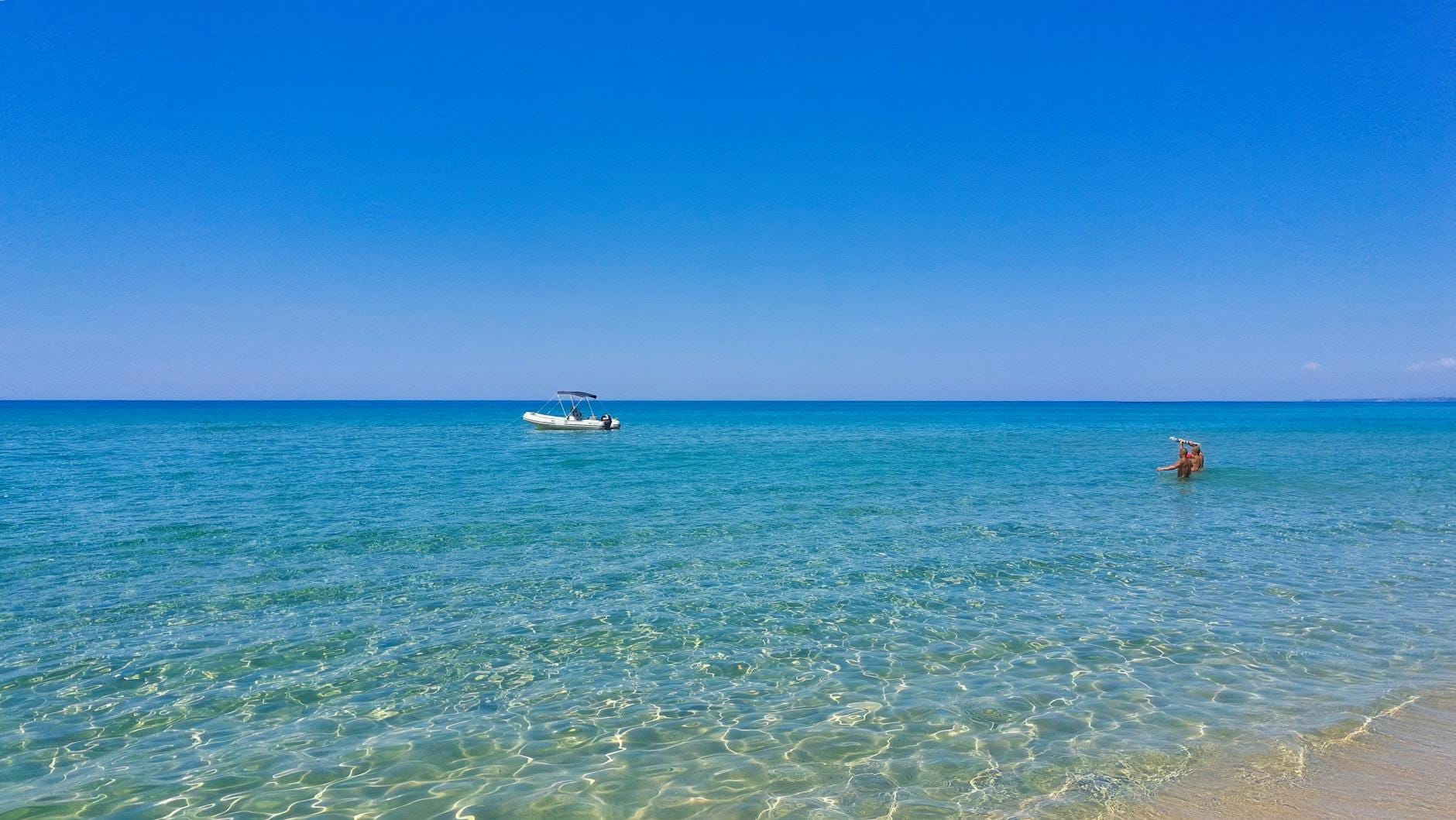
14. Reserve a Spot at Biderosa, the East Coast's Most Protected Beach
A pristine arc of white sand backed by juniper and pine forest near Orosei, Biderosa is accessible only with a permit and shuttle bus. Daily visitor numbers are strictly capped. Book online before your trip: access without a reservation is not possible in summer.
Explore14. Reserve a Spot at Biderosa, the East Coast's Most Protected Beach
A pristine arc of white sand backed by juniper and pine forest near Orosei, Biderosa is accessible only with a permit and shuttle bus. Daily visitor numbers are strictly capped. Book online before your trip: access without a reservation is not possible in summer.
ExploreSouth Sardinia: White Sand, Lagoons & Wild Dunes
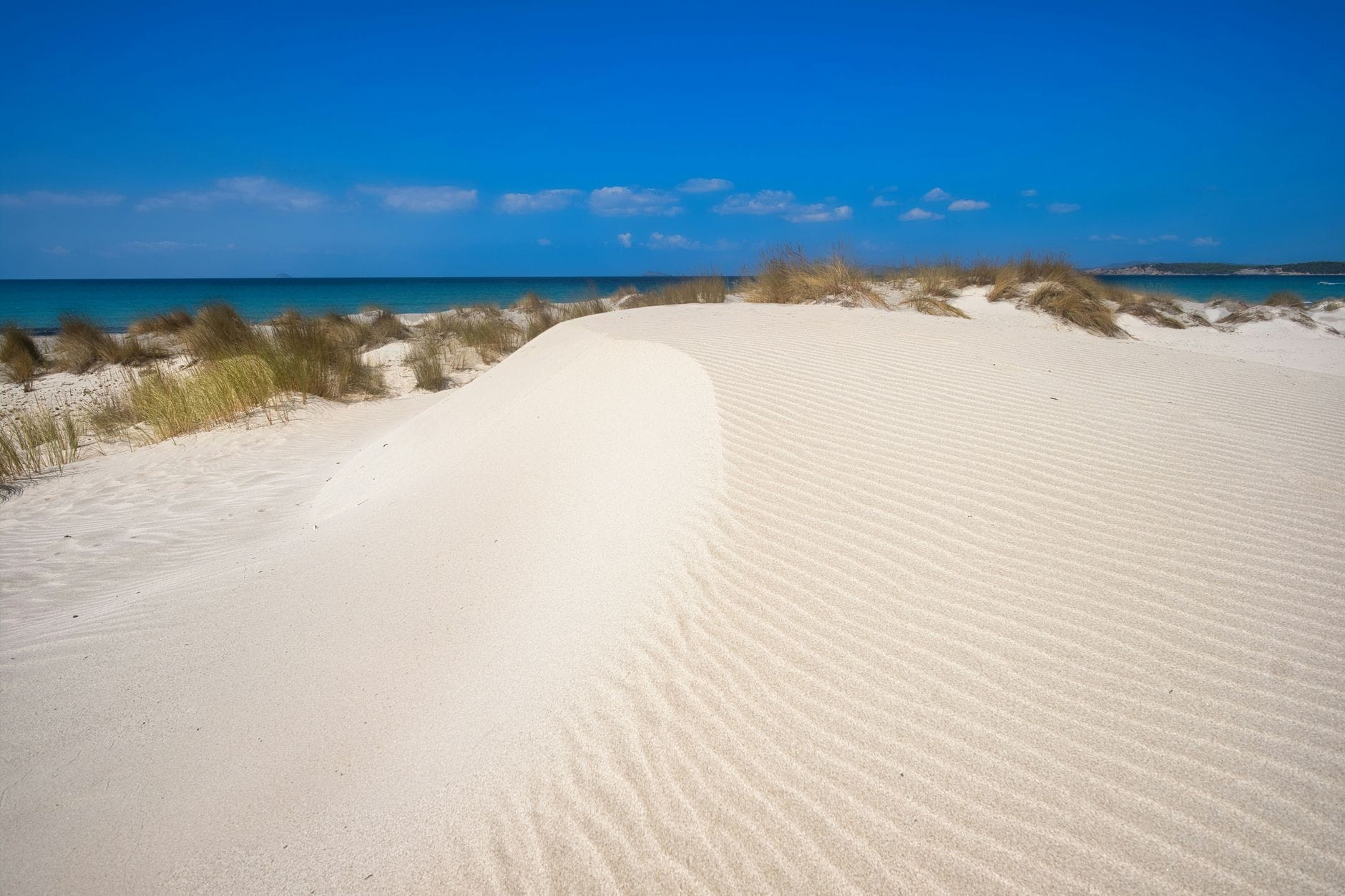
The south of Sardinia is where you find long, family-friendly beaches with facilities, brilliant snorkelling inside marine protected areas, and some of the island's wildest coastal landscapes on the Costa Verde. The area around Villasimius and Costa Rei is particularly good for families, with calm, shallow water and reliable beach infrastructure. The beaches near Chia and Teulada in the Sulcis feel more remote and reward those willing to drive further south.
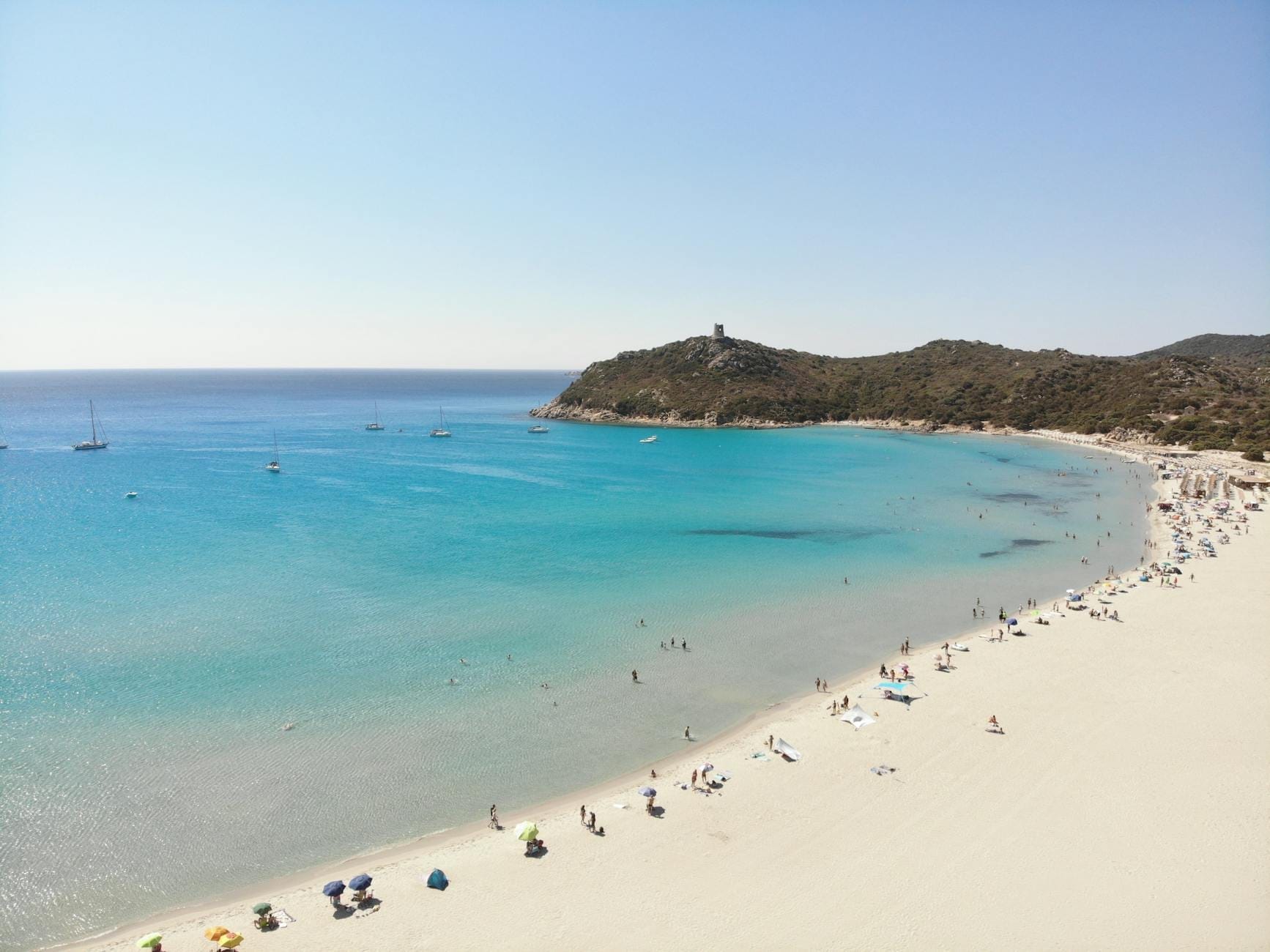
15. Watch Flamingos and Swim at Porto Giunco in Villasimius
Porto Giunco is Villasimius's finest beach: a double arc of white sand separated by a Spanish watchtower, with a flamingo lagoon on one side and the turquoise waters of the Capo Carbonara marine reserve on the other. The snorkelling inside the reserve is excellent.
Explore15. Watch Flamingos and Swim at Porto Giunco in Villasimius
Porto Giunco is Villasimius's finest beach: a double arc of white sand separated by a Spanish watchtower, with a flamingo lagoon on one side and the turquoise waters of the Capo Carbonara marine reserve on the other. The snorkelling inside the reserve is excellent.
Explore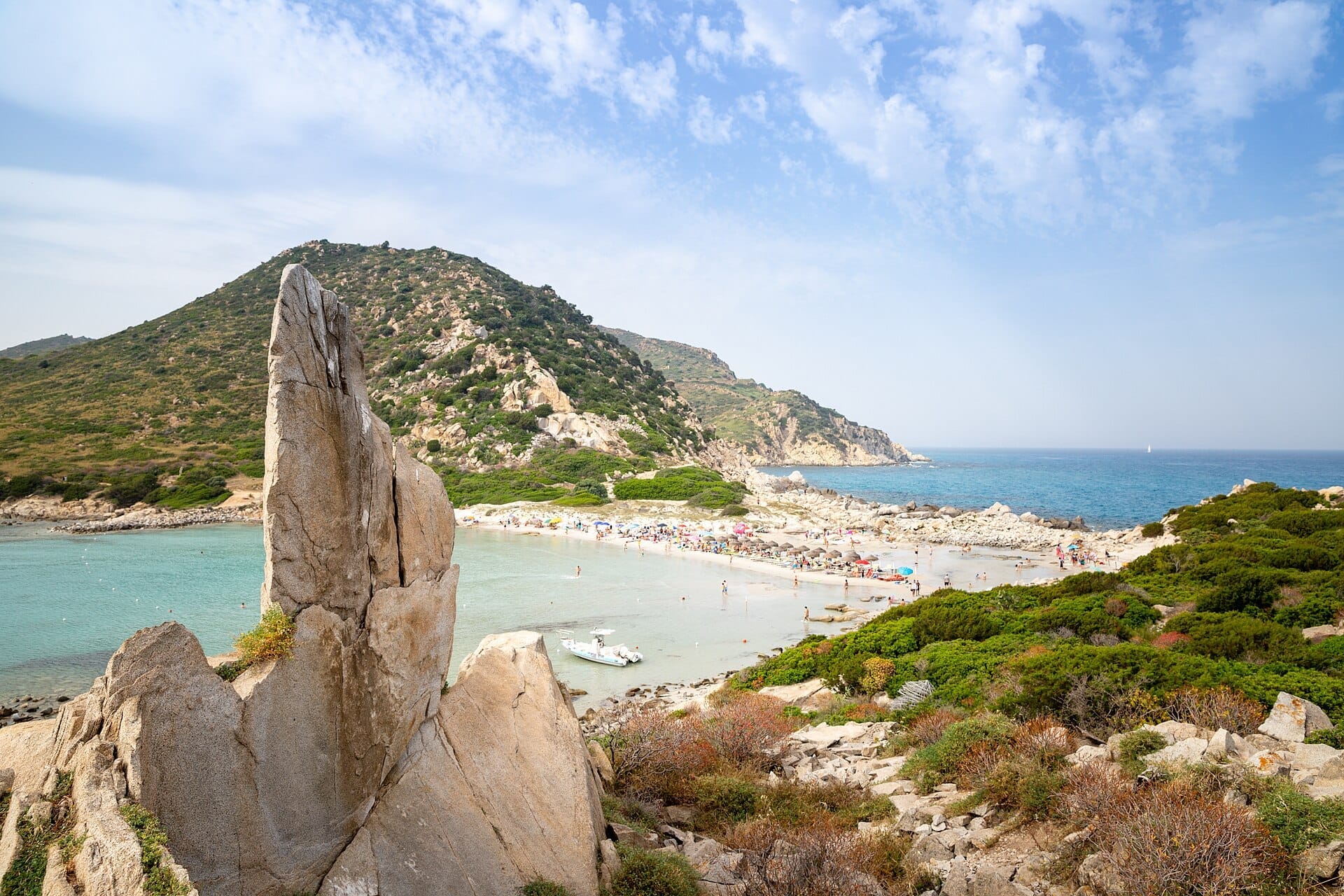
16. Walk to the Double Cove at Punta Molentis
A double cove of white sand and turquoise water near Villasimius, Punta Molentis is one of southern Sardinia's most beautiful beaches. A short walk from the parking area keeps the sand clean and the water calm. Consistently ranked among Italy's finest beaches.
Explore16. Walk to the Double Cove at Punta Molentis
A double cove of white sand and turquoise water near Villasimius, Punta Molentis is one of southern Sardinia's most beautiful beaches. A short walk from the parking area keeps the sand clean and the water calm. Consistently ranked among Italy's finest beaches.
Explore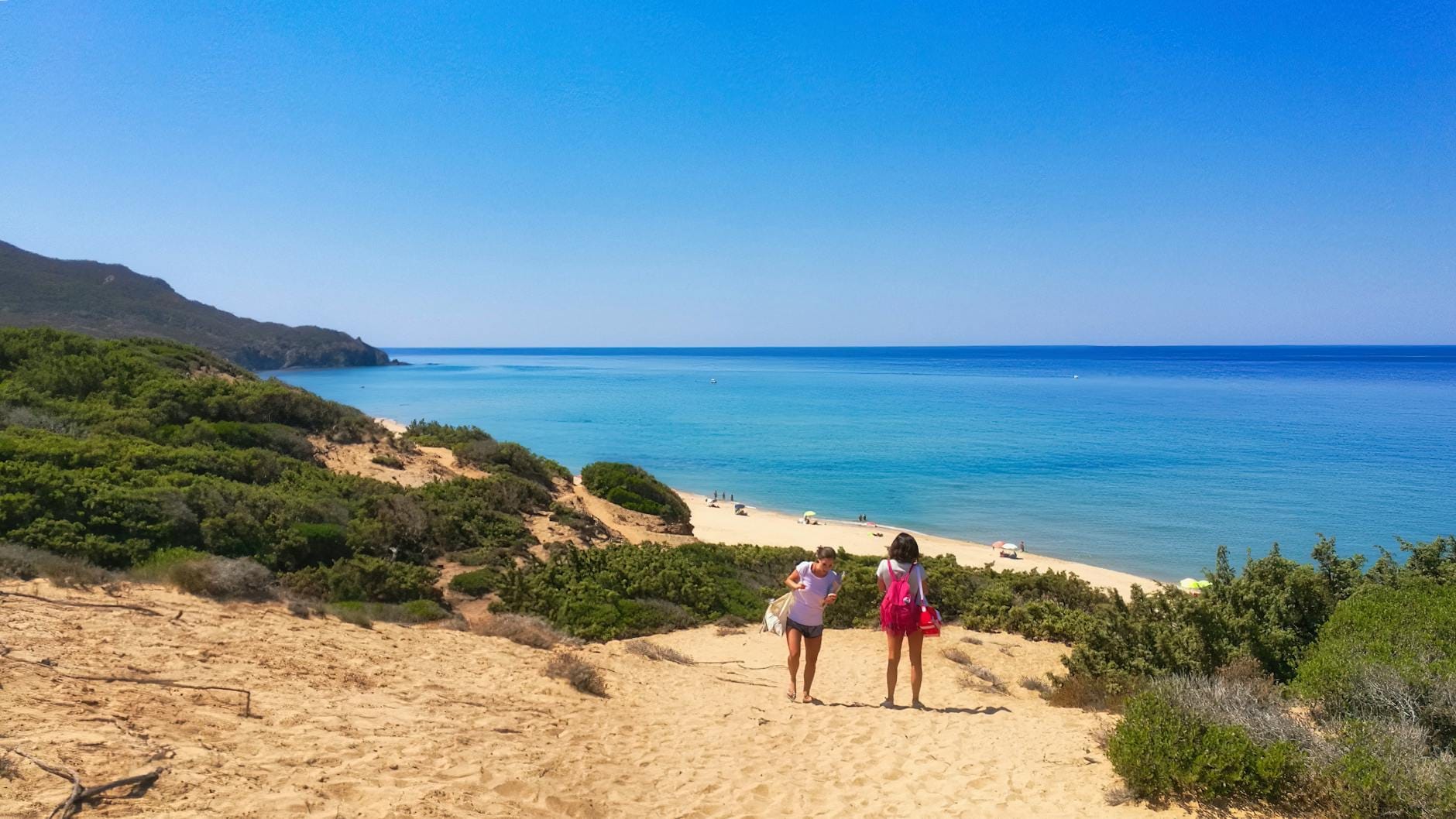
17. Explore the Dunes and Lagoons at Chia
Chia near Sardinia's southern tip is a landscape of white sand, Saharan dunes, juniper forests, and a Phoenician lagoon where flamingos feed. The beach area covers several coves with different characters. Windsurfing conditions are excellent on exposed days.
Explore17. Explore the Dunes and Lagoons at Chia
Chia near Sardinia's southern tip is a landscape of white sand, Saharan dunes, juniper forests, and a Phoenician lagoon where flamingos feed. The beach area covers several coves with different characters. Windsurfing conditions are excellent on exposed days.
Explore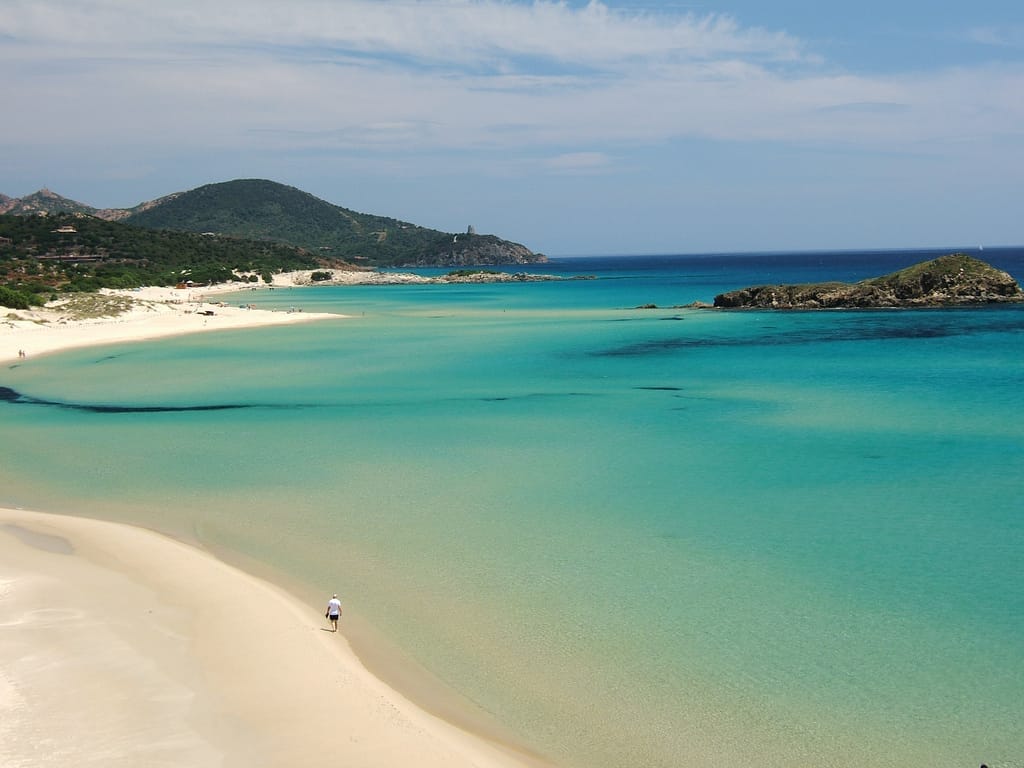
18. Seek Out the Perfect Cove at Tuerredda
A small, perfectly formed cove of white sand and shallow turquoise water near Teulada, Tuerredda is consistently ranked among Italy's most beautiful beaches. A shuttle bus runs from the parking area above. The water is calm, clear, and excellent for swimming.
Explore18. Seek Out the Perfect Cove at Tuerredda
A small, perfectly formed cove of white sand and shallow turquoise water near Teulada, Tuerredda is consistently ranked among Italy's most beautiful beaches. A shuttle bus runs from the parking area above. The water is calm, clear, and excellent for swimming.
Explore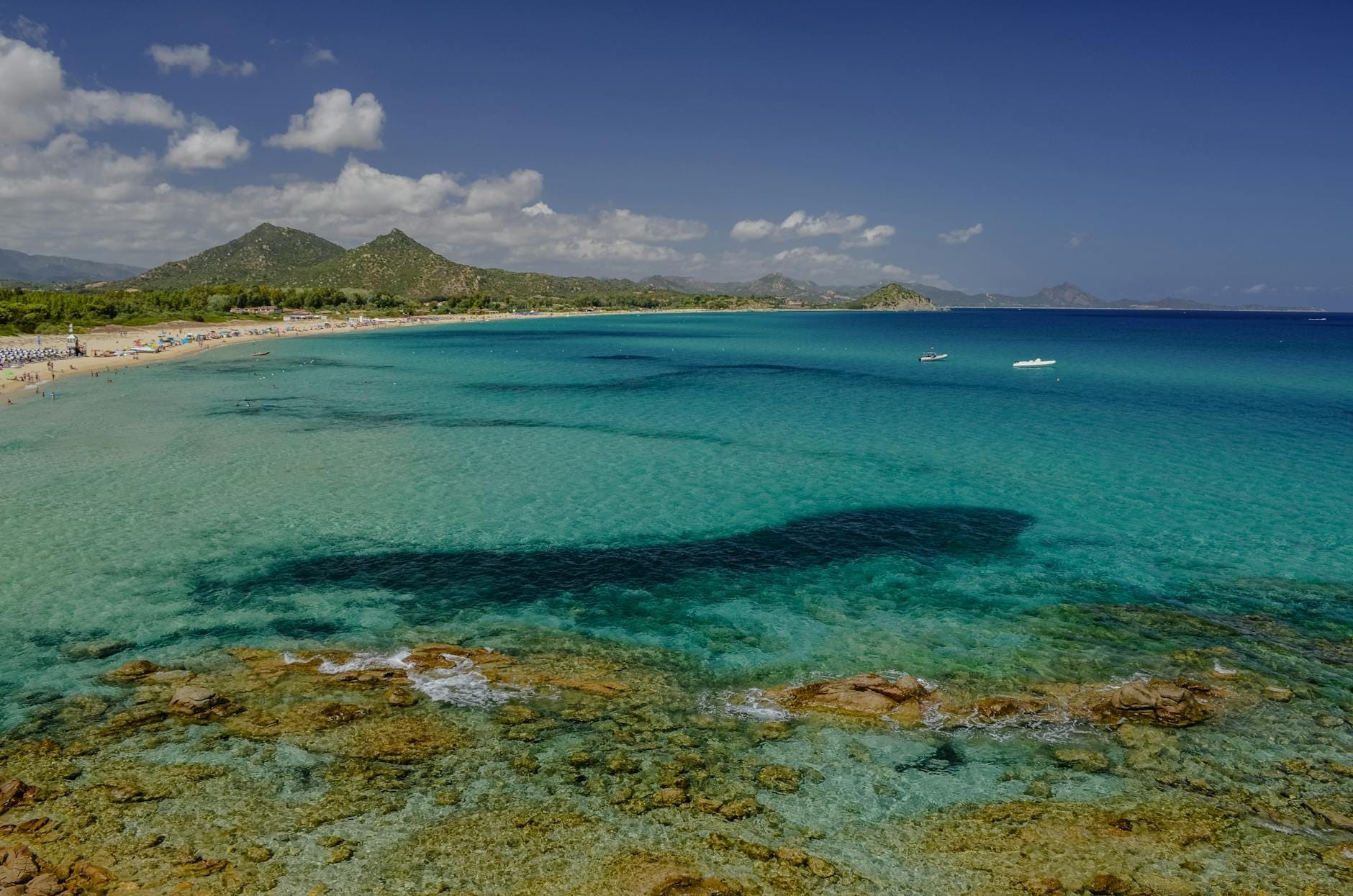
19. Enjoy Calm, Shallow Water at Costa Rei
Costa Rei on Sardinia's south-east coast is a long, gently curving beach of fine white sand and shallow turquoise water. One of the island's most family-friendly destinations, it has good facilities, gentle surf, and is close enough to Cagliari for a day trip.
Explore19. Enjoy Calm, Shallow Water at Costa Rei
Costa Rei on Sardinia's south-east coast is a long, gently curving beach of fine white sand and shallow turquoise water. One of the island's most family-friendly destinations, it has good facilities, gentle surf, and is close enough to Cagliari for a day trip.
Explore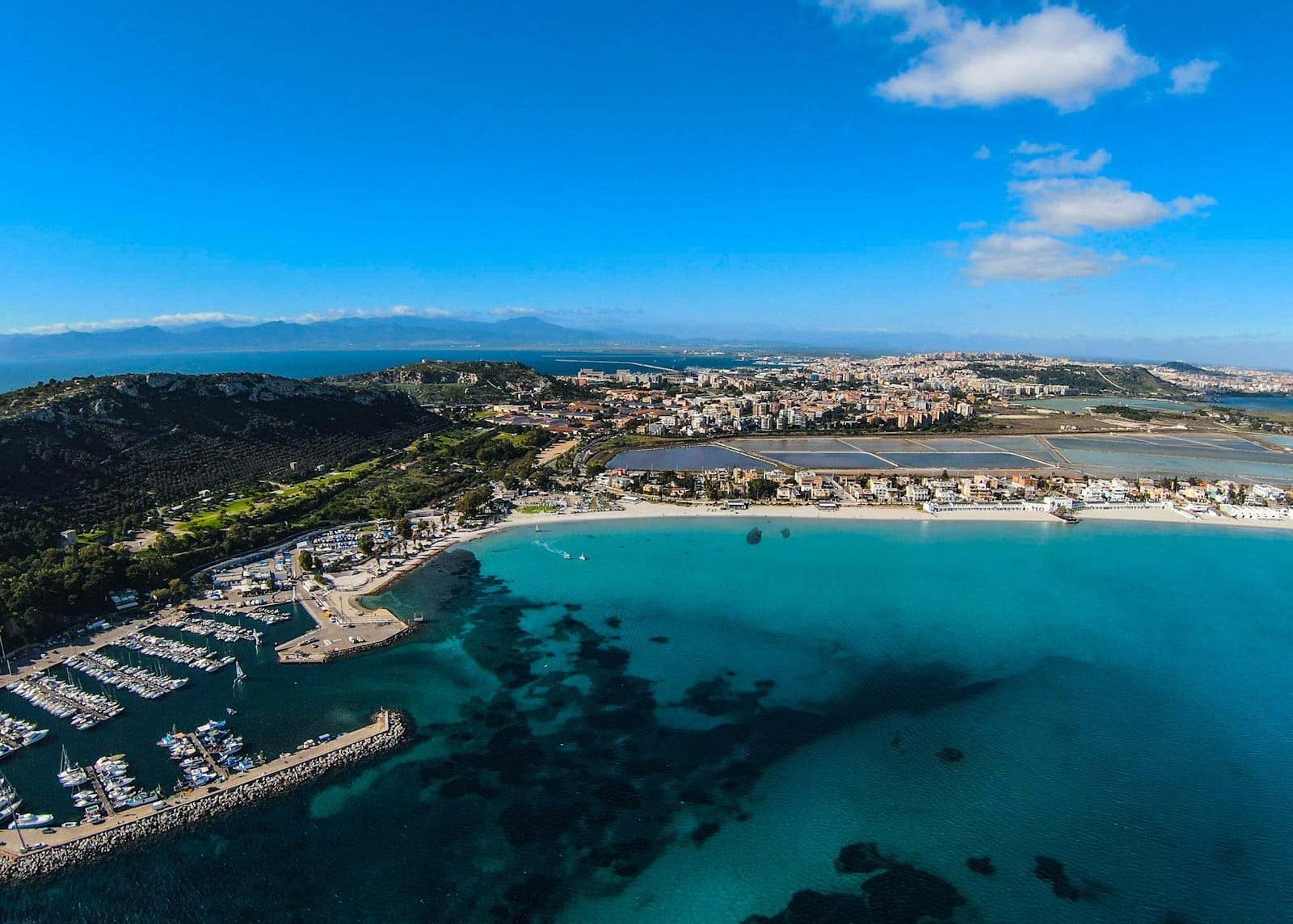
20. Join Local Life at Poetto, Cagliari's Eight-Kilometre Urban Beach
Poetto stretches for eight kilometres along the southern edge of Cagliari, backed by beach clubs, bars, and restaurants. This is where Cagliari comes to swim and socialise from May to September. Not the quietest beach on the island, but one of the most alive.
Explore20. Join Local Life at Poetto, Cagliari's Eight-Kilometre Urban Beach
Poetto stretches for eight kilometres along the southern edge of Cagliari, backed by beach clubs, bars, and restaurants. This is where Cagliari comes to swim and socialise from May to September. Not the quietest beach on the island, but one of the most alive.
ExploreWest Sardinia: Quartz Sand, Dunes & Dramatic Sea Stacks
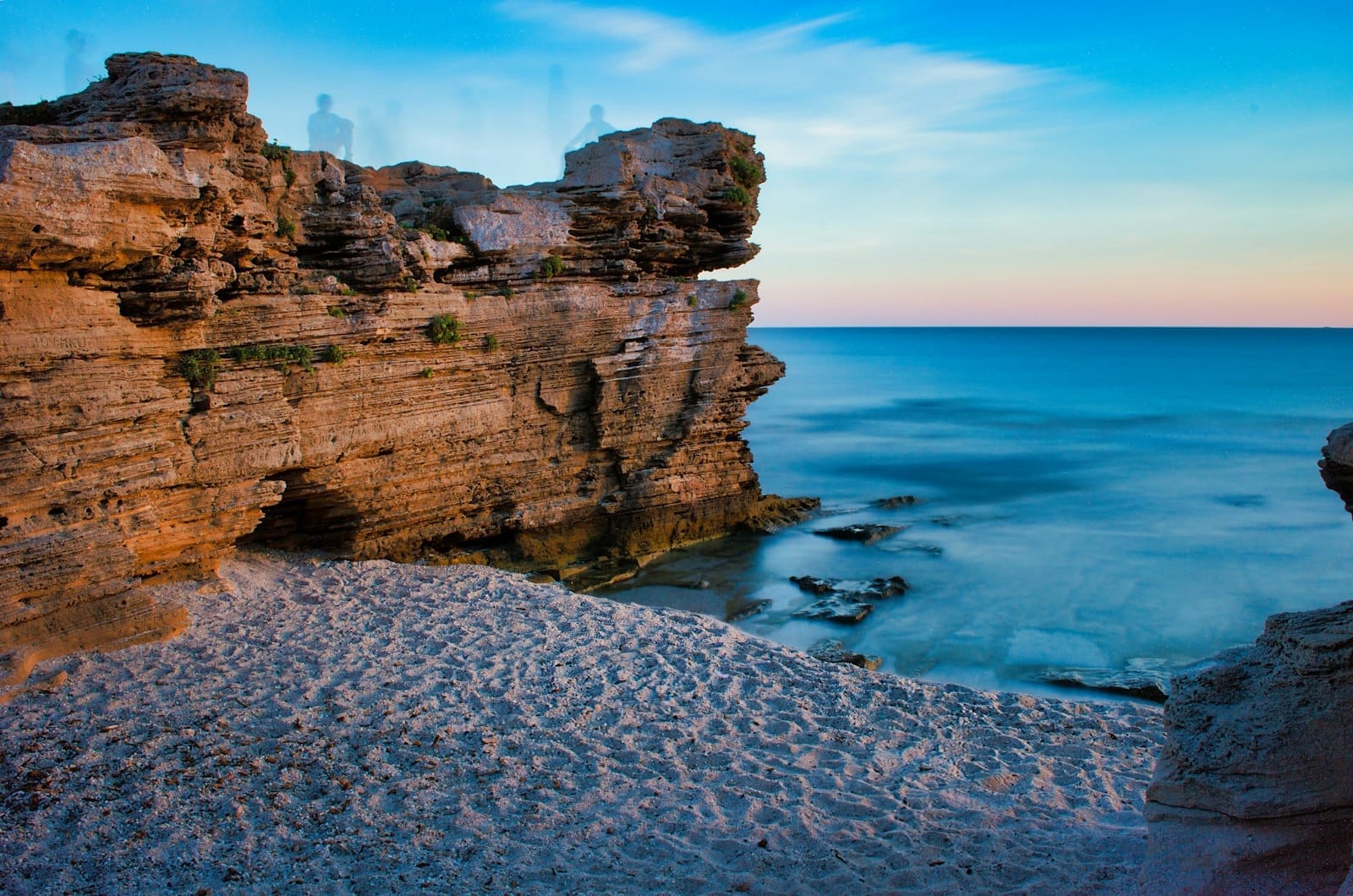
The west coast of Sardinia is the island's least-visited coastline, and it contains some of its most extraordinary beaches. The Sinis Peninsula offers a unique beach composed entirely of quartz grains. Further south, the Costa Verde delivers towering sand dunes and wild, unpatrolled beaches on the Sulcis and southwest coast that see only a fraction of the summer crowds found in the north. The beach at Masua, below the old Porto Flavia mining port, frames one of the most dramatic sea stacks in the Mediterranean.
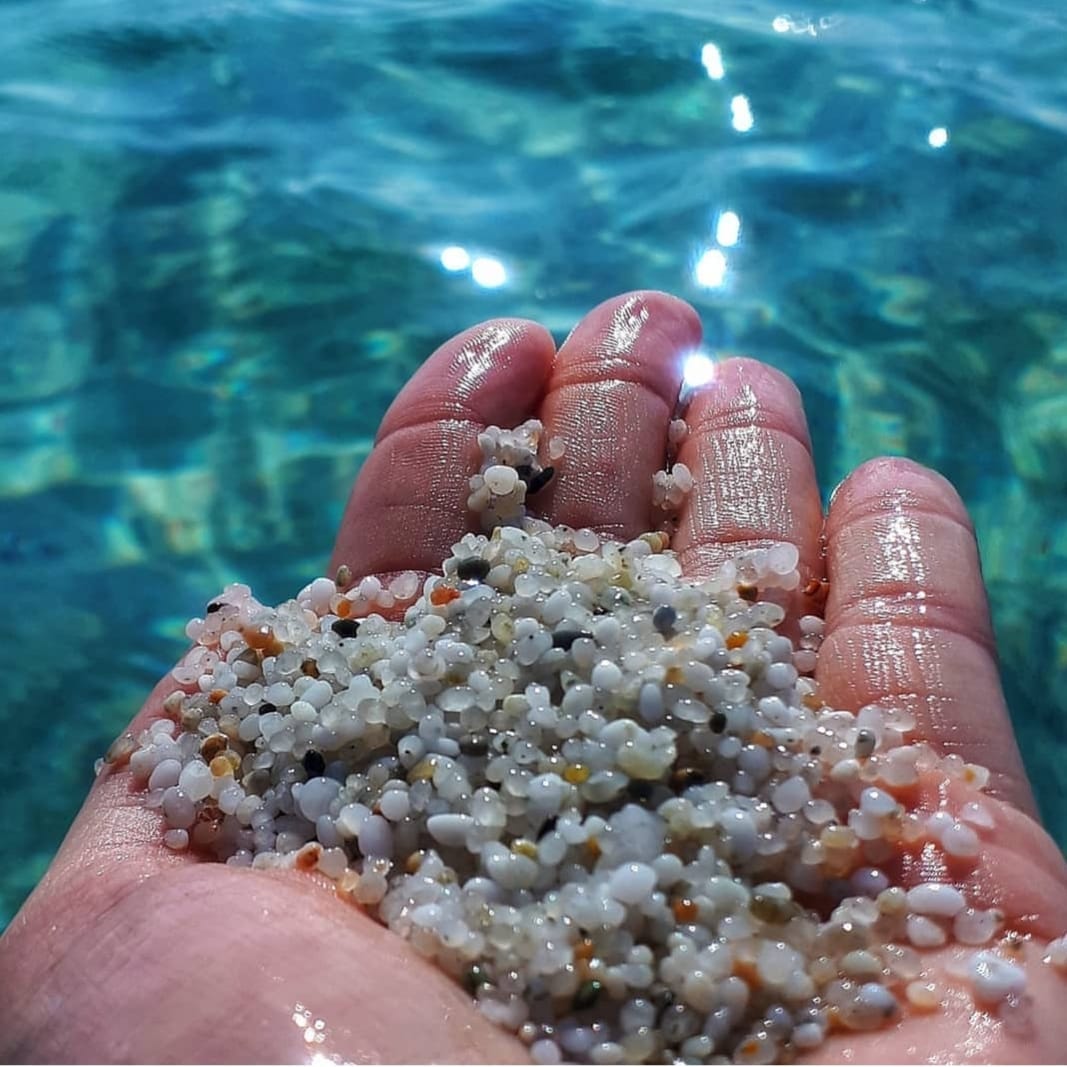
21. Walk on 'Rice Sand' at Is Arutas on the Sinis Peninsula
Is Arutas is composed entirely of tiny quartz grains that look and feel like grains of rice. The colour is extraordinary, shifting from white to pale green depending on the light. A protected beach near Oristano with no removal of sand permitted. Totally unlike anywhere else.
Explore21. Walk on 'Rice Sand' at Is Arutas on the Sinis Peninsula
Is Arutas is composed entirely of tiny quartz grains that look and feel like grains of rice. The colour is extraordinary, shifting from white to pale green depending on the light. A protected beach near Oristano with no removal of sand permitted. Totally unlike anywhere else.
Explore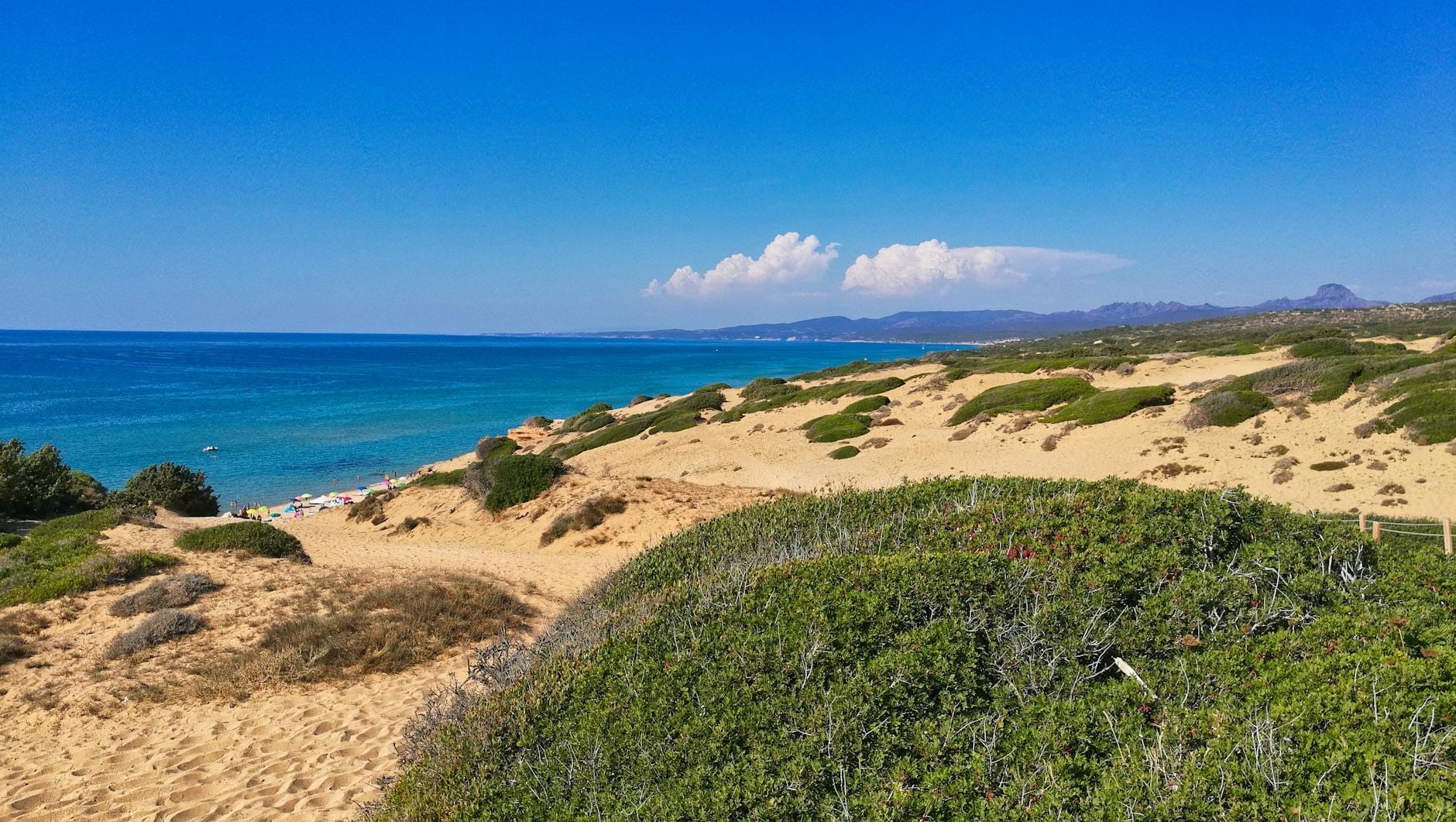
22. Lose Yourself in the Dunes at Piscinas on the Costa Verde
Piscinas is a vast wilderness of sand dunes rising up to 60 metres above a wild, unpatrolled beach on the Costa Verde. Often called the 'Sahara of Sardinia', it is one of the most remote and spectacular coastal landscapes in the Mediterranean. No beach clubs, no crowds.
Explore22. Lose Yourself in the Dunes at Piscinas on the Costa Verde
Piscinas is a vast wilderness of sand dunes rising up to 60 metres above a wild, unpatrolled beach on the Costa Verde. Often called the 'Sahara of Sardinia', it is one of the most remote and spectacular coastal landscapes in the Mediterranean. No beach clubs, no crowds.
Explore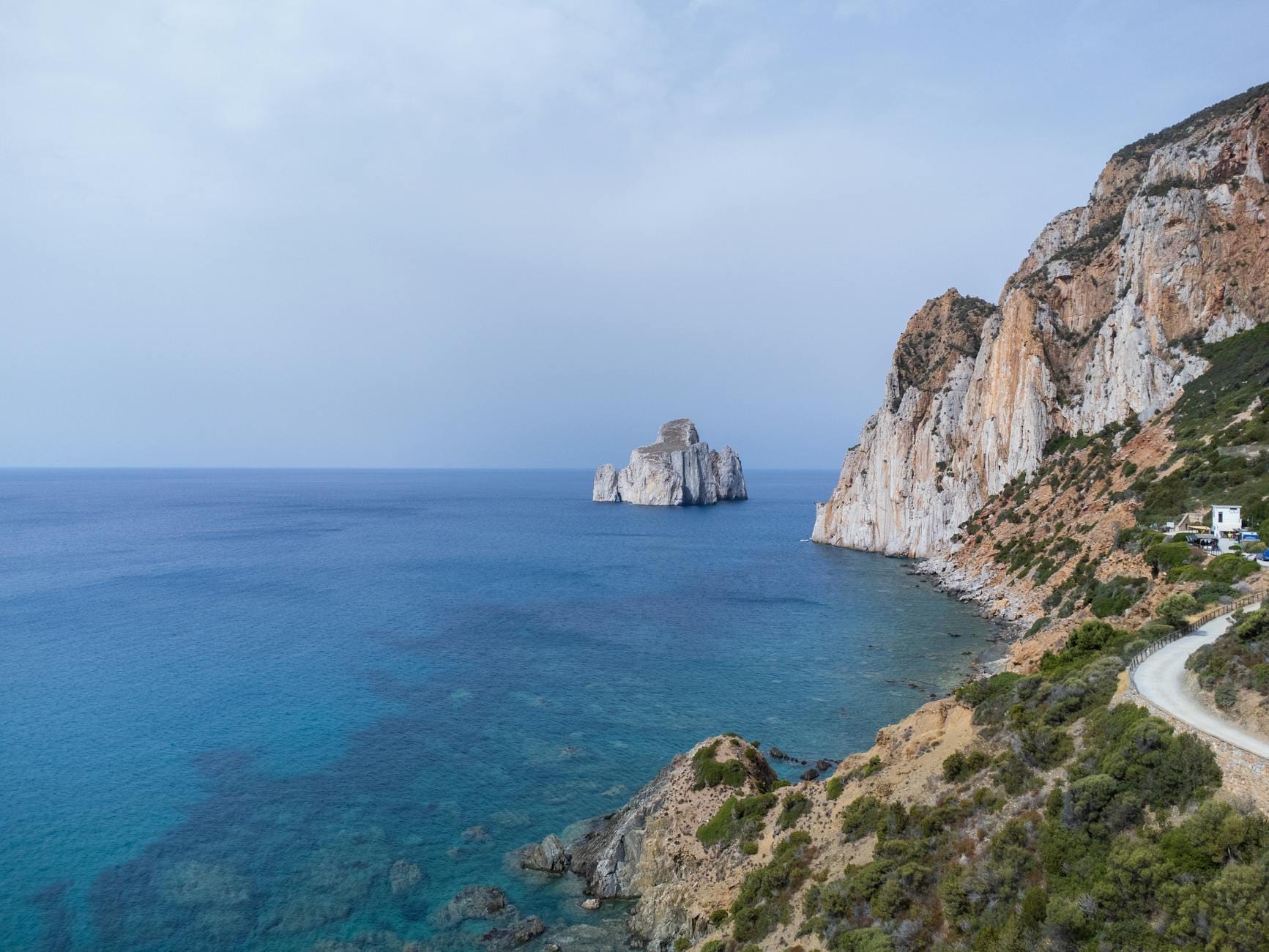
23. Swim Below a Sea Stack at the Dramatic Beach of Masua
Masua sits directly below the cliffs of Porto Flavia and faces the Pan di Zucchero sea stack rising 133 metres from the water. One of the most scenically spectacular beach settings in Sardinia. The contrast of mining history and natural drama is unlike anything else on the island.
Explore23. Swim Below a Sea Stack at the Dramatic Beach of Masua
Masua sits directly below the cliffs of Porto Flavia and faces the Pan di Zucchero sea stack rising 133 metres from the water. One of the most scenically spectacular beach settings in Sardinia. The contrast of mining history and natural drama is unlike anything else on the island.
Explore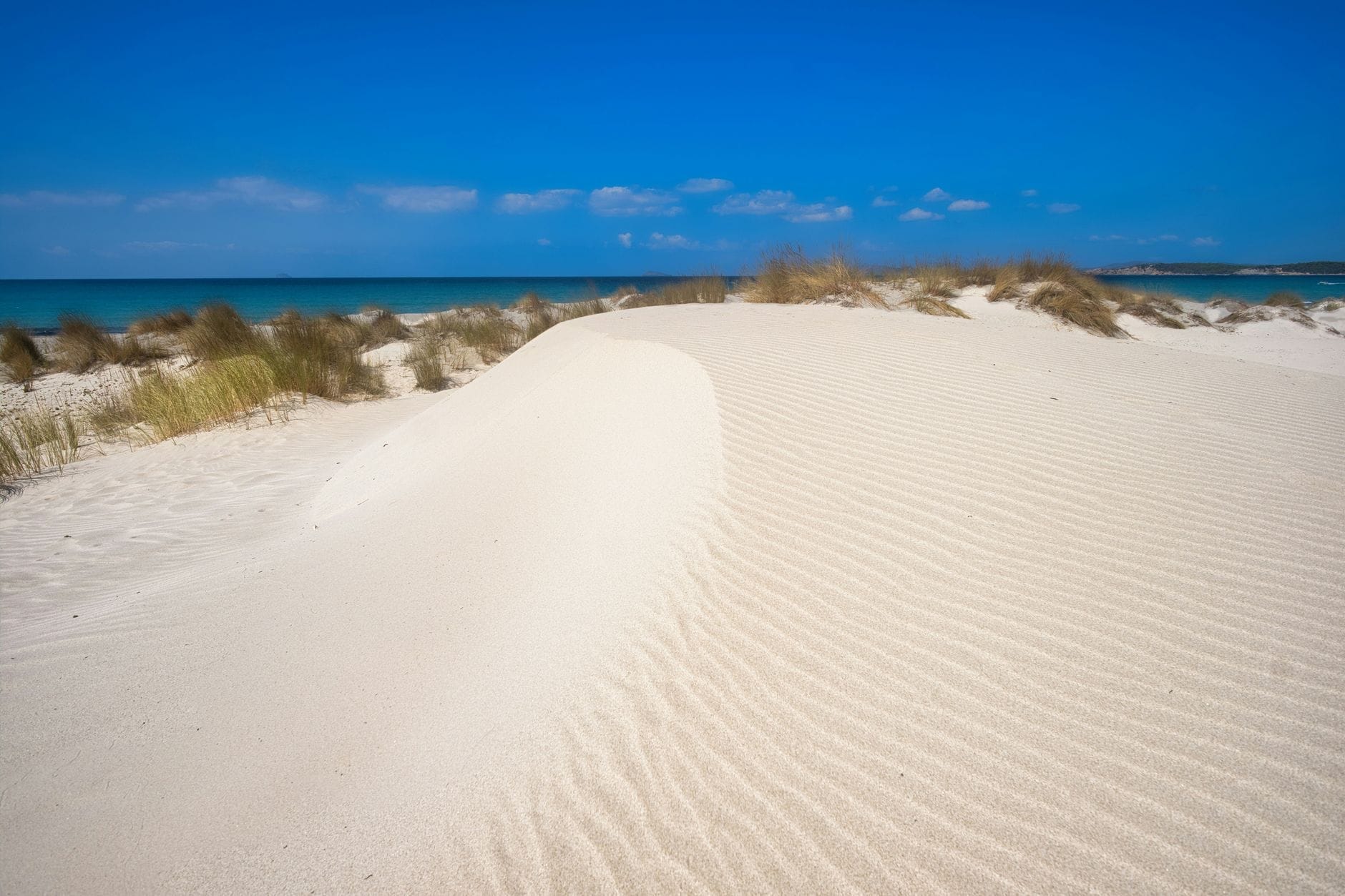
24. Find Empty Beaches and Turtle Nesting Sites at Capo Comino
Capo Comino between Siniscola and Orosei is a wild stretch of sand dunes, juniper scrub, and empty beaches around a historic lighthouse. The area is one of the last loggerhead sea turtle nesting sites in Sardinia. Very few visitors make it here. Bring everything you need.
Explore24. Find Empty Beaches and Turtle Nesting Sites at Capo Comino
Capo Comino between Siniscola and Orosei is a wild stretch of sand dunes, juniper scrub, and empty beaches around a historic lighthouse. The area is one of the last loggerhead sea turtle nesting sites in Sardinia. Very few visitors make it here. Bring everything you need.
Explore✨ Pro tip
The best time to visit Sardinia's beaches is June or September. The water is warm, the parking is manageable, and you can access controlled beaches like La Pelosa and Bidderosa without the August scrum.
Northwest Sardinia: Sea Caves, Watchtowers & Parco Nazionale
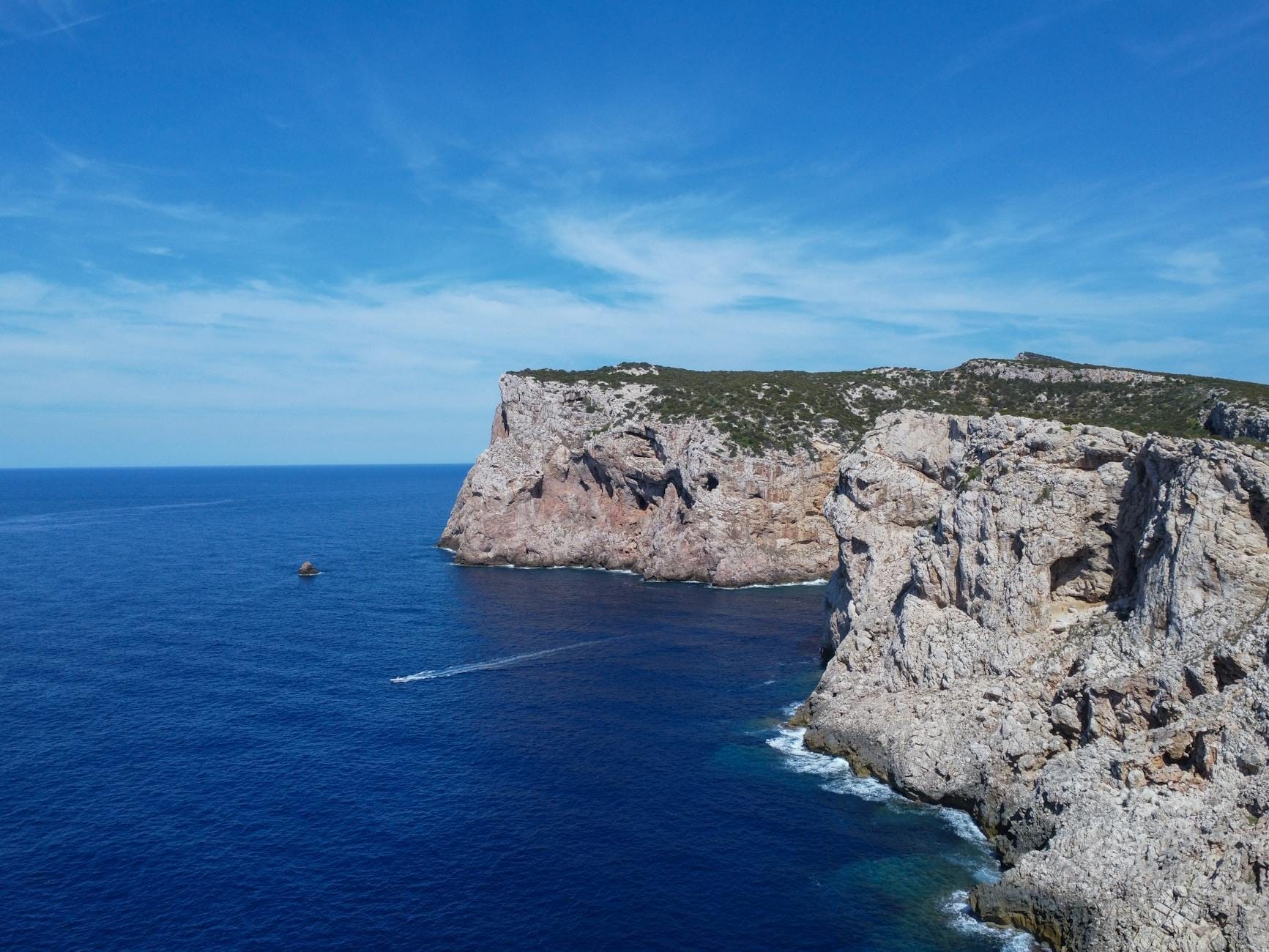
The northwest of Sardinia, centred on Alghero and the Parco Nazionale dell'Asinara, offers a compelling mix of accessible town beaches, protected marine coves, and the wild island experience of Asinara itself. The beaches here tend to be less famous than La Pelosa but equally rewarding, particularly along the Porto Conte bay. Neptune's Grotto, carved into the Capo Caccia cliffs, adds a dramatic inland dimension that pairs naturally with a morning on the beach below.
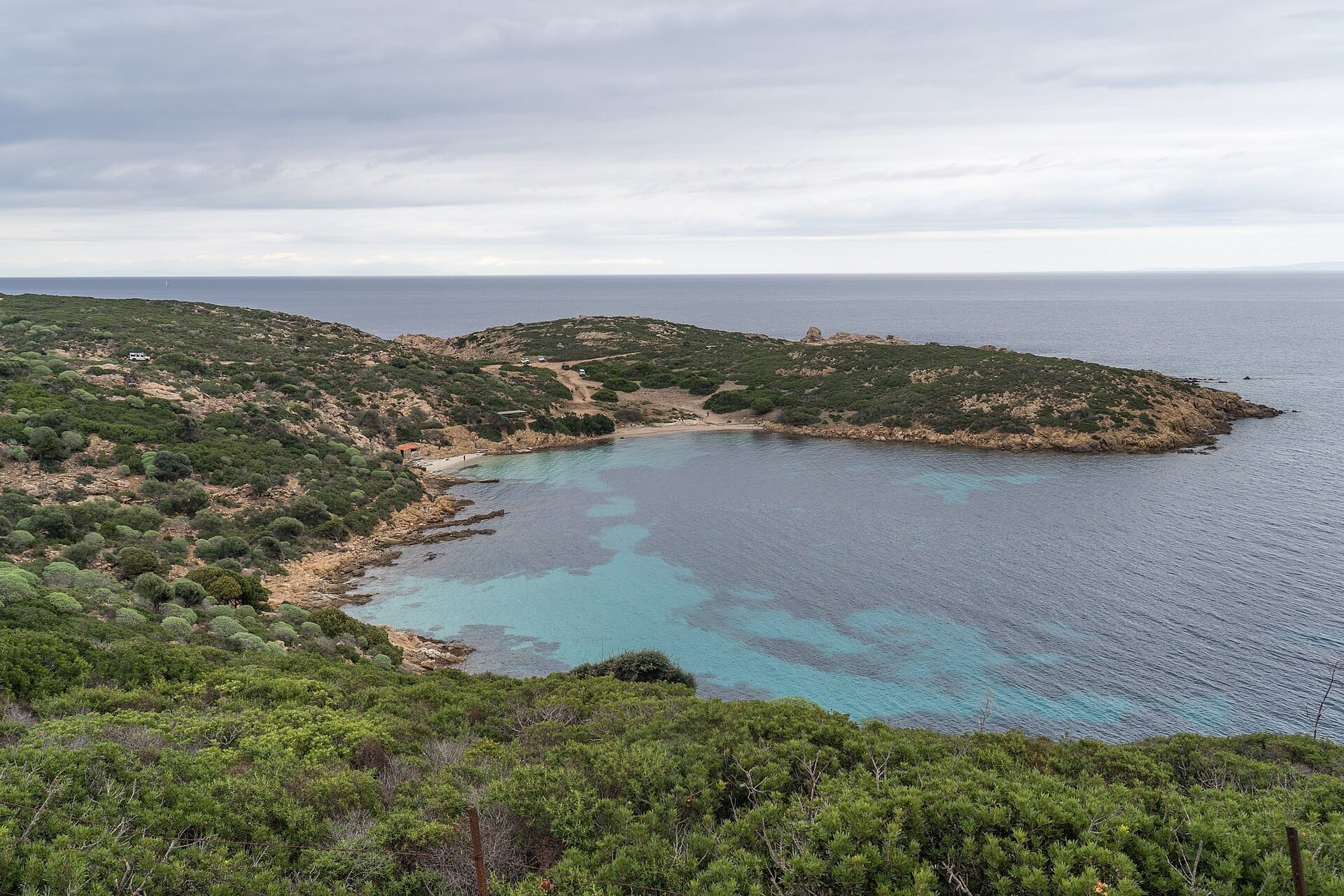
25. Find Pristine Beaches on Asinara, the Former Prison Island
Asinara is a national park accessible only by guided tour or boat from Stintino. The former maximum-security prison island has pristine beaches, clear water, and albino donkeys roaming free. It is one of the few places in Sardinia where the coastline remains completely undeveloped.
Explore25. Find Pristine Beaches on Asinara, the Former Prison Island
Asinara is a national park accessible only by guided tour or boat from Stintino. The former maximum-security prison island has pristine beaches, clear water, and albino donkeys roaming free. It is one of the few places in Sardinia where the coastline remains completely undeveloped.
Explore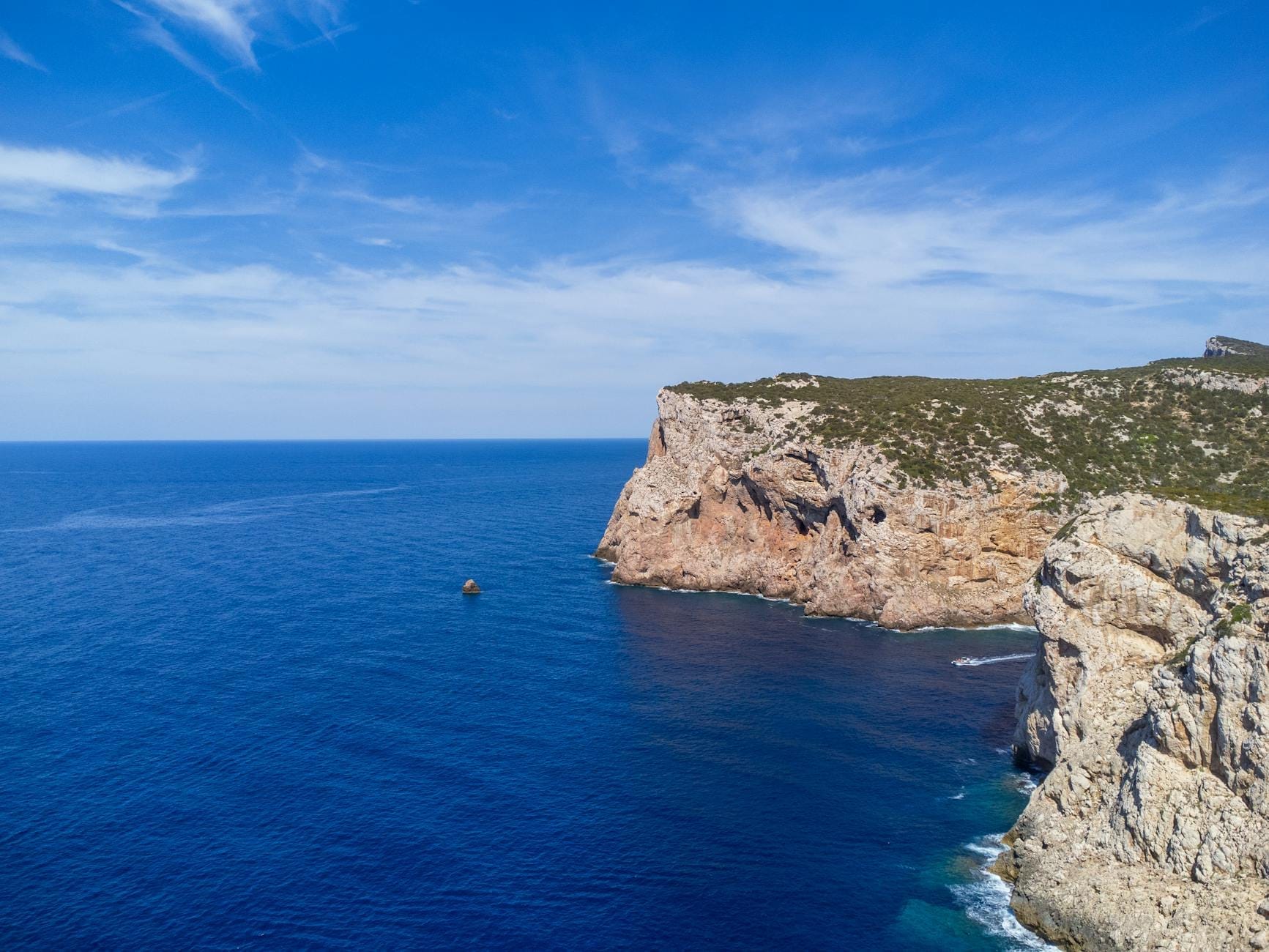
26. Swim in the Protected Waters of Porto Conte Bay
The Porto Conte natural park west of Alghero encompasses a sheltered bay of exceptionally clear water, hiking trails, and the access point for Neptune's Grotto. The beach at Le Bombarde within the park boundary is one of the most accessible and reliable on the northwest coast.
Explore26. Swim in the Protected Waters of Porto Conte Bay
The Porto Conte natural park west of Alghero encompasses a sheltered bay of exceptionally clear water, hiking trails, and the access point for Neptune's Grotto. The beach at Le Bombarde within the park boundary is one of the most accessible and reliable on the northwest coast.
ExploreFAQ
Which is the most beautiful beach in Sardinia?
Cala Goloritzè in the Golfo di Orosei is widely considered the most beautiful beach in Italy. It sits beneath a roughly 148-metre limestone pinnacle and is accessible only on foot via a roughly 1.5–2 hour hike from the Golgo plateau above Baunei or by authorized boat drop-off offshore (with no landing at the beach). Access requires advance online booking with a daily visitor cap of 300 people enforced by the Comune di Baunei.
Which Sardinian beaches require booking in advance?
Three beaches with mandatory advance reservations in high season: La Pelosa near Stintino (book via the Comune di Stintino's system), Cala Goloritzè near Baunei (book via the Cuore di Sardegna portal), and Bidderosa near Orosei (access via a limited daily quota managed by permits and a shuttle/parking system, bookable online). All three have daily visitor caps and turn away visitors who arrive without a reservation.
What is the best time of year to visit Sardinia's beaches?
June and September are the sweet spots. The sea is warm enough for comfortable swimming, the beaches are accessible without the August crowds, and prices for accommodation and boat tours are lower. July and August are the busiest and hottest months, with parking and access to controlled beaches becoming difficult. May is worth considering for the south and west coast beaches.
How do you get to the Golfo di Orosei beaches?
Most beaches in the Golfo di Orosei, including Cala Luna and Cala Mariolu, are not accessible by road and require either a boat trip or a long hike, while Cala Goloritzè is reached only on foot or by offshore boat stop with no landing. Boat tours depart daily from Cala Gonone and Santa Maria Navarrese between May and October, visiting multiple coves in a day for around €40 to €60 per person. Some coves can be reached by hiking down from the Supramonte plateau, but these are full-day commitments requiring good fitness.
Are there good beaches near Cagliari?
Yes. Poetto is Cagliari's own eight-kilometre urban beach, accessible by bus from the city centre and backed by beach clubs and bars. Further afield, Porto Giunco and Punta Molentis near Villasimius are about an hour by car and consistently rank among the finest beaches in southern Sardinia. Chia and Tuerredda in the Sulcis are about an hour's drive south and offer a wilder, less developed beach experience.