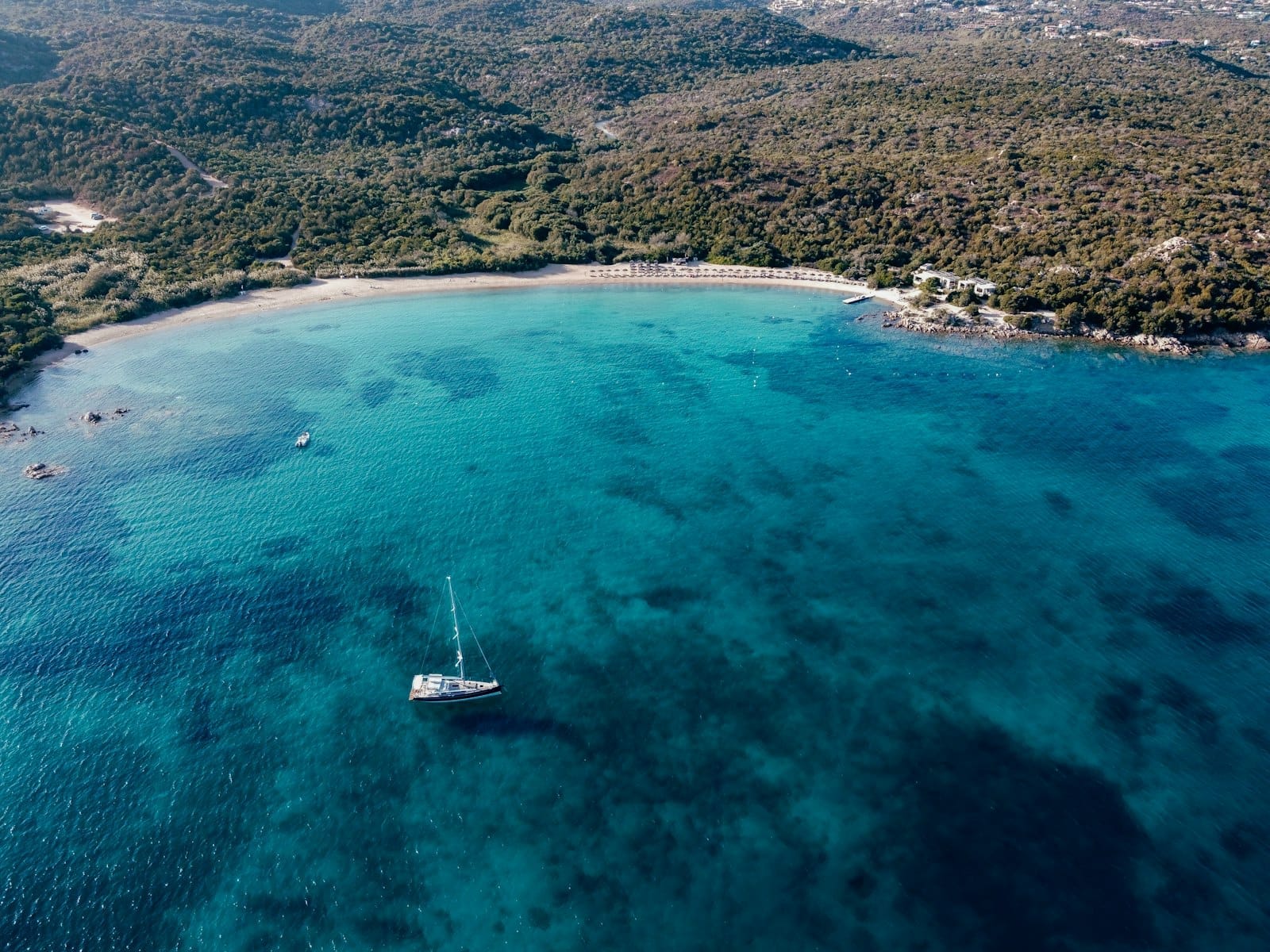
Costa Smeralda is northeastern Sardinia's most famous stretch of coastline, a purpose-built luxury enclave of emerald coves, white-sand beaches, and designer marinas centered on Porto Cervo. Created in the 1960s by a consortium led by Karim Aga Khan IV, it remains one of Europe's most exclusive resort destinations, drawing yachts, celebrities, and travelers willing to pay a premium for some of the Mediterranean's most spectacular scenery.
Costa Smeralda is northeastern Sardinia's most celebrated coastline: roughly 20 kilometers of granite headlands, emerald coves, and pink-tinged beaches in the Gallura region, anchored by the purpose-built resort of Porto Cervo. It was conceived in the 1960s as a private luxury enclave and has never quite stopped being one, which means the scenery is extraordinary and so are the prices.
Orientation
Costa Smeralda sits in the far northeast of Sardinia, in the historical region of Gallura and the administrative province of Olbia-Tempio (today incorporated into the Province of Sassari). The coastline falls within the municipality of Arzachena, though the name is widely applied to a broader arc of resorts stretching from Portisco in the south to the Pitrizza headland in the north, with the Capo Ferro lighthouse marking the northeastern tip. Porto Cervo sits at the geographic and social center of it all.
Olbia is the practical gateway. The city lies about 25 to 30 kilometers to the south, connected to Costa Smeralda by regional roads that wind through juniper-scented macchia. Olbia Costa Smeralda Airport (IATA: OLB) is around 4 kilometers southeast of Olbia's city center and is the main point of entry for the entire northeastern corner of the island. Ferry services from Civitavecchia, Livorno, and Genoa also dock at Olbia, making it equally accessible by sea from the Italian mainland.
The broader Gallura region gives Costa Smeralda its backdrop: a landscape of rounded granite boulders, low Mediterranean scrub, and clear shallow water that does shift between turquoise and deep emerald depending on the light and depth. For a wider picture of this corner of Sardinia, the Gallura region guide covers everything from inland vineyards to the archipelago towns further north.
The main resort clusters are strung along the SP94 and smaller coastal roads. Porto Cervo is the hub. Baja Sardinia sits a few kilometers to the north, smaller and marginally less formal. Cala di Volpe and Capriccioli occupy the southern end of the Consortium's original territory, while Porto Rotondo, technically just outside the Consortium's defined boundary, functions as a close neighbor with a similar character.
Character and Atmosphere
The first thing most visitors notice is how planned everything looks. Porto Cervo was not an existing fishing village transformed by tourism; it was designed from scratch in the 1960s under the direction of the Costa Smeralda Consortium, with architecture loosely modeled on vernacular Sardinian forms but executed at a scale and finish that reads as theatrical. The ochre and terracotta buildings around the Piazzetta feel more like a film set than an organic town center, and that is not necessarily a criticism. It is clean, well-maintained, and attractive, just not raw.
In the early morning, before ten o'clock, Costa Smeralda is almost serene. The marina at Porto Cervo reflects the masts of yachts in still water. Bakers and café staff open shutters along the Promenade du Port. The light at this hour is soft and angled, hitting the granite outcrops above the town in a way that photographs well but also simply feels good to walk through. This is the best time to reach the beaches: parking is easy, the water is glassy, and you can actually spread a towel without negotiating for space.
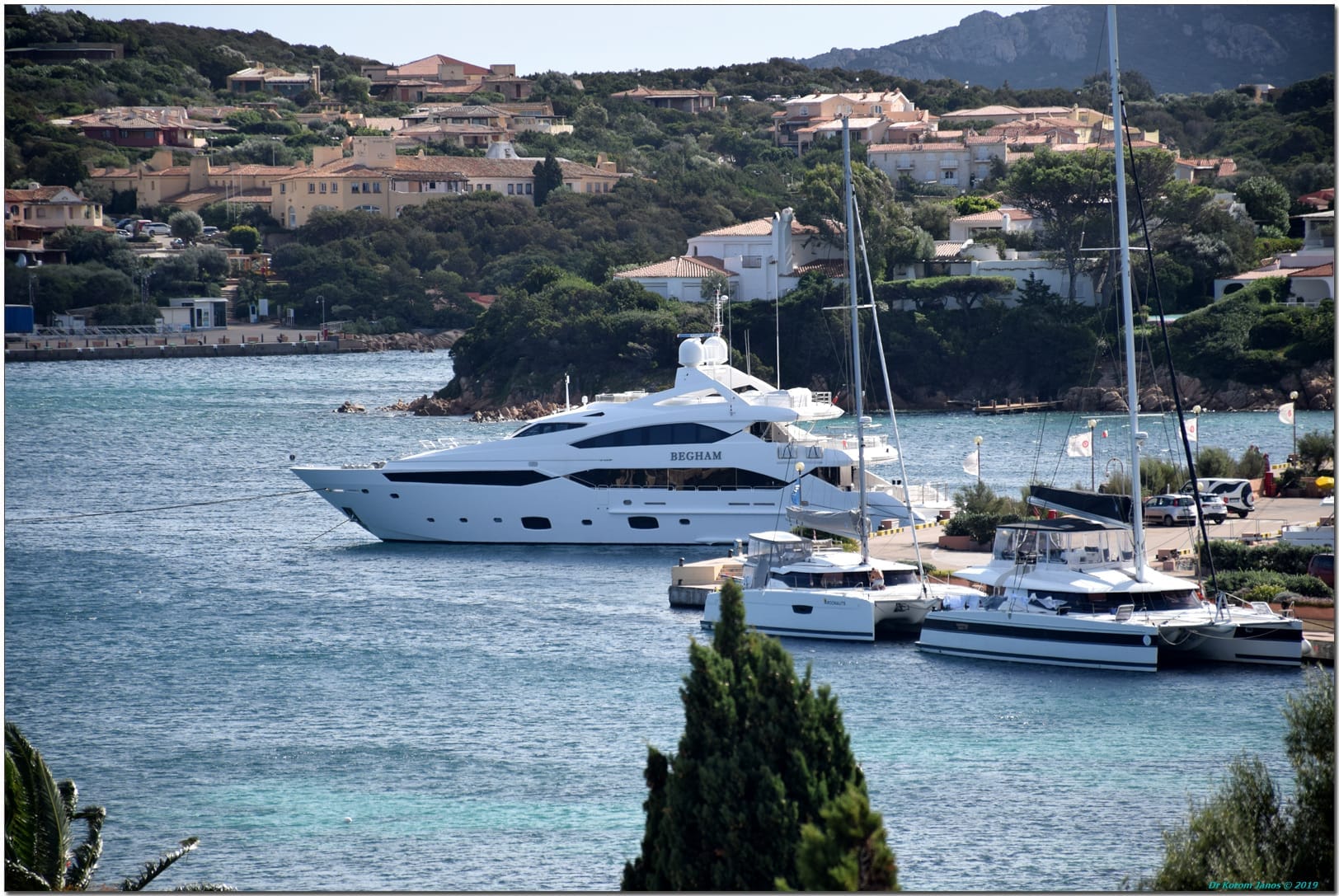
By midday in July and August, the character shifts entirely. The marinas fill with superyachts. The Piazzetta in Porto Cervo becomes a slow promenade of expensive sunglasses and linen shirts. Beach clubs on Capriccioli and Spiaggia del Principe put out their sun loungers and begin charging accordingly. The roads between resorts back up. The atmosphere is more performance than relaxation during peak weeks, which is either the point or the problem depending on what you came for.
After dark, the energy concentrates around the Piazzetta and the marina waterfront. High-end restaurants fill up slowly, with the Italian rhythm of late dining meaning most tables turn after nine in the evening. Nightclubs in the area, particularly those around Porto Cervo and Baja Sardinia, operate until the early hours in summer and close entirely in winter. By October, large sections of Costa Smeralda are shuttered and quiet, with only a handful of year-round residents remaining.
ℹ️ Good to know
Costa Smeralda operates almost entirely as a seasonal destination. Most hotels, restaurants, beach clubs, and shops open from late May or early June and close by mid-October. Visiting outside this window means finding a dramatically different, largely dormant landscape.
What to See and Do
The beaches are the primary reason people come, and they deserve their reputation. The coastline is highly indented, meaning small coves are tucked between granite headlands at regular intervals, each with slightly different character. Water clarity throughout the area is exceptional, with visibility often reaching several meters in calm conditions.
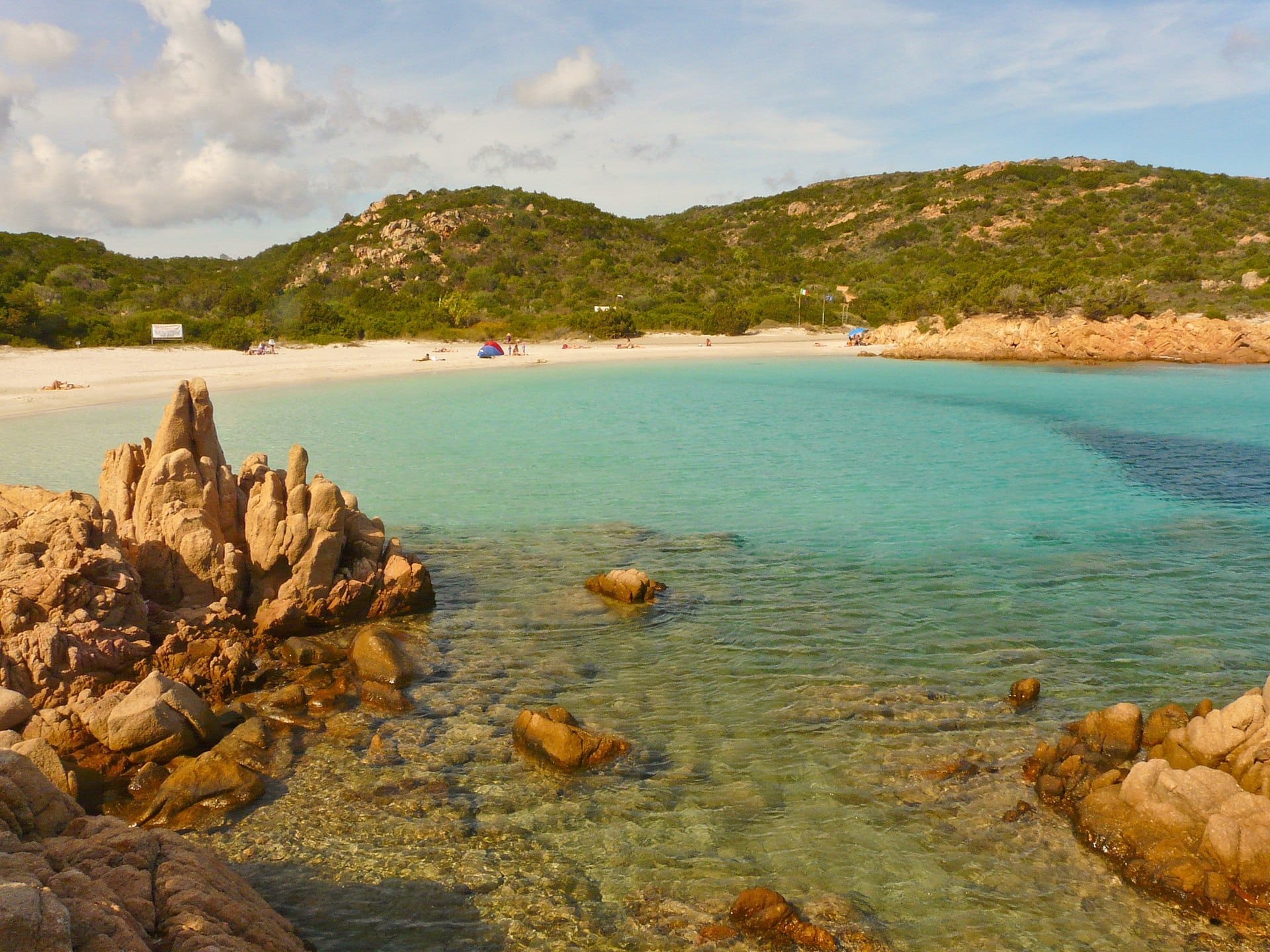
Spiaggia del Principe, on the southern portion of the Consortium coastline near Cala di Volpe, is widely regarded as the area's finest beach: a broad arc of pale sand backed by low granite and pine with water that grades from pale green to deep blue. It is named after the Aga Khan, who reportedly favored it. Spiaggia del Principe draws crowds in August but remains one of Sardinia's most photographed stretches of coast for good reason.
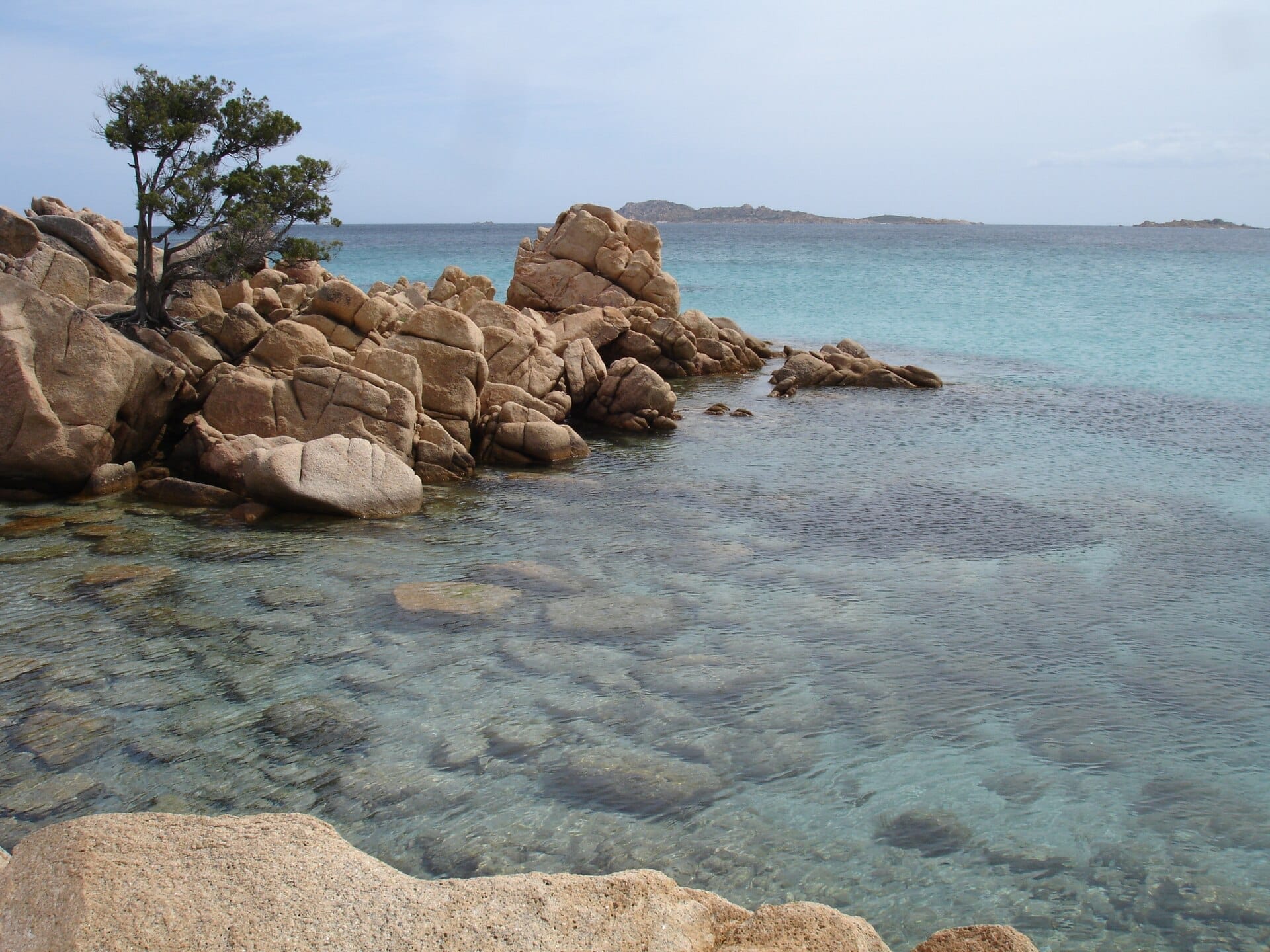
Capriccioli, slightly further south, offers a cluster of small coves rather than a single grand beach. The granite formations here are dramatic at the waterline, and the water between the rocks is shallow enough for snorkeling without equipment beyond a mask. Capriccioli beach tends to attract a slightly younger, less yacht-club crowd than some of the more manicured options further north.
The Porto Cervo marina itself is worth an hour of wandering even if you have no nautical connection. The scale of the yachts moored here in summer is impressive, and the waterfront promenade provides a clear view of the social theater that defines Costa Smeralda at its most intense. For context on the wider luxury travel scene in Sardinia, the luxury Sardinia guide covers high-end options across the island.
Porto Cervo Piazzetta and marina waterfront: the social center, best explored in the evening
Spiaggia del Principe: the area's benchmark beach, near Cala di Volpe
Capriccioli coves: better for snorkeling and a less formal atmosphere
Baja Sardinia: smaller resort north of Porto Cervo with a more relaxed pace
Golf Club Pevero: one of Sardinia's most prestigious courses, with views over the bay
Coastal boat trips: the standard way to access more remote coves inaccessible by road
Boat trips are effectively essential for reaching the coves that have no road access. Several operators out of Porto Cervo and Baja Sardinia run half-day and full-day excursions along the coast, often continuing north toward the La Maddalena Archipelago, whose islands sit just a short distance offshore and contain beaches that rival anything on the Costa Smeralda itself.
💡 Local tip
Rent a small motorboat from Porto Cervo or Baja Sardinia if you want flexibility. Many coves on the Costa Smeralda coastline are accessible only by water, and having your own vessel means arriving before the tour groups and leaving when you choose. A license is required for boats above a certain engine size; check current Italian maritime regulations before booking.
Eating and Drinking
Costa Smeralda's food scene is high-end and priced to match the clientele. The Piazzetta area in Porto Cervo hosts several restaurants where a pasta dish costs what a full meal would elsewhere in Sardinia, and where a bottle of local Vermentino on the wine list carries a markup that reflects the marina view rather than the grape. That said, the quality in the better establishments is good, and Sardinian ingredients, the local seafood, bottarga, the cheeses and cured meats, appear on menus here in polished presentations.
Sardinian cuisine in its original form is a long way from what most Costa Smeralda restaurants serve, but the regional flavors are present. Bottarga, the cured mullet roe that is a Sardinian staple, appears grated over pasta or sliced thin as an antipasto. Fresh fish, often grilled simply or presented as crudo, dominates second courses. Local Vermentino di Gallura wine, produced in the granite-soil vineyards of the surrounding region, is the correct pairing and widely available. The Sardinia food guide gives a fuller picture of regional specialties worth seeking out.
For more affordable eating, Baja Sardinia has a slightly less formal character than Porto Cervo proper, with pizzerias and casual restaurants alongside the standard resort fare. Arzachena, the actual town at the center of the municipality, about 15 kilometers inland from Porto Cervo, is where locals eat and where prices drop considerably. A drive into Arzachena for lunch is a practical strategy for travelers staying on the coast who want a meal that does not feel designed for superyacht guests.
Bar life in Porto Cervo follows the Italian rhythm: a coffee standing at the bar in the morning, aperitivo from around six in the evening, dinner late. The aperitivo tradition is alive here, though it tends toward Aperol spritz and Campari rather than the more inventive local takes you might find in Cagliari's bar scene. Beach clubs serve food and drinks through the day at beach-club prices, which is to say, substantially more than anywhere without a parasol and a direct sea view.
⚠️ What to skip
Budget travelers will find Costa Smeralda challenging. A coffee at a bar in Porto Cervo's Piazzetta costs more than double the standard Italian bar price. Supermarkets exist in Arzachena and Olbia but not in the resort areas themselves. Plan food costs carefully if you are not staying in a hotel with meal service.
Getting There and Around
Olbia Costa Smeralda Airport (OLB) is the standard arrival point. It sits around 4 kilometers southeast of Olbia's city center and receives direct flights from major European cities throughout the summer season, with significantly reduced services from October through April. In high summer, flights arrive from London, Paris, Frankfurt, Amsterdam, and dozens of other European cities, making this one of Sardinia's busiest airports for international leisure travelers.
From Olbia airport to Porto Cervo, the most practical option is a rental car or taxi. The drive takes approximately 30 to 35 minutes via the SS125 and SP94 in normal conditions, though August traffic on coastal roads can extend this considerably. Car hire is widely available at the airport and is effectively necessary for exploring Costa Smeralda properly. There is no rail connection into the resort area. For general advice on navigating Sardinia without a car, the getting around Sardinia guide covers all transport options across the island.
Seasonal bus services connect Olbia with Porto Cervo and Baja Sardinia, operated by regional companies under the ARST network. These run more frequently in July and August and reduce significantly in shoulder months. Timetables change year to year, so check current schedules with ARST or the Olbia city transport operator ASPO before relying on buses as a primary means of getting around the resort area.
Within Costa Smeralda itself, distances between beaches and resorts are short on the map but awkward without a vehicle. The coastal roads are narrow, winding, and have limited parking at popular beaches in peak season. Arriving at Spiaggia del Principe by car on a Saturday morning in August requires either very early arrival, before eight, or accepting a long walk from wherever parking is found. Cycling is possible in theory but the road conditions and summer heat make it demanding.
Ferries from Civitavecchia (near Rome), Livorno, and Genoa serve Olbia's port throughout the year, with more frequent services in summer. This is a useful option for travelers arriving with a car from mainland Italy. The Sardinia road trip guide outlines how to combine the Costa Smeralda with other parts of the island on a longer itinerary.
Where to Stay
Accommodation in Costa Smeralda skews dramatically toward the luxury end. The Consortium area contains some of Italy's most expensive hotels, including landmark properties at Cala di Volpe, Pitrizza, and Romazzino, all of which have been fixtures of the European luxury market since they opened in the late 1960s and early 1970s. These are architectural landmarks as much as hotels: low-slung, granite-clad, integrated into the landscape in a way that still looks considered half a century later.
Porto Cervo itself has hotel options at various points within the luxury spectrum, including smaller boutique properties in and around the Piazzetta. Baja Sardinia, a few kilometers north, offers a slightly broader range, with some apartment complexes and smaller hotels that are expensive by general standards but significantly less so than the Consortium's flagship properties. Renting a villa is a common choice for families or groups; the area around Arzachena and the coastal roads has a dense supply of private villas available through the main rental platforms.
For travelers who want access to Costa Smeralda's beaches without paying resort prices for accommodation, Olbia is the practical alternative base. The city has a reasonable range of hotels at more normal Italian prices, and the drive to Porto Cervo takes under 40 minutes. Olbia also has genuine local life, a historic center, and restaurants where the menu is priced for residents rather than superyacht crews.
The where to stay in Sardinia guide compares accommodation options across the island's regions, including practical notes of what different budgets can realistically expect in the northeast.
Who Costa Smeralda Is For
Costa Smeralda delivers on its central promise: the water is exceptional, the beaches are among the best in the Mediterranean, and the infrastructure for a comfortable luxury holiday is thorough and well-maintained. If those are your priorities and budget is not the primary constraint, the area earns its reputation.
The main drawbacks are equally clear. The area is expensive at every level. It is extremely crowded in July and August, when the beaches, roads, and restaurants all operate at or beyond comfortable capacity. The resort architecture, however well-designed by its own standards, does not give you authentic Sardinian character. The interior of Sardinia, the Barbagia mountain villages, the Nuragic archaeological sites, the agriturismo farms where actual Sardinian food traditions survive, is a different world entirely and largely inaccessible from within the Costa Smeralda bubble.
Travelers visiting Sardinia for the first time who want to understand the island broadly would be better served by a wider itinerary. The one week in Sardinia itinerary suggests how to balance coastal time with the island's other, less publicized landscapes. For those specifically interested in what Sardinia looks like away from the resort coast, the Sardinia hidden gems guide covers areas that see a fraction of the Costa Smeralda crowd.
The shoulder season, specifically late May, June, and September, represents the strongest case for visiting. Temperatures are warm, the water swimmable, the roads clear, and prices noticeably lower. September in particular can feel like a different destination: the same scenery with a quarter of the people. The September in Sardinia guide makes this case in more detail.
TL;DR
Costa Smeralda covers roughly 20 kilometers of coastline in northeastern Sardinia, centered on the purpose-built resort of Porto Cervo in the municipality of Arzachena, about 30 kilometers north of Olbia.
The beaches, particularly Spiaggia del Principe and the Capriccioli coves, are exceptional: pink-white sand, emerald water, and granite headland scenery that justifies the area's reputation.
This is one of Europe's most expensive resort areas. Budget travelers will struggle; even mid-range visitors should expect prices significantly above the rest of Sardinia.
The area is overwhelmingly seasonal. Outside the June to September window, most facilities are closed. The crowds and road congestion in July and August are intense; late May, June, and September offer the best balance.
Best suited to: luxury travelers, couples on a splurge, yacht visitors, and beach-focused holidays where the primary goal is exceptional water and scenery rather than cultural depth or local character.
Fourteen days is the right amount of time to properly explore Sardinia's four coastlines, mountainous interior, and ancient ruins. This itinerary covers the full circuit by car, from Cagliari in the south to Alghero in the northwest, with practical advice on timing, logistics, and where to skip the tourist traps.
Sardinia has about 1,850 kilometres of coastline and some of the clearest water in the Mediterranean. This guide covers the best beaches across the island, from the famous to the hard-to-reach, with practical advice on access, crowds, and when to go.
Sardinia rewards visitors differently depending on when they arrive. This guide cuts through the vague advice to explain exactly what each season delivers, from peak-summer beach conditions to spring wildflower hikes and quiet winter city breaks, so you can match your trip to your priorities.
Cagliari sits at the southern tip of Sardinia, placing you within striking distance of some of the island's finest beaches, archaeological sites, and natural landscapes. These 20 day trips range from quick 30-minute drives to full-day adventures into the island's wild interior.
Sardinia covers 24,090 km² of mountains, coastline, and rural roads with no motorways. This guide breaks down every realistic transport option, from renting a car to catching the right ferry, so you can plan a trip that actually works.
Sardinia is far more than a beach destination. Its limestone canyons, granite peaks, and ancient shepherd paths offer some of the most dramatic hiking in the Mediterranean. This guide covers the best trails from day walks to multi-day epics.
Sardinia is Italy's second-largest island and one of the Mediterranean's most remarkable destinations — but it rewards those who plan well and punishes those who assume it's just another beach holiday. This guide cuts through the marketing to give you a clear-eyed picture of what Sardinia offers, who it suits best, and what to expect.
Sardinia delivers some of Europe's most coveted luxury travel experiences, from the yacht-lined marina at Porto Cervo to secluded villas with private pools above crystalline coves. This guide breaks down where to stay, when to go, and how to build a high-end Sardinian itinerary that goes beyond the obvious.
Olbia is where most visitors to northeast Sardinia first set foot, then immediately drive away toward Costa Smeralda. That's a mistake. This guide covers what the city actually offers, from its Nuragic roots and early Christian basilica to boat trips around Tavolara, the best nearby beaches, and everything you need to arrive, orient yourself, and explore the Gallura region properly.
Seven days in Sardinia is enough time to experience the island's best beaches, ancient sites, and coastal scenery — but only if you plan carefully. This day-by-day itinerary covers the most rewarding route, with practical logistics, timing advice, and the practical details most guides leave out.
Agriturismo is one of the most rewarding ways to experience Sardinia beyond the coast. This guide covers what a real agriturismo is, where to find the best ones, what food to expect, prices to budget for, and how to avoid countryside guesthouses masquerading as working farms.
Sardinia is home to the world's first identified Blue Zone, a cluster of inland villages in the Ogliastra region where living past 100 is far from unusual. This guide breaks down the research, the lifestyle factors, the villages worth visiting, and how to experience the culture behind the longevity — without the tourist traps.
Sardinia's most spectacular landscapes are only reachable by water. This guide covers the best boat trips across the island, from the pink-sand coves of La Maddalena to the towering limestone cliffs of the Gulf of Orosei, with tips on what to expect, when to go, and how to book.
Sardinia has some of the most spectacular camping terrain in the Mediterranean, from cliff-backed coves to pine-shaded coastal pitches. But the rules around wild camping are strict and widely misunderstood. This guide covers the legal framework, regional campsite highlights, realistic costs, and seasonal booking strategy.
Two islands, 11 km apart, yet remarkably different in culture, cost, and character. This guide breaks down the real differences between Sardinia and Corsica so you can choose the one that actually matches your trip.
Sardinia's festival calendar runs nearly year-round, from winter carnival traditions to autumn food fairs. This guide covers the major events by season, what to expect at each, and how to plan your trip around them without getting caught off-guard.
Sardinian food is not Italian food with a regional accent — it is a cuisine shaped by centuries of pastoral life, coastal abundance, and fierce cultural independence. This guide covers the dishes you need to try, the wines worth seeking out, and how to eat well without getting steered toward the tourist menu.
Sardinia rewards those who look beyond the famous beaches. This guide uncovers the island's lesser-known archaeological wonders, dramatic inland landscapes, and coastal stretches that see a fraction of the summer crowds, from Bronze Age cities to wild dune deserts.
Sardinia delivers some of the Mediterranean's most striking coastal scenery, and it rewards couples who look beyond the obvious. This guide covers the best romantic beaches, the right season to visit, where to base yourself, and the experiences that actually make a trip feel special rather than simply scenic.
May and June are arguably the best months to visit Sardinia. Temperatures sit in the low-to-mid 20s°C, rainfall is minimal, beaches are largely empty, and prices are a fraction of August rates. This guide covers everything you need to plan a trip during Sardinia's sweet spot.
September and October are arguably the smartest months to visit Sardinia. The sea is still warm, the beaches clear out, prices drop by up to 50% compared to August, and the island's food and culture festivals hit their stride. This guide covers everything: what the weather is really like, which beaches and attractions to prioritize, what closes early, and how to plan a trip that beats the summer crowds without missing out on anything.
July and August in Sardinia mean scorching heat, crystal-clear water, and the most crowded beaches in the Mediterranean. This guide breaks down exactly what to expect: temperatures, sea conditions, crowd patterns, transport logistics, and the honest trade-offs of visiting during peak season.
Sardinia's drink culture runs much deeper than Cannonau and Vermentino. From bitter chinotto and blood orange spremuta to coffee granita and herbal aperitivi, the island offers a full range of non-alcoholic options rooted in Italian tradition. This guide covers what to order, when to order it, and what to expect to pay.
Sardinia holds more than 7,000 surviving nuraghe, making it the richest Bronze Age landscape in the Mediterranean. This guide covers the essential Nuragic sites across the island, from towering fortress complexes and sacred wells to rock-cut tombs, colossal stone statues, and hidden village ruins inside mountain sinkholes.
Sardinia has a reputation as a playground for superyachts and celebrity holidays. That reputation is earned in places like Costa Smeralda — but it doesn't apply to the rest of the island. With the right timing, transport choices, and a few local habits, visiting Sardinia on a budget is entirely realistic. This guide breaks down exactly how.
Sardinia rewards self-drivers more than almost anywhere in the Mediterranean. This guide covers everything you need: which airport to fly into, how long routes actually take, when to go, what to rent, and the coastal and inland drives worth building your itinerary around.
Sardinia has some of the clearest water in the Mediterranean, protected by a network of marine reserves that have allowed groupers, barracuda, and Posidonia seagrass meadows to thrive. This guide covers the best snorkelling and diving destinations across the island, from the sheltered coves of the Golfo di Orosei to the offshore shoals of Capo Caccia and the archipelago waters of La Maddalena.
Sardinia has one of the most reliable Mediterranean climates in Europe, but the difference between a perfect trip and a sweaty, overpriced one often comes down to timing. This guide breaks down Sardinia's weather month by month, covers regional climate differences, and tells you exactly when to visit based on what you want to do.
Sardinia is one of Europe's premier destinations for windsurfing and kitesurfing, with reliable Mistral winds, warm water, and spots suited to everyone from first-timers to competition riders. This guide covers the island's top locations, from the world-famous flats of Porto Pollo to the wave-lashed beaches of the south.
Sardinia produces some of Italy's most distinctive wines, from the rich, age-worthy Cannonau of the Barbagia highlands to the mineral Vermentino di Gallura DOCG on the granite soils of the northeast. This guide covers every major grape, appellation, regional style, and where to taste them on the island.
Sardinia is one of the Mediterranean's top destinations for families, with shallow turquoise bays, a long swimming season, and a wealth of activities beyond the beach. This guide covers the best family-friendly beaches by region, when to go, how to get around, and what to do when the kids have had enough sun.
Sardinia rewards travelers who look beyond its famous beaches. This guide covers the island's top experiences — prehistoric ruins, sea caves, coastal hikes, boat trips, and cultural towns — with practical advice on timing, costs, and what to skip.
Sardinia is bigger than most visitors expect, and picking the right base makes or breaks a trip. This guide breaks down every major area, from the glamour of Porto Cervo to the cultural depth of Cagliari, with practical advice on prices, seasonal timing, and how many bases you actually need.