Windsurfing & Kitesurfing in Sardinia: The Best Spots & Beaches for Riders of Every Level
Sardinia is one of Europe's premier destinations for windsurfing and kitesurfing, with reliable Mistral winds, warm water, and spots suited to everyone from first-timers to competition riders. This guide covers the island's top locations, from the world-famous flats of Porto Pollo to the wave-lashed beaches of the south.
Plan and book this trip
Tools from our partner Travelpayouts help you compare flights and hotels. If you book through them, we may earn a commission at no extra cost to you.
Flights
Hotels map
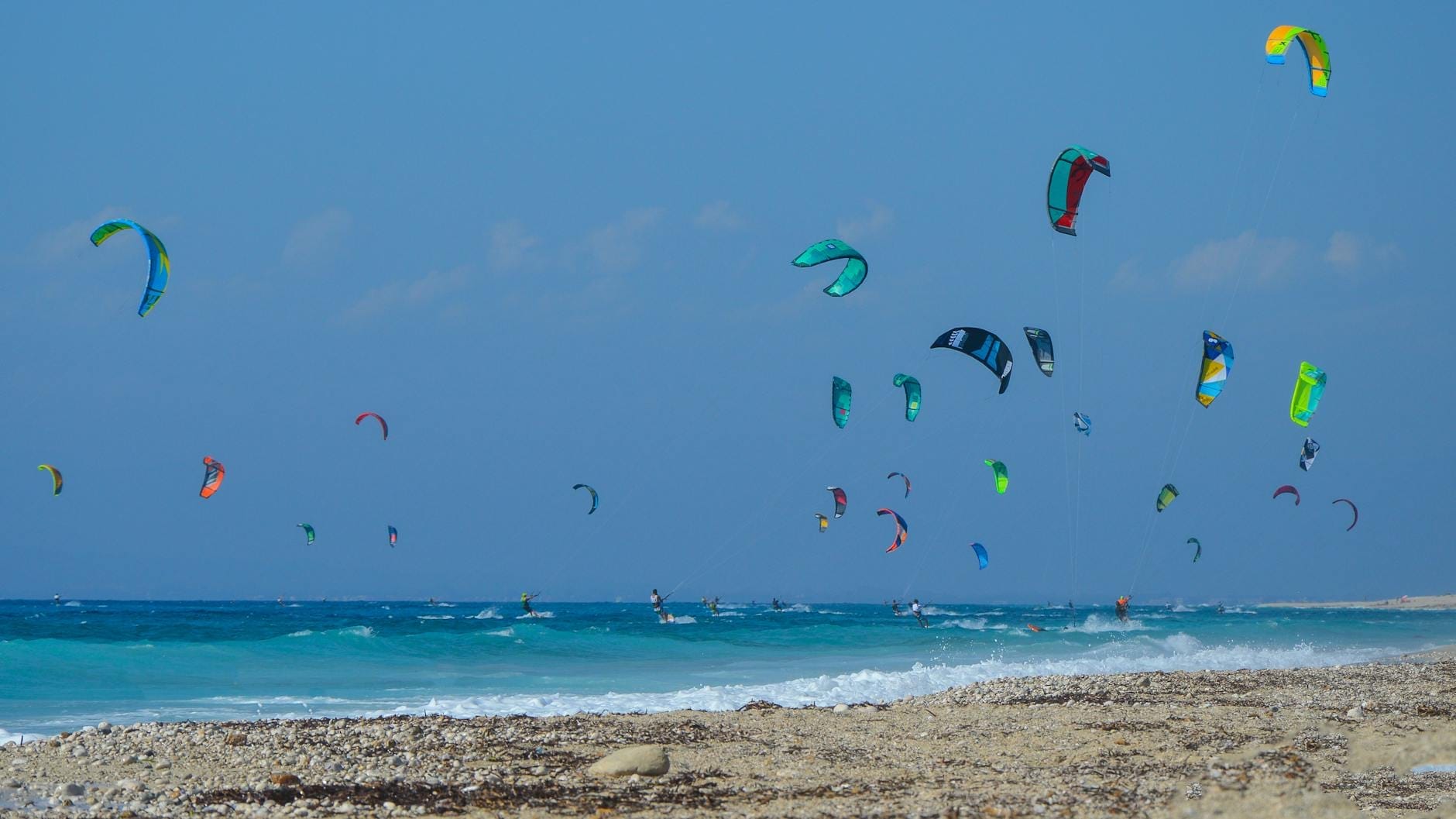
Sardinia is windy on average around five days out of seven, and with about 2,000 kilometres of varied coastline, there is almost always a spot working regardless of wind direction. The island's geography channels the Maestrale (Mistral) from the northwest, the Tramontana from the north, and the Scirocco from the southeast, creating conditions that range from glassy flat-water lagoons ideal for beginners to powerful wave breaks that attract experienced riders from across Europe. For a broader overview of the island's outdoor offerings, see our guide to things to do in Sardinia, and if you're planning a longer trip, our Sardinia road trip guide will help you string the best wind spots together efficiently.
A prime season for consistent warm-weather wind is April through October, with the shoulder months of April, May, September, and October offering excellent conditions with fewer swimmers and lower accommodation costs. July and August can be lighter on wind at some spots but thermal and Ponente winds often fill the gap. For timing advice, our best time to visit Sardinia guide covers seasonal patterns in detail. Schools and rental centers operate at all the major spots listed below, making it straightforward to arrive with no gear and still get on the water within hours of landing.
The Premier Wind Spots
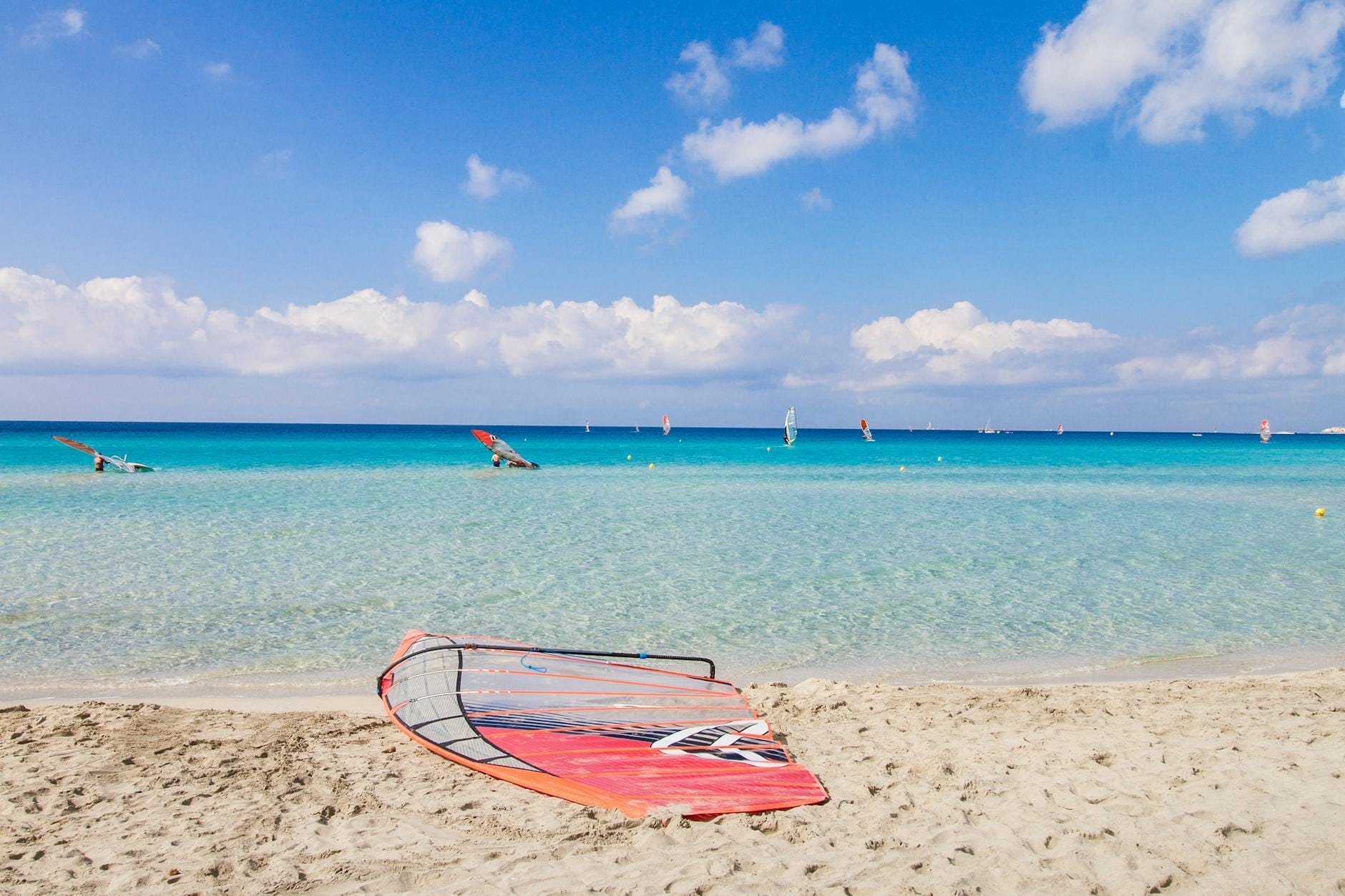
These are the locations that have built Sardinia's international reputation among windsurfers and kitesurfers. Each offers a combination of reliable wind, schools, and rental infrastructure that makes them worth planning a trip around.
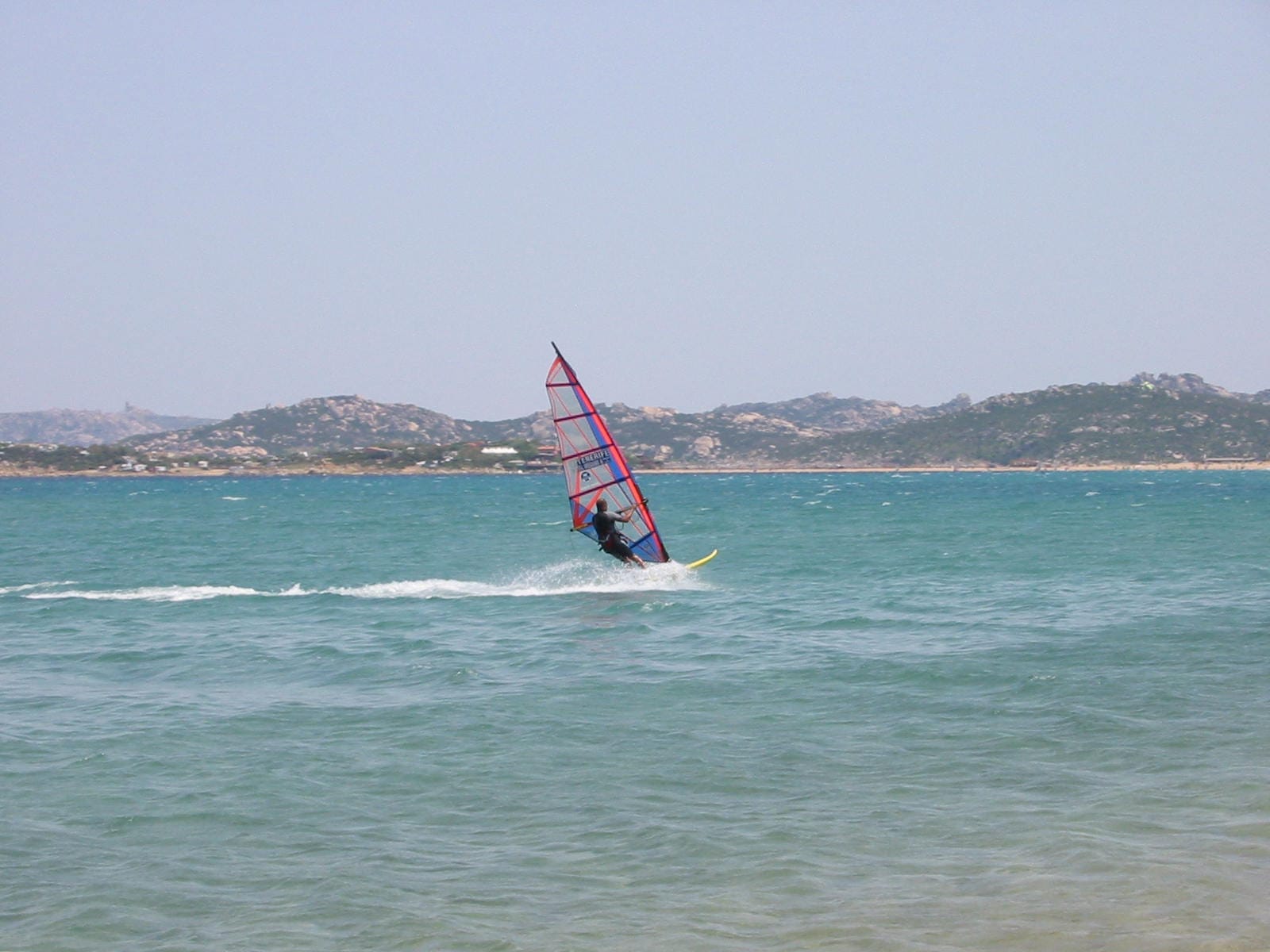
1. Ride Europe's Best Mistral Winds at Porto Pollo
Porto Pollo's narrow peninsula between two bays channels the Mistral at 4–8 Beaufort with remarkable consistency. The eastern bay offers flat water for beginners and freestylers; the western bay gets choppier for wave riding. Schools like FH Academy operate here with full rental fleets.
Explore1. Ride Europe's Best Mistral Winds at Porto Pollo
Porto Pollo's narrow peninsula between two bays channels the Mistral at 4–8 Beaufort with remarkable consistency. The eastern bay offers flat water for beginners and freestylers; the western bay gets choppier for wave riding. Schools like FH Academy operate here with full rental fleets.
Explore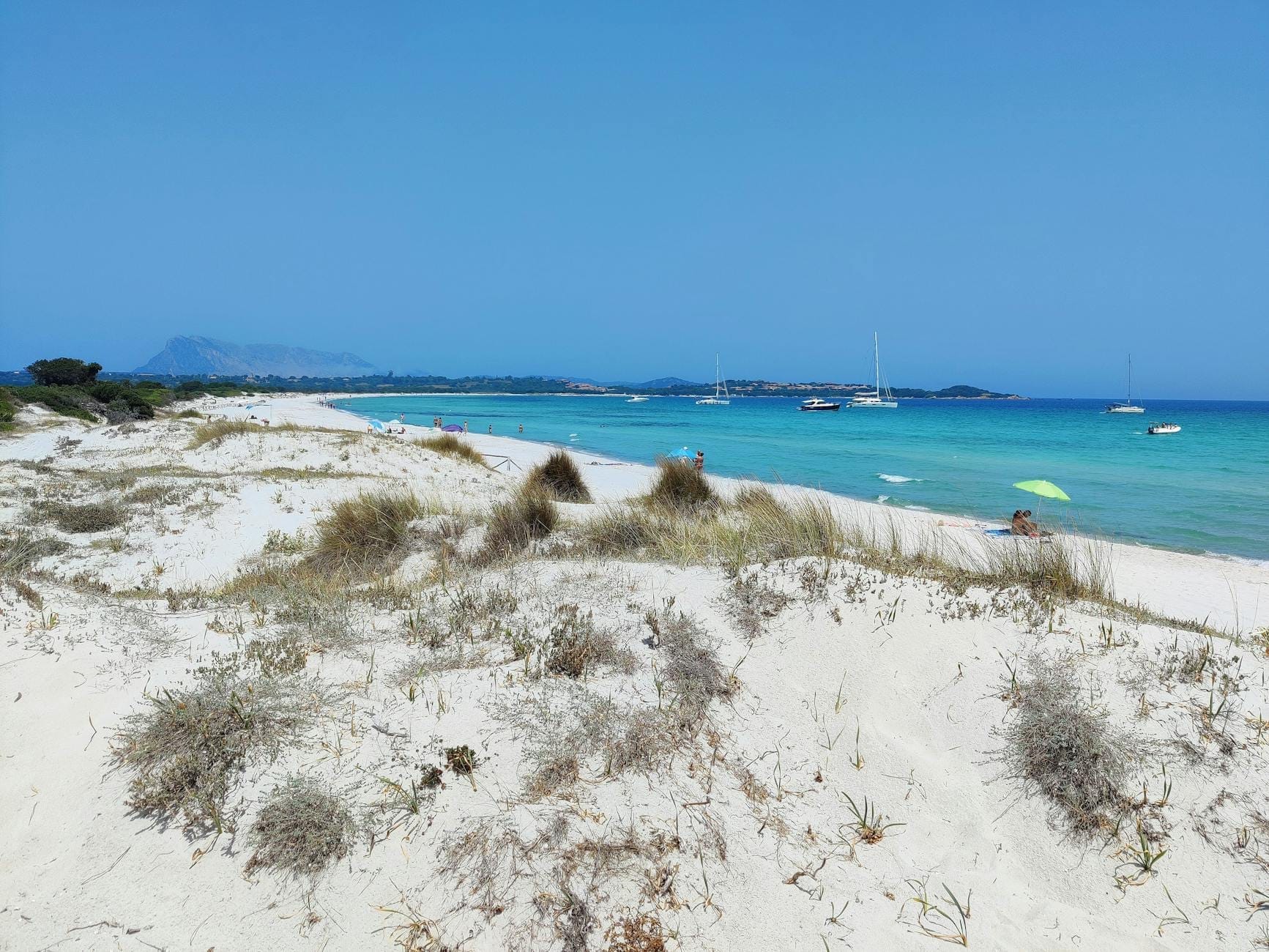
2. Kitesurf the Lagoon Sandbar at La Cinta, San Teodoro
La Cinta's narrow sandbar separates the open sea from a shallow lagoon, creating two distinct riding environments in one spot. The lagoon side is perfect for beginners learning water starts; the sea side delivers enough chop for jumps. Flamingos in the lagoon are a surreal backdrop.
Explore2. Kitesurf the Lagoon Sandbar at La Cinta, San Teodoro
La Cinta's narrow sandbar separates the open sea from a shallow lagoon, creating two distinct riding environments in one spot. The lagoon side is perfect for beginners learning water starts; the sea side delivers enough chop for jumps. Flamingos in the lagoon are a surreal backdrop.
Explore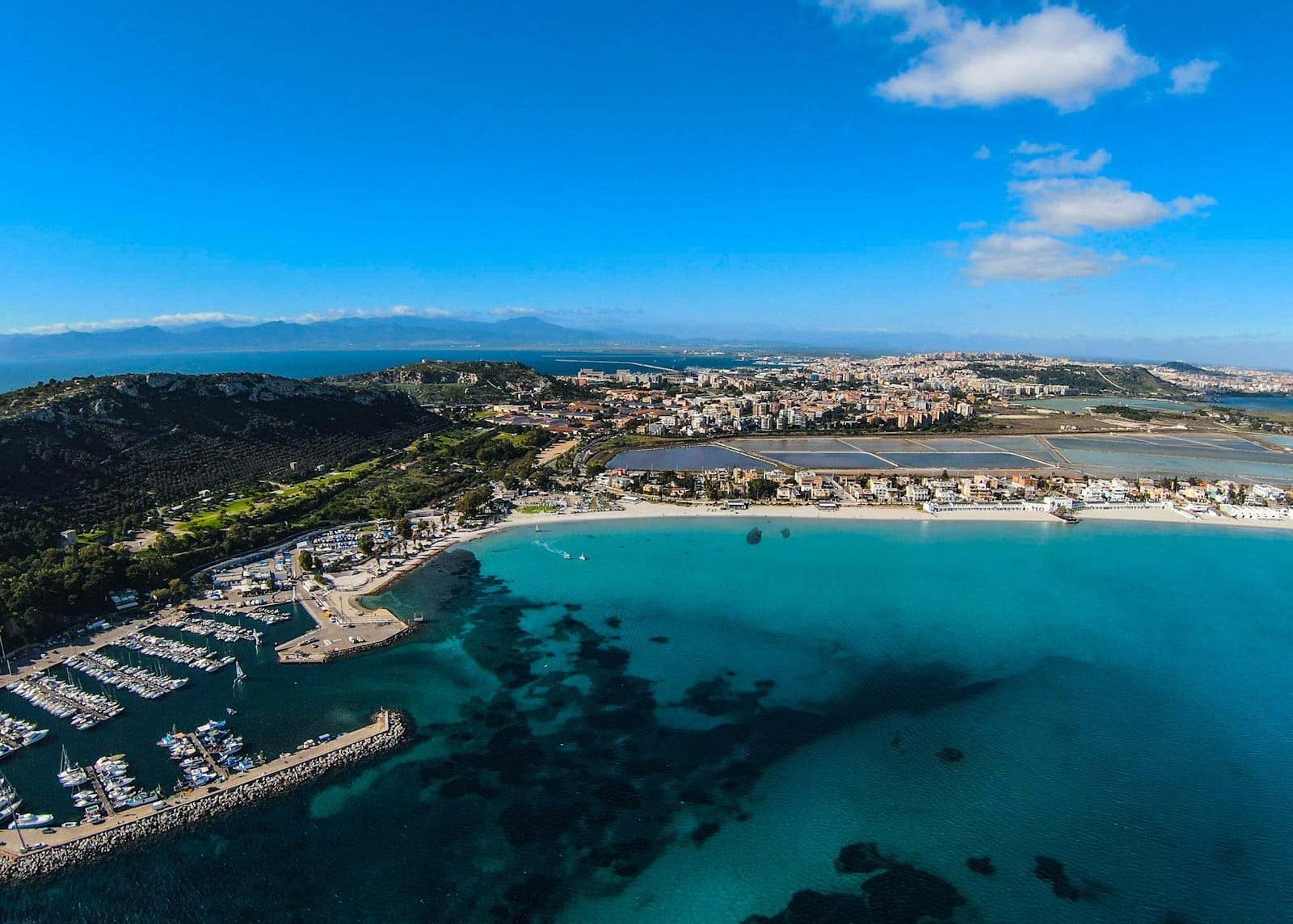
3. Learn to Kitesurf on Cagliari's Eight-Kilometre Urban Beach
Poetto is Sardinia's most accessible learning spot: eight kilometres of gently shelving sand, multiple schools operating from the beach clubs, and easy rescue access. The Maestrale sweeps down reliably in spring and autumn. After your session, the bar scene is immediately on hand.
Explore3. Learn to Kitesurf on Cagliari's Eight-Kilometre Urban Beach
Poetto is Sardinia's most accessible learning spot: eight kilometres of gently shelving sand, multiple schools operating from the beach clubs, and easy rescue access. The Maestrale sweeps down reliably in spring and autumn. After your session, the bar scene is immediately on hand.
Explore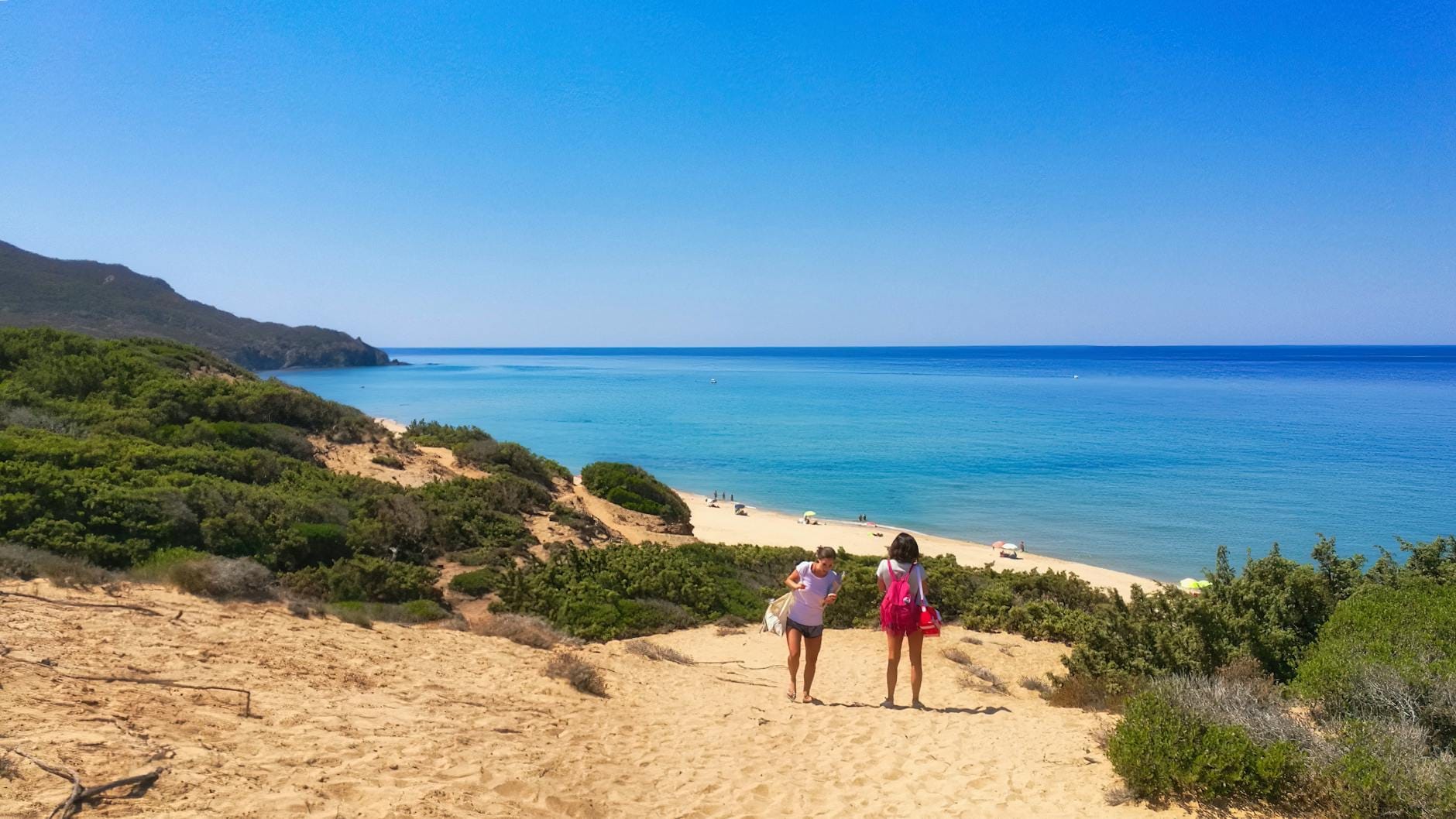
4. Chase Wave Riding and Strong Thermals at Chia
Chia's south-facing beach catches both Tramontana and Scirocco, generating wave conditions that reward more experienced riders. The wide bay has room to work, backed by sand dunes that create natural thermal uplift in warmer months. Schools operate here seasonally from spring to autumn.
Explore4. Chase Wave Riding and Strong Thermals at Chia
Chia's south-facing beach catches both Tramontana and Scirocco, generating wave conditions that reward more experienced riders. The wide bay has room to work, backed by sand dunes that create natural thermal uplift in warmer months. Schools operate here seasonally from spring to autumn.
ExploreBeaches Worth Riding at Between Sessions
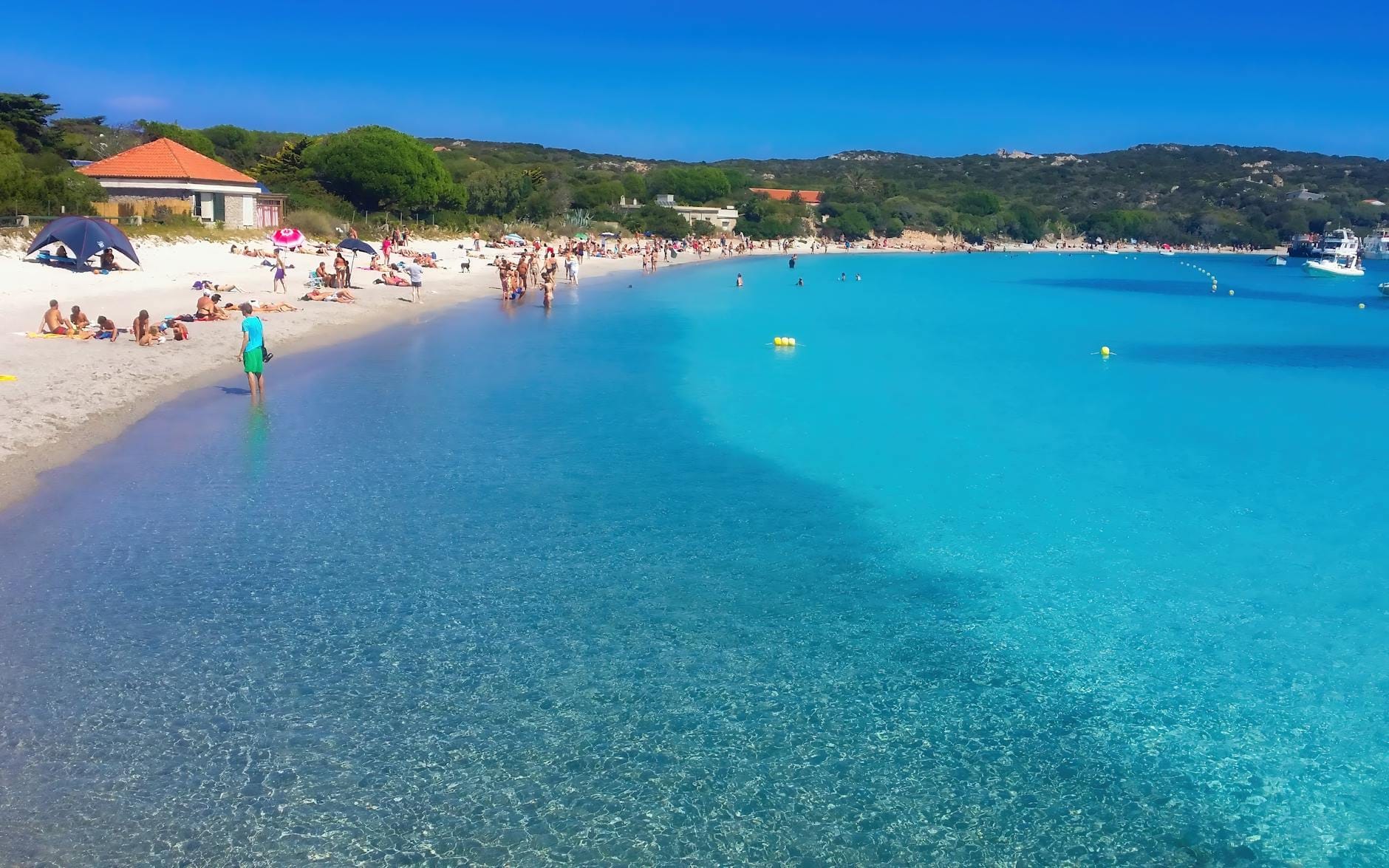
Sardinia's wind spots rarely exist in isolation. Many of the island's most spectacular beaches are within easy reach of the main kitesurfing and windsurfing areas, making it simple to combine flat-water freestyle with a swim in beautiful water. The best beaches in Sardinia guide covers the full picture, but here are the standouts closest to the wind action.
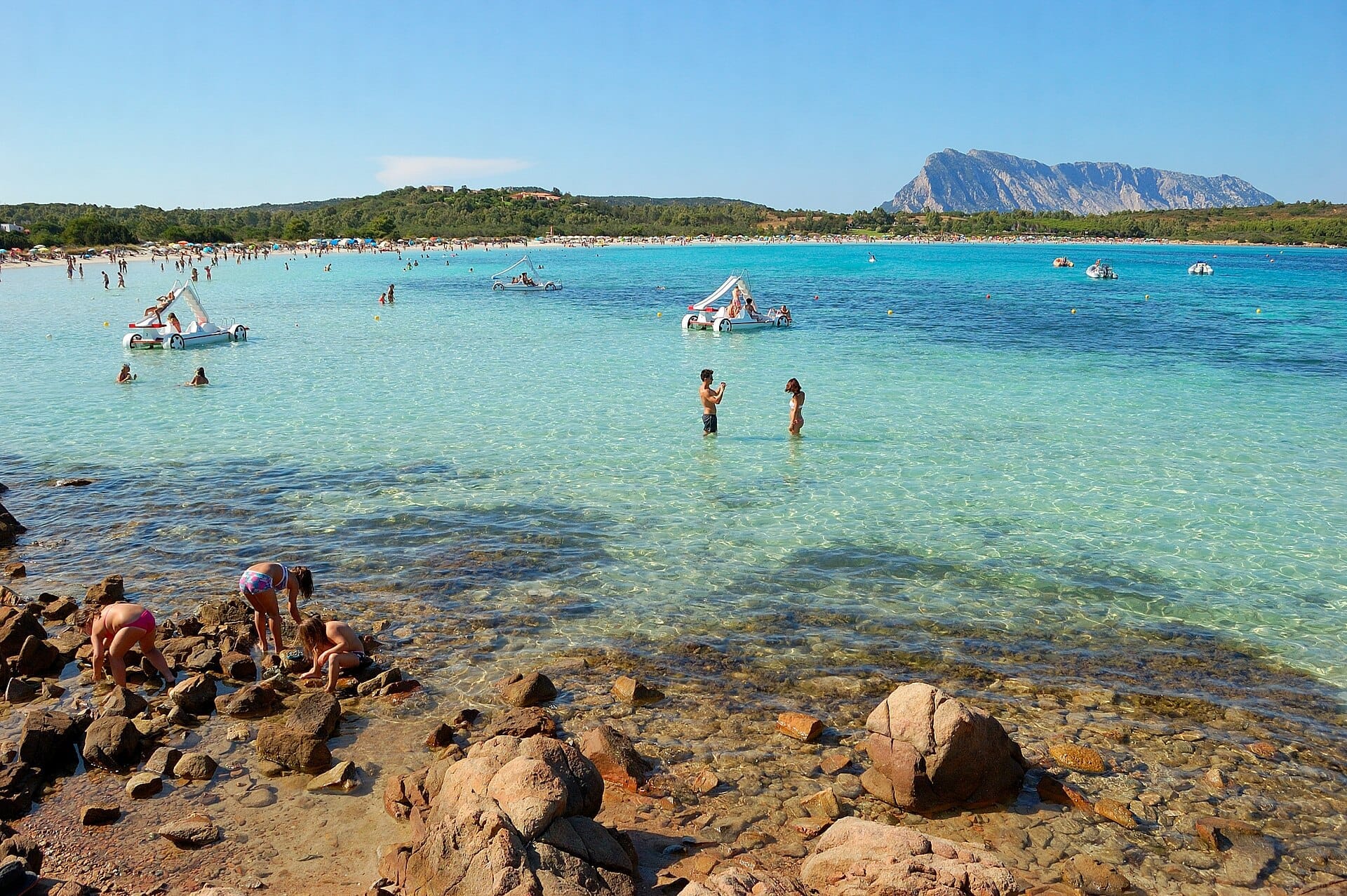
5. Swim in Lagoon-Clear Water at Cala Brandinchi Near San Teodoro
Just minutes from La Cinta's kite spot, Cala Brandinchi's shallow turquoise lagoon is the reward after a morning session. The water is warm by May and the sand is powdery white. Arrive before 10am or after 5pm in July and August to beat the crowds.
Explore5. Swim in Lagoon-Clear Water at Cala Brandinchi Near San Teodoro
Just minutes from La Cinta's kite spot, Cala Brandinchi's shallow turquoise lagoon is the reward after a morning session. The water is warm by May and the sand is powdery white. Arrive before 10am or after 5pm in July and August to beat the crowds.
Explore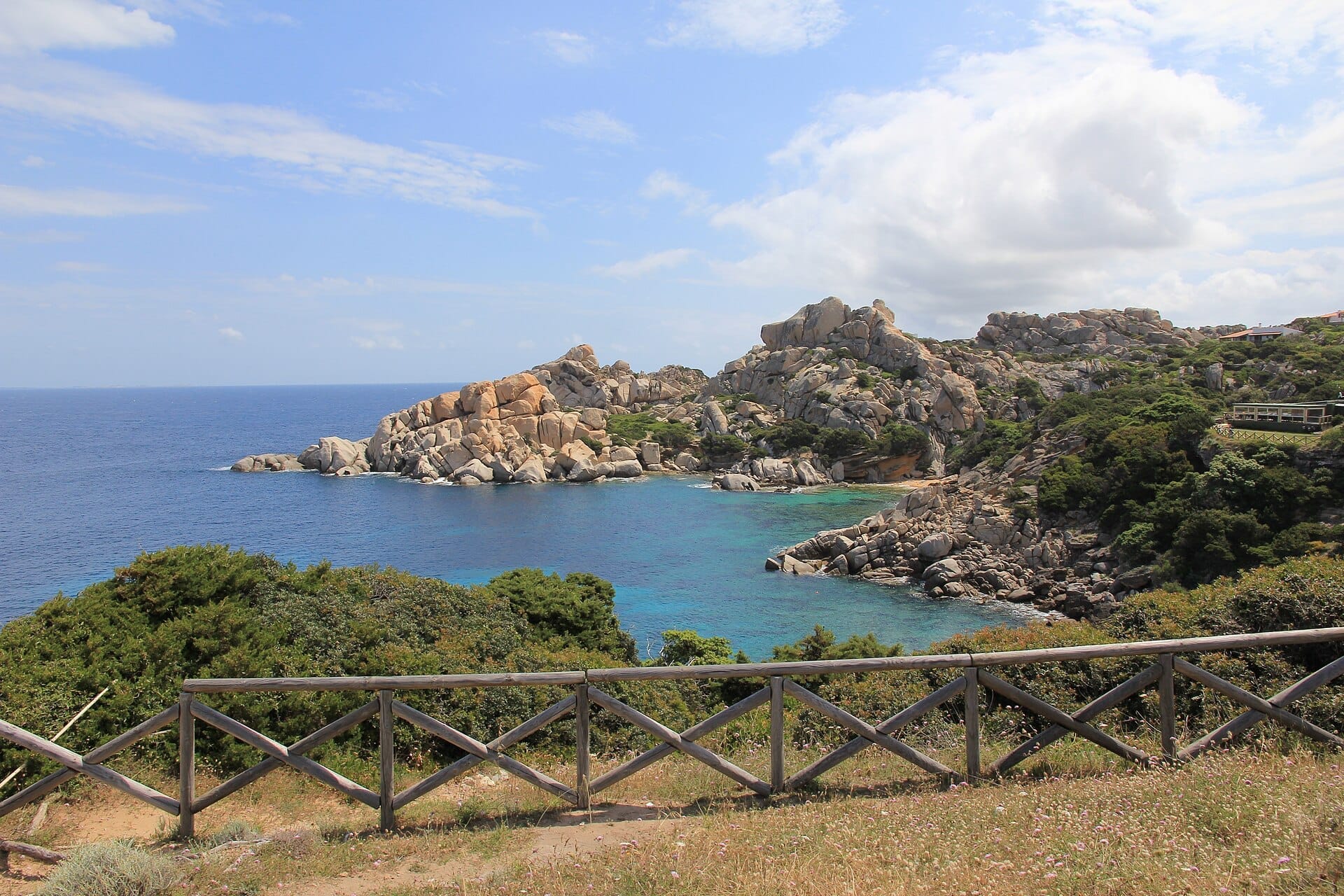
6. Explore the Wind-Sculpted Boulders of Capo Testa Near Porto Pollo
Capo Testa is a 20-minute drive from Porto Pollo and worth every minute. Hidden coves between granite boulders offer calm, crystal-clear water for snorkelling. The Valle della Luna boulder landscape makes for an atmospheric afternoon walk when the wind drops off.
Explore6. Explore the Wind-Sculpted Boulders of Capo Testa Near Porto Pollo
Capo Testa is a 20-minute drive from Porto Pollo and worth every minute. Hidden coves between granite boulders offer calm, crystal-clear water for snorkelling. The Valle della Luna boulder landscape makes for an atmospheric afternoon walk when the wind drops off.
Explore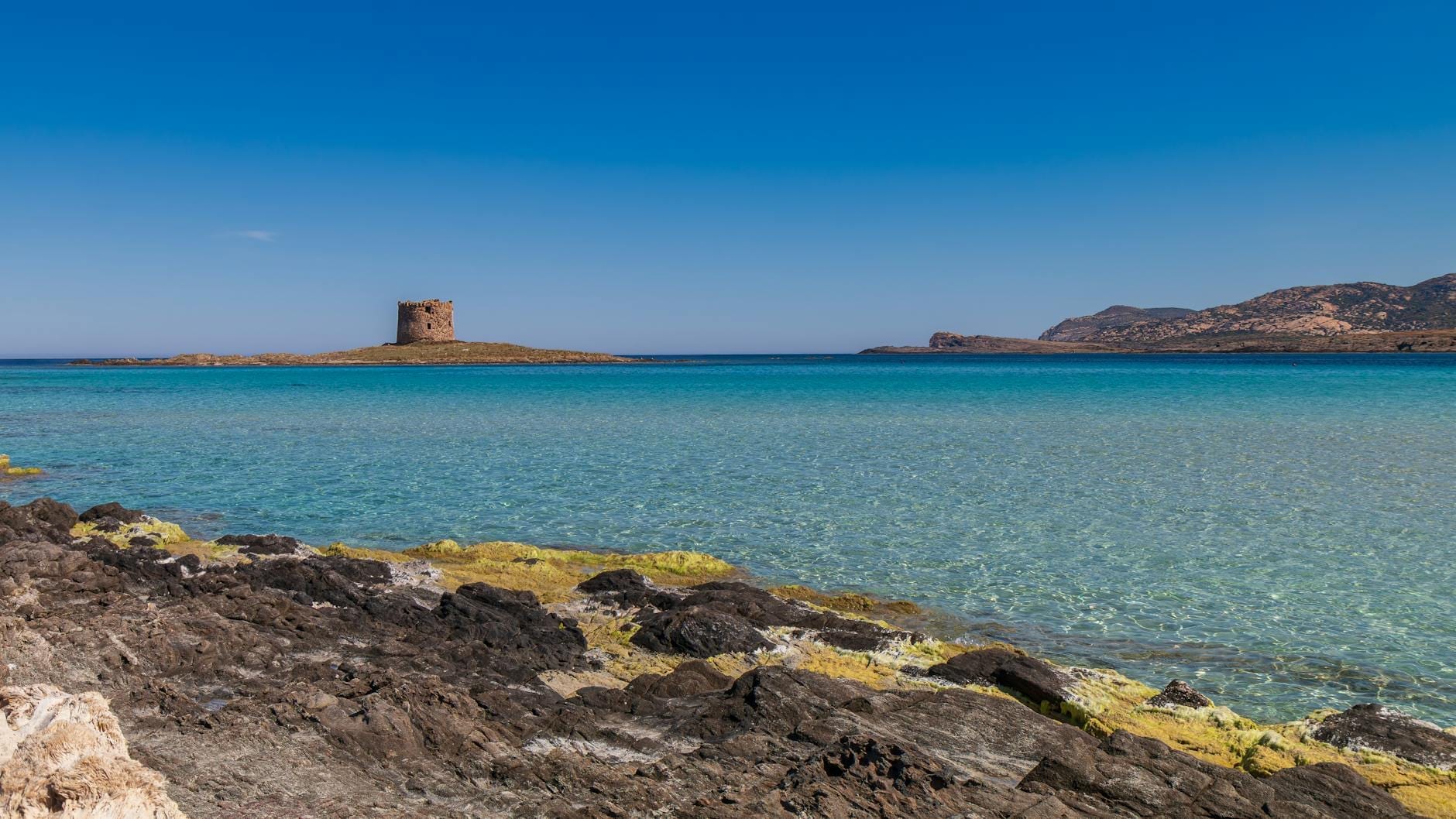
7. Visit La Pelosa's Famous Lagoon When the Wind Rests
La Pelosa near Stintino is the postcard image of Sardinia: a shallow lagoon of electric-blue water framed by a 16th-century Aragonese tower. A daily visitor cap now protects the seabed, so book your slot in advance for summer visits. It sits 45 minutes from Porto Pollo.
Explore7. Visit La Pelosa's Famous Lagoon When the Wind Rests
La Pelosa near Stintino is the postcard image of Sardinia: a shallow lagoon of electric-blue water framed by a 16th-century Aragonese tower. A daily visitor cap now protects the seabed, so book your slot in advance for summer visits. It sits 45 minutes from Porto Pollo.
Explore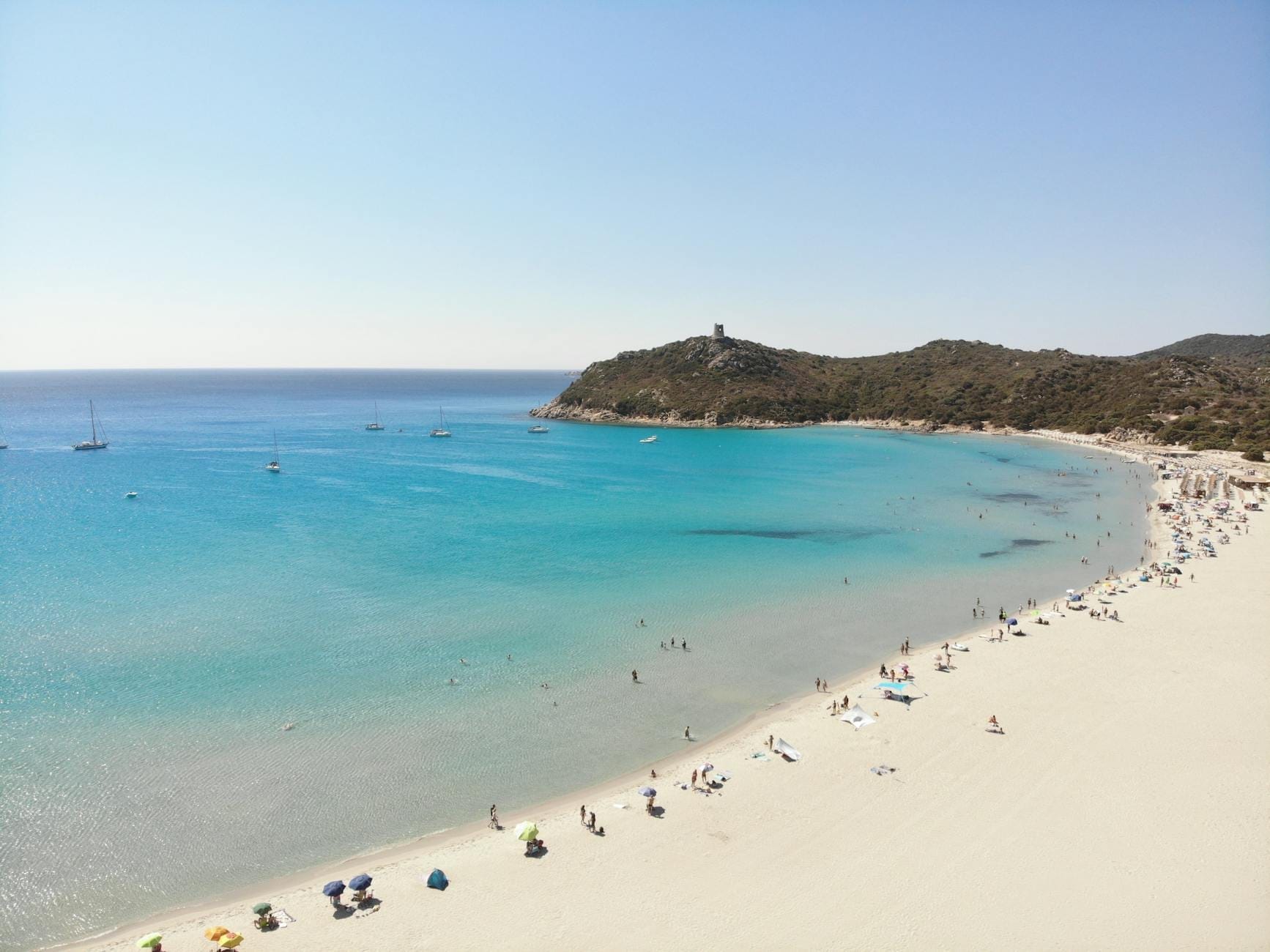
8. Combine Flamingo-Watching and Swimming at Porto Giunco
Porto Giunco's double arc of white sand, framed by a Spanish watchtower, sits next to a flamingo lagoon within the Capo Carbonara marine reserve. The water is shallow and calm on the lagoon side. A good base when riding Villasimius-area wind spots in the south-east.
Explore8. Combine Flamingo-Watching and Swimming at Porto Giunco
Porto Giunco's double arc of white sand, framed by a Spanish watchtower, sits next to a flamingo lagoon within the Capo Carbonara marine reserve. The water is shallow and calm on the lagoon side. A good base when riding Villasimius-area wind spots in the south-east.
Explore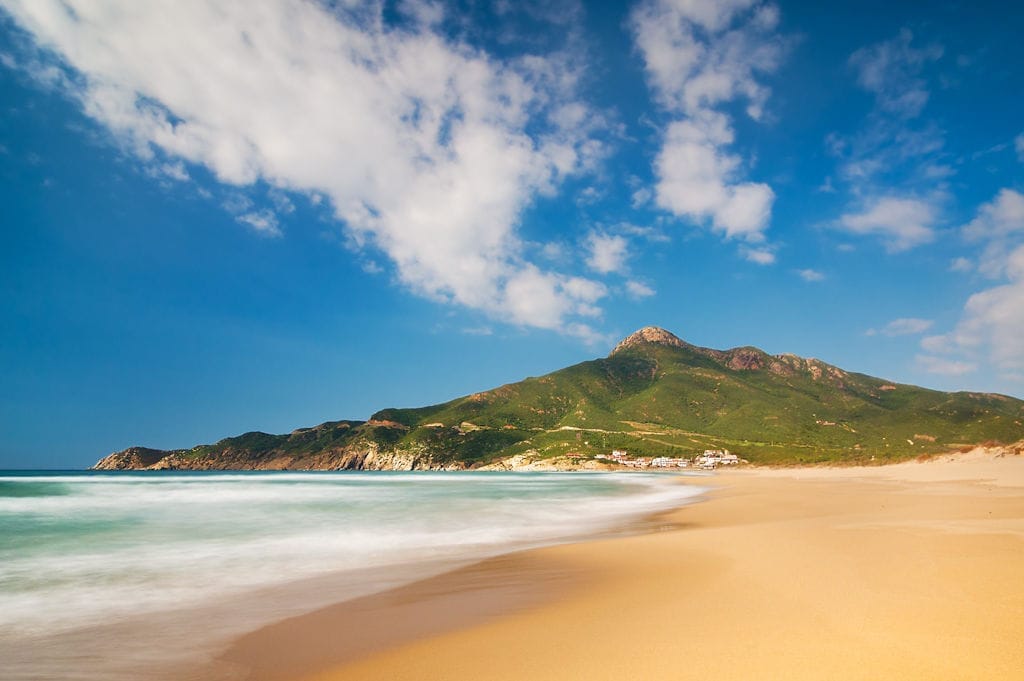
9. Discover Empty Surf-Backed Dunes on the Wild Costa Verde
The Costa Verde is Sardinia's wildest coastal stretch, with sand dunes reaching 60 metres and almost no infrastructure. The exposed west-coast swell and onshore wind attract experienced wave riders seeking emptiness. Combine it with a visit to the abandoned mining village of Ingurtosu nearby.
Explore9. Discover Empty Surf-Backed Dunes on the Wild Costa Verde
The Costa Verde is Sardinia's wildest coastal stretch, with sand dunes reaching 60 metres and almost no infrastructure. The exposed west-coast swell and onshore wind attract experienced wave riders seeking emptiness. Combine it with a visit to the abandoned mining village of Ingurtosu nearby.
Explore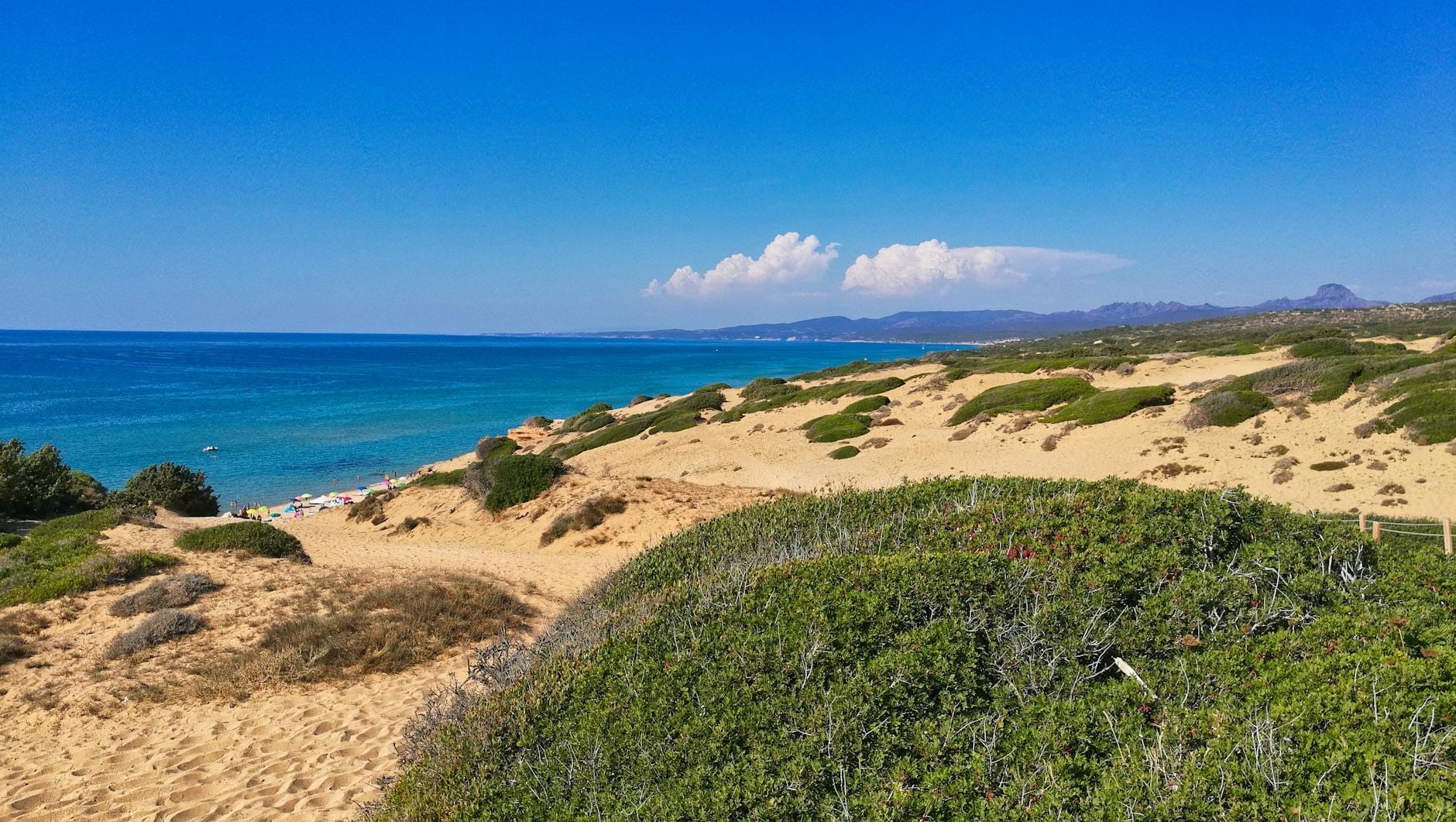
10. Windsurf the Waves at Piscinas, Sardinia's Sahara Dune Beach
Piscinas is an unpatrolled, wild beach backed by enormous sand dunes on the Costa Verde. The persistent onshore wind and Atlantic-style swell make it a raw wave-riding spot for advanced riders. There are no schools or rental here: come self-sufficient and prepared.
Explore10. Windsurf the Waves at Piscinas, Sardinia's Sahara Dune Beach
Piscinas is an unpatrolled, wild beach backed by enormous sand dunes on the Costa Verde. The persistent onshore wind and Atlantic-style swell make it a raw wave-riding spot for advanced riders. There are no schools or rental here: come self-sufficient and prepared.
ExploreNorthern Sardinia: Wind Spots and Island Scenery
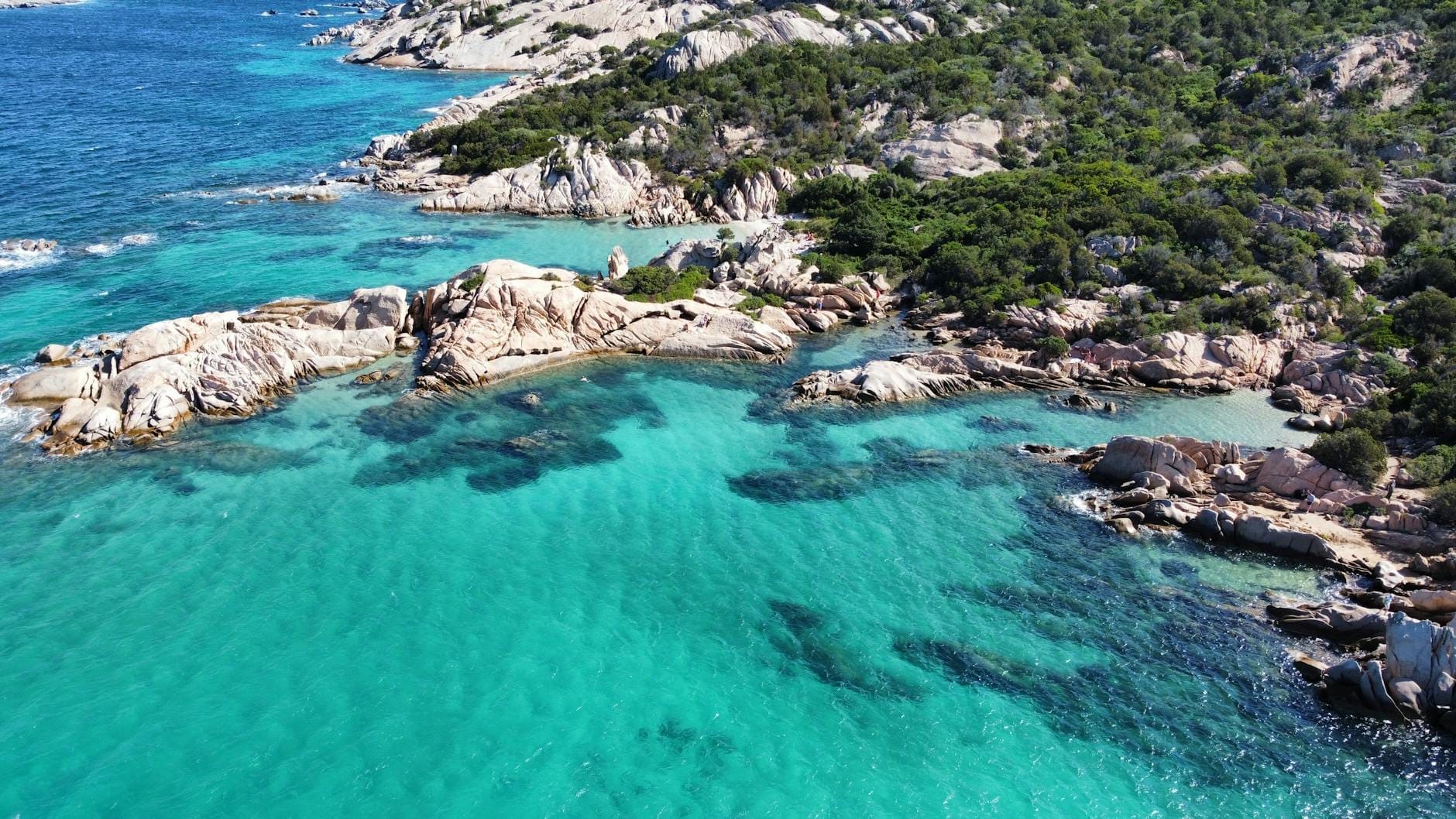
The north of Sardinia combines the island's most reliable Mistral exposure with some of its most dramatic landscapes. The area around Palau, Santa Teresa Gallura, and the La Maddalena Archipelago is particularly rewarding for riders who want to mix time on the water with island-hopping and granite coastline exploration.
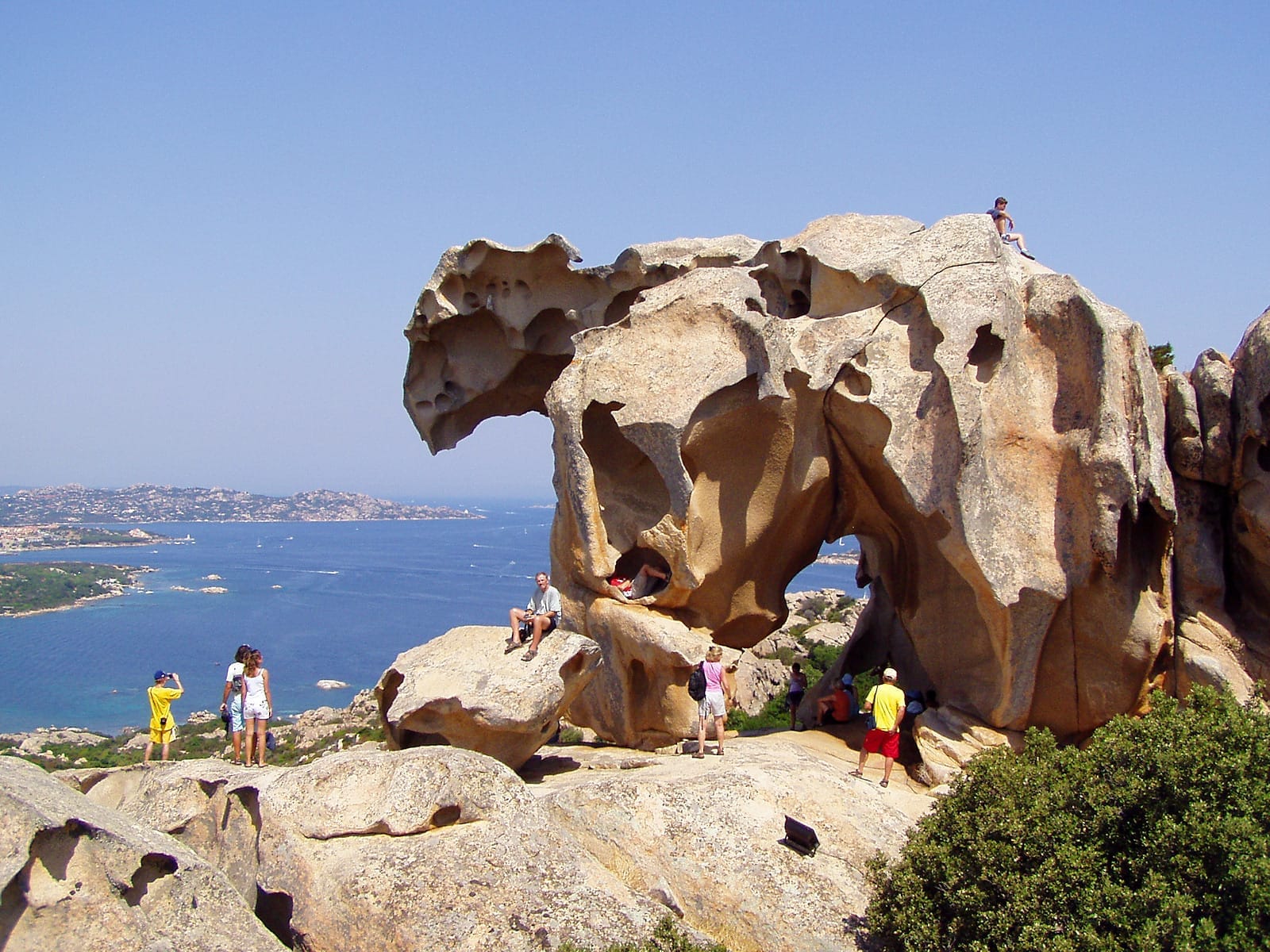
11. Take in Archipelago Views at Bear Rock Above Palau
The Bear Rock above Palau offers panoramic views over the Maddalena Archipelago and the Strait of Bonifacio. It's a 20-minute walk from the car park and a rewarding post-session excursion. The viewpoint gives clear sight lines to the channels that funnel the Mistral through the strait.
Explore11. Take in Archipelago Views at Bear Rock Above Palau
The Bear Rock above Palau offers panoramic views over the Maddalena Archipelago and the Strait of Bonifacio. It's a 20-minute walk from the car park and a rewarding post-session excursion. The viewpoint gives clear sight lines to the channels that funnel the Mistral through the strait.
Explore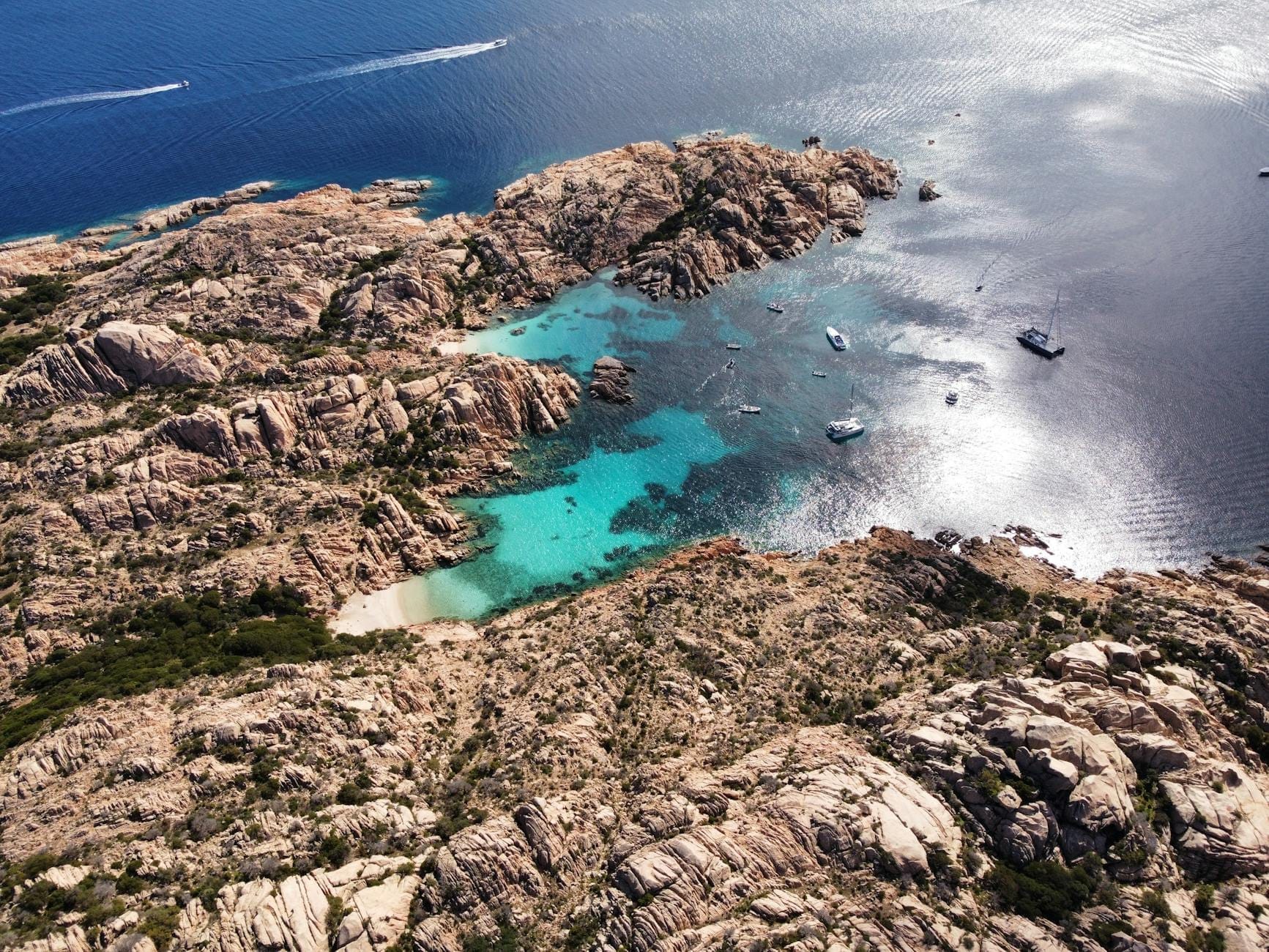
12. Sail and Swim Around Caprera's Wild Beaches by Boat
Caprera, connected to La Maddalena by causeway, has wild beaches with clear, sheltered water ideal for a rest day. Rent a small dinghy or join a boat tour from Palau or La Maddalena to explore the coves. The island's forested interior also has good hiking trails.
Explore12. Sail and Swim Around Caprera's Wild Beaches by Boat
Caprera, connected to La Maddalena by causeway, has wild beaches with clear, sheltered water ideal for a rest day. Rent a small dinghy or join a boat tour from Palau or La Maddalena to explore the coves. The island's forested interior also has good hiking trails.
Explore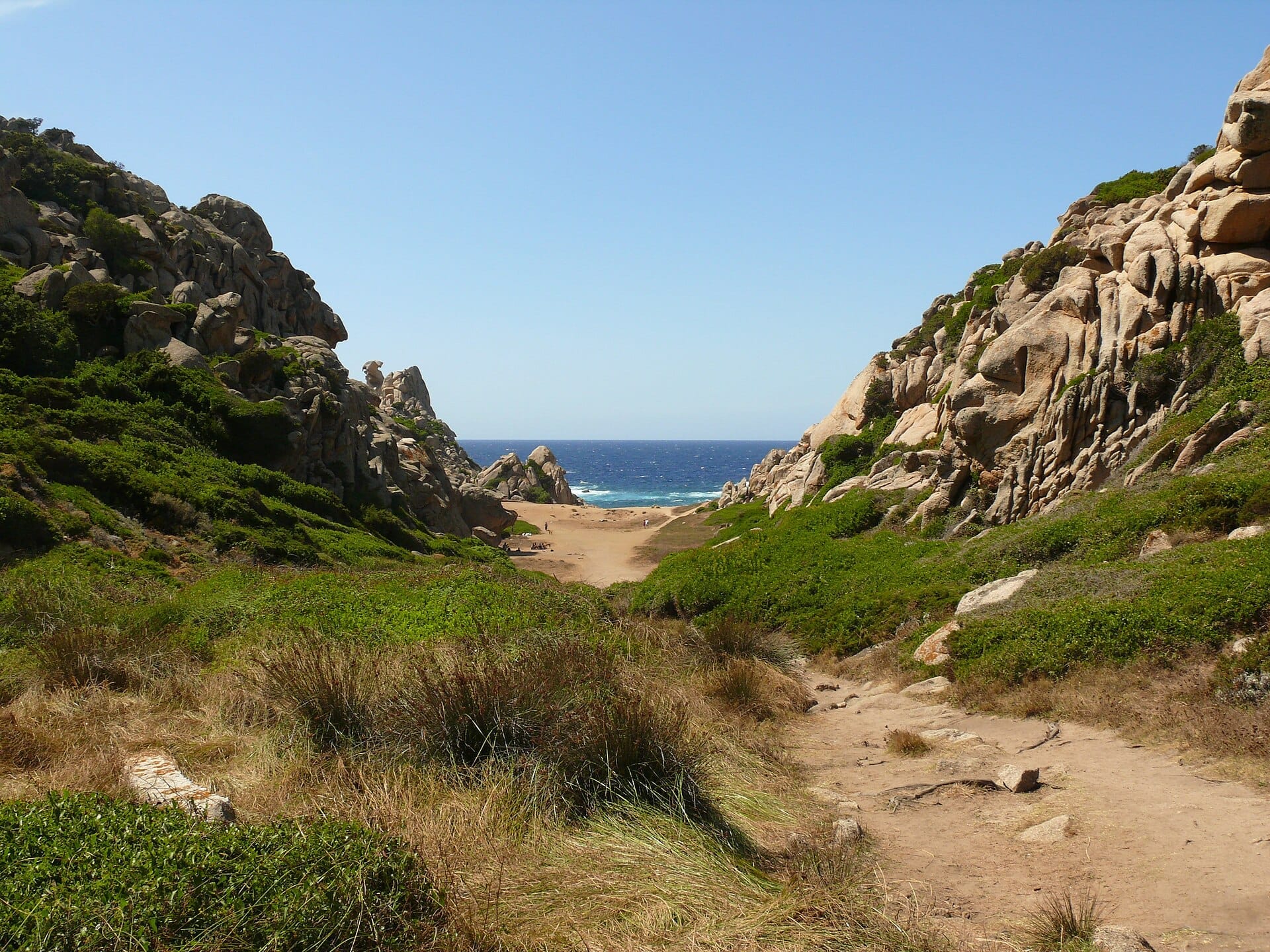
13. Walk Through the Ancient Granite Quarry of Valle della Luna
The Valley of the Moon at Capo Testa is a landscape of massive wind-eroded granite boulders that supplied stone for Roman monuments across the empire. A short walk from the car park, it's an atmospheric and photogenic excursion when wind conditions don't align for riding.
Explore13. Walk Through the Ancient Granite Quarry of Valle della Luna
The Valley of the Moon at Capo Testa is a landscape of massive wind-eroded granite boulders that supplied stone for Roman monuments across the empire. A short walk from the car park, it's an atmospheric and photogenic excursion when wind conditions don't align for riding.
Explore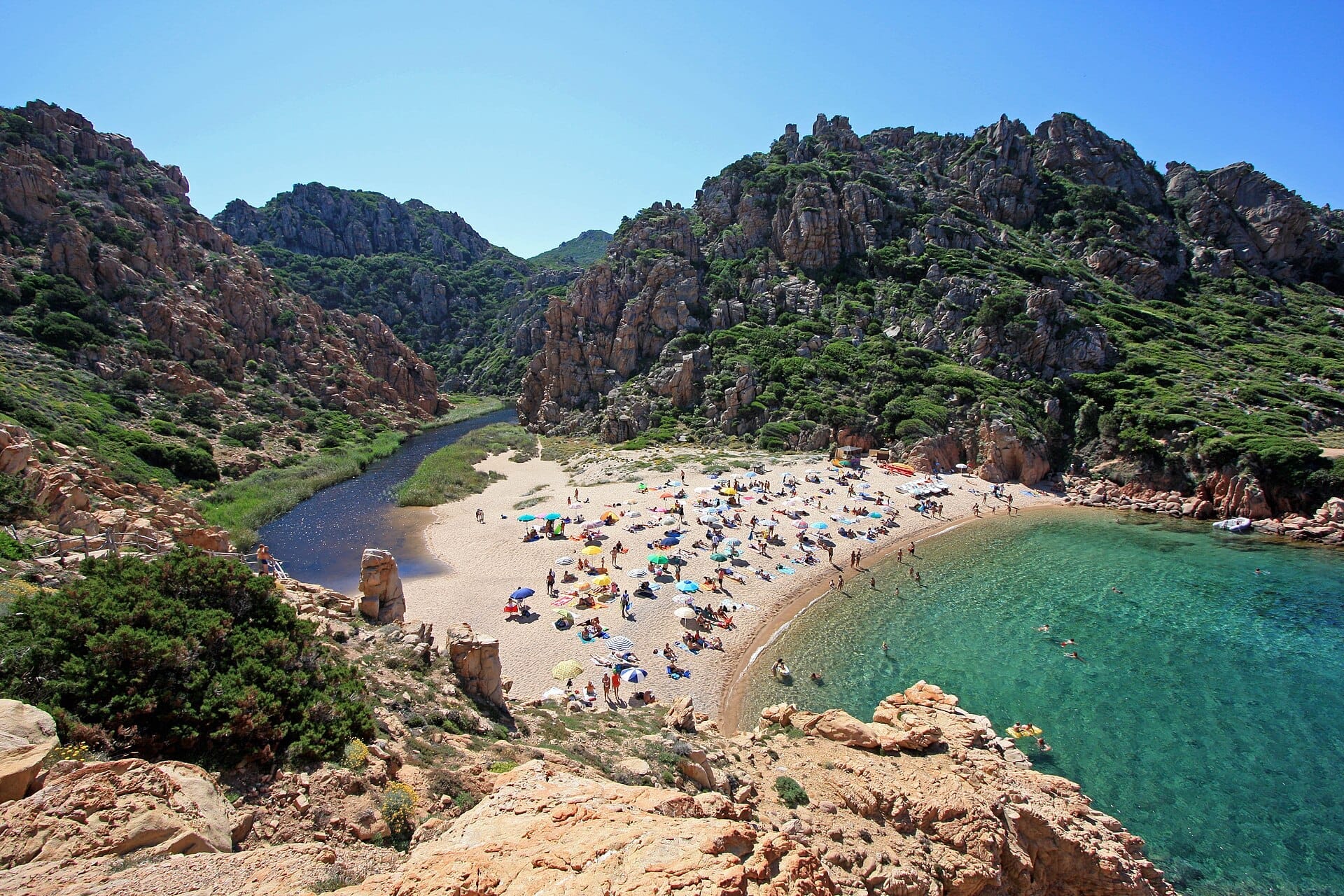
14. Find Solitude at the Red Rock Coves of Costa Paradiso
Costa Paradiso's porphyry rock formations and hidden coves receive far fewer visitors than the Costa Smeralda despite equal beauty. Some coves here catch the Maestrale with enough fetch for recreational windsurfing. A strong candidate for a rest day between sessions at Porto Pollo.
Explore14. Find Solitude at the Red Rock Coves of Costa Paradiso
Costa Paradiso's porphyry rock formations and hidden coves receive far fewer visitors than the Costa Smeralda despite equal beauty. Some coves here catch the Maestrale with enough fetch for recreational windsurfing. A strong candidate for a rest day between sessions at Porto Pollo.
Explore✨ Pro tip
If Porto Pollo is flat, Santa Teresa Gallura and the Strait of Bonifacio often pick up the Tramontana when the Mistral isn't blowing. Sardinia's north tip stays windy on days when the central coast is calm.
South Sardinia: Flat Water, Lagoons, and Warm Winds
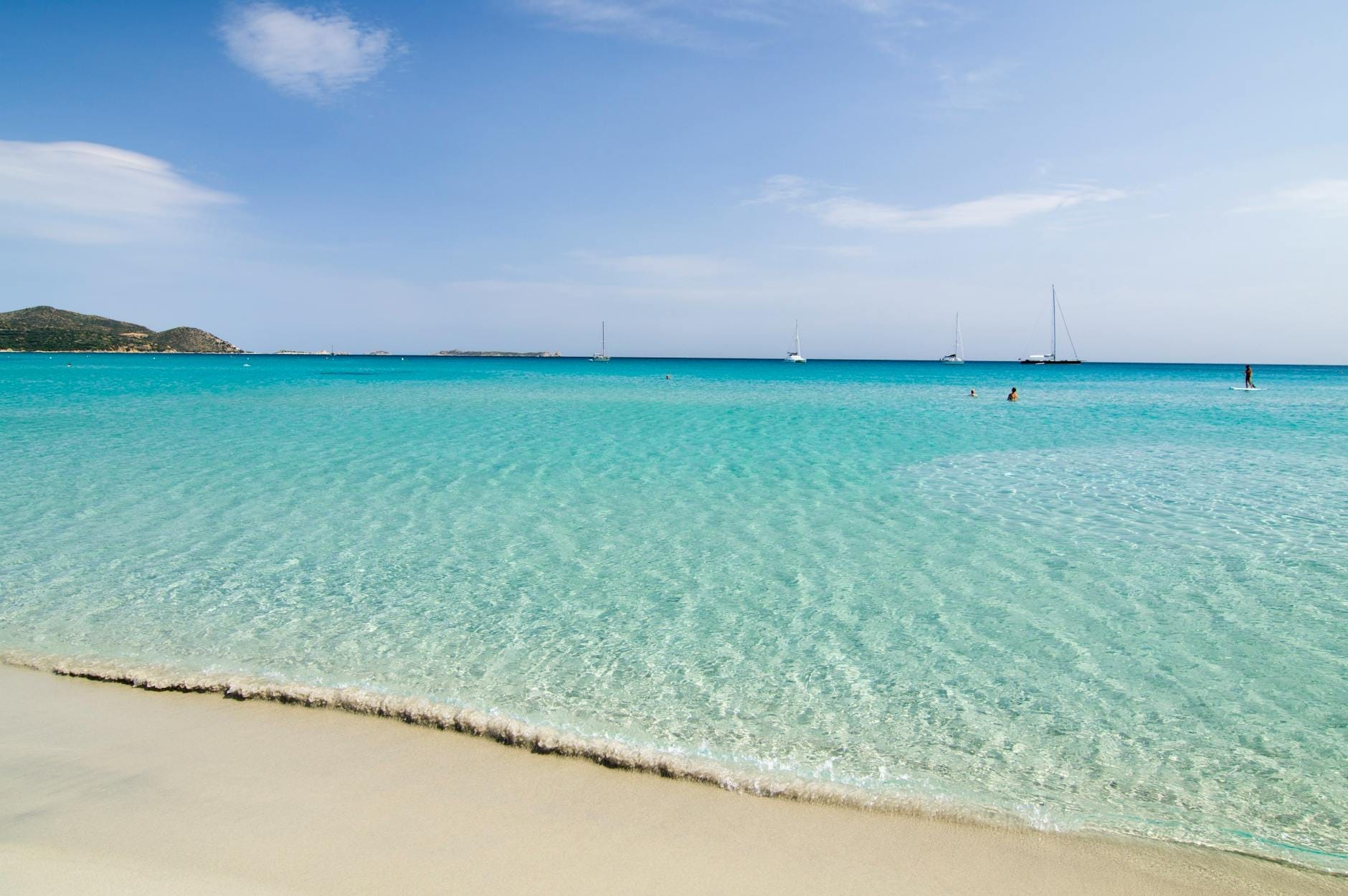
Southern Sardinia offers some of the island's most consistent flat-water conditions, particularly around the lagoons near Cagliari and the Sulcis coast. This corner of the island is also where you'll find Sardinia's most atmospheric off-water attractions. Our day trips from Cagliari guide pairs well with the wind spots here.
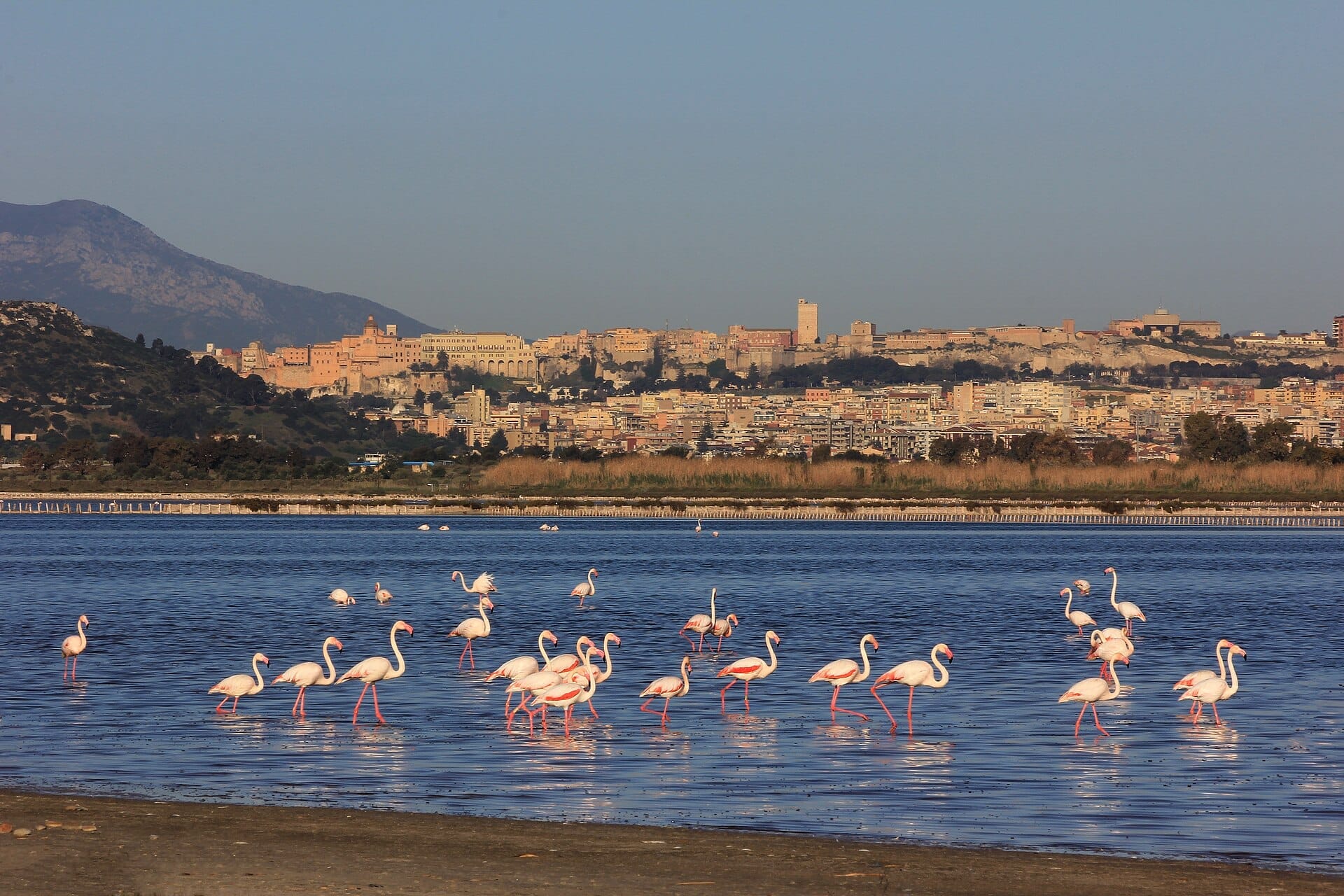
15. Watch Flamingos Between Kite Sessions at Molentargius Salt Pans
Molentargius is a vast flamingo reserve on Cagliari's eastern edge, reachable by bicycle from Poetto beach. Thousands of greater flamingos nest here year-round. It's the ideal 30-minute excursion between morning and afternoon wind windows when riding at Poetto.
Explore15. Watch Flamingos Between Kite Sessions at Molentargius Salt Pans
Molentargius is a vast flamingo reserve on Cagliari's eastern edge, reachable by bicycle from Poetto beach. Thousands of greater flamingos nest here year-round. It's the ideal 30-minute excursion between morning and afternoon wind windows when riding at Poetto.
Explore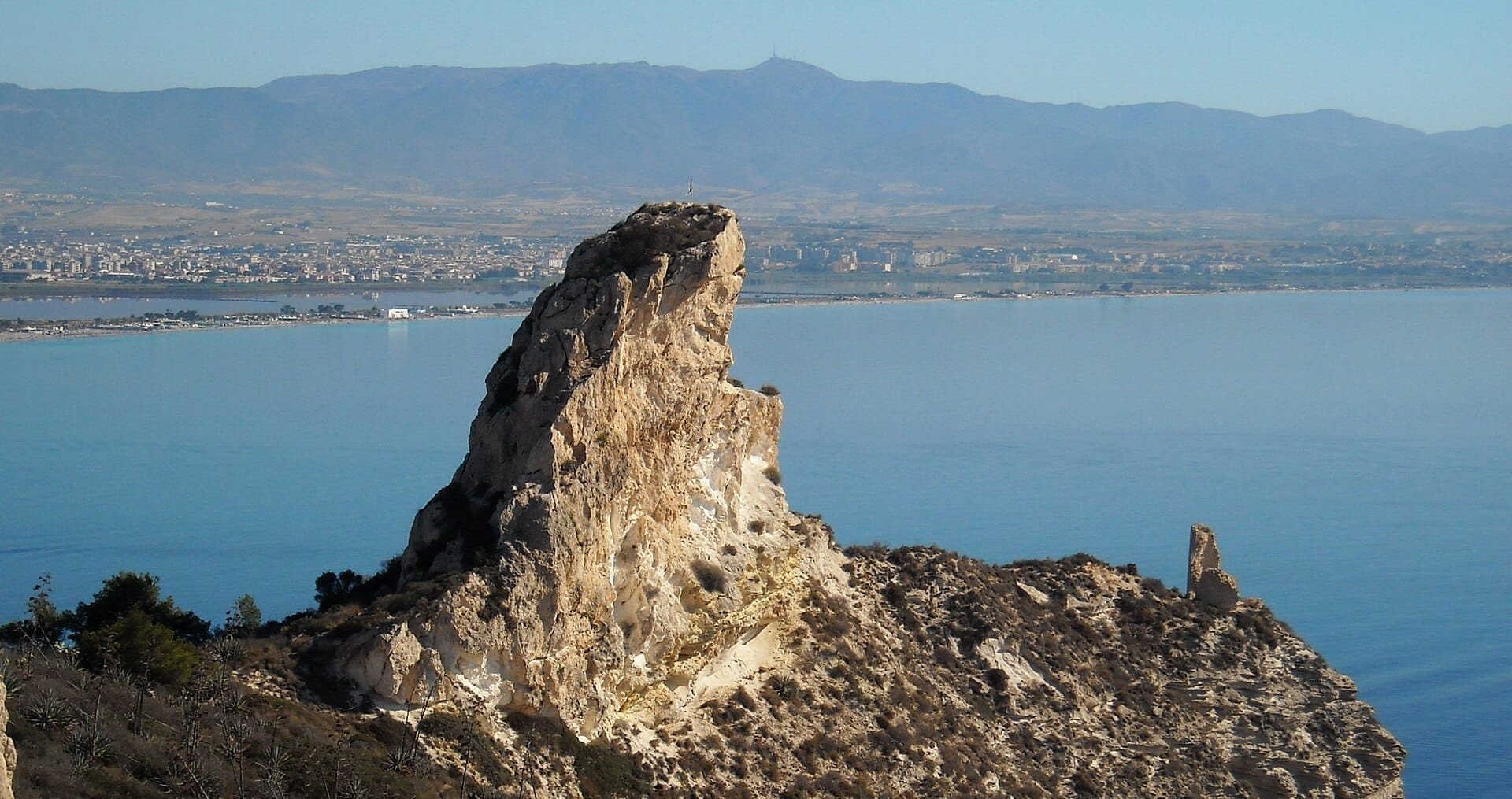
16. Hike the Devil's Saddle for Wind Forecasting Views Over the Gulf
The Devil's Saddle headland at the south end of Poetto offers a short, steep hike to panoramic views over Cagliari, the gulf, and the salt lagoons. On a Maestrale day you can see exactly how the wind is tracking across the bay before you rig up below.
Explore16. Hike the Devil's Saddle for Wind Forecasting Views Over the Gulf
The Devil's Saddle headland at the south end of Poetto offers a short, steep hike to panoramic views over Cagliari, the gulf, and the salt lagoons. On a Maestrale day you can see exactly how the wind is tracking across the bay before you rig up below.
Explore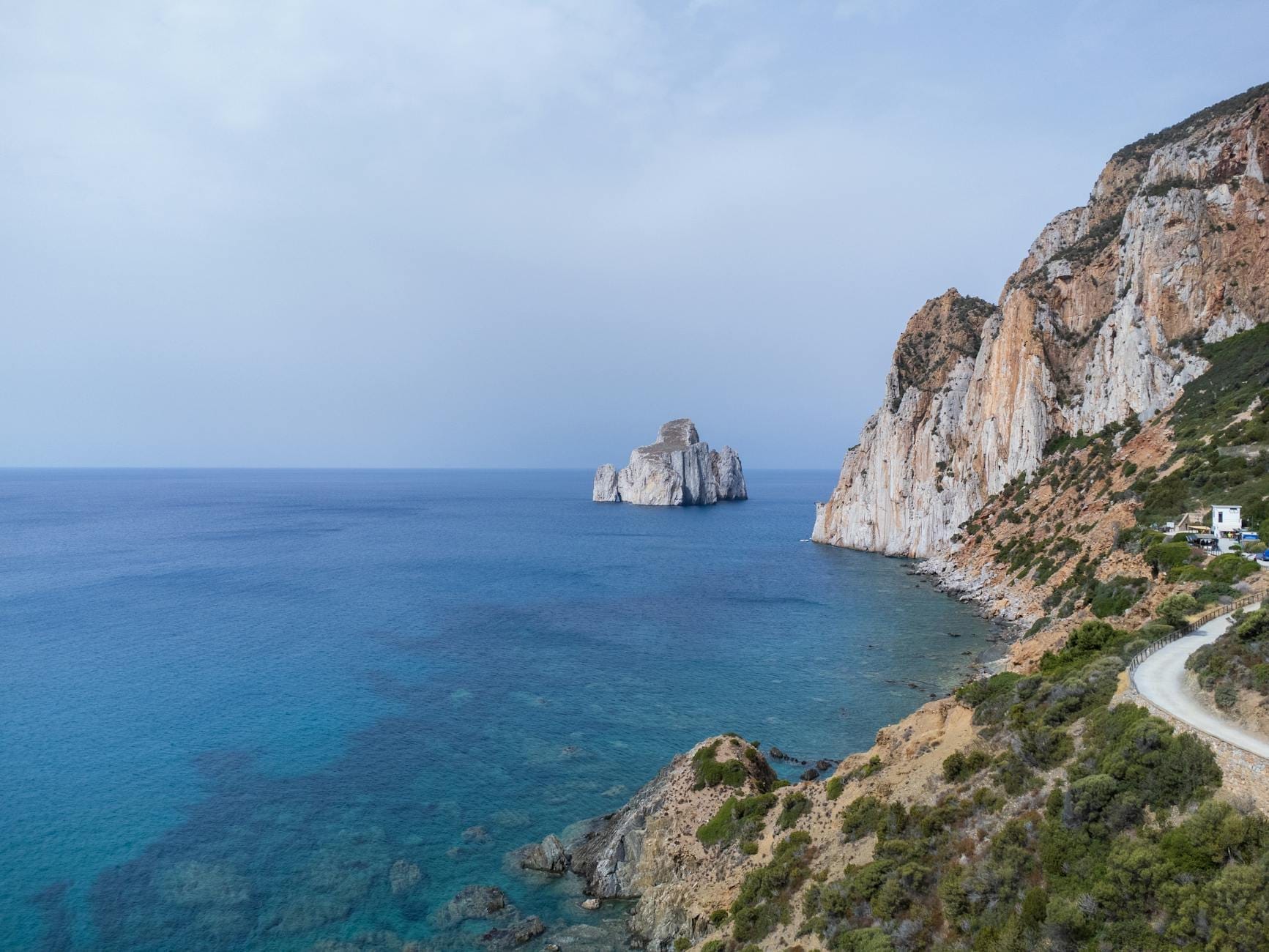
17. Kayak Around the Sugar Loaf Sea Stack at Masua
The 133-metre Pan di Zucchero sea stack near Masua is one of the Mediterranean's most dramatic coastal formations. On calmer days, kayak or boat tours circle the base of the stack. The surrounding cliffs also produce interesting local wind effects for advanced riders.
Explore17. Kayak Around the Sugar Loaf Sea Stack at Masua
The 133-metre Pan di Zucchero sea stack near Masua is one of the Mediterranean's most dramatic coastal formations. On calmer days, kayak or boat tours circle the base of the stack. The surrounding cliffs also produce interesting local wind effects for advanced riders.
Explore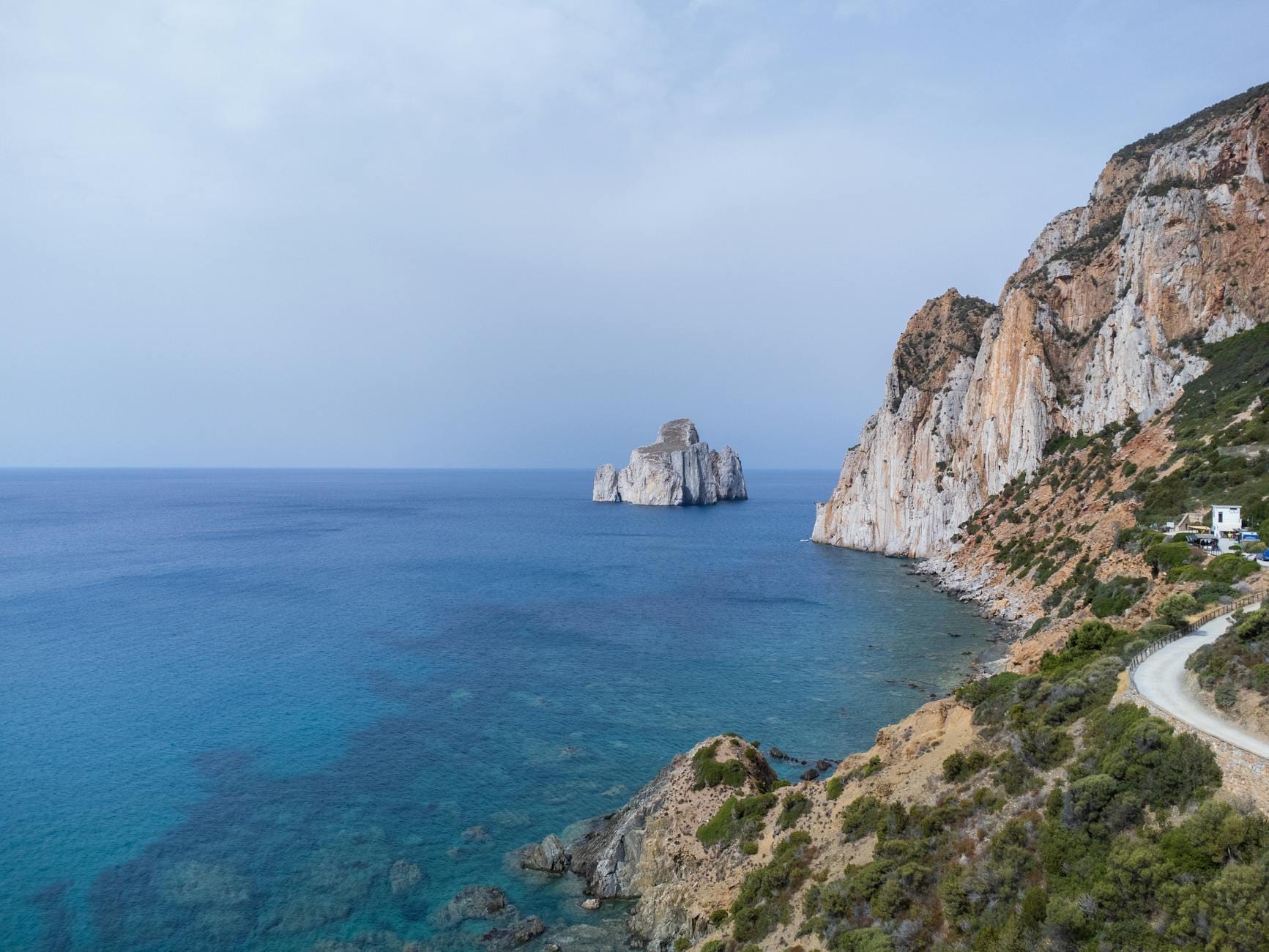
18. Ride the Scenically Dramatic Beach at Masua Below Porto Flavia
Masua beach sits at the foot of the Sulcis mining cliffs, directly below Porto Flavia's engineering marvel, facing the Pan di Zucchero stack. The exposed south-west position picks up Scirocco and sea breeze thermals. One of Sardinia's most visually striking settings for a windsurf session.
Explore18. Ride the Scenically Dramatic Beach at Masua Below Porto Flavia
Masua beach sits at the foot of the Sulcis mining cliffs, directly below Porto Flavia's engineering marvel, facing the Pan di Zucchero stack. The exposed south-west position picks up Scirocco and sea breeze thermals. One of Sardinia's most visually striking settings for a windsurf session.
ExploreCultural Stops Worth Making Between Wind Days
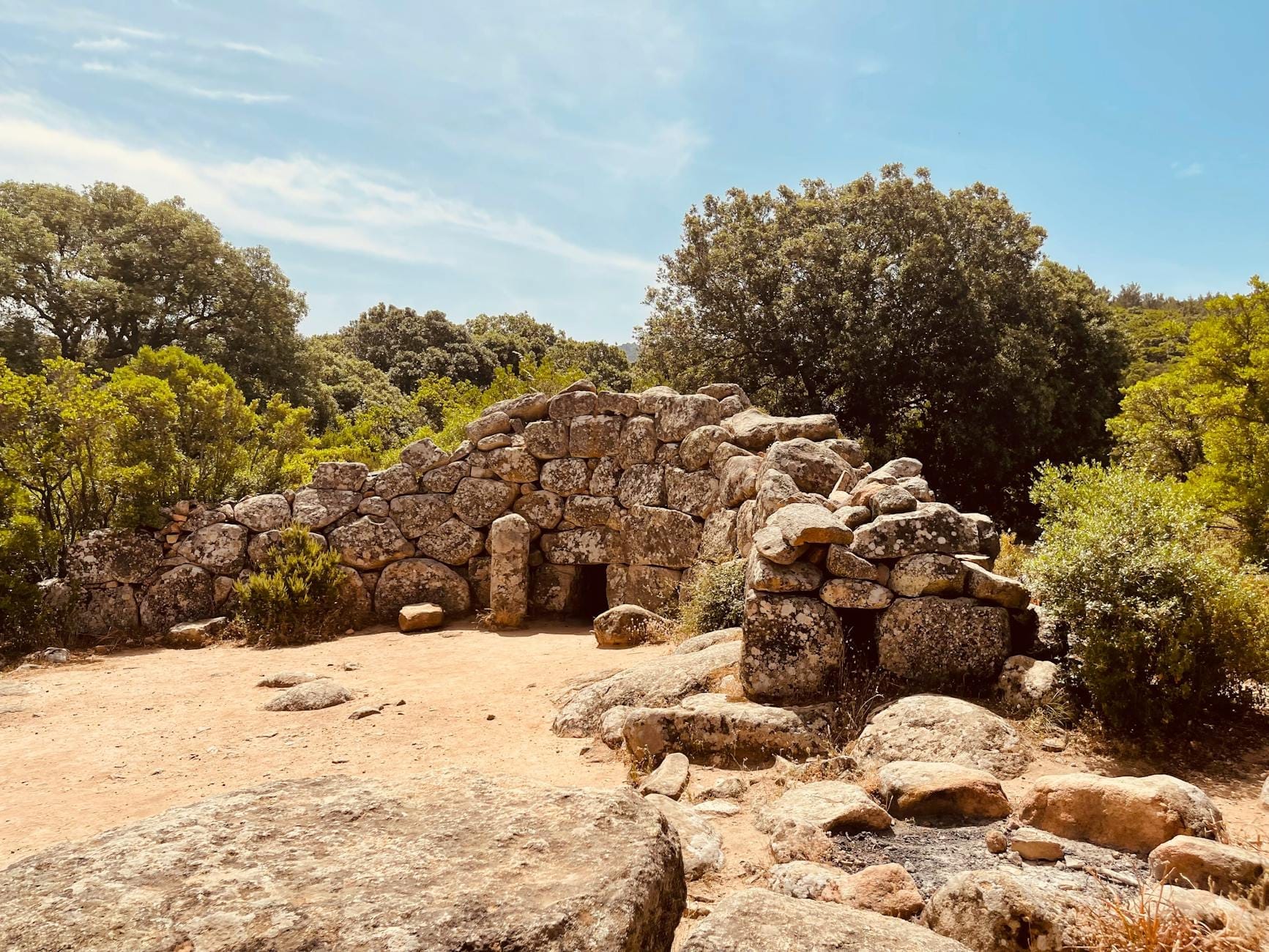
Wind riders spending a week or more in Sardinia inevitably encounter rest days or travel days. The island's cultural and archaeological riches are substantial enough to fill any gap. A good starting point is our guide to Sardinia's Nuragic sites, which covers the Bronze Age monuments clustered near many of the main wind spots.
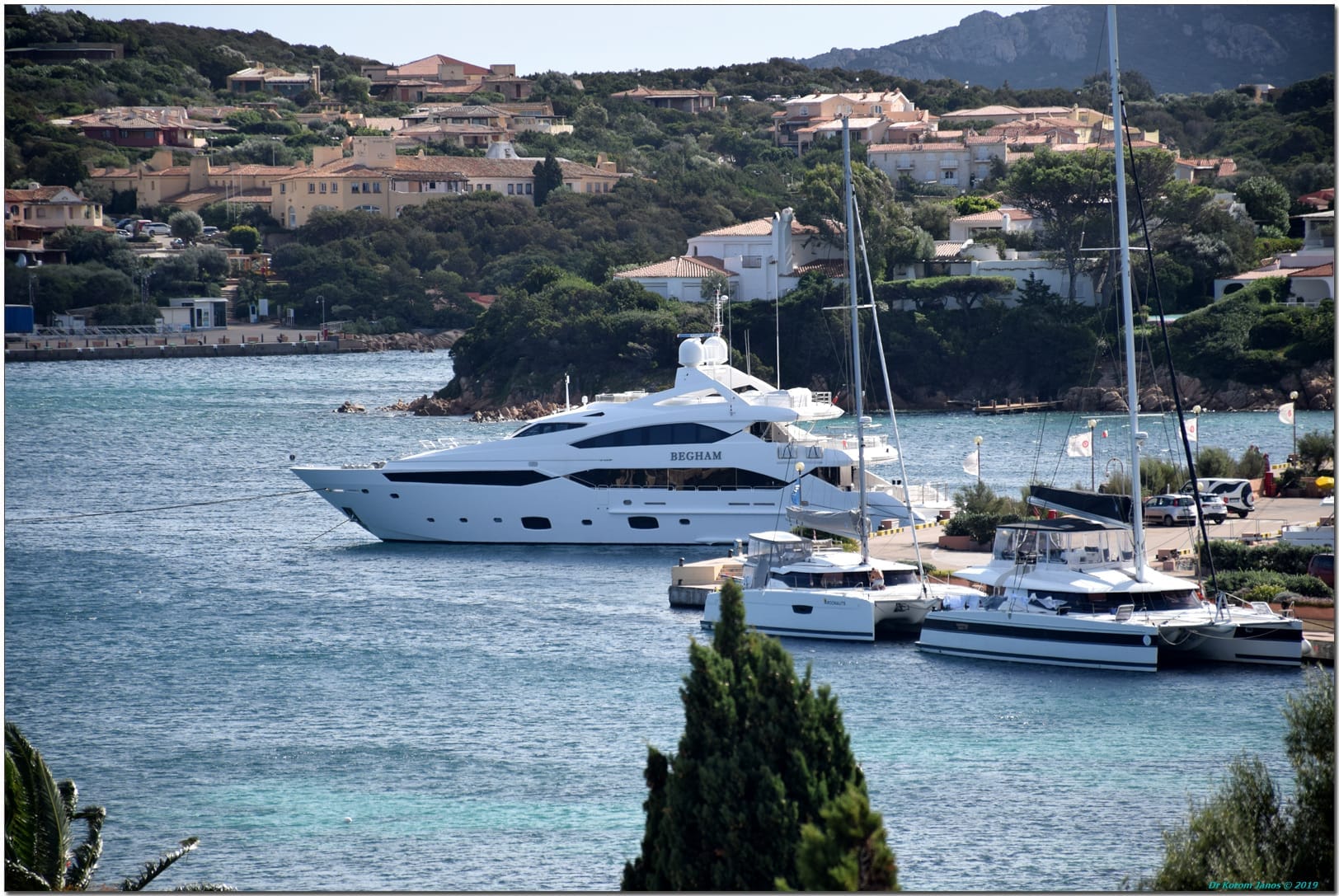
19. Walk Porto Cervo Marina: Superyachts and Regatta Culture
Porto Cervo's marina hosts the Maxi Yacht Rolex Cup and some of the world's largest superyachts. Even if you're not racing, the waterfront is impressive and the aperitivo scene is worth an evening. It's 30 minutes from Porto Pollo and a natural base for north Sardinia sessions.
Explore19. Walk Porto Cervo Marina: Superyachts and Regatta Culture
Porto Cervo's marina hosts the Maxi Yacht Rolex Cup and some of the world's largest superyachts. Even if you're not racing, the waterfront is impressive and the aperitivo scene is worth an evening. It's 30 minutes from Porto Pollo and a natural base for north Sardinia sessions.
Explore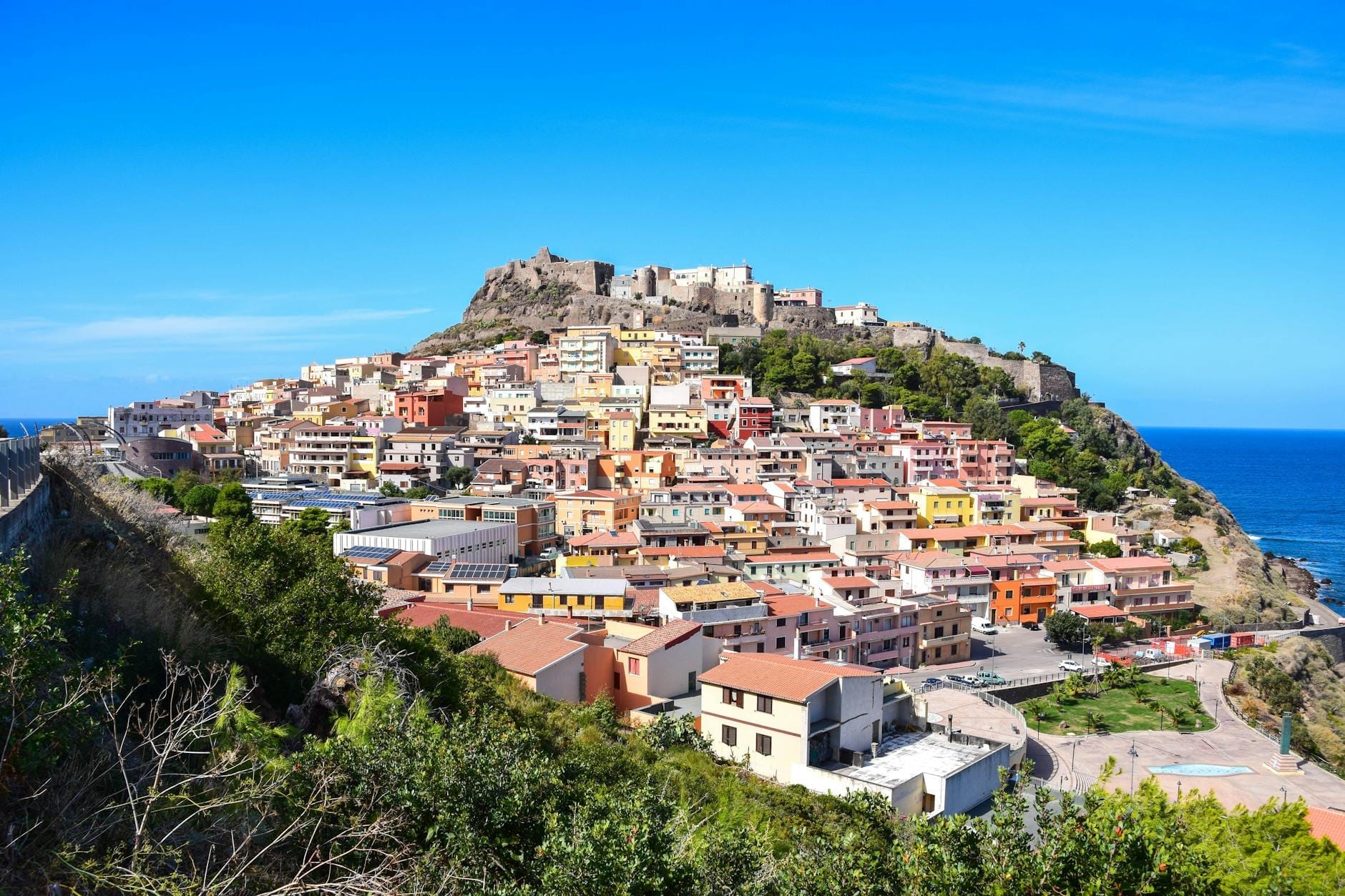
20. Explore the Medieval Fortress Town of Castelsardo on a Rest Day
Castelsardo's volcanic promontory topped by a Doria castle offers sweeping views over the Golfo dell'Asinara and, on clear days, toward Corsica. The basket-weaving tradition here is centuries old. It's an easy 40-minute drive from Porto Pollo and makes a full rest-day excursion.
Explore20. Explore the Medieval Fortress Town of Castelsardo on a Rest Day
Castelsardo's volcanic promontory topped by a Doria castle offers sweeping views over the Golfo dell'Asinara and, on clear days, toward Corsica. The basket-weaving tradition here is centuries old. It's an easy 40-minute drive from Porto Pollo and makes a full rest-day excursion.
Explore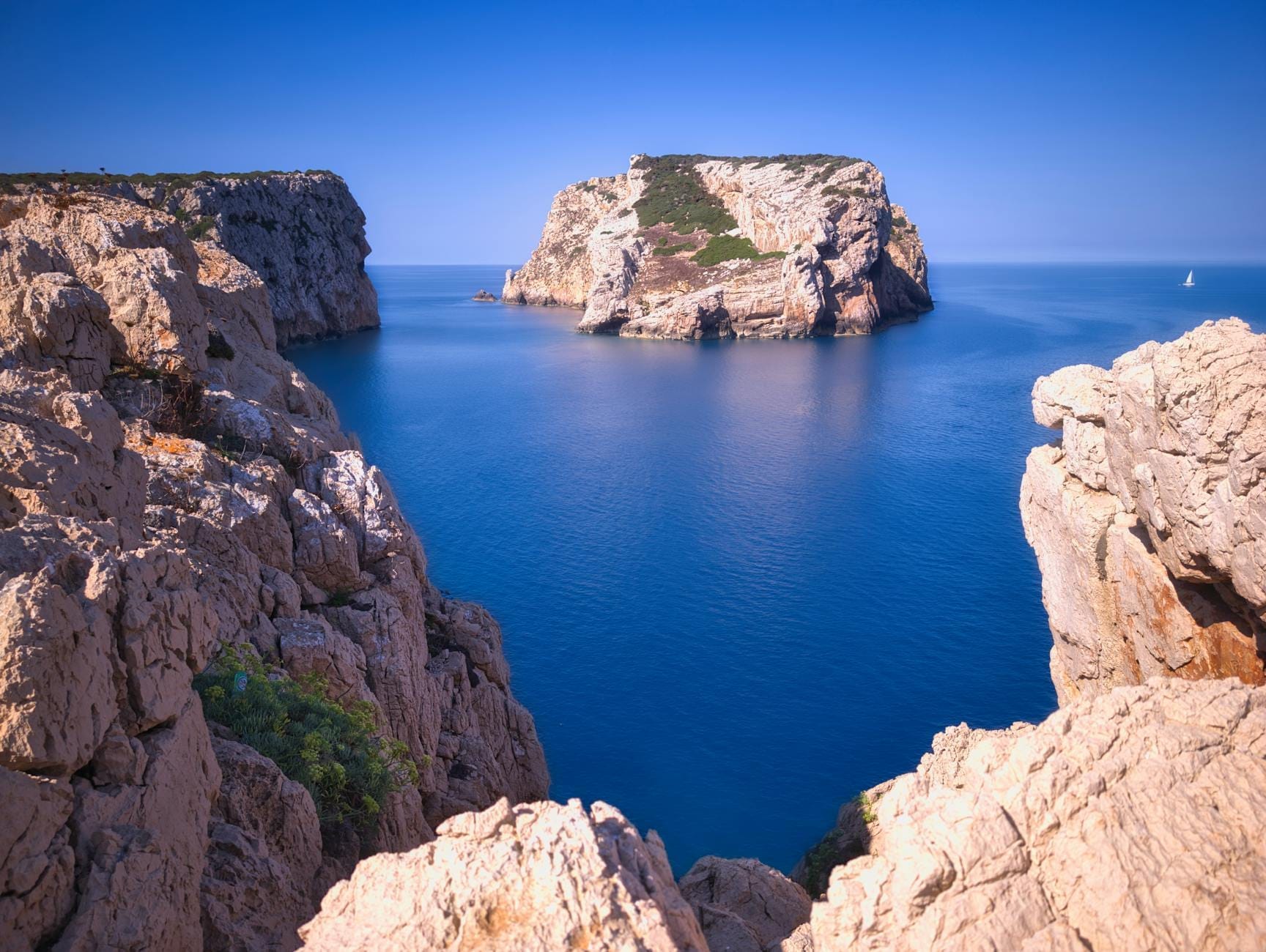
21. Visit Neptune's Grotto at Capo Caccia Near Alghero's Wind Beaches
Capo Caccia's 170-metre limestone headland shelters Neptune's Grotto below. Reached by 654 cliff steps or by boat from Alghero, the sea cave is one of Sardinia's most impressive natural attractions. Combine it with a morning kite session on the beaches north of Alghero.
Explore21. Visit Neptune's Grotto at Capo Caccia Near Alghero's Wind Beaches
Capo Caccia's 170-metre limestone headland shelters Neptune's Grotto below. Reached by 654 cliff steps or by boat from Alghero, the sea cave is one of Sardinia's most impressive natural attractions. Combine it with a morning kite session on the beaches north of Alghero.
Explore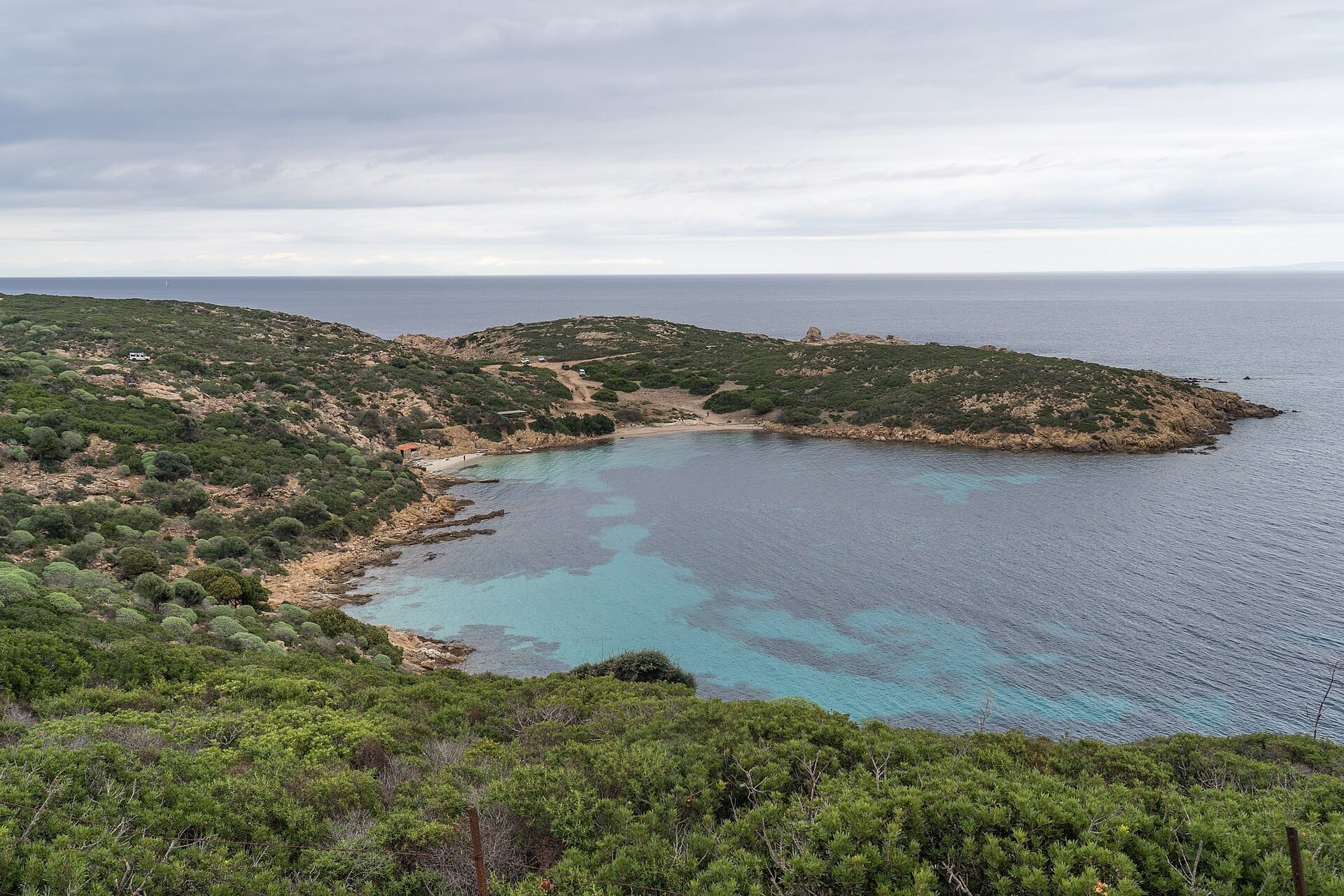
22. Take a Guided Tour of Asinara National Park from Stintino
Asinara, a former maximum-security prison island turned national park, is home to albino donkeys and pristine beaches. Guided tours run from Stintino and Porto Torres. It pairs naturally with a visit to La Pelosa and makes an excellent no-wind day excursion from the north-west coast.
Explore22. Take a Guided Tour of Asinara National Park from Stintino
Asinara, a former maximum-security prison island turned national park, is home to albino donkeys and pristine beaches. Guided tours run from Stintino and Porto Torres. It pairs naturally with a visit to La Pelosa and makes an excellent no-wind day excursion from the north-west coast.
Explore💡 Local tip
In north Sardinia, many riders find wind more consistent from roughly September through June than in the peak summer months of July and August. If you're flexible on dates, late May or early October gives you reliable Mistral, fewer riders at the spots, and significantly cheaper accommodation.
FAQ
What is the best spot for windsurfing and kitesurfing in Sardinia?
Porto Pollo (also called Porto Puddu) near Palau is widely considered one of the island’s top spots, offering frequent Mistral winds that often blow in the 4–8 Beaufort range, separate zones for kitesurfers and windsurfers, and several schools with full rental fleets. For flat-water kitesurfing, the shallow lagoon area behind La Cinta near San Teodoro and the Poetto beach in Cagliari are also excellent and particularly suitable for beginners.
What time of year has the best wind in Sardinia for kitesurfing?
The most reliable wind window is April through October, driven by the Maestrale (Mistral) from the northwest. April, May, September, and October are particularly good because the Mistral is consistent, the water is typically warm enough for a 3mm wetsuit, and there are far fewer swimmers on the beaches. July and August can see lighter periods, though thermal and Ponente winds often compensate, especially in the north.
Is Sardinia suitable for beginner windsurfers and kitesurfers?
Yes. Poetto beach in Cagliari and parts of Porto Pollo offer flat, shallow water with professional schools and rescue services that make them well-suited for beginners. La Cinta's lagoon side near San Teodoro is another excellent learning environment. Beginners should avoid exposed spots like Piscinas and Chia, which have more powerful conditions suited to intermediate and advanced riders.
Do I need to bring my own equipment to kitesurf in Sardinia?
No. All the main wind spots, including Porto Pollo, La Cinta, Poetto, and Chia, have rental operations during the main season (typically April to October). Equipment rental is commonly available for roughly €50–80 per day for a full kite or windsurf package, though prices vary by provider and should be confirmed directly with schools before booking.
Which part of Sardinia is best for kitesurfing if I'm based in Cagliari?
Poetto beach is the most convenient from Cagliari and has several schools operating directly from the beach. If you're willing to drive, the flat-water lagoons near Punta Trettu and Porto Botte on the south-west coast are popular with kiters seeking calm water, and Chia to the south offers stronger, more wave-oriented conditions for experienced riders.