La Cinta Beach (San Teodoro): What to Know Before You Go
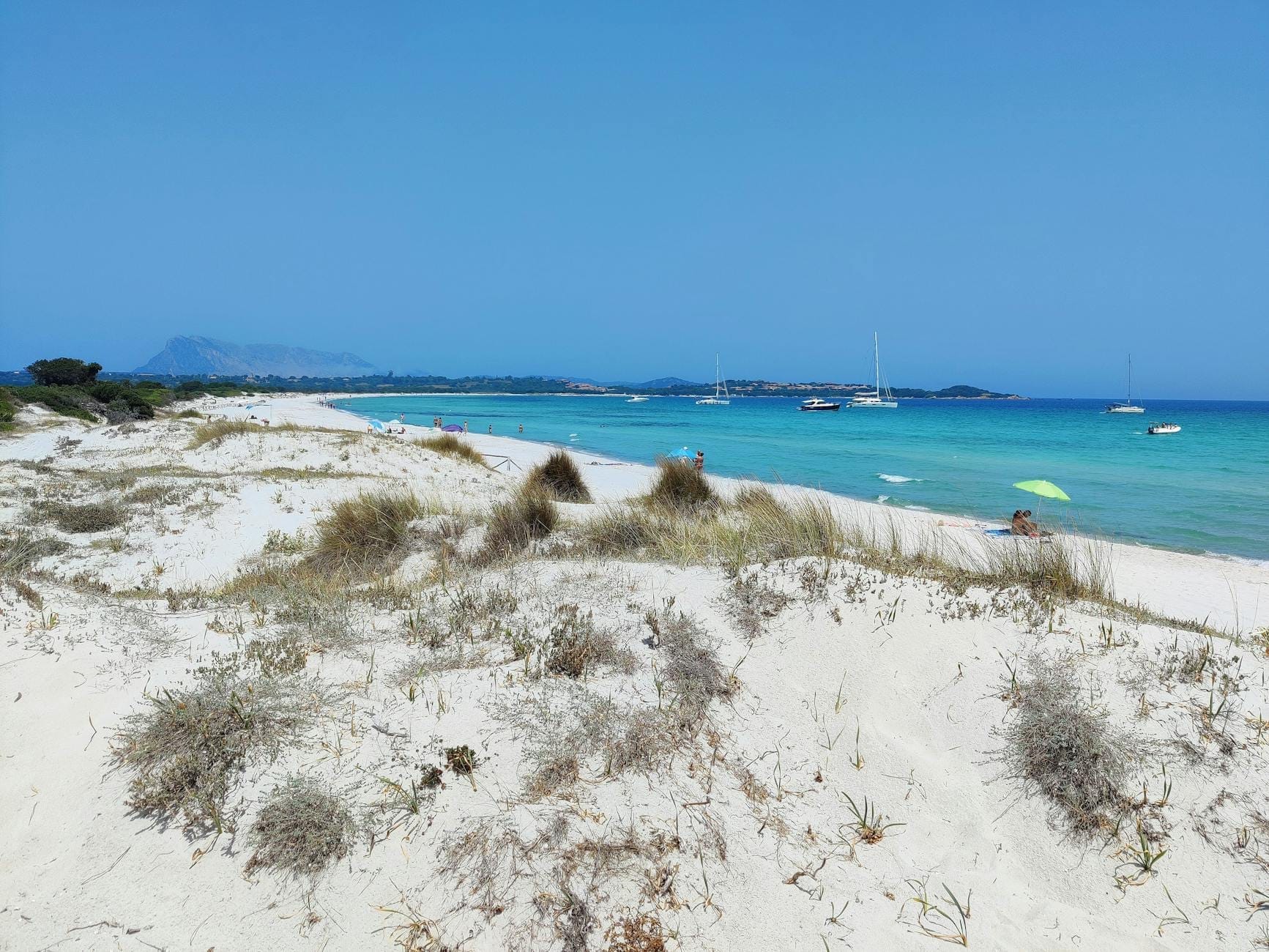
La Cinta is one of the longest beaches in northeast Sardinia, a 3.2 km arc of fine white sand backed by a brackish lagoon where flamingos wade year-round. Shallow, calm water and flat access from San Teodoro town make it one of Gallura's most approachable stretches of coast, though its reputation means peak-summer crowds are real and worth planning around.
Quick Facts
- Location
- San Teodoro, Province of Nuoro, Gallura, northeast Sardinia
- Getting There
- ~30 km south of Olbia (OLB) via SS125; seasonal San Teodoro Express shuttle from town centre; walkable or cyclable from San Teodoro
- Time Needed
- Half day minimum; full day recommended in peak season
- Cost
- Free beach access; paid sunbed/umbrella rentals in equipped zones; paid parking in season
- Best for
- Families, beginner swimmers, kitesurfers, birdwatchers, photography
- Official website
- www.comunesanteodoro.it
What La Cinta Actually Is
Spiaggia La Cinta is a 3.2 km sand barrier that separates the Tyrrhenian Sea from a shallow brackish lagoon, Lo Stagno di San Teodoro, on the northeastern coast of Sardinia. The name translates roughly as 'the enclosure' or 'the belt', which describes its geography precisely: a long, narrow strip of land separating the lagoon from the open sea. It is consistently ranked among the longest beaches in the Gallura region, and its combination of near-white quartz sand, translucent shallow water, and immediate lagoon access gives it a character distinct from the more rugged coves further south along the Golfo di Orosei.
The seabed stays shallow for roughly 50 to 100 metres offshore, which makes the water safe for children and inexperienced swimmers but also turns it an extraordinary pale turquoise in direct sunlight. On a still morning, before any wind picks up, the surface is almost glassy, and the colour shifts between mint and cobalt depending on depth and cloud cover. This is not a beach with dramatic sea cliffs or sheltered rocky coves — it is wide, open, and exposed, which is precisely why it also attracts kitesurfers and windsurfers when the wind arrives.
ℹ️ Good to know
Beach access is free with no formal opening hours. Private concession areas rent sunbeds and umbrellas seasonally, but a large portion of the beach remains free public access year-round. Dogs are not permitted on the beach under local regulations.
The Lagoon Behind the Beach: An Underrated Highlight
Most visitors come for the sea and ignore what is immediately behind them. That is a mistake. Lo Stagno di San Teodoro, the brackish lagoon backed by low coastal dunes, supports populations of flamingos, grey herons, cormorants, and various wading birds throughout much of the year. The flamingos are not a guaranteed sighting, but they are often visible from the road that runs behind the beach, particularly in the quieter shoulder months when foot traffic is lower and the birds are less disturbed.
The dunes between the beach and the lagoon are fragile and protected. Walkways and access paths are marked, and staying on designated routes is not just a rule but practical: the dune vegetation, including sea rocket and marram grass, is what holds the sand in place and gives this barrier beach its form. In high season, the contrast between the dense crowds on the sea side and the almost silent lagoon a few metres behind can be striking.
Birdwatchers visiting in autumn or spring may want to combine La Cinta with the broader wetland ecosystems of the region. For context on Sardinia's lagoon habitats, the Stagno di Cabras on the western coast offers a different but related coastal lagoon experience worth knowing about for broader trip planning.
Tickets & tours
Hand-picked options from our booking partner. Prices are indicative; availability and final rates are confirmed when you complete your booking.
Vineyard Guided Tour and 7 Wine Tasting in Palau
From 84 €Instant confirmationFree cancellationFull-Day Sailboat Tour in La Maddalena Archipelago from Cannigione
From 112 €Instant confirmationFree cancellationHiking excursion to the Devil's Saddle
From 35 €Instant confirmationFree cancellationExcursion to the Archaeological site of Nora
From 70 €Instant confirmationFree cancellation
How the Beach Changes Through the Day
Arrive before 9:00 in July or August and the beach is a different place entirely. The light is low and golden, the sand still cool, and the only people present are early walkers and a handful of kitesurfers rigging their equipment at the southern end. The water is at its calmest in the morning before the sea breeze develops, which usually makes the first two hours after sunrise the best window for swimming and photography alike.
By 10:30 in high season, the concession areas fill quickly, and by midday the free zones can feel compressed. The afternoon heat is intense: temperatures along this stretch of coastline regularly exceed 30°C in July and August, and the beach offers almost no natural shade. The sea breeze that arrives most afternoons provides relief but also kicks up a chop that makes swimming rougher and kitesurfers more active. This wind pattern is why La Cinta developed a reputation as one of the better kiteboarding locations in northeast Sardinia, and conditions regularly attract practitioners throughout summer.
Late afternoon, from around 17:00 onward, brings a second quieter window. Day-trippers begin to leave, the light turns warmer and lower, and the beach takes on a more relaxed atmosphere. Sunset is not directly over the sea from this east-facing beach but the sky behind the town turns amber, and the lagoon catches the colours particularly well from the dune paths.
💡 Local tip
For photography, the 7:00 to 9:00 window in summer gives you the best light, minimal crowds, and calm water. The southern end of the beach, closest to the dunes and lagoon outlet, tends to be less crowded throughout the day.
When to Visit: Seasons and Honest Trade-offs
July and August bring maximum crowds and maximum heat. The beach is popular with Italian families and European tourists who base themselves in San Teodoro, which is a well-established resort town with a lively summer nightlife scene. Parking fills early, the shuttle from town runs frequently but can be crowded, and sunbed concessions fill by mid-morning. If this is your only option, plan to arrive well before 9:00 or after 17:00.
June and September are considerably more comfortable for most travellers. Sea temperatures remain warm for swimming — the Mediterranean along this coast is swimmable comfortably from late May through to October — but the beach has room to breathe. Late September in particular can feel almost meditative: the lagoon birds are more active, the dune vegetation is less trampled, and you may have long stretches of the 3.2 km to yourself in the early morning.
May and October see mild temperatures and near-empty beaches, though some services such as beach bars and sunbed rentals may not yet be operating or may have closed. For a broader view of what Sardinia's seasons mean in practice, the best time to visit Sardinia guide covers the island-wide trade-offs in detail.
⚠️ What to skip
There is almost no natural shade on La Cinta. In July and August, midday UV levels are severe. A quality reef-safe sunscreen, a beach umbrella (or rental), plenty of water, and a cover-up for the hottest hours are not optional — they are essential, especially with children.
Getting There and Around
Olbia Costa Smeralda Airport (OLB) is the closest major gateway, roughly 30 km north via the SS125. Driving time from the airport is around 25 to 30 minutes outside peak hours, though summer traffic on the SS125 between Olbia and San Teodoro can slow this considerably. Signed parking areas near La Cinta charge fees in season — cash and card acceptance varies by operator, so carrying both is practical.
San Teodoro town itself is walkable or cyclable to the beach, and a seasonal local shuttle service, including the Trenino Teodorino tourist train, connects the town centre to La Cinta and other nearby beaches. For anyone staying in town without a car, this is the simplest option in summer. Bicycle hire is available in San Teodoro, and the flat terrain between the town and the beach makes cycling entirely feasible even in heat, if you start early.
There is no reliable public bus route from Olbia directly to La Cinta that avoids walking the final stretch. Renting a car or scooter at Olbia airport remains the most flexible option for visitors who want to combine La Cinta with other beaches and towns in the Gallura area without depending on seasonal shuttle availability.
If you are building a wider Gallura itinerary, the Sardinia road trip guide covers the northeast coast in detail and helps sequence La Cinta alongside other stops in the region.
Accessibility and Practical Logistics
La Cinta has a reputation as one of the more accessible beaches in northeast Sardinia. The gradient from the parking areas to the waterline is minimal, and the flat, compacted sand near the water's edge makes wheelchair access more feasible than at many rocky or steeply-shelving Sardinian beaches. Some equipped concession areas provide additional accessibility infrastructure, though provision varies by operator and should be confirmed directly before visiting.
Facilities in high season include beach bars, showers, changing areas, and sunbed rentals within the concession zones. The free zones are more basic but typically include at least cold-water rinse showers. Outside the June to September window, facilities reduce sharply, and it is wise to bring everything you need including food and water.
Dogs are generally not permitted on the main stretch of La Cinta under local regulations during the bathing season, with specific small dog-friendly areas designated elsewhere along the coast; enforcement is stricter in high season and details should be checked locally before visiting.
Who Should Temper Their Expectations
If you are travelling to Sardinia specifically for dramatic coastal scenery — sea caves, cliffs, isolated coves reachable only by boat — La Cinta is not that beach. It is a long, flat, open shoreline that rewards families, swimmers who want safe shallow water, and those who want easy logistics rather than adventure. The beauty is real but relatively conventional by Sardinian standards. Visitors who have read extensively about Sardinia's most extraordinary coastline and arrive expecting something in the league of Cala Luna or Cala Mariolu may find La Cinta pleasant but unremarkable.
For the more dramatic coastal experiences in Sardinia, the beaches of the Golfo di Orosei represent a different category of landscape, typically requiring more effort but delivering more raw spectacle.
Similarly, travellers who are sensitive to crowds should plan carefully. La Cinta in August is not a quiet beach. It is popular, well-known, and within easy reach of one of Sardinia's main airports. Its accessibility is both its strength and the reason it fills quickly in summer.
Insider Tips
- The southern end of La Cinta, closest to the lagoon outlet and the dune system, is consistently less crowded than the central and northern sections closest to the main parking areas. Walk 10 to 15 minutes south from the main access point and the density drops noticeably even in July.
- The lagoon side of the dune path catches the day's last light better than the beach itself. Walk the marked dune path around 19:00 in summer for flamingo sightings and the best colours of the day without the beach crowds.
- Kitesurfers and windsurfers tend to congregate at the southern end of the beach where the wind funnel is strongest. If you are not interested in water sports activity around you, aim for the quieter northern section near the rocky point.
- San Teodoro town has several good supermarkets and a daily market in summer — assembling a picnic there before heading to the beach is far cheaper and often better quality than buying from beach concessions, and the flat terrain makes carrying a cool bag manageable.
- Arrive on a weekday rather than a weekend if you have flexibility. Italian weekenders from Olbia and the surrounding area swell the beach significantly on Saturdays and Sundays in June and early September, when tourist numbers have dropped but local usage peaks.
Who Is La Cinta Beach (San Teodoro) For?
- Families with young children seeking safe, shallow, flat-entry water
- Kitesurfers and windsurfers who benefit from the consistent afternoon sea breeze
- Birdwatchers with an interest in flamingos and lagoon wading birds, especially in shoulder seasons
- Travellers based in Olbia or San Teodoro wanting a high-quality beach without a long drive
- First-time visitors to Sardinia looking for an approachable, well-facilitated beach experience
Nearby Attractions
Other things to see while in Gallura:
- Basilica di San Simplicio (Olbia)
The Basilica di San Simplicio is the oldest surviving building in Olbia and one of the finest Romanesque churches in Sardinia. Built between the late 11th and mid-12th centuries on a site with origins in a Roman necropolis and a Palaeo-Christian church, it offers a rare, unhurried encounter with pre-medieval Gallura — around ten minutes' walk from the ferry port crowds.
- Capo Testa
Capo Testa is a rugged granite promontory jutting into the Strait of Bonifacio near Santa Teresa Gallura, in Sardinia's far north. The headland is free to visit and rewards exploration with wind-sculpted rock formations, secluded sea pools, and the eerily beautiful Valle della Luna. It is one of northern Sardinia's most distinctive natural landscapes.
- Coddu Vecchiu Giants' Tomb (Arzachena)
The Giants' Tomb of Coddu Vecchiu is one of Sardinia's best-preserved Nuragic funerary monuments, featuring a roughly 4-metre granite entrance stele that has stood in the Gallura countryside for roughly 4,000 years. Located about 10 km from the Gulf of Arzachena, it offers a absorbing encounter with the island's prehistoric past in under an hour.
- Costa Paradiso
Costa Paradiso is a striking stretch of northern Sardinian coastline where ancient red and orange granite cliffs drop into transparent turquoise water. Largely a seasonal holiday settlement with under 200 year-round residents, it offers raw scenery, natural rock pools, and sheltered coves without the infrastructure of larger resorts.