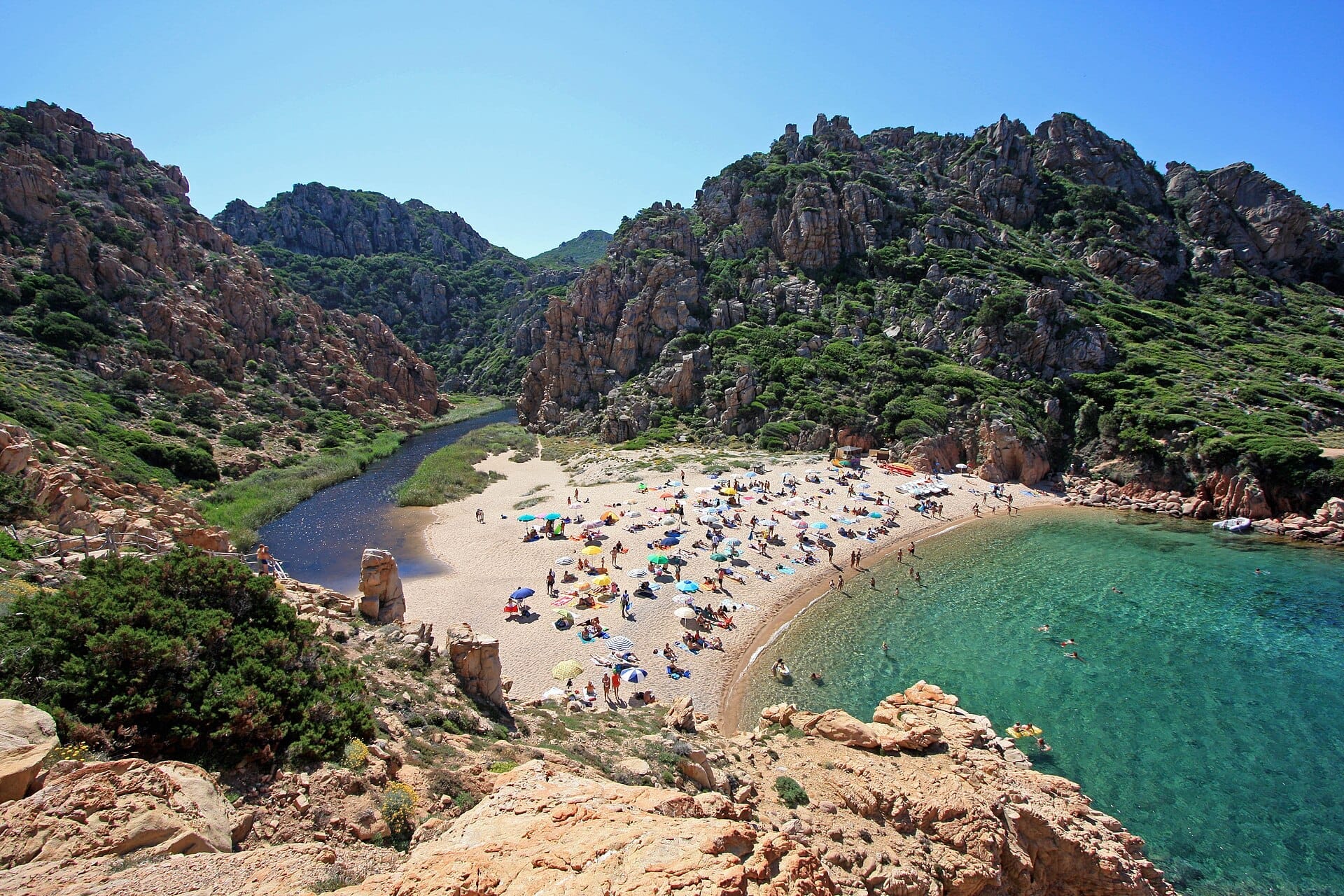
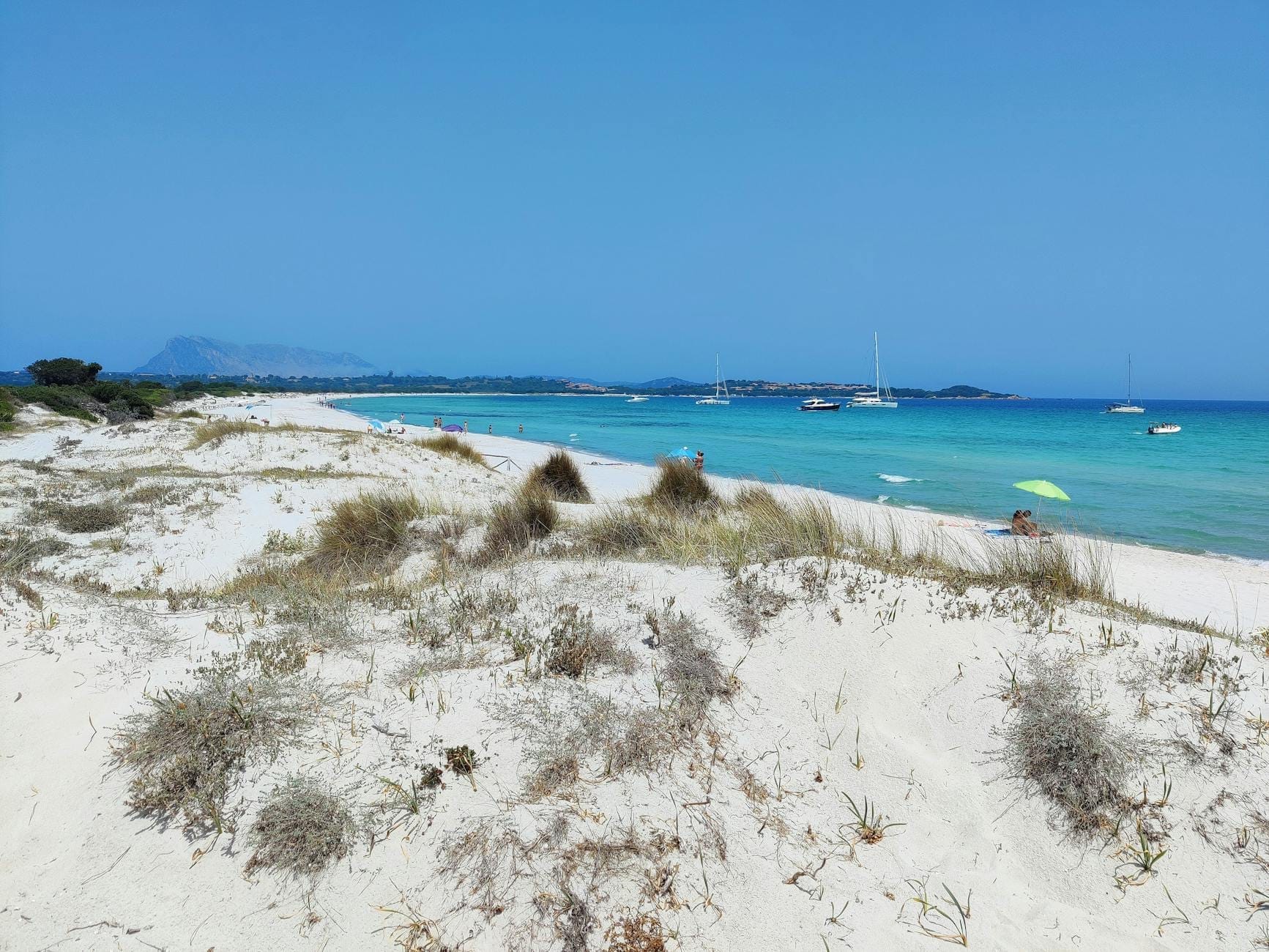
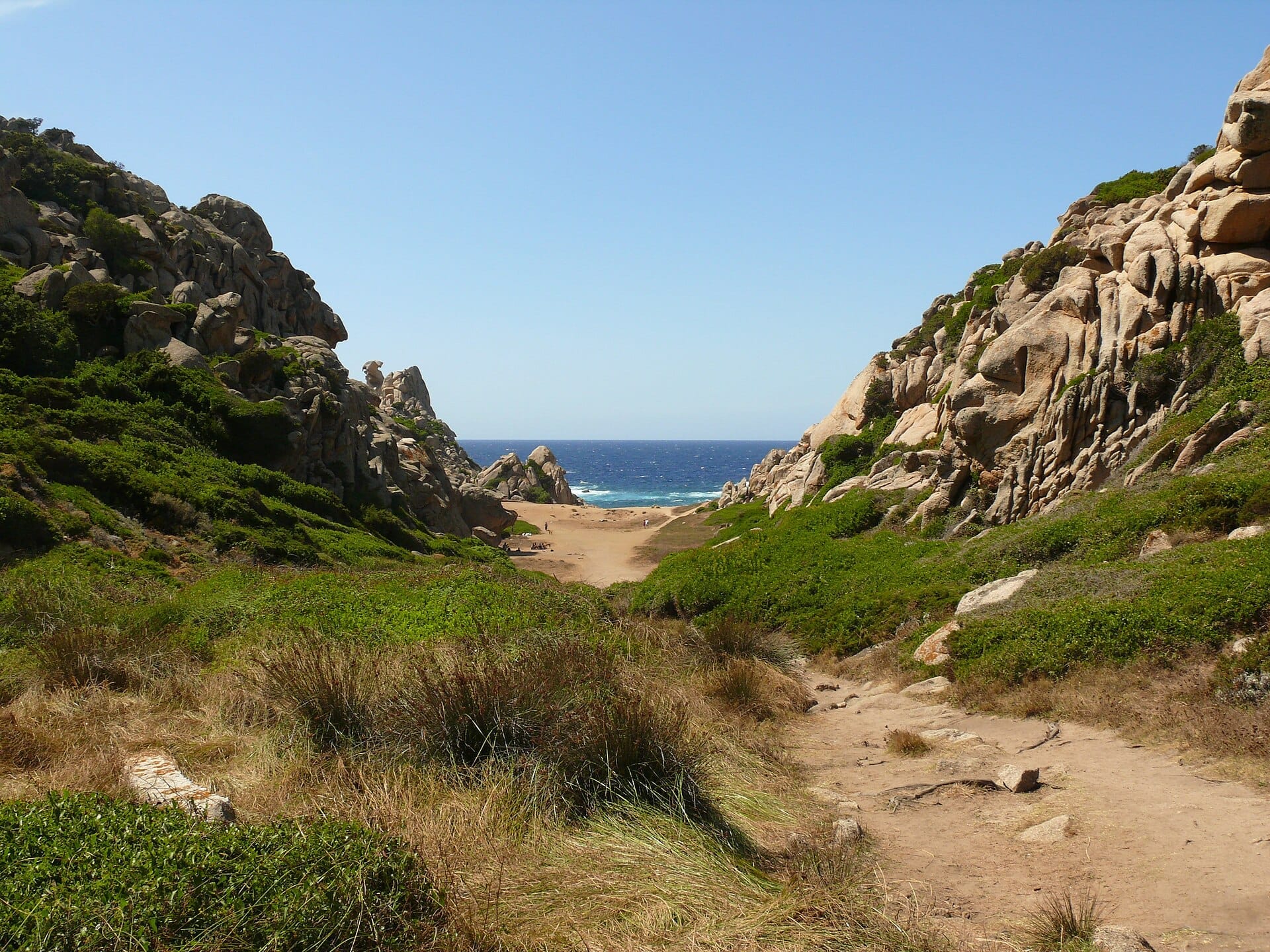
Gallura occupies the northeastern corner of Sardinia, stretching from the granite-strewn coast near Santa Teresa Gallura south to Mount Limbara and east to Olbia's gulf. It contains some of the island's most recognizable scenery: the turquoise waters of the Costa Smeralda, the protected islands of La Maddalena, and an interior defined by cork oak forests and traditional stazzi farmhouses.
Gallura is Sardinia's most dramatically varied region, where wind-sculpted granite boulders tumble into sea water so clear it reads as turquoise in photographs and even more so in person. The northeast corner of the island packs in some of Italy's most expensive resorts alongside working port towns, ancient cork oak forests, and a string of islands that feel remote even in summer.
Orientation: Where Gallura Sits on the Map
Gallura is not a city neighborhood but a historical region covering the entire northeastern tip of Sardinia. Its rough boundaries run west to the Coghinas River, south to Monte Limbara (the granite massif that dominates the interior at around 1,362 metres), and southeast toward Monte Nieddu and the Budoni coastline. Within these limits sit dozens of distinct towns and landscapes that most visitors treat as separate destinations but which share a common character: granite, wind, and sea.
The main population centres are Olbia in the southeast, which functions as the regional gateway; Tempio Pausania in the interior, the unofficial capital of Gallurese culture; Santa Teresa Gallura at the very northern tip, separated from Corsica by just under 19 kilometres of water; and the coastal towns of Palau, Arzachena, and Golfo Aranci. The Costa Smeralda, the celebrated stretch of coastline between Baia Sardinia and Porto Cervo, falls within the municipality of Arzachena.
To the south of Gallura lies the Barbagia and Nuoro interior, a completely different world of mountains and shepherd traditions. To the west, Sassari marks the boundary with the Anglona and Logudoro regions. Visitors arriving by air typically land at Olbia Costa Smeralda Airport (OLB), about 4 kilometres south of Olbia city centre, making this one of the easiest parts of Sardinia to reach from mainland Europe.
Character and Atmosphere Across the Region
The feel of Gallura shifts completely depending on where you are and when you arrive. Olbia in the early morning is a working Sardinian city: fishermen unloading at the port, locals drinking espresso at bar counters, ferries from Civitavecchia and Genova docking with streams of cars. By mid-morning the same waterfront fills with tourists consulting phones and rolling luggage toward rental cars. It is a city that processes people efficiently without feeling like it exists only for tourism.
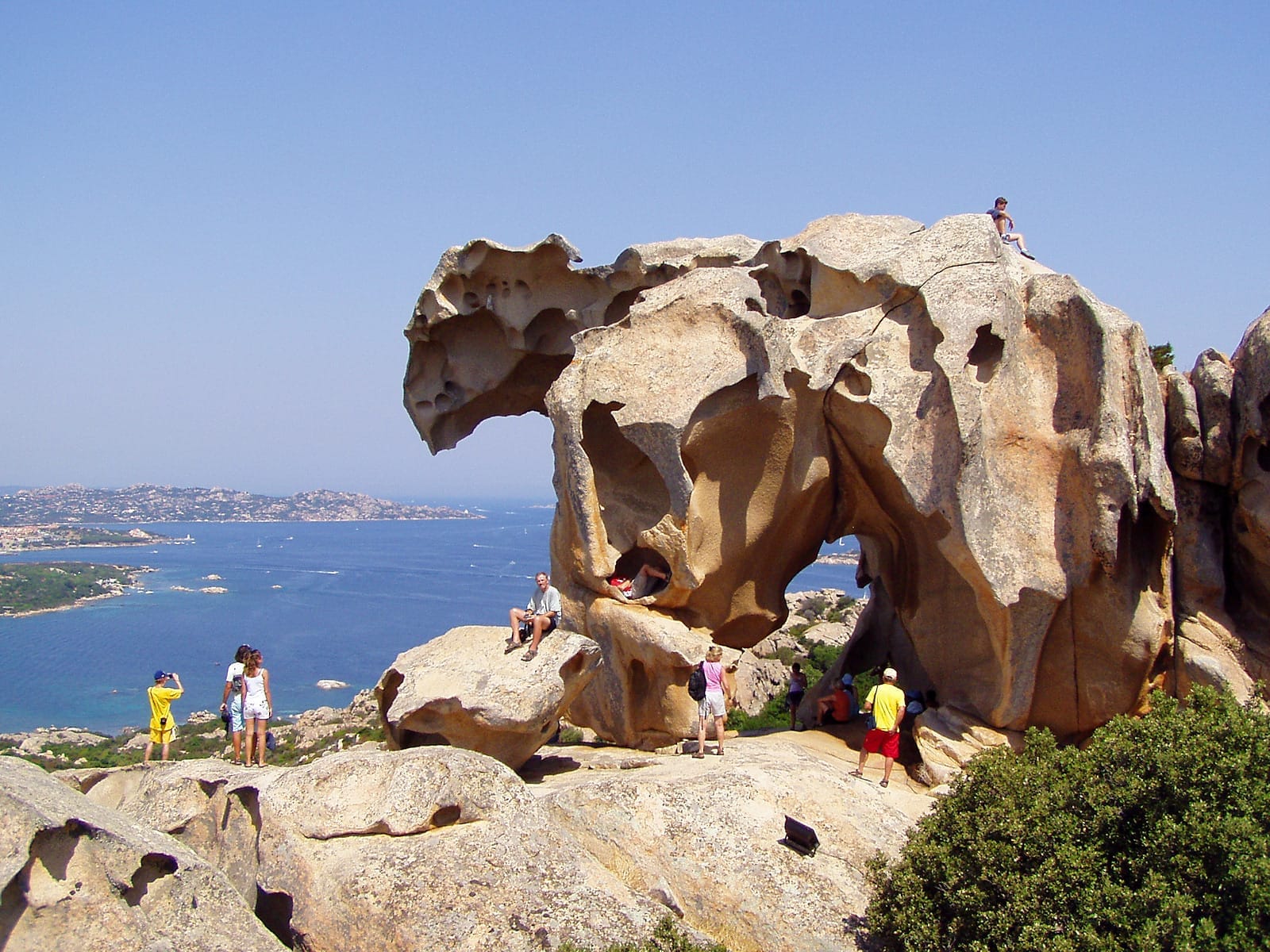
Drive north on the SS125 or the Arzachena road and the landscape changes fast. Granite outcrops push up through the macchia scrubland, cork oaks appear with their lower bark stripped and rust-red, and the road starts bending around formations that look deliberately sculptural. The Gallurese call these rock formations with local names passed down for generations. The afternoon light in summer turns them gold, and in the hour before sunset the granite glows in a way that makes the landscape look almost geological in its drama.
Porto Cervo and the Costa Smeralda feel like a separate country from June to September. Superyachts fill the marina, boutiques display price tags most visitors treat as comedy, and the aperitivo hour in the piazzetta draws a crowd that has flown in from Milan, London, and Moscow for a week. It is interesting to walk through once, but it rewards brevity. The nearby beaches, though, are world-class regardless of who is anchored offshore.
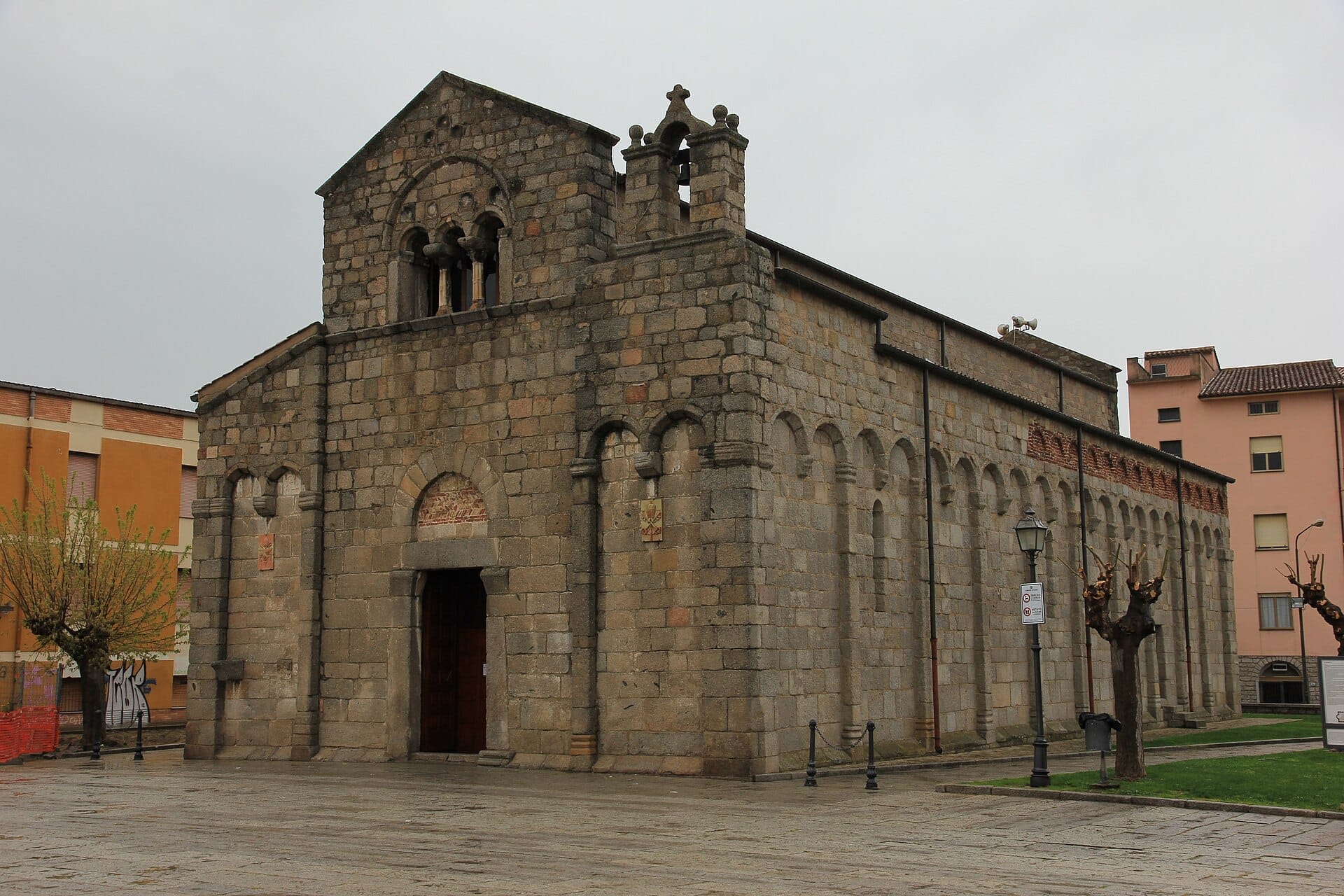
Tempio Pausania, the granite-built town in the interior at around 566 metres elevation, runs at a completely different pace. Markets, local bars, elderly men playing cards in shaded piazzas, a Romanesque cathedral that has stood since medieval times. Even in August, when the coast is at maximum pressure, Tempio feels like it belongs to Sardinians first. The altitude keeps temperatures several degrees cooler than the shore, which locals have always understood and tourists are slowly discovering.
ℹ️ Good to know
Gallura has its own distinct Romance language variety called Gallurese, which is closer to Corsican than to standard Sardinian. In towns like Tempio Pausania and Aggius you may hear it spoken between locals. Italian works fine everywhere for visitors.
What to See and Do
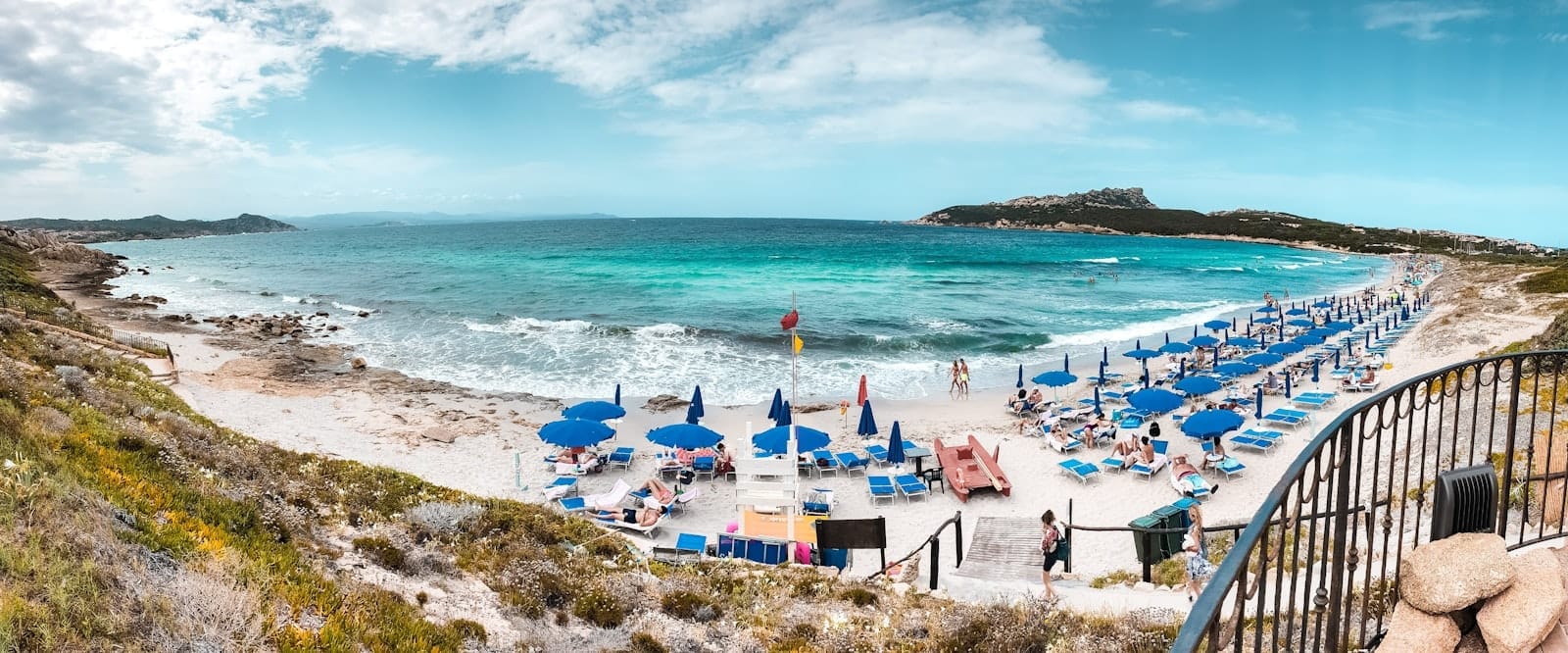
The La Maddalena Archipelago is the single most compelling reason to base yourself in northern Gallura. The national park covers seven main islands and dozens of smaller ones between the Sardinian coast and southern Corsica. Day boats leave from Palau every morning in summer, and the standard circuit takes in beaches of a quality that is difficult to describe accurately without sounding implausible. The water clarity in the straits between islands, where currents prevent sedimentation, produces a layered gradient from white sand through pale green to deep cobalt.
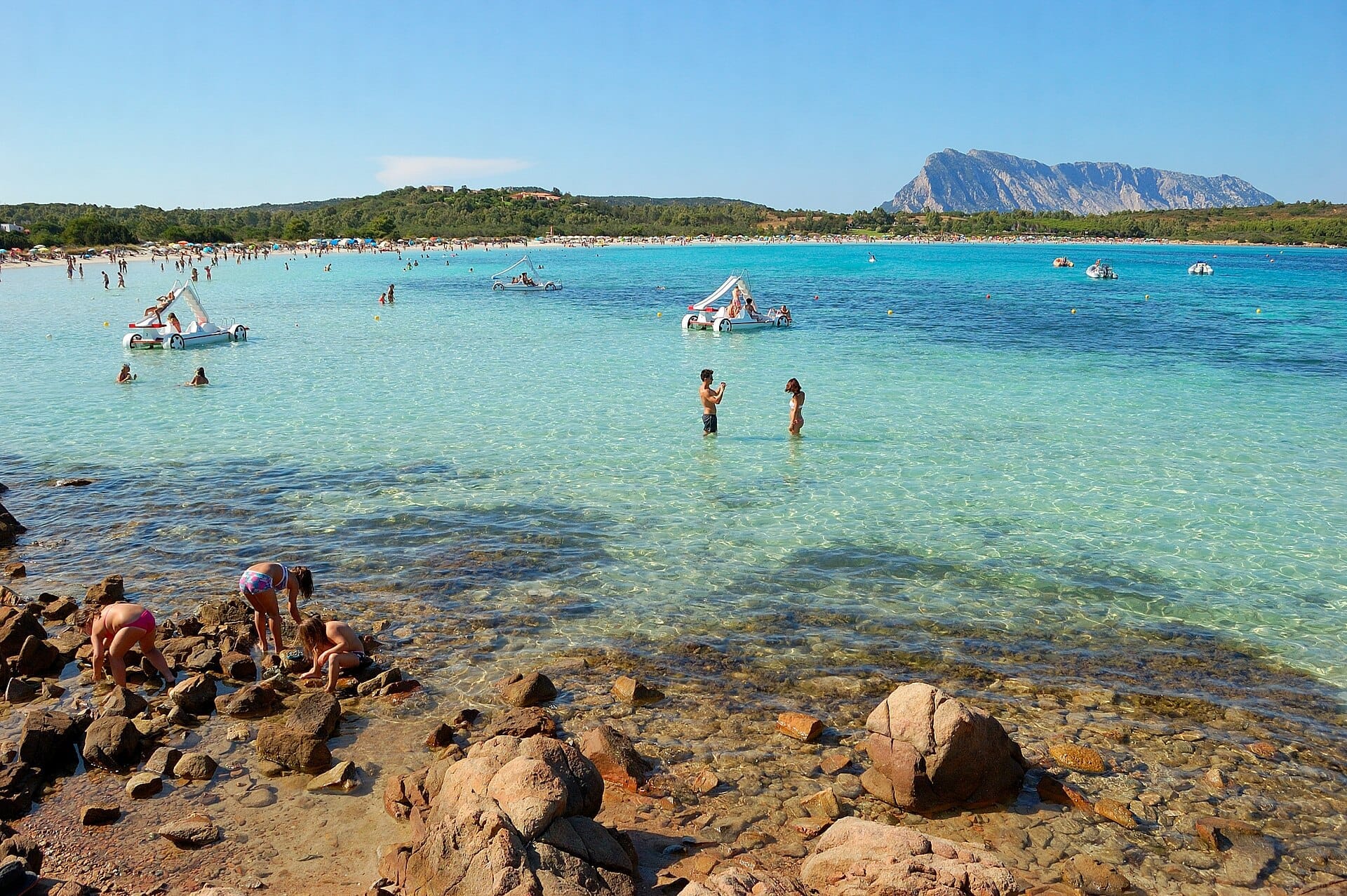
The Costa Smeralda deserves a visit even for travelers who find the luxury resort scene unappealing. The coastline from Baia Sardinia south to Capriccioli contains some of the most photographed beaches in the Mediterranean, and beaches like Spiaggia Capriccioli and Spiaggia del Principe are accessible to anyone willing to walk 15 minutes from a car park. The catch is that in July and August, those car parks fill before 9am.
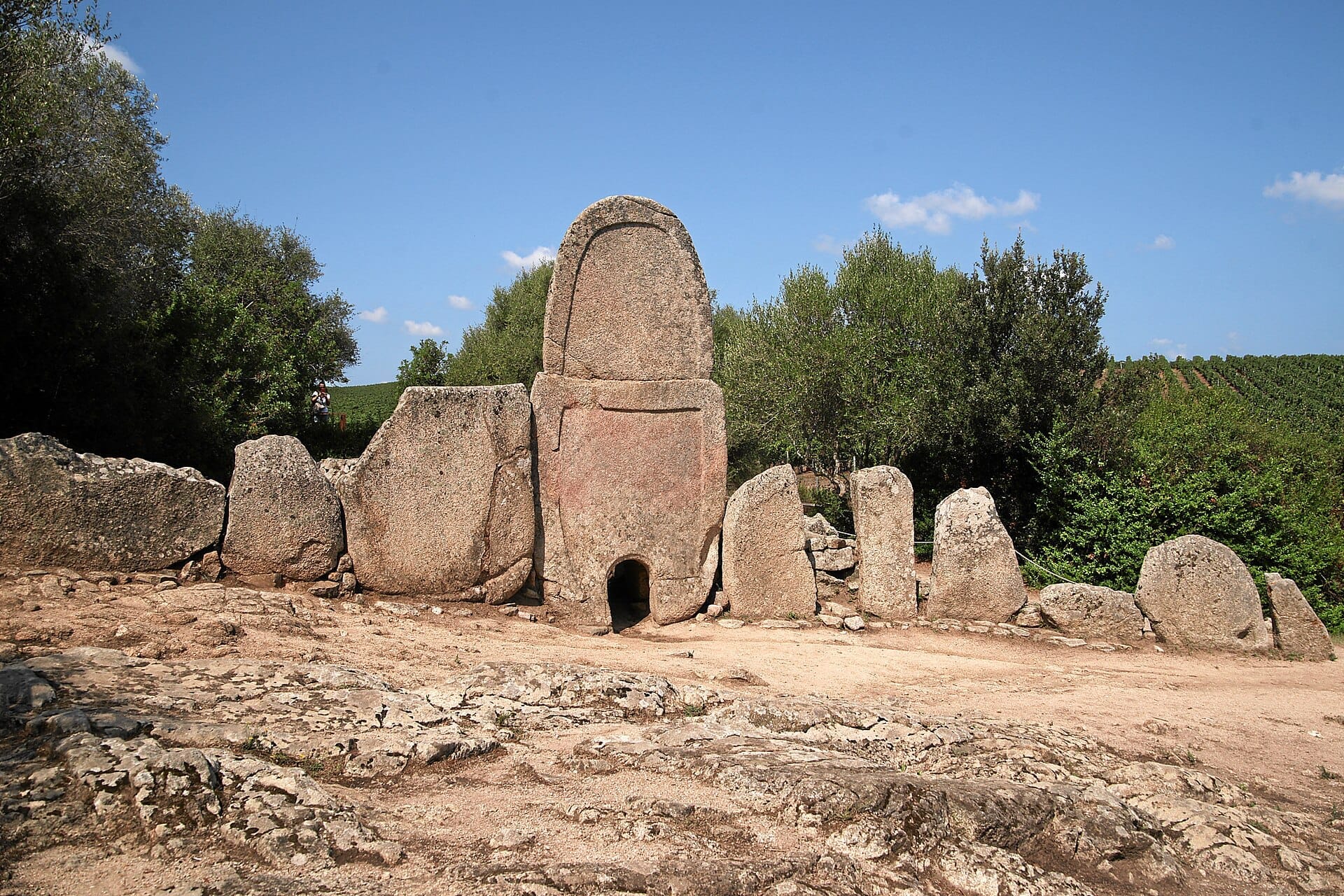
Inland, the area around Arzachena contains one of Sardinia's most important concentrations of prehistoric monuments. The Coddu Vecchiu giant's tomb is one of the most intact examples of the Nuragic funerary tradition on the island, with the distinctive stele entrance still standing. The Coddu Vecchiu Giants' Tomb is a short drive from the coast and almost never crowded, which makes the contrast with the resort life ten minutes away feel almost surreal.
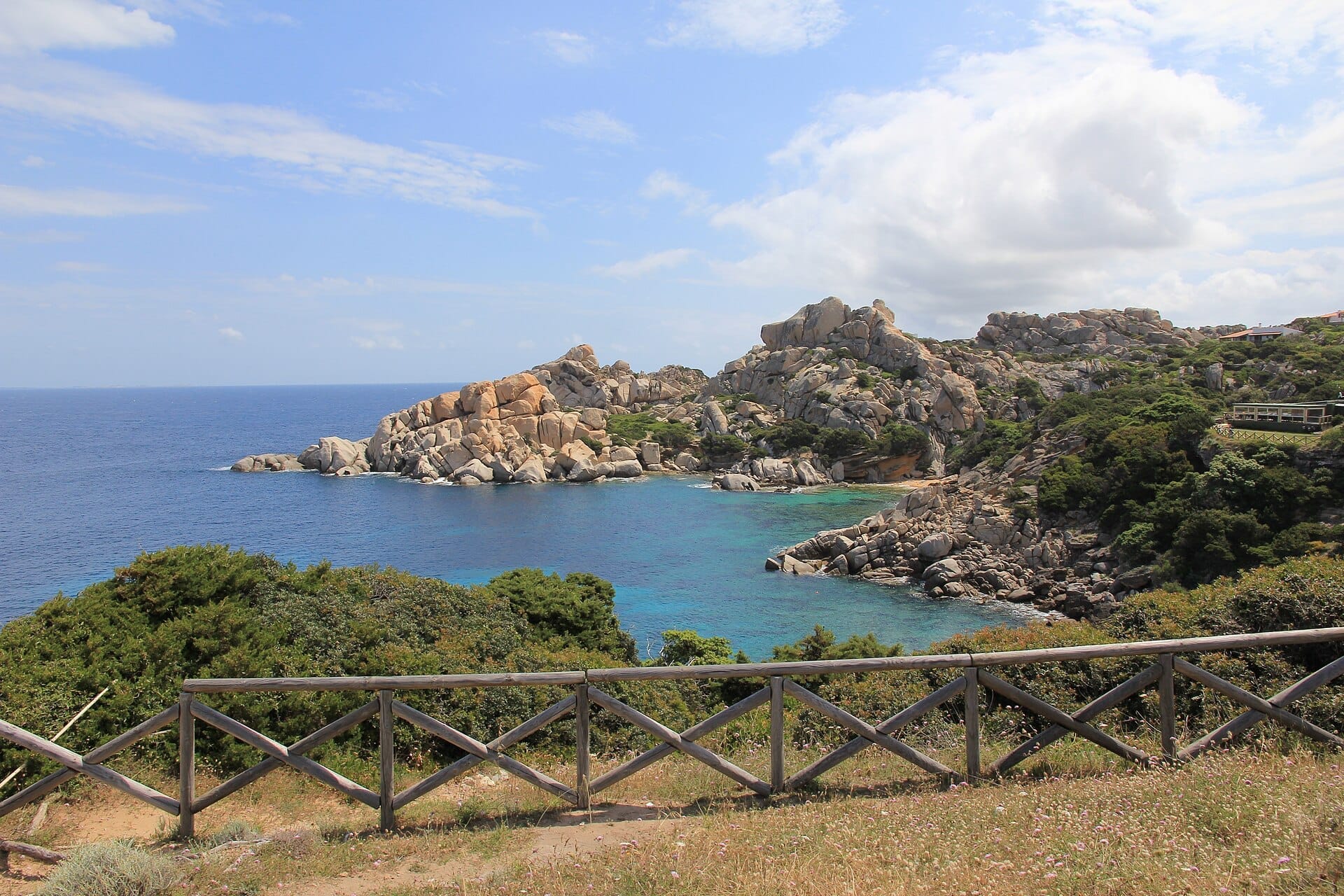
Capo Testa near Santa Teresa Gallura: a peninsula of extraordinary granite formations, with short walking paths through the boulders to isolated coves
Aggius: a small mountain village famous for its banditry museum and the lunar landscape of the Valle della Luna nearby
Porto Cervo marina: worth walking around once for the spectacle of the superyachts, even if you buy nothing
Golfo Aranci: a quieter alternative to the Costa Smeralda crowds, with clear water and a working ferry port
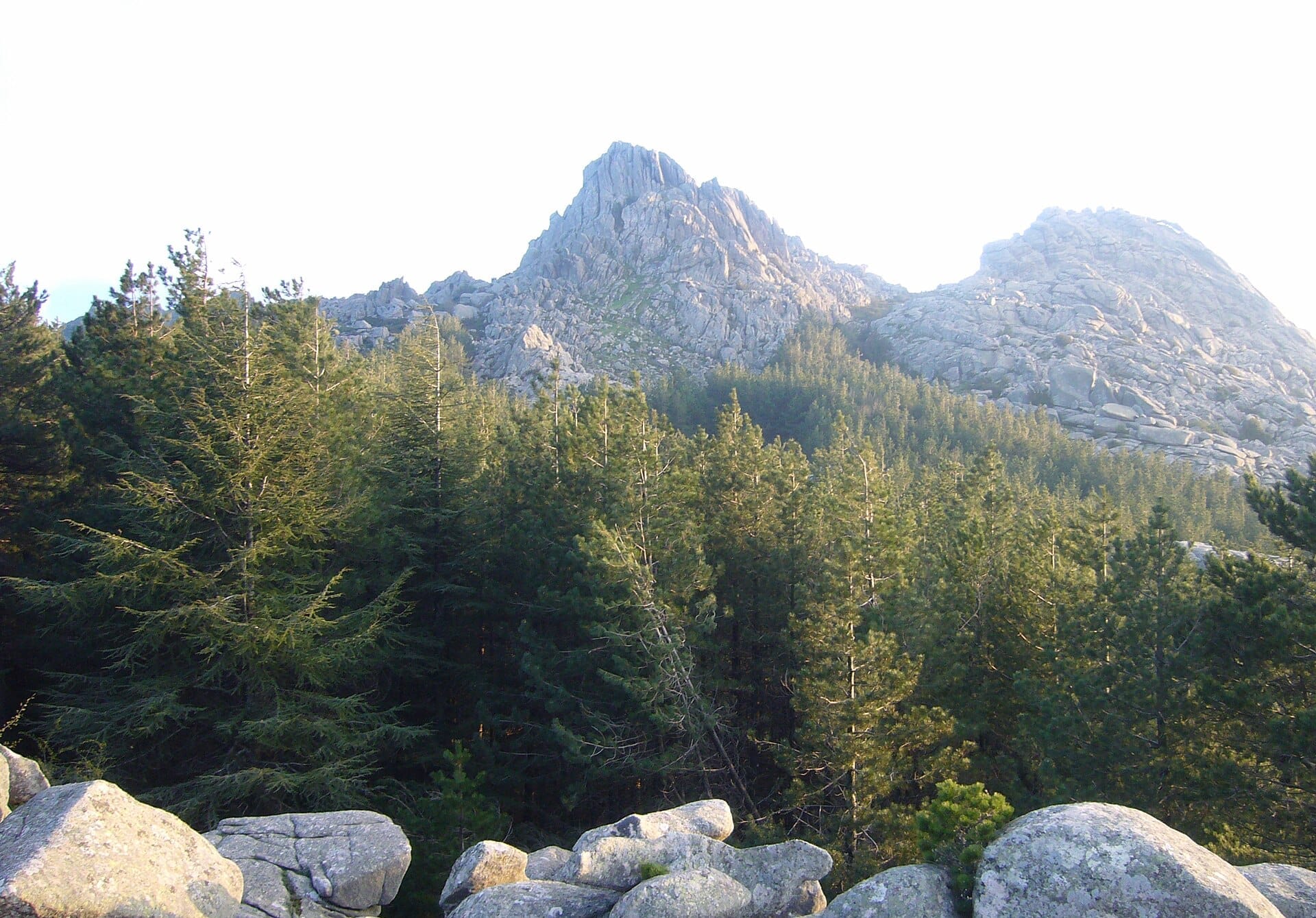
Monte Limbara: hiking terrain above the cork oak line with views across the entire Gallura region on clear days
For travelers with a car and time, the Capo Testa area near Santa Teresa is one of the most geologically distinctive landscapes in Sardinia. Ancient granite has been shaped by millennia of tramontana wind into formations that lean, balance, and arch in ways that seem structurally impossible. Walk out to the lighthouse in the late afternoon and you can see Corsica clearly on most days.
💡 Local tip
Book La Maddalena boat trips at least a day ahead in July and August. Spots on licensed tour boats fill quickly, and the national park restricts access to sensitive beaches to avoid overcrowding. Going with a licensed operator also means you reach spots that are off-limits to private boats.
Eating and Drinking
Gallura's food culture divides sharply between the coast and the interior. On the coast, particularly around Porto Cervo and Palau, you are in the world of grilled fish, bottarga (cured mullet roe), and seafood pasta priced to match the surroundings. The quality is generally high because the supply chain from local fishing boats is short, but the markup at high-end Costa Smeralda restaurants is significant. A plate of spaghetti alle vongole at a portside restaurant in Palau and the same dish at a Porto Cervo terrace may cost twice as much at the latter.
In the interior, and in Olbia's older neighbourhoods away from the tourist waterfront, you find the food that Galluresi actually eat: suppa cuata (a baked bread and cheese soup specific to the region), roast suckling pig cooked in the traditional sa porchedda style over myrtle wood, and local ricotta served with honey or as a filling in seadas, the fried pastry with pecorino and lemon that appears on dessert menus across Sardinia but originated in exactly this kind of pastoral cooking.
Gallura is also Sardinia's most significant wine-producing area. The Vermentino di Gallura DOCG, the only DOCG designation on the island, produces white wines from vineyards grown in granite soils around Tempio Pausania, Berchidda, and Monti. The wine is aromatic, mineral, and high in alcohol, and pairs well with the local seafood. For more on Sardinian wines, the Sardinia wine guide covers the regional DOC system in detail.
Olbia's old town streets around Corso Umberto: local bars and restaurants serving Gallurese cooking at non-resort prices
Palau port area: straightforward fish restaurants with daily catch menus
Tempio Pausania market square: coffee, local cheese, and pastries in a setting that has nothing to do with tourism
Santa Teresa Gallura: casual seafood at the harbour, particularly good for bottarga dishes
Agriturismo farms in the Arzachena interior: multi-course set menus based on whatever was slaughtered or harvested that week, usually requiring a booking
⚠️ What to skip
Restaurant prices on the Costa Smeralda are high by Italian standards. A coperto (cover charge) is common, and some establishments add a service charge on top. Check the menu posted outside before sitting down. Moving even a few kilometres inland from the resort coast drops prices considerably.
Getting There and Around
Olbia Costa Smeralda Airport (IATA: OLB) is the main gateway, sitting roughly 4 kilometres south of Olbia city centre. It receives direct flights from many European airports, with the widest range and highest frequency of routes typically from spring through early autumn. ASPO city buses (including lines 2 and 10) connect the airport to Olbia, and taxis are available outside the terminal. Ferry services from Genova, Civitavecchia, Livorno, and Piombino also arrive at Olbia's port, making it one of the best-connected points in Sardinia.
Within Gallura, a car is not optional: it is essential. The region covers hundreds of square kilometres, the most interesting beaches require driving to car parks and then walking, and public transport between smaller towns runs infrequently. ARST operates regional buses between the main towns, and Trenitalia runs train services connecting Olbia with Golfo Aranci and with Sassari, but the rail network does not reach most of the coastal areas visitors want to reach. See the full guide to getting around Sardinia for practical detail on car hire, ferry crossings, and bus routes.
From Olbia, the main road north is the SS125 toward Palau, with a junction for Arzachena and the Costa Smeralda. Santa Teresa Gallura is about 65 kilometres from Olbia along this route, roughly an hour's drive. The ferry crossing from Palau to La Maddalena takes about 20 minutes and runs frequently throughout the day in summer, with reduced frequency in winter. Palau is also the departure point for tours into the national park.
Sardinia has no motorways anywhere on the island. Roads in Gallura vary from decent dual-carriageway sections near Olbia to narrow single-track coastal lanes that require careful navigation in July and August when oncoming camper vans appear around blind bends. Allow more time than mapping apps suggest for journeys in high season.
Where to Stay
Accommodation in Gallura ranges from some of the most expensive hotels in Italy to simple agriturismo rooms in farmhouses charging a fraction of the coastal prices. The choice of base matters significantly. For the luxury end of the market, the Costa Smeralda between Porto Cervo and Baia Sardinia contains internationally recognised five-star properties that have hosted royalty and celebrities since the Aga Khan developed the area in the 1960s. These are among the most expensive hotels in the Mediterranean.
For travelers who want good beach access without the Costa Smeralda price point, Palau and Santa Teresa Gallura offer smaller hotels and B&Bs with reasonable rates and excellent positioning for La Maddalena day trips and northern beaches. Olbia itself is the most practical base if you are using the region as a transit hub or doing day trips in multiple directions: hotels here are priced for business travelers and families rather than resort guests, and the airport proximity is convenient.
The interior towns of Tempio Pausania and Aggius offer a quieter alternative that is almost entirely overlooked by international visitors. Staying here means cooler temperatures in summer, lower prices, and access to hiking in the Monte Limbara area, while the coast is 30 to 45 minutes by car. For farm-based accommodation, the Sardinia agriturismo guide explains how the system works and what to expect from a farmhouse stay.
The full breakdown of accommodation options across Sardinia, including budget to luxury across all regions, is covered in the where to stay in Sardinia guide.
Honest Drawbacks
Gallura in July and August is subject to serious overcrowding at its most popular sites. Spiaggia del Principe, Capriccioli, and the La Maddalena island beaches fill early and stay packed until late afternoon. Car parks at access points to good beaches charge high rates in peak season and are still full by 9am on weekends. If you value space and quiet, these months are not ideal unless you are willing to either arrive extremely early or pay for a boat to reach beaches inaccessible by road.
The Costa Smeralda specifically can feel exclusionary in a way that is worth being prepared for. Certain beach clubs and restaurants operate as essentially private spaces where table service at inflated rates is the price of access. Public beach access is legally guaranteed in Italy, but the logistics of reaching some spots without a boat, and finding somewhere to sit, can be frustrating. The contrast between the superyacht marina at Porto Cervo and the working fishing port at Olbia or Palau is stark enough to cause genuine cognitive dissonance.
Travellers visiting outside the June to September window will find that many coastal restaurants, hotels, and services close entirely. Santa Teresa Gallura and smaller beach villages can feel nearly abandoned in November. The shoulder months of May, early June, and October offer the best compromise: the sea is swimmable from May, crowds are manageable, and prices drop. For timing guidance, the best time to visit Sardinia explains the seasonal patterns across the whole island.
TL;DR
Gallura covers northeastern Sardinia from Olbia north to Santa Teresa Gallura, with the Costa Smeralda and La Maddalena Archipelago as its most famous draws.
A car is essential: public transport does not reach the beaches and landscapes that define the region.
July and August bring genuine overcrowding at popular beaches; May, June, and September offer better conditions for most travelers.
Prices on the Costa Smeralda are among the highest in Italy; moving even a short distance inland or to towns like Palau and Santa Teresa brings costs back to normal Italian levels.
Best suited to travelers who want a combination of world-class beaches, boat trips, prehistoric sites, and some of the best white wine in Sardinia, ideally with a car and flexibility on timing.
Fourteen days is the right amount of time to properly explore Sardinia's four coastlines, mountainous interior, and ancient ruins. This itinerary covers the full circuit by car, from Cagliari in the south to Alghero in the northwest, with practical advice on timing, logistics, and where to skip the tourist traps.
Sardinia has about 1,850 kilometres of coastline and some of the clearest water in the Mediterranean. This guide covers the best beaches across the island, from the famous to the hard-to-reach, with practical advice on access, crowds, and when to go.
Sardinia rewards visitors differently depending on when they arrive. This guide cuts through the vague advice to explain exactly what each season delivers, from peak-summer beach conditions to spring wildflower hikes and quiet winter city breaks, so you can match your trip to your priorities.
Cagliari sits at the southern tip of Sardinia, placing you within striking distance of some of the island's finest beaches, archaeological sites, and natural landscapes. These 20 day trips range from quick 30-minute drives to full-day adventures into the island's wild interior.
Sardinia covers 24,090 km² of mountains, coastline, and rural roads with no motorways. This guide breaks down every realistic transport option, from renting a car to catching the right ferry, so you can plan a trip that actually works.
Sardinia is far more than a beach destination. Its limestone canyons, granite peaks, and ancient shepherd paths offer some of the most dramatic hiking in the Mediterranean. This guide covers the best trails from day walks to multi-day epics.
Sardinia is Italy's second-largest island and one of the Mediterranean's most remarkable destinations — but it rewards those who plan well and punishes those who assume it's just another beach holiday. This guide cuts through the marketing to give you a clear-eyed picture of what Sardinia offers, who it suits best, and what to expect.
Sardinia delivers some of Europe's most coveted luxury travel experiences, from the yacht-lined marina at Porto Cervo to secluded villas with private pools above crystalline coves. This guide breaks down where to stay, when to go, and how to build a high-end Sardinian itinerary that goes beyond the obvious.
Olbia is where most visitors to northeast Sardinia first set foot, then immediately drive away toward Costa Smeralda. That's a mistake. This guide covers what the city actually offers, from its Nuragic roots and early Christian basilica to boat trips around Tavolara, the best nearby beaches, and everything you need to arrive, orient yourself, and explore the Gallura region properly.
Seven days in Sardinia is enough time to experience the island's best beaches, ancient sites, and coastal scenery — but only if you plan carefully. This day-by-day itinerary covers the most rewarding route, with practical logistics, timing advice, and the practical details most guides leave out.
Agriturismo is one of the most rewarding ways to experience Sardinia beyond the coast. This guide covers what a real agriturismo is, where to find the best ones, what food to expect, prices to budget for, and how to avoid countryside guesthouses masquerading as working farms.
Sardinia is home to the world's first identified Blue Zone, a cluster of inland villages in the Ogliastra region where living past 100 is far from unusual. This guide breaks down the research, the lifestyle factors, the villages worth visiting, and how to experience the culture behind the longevity — without the tourist traps.
Sardinia's most spectacular landscapes are only reachable by water. This guide covers the best boat trips across the island, from the pink-sand coves of La Maddalena to the towering limestone cliffs of the Gulf of Orosei, with tips on what to expect, when to go, and how to book.
Sardinia has some of the most spectacular camping terrain in the Mediterranean, from cliff-backed coves to pine-shaded coastal pitches. But the rules around wild camping are strict and widely misunderstood. This guide covers the legal framework, regional campsite highlights, realistic costs, and seasonal booking strategy.
Two islands, 11 km apart, yet remarkably different in culture, cost, and character. This guide breaks down the real differences between Sardinia and Corsica so you can choose the one that actually matches your trip.
Sardinia's festival calendar runs nearly year-round, from winter carnival traditions to autumn food fairs. This guide covers the major events by season, what to expect at each, and how to plan your trip around them without getting caught off-guard.
Sardinian food is not Italian food with a regional accent — it is a cuisine shaped by centuries of pastoral life, coastal abundance, and fierce cultural independence. This guide covers the dishes you need to try, the wines worth seeking out, and how to eat well without getting steered toward the tourist menu.
Sardinia rewards those who look beyond the famous beaches. This guide uncovers the island's lesser-known archaeological wonders, dramatic inland landscapes, and coastal stretches that see a fraction of the summer crowds, from Bronze Age cities to wild dune deserts.
Sardinia delivers some of the Mediterranean's most striking coastal scenery, and it rewards couples who look beyond the obvious. This guide covers the best romantic beaches, the right season to visit, where to base yourself, and the experiences that actually make a trip feel special rather than simply scenic.
May and June are arguably the best months to visit Sardinia. Temperatures sit in the low-to-mid 20s°C, rainfall is minimal, beaches are largely empty, and prices are a fraction of August rates. This guide covers everything you need to plan a trip during Sardinia's sweet spot.
September and October are arguably the smartest months to visit Sardinia. The sea is still warm, the beaches clear out, prices drop by up to 50% compared to August, and the island's food and culture festivals hit their stride. This guide covers everything: what the weather is really like, which beaches and attractions to prioritize, what closes early, and how to plan a trip that beats the summer crowds without missing out on anything.
July and August in Sardinia mean scorching heat, crystal-clear water, and the most crowded beaches in the Mediterranean. This guide breaks down exactly what to expect: temperatures, sea conditions, crowd patterns, transport logistics, and the honest trade-offs of visiting during peak season.
Sardinia's drink culture runs much deeper than Cannonau and Vermentino. From bitter chinotto and blood orange spremuta to coffee granita and herbal aperitivi, the island offers a full range of non-alcoholic options rooted in Italian tradition. This guide covers what to order, when to order it, and what to expect to pay.
Sardinia holds more than 7,000 surviving nuraghe, making it the richest Bronze Age landscape in the Mediterranean. This guide covers the essential Nuragic sites across the island, from towering fortress complexes and sacred wells to rock-cut tombs, colossal stone statues, and hidden village ruins inside mountain sinkholes.
Sardinia has a reputation as a playground for superyachts and celebrity holidays. That reputation is earned in places like Costa Smeralda — but it doesn't apply to the rest of the island. With the right timing, transport choices, and a few local habits, visiting Sardinia on a budget is entirely realistic. This guide breaks down exactly how.
Sardinia rewards self-drivers more than almost anywhere in the Mediterranean. This guide covers everything you need: which airport to fly into, how long routes actually take, when to go, what to rent, and the coastal and inland drives worth building your itinerary around.
Sardinia has some of the clearest water in the Mediterranean, protected by a network of marine reserves that have allowed groupers, barracuda, and Posidonia seagrass meadows to thrive. This guide covers the best snorkelling and diving destinations across the island, from the sheltered coves of the Golfo di Orosei to the offshore shoals of Capo Caccia and the archipelago waters of La Maddalena.
Sardinia has one of the most reliable Mediterranean climates in Europe, but the difference between a perfect trip and a sweaty, overpriced one often comes down to timing. This guide breaks down Sardinia's weather month by month, covers regional climate differences, and tells you exactly when to visit based on what you want to do.
Sardinia is one of Europe's premier destinations for windsurfing and kitesurfing, with reliable Mistral winds, warm water, and spots suited to everyone from first-timers to competition riders. This guide covers the island's top locations, from the world-famous flats of Porto Pollo to the wave-lashed beaches of the south.
Sardinia produces some of Italy's most distinctive wines, from the rich, age-worthy Cannonau of the Barbagia highlands to the mineral Vermentino di Gallura DOCG on the granite soils of the northeast. This guide covers every major grape, appellation, regional style, and where to taste them on the island.
Sardinia is one of the Mediterranean's top destinations for families, with shallow turquoise bays, a long swimming season, and a wealth of activities beyond the beach. This guide covers the best family-friendly beaches by region, when to go, how to get around, and what to do when the kids have had enough sun.
Sardinia rewards travelers who look beyond its famous beaches. This guide covers the island's top experiences — prehistoric ruins, sea caves, coastal hikes, boat trips, and cultural towns — with practical advice on timing, costs, and what to skip.
Sardinia is bigger than most visitors expect, and picking the right base makes or breaks a trip. This guide breaks down every major area, from the glamour of Porto Cervo to the cultural depth of Cagliari, with practical advice on prices, seasonal timing, and how many bases you actually need.